Specs are compiled from manufacturer listings and verified buyer reviews and can change over time — please confirm the key details on the product page before buying.
If your toes feel cramped and your heels feel propped up by the end of a walk, a zero-drop sneaker is the fix worth understanding first. Zero drop means the heel and the forefoot sit at the same height off the ground, so your foot stays level instead of tilting forward. That level platform changes how your whole body loads the ground. Below you will find seven genuinely zero-drop pairs, sorted by what each one does best, from wide trail luggers to flexible gym trainers.
This guide is built by comparing the manufacturers’ published specifications and the patterns across verified customer reviews, so you get each pick’s real strengths and trade-offs instead of marketing spin.
What follows breaks down stack height, toe box space, and grip so you can pick with confidence. The right pair of zero drop sneakers should feel level underfoot, roomy at the toes, and matched to the surface you actually walk on.
Top Picks

How To Choose The Best Zero Drop Sneakers
Most people buy a zero-drop shoe for one of three reasons: wide feet that get pinched, a desire to walk with a more level foot, or a switch to a more minimal platform. Your job is to match the shoe to your surface and your foot shape, not to chase the thinnest sole on the shelf. A zero-drop shoe with a thin sole gives you lots of ground feel but little cushioning; a thicker one softens the ride but mutes the terrain.
Start with the drop number, then the stack
Drop is the height difference between heel and toe. On a true zero-drop shoe that figure reads 0 mm, so your foot sits level. Stack height is how thick the sole is underfoot — a 25 mm stack sits fairly close to the ground, while a 30 mm stack adds more foam between you and the pavement. A thin stack gives you ground feel; a thicker stack cushions long paved miles.
Check the toe box before anything else
The toe box is the front compartment of the shoe where your toes sit. A roomy toe box lets toes splay out instead of stacking on top of each other, which is the whole reason many wide-footed buyers go zero-drop in the first place. If your current shoes leave red marks on your pinky toe, check toe box width before anything else.
Side-by-Side Comparison
| Model | Best For | Drop | Stack Height | Weight | Amazon |
|---|---|---|---|---|---|
| ALTRA Women’s Lone Peak 8★ Best Overall | Trail days and thru-hikes | 0 mm | 25 mm | 10.7 oz | Amazon |
| HIKE Footwear Flame Women’sBudget Champion | All-day barefoot walking | 0 mm | — | — | Amazon |
| Flux Footwear Adapt Graphene XT | CrossFit and lifting sessions | 0 mm | — | 10.2 oz | Amazon |
| ALTRA Men’s Torin 8 | Road miles with plush cushion | 0 mm | 30 mm | 8.4 oz | Amazon |
| Xero Shoes Men’s HFS II | Barefoot purists and lifting | 0 mm | — | — | Amazon |
Detailed Reviews
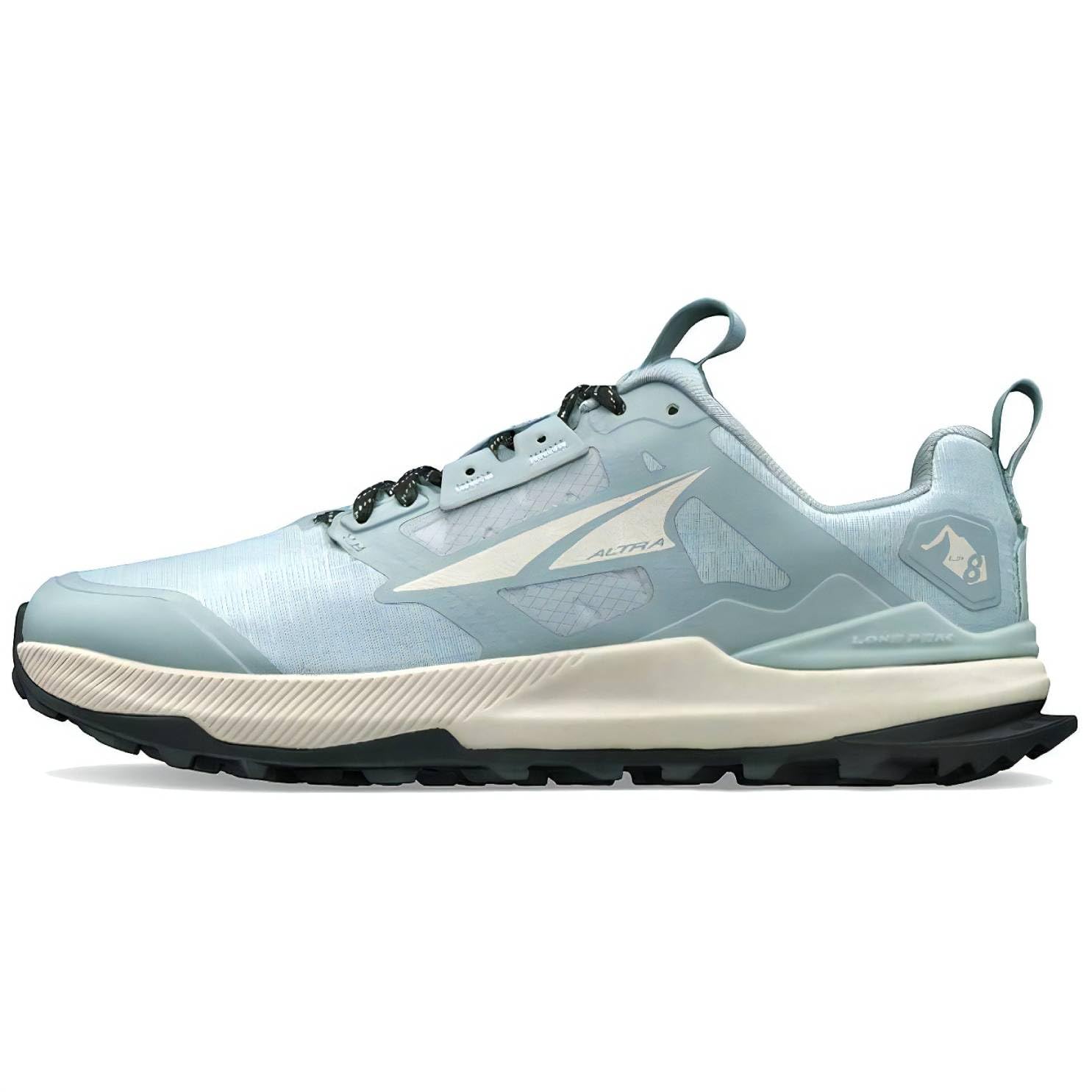
1. ALTRA Women’s Lone Peak 8 Trail Running Shoe
Our pick — 4.5+★ from 800+ verified ratings; the strongest balance of quality and price.
The trail shoe that keeps your heel level while the ground underneath gets ugly.
Here is the whole case in one line: you get a genuinely level 0 mm platform, a 25 mm stack, and a MaxTrac outsole that stays sticky on loose ground. That 25 mm stack keeps you close enough to the dirt to feel the terrain shift, yet still puts some foam between your sole and a sharp rock. It is the pairing that makes this the strongest all-round pick for anyone stepping onto a trail.
TrailClaw lugs are canted and placed under the metatarsals — those are the long bones behind your toes — to add bite right where you push off. The upper is a ripstop mesh, meaning a woven fabric with reinforcement threads that resist tearing. Altra’s roomiest toe box and FootShape design give your toes real estate to spread. What wins people over is the broad mix of fit, comfort, and durability all landing on the positive side of the ledger. The lone mixed note across the reviews is cushioning, so if you want a soft, plush ride underfoot, this is the wrong trail shoe for you.
Weight sits at 10.7 oz, which is heavier than the Torin 8’s 8.4 oz road shoe. That extra bulk buys lug depth and sidewall protection a pavement shoe lacks. If your week is mostly trail, that trade is easy to accept.
What earns its place
- True 0 mm drop keeps your heel and forefoot level on uneven ground.
- MaxTrac outsole plus TrailClaw lugs grip loose dirt and rock.
- Altra’s roomiest toe box, paired with the FootShape fit.
- Ripstop mesh upper resists tears on brush and scree.
Where it asks you to compromise
- At 10.7 oz it is heavier than the lighter road picks on this list.
- Cushioning is the one mixed note — not a plush ride.
- Trail-focused build means pavement miles wear it faster.
Made for: the hiker or trail runner who wants one shoe for loose dirt, long miles, and a level foot.
Think twice if: you want a soft, cushioned ride — the mixed cushioning feedback points you toward the Torin 8 instead.
2. HIKE Footwear Flame Women’s Barefoot Walking Shoes
A flexible, level walking shoe built for feet that want to feel the floor again.
The Flame keeps things simple. You get a zero-drop sole that holds your foot level, a wide toe box so your toes can splay, and a flexible sole that lets the shoe bend with your foot instead of fighting it. That flex is the point: a stiff sole forces your foot to work around it, while a flexible one bends where your foot bends. For daily walking on pavement or a grocery run, this is the fit most buyers picture when they think barefoot.
Comfort is the thing that carries this shoe. Buyers find they can wear it all day, and arch support is the second-strongest thread through the reviews. The look wins people over too — a brown heel detail earns its share of mentions. A couple of areas split opinion: the slip-on entry and the overall value read draw mixed reactions, so if you want a locked-down laced fit, factor that in.
This is the entry-level pick of the group, and the trade shows up in the price-to-feel balance. You get the essential zero-drop geometry without the trail-grade outsole or the lightweight race foam. For a walking shoe, that is a fair trade.
The daily-walk read: flexible sole plus a wide toe box is a combination built for all-day comfort rather than performance miles.
The honest catch: the slip-on fit and the value read are the two soft spots — buyers split on both.
Reach for this if: you want an affordable zero-drop walking shoe with real toe room and a soft bend.
Look elsewhere if: you need a secure laced lockdown for gym work.
3. Flux Footwear Adapt Graphene XT Cross Training Shoes

A gym shoe that keeps the heel flat and the toe box open for lifting and sprinting.
CrossFit, powerlifting, and weightlifting all reward a level, stable base — and this shoe delivers exactly that with its zero-drop build. The ripstop upper is a fabric woven with tiny reinforcement threads to resist rips and abrasion, so it stays light and breathable while taking a beating on rope climbs and box jumps. Graphene — a one-atom-thick carbon layer the maker describes as 200x stronger than steel — is woven into the upper for durability without stiffness.
Fit is where this shoe shines. The wide toe box lets your toes align and spread, and comfort and true-to-size fit are the two threads running strongest through owner feedback. Versatility earns a solid mention too — this is a shoe that jumps from lifting platform to lateral drills without complaint. Grip for quick sprints and jumps gets a nod as well.
One warning before you order: the maker states the Adapt Graphene runs small for most people and recommends sizing up a half size. That is the single most useful note on this listing. Also keep it out of the washing machine — spot clean with water, mild soap, and a soft brush.
Why gym rats like it
- Zero drop keeps your base flat for squats and deadlifts.
- Wide toe box gives toes room to spread under load.
- Ripstop and graphene build resist abrasion without stiffness.
- Comfort and true-to-size fit drive the feedback.
Notes before you commit
- Maker says it runs small — order a half size up.
- Spot clean only; no machine washing.
- Value read draws some mixed reactions.
Go with it if: you need one zero-drop shoe for the whole gym session, from barbell to sprint.
Size up if: you are between sizes — the maker’s own guidance points to a half size larger.
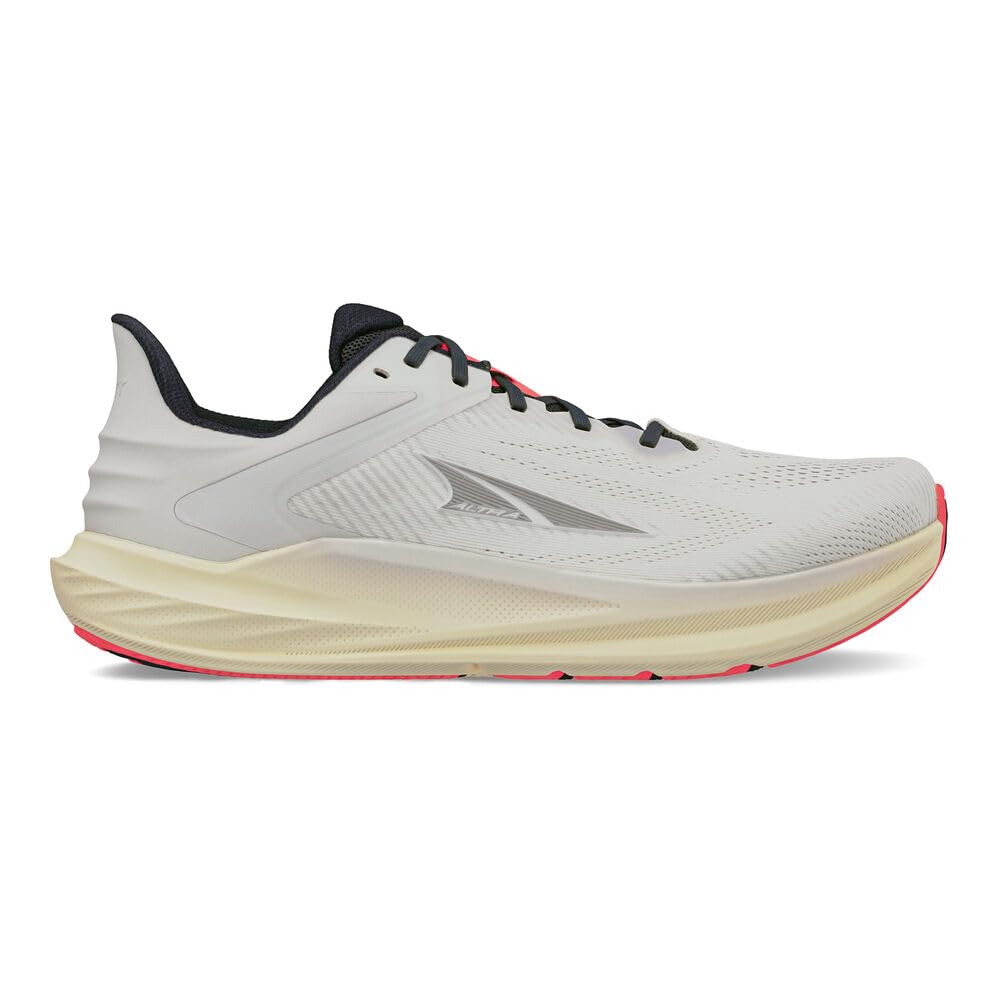
4. ALTRA Men’s Torin 8 Road Running Shoe
Plush road cushioning at 8.4 oz, with the level heel true zero-drop fans insist on.
If you run pavement and want a soft landing without losing your level platform, this is the one. The Torin 8 sits on a 30 mm stack — 5 mm more foam than the Lone Peak 8’s 25 mm — and still carries a true 0 mm drop. That higher stack is what turns a harsh road mile into a forgiving one. At 8.4 oz it is also 2.3 oz lighter than the Lone Peak 8’s 10.7 oz, so your legs feel the difference on longer efforts.
The Altra EGO MAX midsole foam is tuned for bounce and a plush feel underfoot, and the roomy toe box comes with a secure midfoot — a rare pairing, since most roomy shoes get sloppy in the middle. A breathable mesh upper and heel collar mold to your foot right at step-in. Quality and comfort are the two strongest threads in owner feedback, with the toe box close behind. One honest note: durability and the value read both draw mixed reactions, so treat this as a comfort-first road shoe rather than a thousand-mile workhorse.
Midfoot-striking runners in particular report this shoe suits their style well. If that is you, the 30 mm stack gives you a soft landing without propping up your heel.
What stands out: a 30 mm stack with a genuine 0 mm drop is a rare combination — plenty of cushion without a raised heel.
The trade-off worth knowing: durability feedback is split, so trail abuse is the wrong job for this shoe.
Best for: road runners who want the softest ride on this list without giving up a level foot.
skip it if: you need a bombproof outsole for rough trails — the mixed durability notes say look to the Lone Peak.
5. ALTRA Women’s Paradigm 8 Road Running Shoe
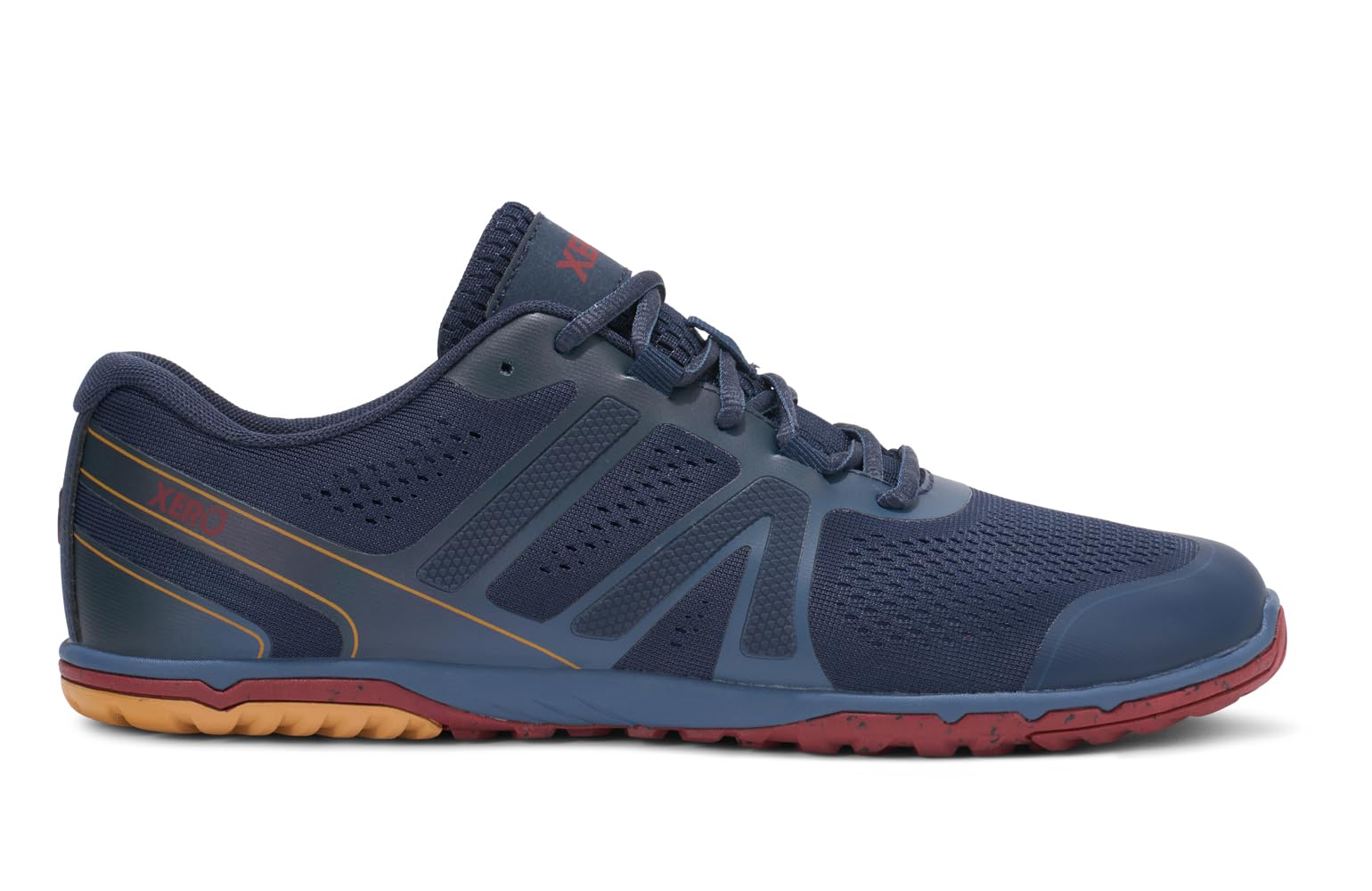
The most stripped-back barefoot option here, made for feet ready to do the work.
This is the purist’s pick. The HFS II leans fully into the barefoot philosophy: minimal platform, a rubber outsole, and nothing between you and the ground that you did not ask for. Quality and comfort are the two threads that run strongest through the feedback, and owners call it a natural landing spot for people switching to barefoot shoes for the first time.
Versatility and functionality earn their own mentions — this is a shoe that works for weightlifting and daily wear as well as running. Lightweight construction is another plus. One owner reports improved calf and Achilles tendon strength after time in them.
The catch is fit. Fit is the highest-churn topic in the feedback and it splits — some find the shoe true to size, others do not. Padding is also mixed, which makes sense for a minimalist shoe. If you are new to zero drop, this is the pair to break in gradually rather than the pair to wear for a full first week.
The barefoot case: a genuinely minimal platform, a rubber outsole, and a build that gets out of your foot’s way.
The stepping-in brake: fit feedback splits, so confirm sizing carefully before you commit.
Pick it up if: you are already comfortable barefoot and want the most minimal shoe on this list.
Hold off if: you are new to zero drop — ease in slowly and get the fit right first.
Know the Specs
Drop (mm)
Drop is the height difference between the heel and the forefoot. A true zero-drop shoe reads 0 mm, so your foot sits level instead of tilted forward. Every shoe on this list is a genuine 0 mm platform — not a low-drop 4 mm or 8 mm shoe posing as zero-drop. If your current running shoe feels like it is pushing you toward your toes, drop is the number to check first.
Stack Height (mm)
Stack height is how much shoe sits between your foot and the ground. A 25 mm stack keeps you close to the terrain, while a 30 mm stack adds more foam and softens the ride. Higher stack equals more cushioning and less ground feel; lower stack equals the reverse. Match the stack to your surface — trail days often favor a moderate stack, long pavement runs a thicker one.
Toe Box Width
The toe box is the front compartment of the shoe. A wide toe box lets your toes splay naturally rather than stack, which is the main reason many buyers seek out zero-drop footwear in the first place. It is worth checking fit in the toes before anything else, because a cramped toe box will ruin an otherwise well-built shoe. Wide-footed buyers should treat this as the priority spec.
Weight (oz)
Lighter shoes save your legs on longer efforts; heavier shoes tend to carry more protective material. On this list, weights run from 8.4 oz on the Torin 8 to 10.7 oz on the Lone Peak 8. The lighter shoe is built for pavement speed and the heavier one for trail protection. Neither figure is better in isolation — the question is what you plan to do in the shoe.
Common Questions
What does zero drop actually mean in a sneaker?
Is zero drop better for wide feet?
How long does it take to get used to zero drop shoes?
Can I wear zero drop sneakers for running on pavement?
What is the difference between a trail and road zero drop shoe?
Do zero drop sneakers work for lifting weights?
Does the Flux Adapt Graphene XT run true to size?
How should I clean a zero drop sneaker?
Is a thinner stack always better in a zero drop shoe?
What is the lightest zero drop shoe on this list?
The Bottom Line
For most people, the zero drop sneakers winner is the ALTRA Women’s Lone Peak 8 because it pairs a true 0 mm drop with a 25 mm stack and a MaxTrac outsole that holds on loose ground. It is the one pair here that handles trail miles without asking you to give up toe room. If you want a plush, soft road ride instead, grab the ALTRA Men’s Torin 8 — its 30 mm stack and 8.4 oz weight make it the lighter, softer option. And for gym days, the Flux Footwear Adapt Graphene XT is the one to reach for, with a ripstop and graphene upper built for lifting and sprints. One last nudge: if you are coming from a raised-heel shoe, ease into any of these gradually so your feet and calves can adjust to the level platform.
How we choose
We do not accept paid placement. Every pick is matched to a real buyer and a real use-case; we do not hands-on test units.
Sources
Specifications: manufacturer listings and product documentation. Review insights: verified customer reviews, as of November 2026. Pricing: not shown on this page (it changes often); check the current price via the retailer link.
As an Amazon Associate, Tactical Gear Guy earns from qualifying purchases. This does not affect which products we feature.