Specs are compiled from manufacturer listings and verified buyer reviews and can change over time — please confirm the key details on the product page before buying.
You want a jacket that keeps you warm on a raw morning without turning you into a shapeless ball of padding. That is exactly what the picks below do. Every one is a women’s-cut insulated jacket, so the shoulders and waist are cut for you rather than borrowed from a men’s pattern. The real dividing line is how each one traps heat: some use synthetic fill that shrugs off damp, others use high-fill-power down that packs down small. Below you get nine jackets sorted by what they actually do best, so you can match one to your winter instead of guessing.
This guide is built by comparing the manufacturers’ published specifications and the patterns across verified customer reviews, so you get each pick’s real strengths and trade-offs instead of marketing spin.
Cold weather gear fails in predictable ways: a shell that leaks wind, insulation that clumps when wet, a hood that will not stay put. The picks here address those failures differently, and the shortlist below shows you which approach fits the way you actually spend your winter days. Here are the strongest options for a women’s insulated jacket that earns its space in the closet.
Top Picks


How To Choose The Best Women’s Insulated Jacket
The mistake most buyers make is shopping by how thick a jacket looks on the hanger. Thickness tells you almost nothing about warmth. What matters is the insulation type, whether the outer shell blocks wind and light rain, and whether the cut leaves room for a sweater underneath. Work through these four points and you will land on the right jacket faster.
Down versus synthetic fill
Down insulation uses clusters of feathers that trap body heat and compress down small. Fill power is the number that grades it — a higher fill power means more loft for the same weight, so the coat feels lighter while staying warm. Synthetic fill, by contrast, is made of polyester strands and keeps its shape better when it gets damp. If you walk through sleet or wet snow often, synthetic is the safer bet. If you want the warmest jacket at the lightest weight, down wins.
Shell fabric and water repellency
A durable water-repellent finish (DWR) is a coating that makes light rain and snow bead up and roll off instead of soaking in. It is not the same as a waterproof membrane, which actually blocks water from passing through. For a commute or a walk in flurries, a DWR-treated shell is enough. For long stretches in steady rain, you want a waterproof shell layered over your insulation.
Fit and layering room
A women’s-cut jacket should follow your shape without clamping your arms. Check whether the brand calls the fit relaxed, regular, or active. A relaxed fit leaves room for a hoodie or fleece underneath, which effectively adds warmth on the coldest days. An active fit sits closer to the body and suits movement-heavy use, but leaves less layering space. If you plan to wear a thick sweater, size with that in mind.
Hood, cuffs, and draft control
Warmth leaks out at the openings — the neck, the wrists, the waist. An adjustable hood, knit or stretch cuffs, and a draft flap behind the main zipper all help seal those gaps. These small details often decide whether a jacket feels toasty on a windy day or leaves you reaching for a scarf.
Side-by-Side Comparison
| Model | Best For | Insulation Type | Weather Shell | Fit | Amazon |
|---|---|---|---|---|---|
| Carhartt Women’s Gilliam Jacket★ Best Overall | Everyday cool and wet weather | Synthetic insulation | Water-repellent and windproof | Relaxed | Amazon |
| Little Donkey Andy Packable PufferBest Value | Travel and packing light | Recycled insulation | Windproof | Runs small | Amazon |
| The North Face Junction Insulated JacketBest for Layering | Layering fall through spring | 100g HEATSEEKER synthetic | Non-PFC DWR, windproof | Regular | Amazon |
| Dokotoo Women’s Quilted Puffer | Budget-friendly moderate cold | Quilted puffer fill | — | — | Amazon |
| Columbia Powder Lite II Hooded Jacket | Light rain and snowfall | Recycled synthetic | Rain-and-stain repellent | Active | Amazon |
| Carhartt Montana Relaxed Fit Jacket | Cold, damp work days | Synthetic with sherpa lining | Nylon wind-blocking shell | Relaxed | Amazon |
| Columbia Suttle Mountain Long Jacket | Long-length coverage and warmth | Synthetic insulation | — | — | Amazon |
| Waukee Long Down Coat | Deep-cold protection with packability | 750+ fill power duck down | DWR-treated polyester | — | Amazon |
| The North Face Arctic Parka | Extreme cold and wet climates | 600 fill recycled down | Waterproof DryVent | Standard | Amazon |
Detailed Reviews
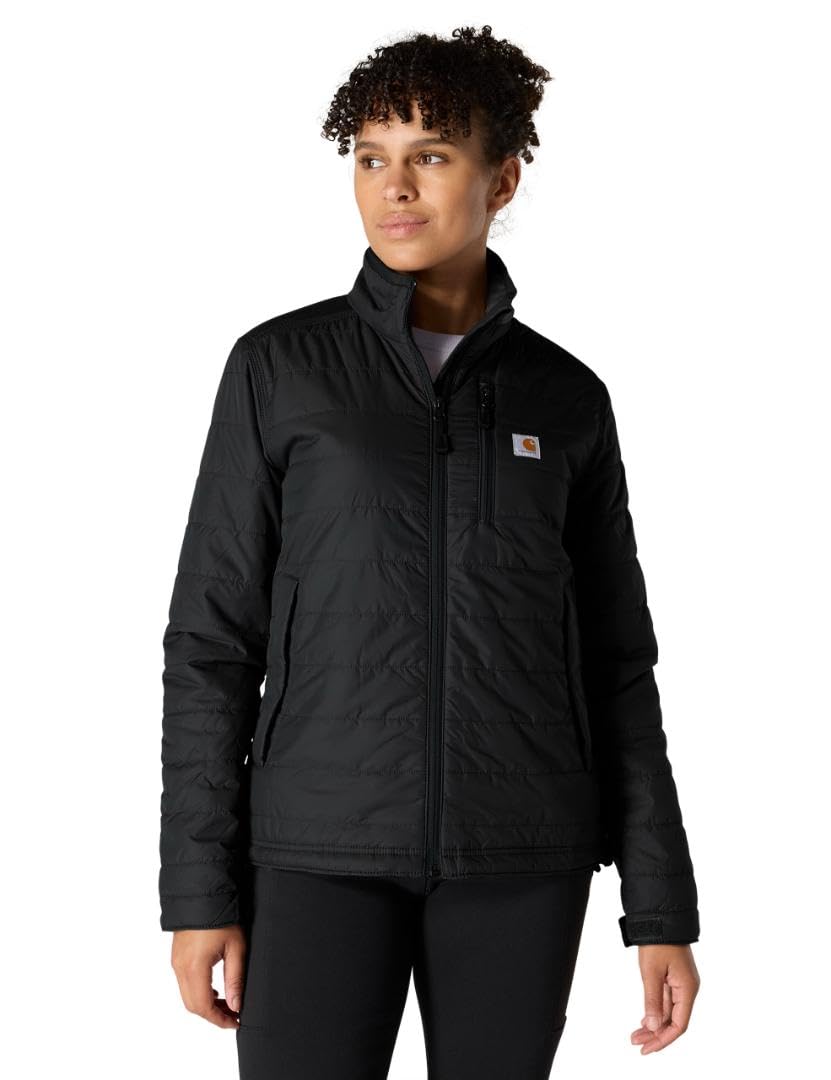
1. Carhartt Women’s Gilliam Jacket
Our pick — 4.5+★ from 450+ verified ratings; the strongest balance of quality and price.
The lightweight workhorse that shrugs off damp weather without boxing you in
If your winter is more drizzle and windchill than deep snow, this is the jacket that fits the most days on the calendar. The insulation is synthetic, so it keeps trapping heat even when the sky spits rain at you. The outer shell is water-repellent and windproof, which means a wet, breezy morning does not cut straight through to your skin.
Carhartt built it with Cordura, a tough woven fabric that resists scuffs and abrasion where other lightweight shells start to wear. The relaxed fit is the real draw here: it follows your shape but leaves room for a sweatshirt underneath when the temperature drops a notch. Multiple pockets, including zippered ones, give you somewhere safe for keys and a phone.
The pattern across owner experiences is a jacket that runs true to size with room for a layer, without swallowing you whole. Warmth on cold days and overall build quality come through again and again, and the styling draws compliments in a way most utility-minded shells do not. If you want one jacket that looks sharp on a school run and holds up to shoveling the driveway, this is the pick. What wins people over most is the relaxed fit — it runs true to size and leaves just enough room for a sweatshirt.
Where It Shines
- Water-repellent and windproof shell handles damp, gusty days
- Cordura fabric adds abrasion resistance to a lightweight body
- Relaxed fit leaves room for a sweatshirt underneath
- Zippered pockets keep essentials secure on the move
Worth Weighing First
- Synthetic insulation and light build suit cool-to-cold days more than deep-freeze cold
- Relaxed cut may feel loose if you prefer a close-to-body silhouette
Reach for this if: you want one sharp, tough shell for wet, breezy commutes and everyday errands.
Think twice if: you need a serious down parka for sub-zero stretches.
2. Little Donkey Andy Women’s Packable Puffer Jacket
Folds down into its own pouch and still holds heat at 40 degrees
Here is the jacket to throw in a daypack or a carry-on and forget about until the temperature surprises you. It uses recycled insulation and squeezes into a small pouch, so it takes up about as much room as a folded sweatshirt. That packability is the whole reason this one exists, and it folds into a pouch the size of a folded sweatshirt without looking like a lumpy sleeping bag.
Owners point to warmth and lightness as the headline, and it handles genuinely cool days around 40-degree weather well. A windproof shell plus a hood means a breezy walk does not steal the warmth you just built up. The quilted design keeps a flattering line rather than ballooning out, which is rarer than it should be in this packable class.
The catch is sizing: fit is the one place opinions split, with a real share finding it runs a size small. Order one size up if you want to layer, and treat the listed size as a starting hint rather than gospel. At this price, build quality held up better than owners expected from a packable puffer — well beyond the disposable feel of many travel puffers.
Travel-first logic: If your winter includes flights, hikes, or a bag you have to carry, this jacket’s fold-into-a-pouch design is the reason to pick it over a bulkier coat.
The one snag: That same lightness means it is a cool-weather layer, not a deep-freeze coat, and the sizing runs small.
Go this route when: you want warmth that disappears into a bag between uses.
Look elsewhere if: you will not size up and want a roomy fit straight off the rack.
3. THE NORTH FACE Women’s Junction Insulated Jacket
A three-season layer with recycled fill and a fleece collar that hugs your neck
The insulation here is 100g HEATSEEKER synthetic hollow-core fill, where the 70% recycled content reduces waste and the hollow-core strands trap heat in little pockets of air. That fill level sits right in the middle — warm enough for a chilly fall morning, light enough to wear into spring without overheating. Layer it under a shell in deep winter and it holds up fine.
The body is 100% recycled polyester plain weave with a non-PFC DWR finish, a water-repellent coating made without added fluorochemicals. It sheds light moisture rather than standing up to a downpour. An internal draft flap behind the zipper blocks the gusts that sneak in through the front, and stretch binding on the collar and cuffs closes off the other leak points.
Fit runs true to size with a regular cut that leaves mobility through the chest and shoulders, though some find the sleeves run long and sizing causes grumbling. The high-pile fleece lining inside the collar is the detail owners adore — it feels warm the moment you zip up. Build quality draws the most praise, followed closely by how genuinely warm this thin jacket turns out to be.
Why It Earns A Spot
- 100g HEATSEEKER fill balances warmth and weight across three seasons
- Non-PFC DWR finish sheds light rain and snow
- High-pile fleece collar lining feels warm at the neck
- Internal draft flap and stretch cuffs seal out cold gusts
What To Keep In Mind
- Sleeves run long for some wearers
- Light-moisture protection only, not a waterproof shell
Best fit for you: a commuter or weekend hiker who wants one jacket to wear fall through spring.
Pass it by if: long sleeves bother you or you need rainproof coverage.
4. Columbia Women’s Powder Lite II Hooded Jacket
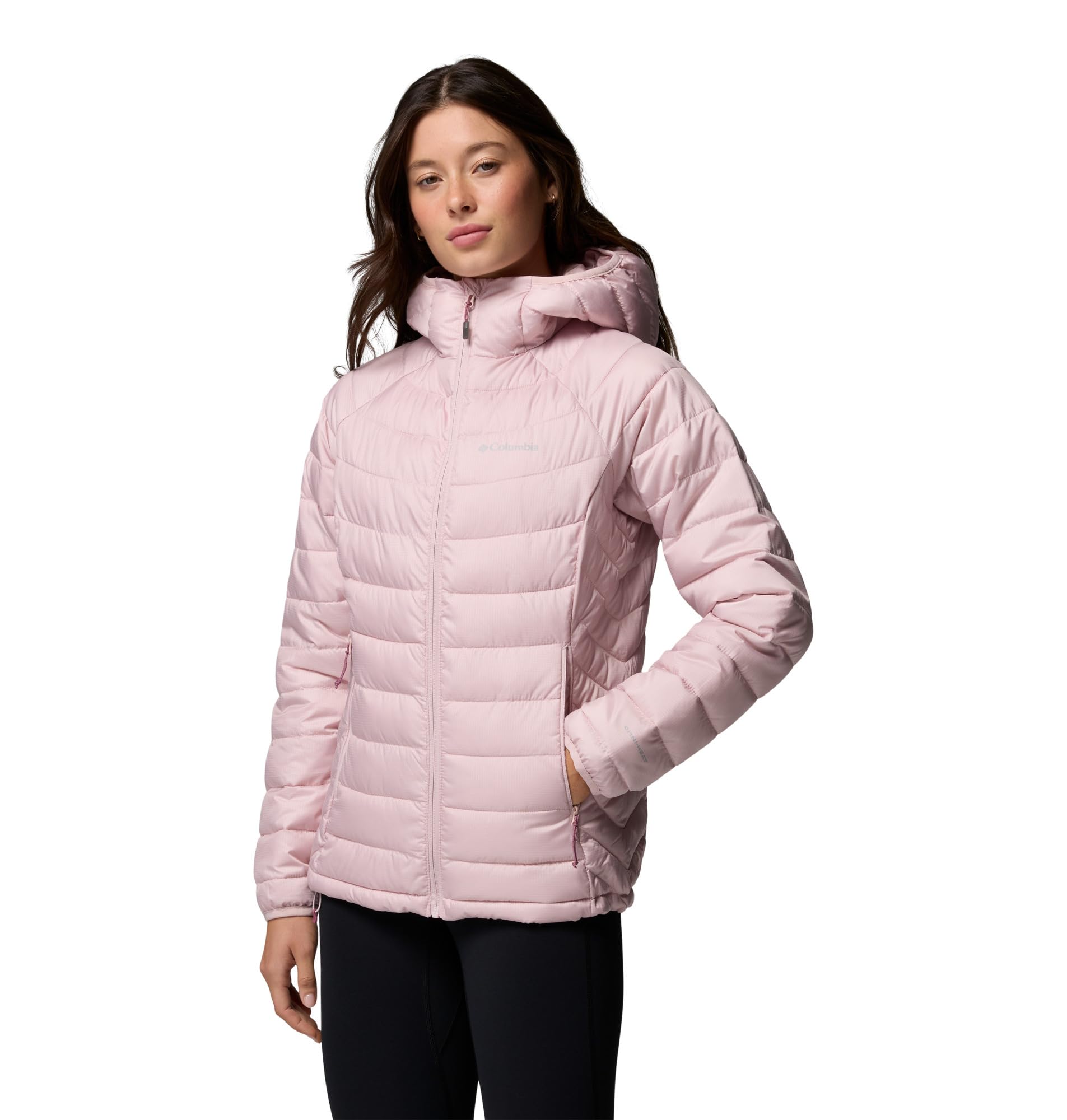
Thermal-reflective lining bounces body heat back at you under a rain-shedding shell
What makes the Powder Lite II different from a plain puffer is the liner. It is thermal-reflective, meaning a metallic inner surface reflects your own body heat back toward you instead of letting it escape. Paired with recycled synthetic insulation, that gives you warmth that punches above the jacket’s light weight. The shell adds rain-and-stain repellency, so a light shower or snowfall beads up rather than soaking through.
This is an active-fit hooded jacket, which means it sits closer to your body and moves with you. Owners describe it as lightweight, comfortable, and warm enough for real winter cold, with a style that draws compliments every time it comes out of the closet.
Watch the sizing: this one causes mixed reactions, with some finding it true to size and others saying it runs a little large. If you are between sizes and plan to layer, that roominess works in your favor. Quality and warmth are what hold the reputation together — for a jacket this light, it runs warmer than the numbers suggest.
What sells it: The thermal-reflective lining plus recycled fill means genuine winter warmth in a hooded jacket that still feels light on your shoulders.
The follow-up question: If you like a close fit, size down — the active cut plus occasional roominess can leave extra space at the waist.
Pick this for: light rain, snowfall, and days where you want heat without weight.
Choose another if: you insist on an exact, glove-tight fit straight out of the bag.
5. Carhartt Women’s Insulated Jacket, Montana Relaxed Fit
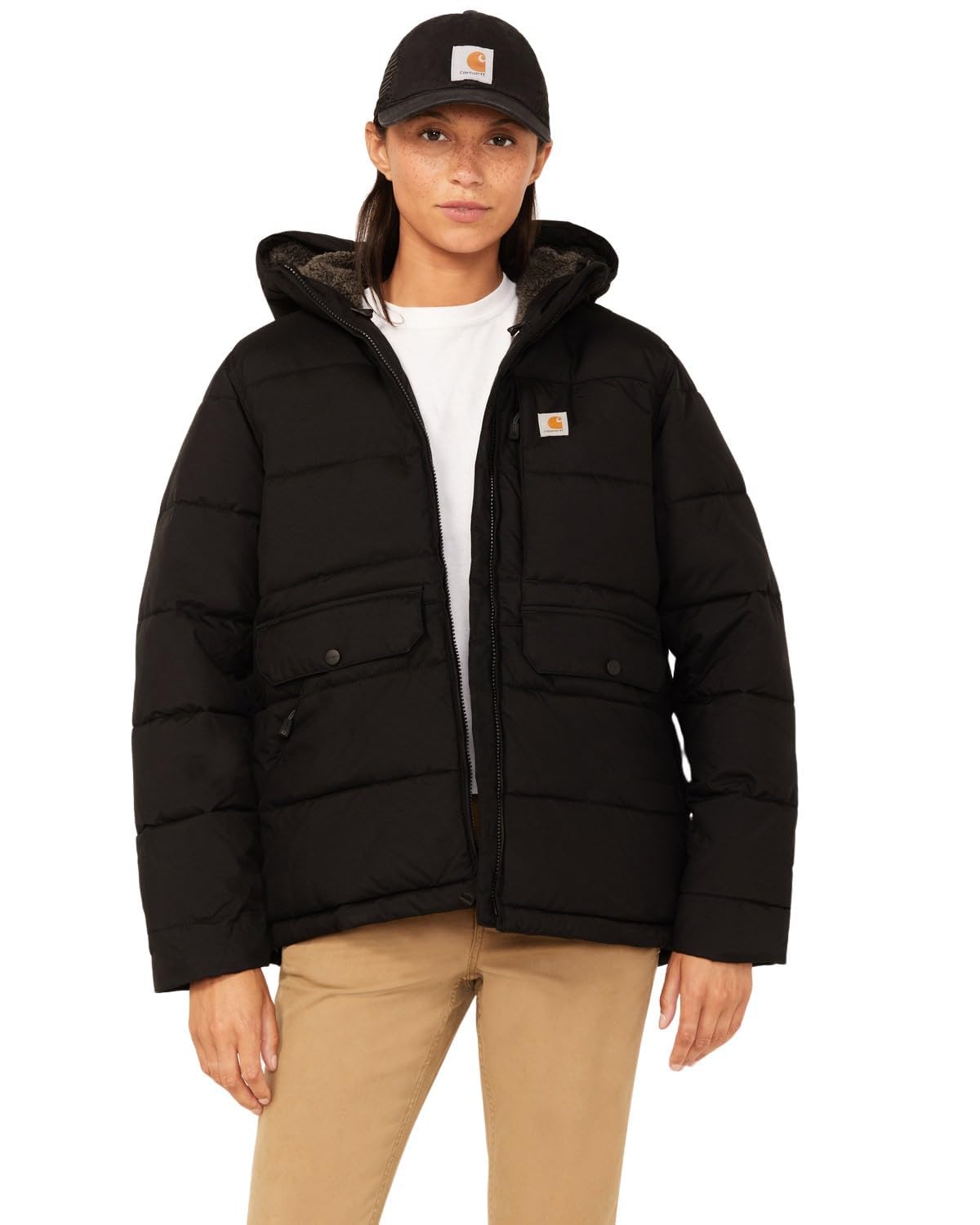
Built for damp, gritty work days with a sherpa lining that traps heat up top
This is a midweight jacket for the person who is outside because they have to be, not because they are strolling. The nylon shell blocks wind and sheds light rain, so a raw, drizzly afternoon does not stop the work. Synthetic insulation combined with a sherpa fleece lining in the upper body seals heat against your core, where it matters most.
Knit cuffs and an adjustable hood close off the remaining gaps, and the pockets inside and out give you room for gloves, a phone, and whatever else travels with you.
Warmth is the thing people talk about most, followed by build quality — this is a jacket that holds up over seasons of real use. The relaxed fit runs roomy with plenty of space for layers underneath, which is a plus for cold-weather work. The trade-off is shape: the same roominess reads as boxy to some, so if a tailored silhouette matters to you, look at the lighter Carhartt above instead.
Built For The Job
- Sherpa fleece lining in the upper body holds heat at the core
- Nylon shell blocks wind and sheds light rain
- Knit cuffs and adjustable hood shut out cold
- Relaxed fit leaves room for layers under the jacket
The Honest Caveats
- Boxy shape does not flatter every frame
- Midweight build is not meant for sub-zero extremes
The right call for: outdoor work, farm chores, and cold damp days that demand durability.
Skip the roomy cut if: you want a shape-hugging jacket for social wear.
6. Columbia Women’s Suttle Mountain Long Insulated Jacket
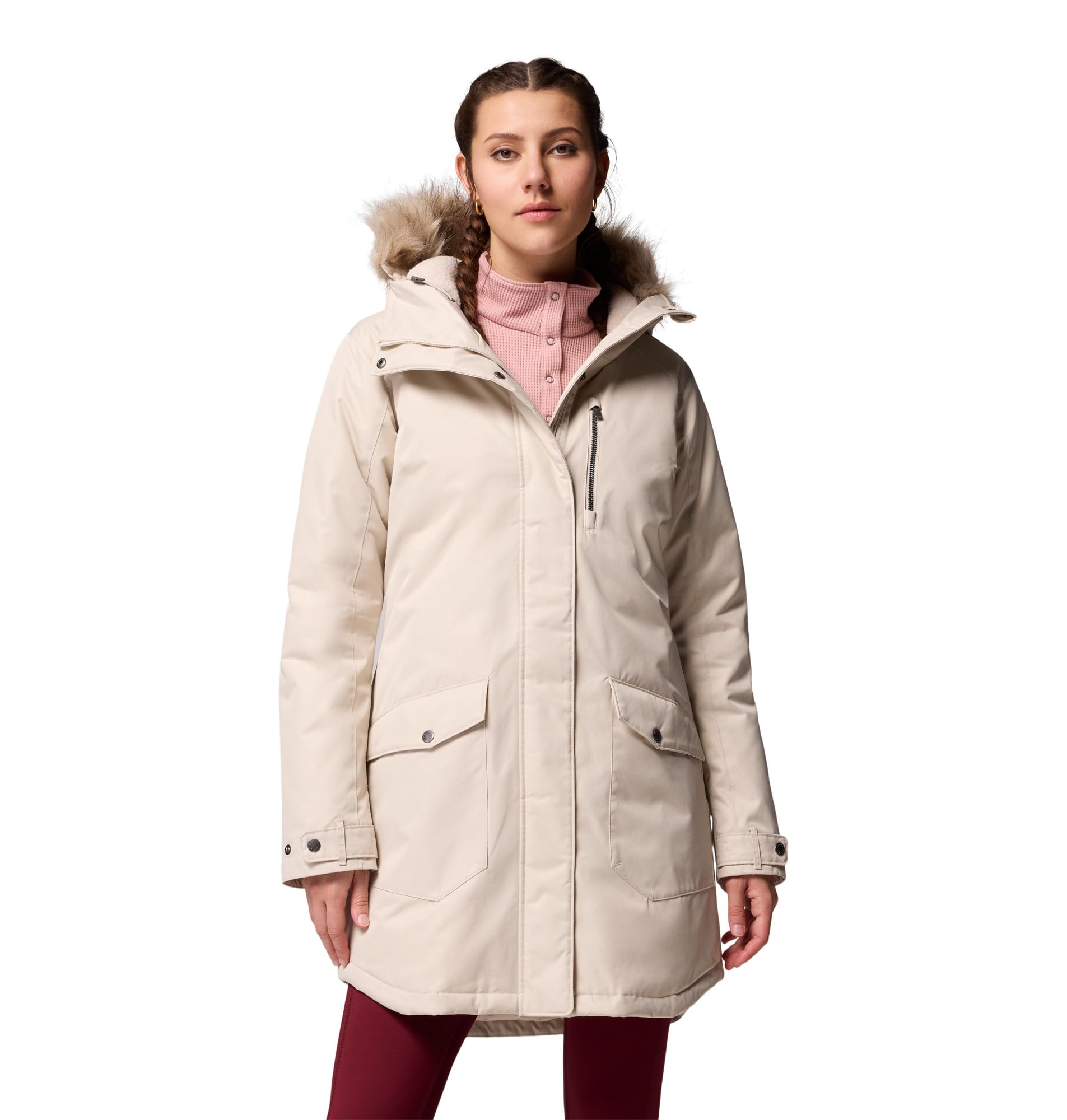
Long-length insulation that shields your thighs on the walk nobody wants to take
The reason to choose this over a cropped puffer is simple: it covers more of you. The long silhouette runs past the hip, so the wind that bites at your legs on a cold walk does not turn your whole lower half into a shiver. Synthetic insulation runs through the body, and the jacket keeps you dry and warm in real winter weather.
Quality and warmth are what the field reports circle back to most, and it looks put-together enough to wear somewhere nicer than a trailhead. The color options earn their own praise, and for a jacket that covers this much of you, the value lands well.
Sizing is the honest sore spot — some find it true to size, others find the sleeves too tight and the cut a size small. The sleeve length also splits opinions, with some loving the drape and others finding it runs long. Quality and warmth still carry this one: it keeps you dry and insulated, and the long body does the work a shorter jacket cannot.
Why the length matters: A long insulated body extends protection below the waist, which is exactly where cold air finds you on a windy winter sidewalk.
Size carefully: The sleeve and body fit gather the most mixed feelings, so check the size chart with your measurements in hand before ordering.
Choose it when: you want thigh-length warmth in a jacket that reads dressy enough for the office.
Reconsider if: extra room in the sleeves or body would bother you.
7. Waukee Long Down Coat 750+ Fill Power

High-loft duck down in a long parka with straps for carrying it hands-free
Here is the number that matters on this coat: 750+ fill power. Fill power grades how much space a set amount of down occupies — the higher it climbs, the more loft you get per ounce, and the more warmth you carry without extra weight. That number pulls this coat into serious-cold territory while keeping it lighter than its length might suggest.
The shell is polyester treated with a durable water-repellent (DWR) finish, so light snow and drizzle roll off. The long silhouette covers more of your body, and bounding quilting keeps the down evenly spread so you avoid cold spots. A removable synthetic fur ruff cinches around the face to block wind, and backpack straps let you carry the coat on your shoulders hands-free when a bus or train gets stuffy.
Compared with the lighter packable puffer above, this is the coat you reach for when the forecast goes well below freezing. The long body plus 750+ fill means genuine cold-weather protection, not just a windbreak. That same coverage brings bulk, though — it does not fold into a pocket, and the length takes up closet space a short jacket would not.
What Sets It Above The Rest
- 750+ fill power down delivers high warmth for its weight
- Long silhouette extends protection down the body
- Removable fur ruff cinches to block cold wind at the face
- Backpack straps allow hands-free carrying indoors
Know Before You Buy
- Long, bulkier body is not a packable travel piece
- DWR finish handles light precipitation, not sustained rain
Your match if: deep cold and long coverage beat light weight on your priority list.
Not the one if: you need a jacket that squishes into a bag for travel.
8. THE NORTH FACE Women’s Arctic Parka
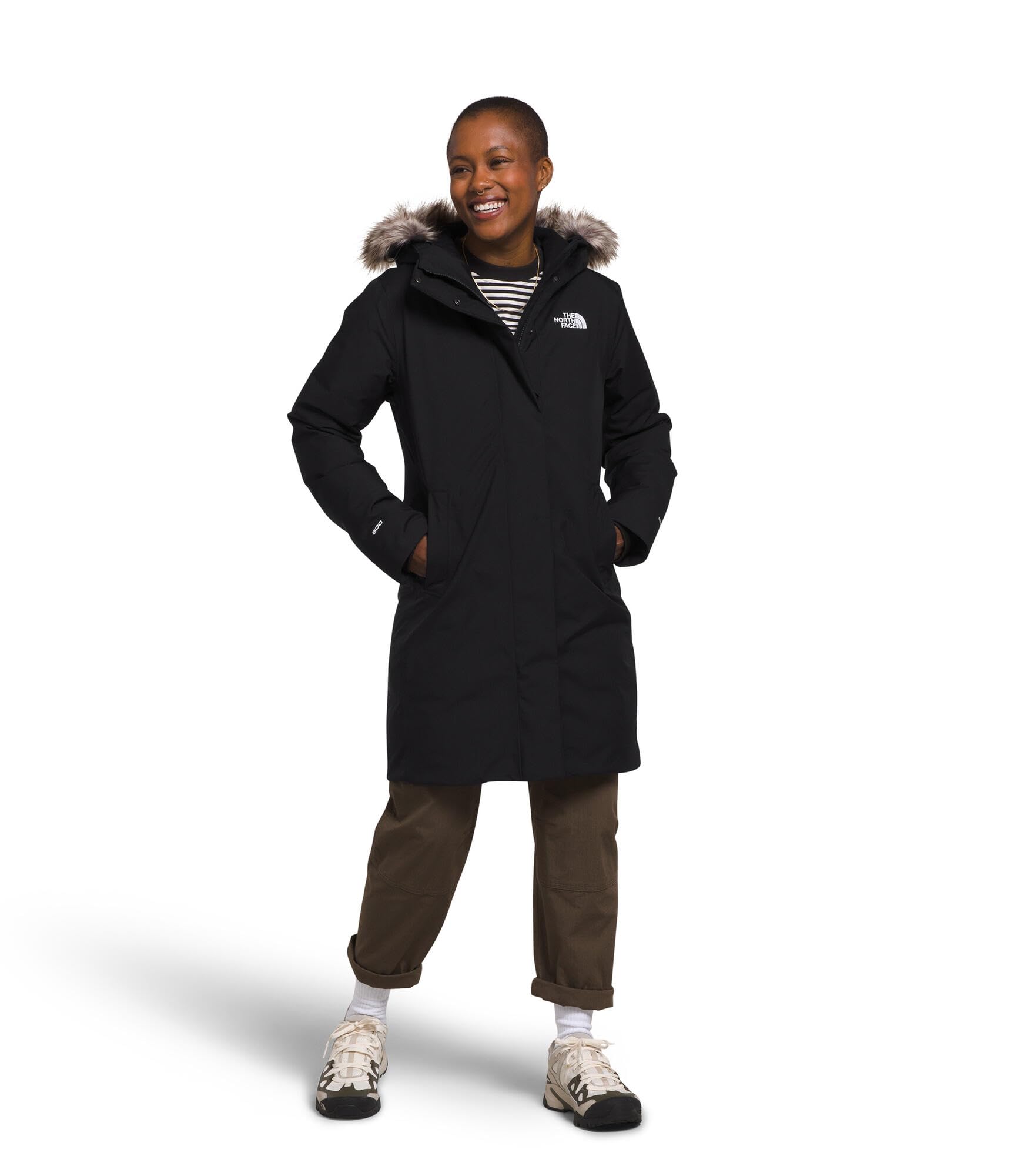
A waterproof-shell parka packed with 600 fill recycled down for brutal winters
When the winter is genuinely punishing, this is the coat that stops caring about the forecast. It pairs 600 fill recycled down with a DryVent shell — a waterproof, breathable fabric that keeps rain and wet snow from getting through while letting trapped moisture escape. That combination handles both the cold and the wet that a down-only coat cannot.
The down is recycled, the shell is largely sustainably sourced per its build, and the non-PFC DWR finish adds a repellent layer without added fluorochemicals. An adjustable hood locks down in wind, and the standard fit runs generous enough to layer a sweater beneath. Quality, warmth, and the long, flattering fit are the clear strengths owners circle back to, and it earns its reputation in extreme cold.
The zip is the one honest wobble — some find it fussy, and the durability question splits opinions. Its weight is on the heavier side compared with the lighter Carhartt and Junction jackets above, which you will notice putting it on, but that mass is part of what makes it a true deep-winter coat.
The deep-freeze case: Waterproof shell plus 600 fill down means sleet and heavy snow do not cut your warmth short the way a DWR-only jacket can.
The trade-off to accept: It carries more weight than the lighter coats here, and the zipper takes some getting used to.
This is your coat if: you live where winter means real snow, sleet, and below-freezing stretches.
Pass if: you want a light layer for mild cold and nothing more.
9. Dokotoo Women’s Winter Quilted Puffer Jacket

The entry-level puffer that punches above its price on style and moderate-cold warmth
For a budget-friendly first insulated jacket, this one covers the basics and then some. The diamond-quilted puffer design and button-down front give it a look that moves easily from a casual errand to something dressier, and pockets finish off a practical everyday coat. It keeps you warm and dry on moderately cool and cold days — the kind of weather most of us actually face on a daily commute.
Owners describe it as well-made and light, with a style that adapts across occasions and color options that draw praise. It does not try to be a deep-freeze parka, and it is not priced like one. It is a smart everyday layer for the in-between months, and it delivers on comfort and value.
Treat it as a cool-weather coat for mild winters and it will serve you well. If you face hard freezes or driven snow, step up to one of the down or down-alternative parkas above. At this price, it is the jacket that makes the in-between season look easy without stretching your budget.
What it nails: A versatile quilted style that works for errands and dressier outings alike, with comfort and value that hold up to the price.
Keep expectations honest: This is a moderate-cold layer, so it is the right pick for a mild winter, not a punishing one.
Feeling budget-smart?: this is the value buy when you want an easy, versatile puffer for mild-to-cool weather.
Step up if: your winters bring hard freezes and snow you have to walk through.
Know the Specs
Fill Power
Fill power is a number that grades how much loft a set amount of down occupies. A higher fill power means more air gets trapped per ounce, so you get more warmth from the same weight. It reads as a quality and performance grade — a 750+ fill coat carries real warmth without the heft of a thicker, lower-grade one. Synthetic insulation does not use a fill-power number; it is graded instead by grams like the 100g HEATSEEKER fill, where grams measure the fill’s density per area.
DWR versus Waterproof
A DWR (durable water-repellent) finish is a coating that makes light rain and snow bead up and roll off the fabric. It protects against drizzle and flurries but eventually wets out in sustained rain. A waterproof shell like DryVent actually blocks water from passing through while remaining breathable. For a commute or light precipitation, DWR is enough. For steady rain and heavy snow, a waterproof shell over your insulation is the safer choice.
Windproofing and Draft Control
Most heat escapes at the openings — the neck, wrists, and waist. A windproof shell blocks air from cutting through the body, while an adjustable hood, stretch or knit cuffs, and a draft flap behind the zipper close the gaps. Together these small features do as much for how warm a jacket feels as the insulation itself.
Fit, Layering, and Sizing
A women’s-cut insulated jacket should follow your shape while leaving room to move. Fits are typically described as relaxed, regular, or active. Relaxed leaves room for a sweatshirt underneath and suits layering-heavy cold days. Regular moves with you while staying true to size. Active sits closer to the body for movement-heavy use. When a brand notes the jacket runs small or large, size with your layering plans in mind.
Common Questions
Is a down jacket or a synthetic one better for wet winters?
What does 750+ fill power actually mean in a winter coat?
Will a packable puffer keep me warm in below-freezing temperatures?
How should I size a women’s insulated jacket for layering?
What is the difference between water-repellent and waterproof?
Can I wear a long down coat for everyday errands or is it only for outdoor trips?
How do I care for a down or synthetic insulated jacket without wrecking the fill?
Does a jacket with a hood stay warmer than one without?
Which jacket is best for very cold, snowy climates?
Is a relaxed fit jacket too boxy to look good?
The Bottom Line
For most women, the safest all-round pick for the women’s insulated jacket shortlist is the Carhartt Gilliam, because it balances water-repellency, windproofing, and a relaxed fit that handles drizzle-and-chill days on the calendar. If you want warmth that folds into a bag for travel, the Little Donkey Andy Packable Puffer is the one to grab. And for the deepest, snowiest winters, the waterproof-shell North Face Arctic Parka is built to take the punishment. Each pick earns its spot on a different strength: the Carhartt Gilliam pairs the highest rating with a relaxed fit that leaves room to layer, so start there if you are unsure.
How we choose
We do not accept paid placement. Every pick is matched to a real buyer and a real use-case; we do not hands-on test units.
Sources
Specifications: manufacturer listings and product documentation. Review insights: verified customer reviews, as of November 2026. Pricing: not shown on this page (it changes often); check the current price via the retailer link.
As an Amazon Associate, Tactical Gear Guy earns from qualifying purchases. This does not affect which products we feature.