Specs are compiled from manufacturer listings and verified buyer reviews and can change over time — please confirm the key details on the product page before buying.
Cold-weather running isn’t really about staying warm — it’s about staying warm without sweating through your layers by mile two. Get the base layer right and every cold run starts dry. Get it wrong and you’re shivering at the start or soaked by the turnaround. This guide covers nine pieces of men’s winter running kit — base layers, tights, gloves, and jackets — with the real specs and the real owner experience behind each one.
This guide is built by comparing the manufacturers’ published specifications and the patterns across verified customer reviews, so you get each pick’s real strengths and trade-offs instead of marketing spin.
You’ll find out which base layer holds heat at 40 F, which tights handle 20 F, and which jacket blocks wind without turning into a sauna. The picks below cover every layer you need for winter running gear for men.
Top Picks


How To Choose The Best Winter Running Gear for Men
Most runners overdress because they read the thermometer instead of their own effort. A body at running pace generates far more heat than a body standing still, so a kit that feels snug in your doorway can feel like a sauna ten minutes in. Build from the skin outward, and pick layers with zips or vents you can open as you heat up.
Start with the base layer, not the jacket
The layer touching your skin decides whether sweat moves off or sits there. A moisture-wicking thermal top — one that pulls sweat off the skin instead of letting it sit there — is the foundation of a comfortable run. Fleece-lined options trap warmth close to the body, while merino regulates temperature in both directions. Pick one weight for your coldest regular run and build the rest around it.
Match tights to the coldest temperature you actually run in
Not all thermal tights are built for the same cold. Some carry a fleece lining and a water-resistant shell that handle sub-freezing mornings; others are a lighter thermal knit better suited to cool, dry days. Decide the floor of your running season first, then match the tights to it. Ankle zippers and a snug waistband matter when you’re pulling tights on in a cold car park.
Gloves: warmth or phone control, rarely both
Thin thermal running gloves keep your hands usable but run cold in a hard freeze. Heavier gloves stay warmer but cost you finger feel. Touchscreen-compatible fingertips and a grippy palm are the two features that separate a running glove you’ll actually use from one you’ll leave in the drawer.
Jackets need to block wind without trapping sweat
A windproof outer shell is what stops the chill factor on a windy morning. But a shell that blocks wind with no way to vent will have you soaked inside by the last mile. Look for under-arm vent zips or a breathable membrane film, and treat pocket layout as a real decision point — you need somewhere secure for your phone and keys.
Side-by-Side Comparison
| Model | Best For | Type | Key Material / Feature | Cold Rating Reported | Amazon |
|---|---|---|---|---|---|
| Under Armour Tac ColdGear Infrared Base Leggings★ Best Overall | Coldest-day base layer | Base layer leggings | ColdGear Infrared fleece | — | Amazon |
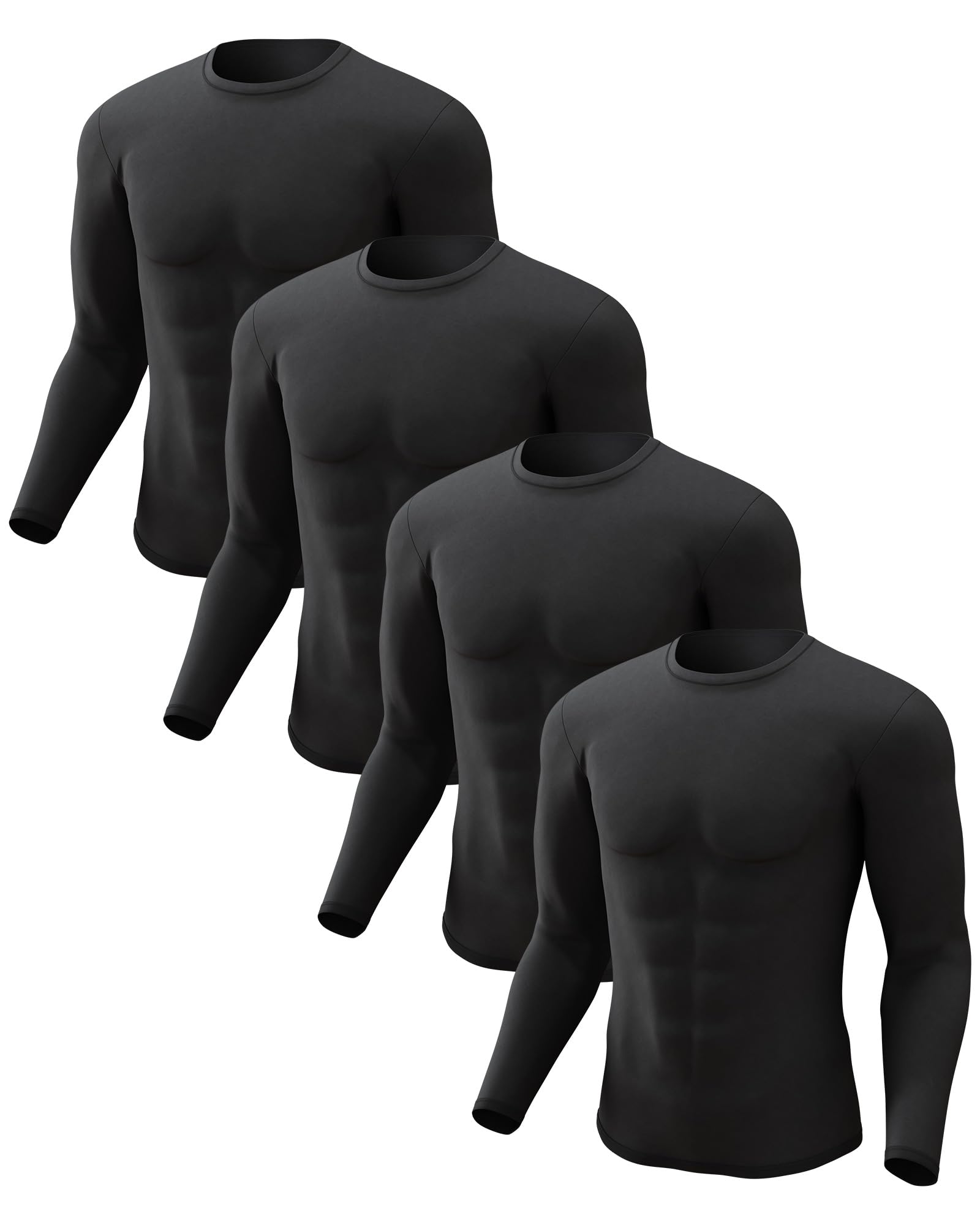
| 2 or 4 Pack Men’s Thermal Fleece-Lined TopBest Value | Everyday underlayer value | Base layer top | Fleece lining, moisture-wicking | 40 F | Amazon |
| TrailHeads Touchscreen Running GlovesBest for Touchscreens | Cool-weather runs | Running gloves | Four-way stretch, silicone palm | Lower 30s F | Amazon |
| Pudolla Thermal Running Tights | Wet and snowy runs | Thermal tights | Water-resistant fleece, 3 zipper pockets | 32 F | Amazon |
| HEAD Multi-Sport Gloves | Touchscreen control on the go | Multi-sport gloves | SensaTEC, silicone rubber palm | 30s–40s F | Amazon |
| baleaf Thermal Running Tights | Deep-cold runs and rides | Thermal tights | Waterproof, fleece-lined | 20 F | Amazon |
| BROKIG Windbreak Running Jacket | Lightweight wind shell | Running jacket | 90% polyester / 10% spandex, full zip | 45 F | Amazon |
| Men’s Thermal Cycling and Running Jacket | Pocket-heavy winter rides | Thermal jacket | 3-layer fabric, 8 pockets | Under 40 F | Amazon |
| Merino.tech Merino Wool Quarter Zip | Temperature swings and odor control | Merino base top | 17.5 micron merino, quarter zip | — | Amazon |
Detailed Reviews
1. Under Armour Men’s Tac ColdGear Infrared Base Leggings
Our pick — 4.5+★ from 400+ verified ratings; the strongest balance of quality and price.
The base layer that carries the whole winter kit — warmth is what wins people over here.
If you run through the coldest part of the season, this is the piece that does the heavy lifting. Under Armour’s ColdGear Infrared construction is designed to trap and hold body heat close to the skin, so your legs stay warm without the bulk of a second pair of trousers. The 1.4-pound build is substantial enough to feel like real cold-weather armor under a light shell.
What buyers circle back to is the warmth, and how well the quality holds up over a season of use. The material is moisture-wicking, which matters most at the moment you stop moving — that’s when wet fabric turns cold fast, and this base layer keeps the sweat moving off your skin. Comfort draws steady approval too, which is a fair result for a close-fitting garment worn under another layer.
The one honest catch is the fit. The sizing runs snug, and a 31-inch waist is the exact size some buyers find too tight. That’s a fit question, not a defect — if you’re between sizes or prefer a looser feel under shells, size up. For a locked-in, warm base layer at a mid-range tier, this is the pair to start with.
Why runners reach for it
- ColdGear Infrared fabric built to hold body heat
- Moisture-wicking keeps you dry once you stop moving
- Quality and comfort both draw consistent approval
- A full-length base layer under a light shell without bulk
What to size around
- Snug cut — a 31-inch waist is the size some find tight
- Fit feedback is split between nice and too tight
- Warmth this solid can run hot on milder days
Reach for this if: you want a warm, quality base layer for genuinely cold runs and don’t mind a close fit.
Order up if: your waist lands near that tight-sizing line or you layer over heavier shorts.
2. 4 or 2 Pack Men’s Thermal Shirt
A multi-pack of fleece-lined thermal tops that quietly does the job every single morning.
Most runners own one lucky base layer and wear it to death. This multi-pack changes that math — you get two or four fleece-lined tops, so a wet one never forces you back into a cold dirty one. The fleece lining is the engine here: it locks warmth in close without the padding of a heavy sweater, which is exactly what you want under a running jacket.
Warmth is the headliner, and buyers report it holding up in 40 F weather as a solid underlayer. The fit earns praise, with sleeves that reach all the way to the wrist — a detail that stops the cold creeping up your arms. The moisture-wicking knit keeps skin dry during the effort, and the stretch material keeps movement free on longer runs.
Fabric opinions are the one split note. A few find the material not quite what they expected, but that’s a small fraction next to the warmth and quality feedback. Rotate these through the wash across the week, and you’ve solved your base layer for the whole season without thinking about it again.
Rotation logic: two or four tops in one pack means a clean dry base layer every running day, and the slim stretch fit layers cleanly under a shell.
Worth knowing: the fabric draws a mixed word or two, so if you’re fussy about hand-feel, buy a single before committing to the four-pack.
Best for the daily runner: anyone who wants a reliable warm underlayer without a single lucky shirt.
Skip the four-pack if: you’re unsure about the fabric feel and would rather test one top first.
3. TrailHeads Men’s Touchscreen Running Gloves for Running
Thin enough to change a playlist mid-stride, warm enough for a lower-30s morning.
These are running gloves first and winter gloves second, and that distinction matters. The four-way stretch fabric moves with your hand instead of fighting it, while the smooth outer layer pushes back against wind on an exposed stretch of road. A brushed inner lining wicks moisture off your hands — which is the difference between hands that chill at the end of a run and hands that stay comfortable.
Conductive fabric on the thumb and forefinger means you can skip a track or check a message without peeling a glove off in the cold. Diamond-shaped silicone grips on the palm improve handling, and a terry cloth brow wipe sits on the back of the hand for sweat. The gloves are reported effective in lower 30s temperatures, and they suit winter running specifically.
Here’s the honest limit: they’re built for aerobic effort, not for standing around in a hard freeze. Below 30 degrees, your fingers will feel it. That’s not a flaw in the design — it’s the trade-off that keeps them thin enough to use your phone.
The phone-in-hand test: touchscreen-compatible fingertips plus silicone palm grips make these the practical choice for runners who never put their phone down.
Cold-weather reality: they’re lightweight thermal gloves, not extreme-cold gloves — plan a heavier pair for deep winter days.
Pick these when: your winter runs sit in the 30s and you want phone access without stopping.
Look elsewhere when: your local mornings regularly drop below freezing and you need real frost protection.
4. Pudolla Men’s Thermal Running Tights with 3 Zipper Pockets

Three zip pockets, a water-resistant shell, and fleece where it counts.
Cold runs get miserable fast when your phone is bouncing in a flimsy pocket and your legs are soaking up road spray. Pudolla solves both at once: a water-resistant outer that keeps you dry in wet and snowy weather, a fleece lining for warmth, and three zipper pockets plus ankle zippers for easy on-off. The build quality is the standout — sturdy fabric and zippers that feel built to take a season of abuse.
Warmth holds up well for cold runs, and owners mention them comfortable in 32-degree weather. The thermal lining is what makes that possible without adding much weight. A large zipped back pocket gets a specific nod for holding a phone securely, and the elastic waistband keeps everything in place when you pick up the pace.
The fit is the one thing to get right before you buy. Fit feedback is genuinely split, and these tights run close to the body — that’s the point of compression wear, but if you’re between sizes or prefer room, size up. Everyone else gets a warm, pocket-rich pair that handles wet and cold at the same time.
What earns its spot
- Water-resistant shell for wet and snowy runs
- Three zipper pockets plus ankle zippers
- Fleece-lined warmth reported at 32 F
- Sturdy fabric and zippers that feel built to last
What to plan for
- Close-fitting cut — sizing up is the safe move
- Fit feedback splits between snug and tight
Made for: runners and hikers who want dry legs and a secure home for keys and phone.
Fit note: if you’re between sizes, take the larger one — these are compression-style tights.
5. HEAD Multi-Sport Gloves with SensaTEC, Black, Large
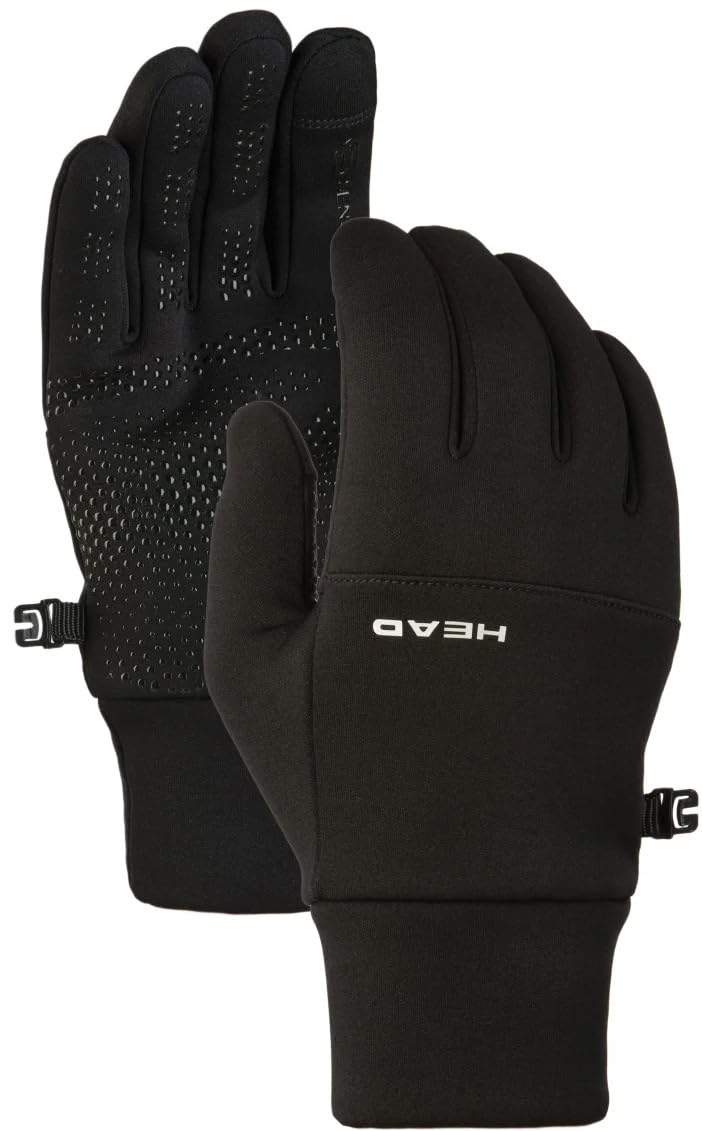
Built for the 30s and 40s, with touchscreen control that actually behaves.
You can tap your phone screen without pulling a glove off, even on a cold morning run. These HEAD gloves are warm enough for a run in the 30s and 40s, yet thin enough that the screen still responds. That works because of SensaTEC (conductive thread woven into the fingertips so the glove talks to the screen). Customers note this is the touchscreen glove they keep reaching for.
Quality is the loudest theme in the feedback, and warmth comes second. The stretch shell gives maximum dexterity, so you can grip a water bottle or open a gate without taking them off. Silicone rubber on the palm improves grip, and ribbed cuffs plus gusseted fingers keep the glove seated where it belongs. The gloves are 4 ounces — light enough to stuff in a pocket and forget.
Two limits to know. First, warmth drops off hard in real freezing conditions — these are cool-weather gloves. Second, a few users find the finger-tip shape awkward for precise touch input. Neither is a dealbreaker for general winter running and driving, which is where these gloves shine.
Where it wins: the touchscreen performance and the 4-ounce weight make it the glove to reach for on everyday cold runs and winter drives.
Where it stops: below freezing this is a light glove — pair it with a heavier option for the deep-cold weeks.
Go with these if: your winter is cool rather than brutal and touchscreen use matters to you.
Not for: runners who train in hard frost and need insulated fingers.
6. baleaf Mens Running Tights
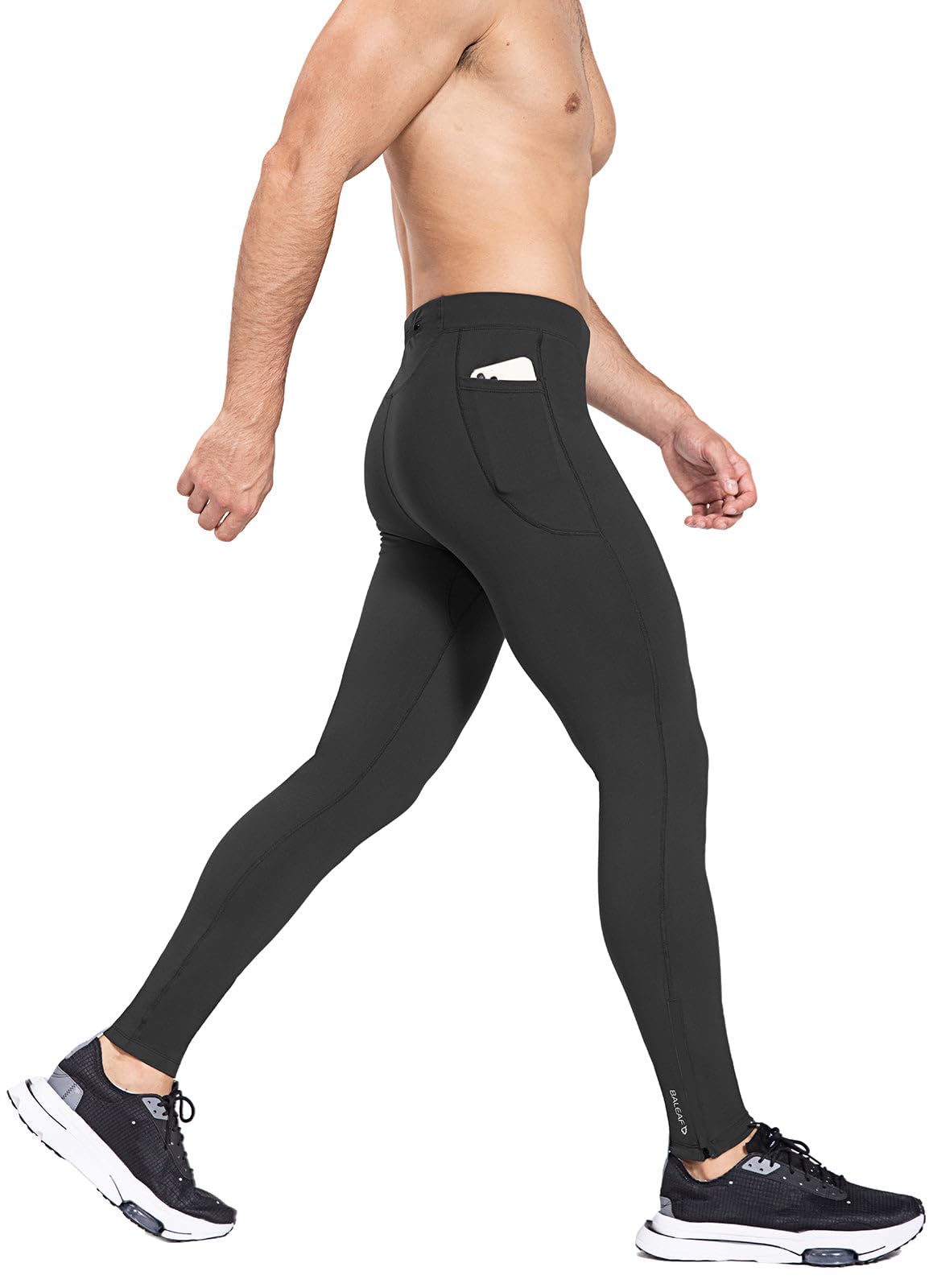
The pair you grab when the temperature hits 20 F and you still want to run.
Most thermal tights start to fail somewhere in the 30s. These don’t. The fleece lining is thicker than what you find on most running tights, and the waterproof shell keeps rain and road spray out. Reviewers point out running in 20-degree weather comfortably — that’s the number worth remembering if your season runs deeper into winter than most.
Fit is the most-discussed thing about these tights, and in a good way: the adjustable waistband and zipper legs give you a real way to dial in the fit rather than just hoping. Quality follows closely, with a back zipper pocket for a phone or keys. The material is heavier than typical running tights, which is exactly what makes them work as winter cycling pants too.
What’s the trade-off? That thicker fabric and waterproof shell make them less breathable than a light summer tight. On a mild day or a hard, long effort, you’ll notice the extra heat. Pick these for the cold end of your season, not for the shoulder months.
The cold-weather case: waterproof shell plus thick fleece at 20 F is the deepest cold rating in this lineup.
The summer-weight contrast: compared with a thin summer tight, these run warm and less breathable — reserve them for real cold.
Choose these for: running and cycling through sub-freezing mornings where other tights tap out.
Think twice if: you mostly run in mild cold, where the thicker fabric will feel like overkill.
7. BROKIG Mens Windbreak Running Jacket Zip Up Hoodie

A wind shell light enough that you forget you put it on.
This is the jacket for the windy, 45-degree morning when a heavy layer would roast you alive. The 90% polyester, 10% spandex build gives four-way stretch — the fabric moves with you rather than pulling across your back mid-stride. A wind-resistant surface keeps the chill factor down, and the full zip plus track cuffs let you vent fast when your body warms up.
Quality is the most-praised trait here, with fit and appearance close behind. The hoodie is genuinely lightweight, and buyers describe wearing it in 45-degree weather without extra weight. The chest zip pocket and two regular pockets give you a safe place for a phone and keys — a detail runners notice on the first run.
Where it falls short: 45 degrees is about the floor. This is a windbreak, not an insulator, so below that you’ll want a real thermal layer beneath it. Treat it as the outer shell in a two-layer system, not as your cold-weather armor on its own.
Why it earns a slot: four-way stretch and a wind-resistant face make it the shell that disappears on a run, while the chest zip pocket keeps your phone put.
The honest limit: thin means cold below the mid-40s — this one layers over warmth, it doesn’t replace it.
Made to match: windy, mild-cold runs where a heavy jacket is too much.
Pair it with: a thermal base layer beneath when the temperature drops into the 30s.
8. Men’s Winter Cycling Jackets
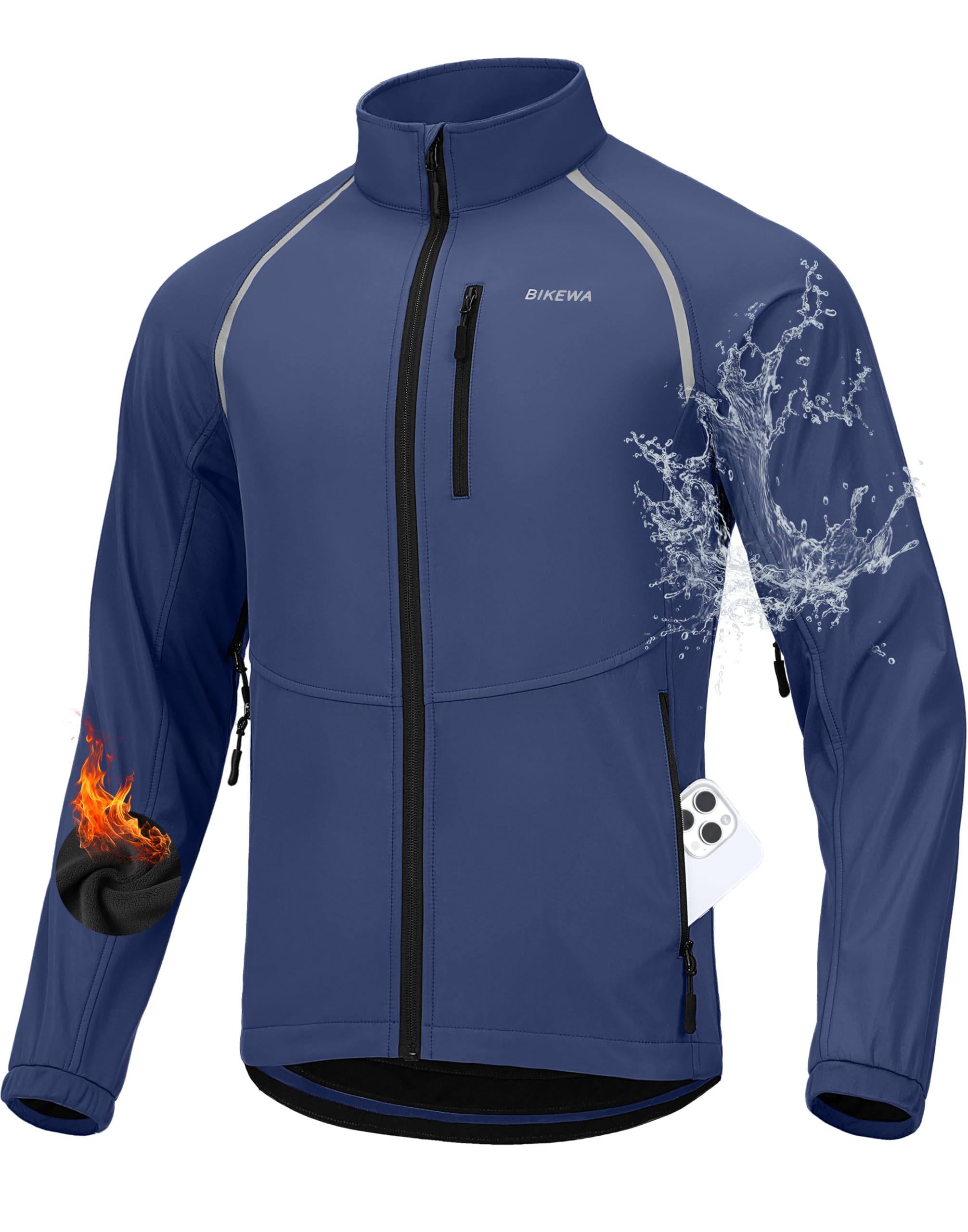
Eight pockets, a fleece back layer, and vents that actually let the heat out.
The 3-layer build is the headline: a windproof outer face, a breathable membrane in the middle, and a soft warm fleece against your body. That combination keeps you warm without overheating, which is the hardest balance to strike in cold-weather running. Under-arm zip vents are the release valve — crack them open on a climb or a hard interval and the trapped heat escapes.
Eight pockets is a lot to carry, and that’s the point: two side zips, a chest zip, two inner pockets, and three rear pockets big enough for winter gloves and a water bottle. A high collar blocks wind from the neck, and long silicone waist grips stop the jacket riding up when you tuck into a headwind. Reflective elements front and back add visibility in low light.
Body temperature management is where this jacket gets its credit — and it’s earned, with vents cited for preventing the clammy overheat that ruins cheaper shells. The zipper is the one mixed note, so treat it with a little care and don’t yank it. For runners who ride as well, this is the most versatile outer layer here.
What the layered build delivers
- 3-layer fabric: windproof face, breathable membrane, fleece lining
- Under-arm zip vents stop the overheat
- 8 pockets including 3 rear bike pockets
- Reflective elements for low-light runs and rides
Trade-offs to weigh
- Zipper quality draws a mixed note — handle with care
- No stretch in the fabric, so fit matters
Built for the crossover athlete: runners who also ride and want one jacket that carries gloves, bottles, and phone.
Check the fit: true to size, but there’s no stretch — if you’re between sizes, size up.
9. Merino.tech Merino Wool Hoodie

The one base layer that works as hard on a warm afternoon as on a frosty morning.
Merino is the material that separates the serious winter runners from the rest. At 17.5 micron, the fibers here are finer than human hair — fine enough that they don’t itch, even on sensitive skin, which is where standard wool at 25+ microns goes wrong. The result is a thermal top that sits warm against your body without the prickle that makes people give up on wool.
Temperature regulation is the reason to pay the premium: merino releases heat when you’re running hot and holds it when you cool down, so you’re not stripping layers mid-run. It also resists odor naturally, which means you can wear it for several days between washes without it turning into a problem. Quality is the most-praised element, with fit and warmth behind it.
The quarter zip does real work here — crack it open on a climb to dump heat, zip it up on the descent. Care is the catch: machine wash cold on a delicate cycle, inside out, and lay flat to dry. Tumble drying will permanently damage the fibers, so this isn’t a garment you can treat carelessly.
The merino advantage: 17.5 micron fibers regulate temperature in both directions and resist odor, so one top handles a wider range than any synthetic.
Care commitment: cold delicates only, lay flat to dry — a tumble dryer will finish this hoodie off.
For the runner who wants one layer for everything: merino’s two-way temperature regulation handles cold starts and warm finishes in the same garment.
Consider the care: if you won’t hand-wash and air-dry, a synthetic base layer is the safer buy.
Know the Specs
Merino Micron Count
The micron number tells you how fine the wool fiber is. The lower the micron, the softer the fabric against your skin. Standard wool at 25+ microns causes itch, while 17.5 micron merino is fine enough to sit comfortably against sensitive skin. For a base layer you wear directly on your body for hours, that difference is the whole experience.
Three-Layer Fabric Construction
A 3-layer jacket stacks a windproof outer face, a breathable membrane film in the middle, and a fleece inner layer. The outer stops the wind chill, the membrane lets sweat vapor escape, and the fleece holds warmth against your body. It’s a way to get protection without the clammy overheat you get from a simple coated shell.
Water-Resistant vs Waterproof
Water-resistant means the fabric sheds light rain and road spray for a while before wetting through. Waterproof means the fabric itself is built to keep water out. For a winter run in mixed conditions, water-resistant tights plus a windproof jacket handle most days. For steady rain or wet snow, waterproof tights are the better call.
Four-Way Stretch
Four-way stretch means the fabric gives in both directions — across and lengthwise — so your arms and legs move without the fabric pulling tight. In a running jacket or glove, that’s what lets you reach, grip, and stride freely instead of fighting the material. It’s the feature that turns a wind shell into something you forget you’re wearing.
Common Questions
How many layers do I need for a winter run in the 30s?
Do thermal tights need to be waterproof for running?
Can I wear fleece-lined base layer leggings under running shorts?
What temperature are touchscreen running gloves good for?
Is merino wool worth it over a synthetic base layer?
How should I wash merino wool running gear?
Do running jackets need vents if they are windproof?
Should I size up in thermal running tights?
Can I run in a cycling jacket instead of a running jacket?
What should I keep in my jacket pockets on a winter run?
The Bottom Line
If you build one kit this winter, start with the Under Armour Tac ColdGear Infrared Base Leggings — the warmth and quality are what runners keep coming back for. Add the fleece-lined thermal tops for a clean base layer every running day, and pull on the TrailHeads touchscreen gloves for phone access on a lower-30s morning. For a deep-freeze tights upgrade, the baleaf pair takes you down to 20 F. Get these four layers right and every cold run gets simpler.
How we choose
We do not accept paid placement. Every pick is matched to a real buyer and a real use-case; we do not hands-on test units.
Sources
Specifications: manufacturer listings and product documentation. Review insights: verified customer reviews, as of November 2026. Pricing: not shown on this page (it changes often); check the current price via the retailer link.
As an Amazon Associate, Tactical Gear Guy earns from qualifying purchases. This does not affect which products we feature.