Specs are compiled from manufacturer listings and verified buyer reviews and can change over time — please confirm the key details on the product page before buying.
An old door with a chipped or missing knob is a small daily annoyance that never quite goes away. You want the authentic look back, but you need the new knob to actually fit the existing hole and work with your lock. That is the real decision here: not just which crystal knob looks best, but which one matches your door setup — passage, privacy, or a mortise lock with a skeleton key. This guide sorts the picks by exactly that, so you can buy the right one first time.
This guide is built by comparing the manufacturers’ published specifications and the patterns across verified customer reviews, so you get each pick’s real strengths and trade-offs instead of marketing spin.
Below you will find the good, the fiddly, and the ones that quietly break, all explained in plain terms so your replacement job goes smoothly.
Top Picks


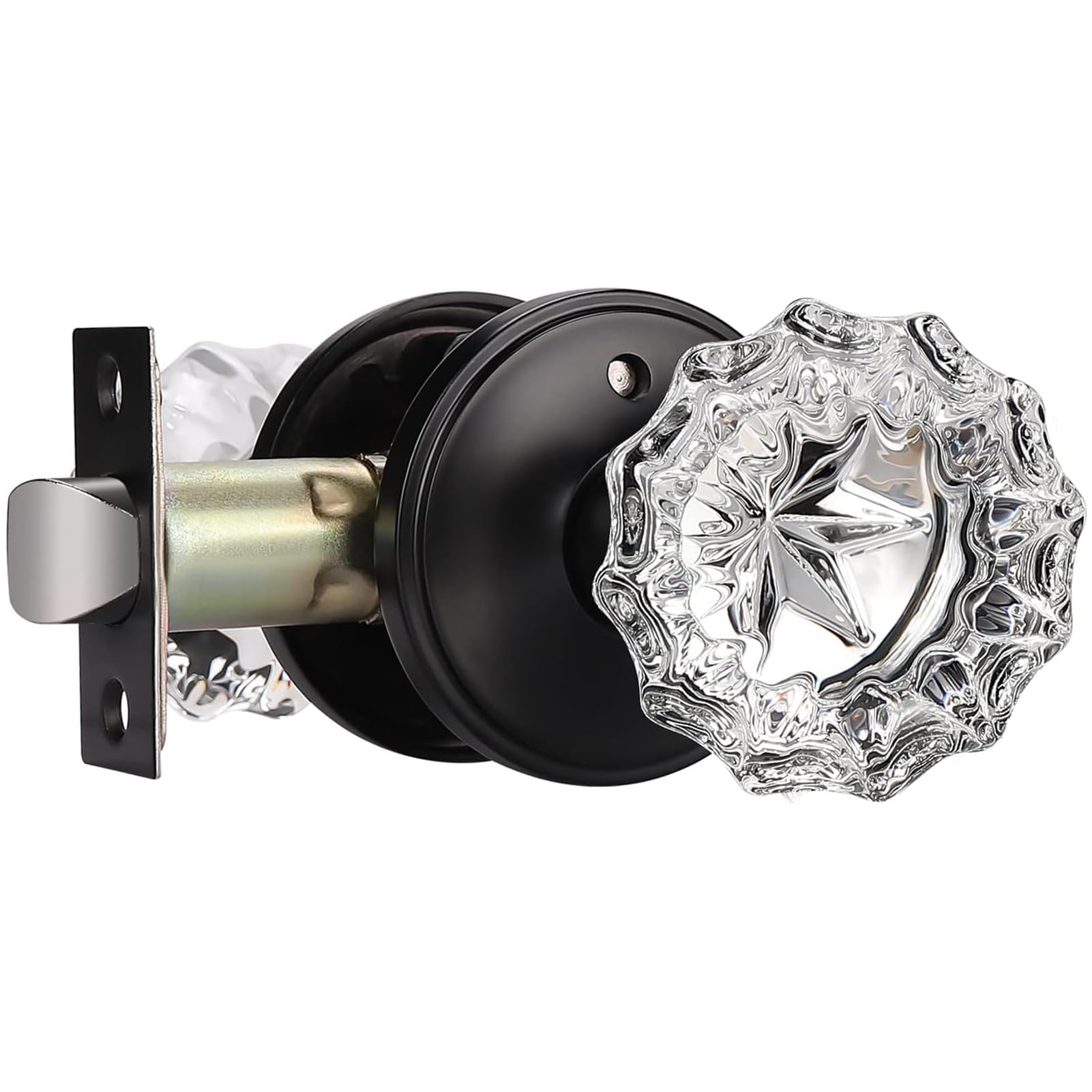
How To Choose The Best Vintage Glass Door Knobs
The mistake most people make is buying a knob for its looks before checking what their door already has inside it. A glass knob is only half of a set — the latch, spindle, and rosette behind it have to line up with the hole already cut in your door. Get that wrong and the prettiest knob in the box will not turn.
Match the function to the room first
A passage knob only latches — it turns and holds the door shut, but it cannot be locked from either side. That is the right choice for a hallway, closet, pantry or laundry room door. A privacy knob has a push-button lock on the inside and a small release hole on the outside, which suits a bedroom or bathroom where you want the door to stay shut.
Then check the lock type on your door
Older homes often use a mortise lock — a rectangular metal lock body set into the edge of the door, sometimes with a skeleton key. Those doors need a knob set built specifically for a mortise system, with a square drive spindle rather than a modern tubular latch. Buying a modern latch set for a mortise door is the single most common return reason in this category.
Measure the door thickness and the backset
Most interior knobs here fit doors between 1-3/8 inch and 1-3/4 inch thick, so measure yours at the edge before ordering. The backset is the distance from the edge of the door to the center of the knob hole — a figure like 2-3/8 inch tells you whether the new latch will line up with the old bore. If your door already has holes drilled, that number is not negotiable.
Side-by-Side Comparison
| Model | Best For | Function | Knob Material | Finish | Amazon |
|---|---|---|---|---|---|
| Calzibeno Privacy Black★ Best Overall | Bedroom and bathroom doors | Privacy (lockable) | Glass | Matte Black | Amazon |
| PRIME-LINE FlutedBest Value | Restoring an antique mortise door | Mortise replacement | Glass | Classic Bronze | Amazon |
| KNOBWELL Passage CrystalTop Performer | Hallway and closet doors | Passage (no lock) | Crystal | Matte Black | Amazon |
| MaxxGeek Keyed Lock Set | Skeleton-key period homes | Mortise with key | Glass | Oil Rubbed Bronze | Amazon |
| AKRILANE Mortise Set | Two doors at once, mortar type | Mortise | Glass | Brass | Amazon |
| Gobrico Crystal Passage | Closet, pantry and hall | Passage (no lock) | Crystal | Oil Rubbed Bronze | Amazon |
| Amylove Fluted 2-Pack | Replacing several doors | Mortise | Glass | Bronze | Amazon |
| CLCTK Antique Brass | Hallway, storeroom and closet | Passage (no lock) | Glass | Antique Brass | Amazon |
Detailed Reviews
1. Glass Door Knobs, Privacy Black Door Knob Interior, 1 Pack
Our pick — 4.5+★ from 600+ verified ratings; the strongest balance of quality and price.
The only locking knob here — a push-button privacy lock for bathroom and bedroom doors, with no modern hardware showing.
Most glass knobs in this category are passage-only, which means they turn and latch but never lock. This Calzibeno set solves the bathroom and bedroom problem instead — a push-pin button on the inside face locks it, and a twist of the knob open up it. It is the most-reviewed knob here at 4.5+ stars across 600+ ratings, because it locks where every passage knob on this list cannot.
The build is clear rosette-shaped glass mounted on zinc alloy plates — zinc alloy is the metal blend used here because it resists rust and holds a screw thread better than thin stamped steel. That matters on a door you grab every day, because a wobbling base is what makes a glass knob feel cheap. The matte black finish keeps it looking deliberate rather than like a period-piece reproduction gone wrong.
Buyers talk about the matte black finish and rosette glass more than anything else, with build quality a close second. The locking action also earns a nod for being simple: a quarter turn does the job. The honest catch is the emergency release. If someone is locked in, you need a hex key or a thin tool pushed into the release hole from the outside — plan for that with small kids around.
Where it earns its place
- Push-button privacy lock suits a bedroom or bathroom door
- Zinc alloy base plates resist rust and hold screws tight
- Installation needs only a screwdriver and the included hardware
- Works with both left- and right-handed doors (ambidextrous)
What to plan around
- Emergency open up requires a hex key or thin tool from outside
- Durability draws a mixed read — treat the glass with care
Best for: anyone who needs a glass knob that actually locks, especially bathroom and bedroom doors.
Think twice if: you want a plain latch-and-go knob for a closet — a passage model does that for less fuss.
2. PRIME-LINE Fluted Glass Door Knobs
Built for the specific job of replacing worn knobs on an old mortise door, not a modern one.
This is the set to reach for when your door already has a mortise lock — the rectangular lock body set into the door edge that older homes use. It ships with two-inch diameter clear fluted glass knobs, classic bronze finished bases, and a three and one half inch steel spindle. The spindle is the square rod that runs through the door and joins both knobs — if that length is wrong, the knobs will not sit snugly.
Reviewers praise the build quality first and the classic bronze vintage styling second. Buyers restoring period homes find it looks far more expensive than it acts, and the fit into original bored holes is where it quietly shines. Installation is manageable with basic tools, and the ambidextrous design means it does not care which way your door swings.
The one recurring gripe is missing parts — a few sets turn up short on screws. Check the bag against the parts list the moment it arrives so you are not mid-install without a fastener. Beyond that, PRIME-LINE is a name that exists specifically to make replacement hardware for old doors, which is a different job than hanging a new knob on a new build.
The parts-list caution: a handful of sets arrive short on screws, so inventory the hardware before you start pulling the old knob off. That is a shipping-room slip, not a design flaw.
The verdict: for an antique mortise door with a square drive spindle, this is the most direct match on the list.
Reach for this if: your door already has a mortise lock and a square drive spindle waiting for a two-inch glass knob.
Look elsewhere if: you have a modern pre-drilled door — you need a tubular latch set, not a mortise replacement.
3. KNOBWELL Passage Glass Door Knobs
The diamond-cut crystal that turns a plain closet door into a small statement piece.
Look at the numbers on the mounting plate and you see where this KNOBWELL separates itself. Its item width is 0.79 inch against the MaxxGeek keyed set’s 2.88 inch — a far slimmer profile that sits closer to the door face. Its length runs to 7.87 inch, which is longer than the 7 inch on that same keyed set. In plain terms, this is a slender, generously sized crystal knob that reads as a period detail rather than a bulky handle.
It is double-sided in one box, so you do not buy two, and it suits both left- and right-handed doors. The fit range covers 1-3/8 to 1-3/4 inch doors, which is the standard spread for interior doors in most homes. Passage function means it latches but does not lock — correct for a hallway or closet where you just want the door to stay closed.
The matte black finish over the Victorian plate rosettes is the visual hook, and the diamond glass shape is what buyers respond to. It also works better than the handles it replaced for many owners. The trade-off is in the turning: it has a smaller hand-feel and a somewhat narrow grip, so some buyers find it less comfortable to twist than a round knob. Durability is a mixed report — it holds up for most, but the glass is glass.
The look-to-price read: a diamond crystal knob with Victorian plate detailing, sold as a single double-sided set, is the right value for a hall or closet door you want to look nicer without a hardware overhaul.
The honest limit: the slimmer, longer shape trades a little turning comfort for that elegance — if you have bigger hands, a rounder knob may feel better day to day.
Pick this one: if you want a slender crystal diamond knob for a closet or hallway door and like the Victorian plate look.
Pass on it: if you need a lock, or if grip comfort on a frequently used door matters more than looks.
4. Antique Mortise Keyed Lock Set

The one for a period home that still locks with a skeleton key and a mortise body.
Period homes have a hardware problem most knobs ignore: the lock itself is dead, not just the knob. This MaxxGeek set replaces the whole lock body with a mortise unit that takes classic skeleton keys, and it is built for interior doors 1-3/8 to 1-3/4 inch thick with a 2-3/8 inch backset. Pair those two figures with your door’s measurement and you know if it will fit before you order.
The glass knobs are two inches with oil rubbed bronze plated steel trim plates — oil rubbed bronze is the dark, muted antique finish that hides fingerprints and blends with old brass. The escutcheon plates (the decorative metal piece around the keyhole) measure 7 by 2-1/4 inch, and the faceplates are 5-1/2 by 7/8 inch. Those numbers tell your drill where the mortised bore hole has to go on the door edge, so read the line drawing before you cut.
Installation is non-handed, so it works for a left or right swinging door with the locking tab flipped. The fit and bronze colour are what most buyers mention. Where it draws mixed feedback is the function itself — the lock inside is a more mechanical piece than a modern latch, and a few doors needed adjusting before they opened cleanly. That is a fitting job, not a design fault, but budget the time.
Who gets the most from it: a homeowner restoring a genuine mortise-and-skeleton-key door who wants the locking mechanism sorted, not just a nice new knob.
The line to read first: the dimension drawing — the bore-hole size and the backset decide the whole install.
Worth it when: your old door has a dead mortise lock and you want a working skeleton key back in it.
Skip the keys if: the door just needs a latch with no lock — this is more mechanism than that job needs.
5. AKRILANE Mortise Glass Door Knobs
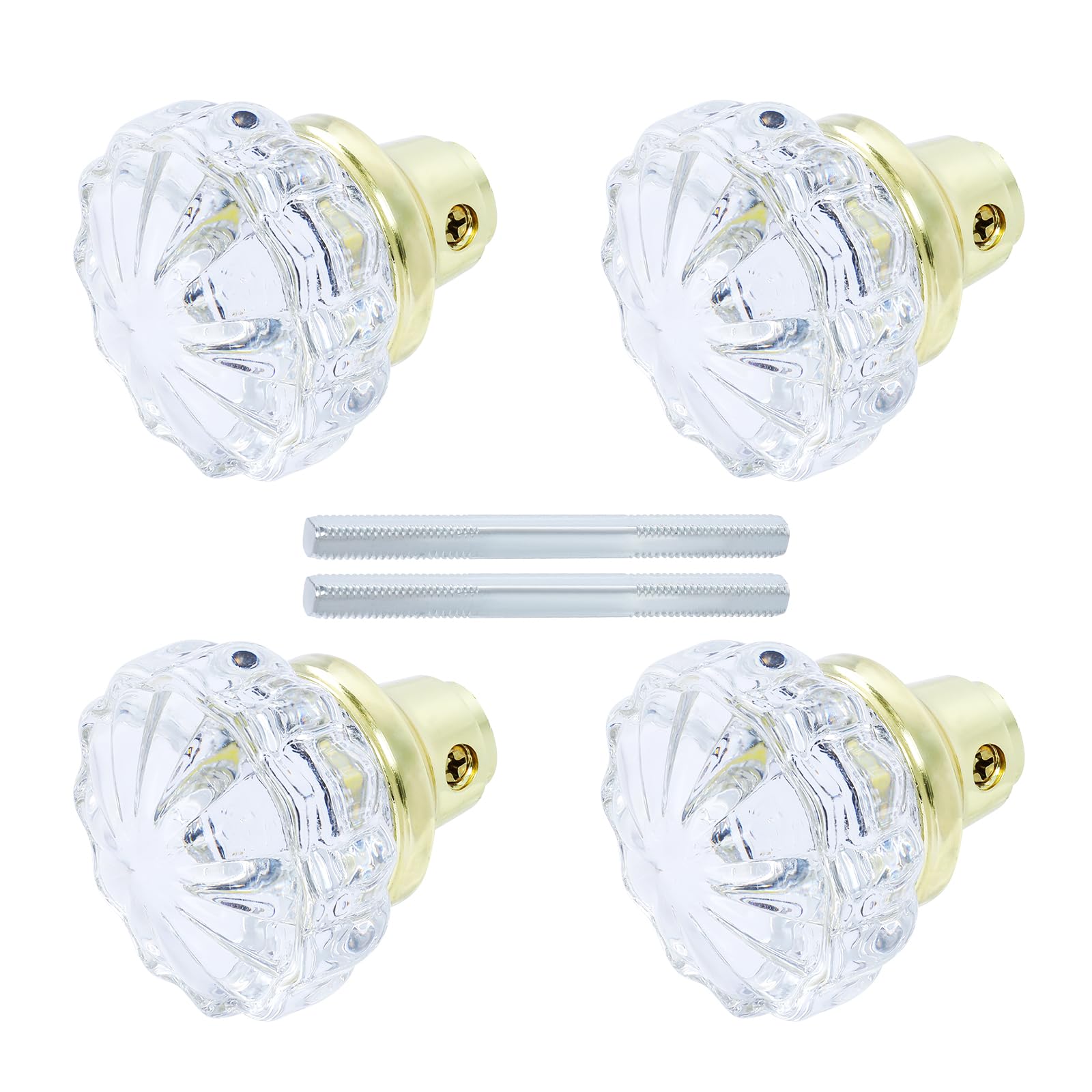
Two mortise knob sets in one box, which makes short work of a hallway of vintage doors.
If you have more than one old door to fix, buying singles gets expensive fast. This AKRILANE pack includes two complete sets of mortise fluted glass knobs with spindles, so a pair of doors is covered in one order. Each knob measures roughly 2.32 by 2.05 by 0.6 inch — a size sized for standard antique doors, and light enough to swing freely without dragging.
Zinc alloy and glass make up the build — zinc alloy again being the rust-resistant metal base that holds up better than plated steel over years of use. The brass finish gives the vintage or antique look most old homes want, and the crystal ball shape brings a bit of polish to the door. Installation is a straightforward DIY job with the included hardware.
Buyers notice the build quality first and the antique brass appearance second — one review compared it favourably to the authentic period look. The trade-off to know about is the spindle and screw fit over years; a few installations loosen over time. Check the dimensions against your existing door before you order, because mortise systems are less forgiving of a mismatch than a modern latch.
Why it earns the bundle spot
- Two complete sets in one pack, so a pair of doors is covered
- Zinc alloy and glass construction that resists breaking
- Brass finish matches vintage and antique interior doors
- Light size suited to standard antique doors
The parts you should know
- A few buyers report knobs loosening over time — recheck the screws
- Mortise fit demands exact measurements, so double-check yours
The fit: two old mortise interior doors that need matching brass-finished glass knobs in one order.
The watch-out: measure your door and spindle first — mortise hardware is a precise fit, not a universal swap.
6. Gobrico Glass Door Knobs

An adjustable latch that takes the guesswork out of a door you cannot easily re-drill.
The feature that solves the most headaches here is the adjustable latch, which fits either a 2-3/8 inch or 2-3/4 inch backset. That means the same set works on two common bore spacings, so you are not stuck buying twice if your door is the other size. It handles door thickness from 1-3/8 to 1-3/4 inch, and it includes the interior and exterior knob, latches with the plate attached, spindles, and screws.
The glass is real faceted crystal on a zinc alloy base, and the sparkle is what stands out — crystal rather than plain glass is what buyers point to. Passage function means no lock, which suits a closet, pantry, or hallway door. In practical terms, one set can freshen nearly every no-lock interior door in a normal house without a fresh drill job.
Installation is the one place opinion splits. Many owners get it in without drama, but some find the process of reattaching the parts fiddly, and durability gets a mixed read with occasional reports of glass parts separating. Neither issue is the norm — the clean look is what most people write about, and the finish earns its keep. Just plan a little patience for the first install and check the fit on the door face before tightening everything down.
Where it stands out
- Adjustable latch covers 2-3/8 in. or 2-3/4 in. backset
- Real faceted crystal knobs on a zinc alloy plate
- One set covers most sizes of interior door
- Passage function for closet, pantry and hallway doors
Small things to weigh
- Reattaching the parts takes some patience on install
- Durability is a mixed report — a few glass parts have separated
Choose this if: you want one knob set that flexes to either backset and looks good in crystal.
Choose something else if: you need a lock, or want a mortise-specific set for an antique door body.
7. 2 Pack Glass Door Knobs

Two fluted glass knobs with spindles, sized to match the vintage doors you already have.
This Amylove pack gives you two complete sets of fluted glass knobs with spindles for replacing worn hardware on old or vintage interior doors. Each knob measures roughly 2.32 by 2.05 by 0.6 inch, which is a light, properly sized match for most antique doors. The fluted shape — the vertical grooves pressed into the glass — is that classic old-house look that reads as genuine rather than retro-modern.
Zinc alloy and glass make up the body, and the bronze finish ties it to older wood trim. Two sets in one order means a matched pair of doors gets done together. Installation is easy with the included manual and knob, and the fit earns steady praise.
Buyers notice the build quality first, then how closely the fluted glass matches the original knobs it replaced — owners restoring older homes say it blends with the decor. The real caution is long-term durability: a handful of sets report the knobs coming apart after months of use. Softer use — a closet that opens a few times a day — is the better fit than a high-traffic door. Check the dimensions against your door before ordering.
A matched-pair buy: two sets, fluted glass, bronze finish, sized for antique doors — that combination is why it suits a restoration with more than one door to fix.
Where to use it: lower-traffic doors that open now and then; the fluted glass is delicate, so treat it like the antique it mimics.
The right call for: a homeowner with two vintage doors who wants matching fluted knobs in one order.
Maybe not for: a door that gets grabbed all day — durability reports suggest gentler use suits it better.
8. Antique Brass Glass Passage Door Knobs

Clear fluted glass on an antique brass rosette, for hallway and storeroom doors that only latch.
Clear fluted glass set into a zinc alloy rosette and plate, finished in antique brass — that combination is what gives this CLCTK knob its old-house look. It suits 1-3/8 to 1-3/4 inch interior doors and includes all accessories and instructions for a new install or a refurbishment. The center-to-center spacing is 2.38 inch, which ties the two knob sides to the standard bore spacing on many doors.
Passage function means it latches but does not lock, which fits a hallway, storeroom or closet door where security is not a concern. The antique brass finish is the visual draw — a warm, aged look that pairs with period woodwork rather than fighting it.
Buyers single out the antique brass finish as classy, and several say it looks better in person than the listing photos. The one real caution is how it turns. Some owners find it difficult to turn, and durability gets a mixed read with concern about parts loosening over time. If you have an older hand or a stiff door, a smoother-turning knob may feel better in daily use.
The finish-to-fit read: a fluted antique brass knob that lifts the look of a hallway or storeroom door, at the price of a somewhat stiffer turn.
The note that matters: difficulty turning comes up, so check your door swings freely before installing — a stiff latch makes that feel worse.
Best suited to: a hallway, storeroom or closet door where the antique brass finish is the priority.
Look elsewhere if: you need smooth, easy turning or a lock — this is a stiffer passage knob.
Know the Specs
Passage vs. Privacy vs. Mortise
These three words decide what the knob can do. A passage knob only latches, so the door stays shut but never locks — good for closets and halls. A privacy knob adds a push-button lock on the inside, which suits a bedroom or bathroom. A mortise set replaces the whole lock body set into the door edge, often with a skeleton key, for true period homes. Buy the wrong type and the door will not work no matter how good the glass looks.
Backset and Door Thickness
Backset is the distance from the door edge to the knob hole, and numbers like 2-3/8 inch and 2-3/4 inch are the two common spacings. Door thickness matters too — most knobs here fit doors 1-3/8 inch to 1-3/4 inch thick. Measure both before you order, because a knob that is the wrong backset will not line up with the old bore, and a door that is too thick will leave the spindle short.
Common Questions
Will a glass door knob fit my old door that already has holes drilled?
What is the difference between a passage and a privacy glass knob?
Can a glass door knob be used on an exterior door?
How do I know if my door needs a mortise set?
Will the glass knob break easily during installation?
Do I need a locksmith to install these knobs?
What does a rosette plate do on a glass door knob?
Why do some sets get short on screws or loose over time?
Can I use a glass knob on a door that is closed many times a day?
Are these glass door knobs real glass or acrylic?
The Bottom Line
For most people, the vintage glass door knobs winner is the Calzibeno Privacy Black Knob, because it is the only one here that actually locks, and it does it with a push-button button and zinc alloy base that will hold up to daily grabs. If you need to fix a genuine mortise door with a square drive spindle, grab the PRIME-LINE Fluted Set for its exact two-inch glass match. And if you want the best-loved look for a closet or hall, the Calzibeno Passage Brass Knob is the one to reach for. Pick the function first, the glass second — that is how you avoid a return.
How we choose
We do not accept paid placement. Every pick is matched to a real buyer and a real use-case; we do not hands-on test units.
Sources
Specifications: manufacturer listings and product documentation. Review insights: verified customer reviews, as of November 2026. Pricing: not shown on this page (it changes often); check the current price via the retailer link.
As an Amazon Associate, Tactical Gear Guy earns from qualifying purchases. This does not affect which products we feature.