Specs are compiled from manufacturer listings and verified buyer reviews and can change over time — please confirm the key details on the product page before buying.
A fungo bat only has to do two things: put the ball where you aim it and survive a full bucket of grounders. A fungo bat (the long, light wood bat coaches use to hit practice balls to fielders) lives or dies on two things: how easily you can control it and whether the barrel is still intact after a season of daily reps. This guide ranks the leading wood fungo bats by swing control and barrel durability. The crowd favorite is a 35-inch Northern ash Rawlings rated 4.5+ stars across 200+ owners.
This guide is built by comparing the manufacturers’ published specifications and the patterns across verified customer reviews, so you get each pick’s real strengths and trade-offs instead of marketing spin.
Coaches break wood fungo bats constantly, so durability and weight matter more than brand name. Here is what separates a bat that lasts from one that cracks on the first bucket of practice — a practical look at the wood fungo bat.
Top Picks


How To Choose The Best Wood Fungo Bat
A fungo bat is not a game bat. It is a coaching tool built to hit precise practice balls — a routine grounder to shortstop, a lazy fly to center — with repeatable control. Get the wrong one and you will either fight the weight or watch the barrel split. Here is what to check before you buy.
Length: Match the bat to the part of the field you coach
Shorter bats give you the most control for infield work, while longer bats add whip for outfield distance. A 35-inch bat is the common middle ground that handles both. A 37-inch bat suits advanced users putting balls deep to the outfield. Pick the length for the practice reps you actually run.
Material: Ash, maple, and bamboo behave differently
Northern ash is known for a light, balanced swing. Maple is a harder wood chosen for extended, repeated use. Bamboo is a dense grass blend some makers build for durability. Ash swings light and balanced, maple is harder and heavier, and bamboo is a dense blend built to resist cracking.
Weight and feel: You control the bat, not the other way around
A fungo bat should weigh little enough that you can swing it through a 100-ball bucket without your arms dropping. A cupped barrel removes wood from the end to keep the bat balanced. Check the listed weight and grip size so a full practice bucket does not wear you out.
Side-by-Side Comparison
| Model | Best For | Length | Weight | Material | Amazon |
|---|---|---|---|---|---|
| Rawlings Wood FUNGO Northern Ash★ Best Overall | Everyday fielding practice | 35″ | 0.77 kg | Northern ash | Amazon |
| Louisville Slugger K100 Fungo 36”Best Value | Value practice reps | 36″ | — | Wood (Series 3) | Amazon |
| Mizuno Pro Fungo Maple Hybrid | Infield and outfield work | 37″ | 0.59 kg | Wood (maple hybrid) | Amazon |
| Rawlings Maple FUNGO | Outfield training | 37″ | 0.7 kg | Maple | Amazon |
Detailed Reviews
1. Rawlings Wood FUNGO Training Bat
Our pick — 4.5+★ from 200+ verified ratings; the strongest balance of quality and price.
The lightweight ash fungo coaches keep coming back to, bucket after bucket.
What wins coaches over on this Rawlings is the swing feel. It is built from Northern ash with a cupped barrel — a barrel hollowed at the tip to shave weight — so the bat stays light and balanced in your hands. At 35 inches long, it is easy to control with less effort, which matters when you are hitting long grounders to infielders and pop flies to the outfield for an entire practice.
Here is how it stacks up against the lighter Mizuno softball fungo: this Rawlings weighs 0.77 kg versus that bat’s 0.5 kg. If you want the most easy whip over a long session, the Mizuno feels airier in hand. If you want a bit more heft to drive balls deep, the ash Rawlings gives you that.
The honest trade-off is durability. This is ash, and ash can crack under heavy, repeated use. Most coaches report no signs of cracking, but the recurring gripe is that a bat can break after three uses. Treat it as a practice tool and rotate it — do not expect a single ash bat to last forever.
Why coaches reach for it
- Light, balanced Northern ash feel that is easy to swing with less effort
- 35-inch length sets up for both infield grounders and outfield flies
- Cupped barrel keeps the bat light for long practice sessions
Where it can bite you
- Ash can crack under heavy reps — some bats break after just a few uses
- Thin wood grip is simple; no cushioned handle if you like a softer feel
Go with this if: you want a balanced, light ash bat for everyday fielding reps and value a proven following.
Look elsewhere if: you want the absolute lightest bat in hand — the Mizuno softball fungo comes in lighter at 0.5 kg.
2. Louisville Slugger K100 Fungo 36” Training Bat
A one-piece wood fungo that punches above its price for practice reps.
If you are outfitting a team on a budget, this Louisville Slugger K100 is the bat that keeps showing up. It is a 36-inch one-piece wood fungo with a natural finish and black logos — nothing fancy, just a solid hitting tool. Quality is the thing it is praised for most, and it is an easy bat to recommend for defense work on the field.
The weight is where opinions split. Some coaches like that it is heavy enough that you are not swinging in air on a checked swing; others find it too heavy for long outfield sessions. If you have a strong arm and want heft behind the ball, the K100’s heavier swing suits you. If light and whippy is your priority, look at the shorter bats here.
The value read: For an entry-level wood fungo, you get a genuine one-piece wood bat with a traditional knob and both-handed grip. It is a sensible first fungo for a new coach.
One thing to know: the medium smooth vinyl grip runs a bit plain, so some coaches wrap the handle for a softer feel.
Reach for this if: you coach defense work and want a budget-friendly 36-inch bat with a bit of heft.
Think twice if: you plan long outfield sessions and prefer a lighter, faster swing.
3. Mizuno Pro Fungo Bat
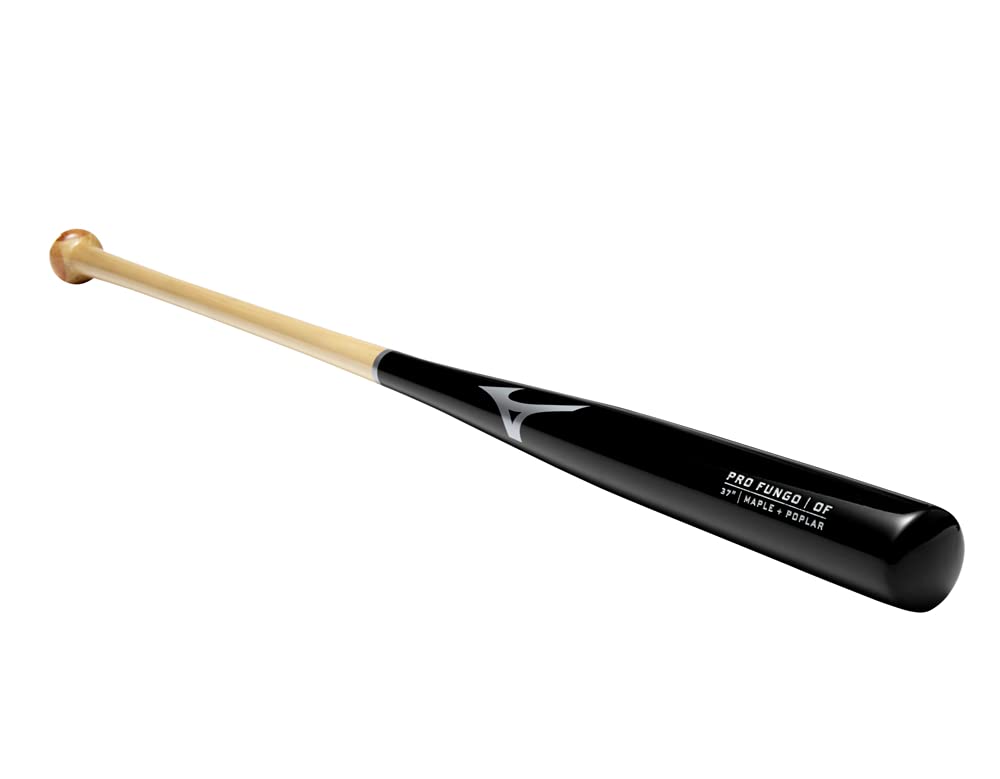
A 37-inch maple hybrid built to send balls wherever you point it.
Distance and placement are what this Mizuno does well. The maple hybrid fungo flies the ball true — flight performance is the quality it is praised for most — and the 37-inch length gives you the reach to work both infield and outfield. The high gloss finish gives it a furniture-grade look that stands out in the dugout rack.
Compared to the Rawlings maple fungo, this Mizuno is the narrower barrel: 2.2 inches versus that bat’s 2.25 inches. That small difference means the Rawlings has a slightly larger balance, while this Mizuno feels a touch more precise. Both are 37-inch bats aimed at coaches who want to cover the whole field.
The real story here is durability, and it is not a happy one. Some coaches love this bat, but the recurring problem is cracking — buyers report it breaking after four swings or cracking within two months of use. The quality itself gets mixed feedback, and value draws the most frustration. Go in understanding that this is a bat that needs care and realistic expectations.
Where it shines: flight performance and that 37-inch reach make it a real placement tool for coaches who like to work the whole field.
The caveat to weigh: durability is the most-discussed concern, with occasional early cracks, so it suits coaches who rotate bats rather than lean on one.
Pick it when: you want a long maple hybrid with great flight and a premium finish for infield and outfield reps.
Hold off if: you need a bat that takes heavy, repeated abuse without cracking.
4. Rawlings Maple FUNGO Training Bat

The maple fungo with a big balance and a length for every part of the field.
Rawlings built this one for coaches who want game-like reps. It comes in a 37-inch length for outfield training and a 34-inch version for infield work, so you can match the bat to the drill. The 2 ¼-inch barrel gives you a generous balance that helps you stay consistent, and the cupped barrel (hollowed at the tip to cut weight) keeps the whole thing feeling ultra-light in your hands.
Quality is the headline, and hitting ability backs it up — this is a bat that puts solid grounders on infielders and deep fly balls to outfielders with ease. Compared to the Mizuno maple hybrid, its 2.25-inch barrel is a hair wider than the Mizuno’s 2.2 inches, which means a bit more forgiveness on off-center contact.
Weight is the trade-off to plan around. On durability, most bats hold up, though one broke within the first half hour of use. Keep it in rotation with your other bats and it serves you well.
Best fit for: coaches who want a maple bat with a big balance and a length option for each drill.
Consider another pick if: you want a feather-light bat — the ash Rawlings swings noticeably easier.
5. Mizuno Pro Fungo Softball Bat, 34 inch

A 34-inch softball fungo that stays light through a full session.
For softball coaches working infield and outfield, this Mizuno is the shorter, lighter option in the lineup. At 34 inches and 0.5 kg, it is the lightest bat in this group — noticeably airier in hand than the ash Rawlings at 0.77 kg. That lightness makes it easy to swing for long stretches without your arms dropping.
Quality is what it is praised for, and it delivers a rich furniture-grade gloss finish on top of a solid wood build. It covers both infield grounders and outfield flies, so one bat handles most of your practice work.
Durability is the thing to watch. Cracking and breaking is the main complaint, which is common with light wood fungo bats pushed hard. If you rotate it and keep it out of cold-weather abuse, it gives you good reps. Just do not expect it to be your only bat for the whole season.
The lightness win: 0.5 kg and 34 inches make this the easiest bat here to control over a long session, especially for softball.
Plan around this: cracking is the recurring issue, so pair it with a backup and treat it as a practice tool.
Choose it for: softball infield and outfield work where a light, short, easy-swinging bat wins.
skip it if: you want one bat to carry heavy daily reps — its durability will not keep up.
6. BAMBOOBAT Adult Fungo Bamboo Baseball Bat

A bamboo fungo built for coaches who keep snapping wood bats.
Here is a bat that takes a different approach to the durability problem. This BamBooBat is made from a proprietary blend of different bamboo types, and the maker says the flexibility lets the ball jump off the bat with very little effort. It comes in a 34-inch size and weighs 0.61 kg, so it sits in the middle of this group for swing feel.
The thinking behind bamboo is simple. Coaches break wooden bats regularly, so a denser bamboo build is meant to hold up longer. As the maker puts it, the added durability lets coaches hit with more confidence. It also gives you plenty of colour options — the barrel can come in black, navy, royal, red, and more, all on a white handle.
One detail worth knowing: the barrel has a shiny high gloss finish, while the handle carries a matte finish for better grip. That mix gives you a firmer hold where your hands work. It is a sensible pick if you have been through a run of broken ash and maple bats.
A smart match if: you keep breaking wood bats and want a bamboo build with a 100-day warranty behind it.
Weigh this first: bamboo has a firmer, different feel from ash or maple that some coaches take time to adjust to.
7. SSK Z9 Professional Edge Comp Coaches Wood Fungo Bat
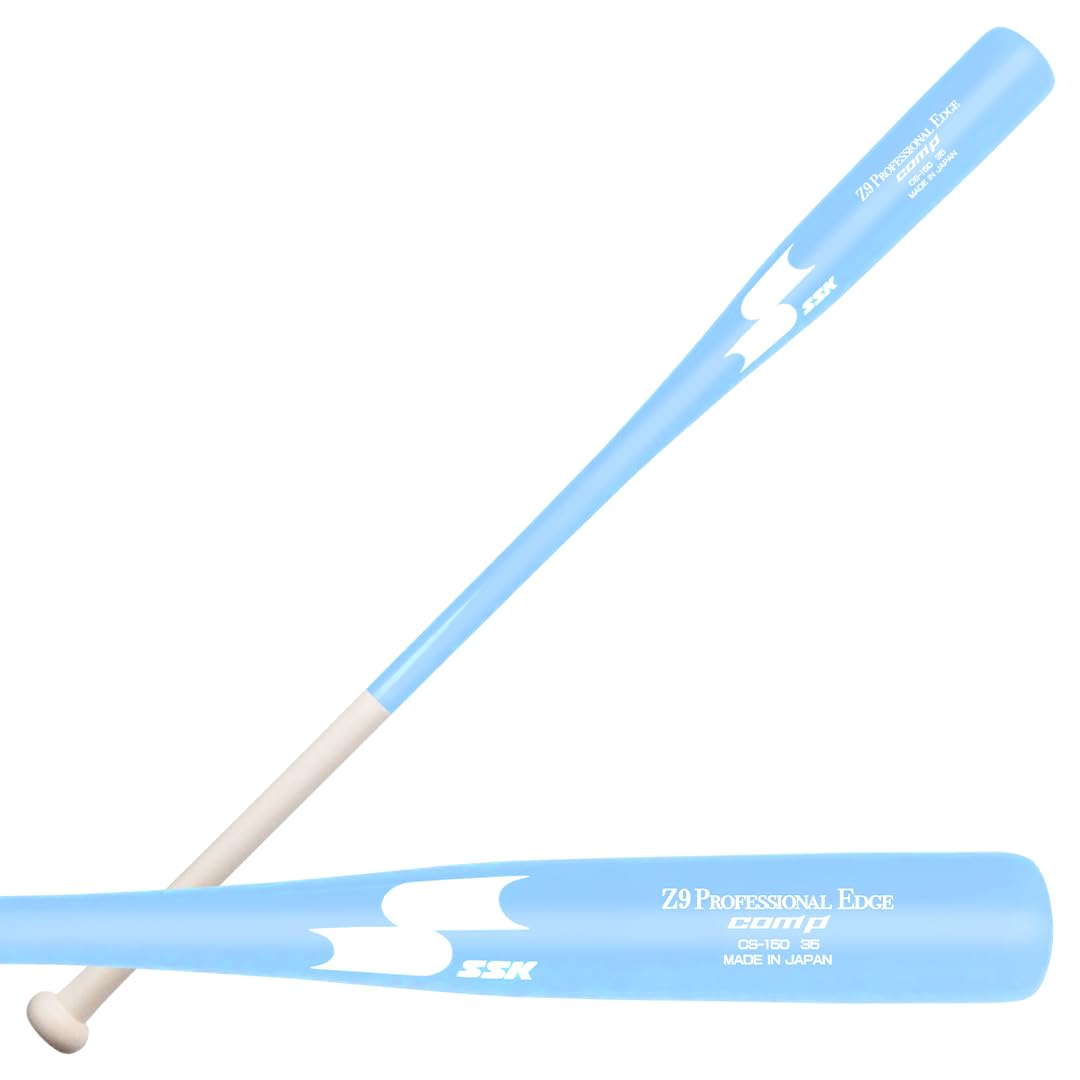
A handcrafted Japanese wood fungo with real whip for advanced coaches.
SSK handcrafts this bat in Japan from lightweight Magnolia Obovata wood in the handle paired with a hard maple barrel. That combination is meant to give coaches a consistent, clean fungo game. The maker says its wood fungo bats are popular among coaches at the college and Major League level, and the build quality is what it is praised for most — its pop is the next thing coaches notice.
Length changes the job it does. The 33-inch is the smallest and easiest to control, good for infield and youth coaches. The 35-inch — the version here — is the all-round middle bat for infield and outfield work. The 37-inch is for advanced users who want more whip to put balls anywhere on the field with less effort.
The one soft spot is feel at the handle. Some coaches describe the bat as very soft while others call it excellent, so the firmness is a personal taste. It also comes with a 60-day warranty, which eases the worry about breaking a premium bat. For a coach who works the whole field and wants a refined wood tool, this is a strong step up.
What it is: a handcrafted Magnolia and maple hybrid in a 35-inch all-round length, with a 60-day warranty and 22+ colour options.
The honest note: handle firmness splits opinion between very soft and excellent, so factor in your grip preference.
For the advanced coach: if you want a refined Japanese-wood fungo that covers infield and outfield with real whip, this is the premium step up.
Not the first pick if: you are a beginner who wants the easiest-to-control bat — start with a shorter length.
Know the Specs
Length (33″, 35″, 37″)
Length decides what part of the field the bat is built for. Shorter bats like a 33-inch are easier to control and suit infield and youth work. A 34-inch bat handles infield and outfield for softball. The 35-inch is the common all-round middle. A 37-inch bat adds whip to send balls deep to the outfield, and it rewards an experienced swing. Match the length to the drills you run most.
Material (Ash, Maple, Bamboo)
Material changes both feel and durability. Northern ash gives a light, balanced swing that is easy to control. Maple is a harder wood chosen for extended, repeated use, and it carries a bit more heft. Bamboo is a dense blend some makers build to resist breaking. Ash and maple can crack under heavy reps, so lighter or denser builds are worth weighing if durability is your main worry.
Weight and Barrel
Weight is about how many swings you can make before your arms tire. A bat around 0.5 kg feels airy and easy to control over a long session. A heavier bat like 0.77 kg gives you more heft behind the ball but tires you faster. A cupped barrel — hollowed at the tip — shaves weight so the bat stays balanced. A wider barrel gives a bigger balance, which helps you stay consistent on off-center contact.
Grip and Finish
Grip and finish affect how the bat feels in your hands for a whole practice. A smooth vinyl grip runs plain, while a matte handle can give a firmer hold. A high gloss barrel is more about looks and wipe-down care. Check the grip size so the bat does not slip or twist when you swing hard.
Common Questions
What length wood fungo bat should a coach use for infield versus outfield?
Is bamboo more durable than ash or maple for a fungo bat?
Can I use a wood fungo bat for softball practice?
Why do wood fungo bats crack so easily?
What does a cupped barrel do on a fungo bat?
How heavy should a fungo bat be for a youth or Little League coach?
Does fungo bat warranty cover breaks or cracks?
What is the difference between ash, maple, and Magnolia fungo bats?
Can a fungo bat be used in cold weather without cracking?
The Bottom Line
For most coaches, the wood fungo bat winner is the Rawlings Northern Ash FUNGO because it pairs a light, balanced ash swing with a 35-inch length that handles infield and outfield reps. If you want a longer maple bat with a bigger barrel, reach for the Rawlings Maple FUNGO. And for coaches who keep snapping wood and want a bamboo build behind a longer warranty, the BamBooBat Adult Fungo is the one to grab.
How we choose
We do not accept paid placement. Every pick is matched to a real buyer and a real use-case; we do not hands-on test units.
Sources
Specifications: manufacturer listings and product documentation. Review insights: verified customer reviews, as of November 2026. Pricing: not shown on this page (it changes often); check the current price via the retailer link.
As an Amazon Associate, Tactical Gear Guy earns from qualifying purchases. This does not affect which products we feature.