Specs are compiled from manufacturer listings and verified buyer reviews and can change over time — please confirm the key details on the product page before buying.
Here is the short answer: the adidas Terrex Eastrail 3 is the safest first buy for most people, because it covers easy-to-moderate trail days with comfort and grip at a price that does not sting — 4.5+ stars across 600+ ratings backs that up. The real question on a trail shoe is not which brand looks fastest. It is whether the lugs (the knobby rubber teeth under the sole) actually bite on wet rock, whether your toes have room on a downhill, and whether the upper survives a season of roots and grit.
This guide is built by comparing the manufacturers’ published specifications and the patterns across verified customer reviews, so you get each pick’s real strengths and trade-offs instead of marketing spin.
Grip, toe room, and a waterproof upper decide most trail days long before brand loyalty does. Below you’ll find real lug depths, weights, and fit notes for the best outdoor trail shoes, so you can match a shoe to your terrain instead of guessing.
Top Picks

How To Choose The Best Outdoor Trail Shoes
Trail shoes are not road runners with a rougher sole. The outsole lugs (the raised rubber blocks under the shoe) decide whether you stay upright on wet roots, and the fit decides whether your toes survive a steep downhill. Get those two right and the rest — waterproofing, cushioning, weight — becomes a matter of taste.
Match lug depth and rubber to your terrain
Deep lugs with a sticky rubber compound grab mud and loose dirt; shallower, harder patterns roll better on packed gravel and rock plates. If your trails are wet and rooted, a shoe with a dedicated grip rubber like Vibram Megagrip earns its place. For dry, hard-packed paths, a lighter tread is easier on your legs over long distances.
Decide on drop and toe box before anything else
Drop is the height gap between heel and toe; zero drop (both at the same level) asks your calf to work more, while a traditional drop feels familiar fast. A wide toe box lets your toes splay on descents instead of jamming the front of the shoe. Buy the shape your foot already likes, not the one that looks racy.
Waterproof or breathable — pick one
A waterproof membrane keeps rain and puddles out but holds sweat in, so hot summer climbs can feel clammy. Breathable mesh dries fast and runs cool but soaks through in mud. Creek crossings and cold rain point to waterproof; dry heat and long mileage point to breathable.
Side-by-Side Comparison
| Model | Best For | Weight | Drop / Support | Upper / Weather | Amazon |
|---|---|---|---|---|---|
| adidas Terrex Eastrail 3★ Best Overall | Everyday trail days | 2.43 lb | Supportive arch, not overly heavy | Durable trail upper | Amazon |
| Columbia Strata Trail LowBest Toe Room | Roomy toe comfort | — | Supportive stability | Waterproof | Amazon |
| Under Armour Charged Bandit Trail 3 StormMud Specialist | Muddy trail running | — | Neutral, Charged Cushioning foam | Engineered mesh, Storm Proof | Amazon |
| adidas Terrex Tracefinder 2 Climaproof | Wet-weather multi-use | 2.43 lb | LIGHTMOTION cushioning | Climaproof waterproof | Amazon |
| ALTRA Lone Peak 8 (Women’s) | Zero-drop, wide toe | 10.7 oz / 303 g | 0 mm drop, Balanced Cushioning | Ripstop mesh, MaxTrac outsole | Amazon |
| New Balance Fresh Foam X Hierro V9 | Technical terrain traction | 2.1 lb | Dual-density Fresh Foam X | Breathable knit, gusseted tongue | Amazon |
| Merrell Nova 4 | Arch and heel comfort | 2 lb | Custom-feel arch support | Athletic running upper | Amazon |
| Saucony Peregrine 16 | Nimble all-terrain grip | — | PWRRUN foam cushioning | Vibram Megagrip outsole | Amazon |
| Salomon Speedcross 6 GTX | Wet and muddy grip | 3 lb | Classic Speedcross comfort | Gore-Tex waterproof | Amazon |
Detailed Reviews
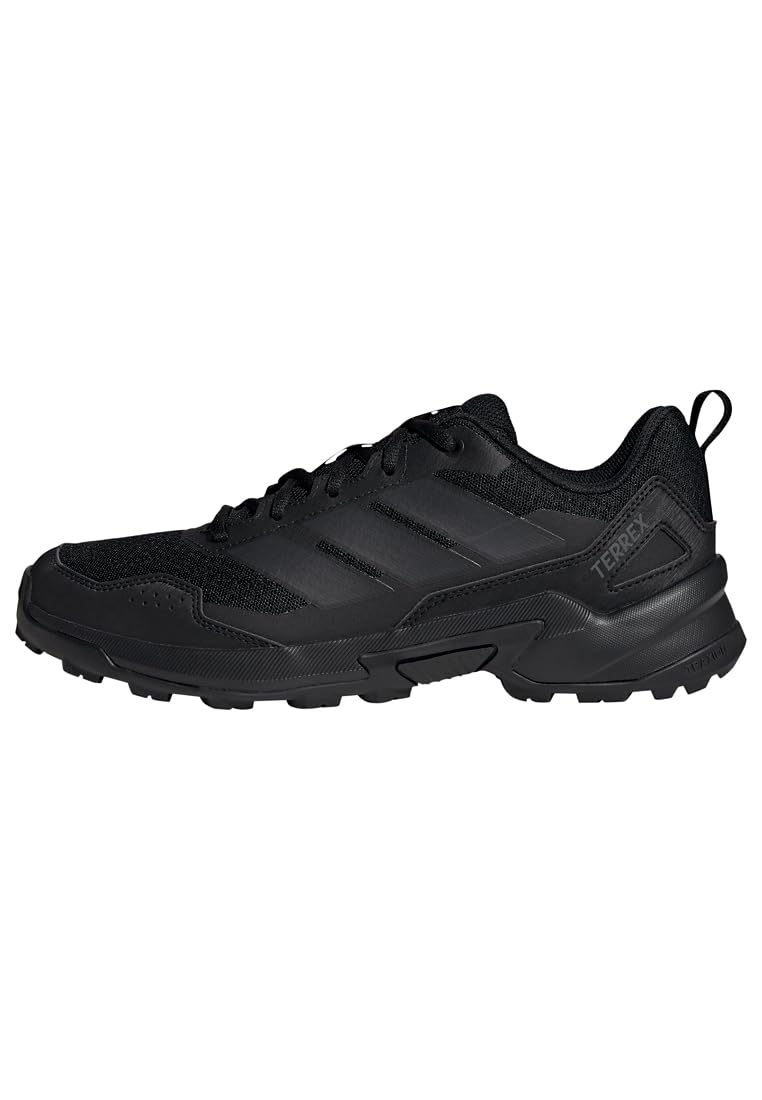
1. adidas Men’s Terrex Eastrail 3 Hiking Sneakers
Our pick — 4.5+★ from 650+ verified ratings; the strongest balance of quality and price.
The do-it-all trail sneaker that keeps your arch supported without dragging your feet down.
If your trail days are mostly packed dirt, gravel paths and the odd rocky stretch, this is the pair that covers all of it without making a fuss. The build quality is what wins people over — it is the single most-praised trait in the feedback, and it shows in how the shoe holds its shape over a season of weekend walks. At 2.43 pounds it is not a featherweight racer, but wearers describe the support as firm without feeling like a brick.
Comfort lands right behind quality in owner feedback, and the arch support is the piece buyers point to when they talk about a full day on their feet. Traction holds across mixed surfaces — dirt, loose gravel, damp rock — which is exactly the range this shoe is built for. It is an easy-to-moderate trail shoe by design, not a mud-plugging mountain boot, and knowing that saves you a bad expectation.
Compared with the Columbia Strata Trail Low below, this one is the more compact package: the Eastrail measures its own spec sheet differently, but the real read is that the Columbia ships at 15 x 12 x 6 inches versus the Adidas Terrex Tracefinder 2 at 8 x 4 x 7 inches — a reminder that listed box dimensions tell you about packaging, not about how the shoe fits. Try this one first if you want support and grip without a learning curve.
Where It Earns Its Keep
- Build quality is the standout trait owners return to most, and it holds shape over months of use.
- Arch support reads as supportive without the heavy, clunky feel of a full hiking boot.
- Grip is dependable on packed dirt, gravel and damp rock — the everyday trail terrain.
- 4.5+ stars across 600+ ratings makes it the safest blind buy on this list.
Where It Stops Short
- Listed at 2.43 pounds, it is a heavier shoe than the dedicated trail runners here.
- Built for easy-to-moderate hiking, so deep mud and scrambling are outside its lane.
Reach for it if: you want one pair that handles weekend trails, dog walks and gravel paths with dependable grip and arch support.
Look past it if: you are chasing race-day speed on technical descents and want the lightest shoe you can find.
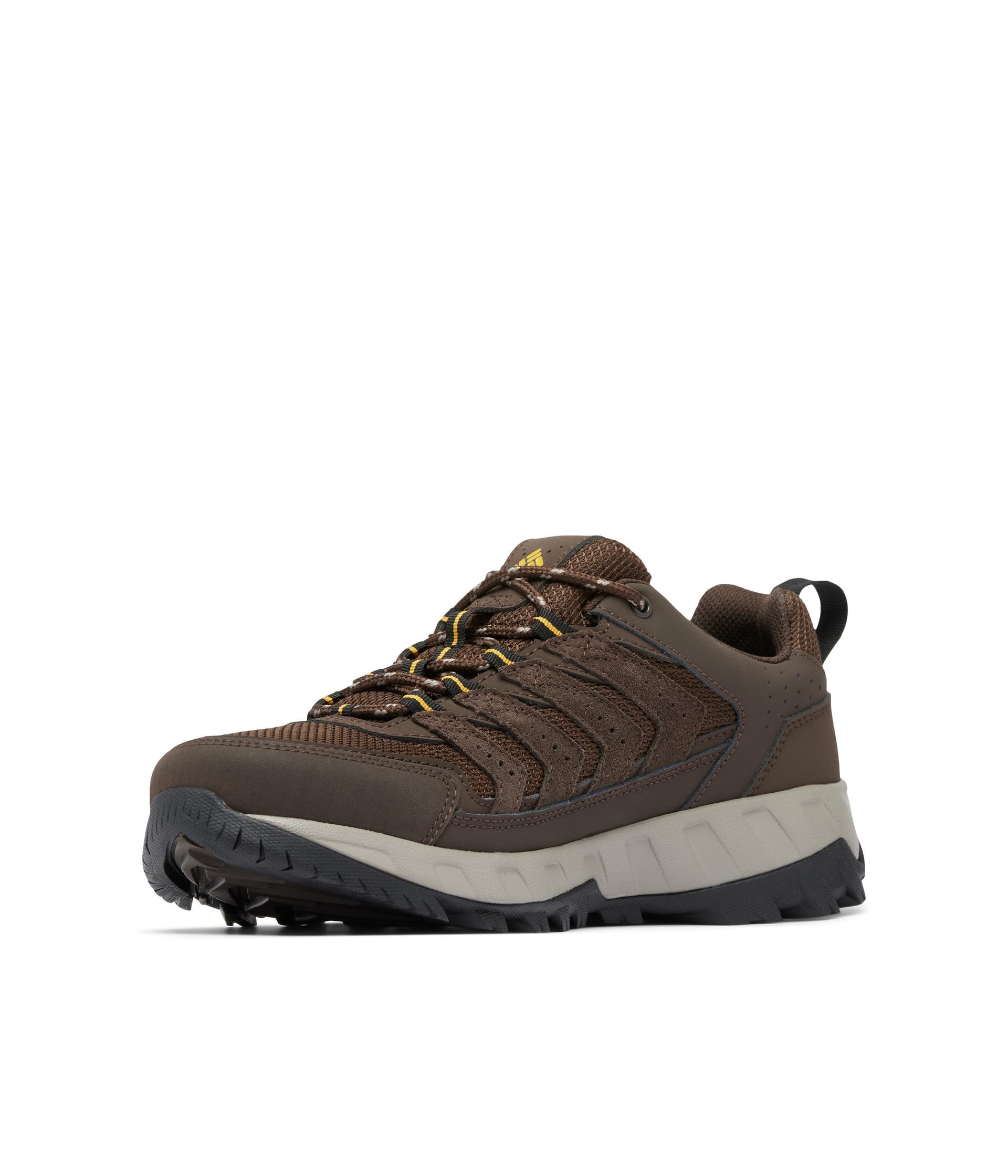
2. Columbia Men’s Strata Trail Low
A waterproof trail shoe with a toe box generous enough to keep your toes off the front wall on descents.
For anyone whose last pair pinched across the toes, this is the fix. Owners describe plenty of room in the toe box and a true-to-size fit, so you can order your normal size and skip the guessing game. Traction gets singled out for how it handles rocky ground — the kind of loose, uneven rock where a slippery sole turns a walk into a shuffle.
Quality is the trait that shows up most in what buyers report about this shoe, with comfort close behind. The honest catch is durability: the upper mesh is where this shoe draws a split verdict, with some owners getting a good stretch of use and others seeing the mesh come apart sooner than they hoped. Water resistance and foot support land in the same mixed territory — solid for a damp morning, not a boot replacement for a soaked all-day push. For the money, it is still a very fair deal for casual trail use.
The toe-box win: if you have wide feet or hate cramped toes on a downhill, the roomy forefoot and true-to-size fit make this the easiest Columbia to recommend for all-day comfort.
Treat the upper with care: the mesh upper is the one part to watch over time — it does not love being dragged through brush, so keep to open trail and it will reward you.
Best match: wide-footed walkers and hikers who want a waterproof shoe with real toe room for packed and rocky trails.
Think twice: if you plan to bash through thorny scrub and brush every weekend, where a tougher upper would last longer.
3. Under Armour Men’s Charged Bandit Trail 3 Storm Proof
Built for runners who meet mud on the regular and want a lug pattern that digs in rather than slides.
The outsole here is the headline: technical trail lugs (aggressive rubber teeth) designed to grip when you are going up and down muddy, loose terrain. Underfoot, the Charged Cushioning midsole uses compression-molded foam — foam pressed into shape so it springs back — which makes long runs feel cushioned rather than flat. The two-toned mesh upper keeps air moving, and strategic overlays add abrasion protection where the shoe takes the most beating.
Well-made is the verdict owners land on, and the bright safety-green colorway gets mentioned as a bonus for visibility on early or late runs. Durability holds up over time according to the feedback. The one split is fit: sizing draws mixed notes, and some runners find pressure on the right little toe, so pay attention to your usual size before you commit.
Grip and cushion combo: the trail lugs and compression-molded foam give you a runner that handles mud without beating up your legs — a solid pick for neutral runners who want versatility.
Sizing quirk to know: fit is the one disagreeable note, with tightness reported around the little toe — worth checking the size chart against your normal running shoe.
Fits best: neutral trail runners who want mud traction and a plush, responsive midsole for mixed-distance runs.
Skip if: you have a wide forefoot and need a shoe that fits roomy from the first lace-up.
4. adidas Men’s Terrex Tracefinder 2 Climaproof
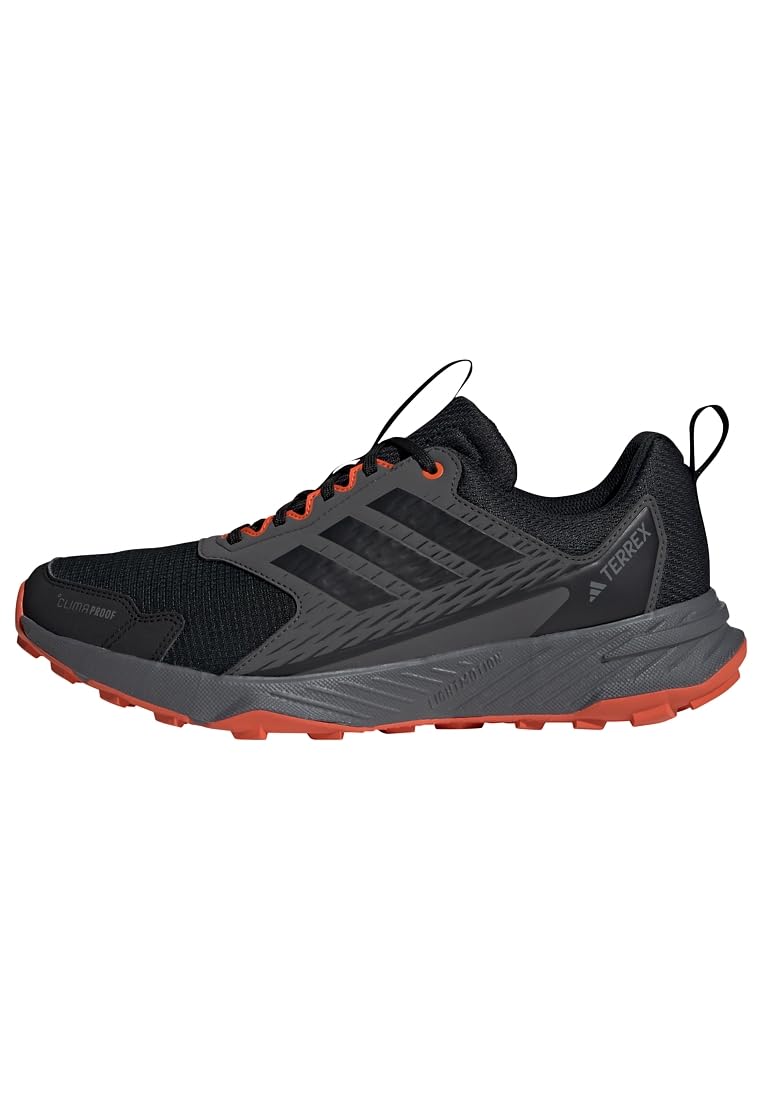
The weather-proof all-rounder that keeps your feet dry when the forecast turns ugly.
Climaproof is the whole point here: a waterproof, breathable membrane (a thin layer that blocks rain but lets sweat vapor escape) that shuts out wind and storms while still letting your feet breathe. The lugged outsole gives all-direction grip, so you are not just covered going uphill. A LIGHTMOTION midsole adds step-in comfort and support through varied terrain.
What buyers consistently come back to is the build quality, then comfort, then how well the water resistance holds up — that trio lines up exactly with what a wet-weather trail shoe should deliver. On size, the verdict splits: some find them true to size, others find the fit too tight. Weight is also a split call, though the listed 2.43 pounds puts it firmly on the sturdier side. One physical note worth knowing: the packaging dimensions run 8 x 4 x 7 inches, versus the Columbia Strata Trail Low at 15 x 12 x 6 inches — a package-size difference, not a fit difference, so judge this one by the sizing feedback instead.
The membrane does its job: Climaproof blocks rain and wind while letting vapor out, so a cold wet trail day stays comfortable instead of soggy.
Fit is the wildcard: because sizing splits between true-to-size and tight, order from a retailer with easy returns and try them on before a big day out.
Pick it for: multi-use adventures in mixed or wet weather where staying dry matters more than shaving weight.
Hold off if: you run hot on summer trails and want maximum breathability over weather protection.
5. ALTRA Women’s Lone Peak 8 Trail Running Shoe
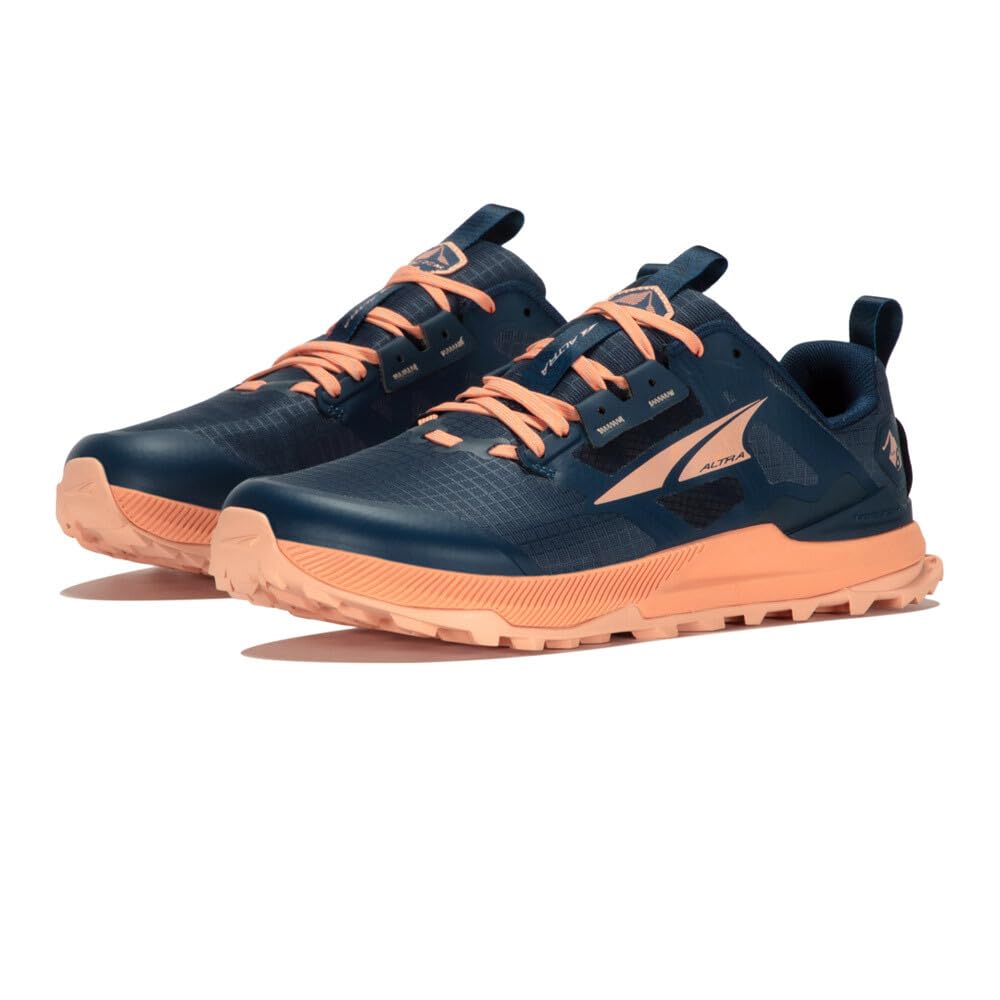
Zero drop and the roomiest toe box on this list — your toes get to do what toes are meant to do.
Altra built this one around natural movement: a 0 mm drop (heel and forefoot at the same height off the ground) and a FootShape toe box with space for your toes to splay, plus room through the midfoot. The upper is a refined ripstop mesh, durable enough to shrug off trail scuff, and the MaxTrac outsole gives a sticky underfoot grip. Canted TrailClaw lugs sit beneath the metatarsals for extra bite where you push off.
Owners rate comfort highest, with several wearing them through a full workday without sore feet, and the wide toe box is the second most-praised trait. The arch support adds foot stability, and owners mention no break-in period at all. At 10.7 oz / 303 g it stays light for the amount of cushioning. Balanced Cushioning keeps the heel and forefoot at the same height, the same level platform as the 0 mm drop.
Why Feet Love It
- 0 mm drop and roomy FootShape toe box let your foot move the way it naturally wants to.
- MaxTrac outsole with TrailClaw lugs grips where it counts, even on climbs and pushes.
- No break-in period — the shoe feels ready on the first wear.
- 10.7 oz / 303 g keeps it light for a cushioned trail shoe.
The Adjustment Period
- Zero drop asks more of your calves and achilles, so ease into longer distances.
- The women’s fit is specific — try before committing if you normally wear a men’s width.
Made for: women who want a wide, natural-feeling toe box and zero drop for hiking, running and thru-hiking.
Ease in: if you are new to zero drop, build up slowly rather than going straight into your longest trail day.
6. New Balance Men’s Fresh Foam X Hierro V9
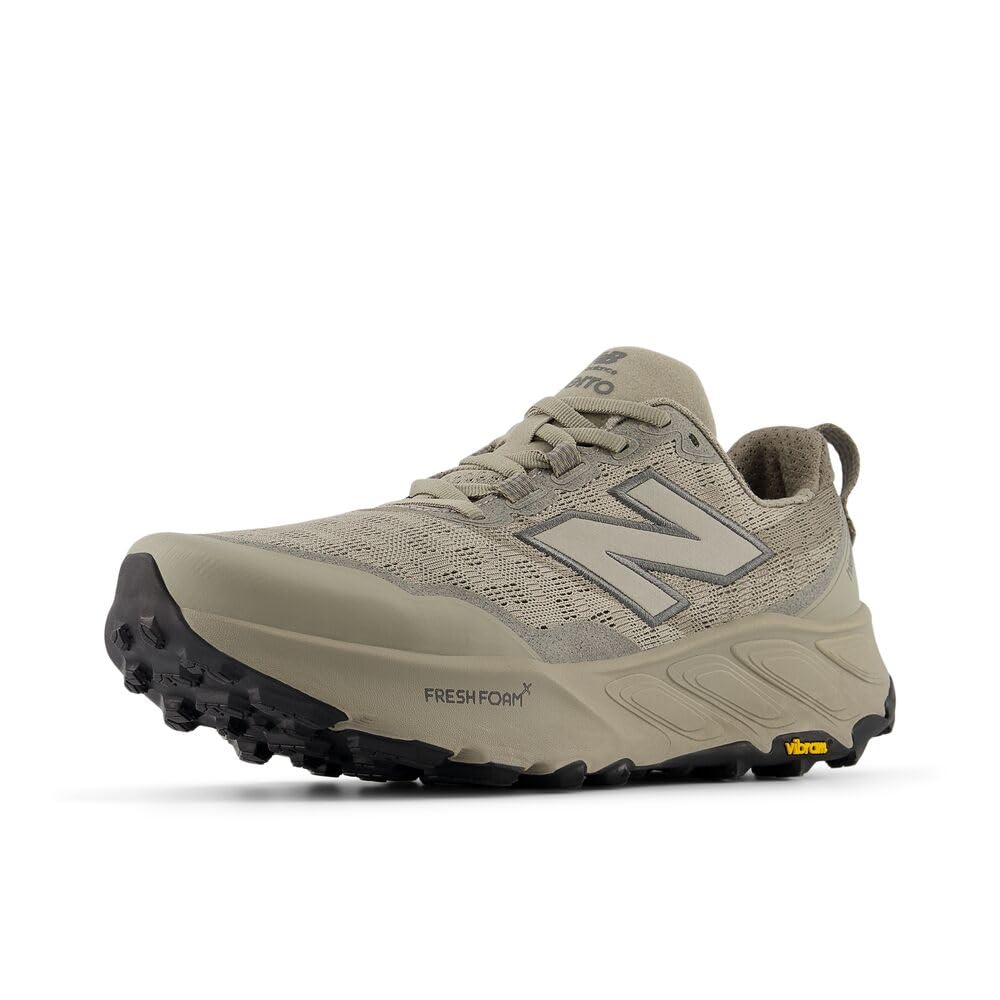
Deep 6mm lugs and a Vibram outsole put this one at the front of the pack when the ground turns nasty.
The 6mm lugs (the raised tread blocks under the sole) are deeper than most trail shoes carry, and they are wrapped in a Vibram Megagrip outsole with a revamped tread pattern. The result is traction that holds on wet and dry terrain alike. A dual-density Fresh Foam X midsole pairs plush comfort with a more stable underfoot feel, so you are not trading cushioning for control. Toe Protect shields you from rocks, roots and trail debris, and a gusseted tongue (an attached flap that seals the gap) keeps grit out while the knit upper breathes.
Owners call these excellent for hiking and love the cushioning — one owner reported that sore back and knees settled down while wearing them, a sign of how much cushioning sits underfoot. They also work as a daily shoe, so you can wear them well beyond the trailhead. The caveats: fit runs small for some wearers, and traction, while a strength for many, gets mixed notes overall. At 2.1 pounds it is the lightest of the bigger trail shoes here.
Traction where it counts: the 6mm lugs and Vibram Megagrip outsole make this the strongest choice here for roots, rocks and wet techy trail.
Order up on fit: since sizing runs small for some, size half a step up or try before a big trip, and keep an eye on durability if you log heavy daily mileage.
The right call for: trail runners and hikers who face rocks, roots and slick terrain and want deep lugs plus plush cushioning.
Second-guess it if: you want a roomy fit straight from the start and hate having to size up.
7. Merrell Men’s Nova 4 Sneaker

The trail crossover that wears like your favorite everyday sneaker and supports like a hiking shoe.
Merrell rebuilt its trail shoe for clean athletic looks with running comfort, and the fit for wide sizes is where it shines. Owners compare the arch and heel support to custom orthopedic support, which is rare in a shoe that also passes as an everyday sneaker. At 2 pounds it stays light on the foot.
Comfort leads the conversation here, followed closely by build quality, and the lightweight ride keeps it in rotation far beyond the trail. It is the shoe for someone who wants one pair that works on a gravel walk and on a rocky path without changing footwear. The honest trade-off is cushioning and durability: both draw a split, with some buyers wanting more underfoot plush and more life out of the sole for heavy mileage. Value is another spot where opinions divide — fair for casual trail use, less so if you run every day.
Support you can feel: owners compare the arch and heel feel to custom orthopedic support, and the wide sizes give wide-footed buyers a trail shoe that actually fits.
Balance for light trails: cushioning runs modest, so this is a great everyday trail-crossover rather than a long-haul, high-mileage runner.
Built for: wide-footed walkers and light trail runners who want arch and heel support they can feel all day.
Go elsewhere if: you log big daily mileage and need maximum cushioning to last the whole season.
8. Saucony Men’s Peregrine 16 Sneaker
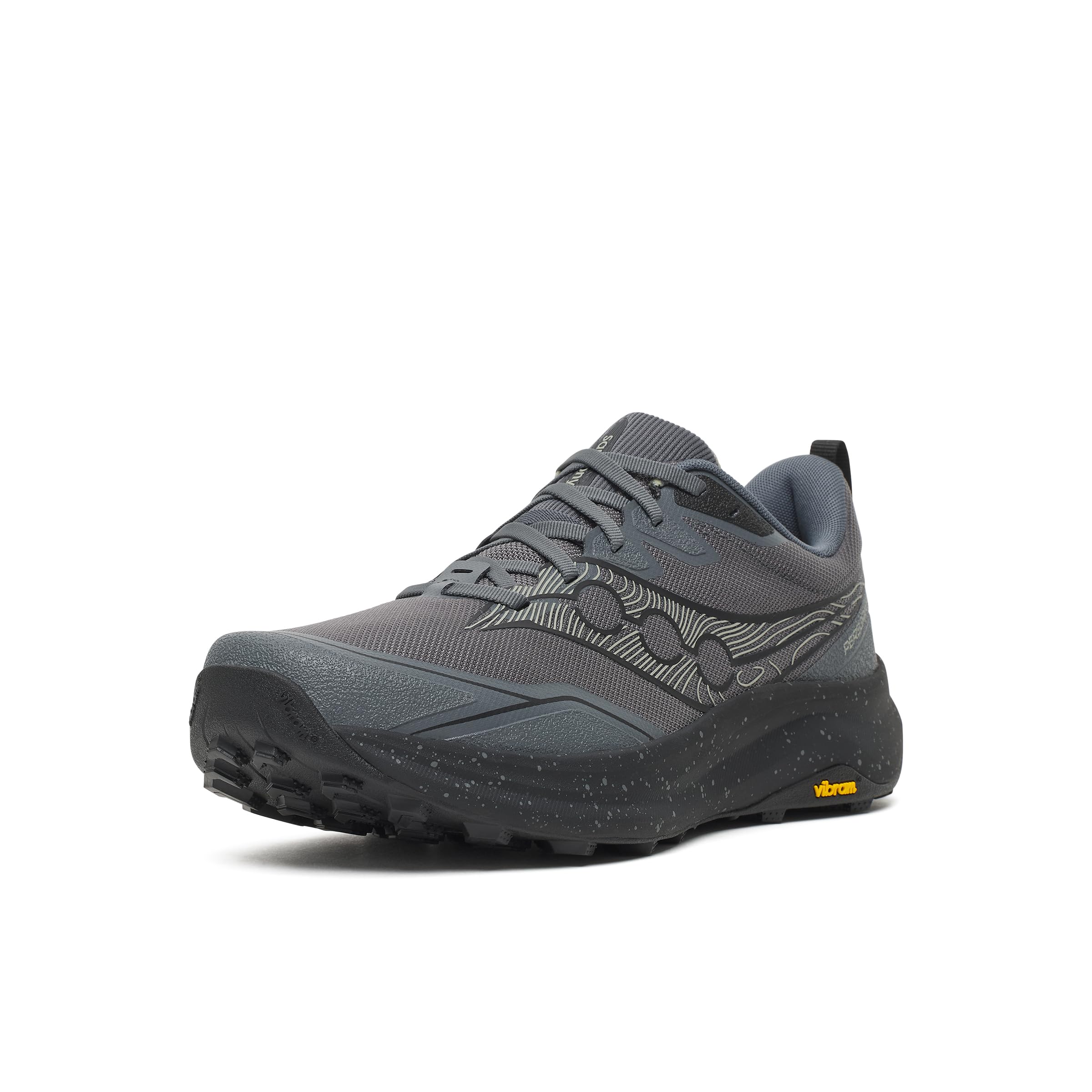
A quick-footed trail runner that tackles uneven ground without turning stiff underfoot.
Vibram Megagrip is the core here — sticky grip rubber that holds traction in all conditions — paired with extra PWRRUN foam underfoot for more cushioning than the Peregrine has had before. The result is a shoe that handles uneven trails without feeling rigid, so you can move naturally over roots and rock. It is built as a nimble, tackle-any-terrain design rather than a heavy plated hiker.
Comfort and fit are both strengths, and there is plenty of room in the toe box for your toes to sit without rubbing. Traction and grip both get singled out as dependable, which is exactly what a Megagrip sole should deliver. Cushioning gets its own share of praise, and the shoe stays light on the foot. There are fewer ratings behind this one than the heavier-hitting picks, but the direction of the feedback is consistently positive.
Where It Shines
- Vibram Megagrip outsole bites on wet and loose surfaces where standard rubber slips.
- PWRRUN foam adds cushioning without turning the shoe mushy or stiff.
- Roomy toe box keeps the descent comfortable.
- Nimble enough for technical trail yet cushioned for longer outings.
What To Weigh
- Fewer owners behind it than the flagship picks, so it is less of a blind buy.
- Built as a runner — if you want a heavy-mileage hiking boot, this is a different tool.
Ideal for: trail runners who want Megagrip traction and springy cushioning on technical, uneven ground.
Consider the trade: the smaller review base means trying it on first is the smart move before committing.
9. Salomon Men’s Speedcross 6 GTX
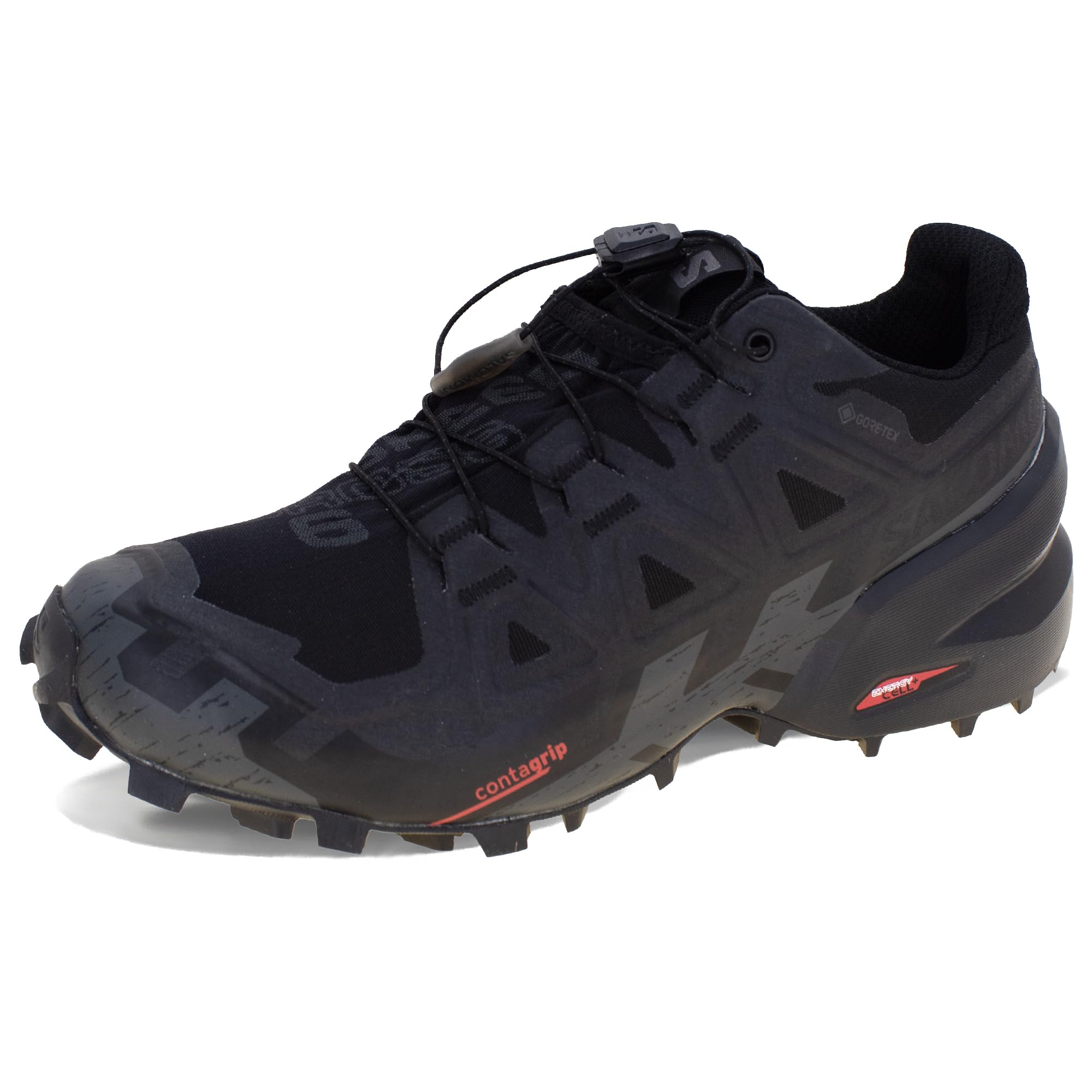
The mud-hungry classic, now lighter with a waterproof Gore-Tex shell for the wettest days.
Gore-Tex is the reason to reach for this one: a waterproof, breathable membrane (a sealed layer that blocks water but lets sweat out) that keeps your feet dry in wet and muddy conditions. The outsole is built for powerful, grippy connection to the ground, and the tread evacuates mud fast so you are not hauling half the trail with you. A revamped upper keeps the classic Speedcross comfort intact, and this version is lighter than its predecessors.
Owners come away calling it fantastic and comfortable, with fit landing as appropriate across the board. The honest note is durability: the bottom of the shoe is where wear shows up for some users while others find it tough, so this is a shoe to use hard on soft ground rather than grind across pavement. At 3 pounds it is the heaviest pick on this list — a fair trade for the Gore-Tex shell and aggressive tread.
The wet-trail weapon: Gore-Tex waterproofing plus fast mud evacuation makes this the strongest pick for slogging through rain, bogs and slop.
Keep it off the road: the soft, aggressive tread that grips mud wears faster on hard pavement, so save this one for the dirt.
Get this if: your trails are wet, muddy and messy and you want Gore-Tex protection plus mud-shedding grip.
Not for you if: you split your miles between trail and pavement, where the tread will wear quicker.
Know the Specs
Lugs and Outsole Grip
Lugs are the raised rubber blocks under the sole, and their depth and shape decide how a shoe bites. Deeper, aggressive lugs like the 6mm ones the Hierro V9 carries give more traction on soft, wet ground and shed mud better. Sticky rubber compounds like Vibram Megagrip and MaxTrac hold on slick rock. Shallow, hard patterns roll faster on packed paths but slip more on roots. Match the tread to your terrain — mud and rock want bite; gravel and hardpack want smooth roll.
Drop, Toe Box and Fit
Drop is the height difference between heel and toe. A 0 mm drop, as on the Lone Peak 8, puts heel and forefoot level so your foot lands more naturally — harder on the calves at first, but many hikers and runner love the feel. A roomy toe box lets toes splay on descents instead of jamming into the front of the shoe. Fit notes vary by shoe: some run true to size, others run tight or small, so always check the fit feedback and try before a long day out.
Common Questions
How do I know if a trail shoe has enough grip for wet rock?
Should I buy waterproof trail shoes or breathable ones?
What does zero drop mean and is it hard to switch to?
Why do some trail shoe reviews say the fit runs small?
Can I wear trail shoes on pavement without ruining them?
How much does a trail shoe’s weight actually matter?
Do I need a wide toe box for trail running?
How long should a pair of trail shoes last?
What is the difference between a trail shoe and a hiking boot?
The Bottom Line
For most people, the best outdoor trail shoes winner is the adidas Terrex Eastrail 3 — it covers easy-to-moderate trail days with dependable grip and arch support, and its 4.5+ star standing across a large pool of owners makes it the most confident pick here. If you face technical rock and roots, the New Balance Hierro V9 and its 6mm Vibram Megagrip lugs lead on traction. For wet, muddy slop, grab the Salomon Speedcross 6 GTX and its Gore-Tex shell — then save it for the dirt so the aggressive tread lasts.
How we choose
We do not accept paid placement. Every pick is matched to a real buyer and a real use-case; we do not hands-on test units.
Sources
Specifications: manufacturer listings and product documentation. Review insights: verified customer reviews, as of November 2026. Pricing: not shown on this page (it changes often); check the current price via the retailer link.
As an Amazon Associate, Tactical Gear Guy earns from qualifying purchases. This does not affect which products we feature.