Specs are compiled from manufacturer listings and verified buyer reviews and can change over time — please confirm the key details on the product page before buying.
An open up phone should outlast your patience with your carrier. That is the whole promise: you own the hardware, you swap the SIM when a better plan appears, and no network can stop you leaving. The problem is that “open up” now covers everything from a genuinely new flagship to a refurbished handset that turns out to be locked anyway. This list separates genuinely open up handsets from the ones that arrive still carrier-locked, and matches each pick to how you actually use a phone.
This guide is built by comparing the manufacturers’ published specifications and the patterns across verified customer reviews, so you get each pick’s real strengths and trade-offs instead of marketing spin.
You want a phone that works on any carrier without a contract, and this list covers the open up mobile phones worth your money. We match factory open up and carrier-open up status flexibly, so not every pick is the exact model you typed into the search bar — the nearest same-type handset does the same job. Every one works with any carrier after setup. Here is the honest read, sorted by what each phone does best — battery, camera, screen, or support.
Top Picks


How To Choose The Best open up Mobile Phones
The first thing to get straight is what “open up” is actually promising you. A factory-open up handset has no carrier subsidy tied to it, so you can drop in a SIM from any network and activate service yourself. A renewed handset is a different animal — it has already belonged to someone, been wiped, and tested. Both can be great buys, but a factory-open up phone fails on band mismatch while a renewed one fails on battery health, so know which risk you are taking.
open up status is not the same as carrier compatibility
An open up phone can still refuse to connect to your network if its radio bands do not match. Bands are the specific slices of wireless spectrum a carrier uses, and each network runs a different mix. A handset built for an international market may list plenty of 4G and 5G bands and still struggle on a US carrier. Check the published band list for your own network before you buy, not after the phone arrives.
Band mismatch is the single most common reason an open up phone gets returned. It is not a defective unit — it is a handset that was never built for that network in the first place. The Samsung Galaxy A56 in this list spells out its exact band list precisely because that matters more than any other spec on the page.
Battery capacity in mAh tells you how long you can leave the house
Battery capacity is measured in mAh — milliamp-hours, which is simply how much charge the cell holds. A bigger mAh number generally means more hours away from a wall socket. The spread here is wide. A 2,815 mAh cell in a compact older phone and a 7,400 mAh cell in a modern flagship are not the same product experience, and no charger specification fixes that gap in the middle of a long day.
Refresh rate and display brightness change how the phone feels
Refresh rate, written in Hz (hertz, meaning screen updates per second), decides whether scrolling feels liquid or slightly jerky. A 60Hz panel redraws sixty times a second; a 165Hz panel redraws far more often, which is why flagship scrolling looks glassy. Brightness matters too — a screen that washes out under direct sun is useless in a car mount or on a walk.
Renewed grades and battery health guarantees
Renewed phones are graded on cosmetic condition, and most listings guarantee a minimum battery capacity. That guarantee is the number to look for, because a worn cell is the most common complaint on refurbished handsets. A phone guaranteed at a minimum capacity has been tested against a floor, which is a much better signal than a vague “excellent condition” label.
Side-by-Side Comparison
| Model | Best For | Battery | Storage / RAM | Display | Amazon |
|---|---|---|---|---|---|
| OnePlus 15★ Best Overall | All-round flagship performance | 7300 mAh | 512GB / 16GB | 6.78″ 165Hz AMOLED | Amazon |
| Apple iPhone 12 (Renewed)Budget Champion | Cheapest iOS entry point | 2815 mAh | 64GB / — | 2532 x 1170 px | Amazon |
| Motorola Moto G PowerBig Screen Value | Big screen on a tight budget | 5000 mAh | 128GB / 8GB | 6.8″ 120Hz OLED | Amazon |
| TCL NXTPAPER 70 Pro | Reading and eye comfort | 5200 mAh | 128GB / 8GB | 6.9″ 120Hz NXTPAPER | Amazon |
| Samsung Galaxy A56 5G | Long software support | 5000 mAh | 256GB / 8GB | 6.7″ 120Hz AMOLED | Amazon |
| Samsung Galaxy A37 5G | US model with local warranty | 5000 mAh | 128GB / — | 6.7″ Super AMOLED | Amazon |
| Nothing Phone (3) | Design and camera count | 5150 mAh | 256GB / — | 6.67″ 120Hz AMOLED | Amazon |
| Google Pixel 10 Pro XL (Renewed) | Large-screen AI photography | 5200 mAh | 256GB / 16GB | 6.8″ 120Hz LTPO OLED | Amazon |
| OnePlus 15R | Battery life above everything | 7400 mAh | 256GB / 12GB | 165Hz 1.5K | Amazon |
| Apple iPhone 17 (Renewed Premium) | iOS with factory-fresh condition | 3600 mAh | 256GB / — | — | Amazon |
| Google Pixel 10 Pro | Camera-first Android | 4870 mAh | 128GB / — | 6.3″ Super Actua | Amazon |
Detailed Reviews
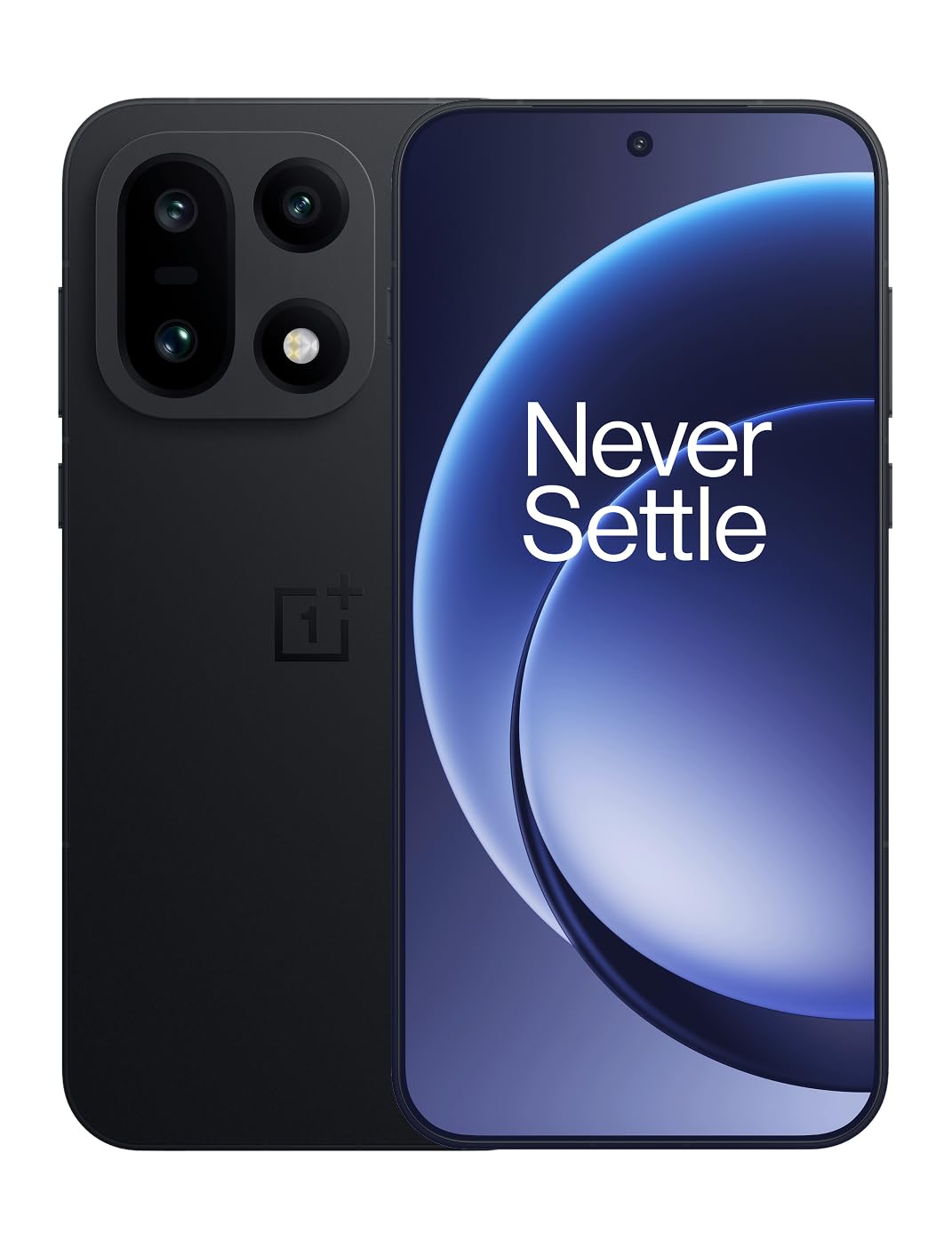
1. OnePlus 15 16GB RAM + 512GB Storage
Our pick — 4.5+★ from 350+ verified ratings; the strongest balance of quality and price.
A 7,300 mAh cell and 512GB of storage — this is the phone that refuses to interrupt your day.
If you are tired of hunting for an outlet by mid-afternoon, this is the pick. The 7,300 mAh battery (milliamp-hours — how much charge the cell physically holds) is the headline, and owners describe it running up to two days on a full charge. Pair that with 512GB of storage and 16GB of RAM, and you stop thinking about deleting photos to make room for an app update.
Performance is what wins people over here, with the Snapdragon 8 Elite Gen 5 chipset and OnePlus’s companion Wi-Fi and CPU scheduling chips working together. In everyday terms: apps open without the pause, and the connection holds steady when you walk from one end of a building to the other. The screen sells it further — a 6.78-inch AMOLED panel at 165Hz, meaning it redraws 165 times a second, so scrolling looks like sliding glass rather than a flipbook. Pixel density sits at 450 pixels per inch, which keeps text crisp.
Here is the honest catch that decides whether this phone is for you. The camera is the weakest link — a triple 50MP setup that reviewers consistently place behind the Pixel and iPhone competition in tricky light, and buyers report mixed camera quality while praising performance and battery. Durability is strong on paper with IP66/IP68/IP69 and IP19K ratings (IP ratings measure dust and water resistance), and the fingerprint reader sits under the display. If you take a lot of photos in dim rooms, look at the Pixel 10 Pro instead. If you mostly scroll, call, and map, this is the one.
What earns the top spot
- 7,300 mAh battery that owners describe stretching to two days between charges
- 512GB storage and 16GB RAM — no more storage housekeeping
- 165Hz 6.78-inch AMOLED at 450 pixels per inch, glassy to scroll and crisp to read
- Snapdragon 8 Elite Gen 5 with dedicated Wi-Fi and CPU scheduler chipsets
- Dual-SIM with wireless charging, so two lines live in one handset
Where it gives ground
- Camera output is the honest weak point — a 50MP triple system that trails the Pixel and iPhone in dim light
- The frame is slick enough that a case is close to mandatory
- A few owners hit Bluetooth pairing trouble with specific car systems
Buy it for: anyone who wants flagship speed and two-day battery and does not need a class-leading camera.
Think twice if: photography is your main reason for upgrading — the Pixel 10 Pro does that job better.
2. Apple iPhone 12, 64GB, Black – open up (Renewed)
The cheapest genuine route into iOS — if you can live with a 2,815 mAh cell and a 64GB ceiling.
Start with the number that shapes everything else: 2,815 mAh. That is the battery capacity here, and next to the OnePlus 15’s 7,300 mAh it is a fraction of the reserve. Apple lists roughly 8 hours of average battery life. Plug that into a real day — a commute, calls, a couple of photo breaks — and you are charging in the evening, not skipping a night. The 64GB of storage is the second constraint, and it fills faster than people expect once photos and apps pile up.
What you get for those sacrifices is the iOS ecosystem at entry level, with Face Recognition open up and a 2532 x 1170 pixel display. The renewed program is where the real story lives. Every unit is inspected, passed a full diagnostic test, and guaranteed to hold a minimum battery capacity of 80%. Condition overall is the category’s strong suit — the handset arrives looking close to new, and setup through a carrier is usually a matter of minutes.
The trade-off is variability, and it is worth understanding before you buy. Some units arrive with a healthy cell and no marks; others show scratches or ship with a battery that drains noticeably faster than a new one. The 80% minimum guarantee is the floor, not the norm, but it does mean you are covered against a genuinely worn-out cell. Buy this as a first smartphone, a spare line, or a hand-me-down for a teenager, and the math works. Expect flagship-grade stamina and it does not.
The renewed reality: inspection and a full diagnostic test are part of the deal, and the 80% minimum battery guarantee gives you a real floor to hold the seller to.
Sized honestly: a 2,815 mAh cell and 64GB of storage are the two limits you will feel daily, not occasionally.
Reach for this if: you want an iPhone for a light-use line and the battery number does not scare you.
Look elsewhere if: you need all-day power without a charger — the 7,300 mAh OnePlus 15 is built for exactly that.
3. Motorola Moto G Power – 2025 | open up | Made for US 8/128GB
A 6.8-inch 120Hz screen and a 50MP stabilised camera for anyone watching the budget closely.
The display is the reason to look here. A 6.8-inch OLED panel running at 120Hz — 120 screen redraws per second — gives you the smooth-scrolling feel usually reserved for pricier handsets, and owners describe the screen as bright and clear. That size matters if you watch video on the train or read long articles. The 50MP main camera pairs with Optical Image Stabilization, a physical damping system that steadies the lens, so handheld shots and video come out less blurry.
Power comes from a 5,000 mAh battery with 24 hours of quoted talk time, plus TurboPower charging. Build quality punches above the price point, with vegan leather on the back and Corning Gorilla Glass up front. The MediaTek Dimensity 6300 chipset handles everyday apps, and storage expands up to 1TB via microSD if 128GB stops being enough. In this lineup it is the realistic answer for a big-screen phone that does not cost flagship money.
Now the parts that need honesty. Battery life divides opinion here — some owners get the better part of two days, others find it drains faster than expected, and the reviewer pattern flags both battery and connectivity as mixed. A handful report dropped signal or calls even on strong 5G or Wi-Fi. It is an open up phone made for US carriers, so Verizon and AT&T should be fine, but verify before you commit. For a secondary line or a first smartphone, the screen and camera make a strong case.
Screen-to-price ratio: a 6.8-inch 120Hz OLED at this tier is the standout, and the 50MP stabilised camera holds up well in normal light.
What to watch: battery endurance varies between owners, and a few hit signal drops even on strong networks.
Fits best: a big-screen viewer or secondary-line user who values display size over camera night mode.
Pass if: rock-solid call reliability on an unusual carrier is non-negotiable.
4. TCL NXTPAPER 70 Pro
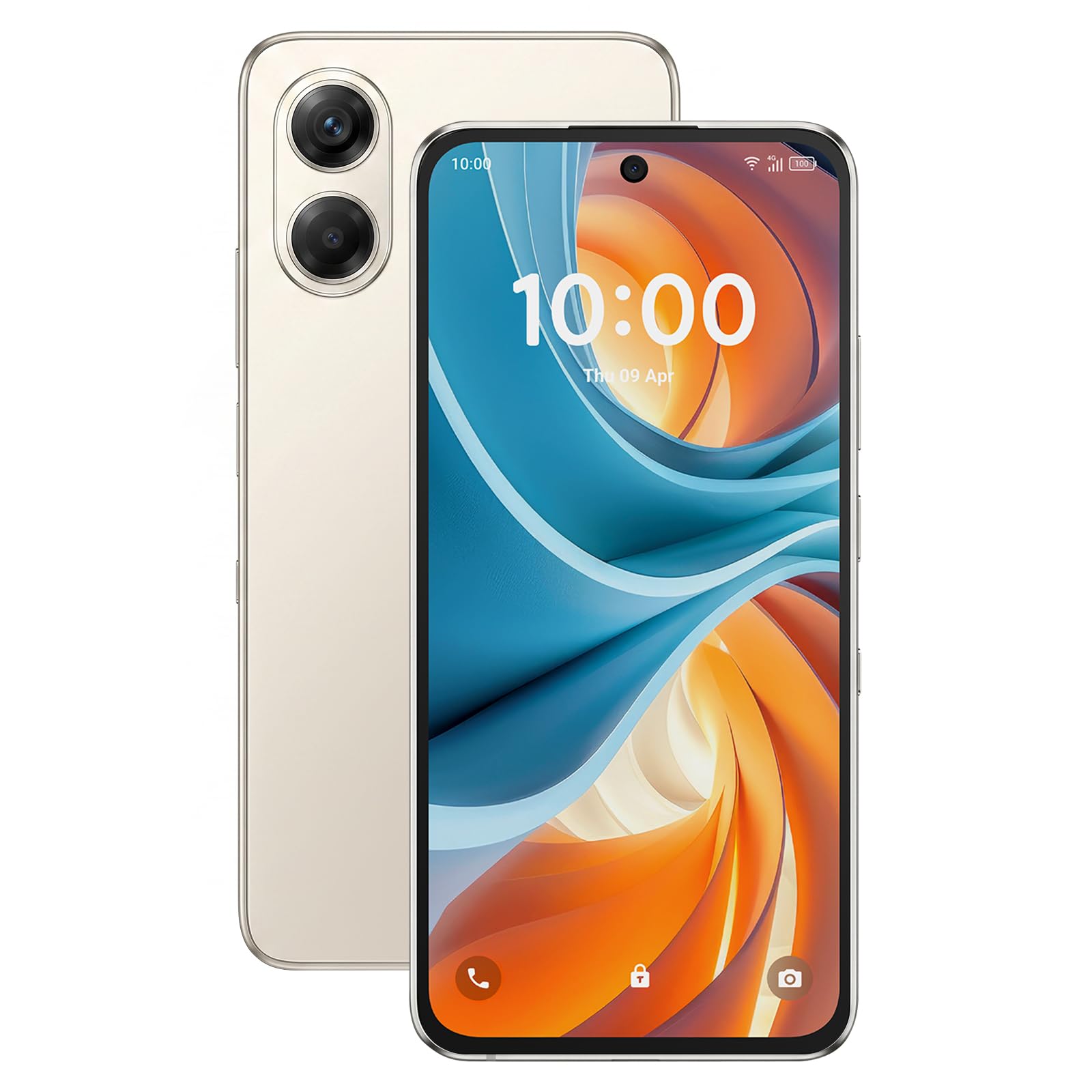
A 6.9-inch matte display with a paper mode — the phone built for people who read on a screen all day.
Eye comfort is the whole pitch, and the hardware backs it up. The NXTPAPER 4.0 panel is a 6.9-inch FHD+ screen running at 120Hz with anti-glare treatment and flicker-free visuals, and TCL reduces hardware-level blue light to 3.41%. In practice that means the screen looks matte rather than glassy, so lamp reflections do not wash across the page while you read. The NXTPAPER Key switches between four modes: Standard Mode for everyday apps, Color Paper Mode for illustrations, Ink Paper Mode for ebooks, and Max Ink Mode for long reading sessions with better battery endurance.
Underneath sits a MediaTek Dimensity 7300 with 8GB of physical RAM, expandable to a quoted 16GB via software (24GB total), and 128GB of storage that grows up to 2TB with a microSD card. The 5,200 mAh battery supports 33W fast charging and can reach about 50% in roughly 38 minutes — enough that a coffee-shop stop gets you through the afternoon. Cameras run 50MP main, 8MP ultra-wide, and a 32MP front, with OIS steadying handheld shots.
The honest limit: this is a reading-first phone, not a gaming or camera powerhouse. Performance is described as snappy for non-gaming tasks, and battery life is flagged as mixed in the buyer pattern even though most find a full day comfortable. The charging brick is sold separately, and the stylus is optional too. If you read ebooks, review documents, or work through long PDFs, the matte screen is a genuine upgrade over a standard glossy panel.
The matte advantage: a 6.9-inch anti-glare panel with hardware blue light cut to 3.41% is aimed squarely at long-session readers.
Know before you buy: charging adapter and stylus both come separately, and gaming performance is not the target.
Made for: ebook readers, students, and document-heavy workers who want a screen that stops fighting their eyes.
Not for: mobile gamers or anyone expecting a top-tier camera phone — the panel’s the star, not the chipset.
5. SAMSUNG Galaxy A56 5G 8+256GB
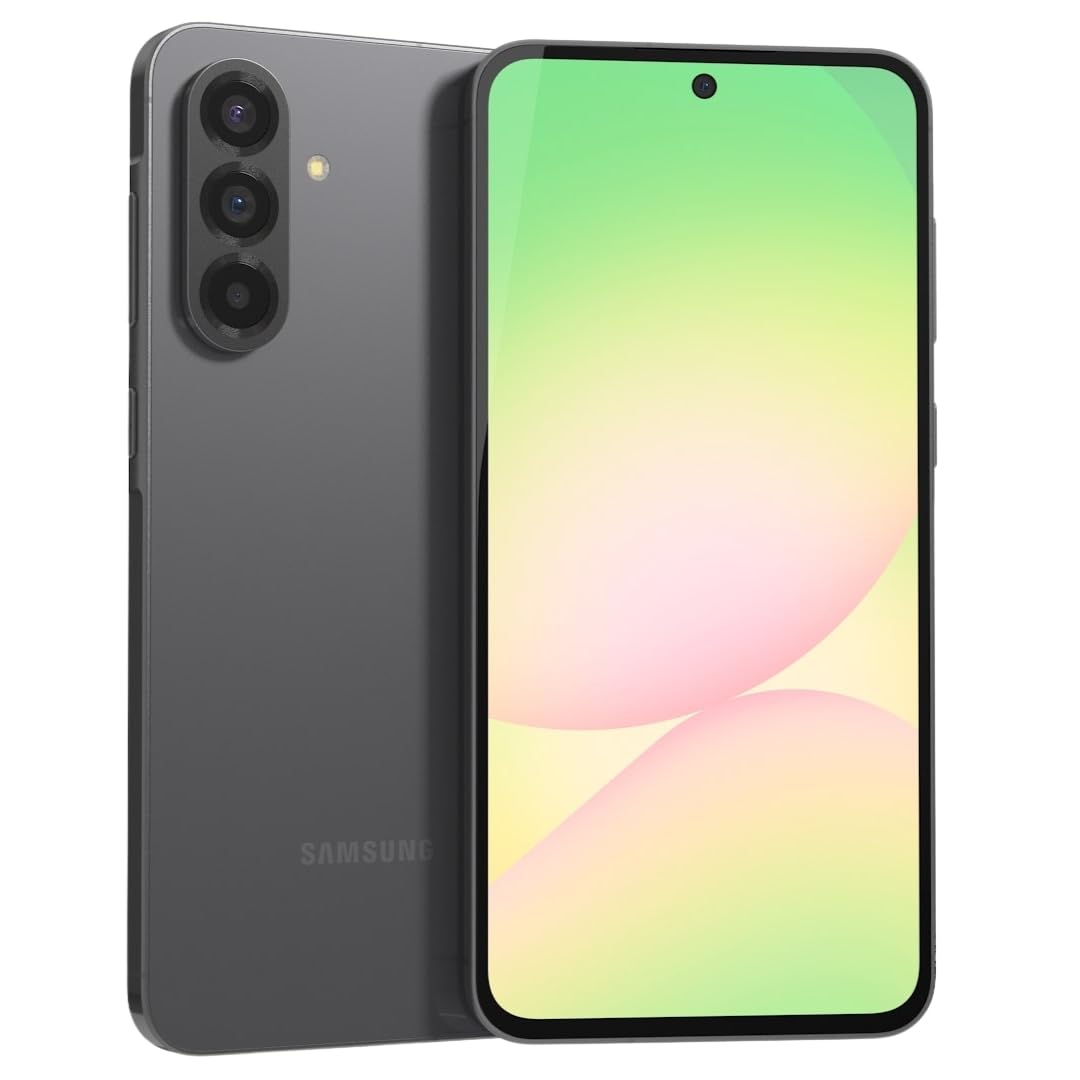
Six major Android upgrades and 256GB of storage — a phone you can genuinely keep for years.
The figure that matters here is the upgrade count. Samsung commits to up to 6 major Android upgrades on this handset, which is the difference between a phone that is current in four years and one that is stranded on an old release. Pair that with 256GB of storage (no SD card slot, so buy the capacity you need) and 8GB of RAM, and you have a mid-range device built to age gracefully.
The screen is a 6.7-inch FHD+ Super AMOLED running at 120Hz with HDR10+ support, at 408 pixels per inch. AMOLED means each pixel lights itself, so blacks are genuinely black and colors stay vivid. The camera array is a 50MP f/1.8 main joined by a 12MP f/2.2 and a 5MP f/2.4, plus a 12MP front sensor — enough flexibility for wide shots and close-ups. A 5,000 mAh battery supports Bluetooth 5.3 audio, and the body is IP67 rated for dust and water resistance.
This is an international model, and the listing says so plainly: network availability and activation vary by provider and location. Check your carrier’s bands against the published list before you order. Owners praise the brightness — the display stays readable in full sun — and setup is described as quick. Performance is the fair caveat, with the buyer pattern marking it mixed; it is smooth for everyday use, not a heavy gaming machine. The six-year update path is what makes it a sensible long-term buy.
Strengths worth paying for
- Up to 6 major Android upgrades — the longest support commitment on this list
- 6.7-inch FHD+ Super AMOLED at 120Hz and 408 pixels per inch
- 256GB of storage plus 8GB RAM in the box
- Triple rear camera starting with a 50MP f/1.8 main sensor
- IP67 dust and water resistance for everyday accidents
The fine print
- No SD card slot — you commit to 256GB from day one
- International model: verify your carrier’s bands before ordering
- No wireless charging on this model
Choose it when: you want a phone you can keep for four or five years without it falling out of date.
Buy something else if: you need guaranteed plug-and-play US carrier activation and want zero band-checking homework.
6. Samsung Galaxy A37 5G 128GB
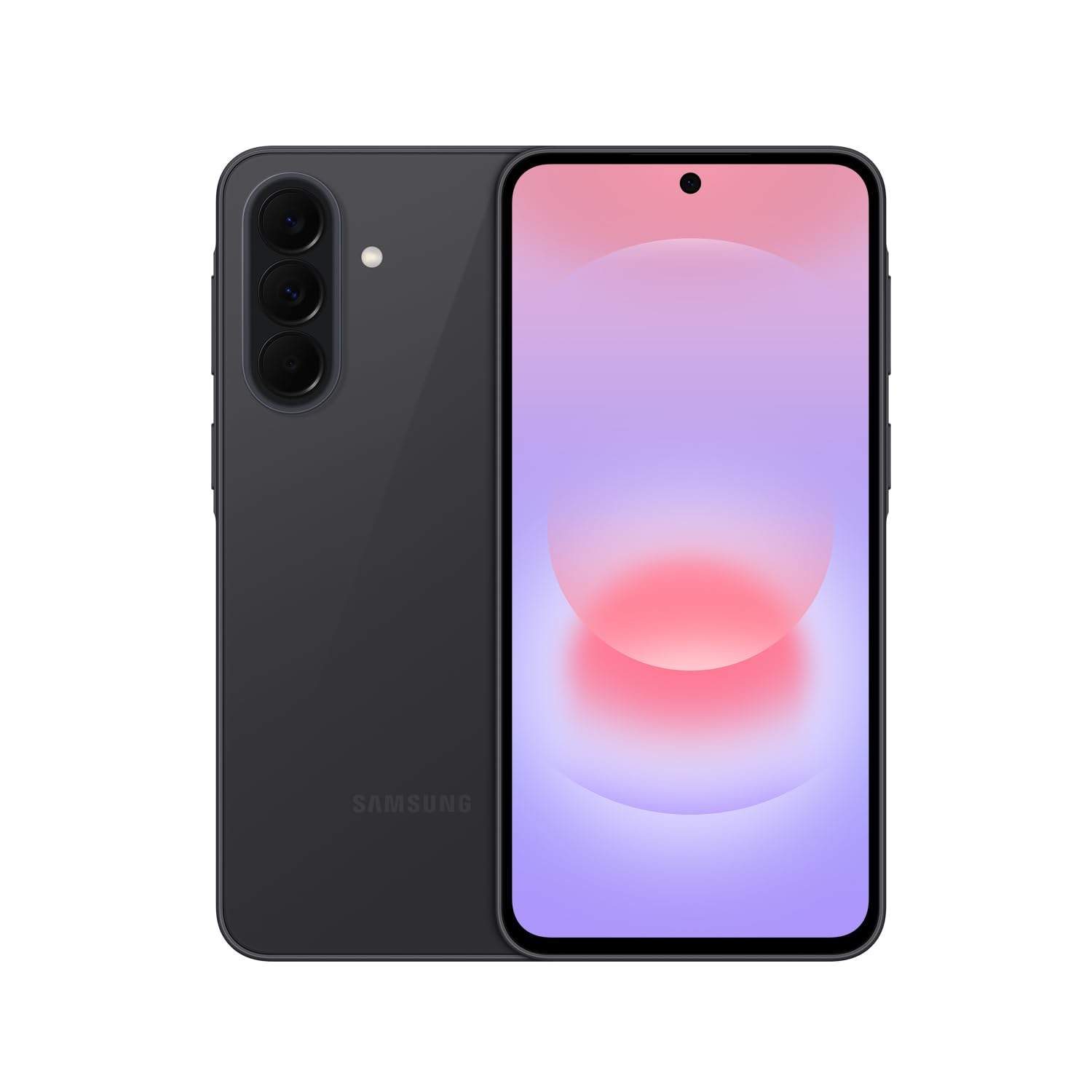
The US-market Samsung with a local one-year warranty — the activation story is the selling point.
If the international-model band-checking on the A56 above sounds like homework you do not want, this is the answer. The Galaxy A37 5G is the US version, carries a one-year US warranty, and is built for US carriers from the factory. That warranty is a concrete advantage: if the handset has a problem, you deal with a local repair path rather than a cross-border seller.
The hardware is close to its sibling. A 6.7-inch Super AMOLED display, a 5,000 mAh battery with Super Fast Charging 2.0 support, and a triple-lens camera system led by a 50MP HDR main sensor with a studio-grade front camera. The Exynos 1480 chipset keeps apps launching quickly, and the body is IP68 rated against dust and water. Storage is 128GB, and the listing notes expandable memory as a feature. Battery figures include 27 hours of quoted talk time and 19.03 watt-hours of capacity.
Two things to weigh. First, Samsung lists 6 OS and 6 years of security updates — a strong run, though the A56 above promises up to 6 major upgrades on the same theme. Second, battery life divides owners: some describe it as decent, others find it does not stretch a full 24 hours. A few note the 6GB RAM and One UI skin can feel sluggish under heavy multitasking. For a US buyer who wants a clean, warrantied Samsung and does not game hard, this is the safer pick.
The warranty argument: a US version with a one-year US warranty removes the activation uncertainty that comes with international handsets.
Daily reality: battery endurance splits owner opinion, and heavy multitaskers may feel the RAM ceiling.
Right for: US buyers who want warranty coverage and predictable carrier activation without checking band charts.
Skip if: you push your phone hard with many apps at once — the RAM headroom is modest.
7. Nothing Phone (3) 256GB

Four 50MP lenses and a rear panel that lights up — a phone nobody will mistake for yours.
The design is the reason people stop and ask about it. The Glyph Matrix on the back turns notifications, tools, and even games into animated light patterns, and the Essential Key on the side adds a one-touch capture for screens, voice notes, and the Essential Space app. Paired with the 6.67-inch FHD+ 1.5K AMOLED panel at 120Hz and 460 pixels per inch, the whole package looks and feels different from the slab every other manufacturer ships.
The camera count is unusual for the tier: four 50MP sensors, covering main, periscope, ultra-wide, and front. The Snapdragon 8s Gen 4 chipset on a 4nm process, with LPDDR5X RAM and UFS 4.0 storage, keeps the phone responsive. The 5,150 mAh battery handles a day of heavy use comfortably. Add wireless charging, stereo speakers, IP68 sealing, and a screen protector and case in the box, and the value story is real.
Here is where you need to read carefully. Carrier support is conditional: this phone covers AT&T and T-Mobile bands well, but the listing explicitly does not recommend Verizon, and using it there requires whitelisting the IMEI with customer service first. Connectivity and camera performance both land as mixed in the owner pattern, and a small number describe software hiccups requiring a reset. On T-Mobile the reports are clean. Get that carrier match right and the phone rewards you.
What makes it memorable: four 50MP lenses and the Glyph Matrix light system give it a personality no other phone on this list has.
The compatibility catch: AT&T and T-Mobile are well supported, Verizon is explicitly not recommended without IMEI whitelisting first.
For you if: you are on AT&T or T-Mobile and you want a phone that looks like nothing else in the room.
Steer clear if: you are locked to Verizon — the support requirements make it a poor fit.
8. Google Pixel 10 Pro XL

A 6.8-inch LTPO OLED at 486 pixels per inch, with the Tensor G5 and 16GB of RAM underneath.
You are paying for the screen and memory here. The 6.8-inch LTPO OLED runs at 120Hz (refresh rate: how many times per second the screen updates) with HDR10+ and 486 pixels per inch, and LTPO is the panel type that slows its own refresh rate when the image is still, which saves battery on a screen this large. Add 16GB of RAM and 256GB of storage, and heavy multitasking stops being a conversation. The Google Tensor G5 on a 4nm process (a chip built at 4 nanometers) drives the AI features, and Android 16 comes with 7 major software updates — a long runway.
The camera system is genuinely the headline: a triple rear array with 100x Pro Res Zoom, 50MP images, and 8K video. Owner experience lands between excellent and frustrated, with the split falling mostly on activation.
The catch here is concrete and worth flagging. This model is dual eSIM only, with no physical SIM card slot, so you activate through your carrier’s eSIM process rather than sliding in a card. Some renewed units have shipped with a carrier lock still attached, which costs hours on the phone with support to resolve. Buy from a seller with a clear returns policy, confirm the open up status before you activate, and the XL is a superb big-screen handset.
The screen-and-memory case: a 6.8-inch LTPO OLED at 486 pixels per inch with 16GB RAM and 7 major Android updates.
The eSIM warning: no physical SIM slot at all, and a small number of renewed units arrive still carrier-locked — verify open up status early.
Best for: big-screen users who shoot a lot of photos and are comfortable with eSIM activation.
Reconsider if: you want a physical SIM card and zero activation complications.
9. OnePlus 15R 12GB RAM + 256GB Storage
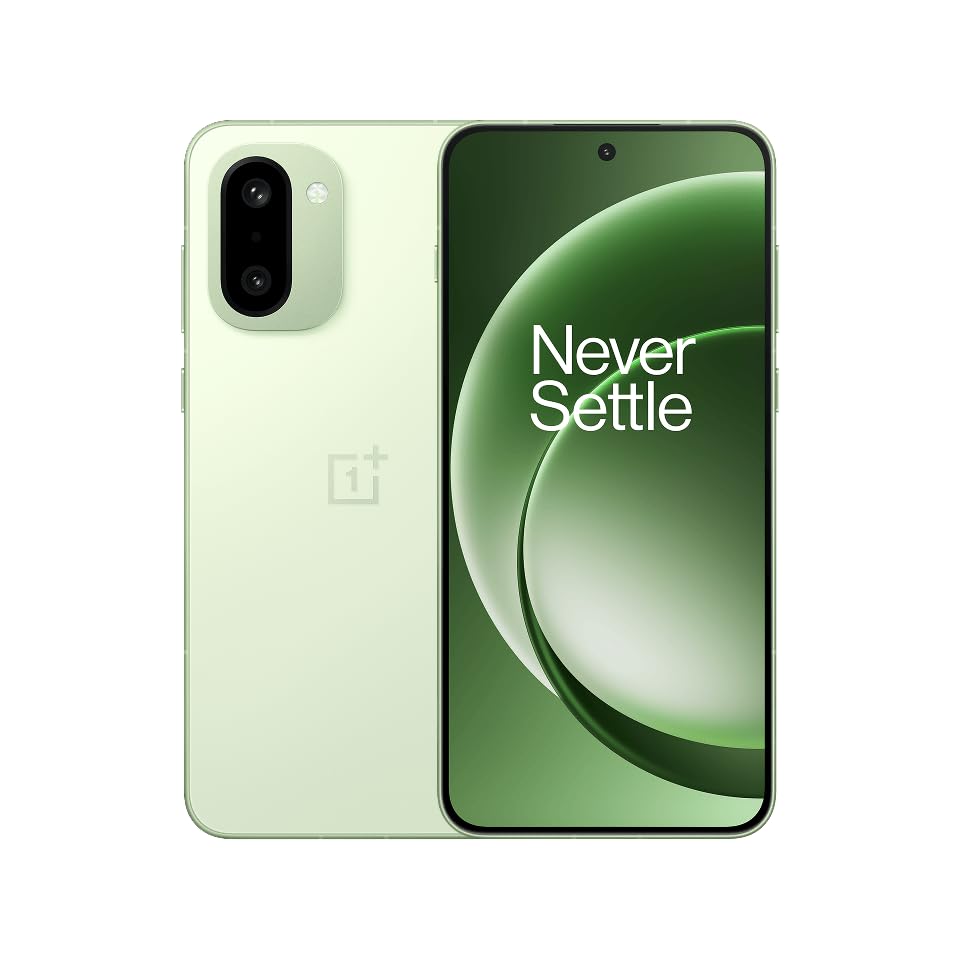
7,400 mAh and 80W charging — the phone for people who forget where they left their cable.
That 7,400 mAh battery is the largest capacity on this list, and it changes behavior. Owners describe going between two and two and a half days on a charge. Recharging is handled by 80W SUPERVOOC, which refills the cell fast enough that a short stop covers a long evening. Add the Snapdragon 8 Gen 5 chipset with a dedicated Wi-Fi chip and touch-response chipset, and the phone feels quick in a way you notice opening apps one after another.
The display is a 165Hz 1.5K panel paired with a 3200Hz touch response rate — the touch figure describes how often the screen samples your finger, so taps land the instant you press. Build confidence comes from a full spread of IP ratings for dust and water, and OxygenOS 16 keeps the software clean and fast. Storage is 256GB with 12GB of RAM, which is generous headroom for the tier.
The camera is the honest trade. It is competent but not the reason to buy, and camera quality is the one aspect owners split on — decent for most, behind the Pixel for anyone serious about photography. Compare that to the OnePlus 15 above, which wins on storage and camera hardware while this one wins on raw battery capacity. Reach for the 15R if a charger-free weekend matters more than photo quality.
The endurance argument: 7,400 mAh is the biggest cell here, and owners describe regularly going two and a half days between charges.
Where it lands second: camera output is decent rather than excellent — the Pixel and the standard OnePlus 15 both take better photos.
Pick this one for: a heavy user who wants the battery to outlast everything else on the spec sheet.
Choose the OnePlus 15 instead if: you want 512GB of storage and a stronger camera alongside long battery life.
10. Apple iPhone 17 256GB
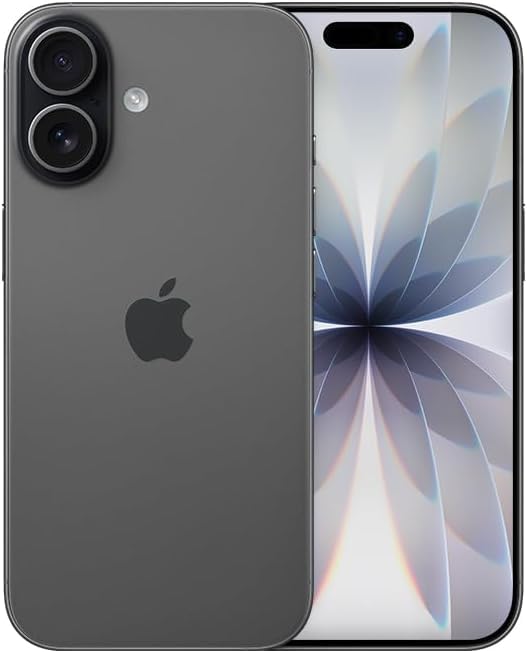
A renewed iPhone that often arrives at full battery health and zero charge cycles.
The Renewed Premium grade is what separates this from the iPhone 12 further up. Units are inspected for cosmetic condition with minimal damage, tested for battery health, and guaranteed a minimum capacity of 80%. Many arrive substantially better than that floor — full battery health and no charge cycles come up often in owner reports, with no scratches and a finish that looks and feels new. That is a meaningfully different experience from the entry-level renewed tier.
For power and hardware: a 3,600 mAh battery, 256GB of storage, 5G cellular, Face Recognition, an always-on display, dual-SIM support, and wireless charging. The connector is USB Type C, and the package includes a generic MFi-certified charger and cable — no headphones, no SIM card. Setup is straightforward: insert a compatible carrier SIM, turn the phone on, connect to Wi-Fi, and follow the on-screen activation prompts.
The fair caveat is activation. Most buyers switch over cleanly, but the reliability aspect is the one split in the owner pattern, with a small number hitting activation problems after a couple of weeks. Check carrier compatibility before ordering and confirm the unit’s open up status early. Storage is fixed at 256GB with no SD expansion. For someone who wants iOS, 256GB, and near-new condition without buying brand new, this is the sensible renewed route.
Why the Premium tier earns its name
- Inspected and guaranteed to 80% battery capacity minimum, often well above it
- 256GB of storage and 5G support with Face Recognition
- Always-on display, dual-SIM, and wireless charging
- Generic MFi-certified charger and cable included
Where it can trip you up
- eSIM setup — no card to slide in, activation runs through the carrier
- No headphones or SIM card in the box
- Storage is fixed at 256GB with no expansion slot
An easy yes for: iOS buyers who want a near-new handset with 256GB and no desire to pay new-phone money.
A harder sell if: you want a physical SIM card or need guaranteed activation on the first try.
11. Google Pixel 10 Pro 128 GB

A 50MP main sensor with 100x Pro Res Zoom and 8K video — this is a camera with a phone attached.
The camera is the whole reason to buy, and it earns the reputation. A 50MP main sensor with advanced Google AI models, 100x Pro Res Zoom, and 8K video, plus a 6.3-inch Super Actua display with 3,300-nit peak brightness that stays readable in direct sunlight. The Google Tensor G5 chipset runs Android with Gemini baked in, and the open up status works across Google Fi, Verizon, T-Mobile, AT&T, and other major carriers. The aluminum body uses Corning Gorilla Glass Victus 2 for scratch and drop resistance.
Battery and daily use are more mixed. The 4,870 mAh cell is quoted at 24 hours of average life and about 21.14 hours of talk time — a full day, not a multi-day phone. Owners describe fast performance and a premium in-hand feel, but the reliability aspect is the one that splits opinion, with a small number reporting freezes or boot-loop issues. The battery aspect also lands mixed, with some finding it lasts a day and little more. For a camera-first buyer, those are the terms.
Where this stands versus the OnePlus 15 is worth spelling out. The Pixel wins on photography — that 50MP system with 100x zoom is not something the OnePlus matches. The OnePlus wins on stamina, with its 7,300 mAh cell against this phone’s 4,870 mAh. Buy the Pixel if photos and AI features drive your day. Buy the OnePlus if you want the battery to disappear from your worries.
The camera case: 50MP mainsensor with 100x Pro Res Zoom and 8K video, on a 6.3-inch Super Actua display rated 3,300 nits peak.
The honest counterweight: a 4,870 mAh cell and mixed reports on long-term reliability — this is a one-day phone, not a two-day one.
Worth it for: anyone whose phone is primarily a camera and who wants Gemini AI features built into Android.
Better elsewhere if: battery endurance tops your list — the OnePlus 15R’s 7,400 mAh cell dwarfs this one.
Know the Specs
Battery capacity in mAh
Milliamp-hours (mAh) is the size of the fuel tank — how much total charge the cell holds. A 7,400 mAh battery in the OnePlus 15R stores far more than the 2,815 mAh cell in the renewed iPhone 12, which is why owners of one describe two-and-a-half days and owners of the other describe an evening charge. Bigger is not automatically better, though: a large cell adds thickness and weight, and a heavy app load can still drain a big battery by dinner.
Refresh rate in Hz
Hertz (Hz) counts how many times per second the screen redraws. A 60Hz panel updates sixty times a second; a 165Hz panel in the OnePlus 15 updates far more often, which is why scrolling looks liquid instead of steppy. Higher refresh costs battery, which is why some panels use LTPO technology to slow down automatically when the image is still. For reading and messaging, 120Hz is plenty. For fast scrolling and gaming, higher feels better.
RAM and storage in GB
RAM is the short-term workspace — how many apps stay loaded when you switch between them. Storage in GB is the long-term shelf for photos, apps, and files. A phone with 16GB of RAM (the OnePlus 15) juggles far more at once than one with 8GB (the TCL NXTPAPER 70 Pro). Storage is the harder limit, because it cannot be expanded on many models — the Galaxy A56 has no SD card slot, so 256GB is the ceiling for its whole life.
IP ratings explained
The IP number describes protection against solids and liquids. The first digit covers dust, the second covers water. IP68 on the Nothing Phone (3) and the Pixel 10 Pro XL means dust-tight and able to survive submersion. IP67 on the Galaxy A56 covers the same dust protection with a slightly lower water tolerance. An IP rating is not a license to swim with your phone — it describes tested resistance, not a guarantee against every accident.
Common Questions
What does open up actually mean on a phone?
Will an international-model Samsung work on my US carrier?
Is a renewed phone risky to buy?
How many hours should an open up phone battery last?
Do I need a physical SIM card or can I use eSIM?
What is the difference between a 60Hz, 120Hz, and 165Hz screen?
Which open up phone has the best camera?
How long will an open up phone keep getting updates?
Can I use two SIMs at once in these phones?
Will a 64GB phone be enough storage?
The Bottom Line
The open up mobile phones list depends on what you refuse to compromise on. If it is battery and speed, the OnePlus 15 takes the top spot — a 7,300 mAh cell, 512GB of storage, and a 165Hz AMOLED screen, with the camera as the one honest trade-off. If photography matters more than stamina, the Google Pixel 10 Pro puts a 50MP sensor with 100x Pro Res Zoom in your pocket. And if you simply want the largest battery on this page, the OnePlus 15R and its 7,400 mAh cell is the endurance specialist.
For US buyers who value warranty coverage over spec-chasing, the Galaxy A37 5G is the low-risk route. For readers, the matte 6.9-inch TCL NXTPAPER 70 Pro is the thoughtful pick. More than 300 OnePlus 15 owners rate it 4.5+ stars, a settled record that suggests the 7,300 mAh battery and 165Hz screen hold up months in.
How we choose
We do not accept paid placement. Every pick is matched to a real buyer and a real use-case; we do not hands-on test units.
Sources
Specifications: manufacturer listings and product documentation. Review insights: verified customer reviews, as of November 2026. Pricing: not shown on this page (it changes often); check the current price via the retailer link.
As an Amazon Associate, Tactical Gear Guy earns from qualifying purchases. This does not affect which products we feature.