Specs are compiled from manufacturer listings and verified buyer reviews and can change over time — please confirm the key details on the product page before buying.
You need a women’s shoe that keeps up with a WOD — stable for squats, flexible for box jumps, and tight enough that your foot doesn’t slide inside the shoe mid-lift. That’s a different job than a running shoe does, and the picks below handle it. They range from entry-level trainers to premium cross-trainers, and every one of them is a real women’s fit. The top pick pairs leather across the top of the foot for a stable lock-down with flex grooves underneath, so you get support and movement in the same shoe.
This guide is built by comparing the manufacturers’ published specifications and the patterns across verified customer reviews, so you get each pick’s real strengths and trade-offs instead of marketing spin.
Cross-training shoes live or die on three things: how wide the toe box feels under a heavy squat, how stable the heel is on a lift, and whether the upper holds your foot when you move sideways. This guide breaks each pick against those three, then explains what the specs mean in plain language. And the winner is the one that does all three without pinching — a real priority when hunting for the women’s shoes for crossfit.
Top Picks
How To Choose The Best Women’s Shoes for CrossFit
A CrossFit shoe has to do more than one thing well. You lift in it, jump in it, climb rope in it, and sometimes wear it on a treadmill. That is why a running shoe feels wrong in a squat rack — the soft cushion that feels great on a run wobbles under a loaded bar. The picks below split into two camps: shoes that favor stability for lifting, and shoes that favor flexibility for dynamic work. Knowing which camp you spend more time in is the fastest way to pick the right pair.
Stability for lifting versus flexibility for moving
A stable heel and a firmer midsole give you a solid base under a squat or a clean. On the other hand, a shoe with more forefoot flex grooves (grooves cut into the front of the sole that let the foot bend) makes jumping, sprinting, and plyometric work feel natural. Some shoes lean hard toward one camp. Others try to split the difference. Look at the outsole pattern first — a flat, full-coverage sole with a firm heel leans stable, while a sole cut up with flex grooves leans flexible.
Heel-to-toe drop and the zero-drop question
Drop is the height difference between the heel and the toe of the shoe, measured in millimeters. A zero-drop shoe puts heel and toe at the same height, which lets your foot sit flat and move more naturally. A higher drop lifts the heel, which some lifters find helps ankle position in a deep squat. The Adapt Graphene XT in this list is a true zero-drop design, while the Nike trainers run a more conventional drop. If you have never worn zero-drop before, give your calves a couple of weeks to adjust.
Getting the toe box and width right
A wide toe box is the space at the front of the shoe that lets your toes spread out flat rather than pressing together. It matters in CrossFit because your toes grip for balance on a box jump and spread wide for stability in a squat. Some of the women’s shoes here run narrow — several buyers flagged the Nike in-Season as tight even in their normal size. If you have wide feet, start with the models noted as roomy up front.
Side-by-Side Comparison
| Model | Best For | Heel & Stability | Upper & Toe Box | Outsole Grip | Amazon |
|---|---|---|---|---|---|
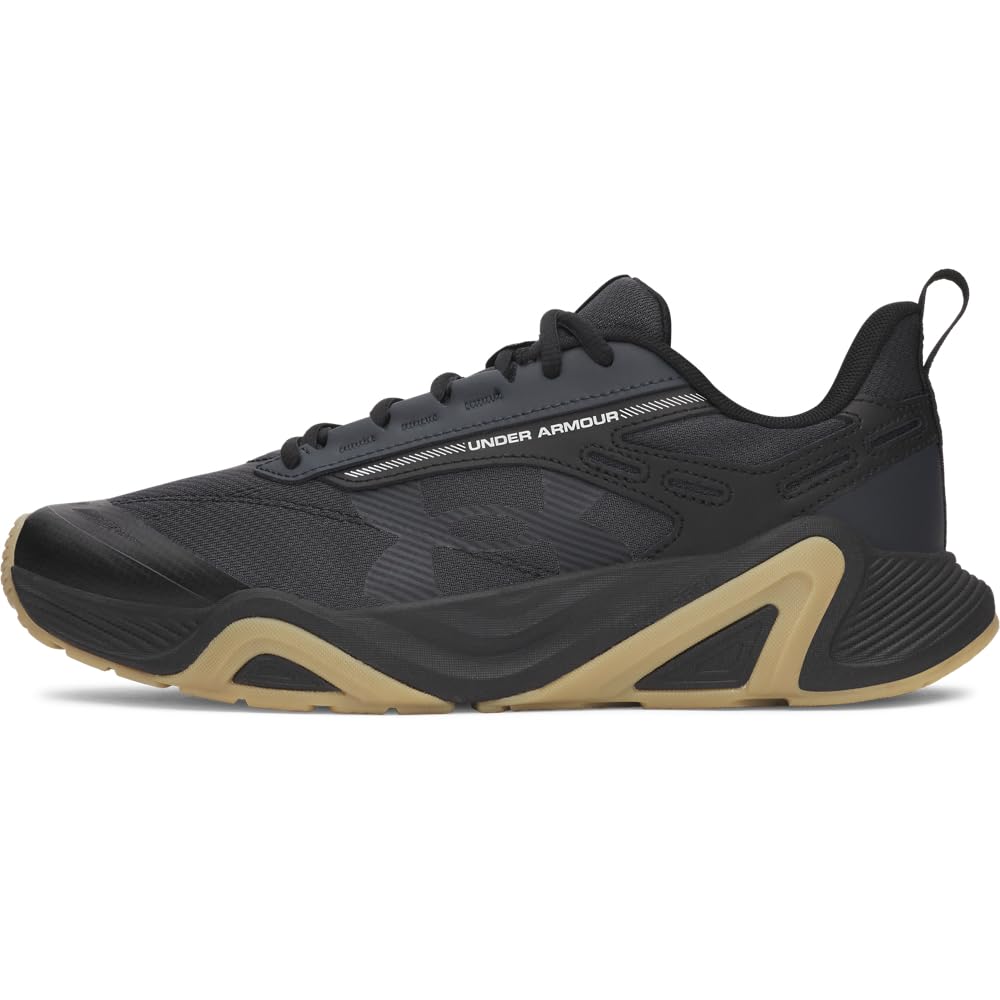
| Under Armour Charged Commit Trainer 5★ Best Overall | All-round training and comfort | Charged Cushioning impact absorption | Leather top layer, roomy toe box | Flex grooves, high-traction | Amazon |
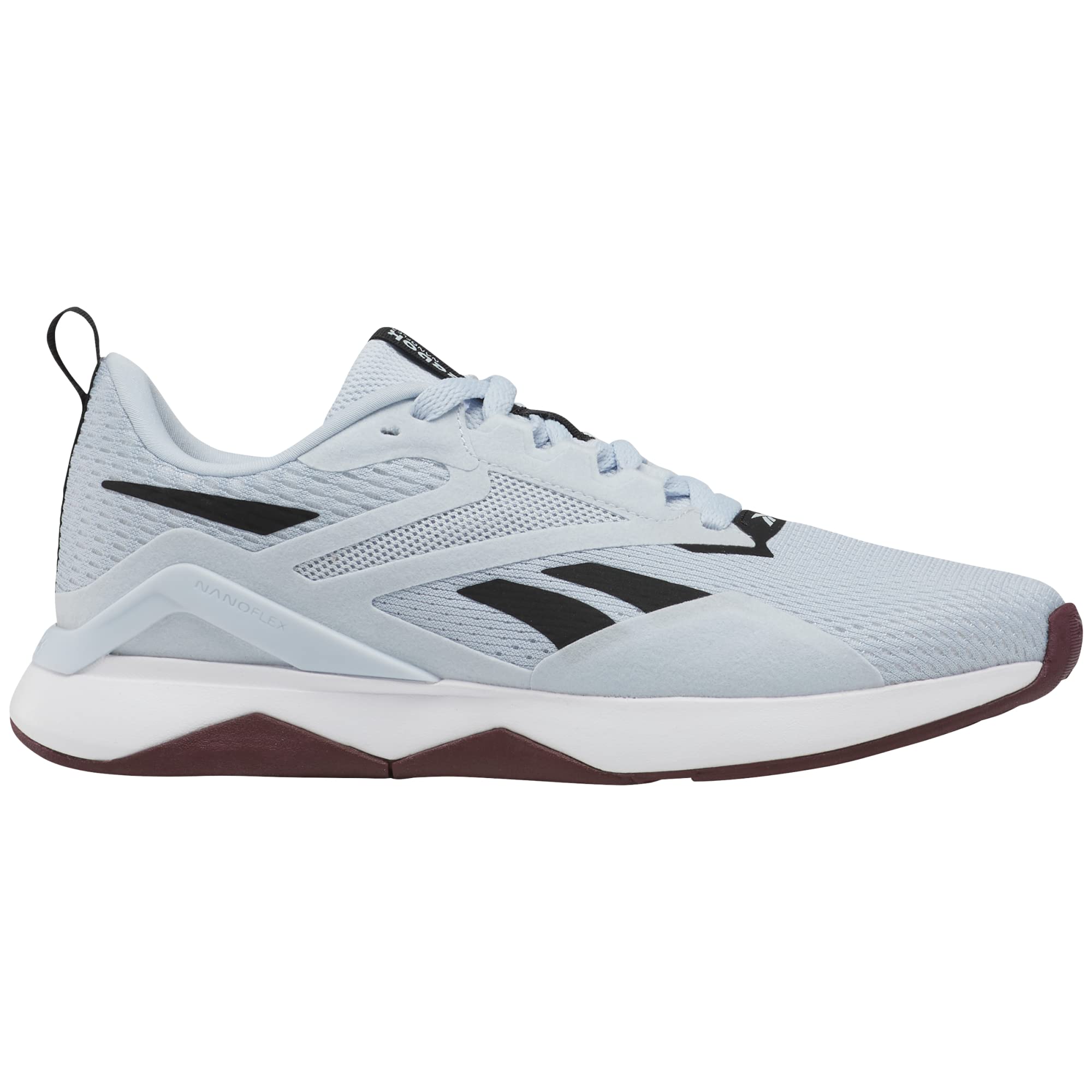
| Reebok Nanoflex TR 2.0Budget Champion | Rope climbs and cardio drills | Heel clip for lateral stability | Breathable mesh with durable overlays | High-traction outsole | Amazon |
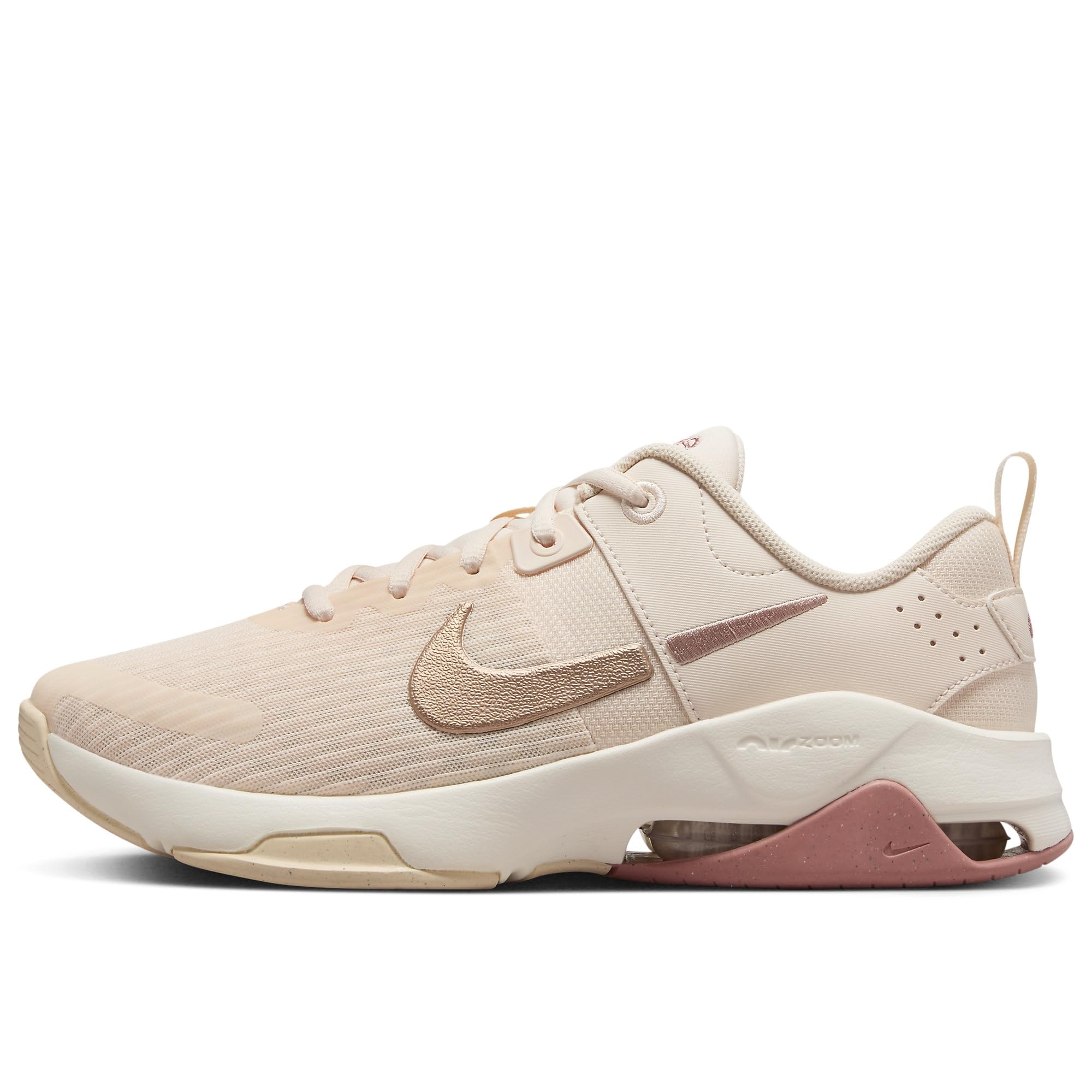
| Nike Women’s W Zoom Bella 6Best Heel Lock | Lifting and heel support | Heel material supports heavy lifts | Forefoot volume for inclusive fit | Flat rubber sole for gym floors | Amazon |
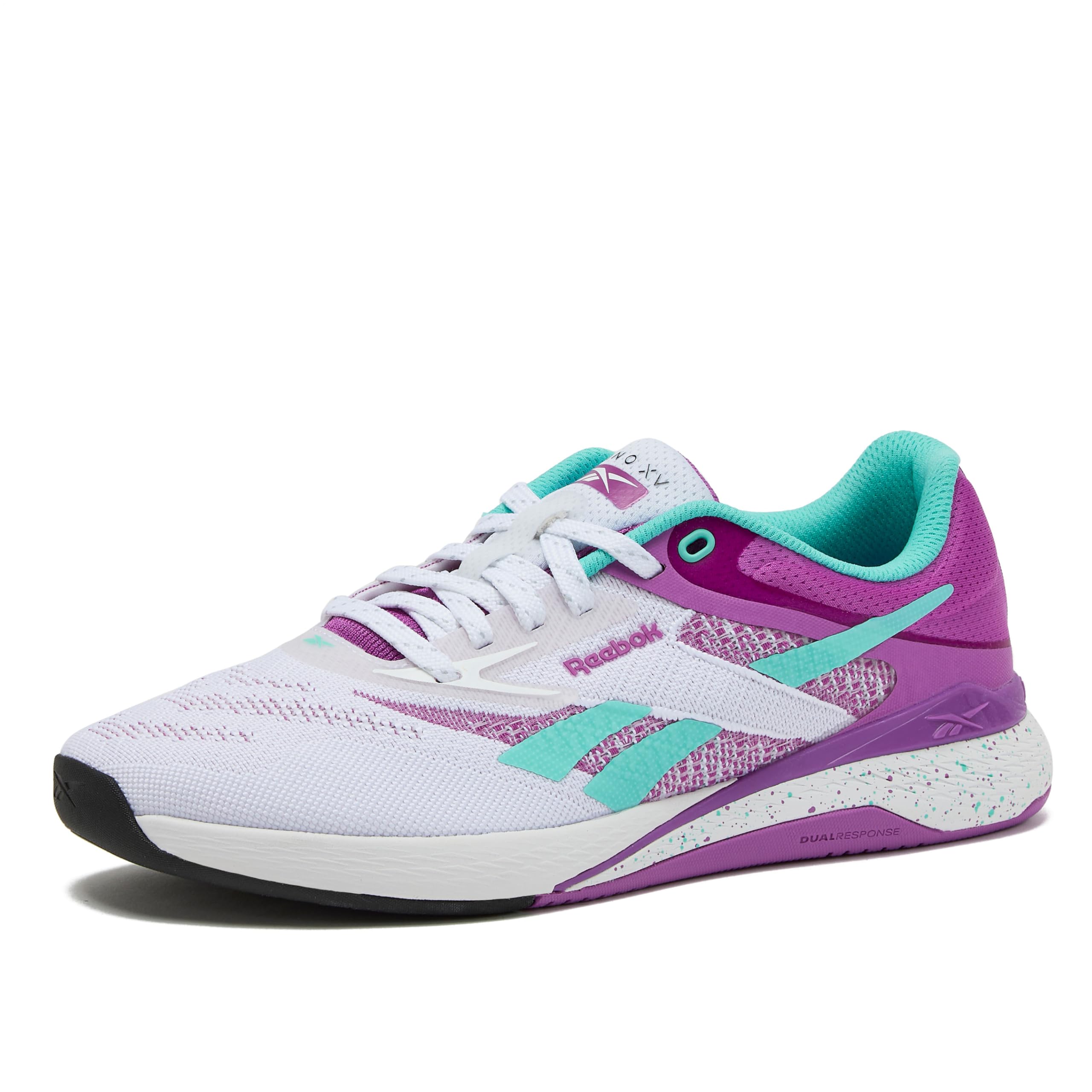
| Reebok Womens Nano X5 | Lateral movement in strength training | Molded heel for support | Flexweave knit, soft and breathable | High-traction outsole | Amazon |
| Flux Footwear Adapt Graphene XT | Wide feet and natural movement | Zero-drop, natural foot position | Wide toe box, graphene upper | Grip-focused outsole | Amazon |
| Nike Women’s Free Metcon 5 | All-day wear plus training | Cushioned, stable under weight | Roomy toe box, moisture-wicking fabric | Rubber outsole traction | Amazon |
| Reebok Women’s Nano X4 | Lifting and HIIT sessions | Advanced cushioning and arch support | Classic design upper, durable construction | Traction outsole | Amazon |
Detailed Reviews
1. Under Armour Charged Commit Trainer 5
Our pick — 4.5+★ from 450+ verified ratings; the strongest balance of quality and price.
The pick that puts leather over your foot so squats stay locked down
For a CrossFit shoe, the biggest question is whether your foot slides around when you go heavy. The Charged Commit Trainer 5 answers it with leather across the top of the foot — a firmer material than mesh that holds your instep in place under load. You get that lock-down for squats and deadlifts, while the bottom stays flexible. Charged Cushioning absorbs impact when you land a jump. Both jobs, one shoe.
Where it earns its top spot is the all-rounder balance. It is not the most specialized lift shoe and not the most flexible runner. Instead it covers the warmup, the strength block, and the conditioning piece without changing shoes. Buyers consistently land on the roomy toe box as the standout feature — the space up front where your toes spread instead of cramming together. That room translates to a firm, flat base when you push through a squat rather than your toes curling under.
The one honest limit is that this is a training shoe, not a running shoe. If your session ends with a long run on pavement, the firmer base will feel less forgiving than a dedicated runner. For most CrossFit days — strength, metcon, and some cardio mixed — it is the safest all-round buy here.
What Owners Praise
- Leather saddle locks the foot for heavy lifting
- Roomy toe box gives toes space to spread and grip
- Versatile enough for strength, walking, and cardio in one shoe
What To Weigh
- Firm training base feels harder than a running shoe on pavement
- As a newer release, the long-term durability record is still building
Best for: anyone who wants one shoe to carry a full mixed session from warmup to last round.
Worth knowing: if your conditioning is mostly long-distance running, a dedicated runner will feel softer.
2. Nike Women’s in-Season Tr 14 Training/Workout Shoes
A rope-climb and kettlebell shoe with a heel clip that holds
From jump-rope drills to kettlebell sets, the Nanoflex TR 2.0 is built for the high-rep, high-movement end of CrossFit. A breathable mesh upper lets heat out during conditioning, reinforced with durable overlays where the shoe takes wear. The heel clip is the part worth knowing about — a rigid piece that cups your heel and adds stability so your foot doesn’t roll when you press out of a deep squat or shift your weight fast.
Grip is the other half of the story. The high-traction outsole is built to bite into the floor, so lateral moves and rope work don’t slip. Fit is the strongest point in owner experience: this shoe lands true-to-size for the vast majority, so no guessing games. Breathability checks in mixed — some feel plenty of airflow, others find it warmer than expected. Nothing disqualifying, just a note if you run hot.
Durability is the honest caveat. While most shoes last through months of training, some buyers report faster wear on the overlays with hard use. Taken as a whole, this is the one to reach for if rope climbs and quick-footed cardio are your main CrossFit challenge.
Grip-first pick: the heel clip and high-traction outsole make lateral moves and rope work feel secure.
Fit reality: sizing is largely true-to-size — a relief in a category where sizes run all over the map.
Suits you best: rope climbs, kettlebell conditioning, and workouts with a lot of foot movement.
Second look if: you expect years of hard use on the overlays — the wear record isn’t as long as the fit record.
3. Nike Women’s W Zoom Bella 6 Trainers
The lifting-focused trainer that cushions your heel without losing the floor
If your CrossFit session leans heavy, the Bella 6 was built with that in mind. The heel material and rubber coating are designed to support you under a loaded bar and add durability where the shoe makes contact with the ground. A flat sole keeps you grounded on the gym floor rather than teetering on a rounded base. That flat sole and rubber-coated heel are what make the Bella 6 feel planted when you set up for a lift.
The Zoom Air element runs from heel to midfoot — a cushioning unit built into the midsole that softens each step. An updated forefoot adds volume so different foot shapes have room up front while the shoe keeps a secure, snug fit. An elastic strap crosses the arch to hold your foot more firmly, so you can push without the shoe shifting. The inner bootie makes it easier to pull on — a small thing that matters when you are already warm and rushed.
Buyers describe it as comfortable and supportive for cardio and all-day wear — several wear it straight through a work shift. The design lines let it pass as an everyday sneaker too. It’s a good match if you want a stable lifting base you can also wear out of the gym.
Where It Delivers
- Heel material and rubber coating back heavy lifts
- Forefoot volume fits a range of foot shapes
- Flat sole stays grounded on gym floors
What To Keep In Mind
- Premium-tier price tag for a training-only focus
- Elastic arch strap fits snug — a broader foot may feel it
Heavy-lift lean: pick this if your sessions center on barbell work and you want a firm heel under you.
Also consider: if you need the most flexible shoe for jumping and sprinting, a forefoot-flex design suits you better.
4. Reebok Womens Nano X5
The all-day trainer that handles squats and lunges without complaint
Here is a shoe you can wear through a strength session and straight to the coffee shop. The Flexweave knit upper is soft and breathable but still tough enough for training. A plush foam collar and bootie construction wrap your ankle comfortably, so the shoe feels broken-in from the first wear. Underneath, a high-traction outsole grips the floor while the molded heel adds support for the lateral movement that shows up in strength work.
The fit is the thing to think through before you order. Feedback splits: some find it exactly right, others say it runs slightly large. If you are on the fence, consider going down a half size. That aside, comfort is the clear standout here, followed by how naturally it suits gym workouts — cross-training, squats, and lunges all feel at home in it.
One contrast worth making: the Flexweave knit is softer and more breathable than the leather-topped Charged Commit Trainer 5, so it flexes with your foot rather than holding it firmly. That makes it more comfortable for daily wear and slightly less locked-in for the heaviest lifts. Neither is a flaw — it depends on whether your training leans toward heavy lifts or daily wear.
What Wins People Over
- Flexweave knit breathes and flexes for everyday wear
- Molded heel supports lateral strength moves
- Foam collar and bootie fit break in fast
The Fair Trade-Off
- Some buyers find it runs slightly large — check sizing
- Soft knit hold is less locked-in than a leather saddle for max lifts
Best all-day fit: choose it if comfort matters as much as performance and you want one pair for the gym and everywhere after.
The watch point: confirm your size before ordering — this model runs large for some.
5. Flux Footwear Adapt Graphene XT
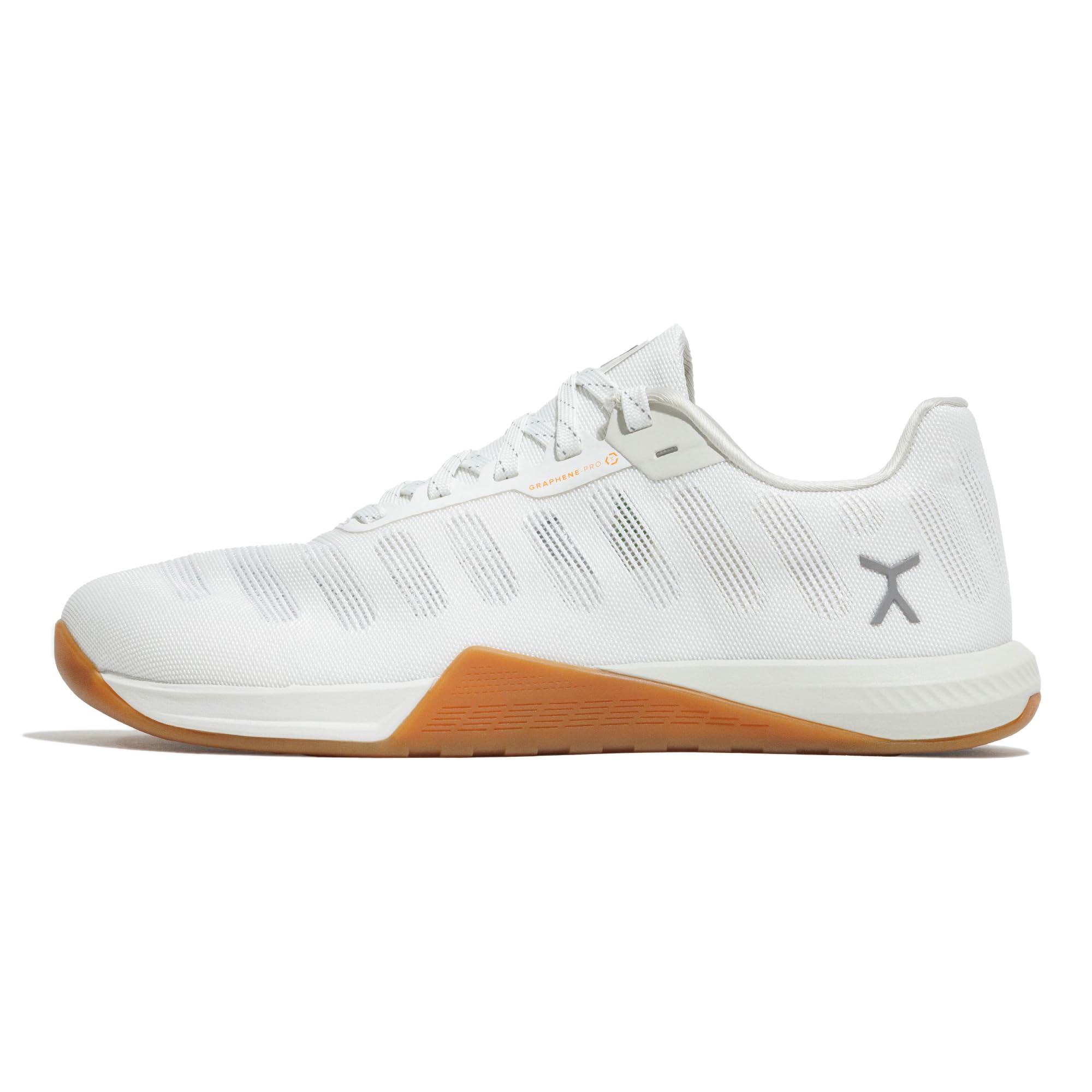
A zero-drop shoe that lets your toes spread and your feet move naturally
This is the pick for feet that have felt squeezed in every other shoe. The Adapt Graphene XT runs a wide toe box — extra room at the front so your toes align and spread instead of cramming together — paired with a zero-drop sole. That flat, level stance lets your foot sit and move the way it naturally would. For a lot of CrossFitters, this natural positioning is exactly why the shoe feels comfortable and supportive at the same time.
The upper is where the graphene comes in. The maker describes graphene as 200 times stronger than steel while staying thin, light and flexible. At around 10.2 ounces for the item, that upper keeps the trainer light and breathable. The grip holds well underfoot, and buyers put it to work across CrossFit, powerlifting, and weightlifting without missing a beat.
The honest caution here is sizing and width. By the maker’s own note, the Adapt Graphene XT fits small for most people, and they recommend sizing up a half size. Even then, feedback is mixed — some find it true to size, others find it does not suit genuinely wide feet despite the wide toe box. Expectation of quality also splits, with some feeling it could be better for the tier. Go in knowing the half-size-up rule and you will land on a natural-feel shoe that stands apart from anything else here.
Room to move: the wide toe box plus zero-drop design lets your foot sit flat and your toes spread — a natural fit for foot-forward training.
Sizing heads-up: the maker itself says this shoe fits small and recommends going up half a size, so plan accordingly.
Built for: wide-footed lifters and anyone who wants a zero-drop stance and natural toe spread.
Don’t assume: the wide toe box means it fits all wide feet perfectly — it runs small, so go up a half size.
6. Nike Women’s Free Metcon 5 Workout Shoes
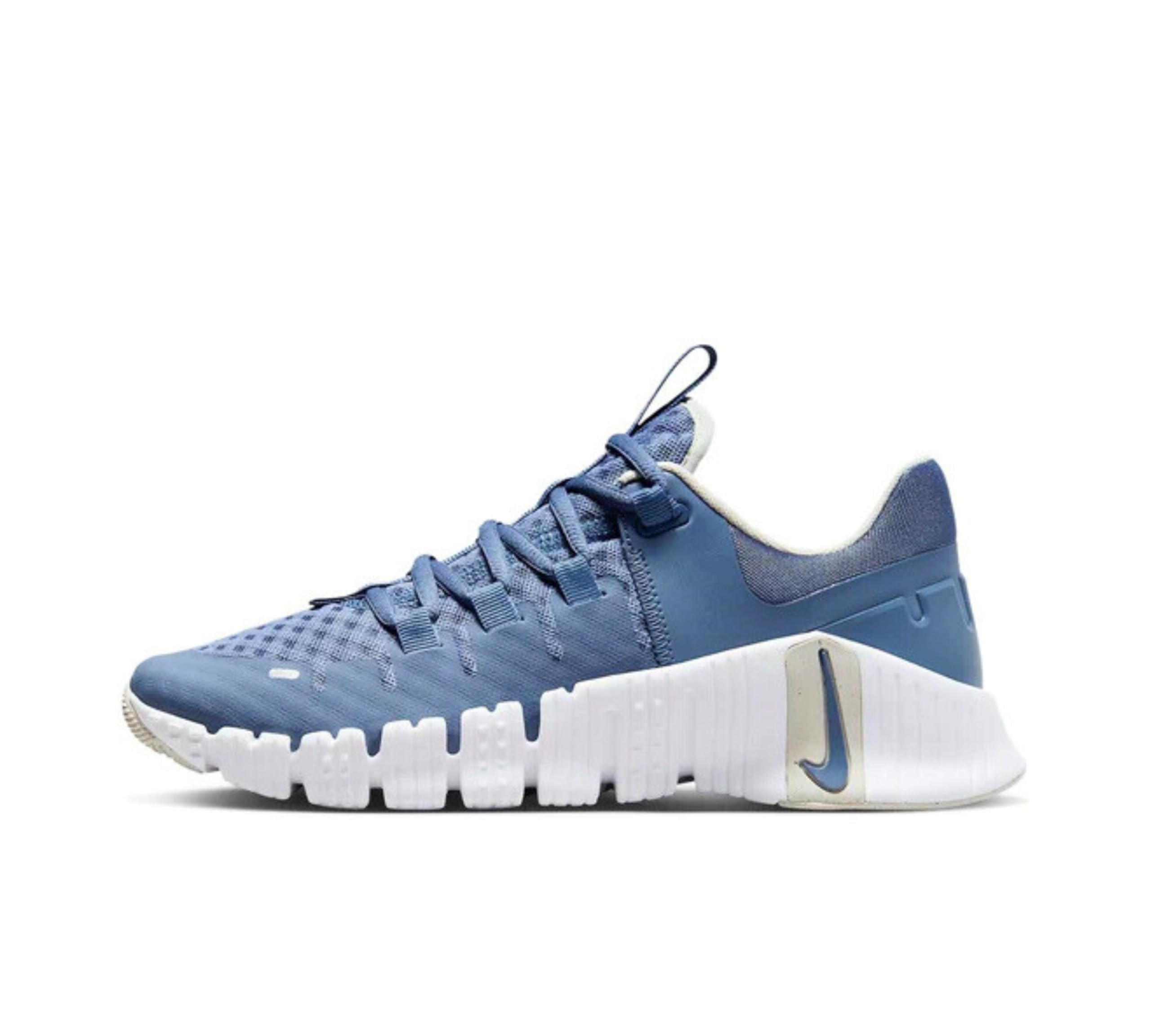
A trainer that goes from lifting to running to running errands
Hybrid days are where the Free Metcon 5 makes its case. The lightweight, cushioned design carries you through strength work, a cardio piece, and the errands afterward without feeling like a purpose-built brick. Breathable fabric with moisture-wicking technology helps move sweat away from your foot so you stay drier when the session heats up. The rubber outsole provides traction, so quick movement on the gym floor is not a gamble.
What stands out for owners is the room in the toe box — no pinching up front even through long workouts. Lifters find it stable under weight, and cardio flyers find it light enough to move in. It suits weight lifting and cardio both, which is rare for a shoe that isn’t trying to be all things. The lace-up closure with adjustable features lets you dial in how firmly the shoe holds your foot.
The design also lets it pass on the street, so you’re not changing shoes between the gym and everywhere after. A premium mid-to-high tier pick, it earns its place if you want one shoe that flexes across a mixed training week — and unlike the in-Season Tr 14 below, the toe box here has genuine room.
Do-it-all edge: cushioned enough for cardio and stable enough for lifting, with a toe box that has real room.
Where it’s aimed: a versatile, breathable build for women who train across strength and cardio in the same week.
For the varied week: pick it if your training swings between weights and cardio and you want one shoe to cover both.
Not the priority if: you want a pure lift shoe with the firmest possible base — this one leans cushioned.
7. Reebok Women’s Nano X4 Cross Training Shoes
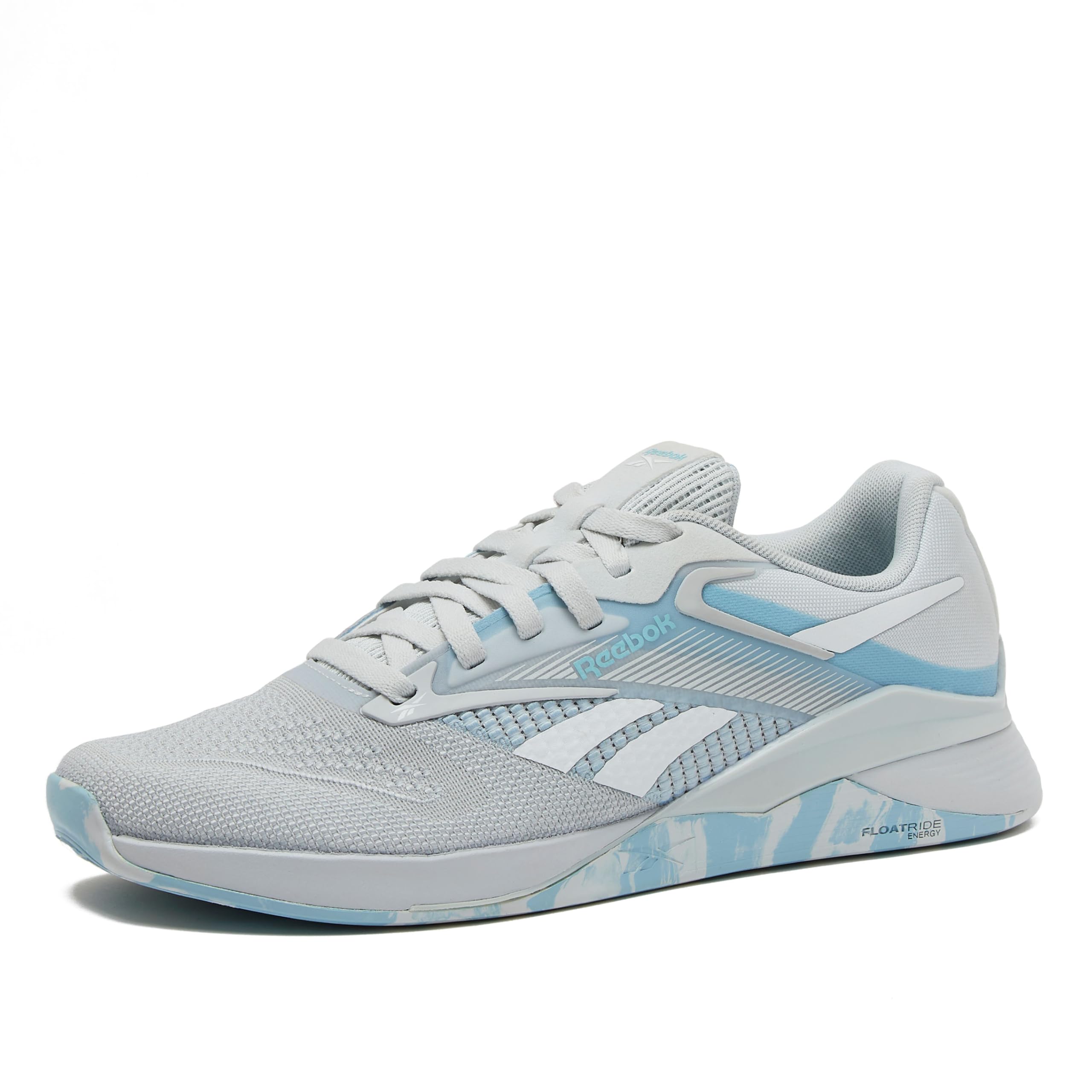
The cross-trainer with enough arch support to carry you through HIIT
Some shoes want to be a lifting shoe. The Nano X4 wants to move with you. It’s engineered around agility, speed, and endurance, with advanced cushioning and support underfoot so heavy sessions don’t leave your feet worn out. Arch support is a real strong point here, and some wearers report no blisters even after long HIIT sessions. And it transitions from the training room to the street with a classic design that pairs easily with athleisure.
Where owners land is quality and how well it suits exercise — lifting and HIIT both feel at home, and the shoe holds up across them. Appearance draws regular compliments, so it works as a daily sneaker, not just a gym shoe. Comfort and cushioning feedback does split, though: some love the plush feel, others find the cushion a touch too much for a firm, ground-feel lift. Fit is also mixed, so try your true size and adjust if needed.
Here is where the Nano X4 stands apart from its sibling, the Nano X5: the X5 leans comfort-first with a softer knit, while the X4 leans durable and supportive with a firmer, classic build. This is a premium pick that suits you if you want one versatile shoe that handles cardio, lifting, and daily wear with strong arch support.
The versatile workhorse: arch support, cushioning, and durability hold up across lifting and HIIT — then it passes as a street sneaker.
If you like ground feel: the cushioning here is generous, which a firm-feel lifter may find less planted.
Fits your routine if: you want a durable cross-trainer for HIIT, lifting, and everyday wear with strong arch support.
Consider the trade: the cushion-forward feel may be softer than knee-saving lifters who want a hard, flat base.
Know the Specs
Zero Drop vs Heel-to-Toe Drop
Drop is the difference in height between the heel and the toe of a shoe. A zero-drop shoe like the Flux Footwear Adapt Graphene XT keeps heel and toe level, letting your foot sit flat and move naturally. A higher-drop trainer lifts the heel, which some lifters prefer for ankle position in a deep squat. Pick the drop your foot and ankle prefer in a deep squat, not the higher number.
Toe Box Width and Foot Shape
The toe box is the space at the front of the shoe. A wide toe box lets your toes align and spread rather than pressing together — key for balance in a squat and grip in a box jump. If you have wide feet, a roomy toe box is the first thing to look for. Some trainers run narrow, so check fit feedback before you order.
Grip and Outsole Traction
A high-traction outsole grips the floor for quick lateral moves and rope work. Flat, full-coverage soles sit stable on gym floors, while flex grooves let your foot bend naturally for jumps. The firmer the sole, the more planted you feel under a heavy lift; the more cut-up the sole, the more flexibility you get for dynamic movement.
Stability Under Load
Stability is about how firmly your foot stays put when a barbell is overhead or across your back. A molded heel, a heel clip, or leather across the top of the foot all help lock your foot in place. Softer knit uppers feel more comfortable and breathe better, but hold the foot less firmly — the two ends of the trade-off. Match the shoe to what your training actually demands.
Common Questions
Can I use this shoe for CrossFit if I normally wear a running shoe?
Is a zero-drop shoe better for CrossFit?
Why do some of these women’s training shoes run small?
Do I need a rope guard for rope climbs?
What is the difference between the Nike Free Metcon 5 and the Free Metcon 6?
Are these shoes wide enough for wide feet?
How should I clean and care for a training shoe like these?
Can I wear these as everyday sneakers outside the gym?
What drop should I look for if I lift heavy?
How long do women’s CrossFit shoes typically last?
The Bottom Line
For most mixed CrossFit sessions, the women’s shoes for crossfit winner is the Under Armour Charged Commit Trainer 5 because it pairs a leather lock-down upper with a flexible, cushioned base — stable for lifting, free for jumping. If rope climbs and high-rep conditioning are your main challenge, grab the Reebok Nanoflex TR 2.0 with its heel clip and high-traction grip. And if a wide foot and a zero-drop stance matter most to you, the Flux Footwear Adapt Graphene XT is the one to reach for — just size up a half as the maker advises. Whichever you choose, check the toe box and fit first — that’s what decides whether a shoe disappears on your foot or fights it through every round.
How we choose
We do not accept paid placement. Every pick is matched to a real buyer and a real use-case; we do not hands-on test units.
Sources
Specifications: manufacturer listings and product documentation. Review insights: verified customer reviews, as of November 2026. Pricing: not shown on this page (it changes often); check the current price via the retailer link.
As an Amazon Associate, Tactical Gear Guy earns from qualifying purchases. This does not affect which products we feature.