Specs are compiled from manufacturer listings and verified buyer reviews and can change over time — please confirm the key details on the product page before buying.
The boots that keep your toes warmest are rarely the ones with the thickest shell. Heat leaks out through a wet lining, a thin footbed, and a gap at the ankle, so the warmest women’s snow boots are the ones that seal all three. This guide covers nine boots that get that job done, from mid-range workhorses to polar-rated extremes, and tells you plainly which one fits your winter.
This guide is built by comparing the manufacturers’ published specifications and the patterns across verified customer reviews, so you get each pick’s real strengths and trade-offs instead of marketing spin.
Below you’ll find the warmth ratings, insulation weights, and liners that actually decide whether your feet stay dry on a long cold walk. Here are the women’s warmest snow boots worth putting on before the first deep freeze of the season.
Top Picks
How To Choose The Best Women’s Warmest Snow Boots
Warmth in a snow boot comes from three things working together: trapped air, a dry interior, and a barrier against wind and slush. Miss any one of them and a boot that feels toasty in the store turns into a cold, clammy shell twenty minutes into a walk. The specs below are the ones that tell you which boots got all three right.
Read the cold rating as a moving target
A temperature rating such as -40F or -32 degrees is measured with the boot in motion, because walking pumps warm blood into your feet. Stand still at a school pickup or a frozen lake and your feet will feel colder than the number promises. Treat the rating as a ceiling for active wear, not a guarantee for standing around.
Insulation weight in grams is your warmth dial
Boots list insulation as a gram figure — 200g of insulation means the layer is rated at 200 grams per square meter. More grams means more trapped air and more warmth, but also a stiffer, bulkier boot. For deep cold and long outdoor stretches, the higher gram boots earn their bulk; for shoveling the driveway and school runs, a lighter layer keeps you nimble.
A removable liner is a drying tool
When your feet sweat on a long walk, that moisture is what makes them cold later. A boot with a pull-out inner liner lets you dry the lining separately overnight instead of hoping the whole shell dries by morning. Multi-layer liners that combine foam, thermal loft, and a reflective membrane are the warmest setup you can buy in a women’s snow boot.
Outsole rubber matters as much as tread pattern
Standard rubber hardens in deep cold, which is exactly when you need grip. Compounds built to stay soft below freezing keep their bite on ice. If your winters involve packed snow and icy sidewalks rather than fresh powder, prioritize the rubber compound over the lug depth.
Side-by-Side Comparison
| Model | Best For | Stated Warmth Rating | Insulation / Liner | Weight | Amazon |
|---|---|---|---|---|---|
| Sorel Women’s Tivoli V★ Best Overall | Everyday winter wear | — | Waterproof construction | 3.94 pounds | Amazon |
| Kamik Women’s Momentum 3Coldest Rated | Deep-cold commuting | -40F comfort rated | 3M Thinsulate + HEAT-MX | — | Amazon |
| KEEN Women’s Greta 2Roomiest Fit | Roomy fit for thick socks | — | 200g insulation | — | Amazon |
| Columbia Bugaboot III | All-day trail and town | — | 200g insulation + thermal-reflective lining | 1.44 pounds | Amazon |
| Columbia Women’s Minx IV | Style-first cold weather | — | — | — | Amazon |
| The North Face Chilkat 400 | Snowmobiling and deep cold | — | — | 1.63 pounds | Amazon |
| UGG Adirondack Boot Tall III | Weather-rated with wool lining | Weather rated to -32 degrees | 200G insulation + 17mm UGGpure wool | — | Amazon |
| Baffin Women’s SAGE | Snowshoe-compatible mid-height | Tundra Rated | Removable liner | — | Amazon |
| Baffin Women’s ICEFIELD | Extreme and arctic conditions | Polar Rated | Removable multi-layer Comfort-Fit liner | 4 pounds | Amazon |
Detailed Reviews
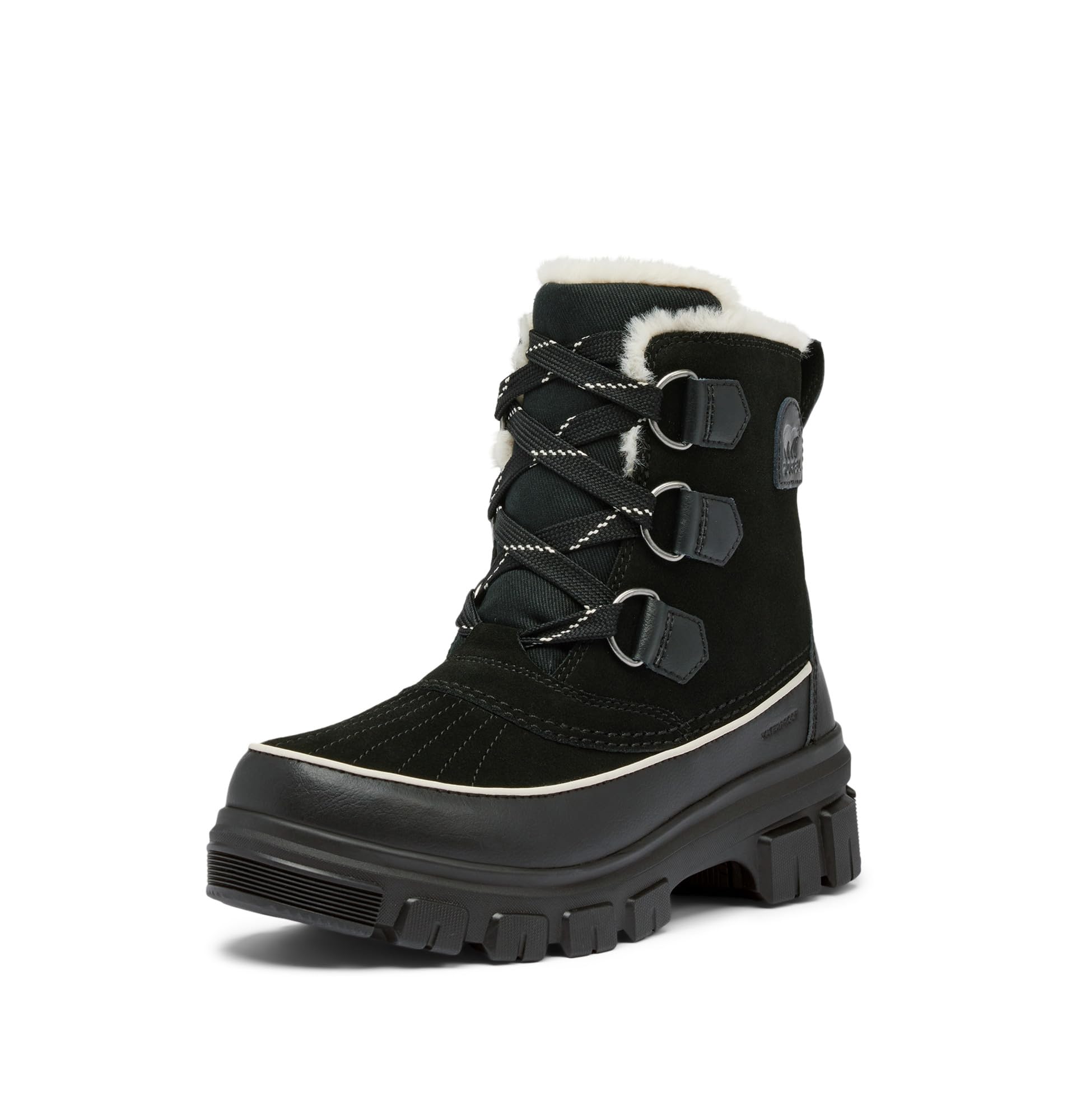
1. Sorel Women’s Tivoli V Waterproof Boot
Our pick — 4.5+★ from 550+ verified ratings; the strongest balance of quality and price.
A waterproof everyday boot you can wear from the shovel to the dinner table.
The Tivoli V wins this list on the thing that actually keeps feet warm in a real winter: it keeps them dry. A waterproof build blocks slush and wet snow from soaking in, and a soaked liner is the fastest way to freeze your toes. That construction is why it carries a 4.5+ star score from 500+ buyers — comfort is what wins people over here, by a wide margin over every other praise point.
Warmth runs a close second in owner experience, which matters because this boot does not lean on a big gram insulation number or a dramatic cold rating. It earns warmth through a dry interior and a well-padded footbed instead. That makes it the right pick for everyday winter — commuting, errands, a walk in fresh snow — rather than a day standing on a frozen lake.
The trade-off is weight. At 3.94 pounds it is 2.5 pounds heavier than the Columbia Bugaboot III at 1.44 pounds, and it will feel like it on a long walk. The fit is the other honest note: plenty of wearers find it true to size, but a share report tightness across the top of the foot, so try it with the socks you plan to wear.
What earns its place
- Waterproof build keeps the lining dry, which is the real warmth engine here
- Comfort is the most-praised trait, far ahead of every other strength
- Looks good enough for errands and evenings, not just the shovel
- Sits at the top of the cold-weather versatility column for daily wear
Where it gives ground
- 3.94 pounds is the heaviest pick on this list
- No published temperature rating or insulation gram figure to compare against the others
- Some wearers find the top of the foot tight
Reach for this if: you want one waterproof boot for school runs, errands, and snowy sidewalks all winter.
Look elsewhere if: you need a rated temperature for prolonged standing in deep cold, or you want the lightest boot in the lineup.
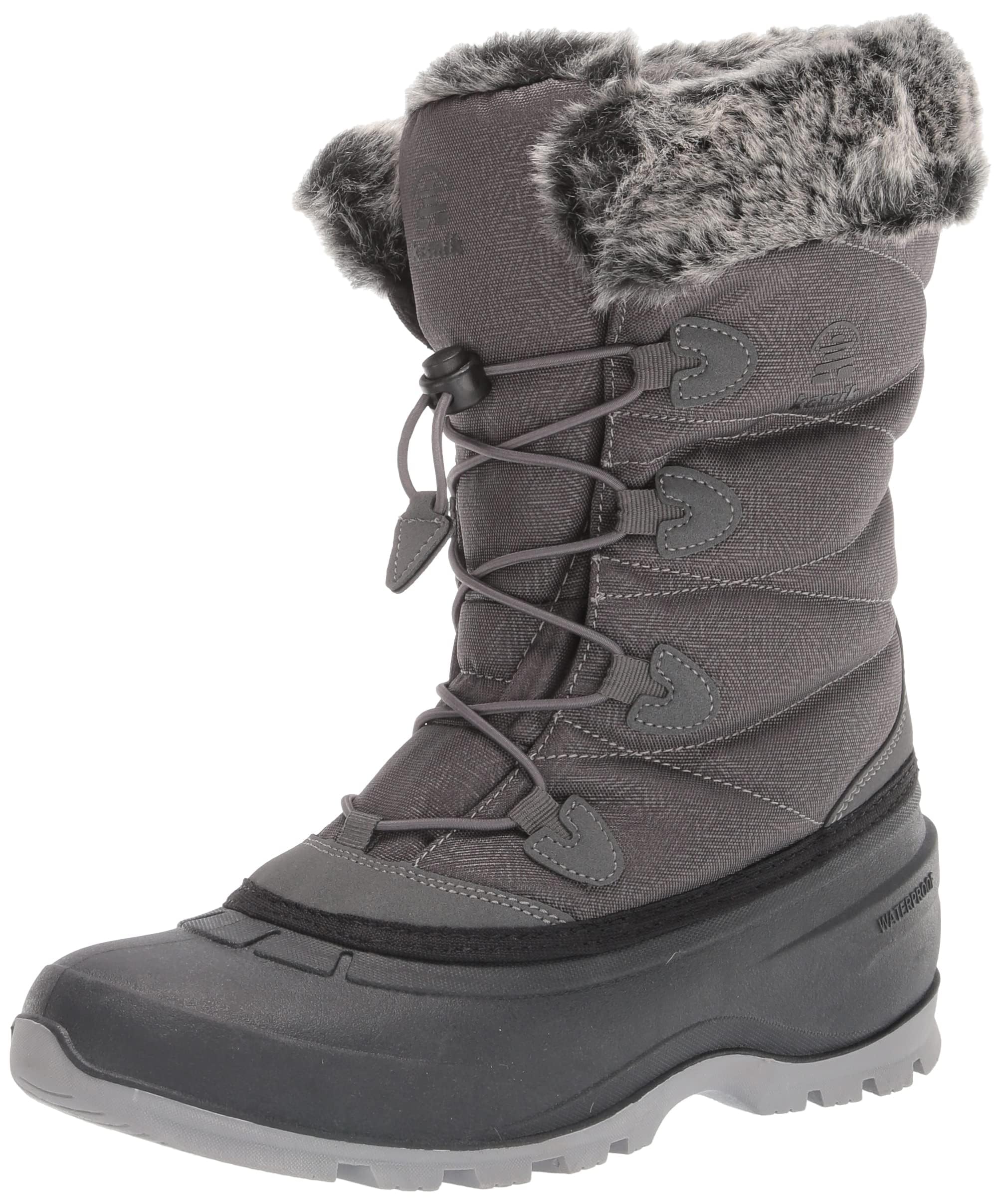
2. Kamik Women’s Momentum 3 Insulated Winter Boots
A -40F comfort rating and 3M Thinsulate at a mid-range price.
On paper this is the warmest cheap entry on the list. Kamik rates the Momentum 3 to -40F comfort, which means the maker says it holds up in temperatures most of the country rarely sees. It backs that up with 3M Thinsulate and HEAT-MX insulation plus a Zylex three-layer liner, and a moisture-managing faux-fur lining that moves sweat away from your foot before it can chill you.
The build is serious for the price: seam-sealed waterproof nylon upper, a removable dual-density polyurethane foam footbed, and an ICEKISS rubber outsole for grip. A bungee closure lets you cinch it snug in one pull. Warmth is the trait people bring up most — it leads every other point in owner feedback — with fit close behind, and the adjustable bungee is a big reason the snugness works out.
The catch is durability at the seams, which is the single area that draws the most divided feedback. A few buyers report a seam splitting, so it’s worth treating the upper as the part to watch. Sizing also splits opinion, so it pays to check the size chart rather than assume your usual number.
Where the warmth math lands: a -40F comfort rating, 3M Thinsulate, and a three-layer liner make this the strongest warmth-per-tier pick in the lineup, and the removable footbed gives you a drying advantage the Sorel doesn’t offer.
The one to size carefully: divided feedback on sizing and occasional seam splits mean checking your measurement and going easy on the upper.
Buy it for: hard winters and a comfort rating no other mid-range boot here matches.
Think twice if: you want a boot you can yank on without checking the size chart.
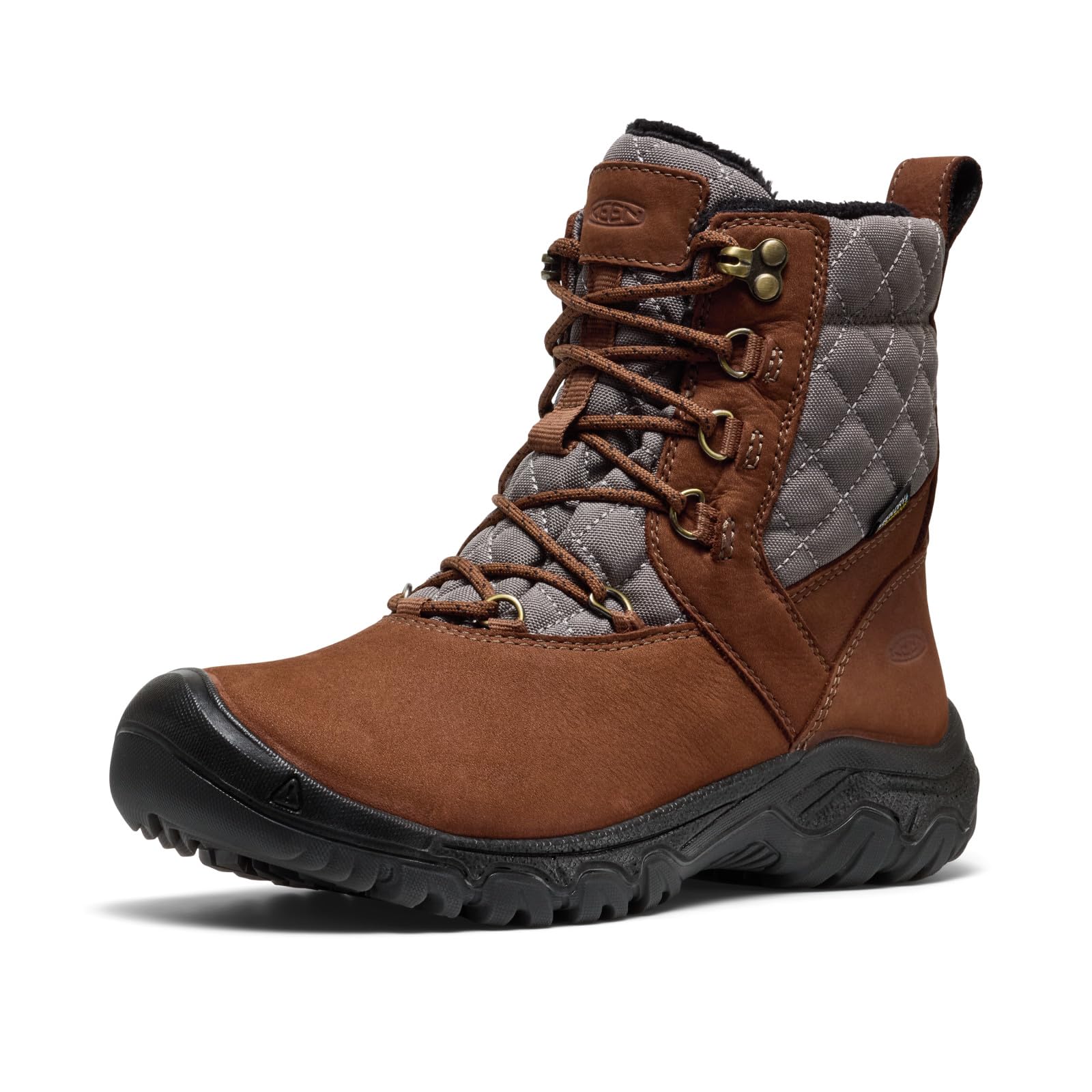
3. KEEN Women’s Greta 2 Classic Waterproof Insulated Boots
KEEN’s wider form leaves room for two pairs of wool socks.
KEEN makes this one on its traditional wider footwear form, and that single choice is why it lands on this list at all. It carries 200g of insulation — a solid mid-weight layer — inside a waterproof leather upper with a quilted collar, plus fused glue-free construction that skips the adhesive seam. If you’re a woman whose feet feel pinched in most snow boots, this is the one to try first.
The roominess is the headline in owner experience: there’s room for two pairs of Smart Wool socks without feeling cramped. Quality and fit are the two most-praised traits, with style close behind, and it stays light on the foot as a bonus.
The honest limit is small numbers: this model has the thinnest review base of anything here, so long-term durability is harder to call. What does show up is lace durability — the lace hooks are the part to keep an eye on, and a little care when you cinch up goes a long way.
The wide-foot answer: 200g insulation inside KEEN’s traditional wider form is a combination no other boot here offers, and it’s the reason to pick this over the Columbia Bugaboot III, which runs closer to true width.
Small sample, watch the hardware: the lace hooks are the weak spot to note, and the review base is thin enough that durability is a longer bet.
Best for: wider feet and thick-sock wearers who want 200g of insulation in a leather hiker-style boot.
Skip the leap if: you want a deep track record of long-term wear, since this model has the fewest owners behind it.
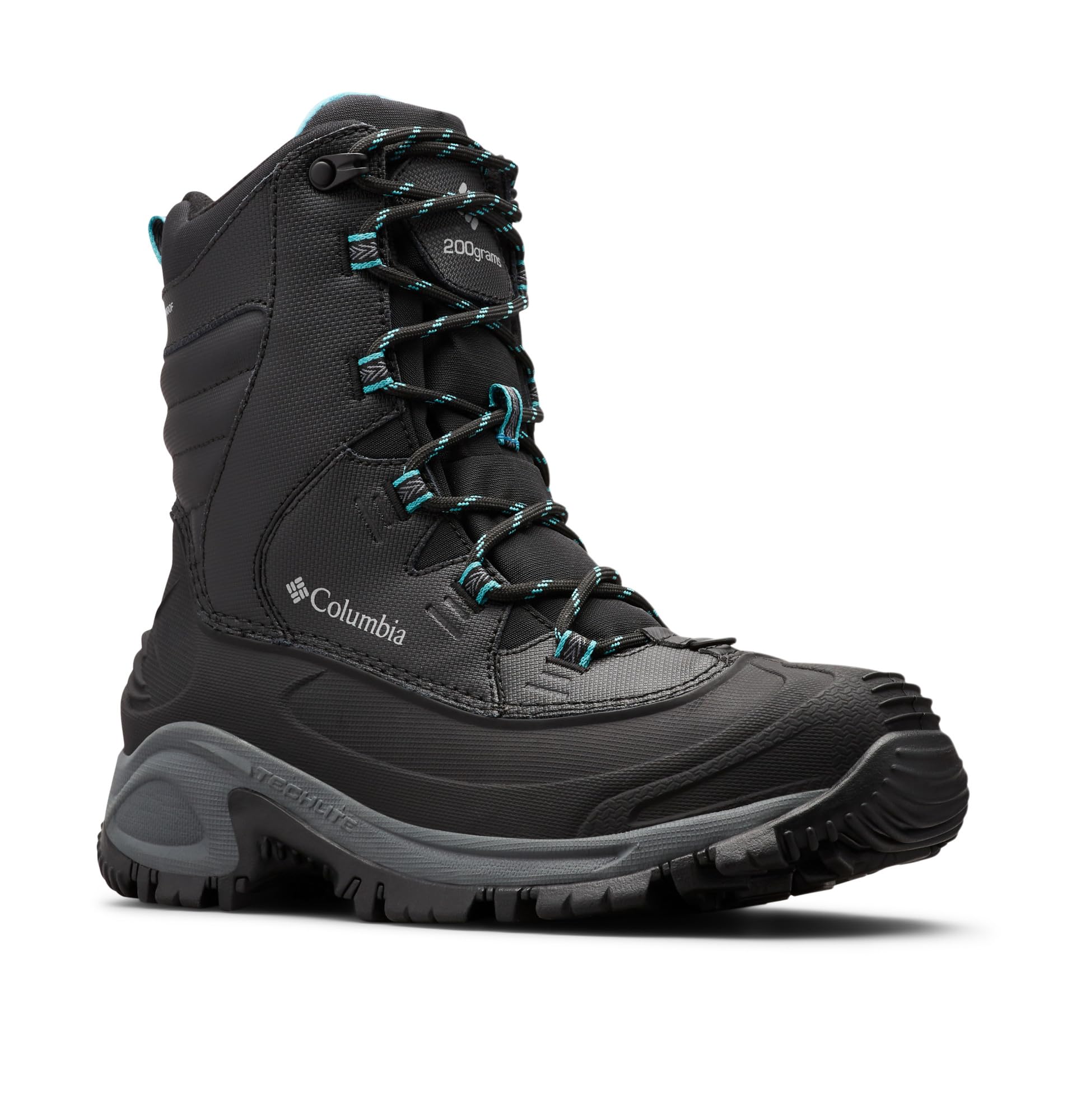
4. Columbia Bugaboot III
A thermal-reflective lining and 200g insulation in a 1.44-pound boot.
Columbia’s patented thermal-reflective lining bounces your own body heat back at you, and it’s paired with a full 200g of insulation and a seam-sealed waterproof build. The whole package weighs just 1.44 pounds — a full 2.5 pounds lighter than the Sorel Tivoli V at 3.94 pounds. On a long winter walk, that gap is the difference between finishing fresh and dragging your feet.
Fit is what owners talk about most, and the boot runs true to size according to Columbia’s own sizing. Warmth, foot support, traction, and water resistance all show up as steady praise points. The injection-molded rubber shell and outsole handle three-season weather, and the PU-coated leather and textile upper holds up to slush.
The catch is bulk versus lightness — some owners find the profile bulky even though the scale says otherwise, so it’s a boot that feels chunkier than it weighs. If you want a slim silhouette, look at the Minx IV instead.
The case for the Bugaboot
- 1.44 pounds is the lightest figure in this lineup by a clear margin
- Thermal-reflective lining plus 200g insulation is a two-layer warmth system
- True-to-size fit cuts the guesswork of ordering online
What to weigh against it
- The profile reads bulky even though the boot itself is light
- No published cold rating to compare with the Kamik or UGG figures
Pick this for: long winter days on foot where weight matters and you still want 200g of insulation.
Not your boot if: you want a trim, dressier profile for everyday city wear.
5. Columbia Women’s Minx IV
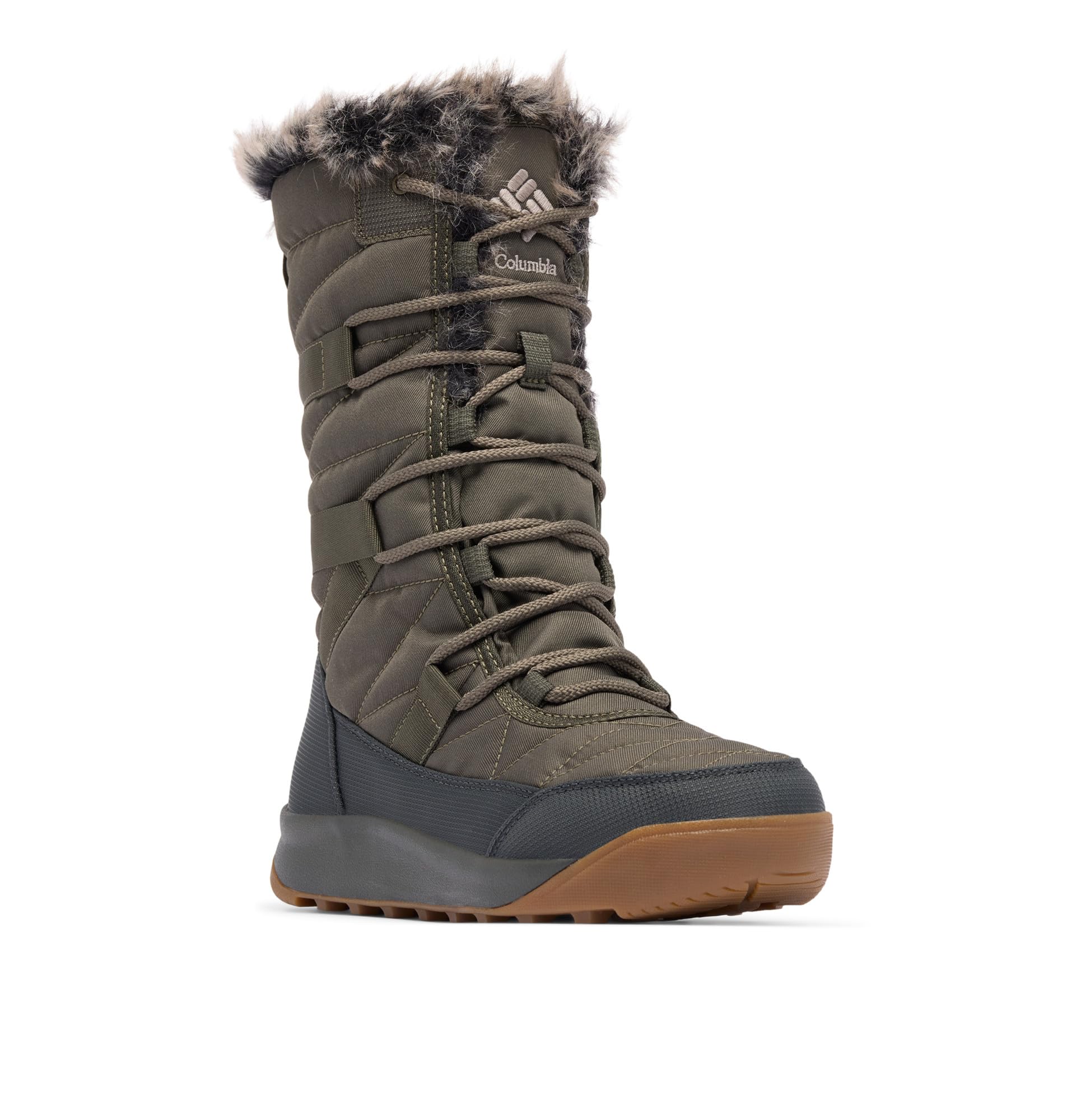
A fur-trimmed, water-resistant boot that looks intentional with a winter coat.
Most snow boots make a choice between looking like a boot and looking like outerwear. The Minx IV leans toward the second, with a fur-trimmed cuff that draws compliments and water resistance that keeps feet dry through slushy commutes. Quality is the trait that stands out most in owner experience, with warmth right behind it — this is a boot with a lot of happy wear behind it.
Appearance and value both come up as steady strengths, and the water resistance holds up to winter streets and sidewalks. It’s the boot you reach for when you’re heading somewhere you want to look put together, and the sidewalk happens to be wet.
The trade-off is fit consistency. Feelings on size split more than on any other pick here, and some find it trickier to pull on than a plain bungee boot. Ordering your usual size works for plenty of wearers, but knowing your measurement helps.
Style that earns its keep: quality and warmth lead the feedback, so the looks come with a real winter boot underneath rather than a fashion shell.
Fit is the wildcard: size feedback is the most divided part of the story here, so check the chart before you commit.
It suits: anyone who wants a winter boot that looks intentional with a coat and still keeps feet dry.
It might not suit: you if you want the widest, roomiest fit or a plainer pull-on entry.
6. The North Face Chilkat 400

High-loft insulation and a DWR shell built for snowmobiling and long cold waits.
Where most boots on this list are tuned for walking, the Chilkat 400 is tuned for exposure. The high-loft insulation traps heat in a thick layer, and the non-PFC DWR (durable water-repellent) treatment keeps snow from soaking through the shell. A fully waterproof build rounds it out, and at 1.63 pounds it stays lighter than the Sorel Tivoli V at 3.94 pounds.
Owners put this boot through the deep-cold paces — snowmobiling comes up as the use case that proves its warmth, and it keeps feet comfortable while doing it. Quality is the top praise point, with warmth second, and the traction gets noted for not slipping on ice. If your winter involves a sled, a plow, or a long cold wait outdoors, this is a strong match.
The one thing to plan around is fit. Size feedback splits, and a chunk of wearers find it really tight at their regular shoe size. Sizing up is a common route for this boot.
Built for standing still: high-loft insulation and DWR together are what make this a snowmobile and deep-cold boot rather than just a warm commuter.
Size up, probably: the regular size runs tight for many wearers, so treating yourself to a half size more is the lower-risk move.
Go here for: snowmobiling, plowing, and long stretches outside in serious cold.
Go elsewhere if: you want a boot that fits exactly your regular size from the start.
7. UGG Adirondack Boot Tall III Womens Boot

A wool-lined boot with a real temperature rating attached.
This one comes with two warmth specs most competitors leave out: 200G of insulation and a weather rating to -32 degrees. What makes it different is the lining — 17mm of UGGpure sheep wool against your foot, which is the warmest-feeling interior material on the entire list. DryTech waterproof bootie construction keeps the weather out, and a removable insole lets you swap it as it wears.
Owners bring up quality first and warmth second, with comfort and appearance close after. The wool does double duty — it feels cozy barefoot, and the boot is styled to wear with the shaft cuffed or laced all the way up. Value comes up as a steady note, with the boot framed as a genuine winter staple.
The honest note is fit. Size feedback is the most divided part of the picture here, so it pays to know your measurement rather than assume. Durability also shows up as a smaller mixed point, so treat the boot as a long-term piece that rewards care.
The wool is the difference: 17mm of UGGpure sheep wool plus 200G insulation and a -32-degree rating is a three-part warmth stack you won’t find on a lighter synthetic boot.
Size it with care: fit is where opinions split most, so check the sizing chart rather than relying on habit.
Worth it if: you want a rated cold-weather boot with a real wool lining you can wear all day.
Look past it if: you want a boot that fits your regular size without checking measurements.
8. Baffin Women’s SAGE Winter Boots
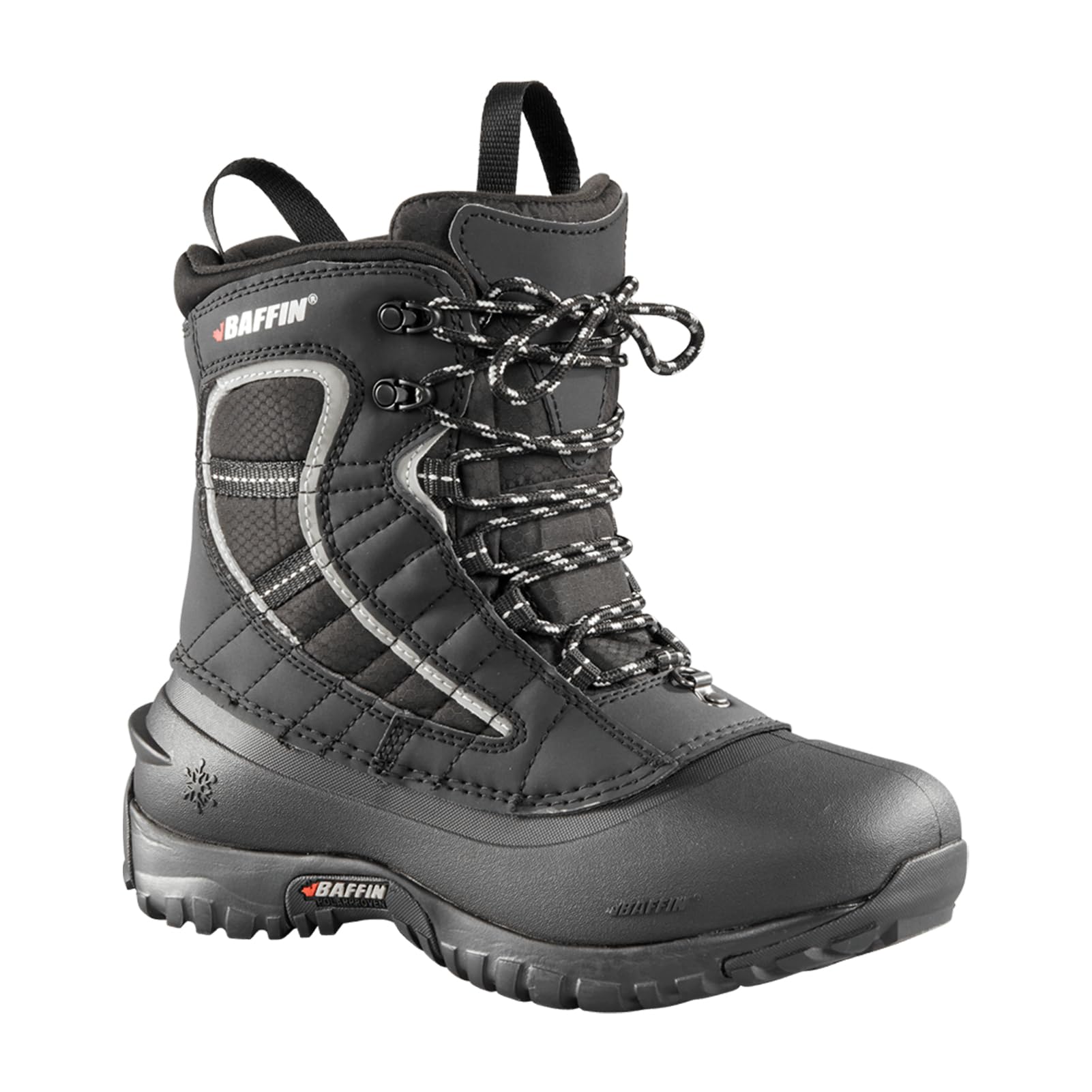
The mid-height option built to clip into snowshoes and stay comfortable all day.
Baffin’s Tundra Rating is the warmth claim here, and this boot pairs it with a removable liner — the drying detail that matters when you’re out in wet snow twice a day. A gel anti-fatigue midsole and a premium rubber base round out the build, and the mid-height PU-coated leather and nylon upper with a felt collar sits lower than the tall boots, so it works with snowshoes without the shaft getting in the way.
Owners describe these as wearing almost like slippers, with the comfort holding up over long cold days, and warmth is a strong second behind quality in the feedback. The design leans toward active winter sports — snowshoeing and hiking — rather than a quick run to the store.
What to plan for is sizing. Fit is the most-divided point here, and the majority of the negative feedback centers on boots running too small. That’s not a defect, just a fit rule: go up rather than assume your usual number.
The active-winter pick: Tundra Rated warmth, a removable liner, and a snowshoe-compatible mid-height make this a purpose-built winter sport boot rather than a sidewalk boot.
Size up, clearly: running small is the recurring fit note here, so account for that before you order.
Best if: you snowshoe or hike through winter and want a removable liner you can dry overnight.
Not best if: you want a boot you can order in your default size without thinking about it.
9. Baffin Women’s ICEFIELD Snow Boots

Polar-rated with a removable multi-layer liner — the boot for prolonged sub-zero cold.
This is the most overbuilt warmth system here. Inside is a removable Comfort-Fit inner boot with B-Tek Foam for structure, dual layers of B-Tek Heat for thermal loft, and a breathable Thermaplush lining against your skin. PolyWool, DiamondNet, and a Vapourized Aluminum Membrane layer in to manage moisture and reflect heat. Outside, an Arctic Rubber shell and Polar Rubber outsole are built to stay flexible and grippy below freezing.
Quality is the strongest praise point, with warmth practically tied behind it — these are working boots for ice fishing, snowmobiling, and long days outdoors. The 12-inch shaft and drawstring locking collar help keep snow from going over the top, and the waffle-comb footbed plus double aluminum insole trap and reflect heat. It’s rated Polar, Baffin’s designation for extreme conditions.
At 4 pounds it is the heaviest boot here, tied with the Sorel Tivoli V, and some owners find the profile bulky. Fit runs divided, so size carefully — a snug liner boot leaves less room for thick socks.
Why the ICEFIELD earns the extreme tier
- Multi-layer removable liner is the deepest warmth system on this list
- Polar-rated shell and outsole built to stay flexible below freezing
- Drawstring locking collar and 12-inch shaft block out deep snow
What you’re giving up
- 4 pounds is heavy for a daily commuter boot
- Bulk is a real complaint for some wearers
- Divided fit feedback means sizing needs attention
The extreme-cold answer: if your winter is ice fishing, snowmobiling, or arctic-level cold, this is the boot built for it.
Not for the quick errand: 4 pounds and a bulky profile make it overkill for the sidewalk run.
Know the Specs
Comfort ratings like -40F and -32 degrees
A comfort rating tells you what temperature the maker tested the boot against while you’re moving. It is not a promise that your feet stay warm standing still. Treat it as the floor of real cold the boot is built for, and remember that a rated boot on a still, windy day will feel colder than the number suggests.
Insulation in grams
When a boot lists 200g of insulation, that figure is the weight of the insulating layer per square meter. More grams means more trapped air and more warmth, but it also means a taller, stiffer, heavier boot. It’s a useful apples-to-apples number only when both boots list it — some on this list leave the gram figure out and lean on liners or reflective membranes instead.
Removable liners
A pull-out inner boot is the most practical warmth feature on a snow boot. When your feet sweat, that moisture is what freezes them later, so being able to dry the liner separately overnight keeps the boot warm day after day. Multi-layer liners that stack foam, loft, and a reflective membrane are the warmest setup you can get in a women’s boot.
Outsole rubber compounds
Standard rubber hardens as it gets colder, and hardened rubber is what slips on ice. Compounds named for cold-weather grip, like Polar Rubber or Arctic Rubber, are built to stay soft and flexible below freezing. That matters more than tread pattern when your walk is on packed snow and icy sidewalks rather than fresh powder.
Common Questions
Do temperature-rated boots like the Kamik -40F and UGG -32 degree really stay warm that cold?
How do I size a women’s snow boot when I plan to wear thick wool socks?
Is 200g of insulation warm enough for a real winter?
Why does a removable liner matter for keeping feet warm?
What does Polar Rated or Tundra Rated actually mean on a Baffin boot?
Is a tall boot warmer than a mid-height one?
Can I wear the Baffin SAGE or ICEFIELD with snowshoes?
Do waterproof snow boots still keep feet dry if the snow is wet and slushy?
How heavy is too heavy for a daily winter boot?
Should I treat leather snow boots to keep them waterproof?
The Bottom Line
If you want a single boot that keeps your feet dry and comfortable through a normal snowy winter, the Sorel Women’s Tivoli V is the easiest one to live with — its waterproof build and lasting comfort are what carry it to the top of the heap. For a real cold rating at a much warmer price, the Kamik Momentum 3 brings -40F comfort and 3M Thinsulate to the mid-range tier. And if your winters mean ice fishing, snowmobiling, or prolonged sub-zero exposure, the Baffin ICEFIELD is the boot built for it, with a removable multi-layer liner that no other pick here matches. Whichever way you go, buy with your socks and your actual winter in mind — that one decision closes most of the fit gap people run into.
How we choose
We do not accept paid placement. Every pick is matched to a real buyer and a real use-case; we do not hands-on test units.
Sources
Specifications: manufacturer listings and product documentation. Review insights: verified customer reviews, as of November 2026. Pricing: not shown on this page (it changes often); check the current price via the retailer link.
As an Amazon Associate, Tactical Gear Guy earns from qualifying purchases. This does not affect which products we feature.