Specs are compiled from manufacturer listings and verified buyer reviews and can change over time — please confirm the key details on the product page before buying.
If your heels sit higher than your toes, your whole stride changes — calves tighten, toes get squeezed, and your foot lands harder than it needs to. Zero drop footwear fixes that by putting the heel and the forefoot at the exact same height off the ground, a 0mm drop, so your foot sits level and works the way it was built to. The trick is picking a pair whose toe box, cushioning and outsole match what you actually do in them. This guide walks through nine real options, from trail shoes to gym trainers to golf shoes, and tells you which one earns your money.
This guide is built by comparing the manufacturers’ published specifications and the patterns across verified customer reviews, so you get each pick’s real strengths and trade-offs instead of marketing spin.
Some pairs here are built for mud and rock, others for a squat rack or eighteen holes of walking. What ties the shortlist together is a level platform and a toe box that lets your toes spread out. Below you’ll find the details that actually separate these nine, laid out so you can settle on a pair quickly: best zero drop footwear for the way you move.
Top Picks

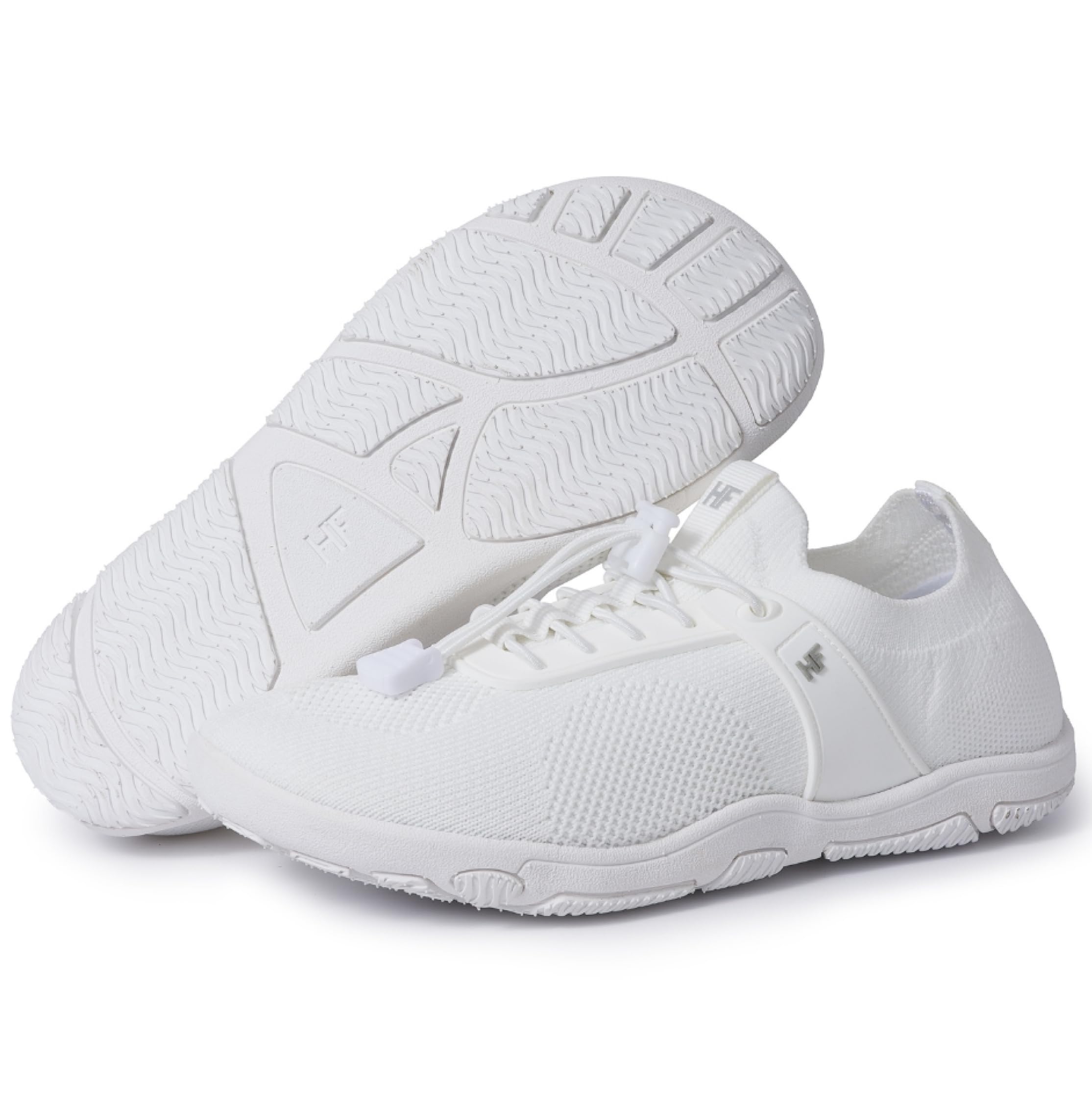

How To Choose The Best Zero Drop Footwear
The hardest part of buying a flat shoe is not the drop. It is matching the platform to where you actually put your feet. A trail shoe with deep lugs will feel clumsy on a treadmill, and a thin road racer will leave you wincing on sharp gravel. Start with the surface, then work backward to the shoe.
Match the stack height to your surface
Stack height is how thick the sole is under your foot, measured in millimeters. A lower stack keeps you close to the ground, so you feel every root and pebble and your foot has to do more of the balancing. A higher stack pads the impact, which helps on long pavement miles but blurs the ground feel. One pair here sits at 14 mm and another at 25 mm, and that gap tells you almost everything about who each one is for.
Check the toe box before you check the colorway
A wide toe box gives your toes room to spread when you land instead of bunching them together. It is the second half of the natural-movement story after the zero drop, and it is the spec most buyers overlook. If your current shoes pinch your little toe by mile three, a roomy toe box will fix more than a softer insole will.
Think about the outsole and the upper
The outsole is the bottom rubber that touches the ground. Trails want sticky rubber and angled lugs; gym floors want a flat, grippy surface; fairways want a spikeless tread that still bites. The upper — the fabric over your foot — decides breathability and how the shoe locks to your midfoot. A mesh upper breathes on hot days, while engineered knit or ripstop mesh usually trades a little airflow for toughness.
Side-by-Side Comparison
| Model | Best For | Drop | Stack Height | Weight | Amazon |
|---|---|---|---|---|---|
| ALTRA Women’s Lone Peak 8★ Best Overall | Trail running and hiking | 0 mm | 25 mm | 9.2 oz | Amazon |
| HIKE Footwear Theora ProBest Value | All-day walking and light hiking | 0 mm | — | — | Amazon |
| OrthoComfoot Men’s OrthopedicMost Supportive | Casual wear and gym sessions | 0 mm | — | — | Amazon |
| Topo Athletic ST-5 | Road running and gym work | 0 mm | 14 mm | — | Amazon |
| Reebok Nano Zero | Strength training and CrossFit | 0 mm | — | — | Amazon |
| ALTRA Men’s Torin 7 | Daily road mileage | 0 mm | — | — | Amazon |
| TRUE Linkswear OG Cush | Walking the golf course | 0 mm | — | — | Amazon |
| Flux Footwear Adapt Graphene XT | Cross training and lifting | 0 mm | — | 10.2 oz | Amazon |
Detailed Reviews
1. ALTRA Women’s Lone Peak 8 Trail Running Shoe
Our pick — 4.5+★ from 800+ verified ratings; the strongest balance of quality and price.
The trail shoe that puts a wide, flat platform under a sticky outsole and lets you forget your feet.
Start with the number that decides the ride: a 25 mm stack height, meaning the sole sits 25 millimeters thick under your foot with the heel and forefoot level. That is enough padding to soak up rocky descents but not so much that you lose the trail underneath you. The MaxTrac outsole — Altra’s sticky trail rubber — carries canted lugs placed under the metatarsals, the bones just behind your toes, so you get bite where you actually push off. For anyone who has slid down a wet root in a road shoe, that placement is the whole point.
The 9.2 oz weight keeps it light enough to run in but sturdy enough to hike in, and the ripstop mesh upper is a woven fabric built to shrug off brush scrapes. Its FootShape toe box is the roomiest in this group’s trail bracket, and reviewers call out the roomy fit more than any other trait. Reviewers describe feet that normally ache after a long day coming back quiet, with no toe pinching, and credit the zero drop for the stable feel. A 25 mm platform will feel thick and vague next to the Topo ST-5’s 14 mm, so if you want maximum ground feel rather than trail protection, that one is the better fit.
Here is the honest catch. The cushioning draws mixed reactions — some wearers want a plusher ride for long fire-road days, and the 25 mm platform is moderate rather than plush. It also runs as a women’s-specific fit, so men need to size up in the equivalent. Neither is a flaw exactly; both are reasons to know what you want before you click.
Where it earns the top spot
- Zero drop with a balanced platform that keeps heel and forefoot level for a natural landing
- MaxTrac sticky rubber with TrailClaw lugs angled under the metatarsals for push-off grip
- FootShape toe box gives toes room to spread, which buyers call out as the standout comfort
- Ripstop mesh upper takes brush and rock scrapes without tearing
Where it asks something of you
- Cushioning is moderate, not plush — long pavement stretches will feel firm
- 25 mm stack trades some ground feel for protection
- Women’s-specific last means men should size up to the men’s version
Go for it if: you run or hike trails and want a flat, roomy platform with real grip underfoot.
Look elsewhere if: you want a paper-thin ground feel or a soft, cushy ride for road miles.
2. HIKE Footwear Theora Pro Hiking Shoes
A budget-friendly barefoot hiker that lets your arches do the work and keeps all-day walks pain-free.
The Theora Pro is built around a simple idea: let the foot move naturally, then add just enough structure to keep you comfortable on a long day out. It pairs a wide toe box with a zero drop sole, and the maker adds enhanced arch support — extra cushioning and stability under the midfoot. That combination is what makes it feel less like a thin barefoot shoe and more like a supportive walker you can wear for hours. If you are easing into zero drop and worry a flat shoe will leave your arches aching, this is the gentler entry point.
Reviewers rank comfort first and build quality a close second, wearing it for errands, dog walks and light trails without complaint. The lightweight build keeps it from dragging on longer days, and the sole cushioning gets called just right by plenty of wearers. For the money, it is the easiest way to try a natural-movement shoe without committing to a premium price.
The thing to weigh: fit and durability both draw mixed feedback. Some wearers find the sizing needs a second look, and a few question how long the upper holds up under hard use. Neither sinks the shoe — it is a budget pick with budget trade-offs — but if you plan to abuse it on rocky ground, the Lone Peak 8 above is the tougher build. If you want a cushioned, roomy walking shoe for everyday use, this is where the value sits.
Comfort-first build: a wide toe box and zero drop sole with enhanced arch support under the midfoot — the setup for pain-free all-day wear.
Know before you buy: sizing runs uncertain and durability is a mixed bag, so treat it as a light-use walking and hiking shoe rather than a rock-basher.
The right call for: anyone easing into zero drop who wants a roomy, cushioned shoe for daily walking and light trails.
Skip the gamble if: you need a bomber upper for scree and sharp rock, where the Lone Peak 8 is sturdier.
3. OrthoComfoot Men’s Orthopedic Wide Barefoot Shoes
A flat, roomy orthopedic sneaker for men who want arch support without giving up natural foot movement.
This one sits in a specific lane: men who want an orthopedic-feeling shoe — arch support built in — but who also want a zero drop sole and a wide toe box. It gives all three at once, which is rarer than it sounds. The non-slip outsole handles gym floors and pavement without drama, and the breathable upper keeps things from getting swampy during a workout.
Buyers single out comfort and recommend it readily. The wide toe box is the detail that makes it work for feet that feel cramped in standard athletic shoes. It is equally at home doing casual duty, gym sessions, weight lifting or a walk around the block, so you are not buying a single-purpose shoe.
The honest note is sizing. Fit gets mixed feedback — some wearers find it dead-on comfortable, others hit a sizing issue and need to swap. That is common enough that measuring your foot before ordering is smart. It is a solid pick for the right buyer, and a frustrating one if the size is off.
What you’re getting: a true zero drop sole with a wide toe box, arch support and a non-slip outsole — three things most flat shoes force you to choose between.
The size warning: fit is the one recurring issue, so order with your measured length in hand rather than guessing.
Worth a look if: you want a supportive, roomy zero drop sneaker that covers gym days and casual wear alike.
Think twice if: you want to order your usual size blind — measure first, because sizing here is the weak point.
4. Topo Athletic Men’s ST-5 Road Running Shoes

The closest thing to running barefoot on pavement, with a heel that folds flat into a gym bag.
You feel the road under you in the ST-5, because its stack height (the foam between your foot and the ground) is just 14 mm on a 0-drop platform (heel and toe sit level). Compare that to the Lone Peak 8’s 25 mm and the difference shows before you even slip them on — the ST-5 sits closer to the road, flexes more, and hands more of the balancing work back to your foot. That platform is 2 mm less than previous versions, so it is the most natural feeling shoe in the Topo line. The recycled mesh upper (the breathable fabric over your foot) locks down the midfoot, and the collapsible heel counter (the stiff cup at the back that folds flat) lets the whole shoe pack flat for travel.
Reviewers notice the light weight and zero drop first, and the look reads as a proper running shoe rather than a niche experiment. The breathable upper keeps it from overheating on warm runs, and the roomy toe box lets your toes spread the way the design intends.
Be aware of two things. Comfort and fit both draw mixed feedback — some wearers love the ride, others report aches creeping up to the knees, and several note it runs small in length. Neither is universal, but for a low-stack shoe the fit matters double, so if you are between sizes, size up. This is the pair for a runner who wants maximum ground feel and a shoe that travels light.
Why runners reach for it
- 14 mm zero drop platform delivers the most direct ground feel in this group
- Collapsible heel counter packs flat for the gym bag or a carry-on
- Recycled mesh upper breathes and holds the midfoot
What to plan around
- Cushioning and fit are divisive — some wearers feel aches, others love the ride
- Runs small in length, so many buyers need to size up
- Low stack means pavement and gravel are felt, not absorbed
The fit for you: a runner or gym-goer who wants a low, flexible platform and travels with a packable shoe.
Best avoided if: you want cushioning under foot on long road miles — look at the Torin 7 instead.
5. Reebok Nano Zero Mens Cross Training Shoes
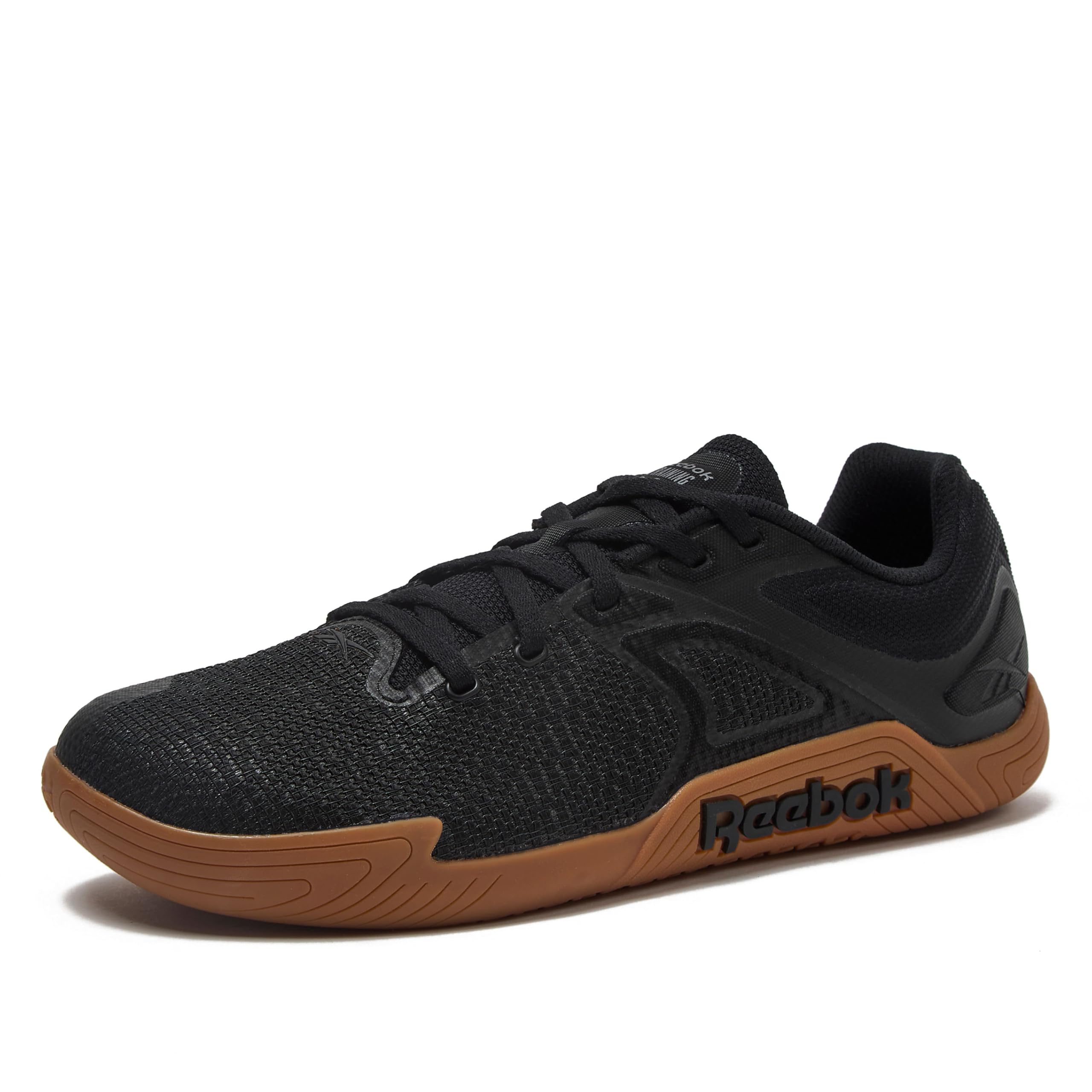
A flat-soled gym shoe built to squat, deadlift and move sideways without your foot sliding around.
The Nano Zero earns its spot with a zero drop midsole (heel and toe at the same height) — so you feel the floor and your body aligns naturally — paired with a high-traction outsole built for the side-to-side movement in strength training. That makes it among the most narrowly focused shoes on this list, and that is its strength. The breathable Flexweave engineered mesh upper (a woven fabric that flexes with your foot) is soft against the skin but tough enough to survive a workout, and the plush foam collar keeps the ankle locked in. If you split your time between the squat rack and a CrossFit class, this is the one shaped for it; if you want a shoe for long road miles, look elsewhere.
Sizing runs from 7 to 14 in a black colorway, and the fit is the detail buyers mention most — it is the thing that makes or breaks a lifting shoe. The toe box is wide enough for comfort, which is rare in a shoe this locked-down, and comfort is the other point people bring up.
This is a specialty pick, not an all-rounder. It is not trying to be a long-distance runner or a trail shoe, and it will feel stiff and flat on a long walk. What it does, it does with intent — if your training happens on a gym floor and you want direct contact with the ground, this is the shoe.
Built for the floor: a zero drop midsole plus high-traction outsole gives you a stable base for squats, deadlifts and lateral work.
Not a distance shoe: the firm, flat platform is a purpose-built lifting base, so long walks will feel stiff.
Pick it if: your training lives in the gym and you want a stable, flat shoe that won’t slide sideways.
Keep moving if: you need cushioning for long walks or runs — this is a floor shoe, not a distance shoe.
6. ALTRA Men’s Torin 7 Road Running Shoe
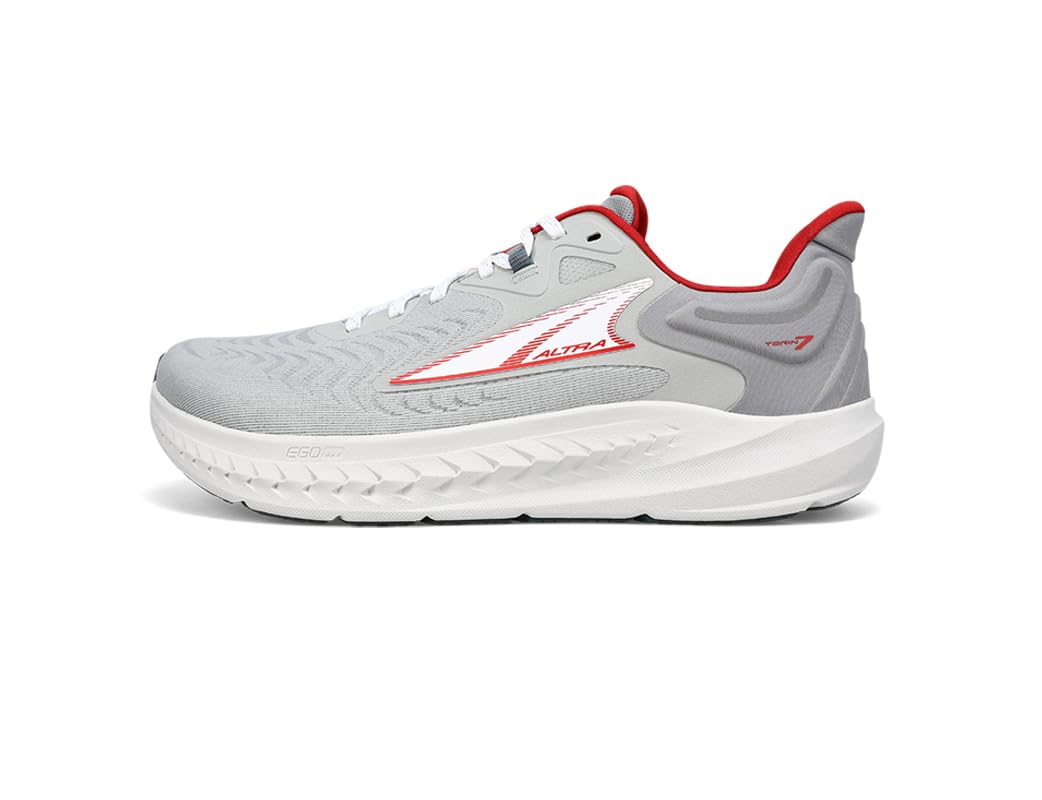
The everyday road trainer that padded the midsole and kept the flat, roomy fit runners keep coming back for.
The Torin 7 is Altra’s answer to the runner who wants a cushioned daily shoe without ditching zero drop. The maker added two millimeters more of EGO MAX foam to the midsole for extra bounce, redeveloped the tongue for a plusher feel, and moved to an upgraded mesh upper that breathes. A molded heel collar holds the ankle secure, and Balanced Cushioning with Standard FootShape fit keeps your heel and forefoot level. Run long, run short, run easy — it is built for the everyday miles.
Reviewers rank build quality and fit highest, with comfort right behind. Runners talk about going many miles without discomfort, and the toe box wins over those with wide feet. Several note the cushioning hits a balance between softness and response, and a few mention it handles speed work as well as easy runs — it is a genuinely versatile daily trainer.
The one caution: durability. A few wearers report the shoe does not last as long as they hoped, which is worth knowing if you rack up big weekly mileage. It is not a universal complaint, but for a daily trainer it is the trade-off to weigh. This is the pair for a road runner who wants cushioning and a flat platform in one shoe.
The daily-trainer recipe: EGO MAX midsole foam, a molded heel collar and a breathable mesh upper — a cushioned shoe that still keeps you level with the road.
The honest caveat: some wearers find durability falls short of what they hoped, so high-mileage runners should keep an eye on the outsole.
Right on target for: road runners who want a cushioned, roomy zero drop shoe for daily miles and speed days alike.
Less ideal if: you put down heavy mileage and expect a sole to last several seasons.
7. TRUE Linkswear Men OG Cush Golf Shoes Zero Drop
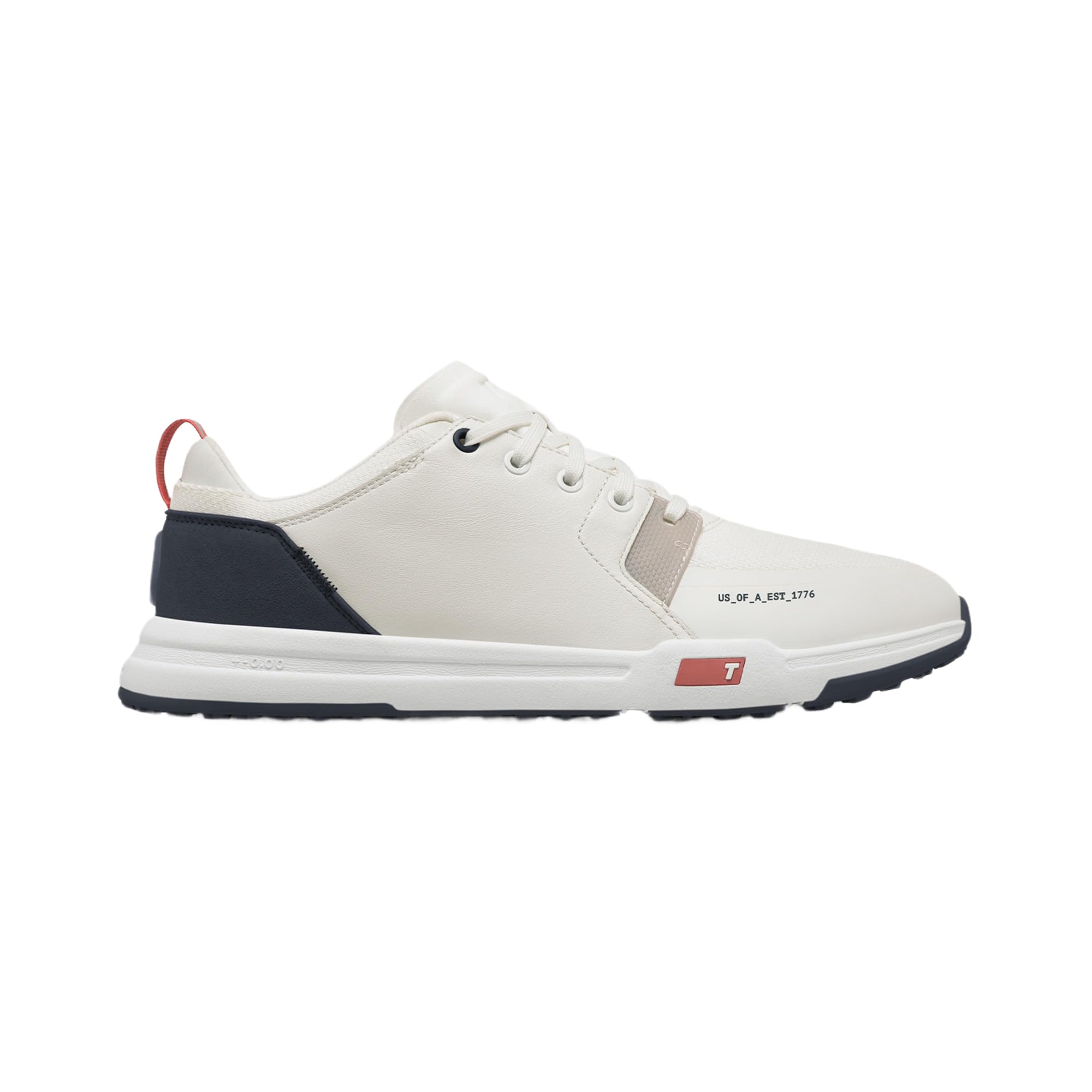
A zero drop golf shoe that added 6 mm of cushion to make walking 18 holes easier on the feet.
Golf shoes have long been stiff and raised at the heel, which is exactly what the OG Cush flips. It keeps the zero drop sole and wide toe box golfers stay loyal to, then adds 6 mm of cushioning to the midsole for a plush, cloud-like feel under a walking round. The new ‘T’ pattern spikeless rubber tread keeps secure traction while the flexible sole moves with your foot. Weather-resistant materials handle summer heat and winter chill, and a reinforced heel keeps you locked in.
Comfort is the headline, with quality second — this is a shoe built for the golfer who walks rather than rides a cart and wants to feel the course beneath the feet without punishing the heels. The spikeless tread keeps it usable from the fairway to the clubhouse, and the wide toe box stays true to the zero drop philosophy.
The catch is sizing. Buyers report the fit runs off, so measure your foot before ordering and be ready to swap a pair. The 6 mm of added cushion is what separates it from the Original, and for golfers who want a soft, flat shoe for walking the course, that extra foam is the reason to pick this model over the Original.
Walking-round comfort: 6 mm of added midsole cushion over the classic zero drop, wide toe box design, plus a reinforced heel for stability.
The sizing gamble: fit is the recurring issue — the size runs off, so order carefully and plan to exchange if needed.
Made for you if: you walk the course and want a flat, cushioned golf shoe with ground feel and spikeless grip.
Shop carefully if: you order your usual size blind — measure up, because fit is the sticking point here.
8. Flux Footwear Adapt Graphene XT Cross Training Shoes
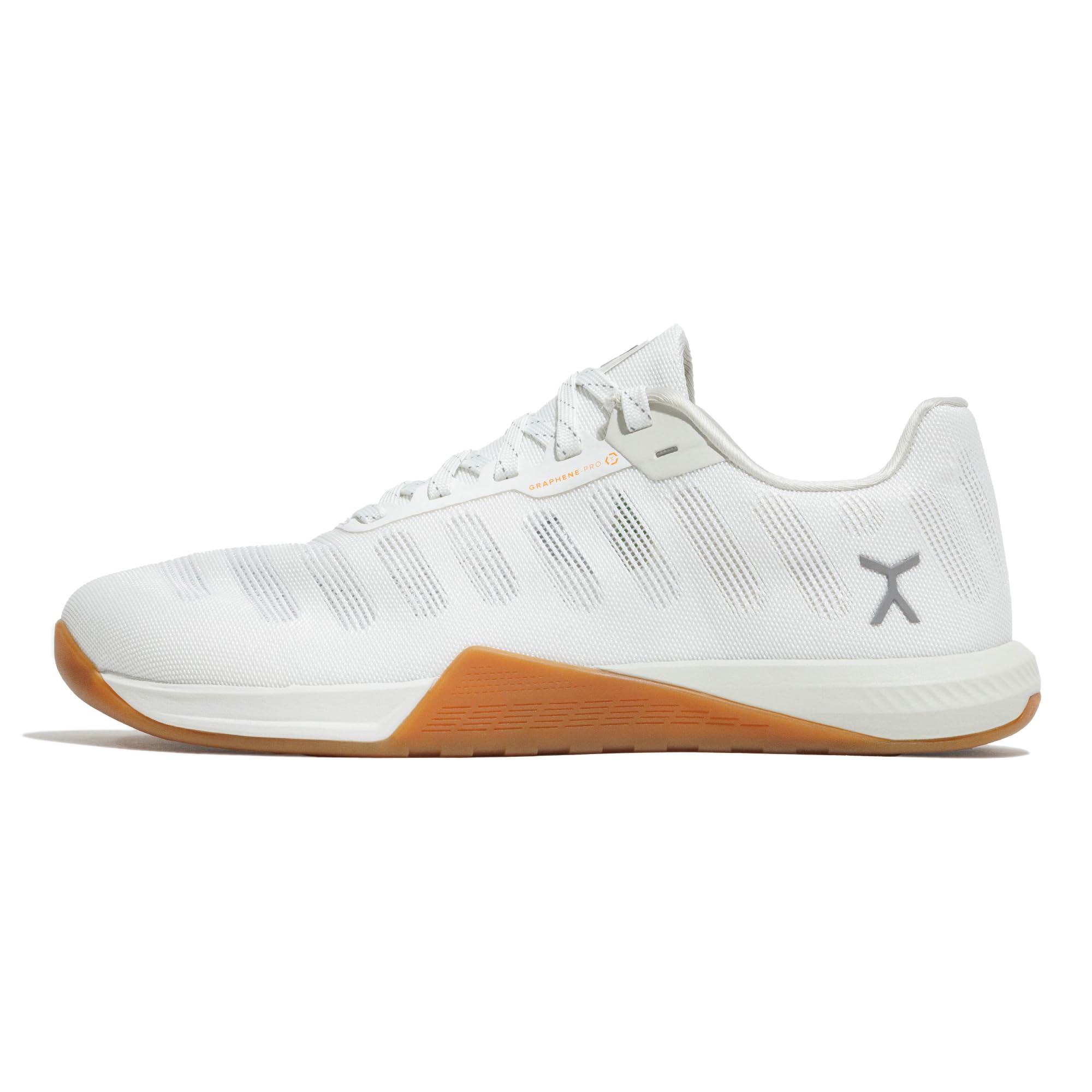
A graphene-reinforced trainer that moves from sprints to heavy lifts without changing shoes.
The standout material here is graphene — a one-atom-thick layer of carbon arranged in a honeycomb pattern, which the maker describes as incredibly strong yet thin, light and flexible. It is used to boost durability and responsiveness in the upper. Underneath sits a zero drop platform and a wide toe box, so your toes spread and your heel stays level with the forefoot. The result is a natural-movement shoe that also stands up to the beating of cross-training.
Comfort and fit are what people praise most — a true-to-size feel and a toe box wide enough for feet that usually feel pinched. The versatility gets real attention too: wearers talk about it working for CrossFit, powerlifting and weightlifting, and for quick sprints, jumps and lateral movements. It is a shoe that does not force you to choose between a lifting shoe and a gym trainer.
The one thing to know before you order: the maker says it fits small for most, and recommends going up a half size for the best fit. Value for money draws mixed feedback, so it is a premium purchase that some wearers want more from. Clean it by spot-cleaning with mild soap and water — no bleach, no machine wash. If you want one shoe for the whole gym session, this is the most flexible option here.
One shoe, many jobs: graphene-reinforced upper, a zero drop platform and a wide toe box cover sprints, jumps, lifting and lateral work.
Order half a size up: the maker flags a small fit for most, and spot-clean only — no machine wash.
Your match if: you want one natural-movement shoe for the whole gym session, from sprints to heavy lifts.
Look at the Nano Zero if: you want a simpler, dedicated lifting shoe and don’t want to size up.
Know the Specs
Zero Drop (0mm Heel-to-Toe)
A zero drop shoe sets the heel and the forefoot at the same height off the ground, so your foot sits level instead of tilted down toward the toe. That level platform changes where your weight lands and how your foot rolls through a stride. Most standard running shoes raise the heel, which is why switching to zero drop can feel different for the first few runs. Give your calves and feet a few short sessions to adjust rather than jumping straight into a long day.
Stack Height in Millimeters
Stack height is the thickness of the sole under your foot. A lower number, like the 14 mm on the Topo ST-5, keeps you close to the ground so you feel the surface and your foot does more balancing. A higher number, like the 25 mm on the Lone Peak 8, pads the impact more and suits rougher ground or longer days. Neither is better — lower suits ground feel and gym work, higher suits trails and long road miles.
Wide Toe Box and FootShape Fit
The toe box is the space at the front of the shoe where your toes sit. A wide toe box lets your toes spread and align naturally instead of bunching together, which is why it pairs so well with a zero drop sole. If your current shoes pinch your little toe on longer days, a roomier toe box will do more for comfort than a thicker insole will. Look for a toe box your toes can splay into without the midfoot feeling loose.
Outsole, Upper and Weight
The outsole is the bottom rubber that touches the ground — sticky trail rubber grips wet rock, flat gym rubber grips a floor, and spikeless golf tread bites on turf. The upper is the material over your foot: mesh breathes, while engineered knit or ripstop mesh trades some airflow for toughness. Weight tells you how much shoe you’re carrying; the Lone Peak 8 at 9.2 oz (about 261 g) sits light for a trail shoe, so it tires your legs less on long days. The OrthoComfoot and Tourin models don’t publish a weight, so judge those on the fit and cushioning instead.
Common Questions
What exactly does zero drop mean, and why does it matter?
Is zero drop footwear better for my feet than a raised heel?
How does stack height change how a zero drop shoe feels?
Do I need a wide toe box in a zero drop shoe?
Can I run long distances in a zero drop shoe right away?
Which of these zero drop shoes is best for the gym?
Do these zero drop shoes run true to size?
What is graphene, and why is it in a training shoe?
Can a zero drop shoe work for hiking and trail use?
How do I clean a zero drop shoe?
The Bottom Line
For most people, the zero drop footwear pick is the ALTRA Women’s Lone Peak 8. It pairs a 25 mm balanced platform and zero drop with a sticky MaxTrac outsole (grippy rubber for wet rock) and a roomy FootShape toe box (a wide front that lets your toes spread), so it works on trails and long days without asking you to give up ground feel entirely — a 4.5+ star favorite across 800+ owners. If trail speed and ground feel are the goal, grab the Topo Athletic ST-5 with its 14 mm platform and packable heel. And for gym days, the Reebok Nano Zero is the one to reach for, with a zero drop midsole built for the squat rack and lateral work.
How we choose
We do not accept paid placement. Every pick is matched to a real buyer and a real use-case; we do not hands-on test units.
Sources
Specifications: manufacturer listings and product documentation. Review insights: verified customer reviews, as of November 2026. Pricing: not shown on this page (it changes often); check the current price via the retailer link.
As an Amazon Associate, Tactical Gear Guy earns from qualifying purchases. This does not affect which products we feature.