Specs are compiled from manufacturer listings and verified buyer reviews and can change over time — please confirm the key details on the product page before buying.
You want a shoe that keeps your heel and toes level, yet still holds up under lifting, cutting and rope work. A zero-drop shoe has a 0 mm heel-to-toe offset (your heel sits level with your forefoot, not above it). That flat platform is why lifters like it: you feel more of the floor and less of a rocking motion. Below are seven zero-drop shoes, sorted by what each one does best.
This guide is built by comparing the manufacturers’ published specifications and the patterns across verified customer reviews, so you get each pick’s real strengths and trade-offs instead of marketing spin.
You will see how toe box width, cushioning stack and grip play out across real gym sessions. Here is how the best zero drop cross-training shoes compare for your next training block.
Top Picks

How To Choose The Best Zero Drop Cross-Training Shoes
The mistake most first-time buyers make is assuming zero drop means flat and hard. Some of these shoes have almost no midsole at all, while others sit on a 23 mm platform. Both are zero drop. What changes is how much ground feel you get and how much protection you get on box jumps and rope climbs.
Check the drop first, then the stack
Drop is the height difference between heel and toe — for a true zero-drop shoe that number is 0 mm, so your foot sits level. Stack height (how much material sits under your foot) is the separate number that decides comfort. The Inov-8 Bare-XF runs a 0 mm/0 mm stack, which puts your foot right on the floor. The Altra Solstice XT 3 runs 23 mm/23 mm, so it stays level but adds cushioning under you.
Toe box width decides whether your toes can work
A wide toe box gives your toes room to spread when you push off or brace. The Flux Adapt Graphene XT is built around exactly that shape. Narrow-footed lifters sometimes find that room too generous, so it is worth knowing your own foot width before you buy.
Grip and lateral support for the way you train
If your sessions involve sled pushes, rope climbs or quick side-to-side cuts, outsole rubber and a stable quarter panel matter more than cushioning. The Reebok Nano Zero pairs a high-traction outsole with a zero drop midsole for that reason. Pure lifters can get away with less rubber and more ground feel.
Side-by-Side Comparison
| Model | Best For | Drop | Stated Weight | Toe Box | Amazon |
|---|---|---|---|---|---|
| Flux Adapt Graphene XT★ Best Overall | All-round gym work | 0 mm | 10.2 oz | Wide toe box | Amazon |
| Reebok Nano ZeroTop Performer | Strength training | 0 mm | — | Wide enough for toes to splay | Amazon |
| Altra Solstice XT 3 | Wide-footed lifters | 0 mm | 9.5 oz | FootShape roomy toe box | Amazon |
| Vivobarefoot Primus Lite 3.5 | Cross-training plus daily wear | 0 mm | — | Wide for natural stability | Amazon |
| INOV8 Bare-XF | Barefoot ground feel | 0 mm | 210 g | NATURALFIT shape, widens at forefoot | Amazon |
| New Balance Minimus TR V2 | HIIT and budget-friendly gym days | 0 mm | 1.28 lb | — | Amazon |
| Vivobarefoot Motus Strength | High-impact barefoot training | 0 mm | 2.13 lb | — | Amazon |
Detailed Reviews
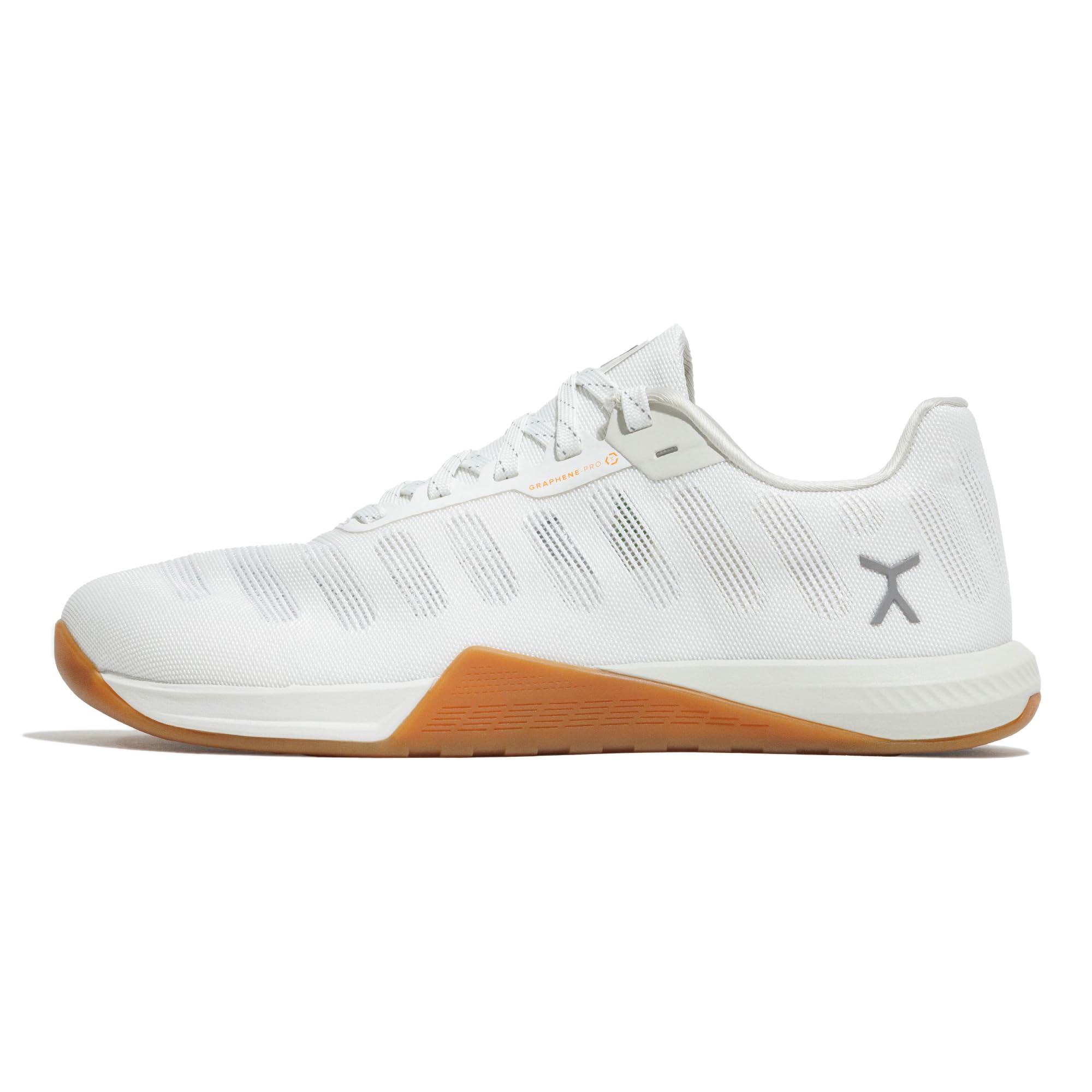
1. Flux Footwear Adapt Graphene XT
Our pick — 4.5+★ from 250+ verified ratings; the strongest balance of quality and price.
The shoe built around a level foot and room for your toes to spread.
The Adapt Graphene XT is the pick here because it solves the two complaints zero-drop buyers bring to the gym most often: cramped toes and a heel that sits above the forefoot. It is a zero-drop shoe with a wide toe box, so your toes can align and spread instead of stacking on top of each other. The upper uses graphene — a one-atom-thick layer of carbon in a honeycomb pattern — which the maker describes as making it thin, light and flexible. In practice that means the shoe bends with your foot during sprints and jumps rather than fighting you.
What wins people over is comfort, and by a clear margin — it is the single most-discussed thing in the reviews for this shoe, and the consensus is that feet simply do not hurt after a session. Fit is the second-strongest theme, described as true to size. Owners put it through CrossFit, powerlifting and weightlifting, and others single it out for quick sprints, jumps and lateral movements. That spread of use is rare for a barefoot-style trainer.
The honest catch is sizing. The brand itself states the Adapt Graphene XT fits small for most people and recommends going up a half size. That is the one thing to get right, because a zero-drop shoe that pinches steals the whole benefit. Cleanup is spot-only — mild soap, water and a soft brush, never bleach and never a washing machine. Weighing in at 10.2 ounces, it stays light enough for fast gym days. Value for money splits opinion more than anything else on this shoe, so judge it against how many sessions per week you actually train.
What the gym floor says
- Wide toe box lets your toes spread under load
- Zero-drop platform keeps your heel level with your forefoot
- Comfort is the standout theme across verified owners
- Handles lifting, sprinting and lateral work in one shoe
Before you size up your cart
- Brand advises a half size up because it fits small
- Spot clean only — no machine washing
- Some owners question the value relative to the outlay
Reach for this if: you want one level-platform shoe that covers lifting, sprints and quick direction changes without crushing your toes.
Order up: half a size, straight from the brand’s own fit guidance.
2. Reebok Nano Zero Mens Shoes
Built for the squat rack, with a zero drop midsole that lets you feel the floor.
Reebok’s Nano Zero is the strength-first option on this list. The zero drop midsole puts your heel level with your forefoot so you feel the ground for what the brand calls natural body alignment — which is exactly what you want under a loaded bar. A high-traction outsole handles the grip side, and the design adds stability and support for the lateral movement you get during strength training.
The upper is a breathable Flexweave engineered mesh, described as soft and breathable without giving up toughness. A plush foam collar keeps the ankle comfortable and supported through a long session. Fit is what buyers talk about most with this one, and the toe box gets called out as wide enough to matter. Comfort follows close behind in the conversation. Sizes run 7 to 14 in black.
Where it falls short of the Flux pick above is range: this is a gym shoe first, and the brand pitches it from CrossFit through daily walking rather than as a do-everything trainer.
The lifting case: a level 0 mm platform plus a high-traction outsole gives you a stable base for squats, deadlifts and lateral strength work.
Worth knowing: the breathable Flexweave mesh and foam collar keep it comfortable, but this is a strength shoe rather than a hybrid runner.
Your match if: the rack is the centre of your session and you want a firm, level base with real grip.
Look elsewhere if: you want one shoe to double as a running and daily-wear trainer.
3. ALTRA Men’s Solstice XT 3 Cross Training Shoe

Level at 0 mm drop but cushioned at 23 mm, with room for wide feet.
If your feet run wide, start here. The Solstice XT 3 pairs a 0 mm drop with a 23 mm/23 mm stack height — level from heel to toe, but with real cushioning under you instead of bare floor. Altra’s signature FootShape toe box gives your toes room to move while the midfoot stays secure. Weighing 9.5 ounces, it is the lightest shoe with a stated weight on this list.
Fit is the dominant theme in owner feedback and the toe box is the second, with wide-footed buyers finding the room they came for. An A-frame quarter panel is designed for stability during lateral movements, and an InnerFlex midsole — grid-like grooves cut into the foam — adds flexibility so the shoe bends with you. The updated mesh upper is engineered for breathability and the padded heel collar keeps the ankle comfortable.
Here is the fair warning. Durability splits opinion on this shoe, with some owners finding it holds up and others reporting it coming apart. Comfort splits too, with pressure points on top of the foot showing up for some wearers. Neither is universal, but on a shoe this light and flexible it is worth knowing before you commit to heavy weekly volume. The trade-off versus the Reebok Nano Zero is cushioning over firmness — you get 23 mm of stack here where the Nano Zero is built for a harder, more direct feel.
Made for you if: you have wide feet and want zero drop without giving up cushioning underfoot.
Test the fit first: pressure points on top of the foot are the recurring note, so try them on fresh before a heavy session.
4. Vivobarefoot Women’s Primus Lite 3.5 Barefoot Training Shoe

Wide, thin and flexible — the one that crosses from the gym to the street.
The Primus Lite 3.5 is described by its maker as wide for natural stability, thin for natural feedback and flexible for natural movement. That combination makes it the most versatile shoe here: it is pitched for running, cross-training and dynamic day-to-day living, not just the gym floor. If you want a zero drop shoe you can wear out of the session and keep on, this is the one.
Fit is what buyers praise most about it, and foot support comes second — with posture and knee health coming up in the feedback, and the shoe being favourably compared to high-impact sled training shoes. Workouts in general get a mention too. Vivobarefoot also states the Primus is part of a circular-shoe effort, made so an old pair can become a new one.
The trade-off is that comfort and durability are both mixed rather than settled. Some wearers find it ideal, others find it less forgiving over long sessions. It is also the priciest zero-drop option on this list, so it earns its spot on versatility rather than on budget appeal. If your training is purely heavy lifting in one spot, the Nano Zero gives you a firmer base for less; the Primus is for the person who wants one shoe for the whole day.
Where it earns its place: a wide, thin, flexible sole makes it a genuine cross-trainer that doubles as daily footwear.
The honest limit: comfort and durability feedback is divided, and it costs more than every other pick here.
Right for you if: you want a single zero-drop shoe that handles training and everyday walking without a swap.
Think twice if: you want proven long-term durability or the firmest lifting platform.
5. INOV8 Men’s Bare-XF – Barefoot Training Shoes
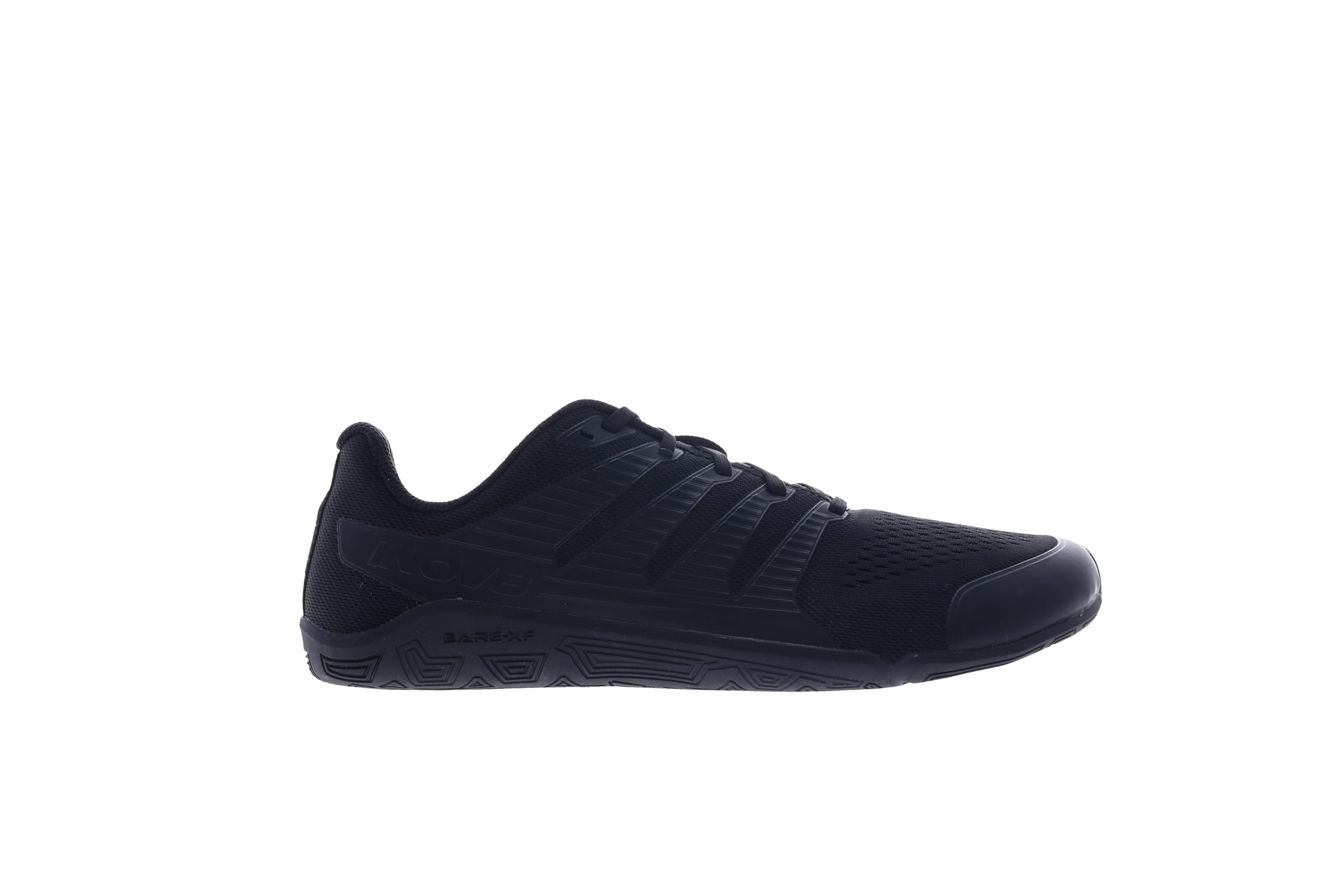
210 grams of shoe and a 2.5 mm rubber outsole — as close to barefoot as it gets.
Nothing else here puts you closer to the floor. The Bare-XF runs a 0 mm/0 mm stack height with no midsole cushioning at all, so your foot sits right on the ground. The outsole is 2.5 mm rubber, and the whole shoe weighs 210 g. The NATURALFIT shape locks in at the heel and midfoot then widens at the forefoot so your toes can splay. Underfoot flex grooves let the sole move with you through burpees and rope climbs.
Comfort is the thing buyers praise most here, with fit close behind — and the shoe shows up in calisthenics, yoga and martial arts as well as lifting. Grip has genuine history behind it: the brand says its rubber has been refined over the last 20+ years and tuned for gym use. A ROPE-TEC upper and a protective toe guard overlay take the wear that rope work and burpees throw at a shoe.
The one real weakness is durability. That is the most-discussed negative for this shoe, with owners describing it as flimsy. The thinness that gives you all that ground feel is the same thinness that wears faster. If you train hard five days a week on abrasive surfaces, that is the cost of the barefoot experience. If you want to feel every inch of the platform and nothing more, it delivers.
Why purists choose it
- 0 mm/0 mm stack and no midsole put your foot on the floor
- 210 g weight is the lightest stated figure on this list
- 2.5 mm rubber outsole with flex grooves for natural movement
- ROPE-TEC upper and toe guard take rope and burpee abuse
The cost of going barefoot
- Durability is the recurring negative — described as flimsy
- No midsole cushioning means no protection on hard landings
The pick for: lifters and calisthenics athletes who want maximum ground feedback and minimal shoe.
Not the pick for: high-volume training on rough surfaces where you need the shoe to outlast the session count.
6. New Balance Men’s Minimus Tr V2

The barefoot-style trainer that costs the least and still holds a stable base.
New Balance designed the Minimus TR V2 for explosiveness in the gym — made to feel like barefoot, but better, as the brand puts it. It is the cheapest way onto this list, and it does the basics right: an almost barefoot feel, a stable base and a build that suits HIIT work. At 1.28 pounds it is light enough to move fast in.
Comfort and stability are the things that land well with owners, and HIIT is repeatedly named as its natural home. Appearance gets a warm reception too. What splits opinion is width — the wide size is described by some as too narrow. That width call matters most if you are coming from a conventional trainer with more volume in the front.
Weighing it against the Altra Solstice XT 3 two spots up: the Altra has the roomier FootShape toe box and 23 mm of stack, the Minimus has the lower entry point and a barefoot feel. If wide feet are your reason for shopping, the Altra is the safer call. If you want a light, stable shoe for fast intervals and you have average-width feet, this one does the job.
Best fit: HIIT-first trainers with average-width feet who want a light, stable, entry-level zero-drop shoe.
Try before you commit: if you need a wide fit — the wide size runs narrower than some expect.
7. Vivobarefoot Women’s Motus Strength Zero-Drop Training Shoe

Added protection and stability for hard landings, without losing the barefoot feel.
Vivobarefoot calls the Motus Strength the first ever zero-drop barefoot strength-training shoe, and the first in its pinnacle performance range. The point of it is protection during high-impact workouts — more shielding and stability than a pure barefoot shoe, with the barefoot feel kept intact. At 2.13 pounds it is the heaviest shoe on this list, and that weight is the point: it is armour, not a minimal shell.
What owners like most about it is the look. That is a real consideration if you want a shoe that works for the gym and looks smart enough for the rest of the day. The trouble starts with size: this shoe runs larger than expected according to a number of wearers, and the fit causes issues too, with the top of the foot feeling tight for some. Those two notes dominate the feedback for this shoe.
Get the length and upper right and you have a genuine strength shoe built for impact. Get it wrong and the tightness across the top of the foot will nag you every session. It is a specialised pick — the Flux Adapt Graphene XT covers more ground for less outlay.
The build in one line: a zero-drop platform wrapped in extra protection and stability for high-impact training.
The sizing caveat: length runs larger than expected and the top of the foot runs tight, so try before you buy.
Go for it if: you want a barefoot-style strength shoe with more protection underfoot for punishing sessions.
Be careful if: you are ordering online without trying the fit — length and top-of-foot tightness are both open questions.
Know the Specs
Zero Drop and Stack Height
Drop is the height gap between heel and toe. Zero drop means that gap is 0 mm, so your heel and forefoot sit level. Stack height is a separate number — how much material sits under your foot. The INOV8 Bare-XF runs 0 mm/0 mm with no midsole, putting you on the floor. The Altra Solstice XT 3 runs 23 mm/23 mm, so it is level but cushioned. Both are true zero-drop shoes; they just feel very different under a bar.
Toe Box Width and Foot Shape
A wide toe box gives your toes space to spread instead of stacking. That spread is what makes a barefoot-style shoe work under load. Some shoes shape this deliberately: Altra’s FootShape, INOV8’s NATURALFIT shape that widens at the forefoot, and the wide toe box on the Flux Adapt Graphene XT. If your feet are average width, extra room is not a problem — it is the reason the shoe exists.
Weight and Ground Feel
A lighter shoe moves faster in HIIT and sprint work; a heavier shoe often carries more protection. The INOV8 Bare-XF weighs 210 g while the Vivobarefoot Motus Strength weighs 2.13 pounds — two very different jobs. Ground feel follows the same scale. Less midsole means more feedback for lifting technique, but less cushioning on hard landings.
Outsole Grip and Lateral Support
Grip comes from outsole rubber. The Reebok Nano Zero uses a high-traction outsole; the INOV8 Bare-XF uses 2.5 mm rubber with underfoot flex grooves. Lateral support comes from the upper and quarter panel — Altra’s A-frame quarter panel and Vivobarefoot’s wide, stable base both target side-to-side movement. For rope climbs and burpees, look for a toe guard overlay.
Common Questions
What does zero drop actually mean in a cross-training shoe?
Can I run in a zero drop cross-training shoe?
Does the Flux Adapt Graphene XT fit true to size?
How much ground feel do I lose with a cushioned zero drop shoe?
Which zero drop shoe is best for wide feet?
Are zero drop cross-training shoes good for lateral movements?
How do I clean a graphene-upper training shoe?
Is the INOV8 Bare-XF durable enough for heavy training?
Do zero drop shoes work for powerlifting and deadlifts?
What should I check before ordering the Vivobarefoot Motus Strength online?
The Bottom Line
For most people, the zero drop cross-training shoes winner is the Flux Adapt Graphene XT. It is the one shoe here that combines a level zero-drop platform, a wide toe box and a graphene upper that stays thin and flexible, and it carries the strongest comfort consensus of the bunch. Just order half a size up. If the rack is where you live, the Reebok Nano Zero gives you a firmer, grippier lifting base. And if your feet run wide, the Altra Solstice XT 3 with its FootShape toe box is the one to reach for. Try the Flux first — if the fit lands right, you probably will not need to look further.
How we choose
We do not accept paid placement. Every pick is matched to a real buyer and a real use-case; we do not hands-on test units.
Sources
Specifications: manufacturer listings and product documentation. Review insights: verified customer reviews, as of November 2026. Pricing: not shown on this page (it changes often); check the current price via the retailer link.
As an Amazon Associate, Tactical Gear Guy earns from qualifying purchases. This does not affect which products we feature.