Specs are compiled from manufacturer listings and verified buyer reviews and can change over time — please confirm the key details on the product page before buying.
Buying a phone that has to work across networks is where most people get burned. A handset can look amazing on paper and still refuse to activate on your carrier, and that single mismatch makes every other spec irrelevant. The phones below are all factory open up, and each one is broken down by the band support, battery size and display you actually live with.
This guide is built by comparing the manufacturers’ published specifications and the patterns across verified customer reviews, so you get each pick’s real strengths and trade-offs instead of marketing spin.
Some picks here carry 7,000mAh batteries while others lean on camera hardware, so the right answer depends on how you use a handset daily. This breakdown of the worlds phone shortlist tells you which one fits your carrier and your week.
Top Picks

How To Choose The Best Worlds Phone
Settle band support before the camera or the chip — whether the phone registers on the network you actually pay for decides everything else. A factory-open up handset skips carrier locks, but band support still decides whether calls, data and 5G work where you stand.
Check the bands before you check the camera
Every listing here publishes its LTE and 5G band list, and that list is the difference between a phone that activates and one that sits in a drawer. The Samsung A36 5G, for example, spells out its 4G and 5G bands and warns that some US MVNOs may not recognise an international IMEI (the phone’s unique ID number used for activation). Read that section twice if you use a prepaid or secondary carrier.
A phone built for AT&T and T-Mobile bands can still be a poor fit on Verizon, and more than one pick here says so outright. If your carrier is the one a listing hedges on, believe the hedge.
Battery capacity versus battery hours
Capacity in mAh (milliamp-hours — a measure of how much charge the battery holds) is the headline number, but the listing’s own talk-time and standby figures tell you more. A 10,000mAh rugged handset and a 5,150mAh flagship can both claim a full day; the rugged one simply carries more reserve for days away from a socket.
Display smoothness and pixel density
Refresh rate in Hz is how many times per second the screen redraws, and higher numbers make scrolling and motion feel smoother. Pixel density in PPI (pixels per inch — how tightly the display packs detail) decides how crisp text looks up close. A 165Hz panel and a 450 PPI count sit at the top of this group; a 90Hz panel at a lower density is fine for calls and maps, softer for reading.
Rugged ratings, repair design and weight
IP ratings describe dust and water resistance, and a rugged body trades weight for survival. Modular design takes a different route — the Fairphone Gen 6+ lets you swap the battery, screen, speaker or cameras yourself with a screwdriver. Decide if you want a rugged body, a modular frame or a sealed flagship before you compare price tiers.
Side-by-Side Comparison
| Model | Best For | Battery | Storage / RAM | Display | Amazon |
|---|---|---|---|---|---|
| OnePlus 15★ Best Overall | All-round flagship | 7,300mAh | 512GB / 16GB | 6.78″ 165Hz AMOLED, 450 PPI | Amazon |
| Nothing Phone (3)Most Distinctive | Standout design and camera spread | 5,150mAh | 512GB | 6.67″ 120Hz AMOLED, 460 PPI | Amazon |
| Fairphone (Gen. 6+)Repair Hero | Repair-it-yourself longevity | 4,415mAh | 256GB / 12GB | 120Hz OLED, 431 PPI | Amazon |
| HONOR 600 Pro | Camera hardware on a budget | 7,000mAh | 512GB / 12GB | 6.57″ AMOLED | Amazon |
| OnePlus 15R | Big battery, fast charging | 7,400mAh | 512GB / 12GB | 165Hz 1.5K AMOLED, 450 PPI | Amazon |
| Samsung Galaxy S25 Ultra | Zoom and display quality | 5,000mAh | 256GB / 12GB | 6.9″ 120Hz AMOLED, 498 PPI | Amazon |
| Google Pixel 11 Pro XL | Camera-first Android | 5,115mAh | 512GB | — | Amazon |
| Google Pixel 11 Pro Fold | Folding multitasking | 4,750mAh | 512GB | 8″ folding screen | Amazon |
| Samsung A36 5G | Mid-range everyday | 5,000mAh | 256GB / 8GB | 6.7″ 120Hz AMOLED, 393 PPI | Amazon |
| Motorola Moto g (2026) | US carrier coverage | 5,200mAh | 128GB / 4GB | 6.7″ 120Hz | Amazon |
| Blackview Rugged | Off-grid and job sites | 10,000mAh | 128GB / 12GB | 6.56″ 90Hz | Amazon |
Detailed Reviews
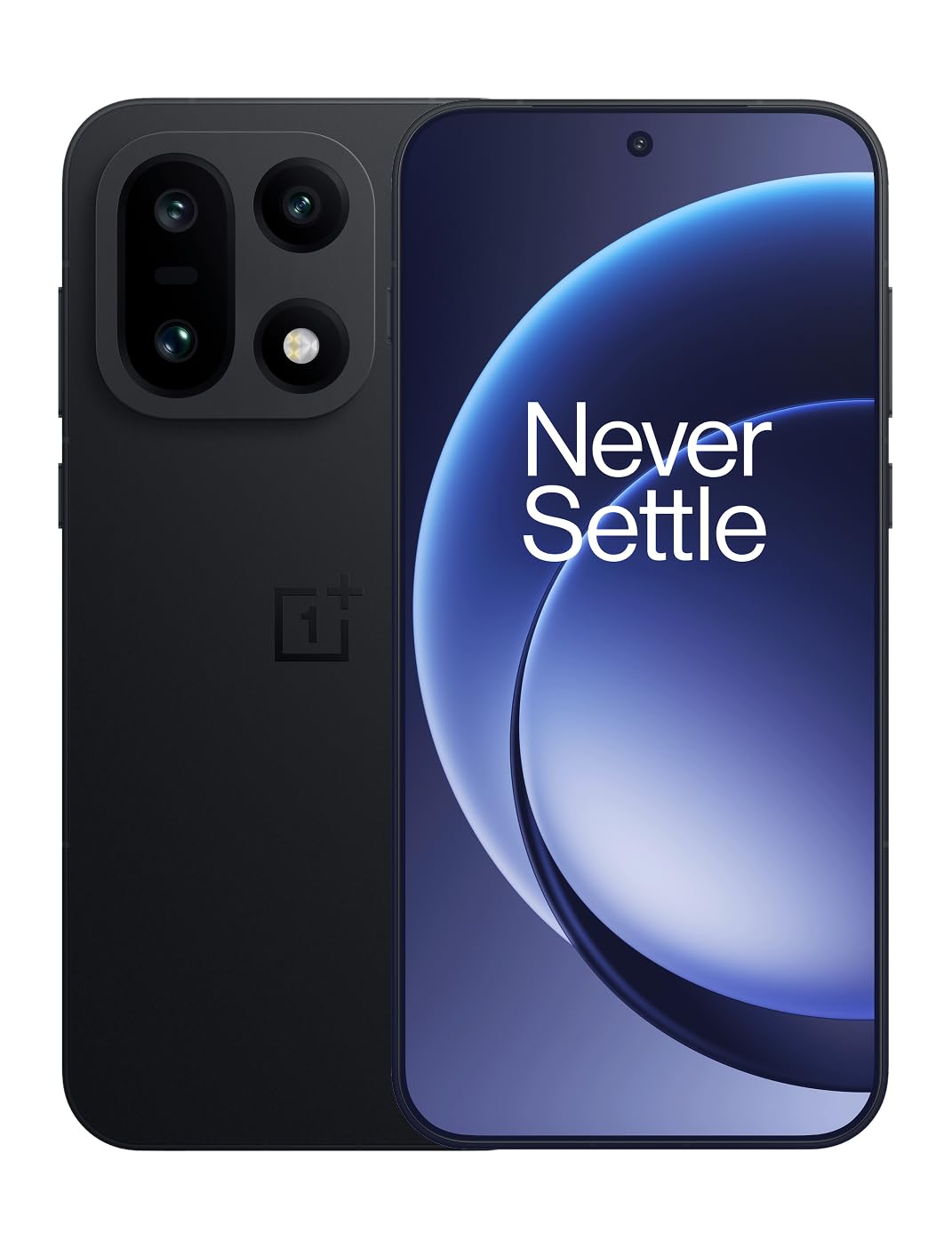
1. OnePlus 15 16GB RAM + 512GB Storage
Our pick — 4.5+★ from 350+ verified ratings; the strongest balance of quality and price.
A 7,300mAh cell and 165Hz panel make this the phone that never asks for a socket.
The OnePlus 15 wins on the two numbers that shape a long day: a 7,300mAh battery (milliamp-hours — the charge it holds) and a 6.78″ 165Hz AMOLED screen. That refresh rate means the display redraws 165 times a second, so scrolling a long page or a map feels fluid rather than steppy. Detail is equally tight at 450 PPI (pixels per inch — how densely the screen packs pixels), which keeps small text readable without zooming.
Power comes from a Snapdragon 8 Elite Gen 5 chipset paired with a dedicated Wi-Fi chip and a CPU scheduler, a three-part setup OnePlus calls its tri-chip system. You feel that in smoother switching between apps and steadier connections. Memory and room are the other reason it takes the top spot: 16GB RAM (working memory for open apps) against the Motorola Moto g’s 4GB, and 512GB storage (room for photos, apps and video) against the Blackview’s 128GB.
The camera layout is three 50MP sensors — wide, ultra-wide and telephoto — so the trade-off is honest: the telephoto stretches your reach, but the review pages are split on whether the camera output matches the price, and performance drew a similar mixed read.
What earns it first place
- 7,300mAh battery for heavy days away from a charger
- 165Hz display with 450 PPI for smooth, sharp reading
- 512GB storage and 16GB RAM headroom
- Triple 50MP cameras covering wide, ultra-wide and telephoto
- Dual SIM with wireless charging built in
Where expectations need calibrating
- Camera output splits opinion against what it costs
- Some units reportedly hit functionality hiccups
Go for this if: you want the most complete open up Android here — big battery, high refresh panel, plenty of storage.
Think twice if: camera quality is your deciding factor, since that area reads mixed rather than settled.
2. Nothing Phone (3), 5G open up, 512GB, Four 50MP Cameras
Four 50MP cameras and a light-up back you will not confuse with any other phone.
The Nothing Phone (3) is the one here with a look you notice across a table. Its Glyph Matrix turns the rear lighting into animated alerts, and the case and screen protector come in the box, so you are not shopping accessories on day one. The 6.67″ 1.5K AMOLED flex display runs at 120Hz adaptive refresh and packs 1.07B colours, which you read as smooth motion and rich images rather than banded gradients.
Camera count is the sales pitch: all four sensors are 50MP, covering main, periscope, ultra-wide and front. Video runs through Ultra XDR 4K, with Night Mode and a Portrait Optimiser, so low-light shots and people shots each get dedicated handling. The 4nm Snapdragon 8s Gen 4 chipset with 3.2GHz cores and 512GB storage keeps apps quick to open.
The honest catch sits in the battery and carrier edges. A 5,150mAh cell is smaller than the OnePlus 15’s 7,300mAh, and the listing says Verizon use needs your IMEI whitelisted first — with the maker not recommending that network at all.
Where it shines: the Glyph lighting and the four-camera 50MP spread give you features no other pick in this group carries, and the IP68 rating means dust and water are covered.
The honest trade: value for money reads mixed in the reviews, and the 5,150mAh battery asks for a nightly charge where the two OnePlus models do not.
Reach for this if: you want a phone people ask about, with a camera for every situation and solid AT&T or T-Mobile band coverage.
Look elsewhere if: you are tied to Verizon or you want the biggest battery in the group.
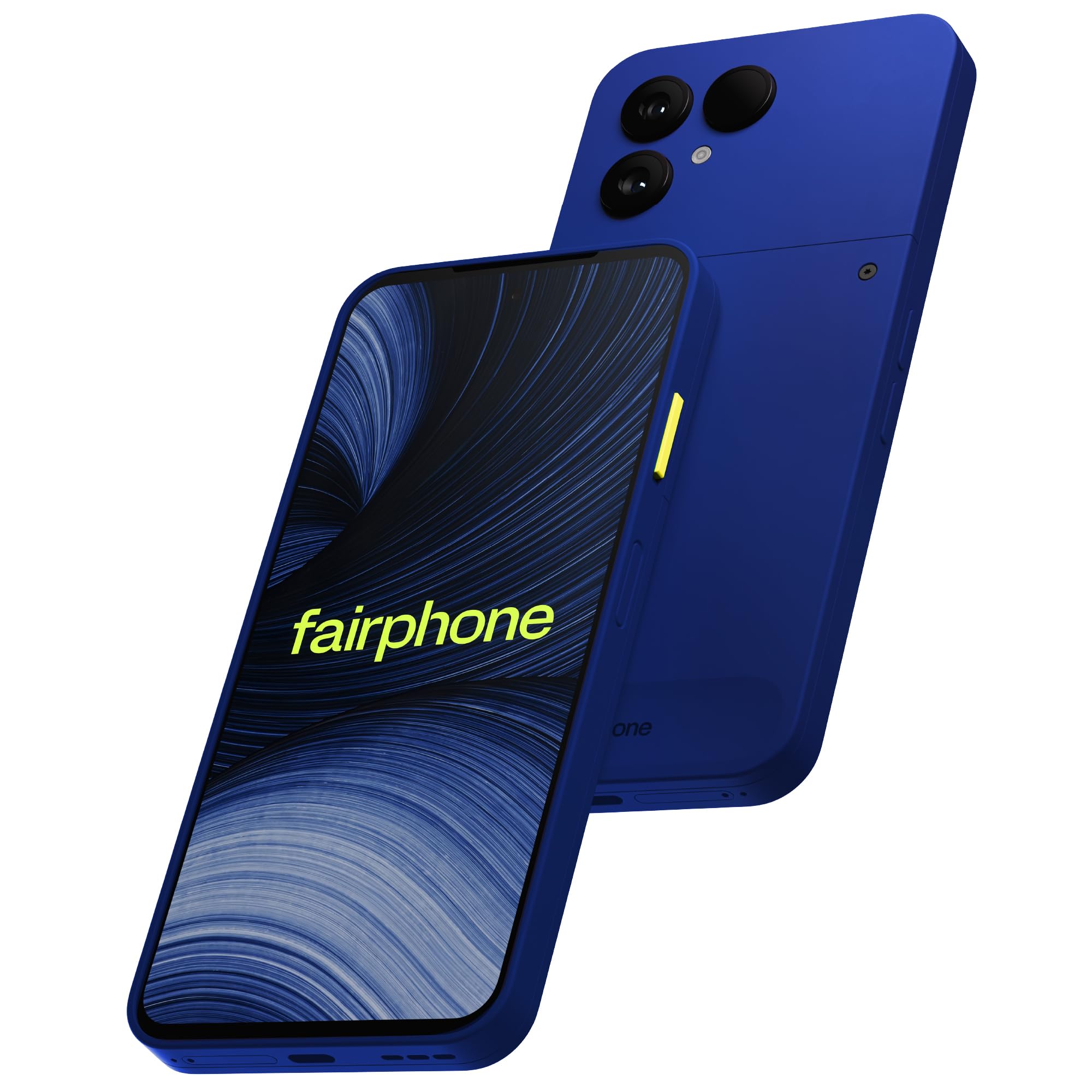
3. Fairphone (Gen. 6+) 12GB/256GB Modular open up Android Phone
A phone built from 12 swappable parts, so a dead battery never means a dead handset.
Most phones on this list are sealed boxes. The Fairphone Gen 6+ splits into 12 modules, letting you replace the battery, screen, speaker or cameras yourself with a screwdriver. That repairability is backed by a hardware warranty of up to five years and software support through 2033 — longer than any other pick here publishes.
The 120Hz OLED panel (a screen that redraws 120 times a second for smooth scrolling) covers 431 PPI, and 256GB built-in expands up to 2TB. Power comes from a Snapdragon 7s Gen 4 with 12GB RAM. Gorilla Glass 7i and an IP55 splash rating mean rain and spills are survivable, not fatal.
Battery is where you feel the compromise: 4,415mAh is the smallest capacity on this list, though the maker’s own claim and owner experience line up around two days per charge. Fairphone Moments also lets you strip the home screen to five essential apps when you want quiet.
The money move: keeping one handset alive for years beats replacing a sealed model, and the replaceable parts mean a cracked screen is a screwdriver job, not a new phone.
Hold on: AT&T and T-Mobile work, but Verizon and its MVNOs are not supported — confirm your carrier before you commit.
Built for you if: longevity and repairability matter more than raw benchmark speed.
Pass it by if: you are on Verizon or you need the biggest battery available.
4. HONOR 600 Pro Dual-SIM 512GB + 12GB RAM, Factory open up 5G

A 200MP main sensor and a 3.5x optical zoom at a mid-range spend.
Camera hardware is the reason to look here. The rear setup leads with a 200MP wide sensor at f/1.9, adds a 50MP telephoto with 3.5x optical zoom and optical image stabilisation, then finishes with a 12MP ultra-wide and a 50MP front camera. In plain terms, the zoom gives you real reach for school plays and stadium seats, and stabilisation steadies hand-held shots.
A 7,000mAh battery sits right behind a Snapdragon 8 Elite chipset built on a 3nm process, matched with 12GB RAM and 512GB storage. That storage matches the OnePlus 15’s 512GB, so you are not trading app space for photo room. The 6.57″ AMOLED screen displays 1B colours.
One practical note the listing makes plain: this is a GSM-only international version with no CDMA, so it suits AT&T and T-Mobile-style networks rather than Verizon. It also ships with a USB cable only, so plan on sourcing a wall adapter.
What you gain: a 200MP main camera, 3.5x optical zoom and a 7,000mAh battery in the same handset — a combination the mid-tier picks here do not offer.
What to verify: GSM-only means no CDMA carrier support, so check your network’s band list before ordering.
Worth it when: you shoot a lot of photos at distance and want zoom reach without flagship spend.
Skip the idea if: you need CDMA carrier support or a charger in the box.
5. OnePlus 15R 12GB RAM + 512GB Storage
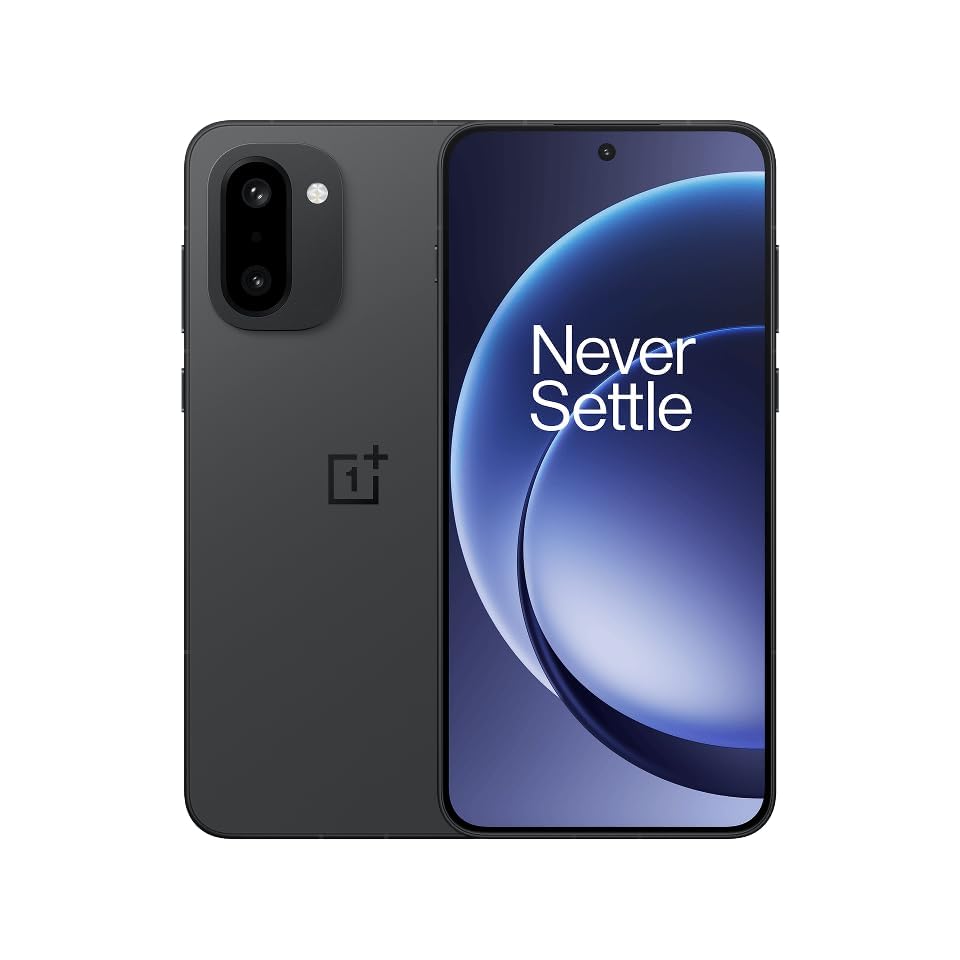
The biggest battery in the lineup — 7,400mAh — paired with 80W charging.
If battery anxiety is your main complaint, start here. The OnePlus 15R packs a 7,400mAh cell, the largest capacity on this list, and tops it with 80W SUPERVOOC charging (a fast-charge standard that pushes a lot of power in a short window). Compare that to the Samsung A36 5G at 5,000mAh and you can see why owners talk about it lasting all day and beyond.
The 165Hz 1.5K AMOLED display pairs with a 3200Hz touch response chip, so taps register at a high sampling rate for snappy feedback. Detail lands at 450 PPI at a 2800×1272 resolution — the same density as the OnePlus 15 above. A Snapdragon 8 Gen 5 chip and a custom Wi-Fi chip round out the speed side.
Camera is the area owners split on: capability is described as decent rather than class-leading. The battery and screen are why you buy it, not the photo stack.
The case for it
- 7,400mAh battery — the largest here
- 80W SUPERVOOC charging for fast top-ups
- 165Hz display with 450 PPI
- IP ratings covering dust and strong water blasts
- Snapdragon 8 Gen 5 with 512GB storage
The limits
- Camera quality reads mixed against the price
- No telephoto among the camera specs listed
The right call for: heavy users who charge overnight and want the most reserve of any phone here.
Wrong call if: the camera is what you care about most.
6. Samsung Galaxy S25 Ultra 5G, 256GB, 6.9″ 120Hz AMOLED, 200MP

A 6.9-inch AMOLED panel at 498 PPI — the sharpest screen in this group.
Reading text on the S25 Ultra is the giveaway. Its 6.9″ Dynamic LTPO AMOLED 2X display resolves 1440 x 3120 pixels at roughly 498 PPI, which beats the Samsung A36 5G’s 393 PPI by a clear margin. Add a 120Hz refresh and HDR10+ support and you get smooth motion with deep contrast. Gorilla Armor 2 with an anti-reflective coating cuts glare outdoors.
The camera cluster is four sensors anchored by a 200MP wide lens, backed by a 10MP telephoto at 3x optical zoom, a 50MP periscope telephoto at 5x, and a 50MP ultra-wide. Video tops out at 8K@24/30fps. A titanium frame (grade 5) and Gorilla Glass Victus 2 on the back make it a solid object in the hand — 218 g of it.
Two things to weigh: it carries a 5,000mAh battery, smaller than the OnePlus 15R’s 7,400mAh, and the listing warns it is a GSM version with no CDMA support, plus no US warranty on this international edition.
Screen and reach: a 498 PPI panel and 5x optical zoom put it ahead of most picks here for detail and distant shots.
Carrier caution: verify GSM band support for your network and accept the international warranty situation before you buy.
Pick it for: the best display and the longest optical zoom reach on this list.
Not for you if: you need CDMA coverage or a US manufacturer warranty.
7. Google Pixel 11 Pro XL – open up Smartphone, Gemini, 512GB
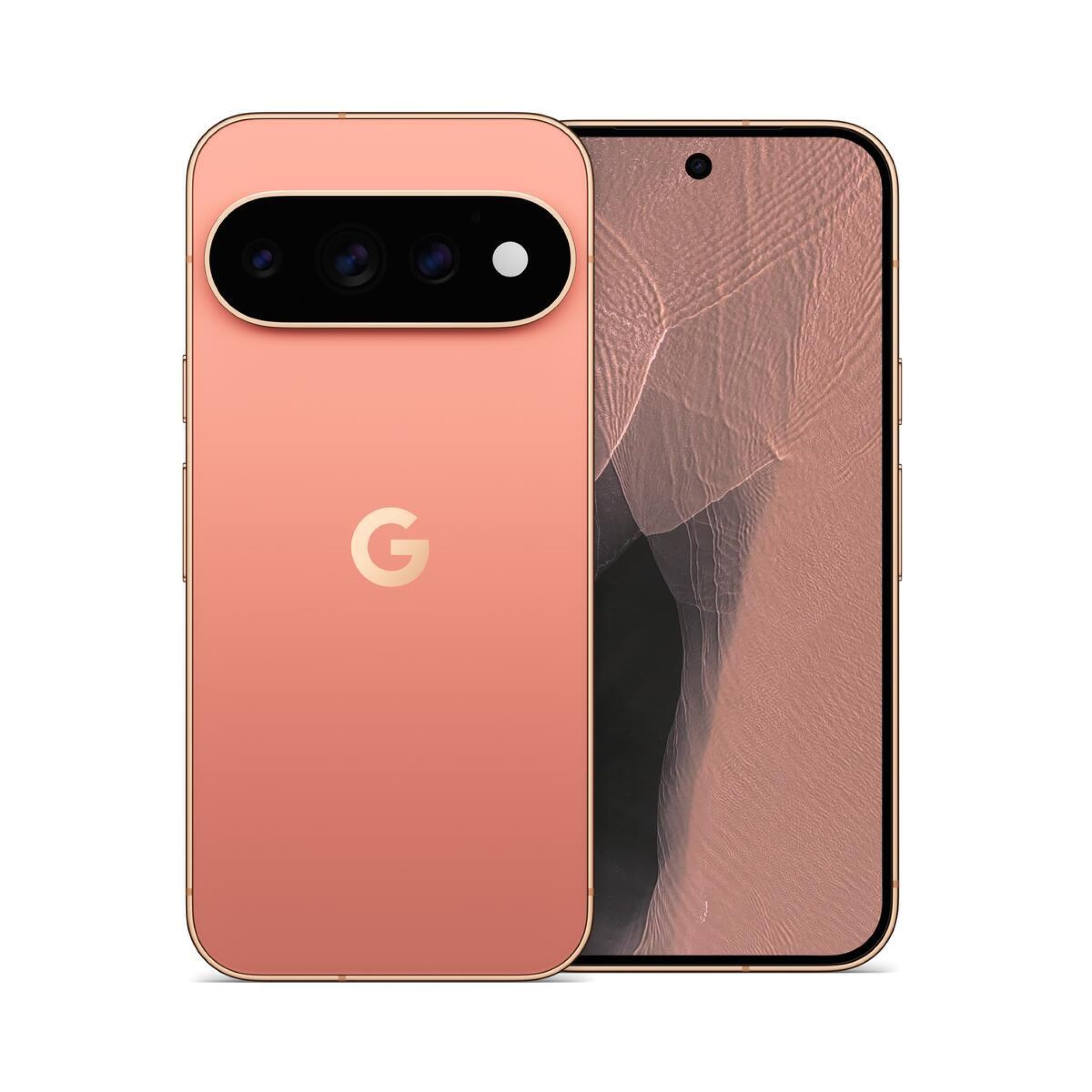
A bigger telephoto sensor and one-tap Magic Capture do the heavy lifting here.
Google’s pitch on the Pixel 11 Pro XL is the camera, and the details are concrete: a larger telephoto sensor that captures 30% more light for clearer shots in the dark, plus the longest zoom Google has put in a Pixel. Magic Capture grabs video and photos with one tap, then edits, crops and unblurs them for you, which saves the post-shoot tidying.
The carrier story is simpler than most here. This open up Android phone works with Google Fi, Verizon, T-Mobile, AT&T and other major carriers, so you have real freedom to switch. A 5,115mAh battery and 512GB of storage keep you going through a full day with room for a large photo library.
It also leans on software: Gemini Intelligence handles details for you, and Pixel HiLight glows gently when favourite contacts call while the phone sits face down. The trade-off is value — the review pages disagree on whether the price is matched by the experience.
Camera-first reasoning: the larger telephoto sensor and one-tap capture-and-edit put the camera workflow ahead of any other pick on this list.
Cost check: value for money reads mixed, so buy it for the camera and software, not for a bargain.
Made for: shooters who want point-and-shoot simplicity with top-tier low-light reach.
Second thoughts if: you want the lowest cost per spec on this list.
8. Google Pixel 11 Pro Fold – open up Smartphone, Gemini, 512GB
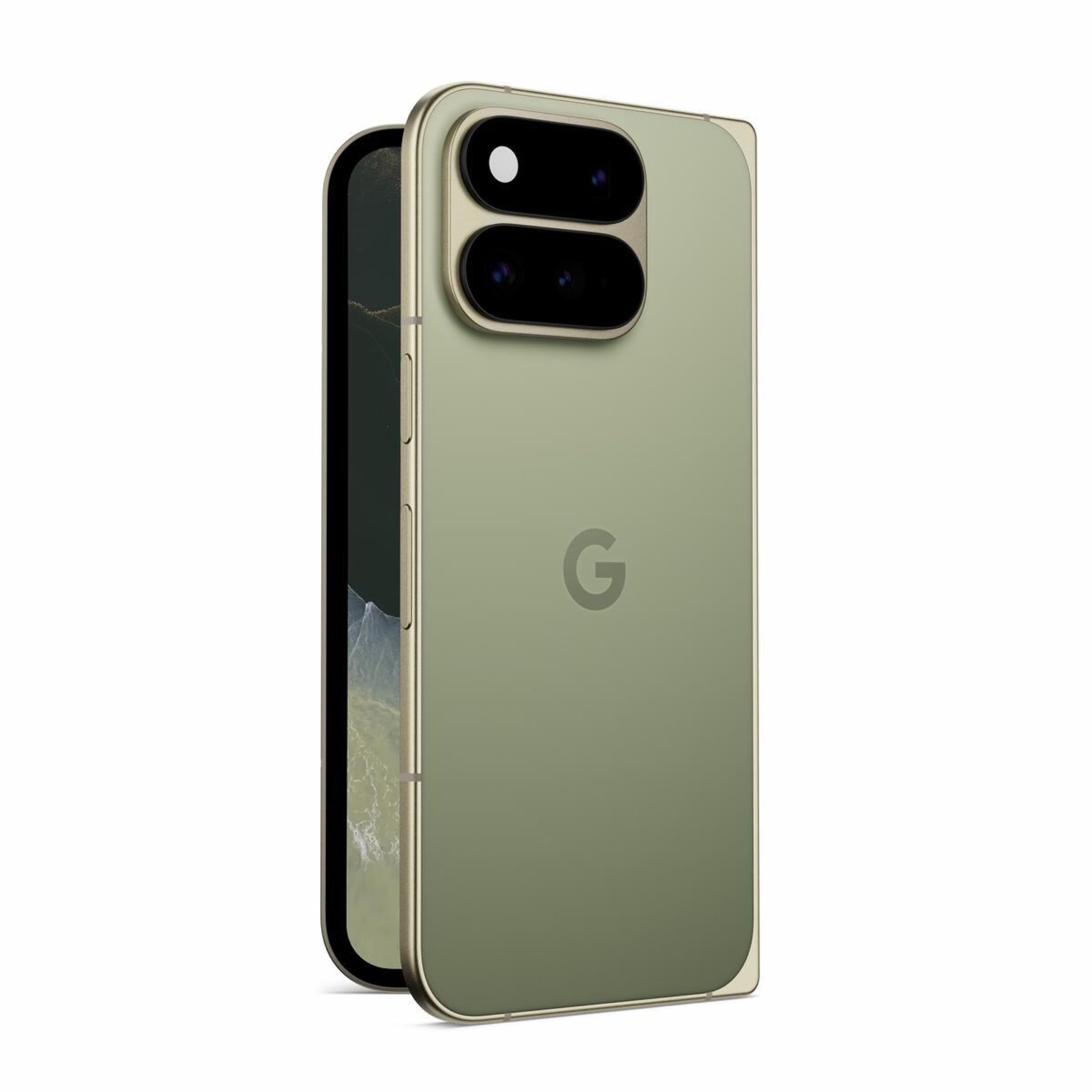
An 8-inch screen that folds into a pocket, built for people who work on a phone screen.
The reason to consider the Pixel 11 Pro Fold is the 8-inch display. Unfold it and you get a tablet-sized canvas for splitting apps side by side; fold halfway into tabletop mode and it props itself up for hands-free streaming. Multitasking is the whole point, and the form factor delivers it in a way no slab phone on this list can.
Google specifies an ultra-durable composite back, scratch-resistant glass and an all-new hinge it says is 3x stronger than before. Inside, a G6 Tensor chip and Titan M3 security chip handle processing and data protection, with 512GB of storage and Gemini Intelligence built in. open up carrier support covers Google Fi, Verizon, T-Mobile, AT&T and other major networks.
The practical trade is battery and bulk. A 4,750mAh cell is among the smaller capacities here, and the folding body adds heft a standard phone does not carry.
Why it exists: the 8-inch foldable screen creates genuine workspace no standard phone can match.
What you give up: a 4,750mAh battery and a heavier frame, in exchange for that bigger canvas.
For you when: you want a phone that doubles as a small tablet for streaming and split-screen work.
Not the one if: you want a light phone with the longest battery life.
9. Samsung A36 5G International open up 8+256GB DualSIM
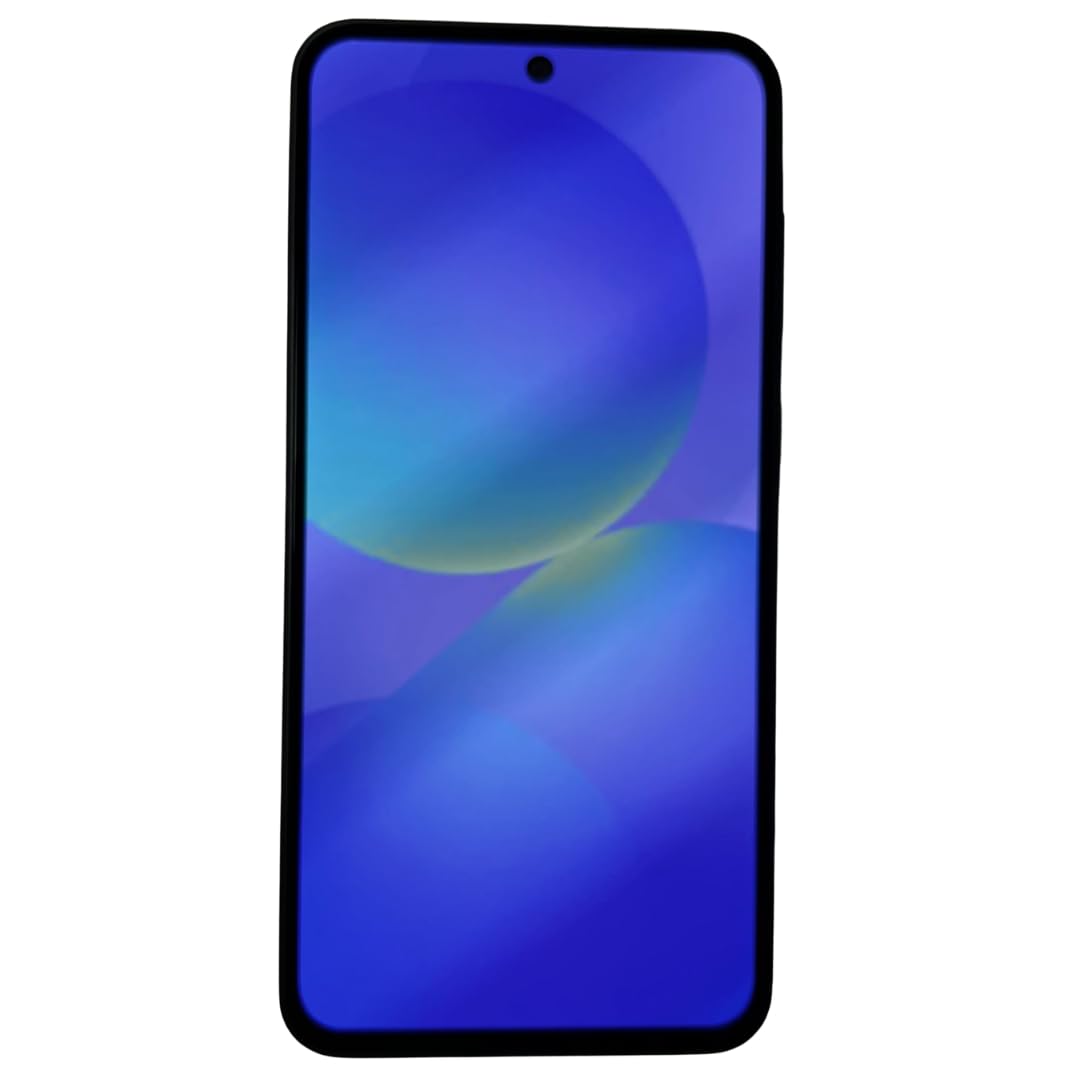
A 6.7-inch AMOLED at 120Hz that does the basics without asking much.
For everyday calls, maps and messaging, the Samsung A36 5G gives you the essentials without the flagship spend. Its 6.7″ FHD+ Super AMOLED runs at 120Hz and 1080×2340 pixels at 393 PPI, matching the OnePlus 15R’s 165Hz in purpose if not in smoothness. A 5,000mAh battery keeps it going easily through a full day, and the 50MP main camera with an 8MP ultra-wide and 5MP macro covers most shots.
Samsung backs it with up to 6 major Android upgrades and One UI 7 on Android 15, and a 4nm Snapdragon 6 Gen 3 chip keeps performance steady. Storage sits at 256GB with 8GB RAM and no SD slot, so plan your photo library accordingly.
Read the band section before you buy. Samsung states it works with T-Mobile and its MVNOs and warns it is not compatible with Spectrum, Cricket, Xfinity, H2O or Visible — with no US manufacturer warranty on this international model.
Solid ground
- 6.7″ AMOLED at 120Hz
- 5,000mAh battery that covers a full day
- Up to 6 major Android upgrades
- IP67 dust and water resistance
Before you order
- Not compatible with several US MVNOs
- No SD card slot
Sensible for: T-Mobile and MVNO users who want a bright AMOLED screen and long update support.
Wrong fit if: you are on Cricket, Spectrum, Xfinity, H2O or Visible.
10. Motorola Moto g – 2026, open up, Made for US, 4/128GB
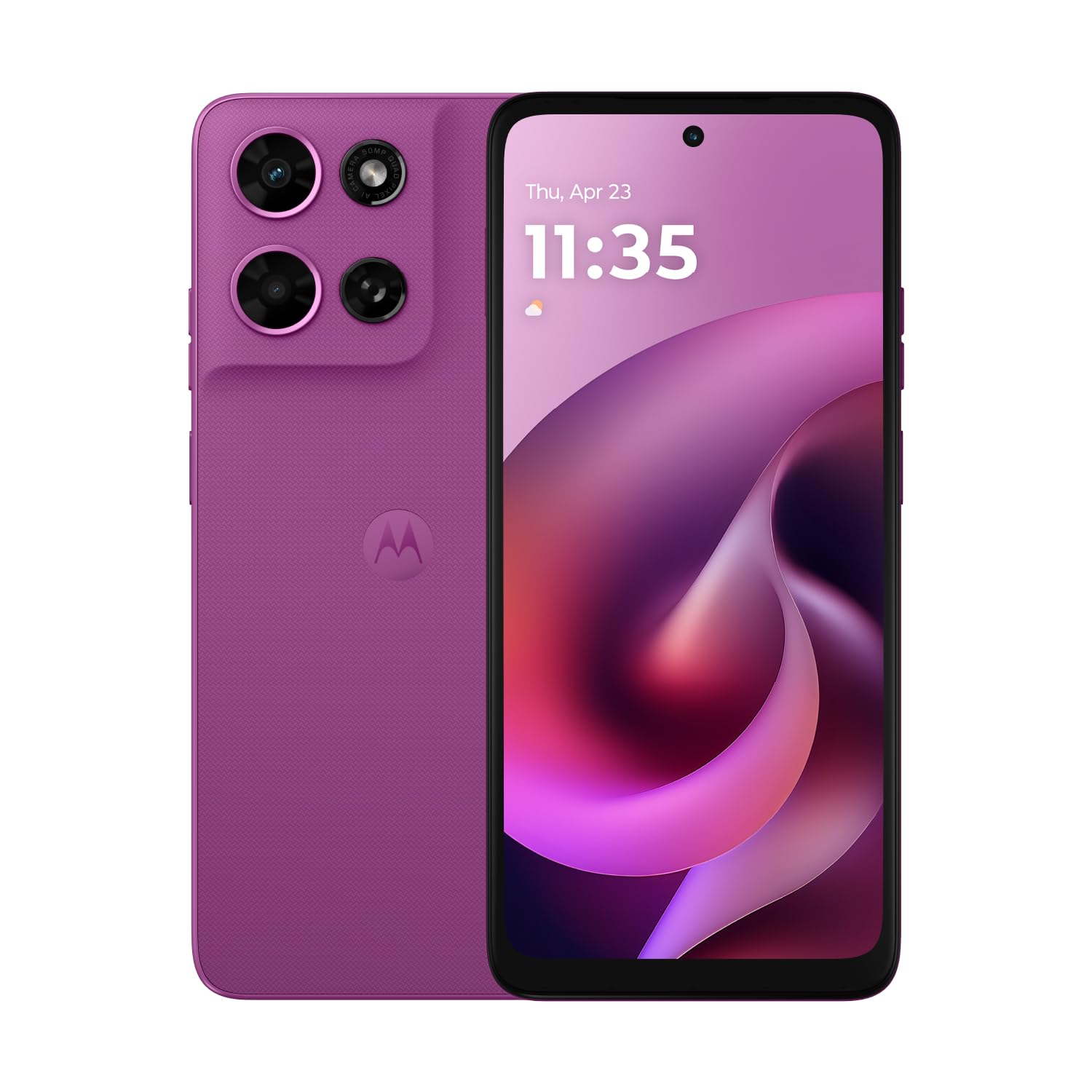
An open up handset that names every major US carrier — and means it.
Carrier compatibility is the headline for the Moto g. Motorola says it works with all major US carriers including Verizon, AT&T, T-Mobile and prepaid networks, which takes the guesswork out of activation where other picks here hedge. That is a real advantage if you use Verizon or a smaller prepaid brand.
The screen is a 6.7″ panel at 120Hz with a minimum refresh rate of 60Hz, so scrolling and video feel smooth. Camera specs read 50MP on the rear and 32MP on the front, and a MediaTek Dimensity 6300 chipset with 5G and up to 12GB of RAM with RAM Boost handles the speed side. Stereo speakers with Dolby Atmos and Hi-Res Audio give you proper left-right sound for video.
The trade is storage and battery. A 5200mAh battery is solid but smaller than the Blackview’s 10,000mAh, and the base configuration here is 4GB RAM with 128GB of storage — modest next to the 16GB and 512GB on the OnePlus 15. If you keep a large media library, size up within the lineup.
Carrier confidence: the explicit Verizon, AT&T and T-Mobile support is worth more than any single spec for a US buyer who switches SIMs.
Space reality: 128GB storage and 4GB base RAM fill up fast if you shoot a lot of 50MP photos.
Buy it if: you are on Verizon or a prepaid carrier and want an open up phone that activates without drama.
Hold off if: you need large onboard storage from day one.
11. Blackview Rugged Phone Android 16, 10000mAh, 12GB+128GB
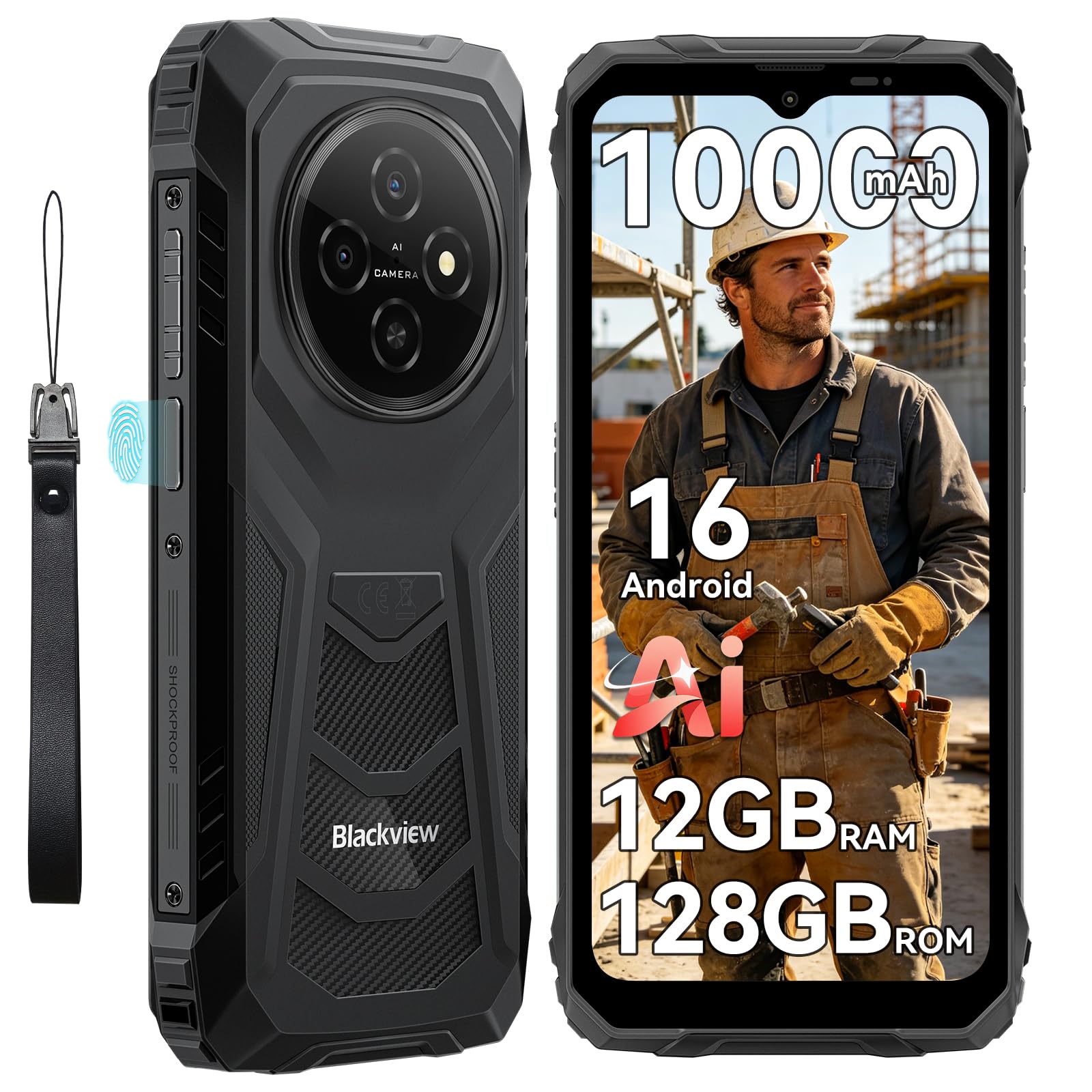
A 10,000mAh battery and a body rated for drops and water when the job site has no socket.
The 10,000mAh cell is rated for up to 20 days of standby, 20 hours of talk time and 8 hours of video playback. For comparison, the Motorola Moto g carries 5,200mAh.
Durability backs it up: a body rated for 2m drop resistance, 2m water resistance for 30 minutes and full dust protection, sitting behind the phone’s IP69K rating (a high dust and water-pressure grade). It runs Android 16 with 12GB RAM and 128GB storage, expandable to 2TB, plus OTG so you can plug USB devices straight in. A 6.56″ screen runs at 90Hz with 450 nits of brightness.
The trade-offs are real. The 720×1612 resolution and slower performance reports split opinion, and the weight is noticeable in hand. It is a tool, not a pocket flagship.
Where it delivers
- 10,000mAh battery for multi-day trips
- Rugged body built for drops, dust and water
- 12GB RAM with 2TB expandable storage
- OTG for plugging in USB kit directly
Honest limits
- Screen resolution is 720×1612 — not sharp for media
- Performance and weight read mixed against lighter phones
Built for the field: crews and campers who need the phone to outlast the trip and survive a drop.
skip it if: you want a slim phone with a sharp, high-resolution screen.
Know the Specs
Battery capacity in mAh
Milliamp-hours measure how much charge the battery holds. Bigger numbers usually mean more reserve, but talk time and standby tell you the realistic picture. The 10,000mAh Blackview claims up to 20 days of standby, while a 5,000mAh phone like the Samsung A36 5G covers about a single full day. Choose the size that matches how far you roam from a charger.
Refresh rate and pixel density
Refresh rate in Hz is how often the screen redraws each second, so 165Hz looks smoother in motion than 90Hz. Pixel density in PPI is how tightly the screen packs detail, so 498 PPI reads sharper than 393 PPI at the same size. Higher numbers both tend to cost more and drain a little more power.
Band support and IMEI checks
LTE and 5G band lists show which networks a phone can talk to. An open up handset is not carrier-locked, but it still needs the right bands and sometimes an IMEI whitelist to activate on a given network. Always read the carrier notes in a listing before you order, especially for Verizon and its MVNOs.
IP ratings and modular design
IP ratings describe dust and water resistance, with higher numbers handling more water pressure. Modular designs take a different path, letting you replace parts yourself rather than sealing the phone shut. Both approaches trade something: rugged bodies add weight, and modular frames cost more up front for long-term repairability.
Common Questions
Will an open up phone work on my carrier if I switch SIM cards?
Why does a phone with a bigger battery sometimes last the same as a smaller one?
Is a 165Hz refresh rate worth it over 120Hz?
What does IP69K actually mean for water and dust?
Do dual-SIM phones let me run two carriers at once?
Can I replace a dead battery myself on any of these phones?
How much storage do I need for a 200MP camera phone?
Does an international version phone come with a US warranty?
What should I check before traveling abroad with an open up phone?
Is a folding phone screen as durable as a standard phone screen?
The Bottom Line
For most buyers, the winner is the OnePlus 15 — a 7,300mAh battery, a 165Hz AMOLED screen at 450 PPI and 512GB of storage make it the most complete open up phone here. If you want the longest lasting battery, the OnePlus 15R pushes to 7,400mAh with 80W charging. And for a camera-first Android with the widest carrier freedom, the Google Pixel 11 Pro XL is the one to reach for.
Two other cases stand out. Anyone who needs their phone to survive job sites and days away from power should look at the Blackview Rugged Phone with its 10,000mAh battery. And if repairability matters, the Fairphone Gen 6+ lets you swap its own parts with a screwdriver — a genuinely different kind of long-term value.
How we choose
We do not accept paid placement. Every pick is matched to a real buyer and a real use-case; we do not hands-on test units.
Sources
Specifications: manufacturer listings and product documentation. Review insights: verified customer reviews, as of November 2026. Pricing: not shown on this page (it changes often); check the current price via the retailer link.
As an Amazon Associate, Tactical Gear Guy earns from qualifying purchases. This does not affect which products we feature.