Specs are compiled from manufacturer listings and verified buyer reviews and can change over time — please confirm the key details on the product page before buying.
A “world phone” is not a marketing badge — it is a phone that is open up and carries the network bands to work on carriers in more than one country. That matters most for travelers and for anyone buying a phone abroad or bringing one home. The catch is that “open up” and “global” get printed on listings that still refuse a Verizon SIM or drop to 3G in Europe. Below you get the picks that actually carry multi-carrier support, ranked with the ones that keep it simplest at the top.
This guide is built by comparing the manufacturers’ published specifications and the patterns across verified customer reviews, so you get each pick’s real strengths and trade-offs instead of marketing spin.
Band lists, SIM formats, and carrier whitelists decide whether a phone roams or roams nowhere, so each pick below names exactly which networks it is built for. if you need T-Mobile signal at home or a prepaid SIM in Asia, these are the open up world phones worth buying.
Top Picks


How To Choose The Best World Phone
Start with the carriers you actually use, not the phone’s color or camera count. A world phone earns the name when its band list matches your home network and the networks where you travel. The right pick is the one whose SIM format and carrier list match your home network and travel destinations.
Check the band list, not the word “open up”
open up means no carrier lock — you can insert any compatible SIM. It does not guarantee that SIM will get signal. Look for the 5G and 4G LTE band numbers the listing publishes and compare them with your carrier’s coverage page. A phone that lists T-Mobile bands but not Verizon’s is a T-Mobile phone, not a universal one.
Decide between dual SIM and single SIM with eSIM
Dual SIM means two lines live at once, so you can keep your home number active while running a local travel card for data. Some phones here take two physical nano SIMs, while others pair one nano SIM with an eSIM — a digital SIM you activate through the carrier. If you swap prepaid cards often, two physical slots are simpler.
Watch for International IMEI rules
An IMEI is the phone’s unique identity number, and some U.S. carriers only activate numbers they recognize in their database. Global and international models can therefore need a carrier call before they take a new SIM. This is a setup step, not a defect — but it is a step you want to know about before you buy.
Side-by-Side Comparison
| Model | Best For | Battery | SIM Setup | Carrier Support | Amazon |
|---|---|---|---|---|---|
| Samsung Galaxy S25★ Best Overall | Everyday flagship with AI tools | 4000 mAh | Single SIM | open up Android, multi-carrier | Amazon |
| Motorola Moto G15Best Value | Value 4G daily driver | 5200 mAh | Dual SIM | T-Mobile, Metro, Mint, Tello | Amazon |
| Motorola Moto G Power 2025Big-Screen Pick | Big screen and long battery | 5000 mAh | Single SIM | Verizon, AT&T, T-Mobile | Amazon |
| Samsung Galaxy A56 5G | Mid-range with big AMOLED | 5000 mAh | Dual SIM | T-Mobile and global, AT&T/Verizon with active SIM | Amazon |
| Xiaomi Redmi Note 15 Pro+ | Huge battery and 200MP camera | 6500 mAh | Dual SIM (nano + nano/eSIM) | T-Mobile, Mint, Tello; global GSM | Amazon |
| Nothing Phone (3) | Standout design and quad cameras | 5150 mAh | Dual SIM | AT&T, T-Mobile; Verizon not recommended | Amazon |
| Fairphone (Gen. 6+) | Easy self-repair, long software support | 4415 mAh | Dual SIM | AT&T, T-Mobile and MVNOs; not Verizon | Amazon |
| OnePlus 15R | Enormous battery, fast charging | 7400 mAh | Dual SIM | open up Android, multi-carrier | Amazon |
| Google Pixel 10 Pro | Camera and AI built in | 4870 mAh | Single SIM | Google Fi, Verizon, T-Mobile, AT&T | Amazon |
| OnePlus 15 | Max storage and 7300 mAh | 7300 mAh | Dual SIM | open up Android, multi-carrier | Amazon |
| BLU G35 | Entry-level GSM phone | 5000 mAh | Single SIM | T-Mobile, Metro, AT&T, Cricket, Mint; not CDMA | Amazon |
Detailed Reviews
1. Samsung Galaxy S25 128GB
Our pick — 4.5+★ from 900+ verified ratings; the strongest balance of quality and price.
It is the cleanest everyday flagship here — no carrier lock, no whitelist call, no guesswork.
The Galaxy S25 is the easiest world phone to hand a traveler, because a standard open up Android that works across U.S. carriers leaves nothing to negotiate. Inside sits the Snapdragon 8 Elite processor — Qualcomm’s flagship chip — so photo edits and video slowdowns happen without lag. The ProScaler display keeps text and photos sharp at any size, and the 4000mAh battery runs for a listed 28 hours of talk time.
Battery is where you should look twice. Against the Galaxy A56’s 5000mAh, Samsung’s own numbers put the S25 at 4000mAh, so the A56 holds more capacity. That is the price of this thinner flagship body. The 28-hour talk time still beats the Moto G Power’s 24 hours, which is the number that matters on a travel day with calls and maps running.
You will notice the AI layer first. It summarizes your notifications before you open up, so you see what matters at a glance. The camera’s Audio Eraser lets you cut background noise from a video — handy when you film a market or a street scene and want the voice, not the traffic. Low-light portraits are the standout. One honest note from the reviews: some buyers report signal quirks that others never see. Check that your carrier is on the supported list before you commit.
What earns its place
- Snapdragon 8 Elite processor keeps editing and multitasking quick
- 28 hours of listed talk time spans a full travel day
- Audio Eraser strips background noise from video
- open up Android pairs with major U.S. carriers directly
What to weigh first
- 4000mAh battery holds less capacity than the A56’s 5000mAh
- Connectivity reports are mixed, so verify your carrier first
Best for: the traveler who wants a flagship that activates without a carrier phone call.
Check first: the 4000mAh cell is the smallest-capacity battery among the Samsung picks here.
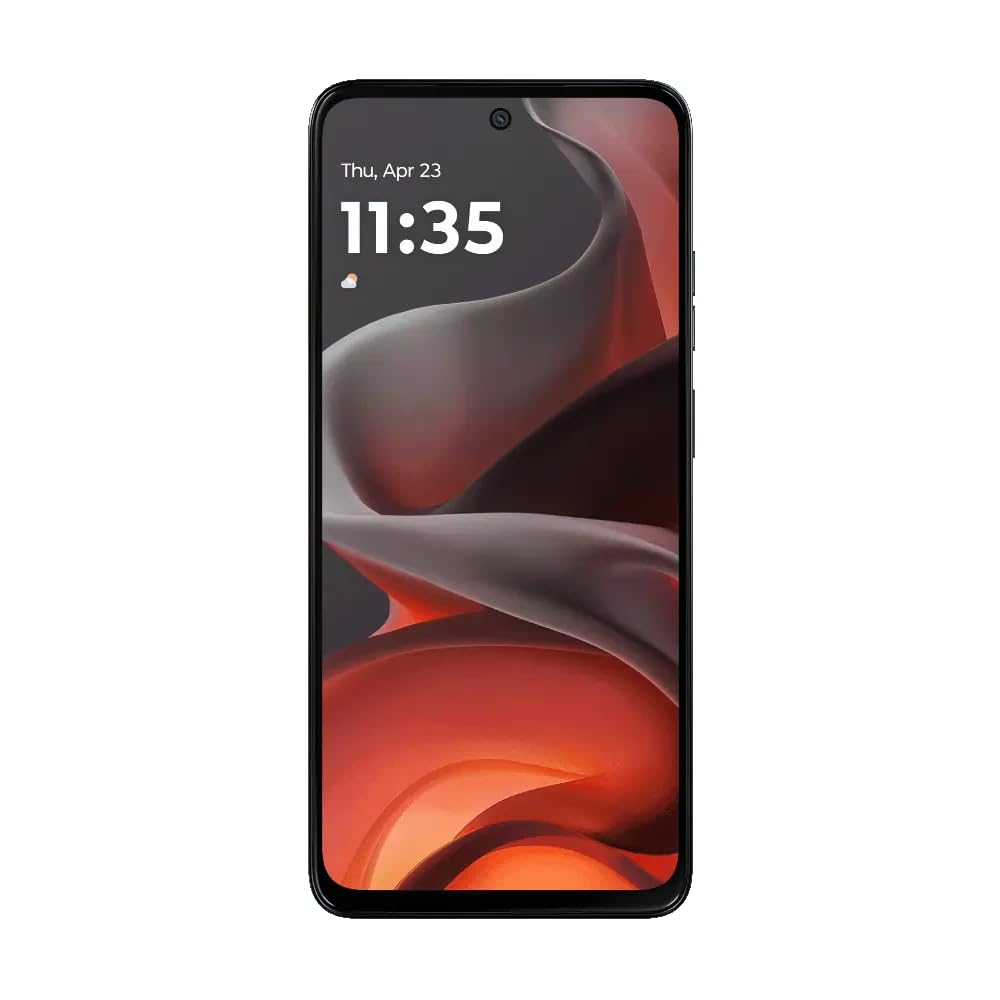
2. Motorola Moto G15 4+256GB
Two SIM slots, 256GB of storage, and a 5200mAh cell for the price of a mid-tier accessory.
The Moto G15 is the value anchor of this list, and the spec that sells it is the 5200mAh battery. That is more capacity than the Galaxy A56’s 5000mAh, and it means you can run maps and calls all day without hunting a wall socket. The 6.72-inch IPS LCD runs at 1080 x 2400 pixels — sharp enough for reading and video at 392 pixels per inch — and the 50MP main camera plus 5MP ultrawide cover the shots you actually take.
Buyers keep praising the quality, and it goes beyond the price tag. The build and finish feel more considered than the entry-level label suggests. Setup is quick, even with the international model paperwork. Android 15 (the phone’s operating system) arrives from the start, the headphone jack stays, and there is an FM radio for when data is expensive.
The honest catch is speed and compatibility. The MediaTek Helio G81 chip keeps daily apps moving, but heavy games and split-screen work will feel slow, and the phone is 4G LTE only — no 5G. It is an international model aimed at T-Mobile and its smaller networks, so a Verizon or AT&T line is not the target. Buy it as a dual-SIM travel phone or a T-Mobile daily driver.
The buyer it fits: two active lines, a big battery, and a home screen that stays simple.
Where it stops: 4G-only connectivity and a chip that will not carry demanding games.
Reach for this if: you want dual SIM and a large battery on a T-Mobile-family network without flagship money.
Look elsewhere if: you need 5G or a Verizon line.
3. Motorola Moto G Power 2025
The one that will take any major U.S. SIM — Verizon included — and still have battery left.
Carrier support is the reason this one is high on the list. The Moto G Power is built for all three big U.S. networks — Verizon, AT&T, and T-Mobile — which is rarer than the “open up” tag makes it sound. You get a 6.8-inch display at 120Hz, a refresh rate that redraws the screen 120 times a second so scrolling feels smooth, plus stereo speakers with bass tuning. The camera array uses a 50MP sensor with Optical Image Stabilization, a physical shake-correction that keeps low-light shots and handheld video steady.
Battery lands at 5000mAh with a listed 24 hours of talk time and TurboPower charging, which is a full-day pool. Compared with the S25’s 28 hours of talk time, this one falls short on call endurance, but it compensates with a bigger 6.8-inch screen and the same 5000mAh class as the A56. The MediaTek Dimensity 6300 chip with up to 24GB of RAM Boost keeps the home screen responsive, and storage expands with a microSD card if you carry a lot of media.
The one thing to plan around is the charger. TurboPower charging needs a compatible TurboPower adapter sold separately to hit its rated speed, so the cable in the box is not the whole story. Splash protection and a vegan-leather back make it feel less like a budget phone in the hand.
Why it travels well
- Works on Verizon, AT&T, and T-Mobile without a whitelist call
- 6.8-inch 120Hz screen is the largest display on the list
- 50MP camera with Optical Image Stabilization for steady low-light shots
- microSD expansion for extra storage
Trade-offs to know
- 24 hours of talk time trails the S25’s 28 hours
- Fast charging speed requires a separate TurboPower adapter
The pick for: anyone who wants Verizon plus T-Mobile support and a screen big enough for maps and video.
Know before you buy: the rated charge speed depends on an adapter that is not in the box.
4. Samsung Galaxy A56 5G 256GB
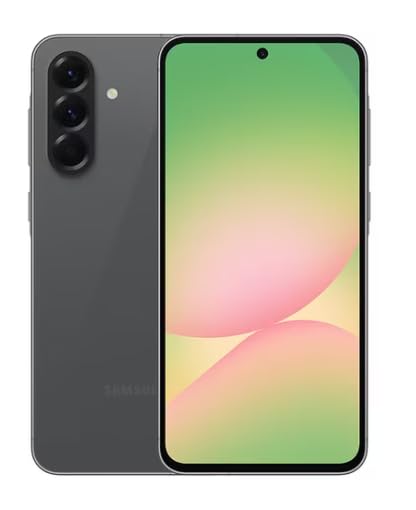
A 6.7-inch AMOLED at 120Hz, 256GB of storage, and a water-resistance rating most rivals skip.
The screen is the reason to pick the A56. It is a 6.7-inch Super AMOLED — a panel where each pixel lights itself, so blacks go truly black and colors stay rich — running at 120Hz with HDR10+, at 405 pixels per inch. The 5000mAh battery holds more capacity than the S25’s 4000mAh, and with 256GB of storage plus 12GB of RAM you are not managing space day one. The Exynos 1580 chip handles Android 15 and One UI 7 smoothly, and Samsung lists up to six major Android upgrades.
On a travel phone, IP67 (a rating for dust and water resistance) earns its keep. The first digit covers dust and the 7 covers water, rated for temporary immersion — so a rainstorm or a splash at the sink is not a crisis. The 25W charger is bundled, unlike most rivals that ship a cable only.
Compatibility is the point to read carefully. This is an international model — plug-and-play with an active SIM on AT&T, Verizon, and T-Mobile — but new activations are supported on T-Mobile and its MVNOs, and some carriers may not recognize an international IMEI. There is also no SD card slot and no U.S. manufacturer warranty, only the seller’s return policy. The quality of the build and the display is what buyers keep returning to.
What the spec sheet buys: a bigger AMOLED and a larger battery than the S25, plus IP67 protection.
The fine print: new activations lean T-Mobile, there is no SD slot, and no U.S. warranty applies.
Best for: the traveler on T-Mobile or a global network who wants a big AMOLED and does not need a carrier subsidy or warranty.
skip it if: you require a U.S. warranty or a Verizon-branded activation path.
5. XIAOMI Redmi Note 15 Pro+ Plus 5G 512GB
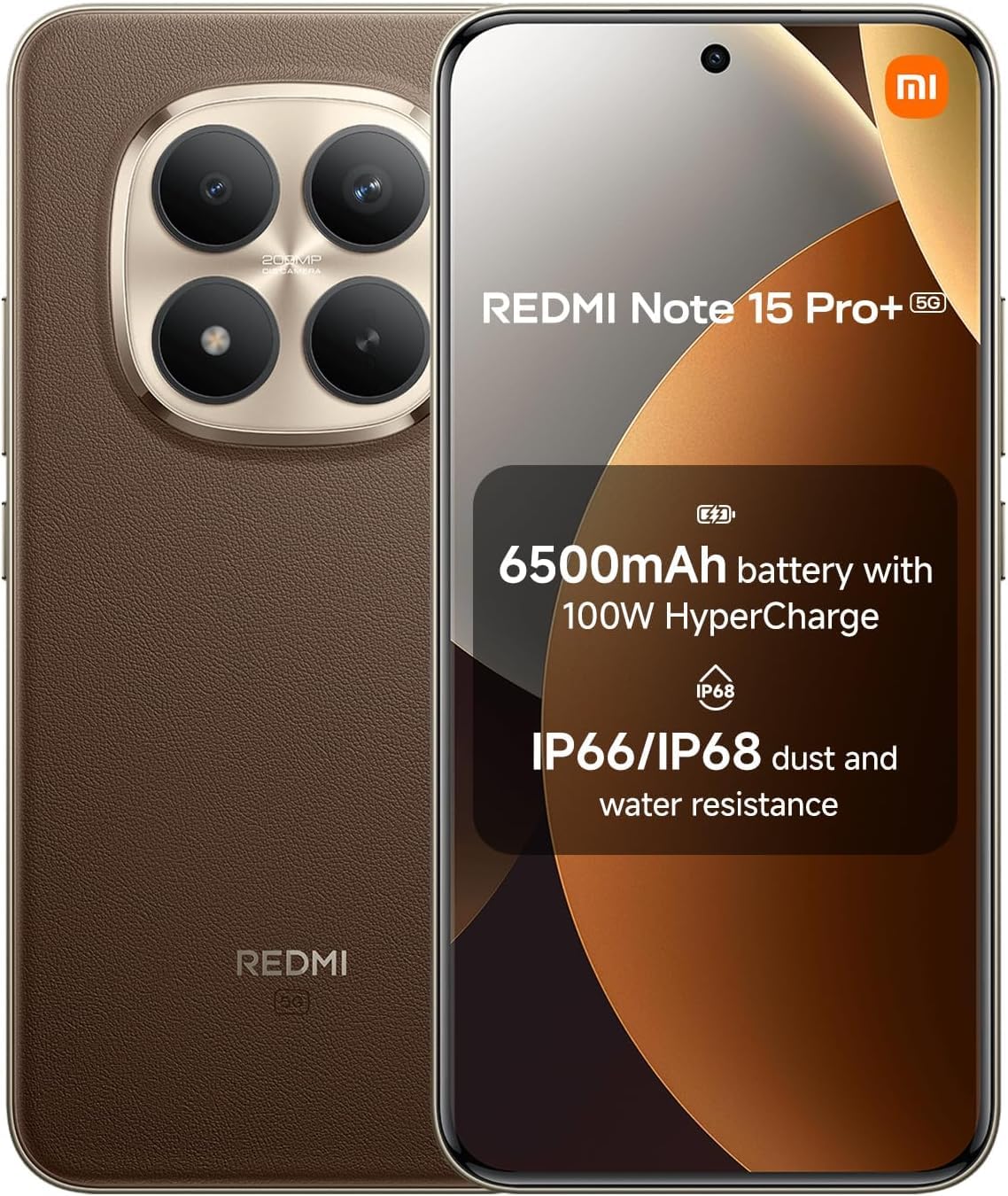
A 6500mAh battery that runs hot, a 200MP camera, and 512GB of storage in one phone.
Here is the number that sets the Redmi Note 15 Pro+ apart: a 6500mAh battery. That is 1500mAh more capacity than the A56’s 5000mAh, and it is the largest cell on this list short of the OnePlus flagships. The 200MP main camera with Optical Image Stabilization and a 1/1.4-inch sensor pulls in light, and the 6.83-inch CrystalRes AMOLED runs at 2772 x 1280 with 120Hz refresh and 447 pixels per inch. The Snapdragon 7s Gen 4 chip, made on a 4nm process, keeps it responsive.
The screen is genuinely bright — 3200 nits peak — with Corning Gorilla Glass Victus 2 for scratch resistance and a TÜV Rheinland low-blue-light certification, a label for reduced short-wavelength blue output. Charging is a 100W wall adapter in the box. Performance is where the money clearly went, and it is what the phone gets praised for most.
Read the carrier line twice. In the U.S. it works on T-Mobile and its smaller networks — Mint, Tello — but needs a SIM card already activated; outside the U.S. it takes any GSM carrier. There is no microSD slot, so the 512GB of built-in storage is your ceiling. Buy it as a global GSM phone with a 6500mAh battery, not as a Verizon device.
Where it leads
- 6500mAh battery outlasts most of the list
- 200MP camera with OIS and a 1/1.4-inch sensor for low light
- 100W adapter included in the box
- 512GB of storage with no management needed
What limits it
- U.S. use is T-Mobile-family only, with an already-activated SIM
- No microSD slot, so storage is fixed
The pick for: heavy camera use and all-day battery on a GSM network.
Not the pick for: a new Verizon activation or anyone who relies on microSD expansion.
6. Nothing Phone (3) 512GB

Four 50MP cameras, a light-up back panel, and 512GB of storage for people who want their phone to look like theirs.
Nothing’s calling card is the camera count. All four lenses — main, periscope, ultrawide, and front — are 50MP, so zoom shots and selfies do not pay a resolution penalty. The Snapdragon 8s Gen 4 on a 4nm process, with LPDDR5X RAM and UFS 4.0 storage, gives the phone both speed and efficient storage — and 512GB of UFS 4.0 is a lot to carry. The 6.67-inch 1.5K AMOLED runs at 120Hz with adaptive refresh and is rated 460 pixels per inch, and the 5150mAh battery delivers 33.43 hours of listed talk time.
The Glyph Matrix is the reason people buy it. It is a grid of lights on the back that animates when a notification lands or a call comes in, and the side Glyph button launches the so-called Glyph Toys. The IP68 rating — dust-tight and rated for water immersion — means a dropped-in-the-pool moment is survivable. Functionality is what owners praise most.
Two things to know. Verizon is not recommended: the phone needs its IMEI whitelisted before it will connect, and Nothing itself advises against that network. And the call quality and display are strong, but the camera output divides opinion — sharp in good light, less so where light is scarce. If you are on AT&T or T-Mobile, the band list covers the LTE and 5G bands those two rely on.
The case for it: four 50MP cameras and a distinctive light interface you will not mistake for another phone.
The case against: Verizon needs an IMEI whitelist, so this is an AT&T or T-Mobile phone.
Buy it if: you are on AT&T or T-Mobile and want a smartphone that does not look like a slab.
Not for you if: you are on Verizon.
7. Fairphone (Gen. 6+) 256GB
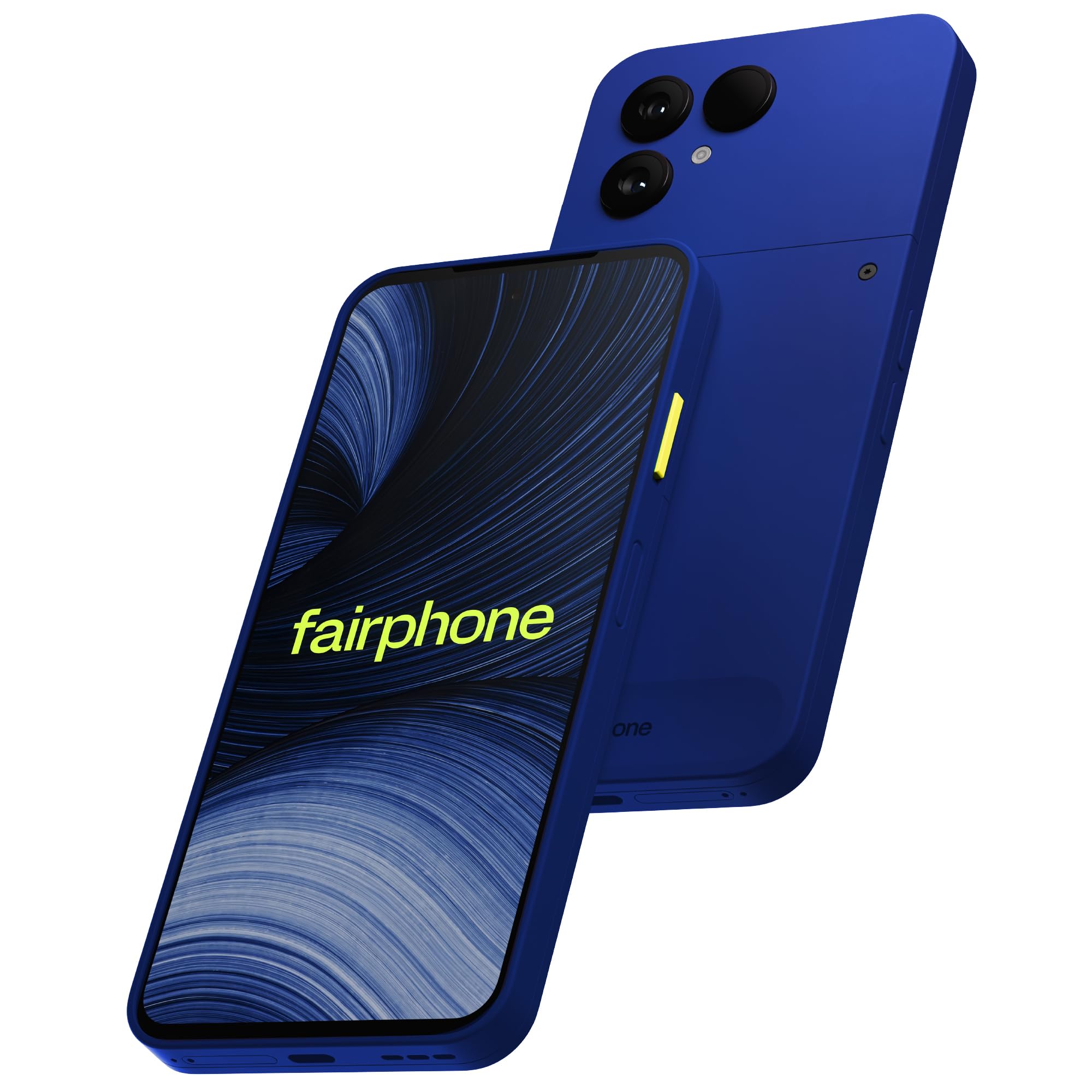
Twelve parts you can swap with a screwdriver, so a broken screen or tired battery is not a new phone.
The Fairphone is built on a 12-part modular design, and that is the whole point: you can replace the battery, screen, speaker, or cameras yourself instead of buying another handset. The hardware warranty runs up to five years and software support runs through 2033 — the longest support window on this list. The 120Hz OLED display and Snapdragon 7s Gen 4 with 12GB of RAM keep scrolling and multitasking smooth. The 256GB of built-in storage expands up to 2TB, and the Gorilla Glass 7i front plus IP55 splash resistance handle everyday bumps.
The 4415mAh battery is smaller than most here — notably smaller than the Moto G15’s 5200mAh — but owners commonly go roughly two days on a charge. The Fairphone Moments mode lets you run a stripped setup with up to five essential apps, useful when you want less screen time on the road.
The material story is specific: 51% fair and recycled materials by total weight, assembled with renewable energy. That does not change performance, but it does change what you are buying into. Carrier-wise, it supports AT&T and T-Mobile and their MVNOs, and it is not supported on Verizon or Verizon-network MVNOs.
The real-world upside
- 12 replaceable parts, including battery and screen
- Software support through 2033 and a hardware warranty of up to five years
- Storage expands up to 2TB
- Gorilla Glass 7i and IP55 splash resistance
What you give up
- 4415mAh battery is smaller than most of the list
- No Verizon or Verizon MVNO support
The pick for: a traveler who would rather replace a part than replace a phone.
The catch: the smaller 4415mAh battery trades capacity for repairability.
8. OnePlus 15R 256GB
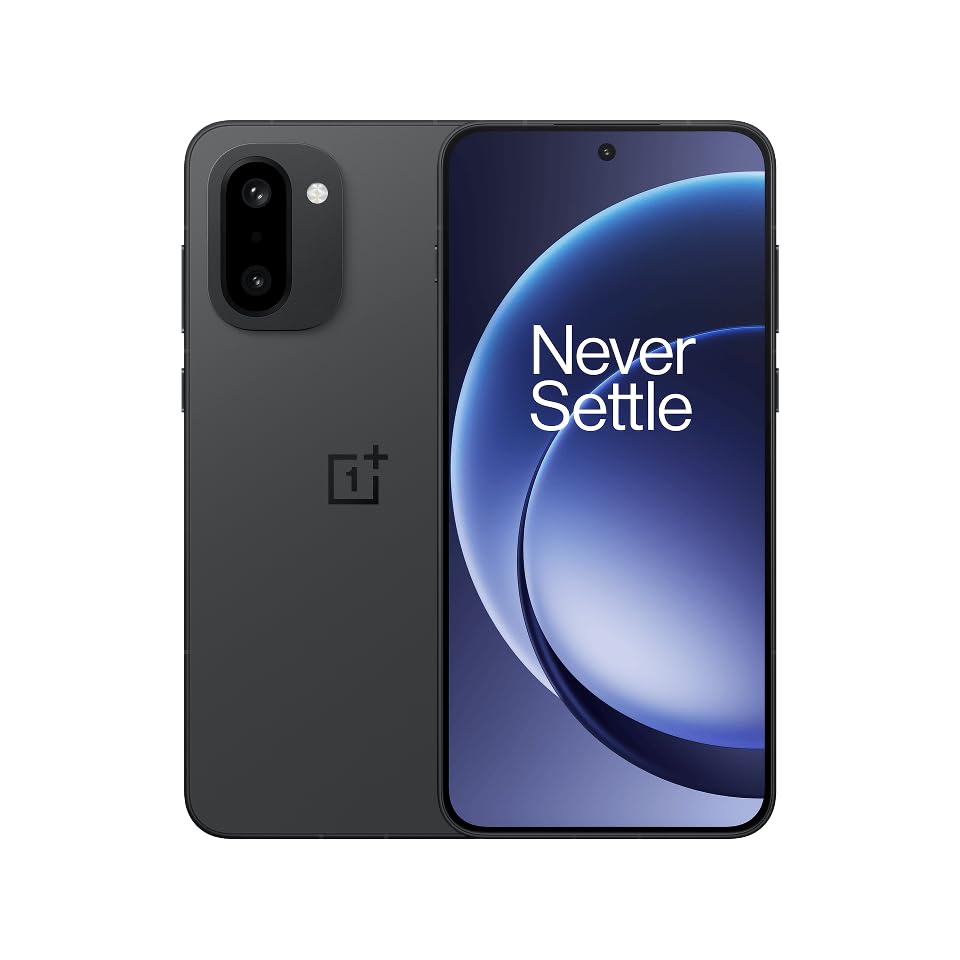
The biggest battery on the list, in a phone that fills it back up with an 80W charger.
It pairs with 80W SUPERVOOC charging, a fast-charge system rated by OnePlus for quick top-ups, so a short stop at a wall socket props up a long travel day. The Snapdragon 8 Gen 5 chipset, with a custom Wi-Fi chip and a dedicated Touch Response chip, keeps connections steady and taps immediate.
The display is 165Hz — a panel that redraws 165 times a second — at 1.5K resolution with a 3200Hz touch response chip and 450 pixels per inch. IP ratings are extensive, keeping the phone calm through dust and water blasts. Functionality and speed are the strengths buyers talk about, and on-screen smoothness stands out on the list.
Camera quality is the honest limit. It covers the everyday shots, but it does not lead the list, and the reviews are split on it — decent against rivals, not top. Battery and software, by contrast, are what owners praise most: OxygenOS 16 runs a full day and beyond on that cell. Buy the 15R if a 7400mAh battery and 165Hz screen outrank camera quality in your priorities.
What seals it: 7400mAh and 80W charging, the longest-endurance combo in this article.
What to temper: the camera is decent, not the deciding strength.
Choose the 15R when: battery life and screen smoothness are what you judge a phone by.
Think twice if: camera results lead your list of priorities.
9. Google Pixel 10 Pro 128 GB

The camera phone of the group — 50MP shots, 100x Pro Res Zoom, and a screen bright enough for noon sun.
Google’s pro camera system is the argument here, and the numbers back it. You get 50MP images, super steady 8K video, and 100x Pro Res Zoom, so the shot at the far end of a plaza is still yours. The 6.3-inch Super Actua display peaks at 3300 nits, a brightness rating that keeps the screen readable in direct sunlight. Chrome and body are aluminum with Corning Gorilla Glass Victus 2 for drop and scratch protection, and Google’s Tensor G5 chip runs the AI side.
Gemini is built in for photo searches and on-the-fly answers, and the open up design lets you switch among Google Fi, Verizon, T-Mobile, and AT&T freely. That carrier range is the practical part of the “world phone” idea — take it anywhere and a valid SIM connects.
The 4870mAh battery is honest, not huge. It is smaller than the S25’s 28-hour listed talk time suggests for this class, so expect a charge on a heavy day. Storage is the other note: 128GB doesn’t leave much room when every image is 50MP (megapixels, the camera’s resolution). For 50MP photos and 100x Pro Res Zoom, that is a fair trade. It is the strongest camera-first pick in this guide.
Where it beats the list: 50MP photos, 100x Pro Res Zoom, and 3300 nit brightness on a travel-size 6.3-inch body.
Where it asks you to plan: 128GB of storage fills fast when every shot is high resolution.
The pick for: the traveler who wants the best stills and video and will manage storage carefully.
The catch: 128GB is the tightest storage on the list for 50MP files.
10. OnePlus 15 512GB
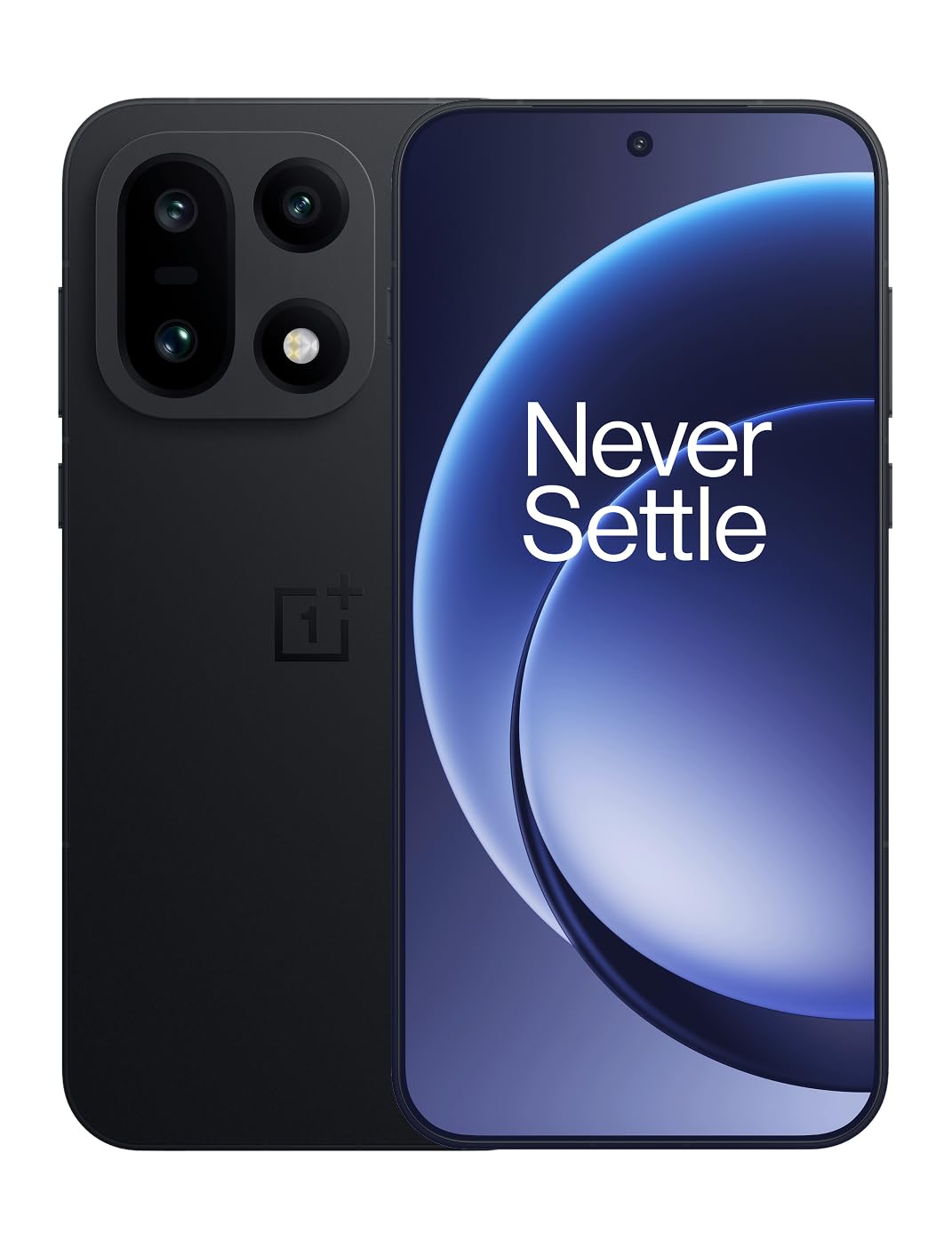
Sixteen gigs of RAM and 512GB of storage for people who refuse to close apps or delete photos.
The OnePlus 15 stacks more memory than anything else here. With 16GB of RAM and 512GB of storage, you are not closing background apps or deleting last year’s photos. The Snapdragon 8 Elite Gen 5 paired with a dedicated Wi-Fi chip and CPU scheduler gives it three cooperating chips, and the 7300mAh battery recharges fully from 10% in about 30 minutes on the included charger.
The 6.78-inch 165Hz AMOLED at 450 pixels per inch delivers the kind of smooth motion that stands out on this list. The triple 50MP camera system covers wide, ultra-wide, and telephoto, and the phone is described as a great all-rounder with a display that should last. Storage and endurance are the reason to spend on it.
Two caveats. The 7300mAh capacity sits just under the OnePlus 15R’s 7400mAh, so if raw endurance is the only metric, the 15R edges it. And reviews on performance are split — some owners mention constant functionality issues while others are impressed. What is consistent: the phone quality itself is praised most, with battery life a close second. It is the more complete phone, not purely the biggest battery.
Why it earns the money
- 16GB RAM and 512GB storage let you keep everything open
- Full charge from 10% in about 30 minutes
- 6.78-inch 165Hz AMOLED at 450 pixels per inch
Where it sits second
- 7300mAh falls just short of the 15R’s 7400mAh
- Performance reports are mixed
The pick for: heavy multitaskers who want storage and speed together.
The note: if battery capacity alone is the deciding number, the 15R measures higher.
11. BLU G35 32GB
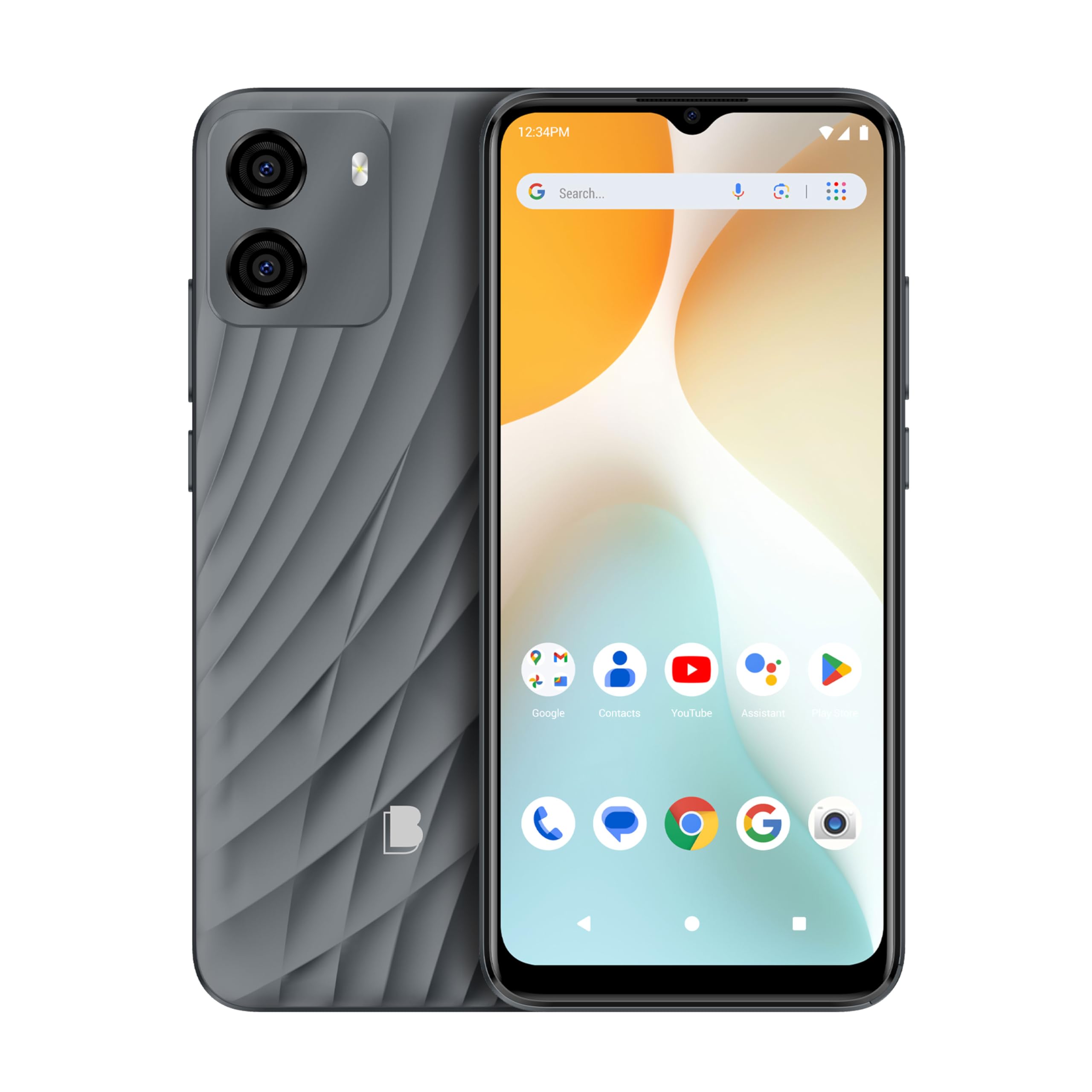
The cheapest way onto a GSM network — a basic phone sold with a case and charger in the box.
Compatibility is the whole story here, and it is generous for the tier. The BLU G35 works on T-Mobile, Metro PCS, AT&T, Cricket, Mint Mobile, and other GSM networks (the network type most carriers use). It does not work on CDMA networks (a different network type) like Verizon, Visible, Spectrum Mobile, US Mobile, Total Wireless, or Straight Talk. If you are on a GSM line, this is the lowest entry point in this guide. The 6.5-inch HD+ Infinity display at 1280 x 720, the 32GB of storage with 3GB of RAM (memory for apps), and the 5000 battery keep the basics covered.
Face ID open up it with a glance, and an octa-core processor handles apps and browsing at everyday pace. A rugged case, charger, and USB-C cable are in the box, so you are not buying accessories separately.
The trade-off you should plan for is long-term reliability. The design is sound, but the 32GB/3GB combination limits how many apps you can carry, and the listed 5000 battery spec leaves more gaps than the higher-price tiers. Buy it as a backup phone, a first phone, or a cheap secondary line on a GSM carrier — not as a main phone for years of use.
What it does well: six GSM networks supported, with a case and charger already in the box.
What to size up: 32GB of storage and 3GB of RAM leave little room for a growing app list.
Worth it for: a second line, a first phone, or a cheap GSM travel handset.
Not worth it for: a Verizon household or anyone who expects a flagship for years.
Know the Specs
Network bands and carrier support
Bands are the radio frequencies a phone can hear, and each carrier uses its own set. A phone that lists a carrier’s LTE and 5G band numbers will connect to that network; one that does not may fall back to slower service or show no signal at all. Check the published band list against your carrier before buying — that one step prevents most “it says open up but won’t work” surprises.
Battery capacity in mAh
mAh stands for milliamp-hours, a measure of how much charge the battery holds. A 5200mAh cell holds more than a 4000mAh one, so it generally runs longer between charges. Capacity is not the only factor — screen size and processor draw power too — but a bigger number buys more headroom on a travel day when charging is uncertain.
Dual SIM and eSIM
Dual SIM keeps two lines live at once, so a home number can stay active while a local travel card supplies data. An eSIM is a digital SIM you activate through the carrier rather than a plastic card. Phones that pair one nano SIM with an eSIM still give you two lines, but you cannot hand the second slot to a friend. If you swap prepaid cards often, two physical nano slots are simpler to manage.
IMEI whitelisting
The IMEI is a phone’s unique identity number. Some carriers only activate devices already registered in their database, which is why an international model can need a call to the carrier before it connects. This is a setup hurdle, not a fault — but confirm the process before purchase if you need that network on day one.
Common Questions
Will an international model work on Verizon?
What does open up actually mean on a phone?
Do these phones take a local prepaid SIM while traveling?
Is an eSIM better than two physical SIM slots for a world phone?
How big does the battery need to be for a day of maps and calls abroad?
Why do some carriers need to whitelist the IMEI first?
Can a dual-SIM phone run my work and personal lines at once?
Will a 4G phone like the Moto G15 work on T-Mobile?
How long should the software support last on a world phone?
Do I need a different charger for these phones abroad?
The Bottom Line
The world phone that suits most buyers is the Samsung Galaxy S25 because it pairs Snapdragon 8 Elite speed with 28 hours of listed talk time and activates without a carrier call. If your carrier is T-Mobile and a huge battery leads your list, the OnePlus 15R brings a 7400mAh cell that none of the others match. And for a photographer on any major network, the Google Pixel 10 Pro puts 50MP images and 100x Pro Zoom in a pocket.
One honest nudge before you commit: band support is the single decision that determines whether any of these phones actually work where you are going. Read the carrier list for each pick, match it to your home network and your usual travel destinations, and you will choose well the first time.
How we choose
We do not accept paid placement. Every pick is matched to a real buyer and a real use-case; we do not hands-on test units.
Sources
Specifications: manufacturer listings and product documentation. Review insights: verified customer reviews, as of November 2026. Pricing: not shown on this page (it changes often); check the current price via the retailer link.
As an Amazon Associate, Tactical Gear Guy earns from qualifying purchases. This does not affect which products we feature.