Specs are compiled from manufacturer listings and verified buyer reviews and can change over time — please confirm the key details on the product page before buying.
If your ankle rolls on a ladder rung or a gravel apron, the boot is the problem — not your balance. The top pick is the Timberland PRO Direct Attach MaxTRAX, a 6-inch waterproof leather boot with a slip-resistant outsole. Every boot below has a high shaft and a padded collar that wraps the ankle bone. The nine boots are split by how you actually work: composite toe or soft toe, zip-on or lace-up, cushioned or orthopedic.
This guide is built by comparing the manufacturers’ published specifications and the patterns across verified customer reviews, so you get each pick’s real strengths and trade-offs instead of marketing spin.
Ankle support is not a marketing badge — it is a shaft height, a collar, and a heel counter working together. Below you get the plain-English version of each, plus the honest trade-off that comes with every pair. Here is how to choose work boots with ankle support that you will actually keep wearing past the first month.
Top Picks


How To Choose Boots That Hold Your Ankle
You can spot good ankle support in three specs: how high the shaft climbs, whether the collar is padded, and whether the heel is locked. Get those right and the boot stabilizes your foot for you on uneven ground.
Shaft Height Sets Your Support Ceiling
A 6-inch shaft covers the ankle bone and gives you a starting point; an 8-inch shaft climbs higher up the calf for more contact and more stability on rough terrain. On ladders, scaffolding, or broken concrete, the taller shaft gives more contact with the lower leg to resist a roll.
Toe Type Is A Safety And Comfort Decision
A composite toe is non-metallic, so it insulates instead of conducting cold into your toes like a steel cap. A steel toe meets the same impact and compression standards but feels colder on freezing mornings. A soft toe drops the protective cap entirely and trades that safety for a lighter, more flexible feel.
Waterproofing: Membrane Versus Coating
A membrane is sewn into the boot lining, blocking liquid water while letting sweat vapor escape. A surface coating sits on top of the leather and wears off with scuffs. If you stand in puddles or work in rain, the membrane is what keeps your socks dry past the first season.
Outsole And Midsole Decide Your Shift
The outsole is the bottom of the boot and the midsole is the cushioning layer above it. A lug-pattern rubber outsole grips wet and oily floors, and a shock-absorbing midsole cushions hard concrete.
Side-by-Side Comparison
| Model | Best For | Shaft / Height | Toe Type | Waterproofing | Amazon |
|---|---|---|---|---|---|
| Timberland PRO Direct Attach MaxTRAX★ Best Overall | All-day trade work | 6 inch | Soft toe | Waterproof leather | Amazon |
| Waterproof Side-Zip Composite Toe 8″Best for Quick On/Off | Quick on and off | 8 inch | Composite toe | Waterproof | Amazon |
| Moc Soft Toe 6 Inch Construction BootBudget Moc-Toe | Budget moc-toe look | 6 inch | Soft toe | — | Amazon |
| Waterproof Steel Toe for Women, Wide | Women needing wide fit | — | Steel toe | Waterproof | Amazon |
| MW2403 Composite Toe Safety Boot | Cold-weather toe warmth | — | Composite toe | Waterproof leather | Amazon |
| Timberland PRO Pit Boss 6 Inch Steel Toe | Heavy-duty toe protection | 6 inch | Steel toe | — | Amazon |
| Wolverine Overpass Composite Toe | Lightweight premium feel | — | Composite toe | Waterproof leather | Amazon |
| Orthofeet Granite Orthopedic | Cushioned orthotic support | — | — | — | Amazon |
| Ariat Rebar Lift 6″ Composite Toe | Flexible ankle on the move | 6 inch | Composite toe | Waterproof | Amazon |
Detailed Reviews
1. Timberland PRO Mens Direct Attach MaxTRAX Soft Toe SRO Boot
Our pick — 4.5+★ from 9,000+ verified ratings; the strongest balance of quality and price.
The 6-inch waterproof leather boot that has quietly become the default trade-site choice.
This is a 6-inch soft-toe boot built on an all-leather waterproof upper with a slip-resistant outsole — so the shaft covers your ankle bone while the leather keeps rain and puddle spray off your socks. What wins people over is the build itself, by a wide margin. The slip-resistant outsole earns a strong reputation for biting into oily shop floors and wet surfaces.
Fit is the second thing buyers talk about most, and the feedback here splits: plenty of people say it runs true to size, and a smaller group finds it runs a bit big. If you are between sizes or wear thick wool socks, that gap is worth reading the size guidance on before you commit. For most workers, the standard shoe size lines up fine.
Compared with the Pit Boss below — also Timberland PRO — this one drops the steel toe but adds the waterproof leather and the MaxTRAX slip resistance. The Pit Boss has a far bigger review history behind it, while this pick holds the higher score. If you work a trade where you drop things on your toes regularly, choose the steel toe; if you work wet, oily, or rain-soaked surfaces, this waterproof pick is the smarter buy.
What Earns Its Keep
- Waterproof leather upper keeps feet dry in rain and on wet sites
- Slip-resistant outsole built for oily and wet surfaces
- 6-inch shaft covers the ankle bone for real lateral support
- Soft toe keeps the boot lighter and more flexible than steel
The Honest Trade-Off
- Soft toe gives you no protective cap for heavy drop hazards
- Fit feedback is mixed on sizing — some find it runs a bit big
Locked in for: trade workers on wet or oily surfaces who want a waterproof leather 6-inch boot without the weight of a steel cap.
Drops away if: your site requires a protective toe cap — that is the one job this soft-toe boot does not do.
2. Waterproof Composite Toe Work Boots 8 inch
The tallest shaft here, plus a zipper so you are not unlacing at every door.
At 8 inches, this boot climbs higher up the calf than the 6-inch picks around it — more boot wrapped around the ankle and lower leg for stability on uneven ground. The composite toe gives you a protective cap without steel’s cold-conducting bite, and the waterproof build keeps standing water out of your socks.
The side zipper is the real convenience play. Lace the boot once to your fit, then use the zip for the comings and goings of the day — job site to truck to home without a full relace every time. That is exactly the kind of daily friction the taller shaft would otherwise create.
The recurring note worth knowing is the zipper itself, which draws a mixed read for durability. Treat the zip gently and it does its job; yank it and it is the weak link in an otherwise solid boot. The overall build and comfort are what land it high with owners, and the water resistance holds up in standing water. Pair it with thick socks if you want the 8-inch collar to hug the leg snugly.
Taller means steadier: the 8-inch shaft gives you more contact and support than the 6-inch picks, and the composite toe keeps the weight penalty down.
Mind the zip: the zipper is the one part that draws split durability feedback, so protect it with a careful hand.
Reach for this if: you want maximum ankle coverage and a boot you can kick on and off fast.
Look elsewhere if: you need a zipper that takes hard daily abuse — a plain lace-up is the more forgiving build.
3. Moc Soft Toe Work Boots 6 Inch
Full-grain leather and a 6-inch shaft for the worker watching the spend.
Full-grain leather is the top layer of the hide, and it is what gives this boot its thick, well-made feel and its rugged look. The 6-inch shaft wraps the ankle for support, and the slip-resistant wedge outsole puts a continuous, grippy sole underfoot on both wet and dry surfaces. Cushioned insole and soft interior lining round out the all-day comfort pitch.
What buyers respond to most is the quality-to-appearance blend — the leather reads far more expensive than the tier suggests, and the thick hide gets noticed. The fit is a bright spot for lean ankles: the lacing pulls snug around a skinny ankle, which is exactly what you want for side-to-side stability.
Here is the honest split. The construction and durability feedback runs mixed, with buyers reporting solid construction lasting longer than two months on one side and zero durability with doubt about lasting a year on the other. Weight also draws a negative read from a segment of owners. If you wear your boots hard and often, size your expectations to the entry tier; if light-to-moderate use is your reality, this is a lot of leather for the money. Ankle support from the 6-inch shaft is the real win here, and the thick leather reinforces it.
What Gets Noticed
- Full-grain leather reads thick and well-made
- 6-inch shaft gives genuine ankle wrap and support
- Slip-resistant wedge outsole grips wet and dry ground
- Snug lacing suits skinny ankles
What to Weigh
- Durability feedback runs mixed — some doubt a year of wear
- Weight draws a negative read from a segment of owners
Worth it for: the budget-conscious worker who wants full-grain leather and a supportive 6-inch shaft without the premium outlay.
Pause on: high-wear, every-day abuse — this is a leather boot built to a price, not a tank.
4. Waterproof Steel Toe Work Boots for Women Wide Width
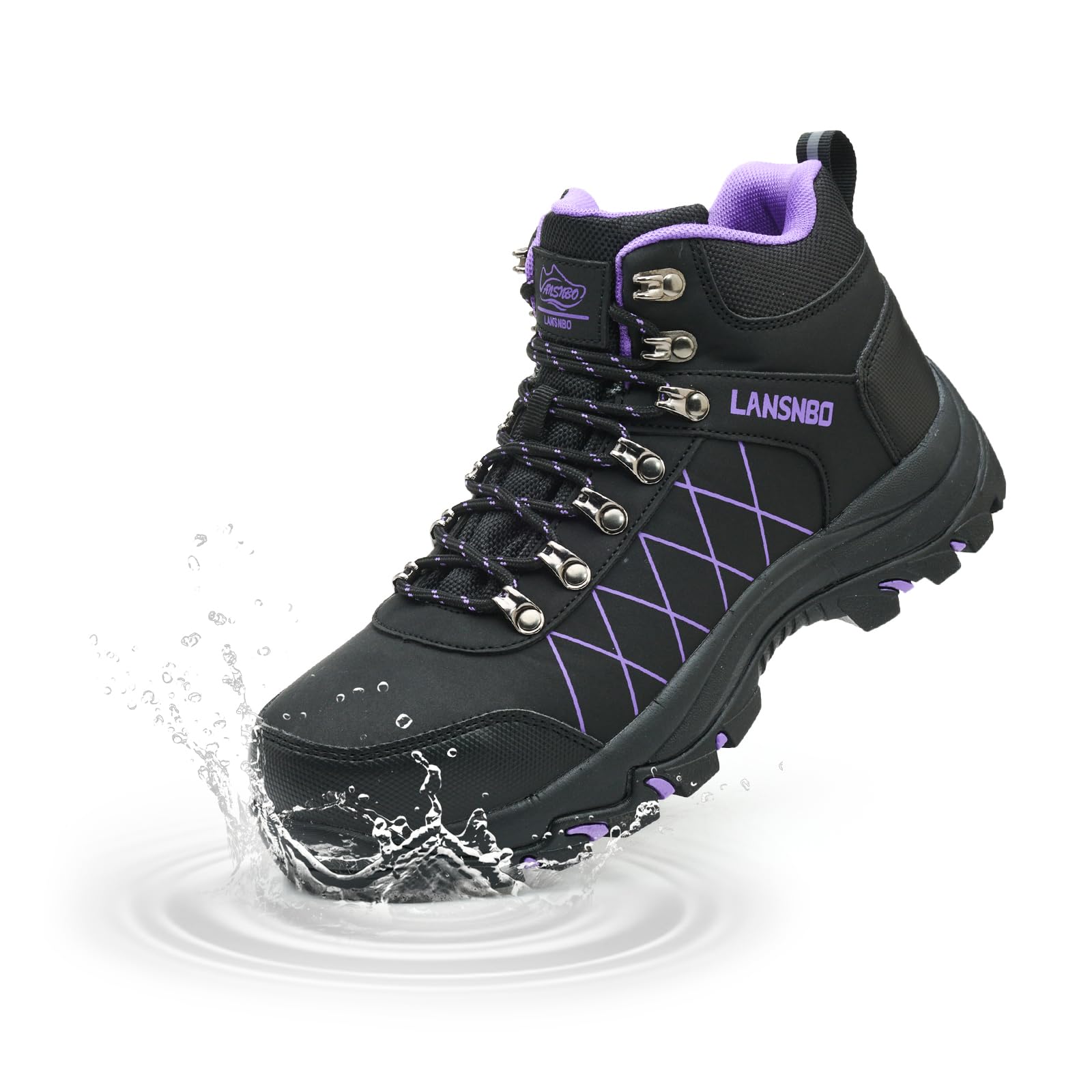
Built for women who need a wide, roomy toe box and a protected cap.
This is the one women’s-specific pick in the lineup, and it comes with a wide width for feet that feel pinched in standard work boots. The European-standard steel toe gives you impact and compression protection, a Kevlar puncture-resistant midsole shields the sole from sharp debris, and the knit mesh upper keeps the boot breathable and light on long standing shifts.
The comfort and quality are what land it with owners — the fit is wide and roomy, and the weight stays light for a steel-toe boot. Ankle support comes through the structure and the fit around the ankle, which keeps the boot stable on long standing days in a kitchen, on a site, or in an industrial setting.
Slip resistance is the honest problem to size. A segment of buyers report their feet sliding forward with every step, which runs counter to the slip-resistant pitch. Durability and value draw mixed reads too, with the material wearing down on some pairs. Given the wide fit is the whole point of this pick, buy it as the roomy option for women, and treat the outsole grip on slick floors as the thing to test before you rely on it.
The wide-fit win: a genuine wide width and steel toe together are rare in women’s work footwear, and the roomy toe box is why owners keep it.
Grip caution: the slip resistance draws a negative read from a slice of buyers, so watch your footing on wet tile.
Made for: women who have struggled to find work boots wide enough, and who need a steel cap on the job.
Think twice if: you work slick, wet floors all day and grip is your top priority.
5. Composite Toe Safety Work Boots MW2403
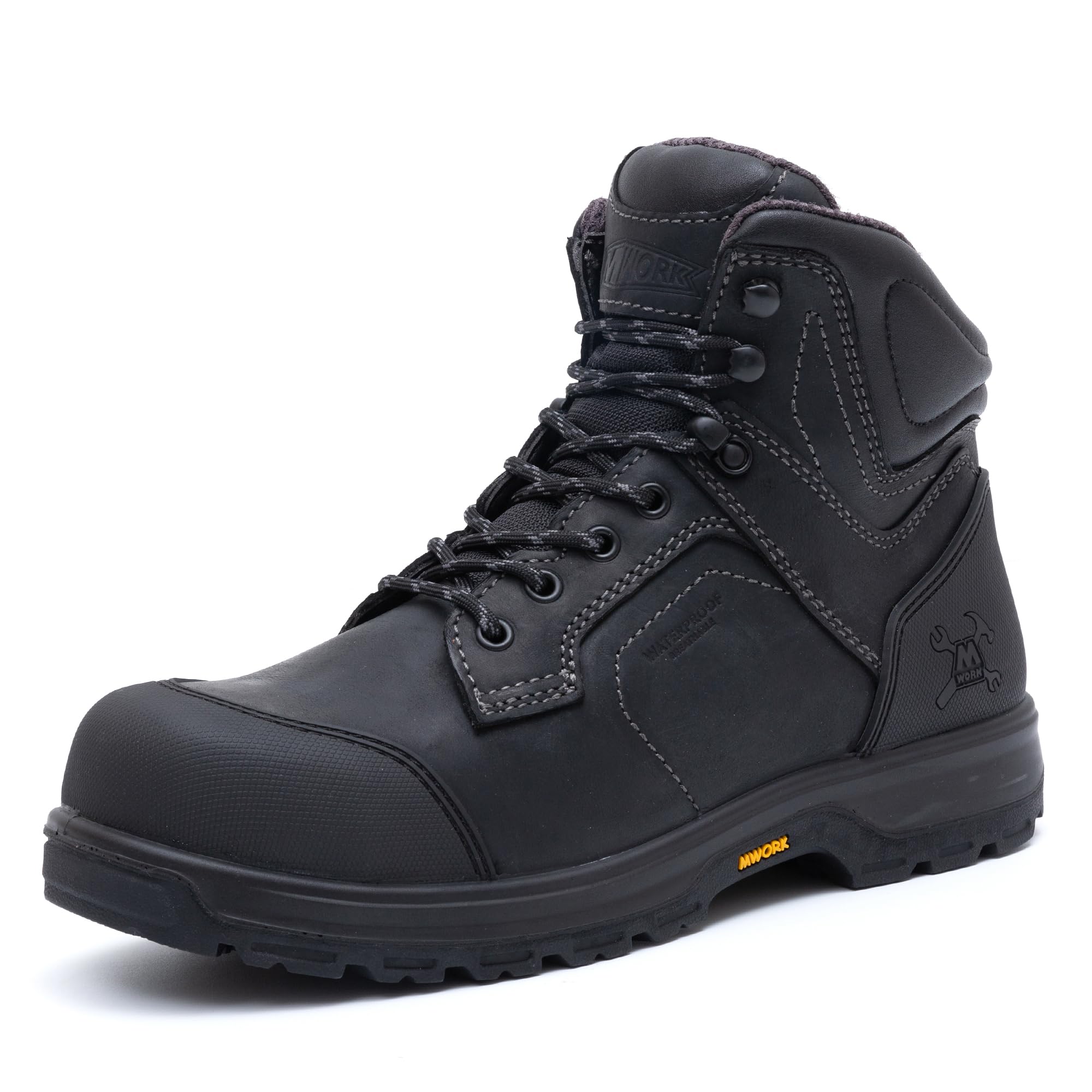
The composite toe that stays warm when steel would frost your toes.
The pitch here is thermal. A composite toe is made of non-metallic material, so unlike a steel cap it does not conduct the cold into your toes on freezing mornings — while still holding to the ASTM F2413-18 impact and compression standards. The waterproofing is a built-in membrane in the lining, not a spray-on coating, so it keeps water out while letting sweat escape instead of wearing off with scuffs.
The collar is padded, which is the soft band of material that wraps your ankle and keeps the shaft from digging into the bone — the reason the maker frames break-in as minimal. Underfoot, a shock-absorbing PU midsole and a cushioned PU insole take the edge off long standing shifts on concrete. The electrical hazard rating means secondary protection against live circuits in dry conditions.
Quality and comfort are what buyers respond to, and the value reads as fair for the build. The one part that splits is durability, with mixed feedback on how long the boot holds up over the long haul. If you are working cold weather and want a warm toe and a dry sock, this is the pick; if you need a boot proven to outlast years of hard site work, temper your expectations.
Cold-Weather Reasons
- Composite toe insulates rather than conducts cold
- Internal waterproof membrane won’t wear off like a coating
- Shock-absorbing PU midsole and cushioned PU insole
- Meets ASTM F2413-18 impact and compression clauses
Fair Warning
- Durability feedback is mixed over long-term use
- Newer model with a smaller track record behind it
Pick this for: cold-weather work where a warm composite toe and a dry, breathable membrane matter more than long-term tank-like wear.
Keep looking if: proven multi-year durability is your deciding factor.
6. Timberland PRO Pit Boss 6 Inch Steel Safety Toe

The workhorse steel-toe that a whole generation of site crews has already broken in.
Your toes get steel protection that meets ANSI safety standards (the U.S. safety-toe benchmark), and the toe box is roomier than most steel caps. A nylon shock-diffusion plate — a stiff layer under the foot that resists twisting — helps the boot feel planted on uneven ground. Electronic hazard protection and a removable sock liner round out the classic industrial build.
The traction-grip for wet and slippery surfaces is built into the outsole, and the roomier toe box is the detail that keeps feet from cramping through a long shift. A removable sock liner means you can swap in your own insert without fighting the factory one.
If steel toe protection is non-negotiable on your site and you want the track record of a best-known industrial boot, this is the safe call. The trade-off is the familiar steel-cap reality: it conducts cold on frigid mornings, unlike the composite picks above. Durability feedback runs the familiar split — many say it holds up well over the long run, while a smaller group report it falling apart within months. For the price and the history behind it, most workers come away satisfied.
Room to breathe in the toe: a roomier toe box than typical steel caps is the detail that keeps the front of your foot comfortable through a full shift.
Steel’s old cost: the cap conducts cold, so it is not the warm-weather-friendliest toe on this list.
Best match for: industrial and construction workers who want proven steel-toe protection with a stiff, twist-resistant sole.
Not your boot if: you work in freezing conditions and want a toe that stays warm — go composite instead.
7. Wolverine Men’s Overpass Composite Toe Waterproof Work Boots

Premium waterproof leather that owners say still looks nearly new after months of use.
ContourWelt is Wolverine’s construction method, and the point of it is flexibility combined with comfort — the boot bends with your foot instead of fighting it. A lightweight rubber lug outsole adds shock absorption, and the lug pattern gives you grip on uneven ground. Premium waterproof leather and an abrasion-resistant toe round out a boot built to look sharp and take hits on the job.
Your legs feel less of this boot at the end of a long day because it weighs 1.75 pounds — one of the lightest premium boots in the lineup. Owners praise the comfort, with feet that stay ache-free through a shift, and the appearance, with the leather holding up cosmetically over months of use.
Where feedback splits is durability and water resistance, both drawing mixed reads. Some pairs hold up beautifully over time; others show wear sooner than the leather’s premium look suggests. If you want a light, flexible waterproof composite-toe boot for industrial and general site work, this is a strong choice — just go in knowing the long-term durability is the variable in the equation.
Why It Feels So Light
- 1.75 pounds — easy on the legs over a long shift
- ContourWelt construction bends with your foot for flexibility
- Premium waterproof leather with abrasion-resistant toe
- Lightweight rubber lug outsole with shock absorption
Where It’s Variable
- Durability feedback runs mixed over the long haul
- Water resistance also splits across the reviews
Go here for: a light, flexible waterproof boot with composite protection that looks the part on site and off.
skip it if: long-term durability is your headline priority — the leather is softer-wearing than a tank.
8. Orthofeet Granite Orthopedic Men’s Work Boots

A work boot built around a cushioned, orthotic-ready interior for hard floors.
The Ortho-Cushion system is the defining feature: a built-in orthotic insole paired with a shock-absorbing sole and a pressure-free fit. If your days are spent standing on concrete or walking a warehouse floor, that cushioned base is the whole reason to look here. The removable insole and extra depth also mean you can drop your own custom orthotics in without the factory insert fighting you for space.
Your ankle feels planted because of a wide base and a firm heel counter — the stiff cup at the back of the boot that holds your heel in place and keeps the boot from wobbling side to side. That is the ankle-support story here, paired with cushioning underfoot.
Comfort and quality are what land it with owners, and the light weight is a pleasant surprise for a cushioned boot. The catches are worth knowing upfront: fit splits, with some finding it true to size and others finding it too big, and value draws mixed reads with a segment feeling it is expensive for what it is. Buy it for the cushioned, orthotic-friendly platform — and check the size guide carefully, since the fit is the variable.
The comfort engine: a built-in orthotic insole and shock-absorbing sole give hard-floor workers a cushioned platform from the first shift.
Size it carefully: some find the fit true and some find it big, so matching the size chart matters here.
Fits best for: workers who stand on hard floors all day and want a cushioned, orthotic-ready interior with a firm heel for stability.
Reconsider if: you want a snug, true-to-size work boot — the fit here is the part you have to get right.
9. Ariat Men’s Rebar Lift 6″ Waterproof Composite Toe Work Boot

A waterproof composite-toe boot tuned for crouching, kneeling, and moving.
Your ankle gets support from the 6-inch shaft, and the composite toe protects without the cold of steel. Elastic at the ankle is the detail that earns this boot its place — it gives the shaft a little give, so squatting, kneeling, and climbing do not bind at the ankle joint the way a stiffer boot would. Waterproofing is built in for outdoor conditions, and the build balances cushioning with stability for long days.
Quality, comfort, and support are what land it with owners, and the foot support and appearance both get positive read. The fit is where feedback splits, with some noting the fit takes a little dialing in. That is consistent with a boot that has some give at the ankle — the shaft is designed to move with you rather than clamp down.
Durability is the one to weigh before you buy: the soles have a reputation for peeling away on some pairs, and the build draws a tough read on longevity. This is a strong fit if you need a waterproof composite boot with ankle give for a crouch-and-move job. If you need a boot proven to survive years of brutal site work, the durability is the question. At 5.5 pounds, it carries real weight compared with the lighter premium picks above.
Made for Movement
- Elastic at the ankle gives flex for squatting and kneeling
- 6-inch shaft with genuine ankle support
- Waterproof build for outdoor conditions
- Composite toe protection without steel’s cold
Read Before Buying
- The soles have a reputation for peeling on some pairs
- Durability draws a tough read — not a multi-year tank
Made for: workers who crouch and kneel all day and want a waterproof composite boot that flexes at the ankle.
Drops off if: you need a boot built to survive years of hard abuse — the sole separation is the risk to weigh.
Know the Specs
Steel Toe vs Composite Toe
A steel toe is a metal cap in the front of the boot that meets impact and compression standards. A composite toe does the same job with non-metallic material. The practical difference is temperature: steel conducts cold into your toes on freezing days, while composite insulates. Composite also tends to feel lighter and avoids setting off metal detectors, which matters in some industrial settings.
Waterproofing: Membrane vs Coating
A built-in membrane sits inside the lining and keeps water out while letting sweat escape, so it does not wear off. A surface coating sits on top of the leather and loses effectiveness with scuffs. If you stand in standing water or work in steady rain, a membrane is what keeps your socks dry past the first season.
Ankle Support: Collar and Shaft
The shaft is the part of the boot below the collar that climbs up the leg, and the collar is the padded band at the top. A 6-inch shaft covers the ankle bone; an 8-inch climbs higher up the calf for more contact and more stability. A padded collar is what keeps the top of the boot from digging into the ankle bone, and a firm heel counter keeps the heel from sliding side to side.
Outsole, Midsole, and Slip Resistance
The outsole is the bottom of the boot and the midsole is the cushioning layer above it. A slip-resistant outsole with a lug pattern bites into wet and oily floors. A shock-absorbing midsole takes the sting out of long hours on hard concrete. The two work together, so if you stand all day, check both the grip and the cushioning, not just one.
Common Questions
Is an 8-inch boot better for ankle support than a 6-inch boot?
Do composite toe boots keep your feet warmer than steel toe boots in winter?
How do I know if a work boot will support my ankle if I have wide feet?
Do waterproof work boots make your feet sweat?
Can I add my own insoles or orthotics to these work boots?
What does it mean when a boot is rated for electrical hazard protection?
How long should a pair of work boots with ankle support last?
Do I need a steel toe or is a soft toe enough for construction work?
Will a heavy work boot weigh my legs down over a long shift?
What is the difference between ContourWelt and a standard work boot sole?
The Bottom Line
For most workers, the work boots with ankle support winner is the Timberland PRO Direct Attach MaxTRAX because it pairs a 6-inch ankle-wrapping shaft with waterproof leather and a slip-resistant outsole built for wet and oily surfaces. If you want a taller shaft and a protective composite cap, grab the side-zip 8-inch composite. And for standing all day on hard concrete with cushioned, orthotic-ready support, the Orthofeet Granite is the one to reach for. Any of these nine will hold your ankle through a shift; the pick depends on whether your day is wet, cold, heavy-duty, or spent on your feet.
How we choose
We do not accept paid placement. Every pick is matched to a real buyer and a real use-case; we do not hands-on test units.
Sources
Specifications: manufacturer listings and product documentation. Review insights: verified customer reviews, as of November 2026. Pricing: not shown on this page (it changes often); check the current price via the retailer link.
As an Amazon Associate, Tactical Gear Guy earns from qualifying purchases. This does not affect which products we feature.