Specs are compiled from manufacturer listings and verified buyer reviews and can change over time — please confirm the key details on the product page before buying.
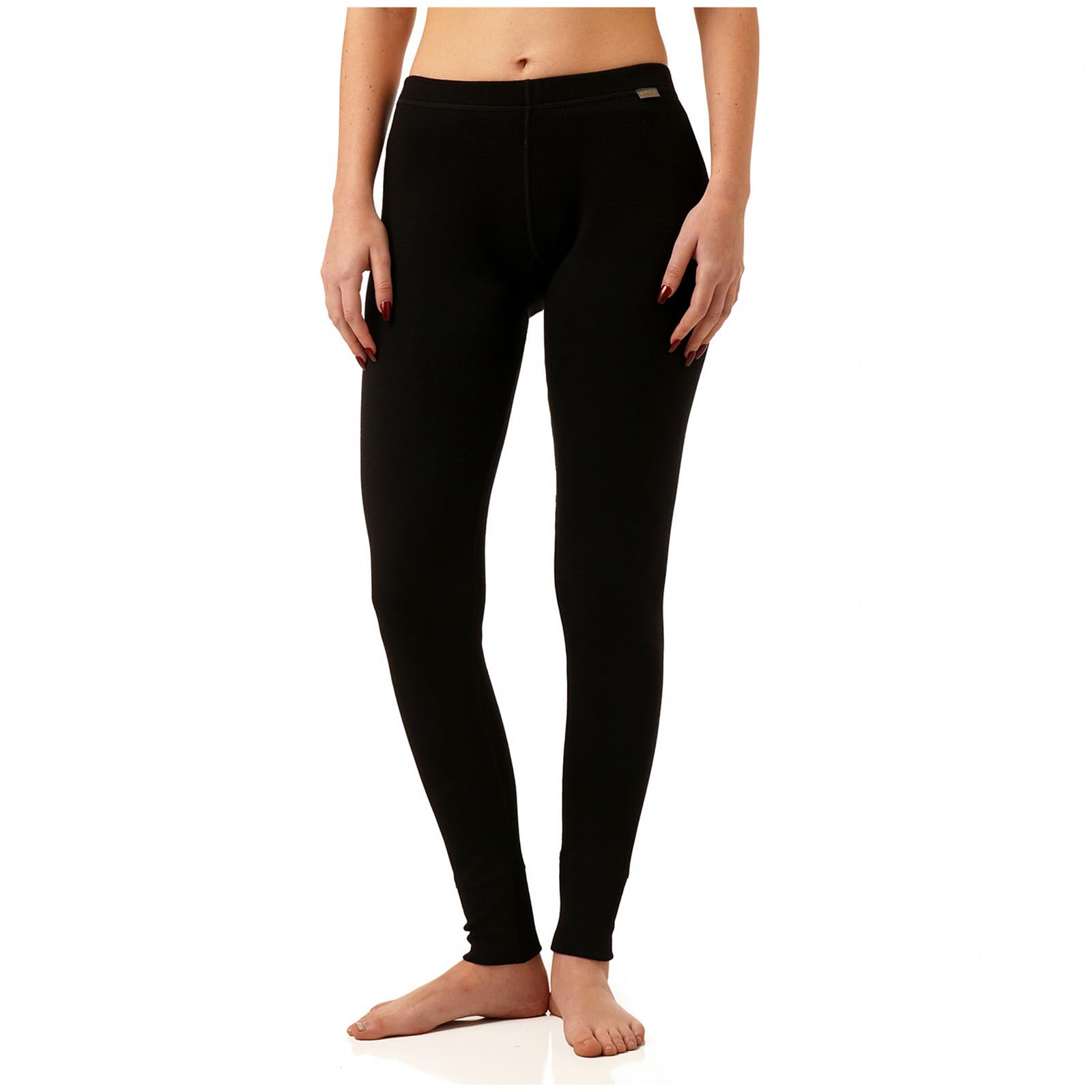
You want leggings that keep your legs warm without the prickly itch of old-school wool. The short answer: the MERIWOOL Womens Base Layer 100% Merino Wool Heavyweight 400g Thermal Pants is the one to buy first. It has the thickest knit in this group at 400 g (grams per square metre, a measure of how heavy the fabric is) and is made of 100% merino wool, a fine fiber that stays soft against skin. That 400 g knit in 18.5-micron merino is what makes it a real winter layer. The rest of this list covers lighter options for cool days, a premium pick for the deepest cold, and a couple of everyday pairs worth a look.
This guide is built by comparing the manufacturers’ published specifications and the patterns across verified customer reviews, so you get each pick’s real strengths and trade-offs instead of marketing spin.
Wool leggings come down to three specs: fabric weight, fiber fineness, and whether the waistband stays up. Below you get all three for every pair, plus the fit quirks that actually decide a purchase. These are the wool leggings womens buyers keep coming back to for winter layering that stays warm and dry.
Top Picks


How To Choose The Best Wool Leggings Womens
Two wool leggings can look identical on the shelf and feel completely different on your legs. The gap usually depends on how heavy the knit is and how fine the fibers are. Nail weight and micron count and the warmth and itch questions mostly answer themselves.
Start with the fabric weight, not the label
Weight is written as grams per square metre, often shortened to g or g/m². It tells you how much wool is packed into the fabric. A 400 g knit is a thick winter layer meant to sit under trousers in real cold. A 175 g or 200 g knit is a light layer for brisk mornings and indoor wear. Neither weight is better — each suits a different temperature range.
Finer fibers mean less itch
Merino is measured in microns, the width of a single fiber. The pairs here list 18.5-micron wool, which is fine enough that the fibers bend instead of poking. That bend is why 18.5-micron merino does not scratch like coarse wool. If itch is your main worry, fine micron wool is the spec to hunt for.
Check the fit notes before you buy
Wool has some natural stretch, but waistbands and leg length vary a lot between brands. Some pairs run large and need a size down. Others have a wide waistband that holds well but grips tight. Read what buyers report about sizing for the exact pair you want, because it rarely matches your usual size.
Side-by-Side Comparison
| Model | Best For | Fabric Weight | Wool Content | Style | Amazon |
|---|---|---|---|---|---|
| MERIWOOL Heavyweight 400g★ Best Overall | Coldest weather layering | 400 g | 100% Merino Wool | Heavyweight base layer | Amazon |
| LAPASA 100% Merino WoolBest for Sport | Cool-to-brisk days and sport | — | 100% Merino Wool | Lightweight base layer | Amazon |
| Merino Protect 250gBest for Travel | Hiking and travel layering | 250 g | 100% Merino Wool | Base layer / long johns | Amazon |
| Minus33 Expedition 400 | Frigid commutes and expeditions | 400 g/m² | 100% Merino Wool | Expedition weight bottoms | Amazon |
| Icebreaker 175 Everyday | Light layering and sleepwear | 175 g | Merino Wool | Everyday legging | Amazon |
| Icebreaker 260 Tech | Deep winter sports | 260 g | Merino Wool | Tech base layer | Amazon |
| Woolly 95% Merino | Everyday wear and commuting | — | 95% Merino Wool | Everyday legging | Amazon |
Detailed Reviews
1. MERIWOOL Womens Base Layer 400g Thermal Pants
Our pick — 4.5+★ from 300+ verified ratings; the strongest balance of quality and price.
The thickest wool in this lineup, built for the days the heater cannot keep up.
If you layer up for genuinely cold weather, this is the pair to start with. The fabric is a 400 g knit, which is the heaviest weight in this group — that means a lot of wool packed into a thin-feeling layer, so your legs stay warm without adding bulk under jeans. It is 100% merino wool at 18.5 microns, a fine fiber width that bends against skin instead of poking it. That is why merino wearers say it does not itch like the wool sweaters of childhood.
Compared with the Merino Protect pair at 250 g, this is meaningfully more fabric — at 400 g versus 250 g — so it holds warmth on days the lightweight pair would leave you reaching for another layer. The trade-off of all that wool is that it is a true deep-winter bottom. On a mild 50°F day it is more warmth than most people want, and it makes a poor summer or indoor-only pick.
Wool also earns its keep at laundry time. Merino needs fewer washes than synthetics, and this pair is meant to be hung to air dry. The crowd here backs it: 4.5+ stars from a solid base of owners who talk about warmth and softness first, with the brushed interior getting specific praise. One thing to check before you commit — the waistband fit, because a heavy knit behaves differently from a light one.
Where it earns the top spot
- 400 g knit — the heaviest, warmest option in this list
- 100% merino at 18.5 microns keeps the itch down
- Brushed interior feels soft next to skin
- Air-dry and fewer washes means less laundry fuss
What to weigh first
- Too warm for mild days and indoor-only wear
- Heavyweight knit layers best under loose trousers, not skinny jeans
- Merino needs gentle care to keep its shape
Best for: anyone facing real winter cold who wants one dependable warm layer under their clothes.
Think twice if: you want an everyday legging for cool offices — this one runs hot.
2. LAPASA Womens Merino Wool Base Layer Pants
A light merino layer that moves with you on the slopes and off them.
This is the pair for cool and brisk weather rather than deep cold. It is a lightweight 100% merino wool knit, so it keeps you dry and cozy without the bulk of a 400 g layer. Skiing, running, and cycling are the obvious uses, and it slips under jeans or pyjamas just as easily as it sits under ski trousers.
The build quality is what people notice — it is the most-praised thing about this pair, followed closely by how warm it runs for a light layer. It is also not itchy, a real concern for anyone who has been burned by cheap wool before. One buyer’s take: it works well on the slopes, which lines up with the sport-first design.
Here is the honest part: the sizing runs large and the fit is a mixed bag. Several people describe it as baggy, and the general advice is to size down. If you are between sizes, take the smaller one. The warmth and quality are solid — just order with the sizing note in mind and you will land well.
Why it wins on the move: a lightweight 100% merino knit keeps you dry during sweaty winter sport, and it is soft enough to wear all day without the itch.
The sizing caveat: it runs large, so size down if you want a snug base-layer fit rather than a roomy one.
Reach for this if: you want a breathable merino layer for skiing, running, or cycling and prefer a looser feel.
Look elsewhere if: you need a tight, second-skin fit — this one runs roomy.
3. Merino Protect Merino Wool Leggings Womens
A middleweight merino layer that packs small and resists odor on the road.
For hiking, travel, and long days in the cold, a 250 g merino knit hits a useful middle ground. It is warmer than a light everyday pair without the bulk of the 400 g heavyweight. The fiber is 18.5-micron Australian merino, the same fine width as the top pick, so it stays soft and non-itchy against your legs.
Where this one pulls ahead is in the finer points of merino. It wicks moisture, resists odor, and regulates temperature, which is exactly what you want on a multi-day trip where laundry is not an option. It also goes under everyday clothes as a base layer or doubles as sleepwear. Softness and warmth are the two things that come up most, and both land where you would want them.
Fabric is only half the story, though — the fit is where this pair splits opinion. The wide waistband is a plus for some, while others find it too tight, and length gets mixed notes too, with the back coming up short for some builds. Order with that in mind and check the size chart closely, because the length is the one spec people most often wish they had measured first.
What makes it a travel pick: 250 g of 18.5-micron merino gives warmth without weight, and the odor resistance means fewer washes between wears.
The fit note: the waistband runs tight for some and the back length runs short for others — try before a long trip if you can.
Best for: hikers and travelers who want a warm, odor-resistant layer that packs down small.
Not for you if: you have a long torso — the short back length is the recurring note.
4. 100% Merino Wool Women’s Base Layer Bottoms

Serious cold-weather kit from a wool house that has been at it since 1916.
Minus33 built these for the kind of cold most people never sign up for. The 400 g/m² interlock knit is expedition weight, the same heavyweight tier as the top pick, but with a denser interlock weave that handles sustained cold. At 18.5 microns it is still fine enough to skip the itch, and it carries a UPF 50+ rating — sun-blocking protection that matters when snow reflects light back at you.
Wool absorbs moisture and insulates even when damp, and this knit is built to do that. It is designed for hiking, camping, snowsports, hunting, and fishing, with the maker suggesting it works from 30°F down to 0°F. That is a base layer for real winter, not a light daily pair. The company’s wool heritage runs back to a family textile business founded in 1916, which shows in how the fabric is finished — smooth and silk-like rather than scratchy.
Owners mention it works well for cold commutes and in Arctic-grade conditions. At this price and knit weight, it is built to last several winters rather than a season or two. The catch is the same as any 400 g layer: it is warm enough that mild days will feel like too much, and it is a base layer, so it is meant to be worn under trousers, not on its own.
Why it earns a spot
- 400 g/m² interlock knit built for expedition-level cold
- UPF 50+ blocks sun on bright snow days
- Silk-like finish avoids the itch
- From a wool family business dating to 1916
Things to plan around
- Too warm for anything but real winter
- Designed as a base layer, not a stand-alone legging
- Heavyweight fabric needs room under outer trousers
Best for: commuters and outdoor workers who face true cold and want a layer built to match it.
skip it if: you need something you can wear on its own around the house.
5. Icebreaker Merino Women’s Women 175 Everyday Leggings
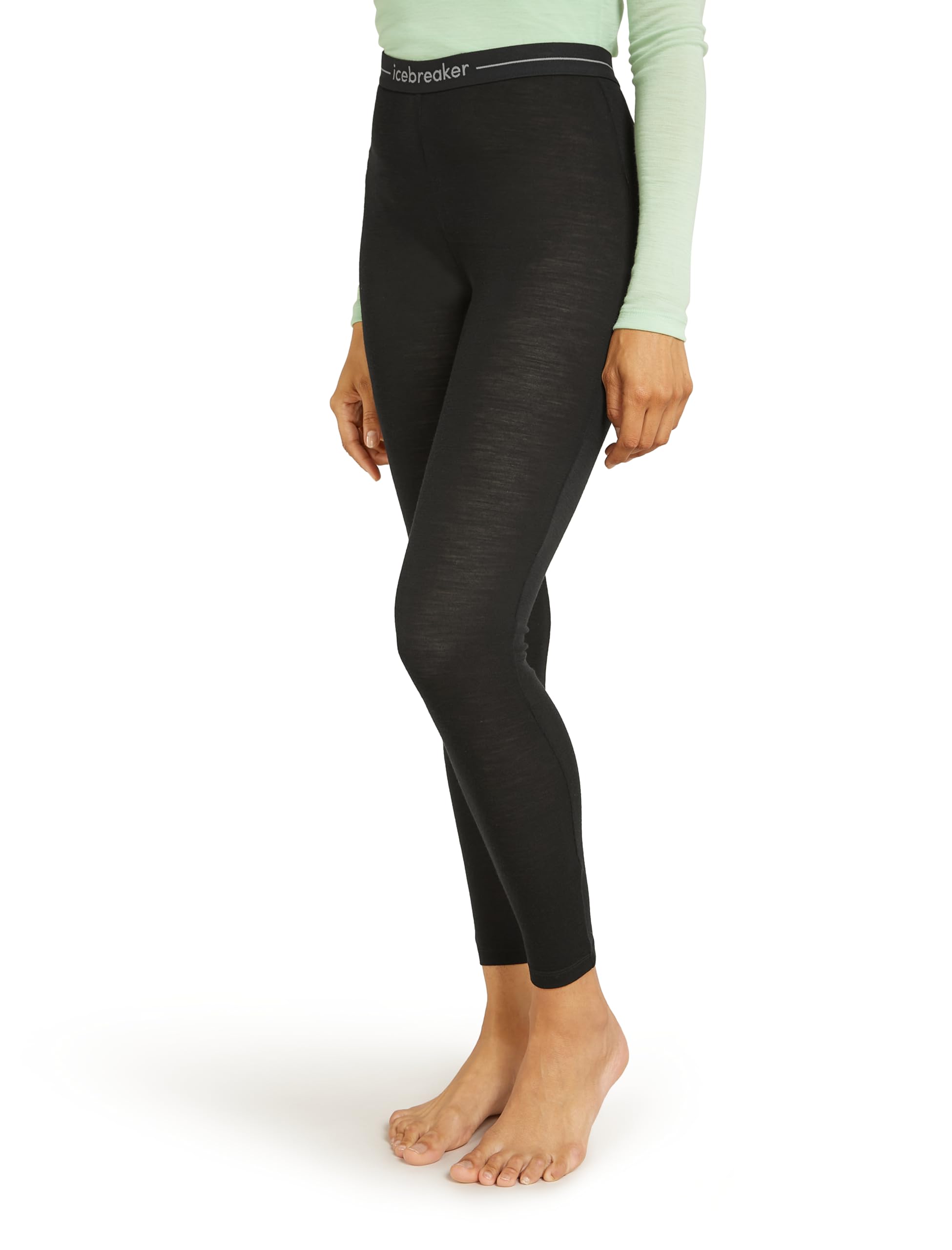
A featherlight merino legging that doubles as sleepwear and a dress layer.
At 175 g, this is the lightest knit Icebreaker puts out in a legging, and it is built for comfort rather than deep cold. That makes it a great travel and loungewear pair — soft, light, and versatile enough to wear under dresses or as pyjama bottoms. It is the one to grab when you want merino next to skin without the weight of a 400 g layer.
Fit is the standout virtue here, and versatility comes a close second. The 175 g knit drapes and moves without bunching, so it feels like a normal legging rather than a thermal. Merino’s natural wicking keeps it dry through a long day, which is why so many people wear this one as a base layer or as sleepwear on the road.
Now the honest caveat. The thin knit is thin enough that opacity is a real issue — wear a liner or darker under-layers if you are going out in it. Durability takes a hit too, with knees being the first place the fabric gives, and the price feels steep for how delicate it is. That is the trade-off of going this light: it is wonderfully soft, but it is not the pair you put through a winter of hard wear.
What people love
- 175 g knit is light enough to wear indoors and under dresses
- Fit and drape feel like a normal legging
- Soft merino next to skin, no itch
- Works as sleepwear or a base layer on the road
The trade-offs to know
- Thin enough to be see-through in some lights
- Knees wear through faster than heavier knits
- Premium price for a delicate fabric
Reach for this if: you want a soft, light merino layer for lounging, travel, or under dresses.
Think twice if: you plan to wear it as stand-alone trousers — it is thin enough to show through.
6. Icebreaker Merino Women’s 260 Tech Leggings

The winter-sport specialist, tuned for skiing and the coldest months.
Skiing and snowshoeing put different demands on a layer than a commute does. You heat up on the move and cool down fast at the lift, so you need warmth that regulates. The 260 g merino knit here is the heaviest of the Icebreaker pairings, which is why it is the go-to for the coldest months and the most active winter days.
Positioned above the 200 g Oasis and the 175 g Everyday, this is where Icebreaker’s warmth ladder tops out in a legging. If you have been layering two lighter pairs to get through a ski day, this replaces both with one. Merino’s natural moisture handling keeps it comfortable when you sweat, and the 260 g weight holds warmth without the expedition-level bulk of a 400 g layer.
The obvious follow-up is care. A heavier knit is still merino, so it wants a gentle wash and air drying to keep its shape and stretch. It is also a cold-weather-first piece — the same 260 g that saves you on a ski day is more than you want on a mild afternoon. For the deep-winter athlete, though, this is the pair the whole ladder builds toward.
The winter-sport case: 260 g of merino sits above the Oasis and Everyday for real cold, and it regulates through the heat-up-and-cool-down cycle of active days.
The care and season note: it wants gentle washing and air drying, and it runs hot on mild days.
Best for: skiers, snowshoers, and anyone whose winter is long and active.
Not for you if: you want one legging for year-round indoor wear — go with the 175 g or 200 g instead.
7. Woolly Women’s 95% Merino Wool Leggings

A Seattle-made everyday legging from a small brand that bets on merino.
This one is aimed at daily life rather than deep cold. The 95% merino content is high enough that you get the fiber’s natural temperature regulation, odor resistance, and softness, with a little stretch blend to keep the fit comfortable. It is an everyday legging for commutes, errands, and time at home, and Woolly is a small Seattle business that leans hard into the merino-versus-plastic-synthetic story.
Comfort is the first thing people notice — soft, not itchy at all, and warm enough for cool days. Merino’s fine fibers bend against skin instead of poking, which is why this pair works against bare legs. The RWS certification on the wool puts it in the responsible-farming category for shoppers who care where their fabric comes from.
Here is the honest picture: fit and durability are the weak points. The waistband slips down for some wearers, and multiple people report ripping after a few wears along with stitching problems. That is a real concern when you are paying a premium for the wool content. Woolly’s fit and comfort still win people over, but if you need a pair that takes hard wear, the heavier expedition knits are the safer bet.
The everyday case: 95% merino gives you the softness, warmth, and odor control that makes a legging easy to wear all day.
The durability caveat: the waistband can slip and the fabric can tear at the seams for some — treat it gently.
Best for: low-key everyday wear where comfort and natural fiber matter more than ruggedness.
Look elsewhere if: you need a legging that survives heavy use — the sturdier expedition knits hold up better.
Know the Specs
Fabric Weight (g and g/m²)
This is how much wool is packed into the knit, and it is the best predictor of how warm a pair runs. A 175 g or 200 g knit is a light layer for brisk days and indoor wear. A 250 g knit handles cold weather and travel. A 400 g knit is expedition weight, built for the deepest cold. Heavier means warmer but bulkier, so pick the weight to match your coldest realistic day, not the coldest day on record.
Micron Width and the Itch Factor
Microns measure the width of a single wool fiber. Fine fibers, like the 18.5-micron merino used in several pairs here, bend softly against skin instead of poking it, which is why merino feels different from coarse wool. If itch is your main concern, look for a stated micron number and go finer. Merino also wicks moisture and resists odor, so it needs fewer washes than synthetics.
Common Questions
Do merino wool leggings actually stop the itch?
What fabric weight should I pick for winter?
Are wool leggings good for skiing?
How do I wash merino wool leggings?
Do these wool leggings run true to size?
Can I wear wool leggings as stand-alone trousers?
Is 100% merino better than a merino blend?
Are wool leggings good for travel and hiking?
Will heavyweight wool leggings fit under my jeans?
Do wool leggings keep you warm even if they get damp?
The Bottom Line
For most people shopping for the best Wool Leggings Womens, the MERIWOOL Heavyweight 400g is the pick to start with. It has the heaviest knit in this group at 400 g, 100% merino at 18.5 microns, and a brushed interior that makes cold-weather layering genuinely comfortable. If you want a lighter, sport-ready pair, the LAPASA lightweight merino is the one to reach for — just size down. And for deep-winter athletes, the Icebreaker 260 Tech is the warmest of the Icebreaker ladder at 260 g. Whichever you choose, match the weight to your real coldest day and you will get the warmth you paid for.
How we choose
We do not accept paid placement. Every pick is matched to a real buyer and a real use-case; we do not hands-on test units.
Sources
Specifications: manufacturer listings and product documentation. Review insights: verified customer reviews. Pricing: not shown on this page (it changes often); check the current price via the retailer link.
As an Amazon Associate, Tactical Gear Guy earns from qualifying purchases. This does not affect which products we feature.