Specs are compiled from manufacturer listings and verified buyer reviews and can change over time — please confirm the key details on the product page before buying.
If your toes feel pinched and your calves ache after every run, the culprit is usually the shoe’s toe box and heel-to-toe drop, not your feet. Zero drop running shoes put your heel and the ball of your foot at the same height off the ground, and that single change is what lets your foot land the way it was built to. Below are nine women’s zero drop running shoes sorted by what each does best on road or trail, so you can match the pair to your miles.
This guide is built by comparing the manufacturers’ published specifications and the patterns across verified customer reviews, so you get each pick’s real strengths and trade-offs instead of marketing spin.
Stack height, toe box room, and outsole grip decide whether a zero drop shoe feels natural or punishing. Here is the breakdown of the women’s zero drop running shoes worth your money.
Top Picks
How To Choose The Best Women’s Zero Drop Running Shoes
Zero drop is simple to define and easy to get wrong. Your heel and forefoot sit level, so your foot lands flat instead of on a raised heel. That is the whole idea. What decides whether a specific pair works for you is how much cushion sits under that level platform, how much room your toes get, and what the outsole is made of.
Cushioning is the number that changes the ride most
Stack height is how thick the sole is under your foot, measured in millimeters. A 22 mm stack keeps you close to the pavement and lets you feel the ground. A 30 mm stack softens the landing on long road miles. Neither is better: a low stack suits speed work and form drills, while a taller stack suits daily training on tired legs.
Toe box room is where wide feet win or lose
A wide toe box lets your toes splay out when you push off, which is how a foot naturally balances. Several shoes here use a FootShape cut that widens at the front while keeping the middle snug. A zero drop shoe with a narrow toe box defeats the point for a wide-footed runner.
Outsole grip matters more than you think on trail days
Trail shoes need sticky rubber and lugs — the raised bumps under the sole that bite into dirt. A lugged outsole with canted lugs angled beneath the metatarsals gives traction on loose climbs. Road shoes skip the lugs for a flatter, smoother tread, which is why you should not take a road pair onto wet singletrack.
Give your calves and Achilles a slow ramp
Moving from a raised heel to a level platform loads your calf and Achilles differently. Start with short runs and build up. Calf and Achilles strain is the most common reason buyers return a zero drop shoe, and it says nothing about the shoe’s quality.
Side-by-Side Comparison
| Model | Best For | Drop | Stack Height | Weight | Amazon |
|---|---|---|---|---|---|
| ALTRA Lone Peak 8★ Best Overall | Trail days and thru-hikes | 0 mm | 25 mm | 10.7 oz | Amazon |
| Wide Toe Box Barefoot ShoesBest for Everyday Walking | Everyday walking comfort | Zero drop | — | — | Amazon |
| Merrell Trail Glove 8Best Cushioned Road Pick | Minimalist trail feel | — | — | — | Amazon |
| Xero Shoes HFS Original | Barefoot-style road running | — | — | — | Amazon |
| Topo Pursuit 2 | Grippy trail running | 0 mm | — | — | Amazon |
| Topo ST-6 | Gym work and travel | 0 mm | 14 mm | — | Amazon |
| ALTRA Torin 7 | Daily training mileage | 0 mm | 28 mm | — | Amazon |
Detailed Reviews
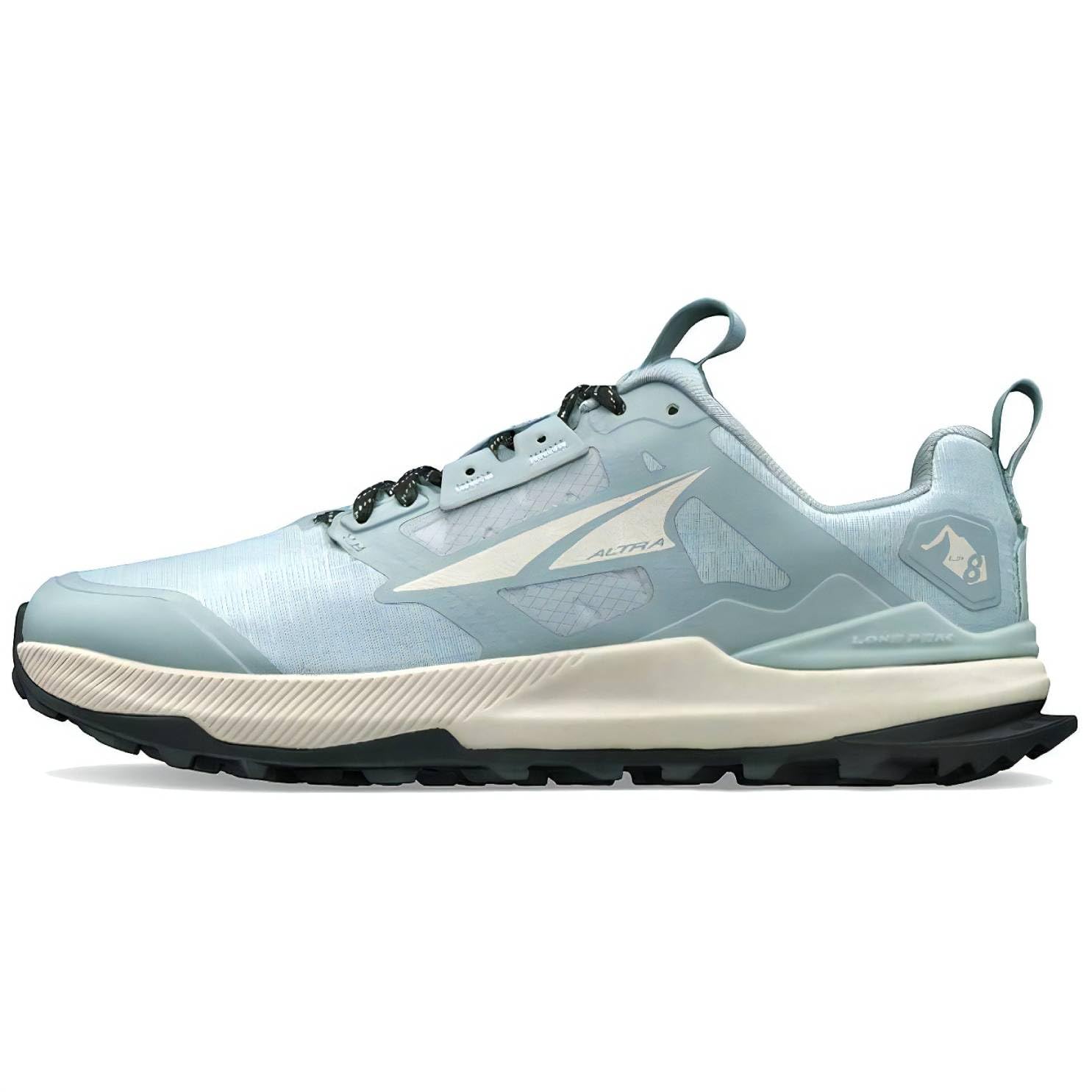
1. ALTRA Women’s Lone Peak 8 Trail Running Shoe
Our pick — 4.5+★ from 850+ verified ratings; the strongest balance of quality and price.
The trail shoe that keeps its footing when the dirt turns to slickrock
The Lone Peak 8 is a 10.7 oz (303 g) trail shoe with a 25 mm stack under both heel and forefoot, so your foot sits level at 0 mm drop. On a rocky climb that flat platform plus the MaxTrac outsole means you feel the ground and grip it at the same time. If your runs leave the pavement, this is the pick that earns the top spot — the crowd favorite with 4.5+ stars behind it.
What wins people over is the fit. A ripstop mesh upper wraps the midfoot without squeezing, and the roomiest toe box Altra makes gives your toes space to spread on descents instead of jamming into the front. The lugged tread uses TrailClaw canted lugs placed under the metatarsals, which translates to traction on loose gravel and wet roots. No break-in period to fight through — you lace up and go.
Weight is the honest trade-off. At 10.7 oz it carries noticeably more shoe than the Paradigm 8 at 8.6 oz, and that is 24% more weight on your foot per stride. On a long climb you notice it. Some runners also find the cushioning on the firm side, which suits trail feel but is not a plush cruiser. Neither issue stops it from being the most complete trail option here.
Where it pulls ahead
- MaxTrac outsole with TrailClaw canted lugs holds traction on loose and wet trail
- Roomiest Altra toe box leaves toe room on long descents
- Level 25 mm platform at 0 mm drop gives direct ground contact
- Ripstop mesh upper needs no break-in
What to weigh first
- 10.7 oz is heavier than the road-focused picks in this list
- Cushioning leans firm, so it is a trail-feel shoe rather than a soft cruiser
Made for: hikers and trail runners who want grip and toe room in one shoe and will accept extra weight to get it.
Think twice if: you mostly run pavement — the lugged outsole and firm cushion are wasted there.
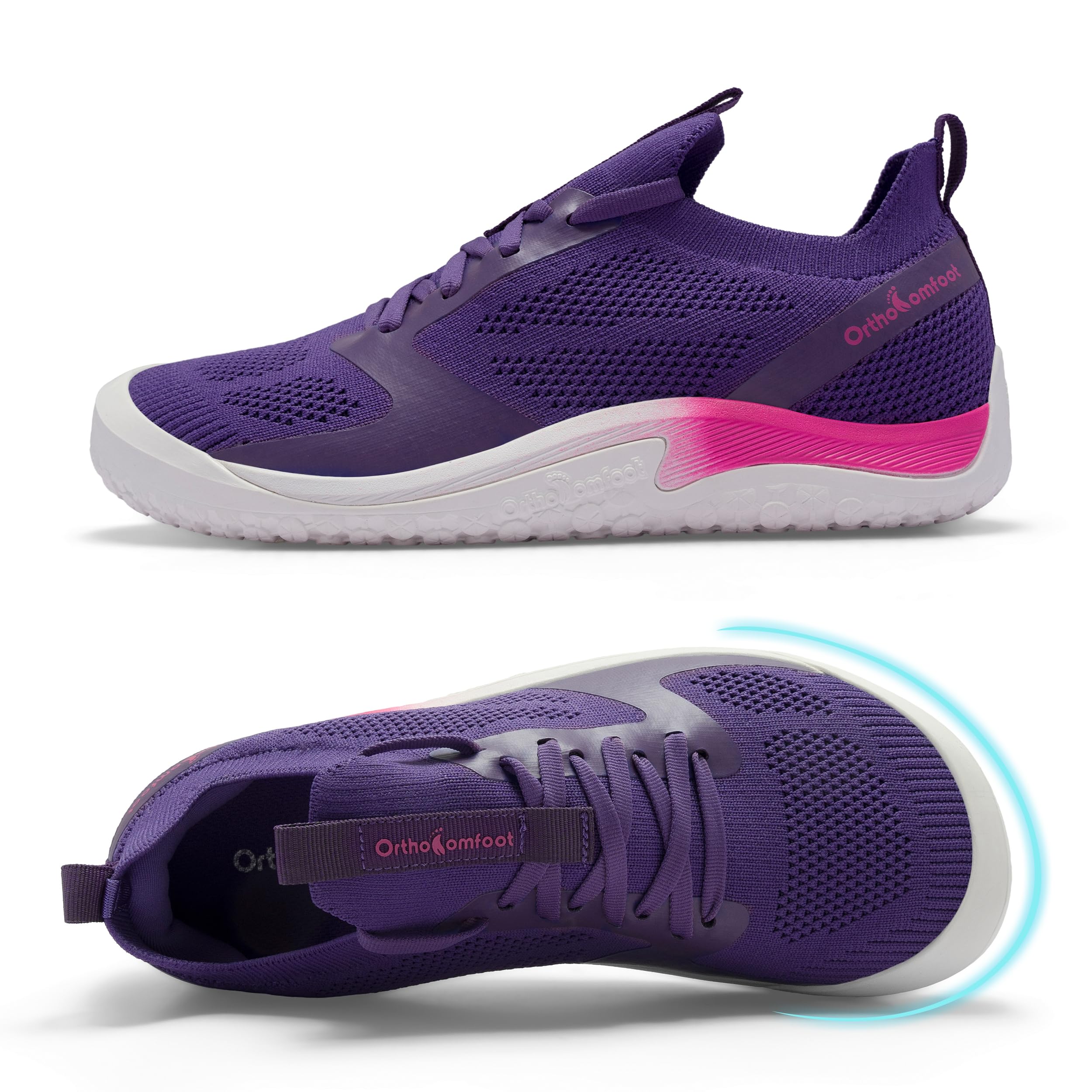
2. Women’s Orthopedic Wide Toe Box Barefoot Shoes
A budget barefoot shoe built for standing and walking, not chasing pace
These are the value pick, and they are honest about it. A zero drop platform, a wide toe box, a breathable upper and a non-slip outsole are the whole spec sheet, and for everyday wear that short list covers what matters. If you are trying zero drop for the first time and want a pair for errands, standing shifts, or gentle walks, this is the least expensive way in.
Comfort and foot support are what this pair delivers best. The arch support underfoot gives aching feet something to rest on, and the fit runs true for most buyers. The toe box is where the picture splits — the shoe runs large for some wearers, so check the size chart and expect the front to feel roomier than a standard sneaker.
Two things to know before you buy. The shoe has no advertised trail lug or performance rubber, so treat it as a walking and casual shoe rather than a mile-eater. And because the toe box fit is mixed, order with a return in mind if you sit between sizes. For the intent — a comfortable, non-slip zero drop everyday shoe — it does the job.
The value read: an entry-level barefoot shoe that gives a wide front and arch support for daily walking. It suits a first zero drop purchase or an all-day standing shoe.
The honest limit: no performance outsole or trail grip is listed, and the toe box runs large on some feet, so sizing needs care.
Right for: a first zero drop pair for walking, standing, and casual wear.
Look elsewhere if: you plan real training miles — this one is built for comfort, not pace.
3. ALTRA Women’s Paradigm 8 Road Running Shoe
A ground-first trail shoe for runners who want to feel every rock
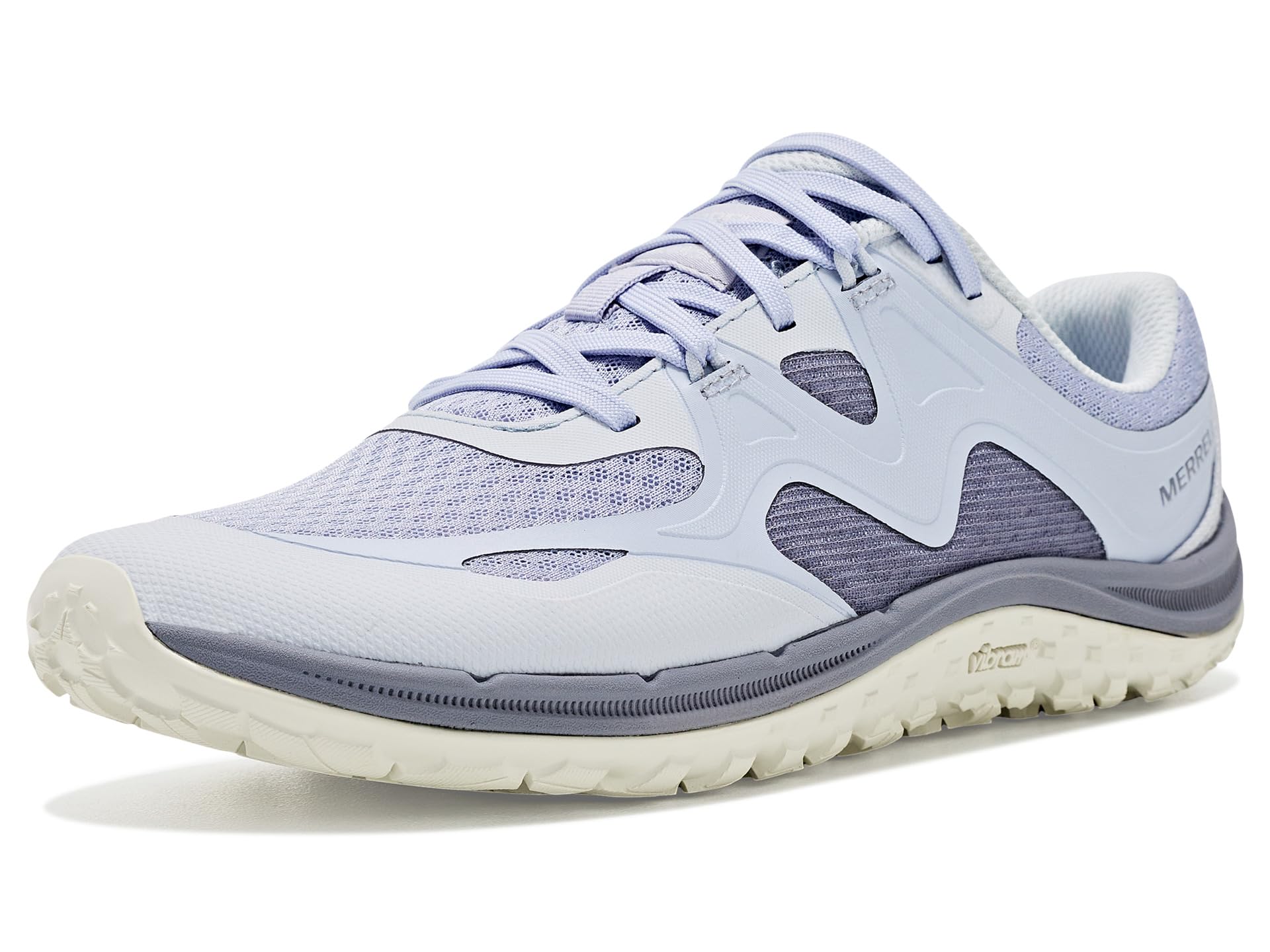
The Trail Glove 8 is a minimalist trail shoe for a specific kind of runner — the one who wants the ground, not a cushion, under her foot. A thin layer of FloatPro foam sits underfoot for lasting comfort, and FlexConnect technology lets the sole flex with your foot so you connect with the terrain instead of hovering above it.
Grip comes from a Vibram outsole, the same sticky-rubber name used on serious hiking footwear, and it is meant to hold on wet and dry terrain alike. That is a trail-first build: you get traction and feel, not a soft landing. Pairs well with short, technical runs and hikers who like a barefoot-style shoe on uneven ground.
Be clear about what this is. A thin sole is a commitment — if you are used to a plush trainer, your feet will feel every root and stone. It is the most minimal shoe here, and it rewards a runner with strong feet and patience. Come in with a slow build-up and it delivers in spades.
The minimalist case: Vibram rubber underfoot plus FlexConnect flex makes this the most ground-connected trail shoe on the list.
A fair warning: a thin FloatPro layer means minimal cushioning — this suits runners who already run with a light, midfoot landing.
Reach for it when: you want to feel the trail and trust your own feet on technical ground.
Hold off if: your legs still want a cushion under every step.
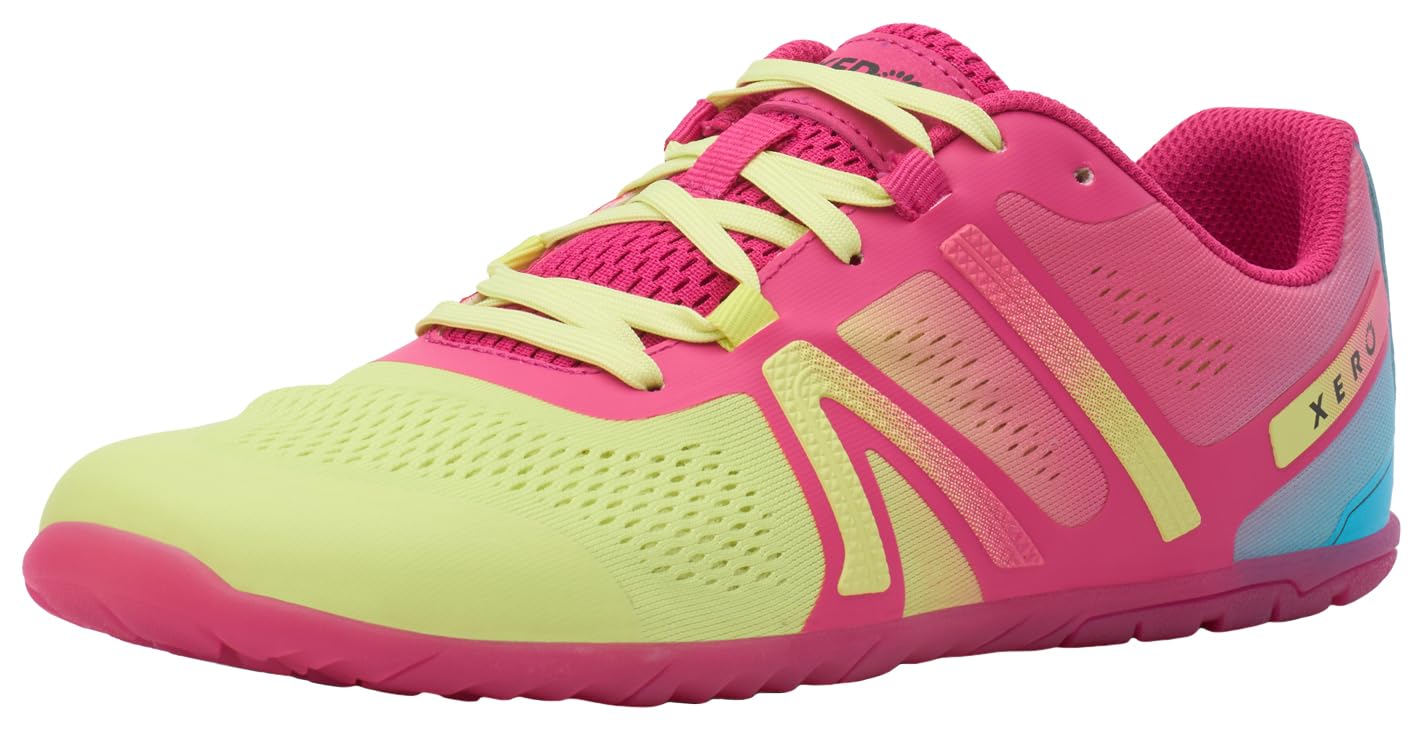
4. Xero Shoes Women’s HFS Original Barefoot Running Shoes
The barefoot trainer that bends with your foot and disappears on your run
The HFS Original is for the runner who has decided barefoot is the way and wants a shoe that barely gets in the way. The mesh upper is flexible enough that your foot bends naturally inside it, and the whole shoe stays light enough that you forget there is anything on. Foot support is solid for a minimalist build, and knee comfort after runs is the kind of thing barefoot converts talk about.
What people love first is the look — it is a genuinely sharp shoe, which is rare in the barefoot corner. Comfort follows close behind, with the mesh letting feet move freely on long road efforts. These are barefoot trainers in the true sense, so expect ground feel rather than pillowy landings.
Size is where to slow down. Fit is the most-debated point: some feet find it spot on, others find it tight. Durability also splits opinion, so treat this as a shoe for the runner who has already committed to barefoot form rather than a first step into minimalist running. Get the fit right and it is one of the best barefoot options out there.
The barefoot case
- Mesh upper flexes so the foot bends with the shoe
- Light build keeps the shoe out of the way on runs
- Foot support holds up for a minimalist design
- Sharp looks for a barefoot trainer
Get the sizing right
- Fit splits opinion — some find it tight
- Durability draws mixed reports
Suits: committed barefoot runners who want flexibility, light weight, and looks in one shoe.
Tread carefully if: you are brand new to minimal shoes — the fit and durability are the risky parts.
5. Topo Athletic Women’s Pursuit 2
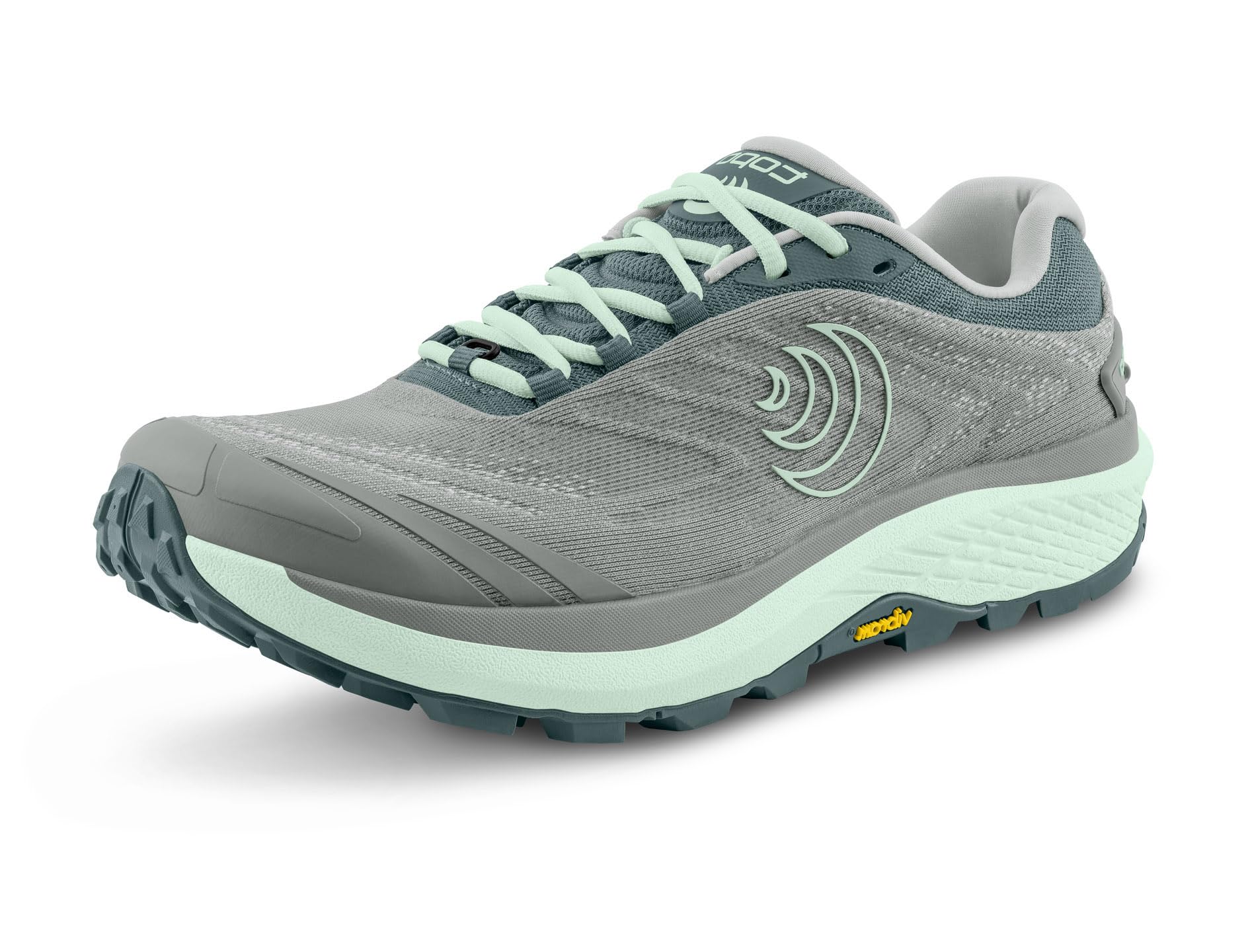
A zero drop trail runner with rubber that bites on wet rock
The Pursuit 2 builds its case around its outsole. Vibram Megagrip is the sticky trail compound that climbers of loose terrain trust, and on wet rock and slick roots it holds. The platform sits at 0 mm drop with a cushioned feel, and most reviewers single out the roomy toe box as the reason their toes stop complaining. Add a recycled mesh upper that is tightly woven and durable, and you have a trail shoe that can take a beating.
ZipFoam midsole is the updated foam in this version — softer, more responsive, and lighter than before. The FKT insole is perforated to drain water fast when you splash through a creek. Gaiter anchors on the shoe (gaiters sold separately) let you clip on protection against rocks and dirt. On a technical descent the grip is the reason to choose this over the Lone Peak 8.
The trade-offs are honest. Cushioning and arch support draw mixed feelings — some want more softness underfoot. And durability is not unanimous; the lace loop has been known to tear on a rough pair. Overall quality still leads the praise, so for most trail runners the grip outweighs those notes.
Grip first: Vibram Megagrip and a draining FKT insole make wet, muddy runs feel controlled. The wide toe box is a strong second.
The caveat: cushioning and arch support are not universal winners, and the lace loop has been a durability complaint — check it on arrival.
Made for: trail runners who put wet-weather grip above plush cushioning.
Worth a second look if: you want soft landings — the cushion here leans firm.
6. Topo Athletic Women’s ST-6

Lowest stack here — and it folds flat into a gym bag
The ST-6 is the leanest platform in this lineup at just 14 mm of sole, 0 mm drop. That low stack is exactly what makes it feel natural and flexible underfoot, and it is built for daily runs, faster workouts, and gym work rather than long trail days. The ZipFoam midsole adds some response so a short tempo run does not feel dead.
You can pack this pair flat, because the heel counter (the stiff back of the shoe) folds down. That means it slides into a gym bag or a carry-on without taking up shoe-shaped space, which is rare in a running shoe and makes it the easiest one here to travel with. The recycled mesh upper (the fabric over your foot) stays breathable and secure, and the poly lace-up closure (laces made of synthetic fiber) keeps your midfoot locked in place.
Comfort is the strong point — the shoe hugs the arch for support. Fit is the trade-off: the toe box runs narrow for some feet, so if you have wide toes, look to the Lone Peak 8 or the Pursuit 2 instead. For a low-profile road and gym shoe that travels well, though, it is a smart pick.
Pack-it-and-go appeal
- 14 mm stack keeps you close to the ground at 0 mm drop
- Collapsible heel packs flat for a gym bag or carry-on
- ZipFoam midsole adds response for shorter efforts
- Arch support hugs the foot well
Know before you go
- Toe box runs narrow for some feet
- Low stack is not built for long-distance comfort
Pick it for: gym sessions, travel, and short road runs where a packable shoe wins.
skip it if: your toes need room to spread — the narrow toe box will fight you.
7. ALTRA Women’s Torin 7 Road Running Shoe
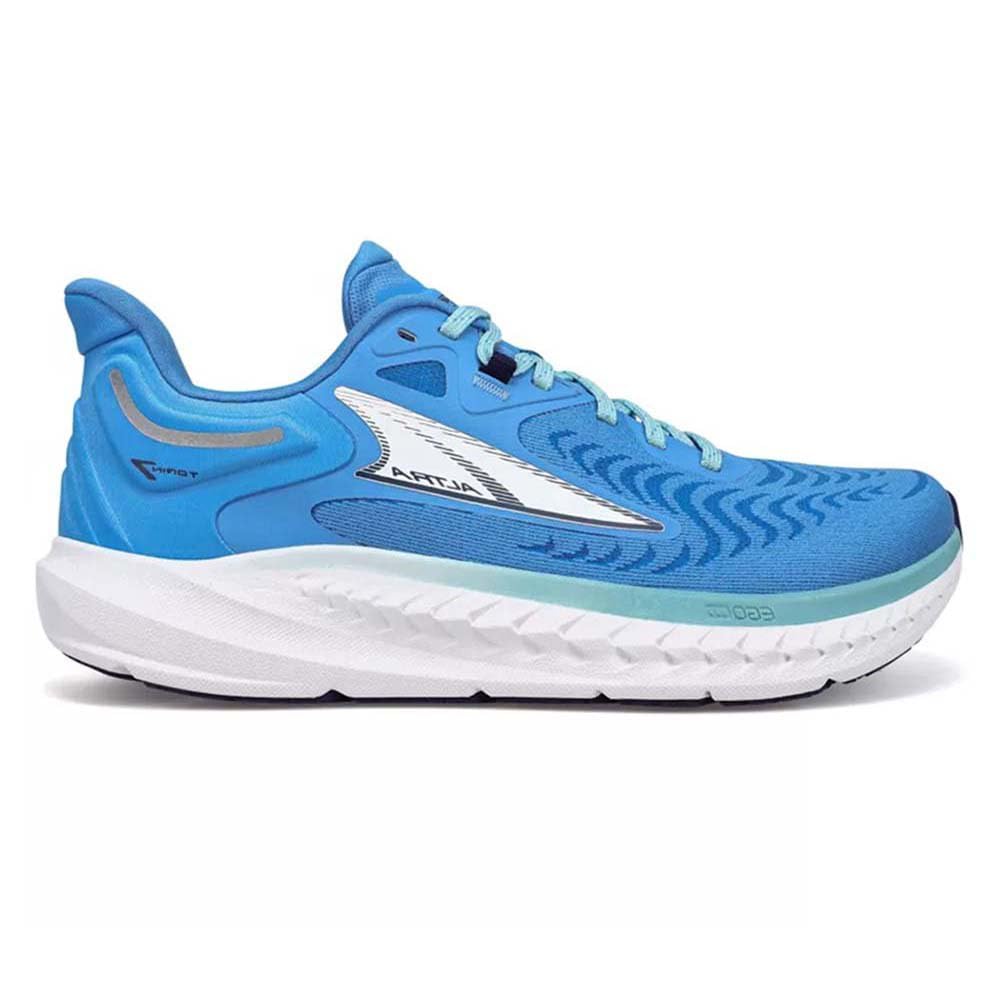
The everyday mileage shoe that stays comfortable from first mile to last
If you run most days and want one shoe that handles the lot, this is it. The Torin 7 pairs a 28 mm stack with a 0 mm drop, so you get plenty of cushion under a level platform. The plush EGO MAX midsole is the reason people call it “like walking on clouds” — soft underfoot without going mushy. It suits daily training and long runs, and the balanced cushioning positions heel and forefoot at equal height for a natural landing.
Quality leads the reviews, with cushioned arch support a close second. The FootPod outsole encourages natural movement underfoot, and the engineered mesh upper keeps airflow moving on hot days. Versatility is the quiet win — it works for all-day wear and a range of activities, not just running, so one pair can cover a lot of your week. For the runner who wants a single daily shoe, this is the strongest all-rounder here.
Fit and comfort are where opinions divide. Some find it true to size and soft; others find the fit wide or the cushion too much. Durability also gets mixed reports on heavy mileage. None of that dents its case as the most versatile daily trainer in the group — just size carefully and rotate it with a speed shoe for best results.
Why it takes the daily slot
- 28 mm stack with 0 mm drop for cushioned, level runs
- Plush EGO MAX midsole keeps long miles comfortable
- Versatile enough for all-day wear beyond running
- FootPod outsole flexes with natural foot movement
Worth knowing
- Fit splits opinion — some find it wide, some soft
- Durability draws mixed reports under heavy mileage
The daily answer: runners who want one cushioned, versatile zero drop shoe for most miles.
Consider the trade: fit and durability are not universally perfect — check sizing and rotate with a speed work pair.
Know the Specs
Drop and Stack Height
Drop is the height difference between your heel and forefoot, measured in millimeters. Zero drop means they sit level, so your foot lands flat. Stack height is how thick the sole is underfoot. A 14 mm stack keeps you close to the ground for feel and speed; a 30 mm stack cushions long road miles. Match the stack to what you do most, and build up slowly when moving down from a raised heel.
Toe Box and FootShape Fit
The toe box is the front of the shoe where your toes live. A wide, FootShape cut lets toes splay when you push off, which helps balance and eases pressure on bunions and wide feet. A narrow toe box defeats the point for many zero drop runners. Check the width before you buy — several shoes here run narrow in the toe, and a few run large.
Common Questions
Do zero drop shoes take time to get used to?
What does zero drop actually mean for my stride?
Are wide toe box shoes good for bunions and wide feet?
Can I run on trails in a zero drop road shoe?
How much cushioning should a daily trainer have?
Is a lower stack better for fast running?
What is the difference between the Lone Peak 8 and the Paradigm 8?
Will a zero drop shoe help my running form?
How do I size a zero drop running shoe?
Are barefoot shoes the same as zero drop shoes?
The Bottom Line
For most runners, the women’s zero drop running shoes winner is the ALTRA Lone Peak 8 because it combines a level 25 mm platform, a roomy toe box, and MaxTrac traction in one trail-ready shoe. If you want cushion and support for long road miles, grab the ALTRA Paradigm 8 with its 30 mm stack. And for everyday mileage in a versatile daily trainer, the ALTRA Torin 7 is the one to reach for. Whichever you choose, give your calves a few easy weeks to adapt — that is the real key to loving zero drop.
How we choose
We do not accept paid placement. Every pick is matched to a real buyer and a real use-case; we do not hands-on test units.
Sources
Specifications: manufacturer listings and product documentation. Review insights: verified customer reviews, as of November 2026. Pricing: not shown on this page (it changes often); check the current price via the retailer link.
As an Amazon Associate, Tactical Gear Guy earns from qualifying purchases. This does not affect which products we feature.