Specs are compiled from manufacturer listings and verified buyer reviews and can change over time — please confirm the key details on the product page before buying.
You do not need to spend the most to stay warm in January. The trick is matching how a jacket holds heat to how you actually spend your day, and then ignoring everything that does not help you there. A quilted hooded puffer with recycled synthetic insulation keeps a commuter warm in light snow, while a long down parka with a fur ruff is what you want when you are standing still in wind. Warmth comes from trapped air, and whether that air is held by down loft or synthetic fibers changes the weight, bulk, and how the coat moves with you.
This guide is built by comparing the manufacturers’ published specifications and the patterns across verified customer reviews, so you get each pick’s real strengths and trade-offs instead of marketing spin.
Below you will find layered warmth, honest fit notes, and the specs that actually matter when the temperature drops, so you can pick the right women’s warm winter jacket without guessing.
Top Picks

How To Choose The Best Women’s Warm Winter Jacket
Most people get this wrong in the same direction: they buy the thickest coat on the rack. Thickness is a rough proxy for warmth, but it tells you nothing about wind, wet, or how the jacket feels after two hours. Start with where you will wear it — a heated car commute is a different job from a twenty-minute walk to a train platform — and work backward from there.
Fill power versus synthetic insulation
Down jackets are graded by fill power — a number that describes how much space an ounce of down lofts into, so higher means more warmth for less weight. A 750+ fill jacket is a serious cold-weather spec, and a 600 fill coat is still a warm one but carries more bulk for the same heat. Synthetic insulation, like the recycled fill in the Columbia picks, uses lofted plastic fibers instead. It is heavier per unit of warmth but keeps working when it gets damp.
Water repellency and wind blocking
A DWR finish (durable water repellent — a coating that makes light rain and snow bead up and roll off) is the difference between a jacket you can wear in a snow flurry and one you cannot. It is not the same as a waterproof shell. Behind the zipper, look for a draft flap: a strip of fabric that sits behind the zip to stop cold air blowing through the teeth. On a windy street corner, that flap is the difference between a warm chest and a cold one.
Fit, length, and hood
You want room to layer a sweater underneath without the shoulders swimming. Check whether the maker describes the fit as regular or active before you buy — the two sit very differently. Length is a warmth decision: a long parka covers your thighs where cold wind hits hardest, and a hip-length jacket keeps you mobile but leaves those first few inches of leg exposed. A large hood adds wind protection and can feel bulky when you are not wearing it up.
What to skip
Skip any “rated to negative whatever” claim unless the brand publishes a real number. And treat a coat with no stated fill power (a number that shows how much warmth the down traps) or insulation type as a style piece first, a warmth piece second. It may be exactly right for a mild winter, but without a fill power or insulation spec you cannot judge its cold-weather range from the listing.
Side-by-Side Comparison
| Model | Best For | Insulation | Weather Shell | Weight | Amazon |
|---|---|---|---|---|---|
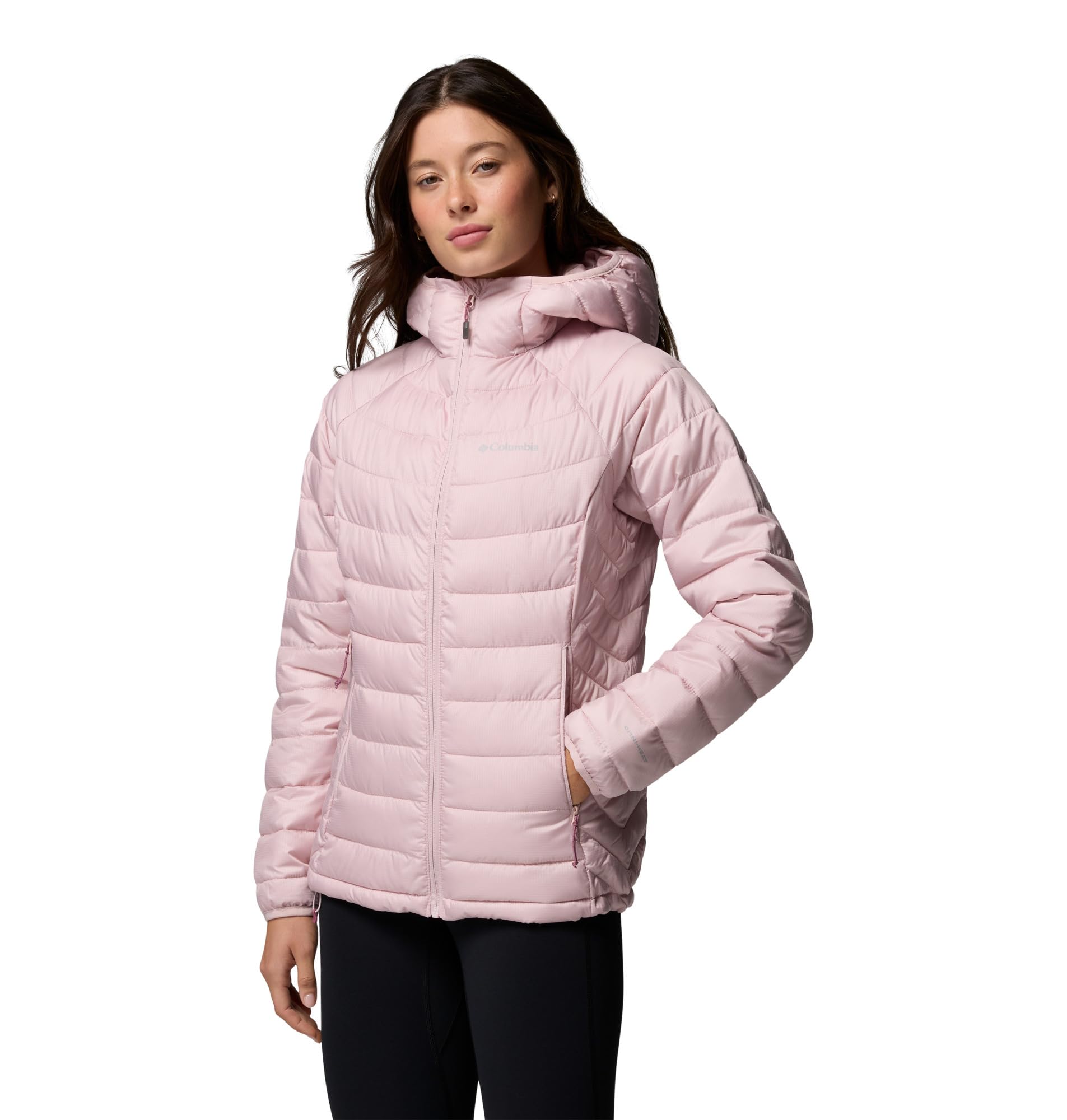
| Columbia Powder Lite II Hooded Jacket★ Best Overall | Everyday cold and light snow | Recycled synthetic with thermal-reflective lining | Rain-and-stain repellent | — | Amazon |
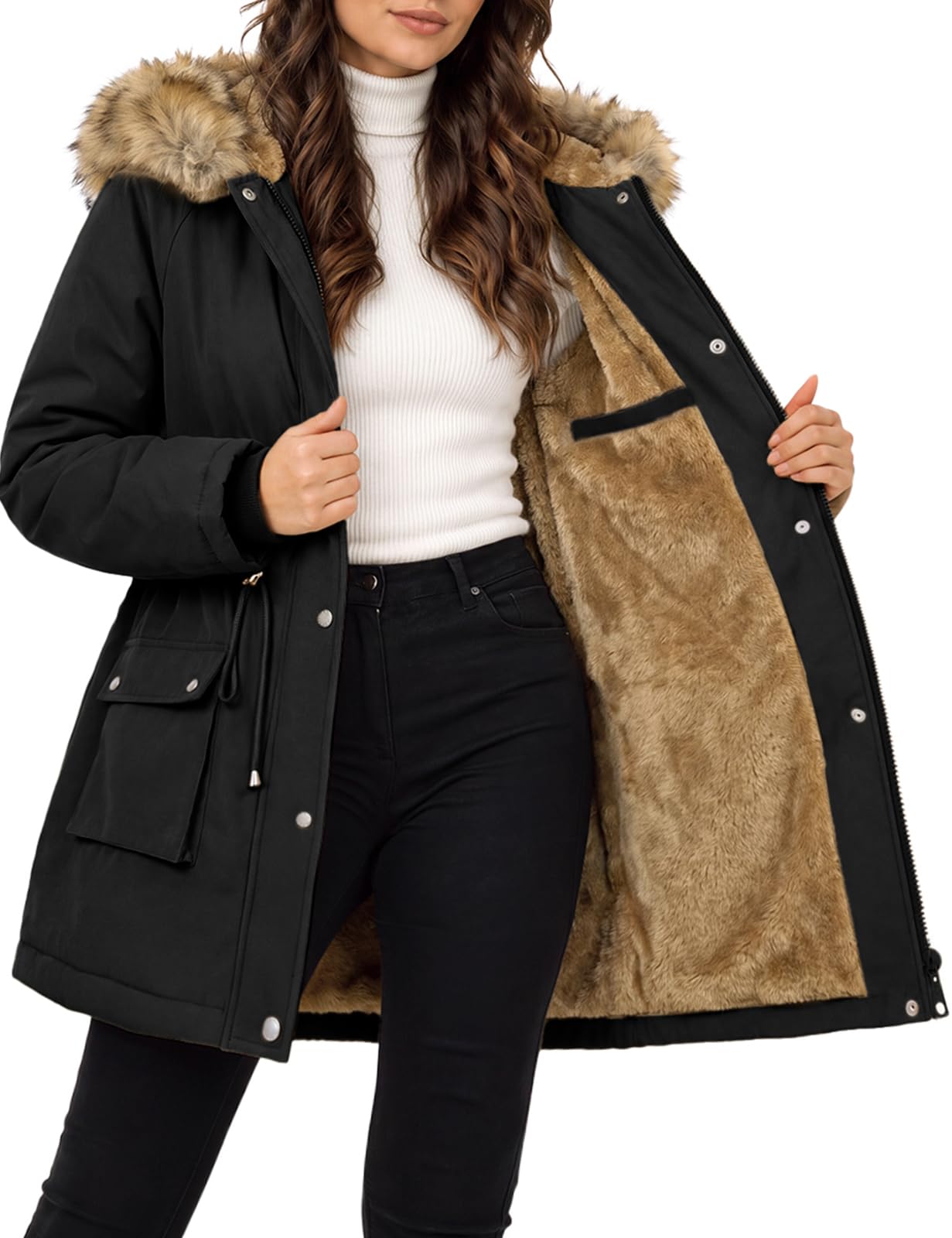
| HEEKPEK Fleece Lined ParkaDeep-Freeze Value | Deep freeze on a budget | Thickened fill with fleece lining | Faux-fur hood | 2.2 pounds | Amazon |
| Amazon Essentials Quilted PufferBest Fit Consistency | Reliable fit and consistency | Heavyweight puffer fill | Hooded quilted shell | — | Amazon |
| Columbia Copper Crest II Hooded Jacket | Softness against the skin | Insulated with fleece lining | Water-resistant finish | — | Amazon |
| Orolay Thickened Down Jacket | Pockets and a bold silhouette | Thickened down | Adjustable hem, smooth zipper | 2.73 pounds | Amazon |
| The North Face Junction Insulated Jacket | Layering from fall into spring | 100g HEATSEEKER synthetic | Non-PFC DWR, draft flap | — | Amazon |
| Waukee Long Down Coat | Full-body coverage in wind | 750+ fill white duck down | DWR shell, fur ruff | — | Amazon |
| The North Face Arctic Parka | Deep winter, wet and windy | 600 fill recycled down | DryVent waterproof shell | 2.76 pounds | Amazon |
Detailed Reviews
1. Columbia Women’s Powder Lite II Hooded Jacket
Our pick — 4.5+★ from 450+ verified ratings; the strongest balance of quality and price.
The jacket that bounces back body heat without wrapping you in a bulky shell.
Here is the number that defines this one: a thermal-reflective lining, which is a thin metallic layer that reflects your own body heat back at you instead of letting it escape. That is how this Columbia stays warm at a low weight, and it is why the jacket earns the top spot here as the crowd favorite — 4.5+ stars across 400+ owners. The insulation itself is recycled synthetic fill, so it keeps insuring you against the cold even if light snow soaks the outside.
What wins people over is the build quality, and they come back to the warmth as a close second. A rain-and-stain repellent finish handles a flurry or a drizzle on the walk to the car. It is also genuinely light — owners describe pulling it on and forgetting they are wearing much at all, which is the whole point of a thermal-reflective design. It has earned a 4.5+ star score, and the fit is where opinions split. Some buyers find it true to size, others say it runs a little large, so read the size chart rather than assuming.
The catch is that this is an active-fit jacket, cut close through the body for movement rather than deep layering. If you want to wear a chunky knit underneath, size up deliberately. Unlike the long parkas below, it stops at the hip, so your legs feel the wind on the coldest days.
Where it earns its keep
- Thermal-reflective lining traps body heat for warmth at a low weight
- Rain-and-stain repellent finish handles light snow and drizzle
- Recycled synthetic insulation keeps working if it gets damp
- Hooded and genuinely light for a full winter layer
What to know before ordering
- Sizing feedback is split — some find it true to size, some say it runs large
- Active fit leaves little room for a heavy sweater underneath
- Hip length only, so thighs stay exposed to wind
Wear it if: you want one light, versatile hooded layer for everyday cold and light snow.
Measure first: the active fit is close, so plan your layering before you pick a size.
2. HEEKPEK Women Winter Coats
The cosy, pocket-heavy parka that feels like a sleeping bag you can walk in.
For the money, few coats pack this much warmth. The fleece lining puts soft, knitted fabric right against your skin, and the thickened fill behind it does the heavy lifting when the temperature drops. Bundle both together and the effect is the sort of toastiness owners compare to curling up in a bag. It comes in at 2.2 pounds on the package label — the lighter of the two heavyweight down-style jackets compared here, well under the Orolay’s 2.73 pounds.
Quality and warmth are what people rave about most, and the pockets quietly steal a lot of praise: deep and roomy enough for gloved hands. The faux-fur-trimmed hood is large and frames the face well in wind. Women with heavier sweaters underneath report there is room to spare, which matters if you layer from October through February.
The honest note is sizing — it is the recurring quibble. Some find it slightly big all over, so a fitted silhouette is not really what this coat is about. Treat it as a warm, generous parka and check the size chart against your measurements rather than the number on your usual coat.
What buyers love
- Fleece lining plus thick fill for serious warmth
- Big, deep pockets for gloved hands
- Large faux-fur-trimmed hood blocks wind and frames the face
- Room to fit a heavier sweater underneath
The trade-offs
- Fit runs slightly big for some — check the size chart
- The oversized hood feels bulky when worn down
Grab this if: you want maximum warmth and pocket space without pushing into premium pricing.
Check the chart: sizing is the one thing worth double-checking before you commit.
3. Amazon Essentials Women’s Heavyweight Winter Jacket
The one that nails the fit, so you are not gambling on a size in a puffer.
Quilted puffers live or die on fit, and this is where the Amazon Essentials coat pulls ahead. The fit is the single most consistent thing owners talk about, and the quality runs a close second. That consistency comes from the brand’s approach to sizing, which it says takes the guesswork out of shopping — and it pays off here in a jacket that lands where you expect.
Warmth is a real strength too. It is described as a heavyweight piece that handles cold weather without burying you in bulk. Plus-size options mean more women can find a proper cut in a puffer, which is not something every brand here offers. Colour and style get steady nods, so it does not look like a compromise coat.
Your remaining question is versatility. This is a puffer, so it works as a layering layer rather than a wet-weather shell — a heavy downpour is not its job. Worn as an everyday cold-weather coat over a sweater, it is among the most dependable fits on this list.
Why it stands out: fit consistency on a puffer is rare, and this delivers it with a heavyweight quilt and plus-size range.
The fine print: it is a puffer, not a rain shell — save the downpour days for a waterproof coat.
Pick it for: dependable fit and an understated quilted look in cold, dry weather.
Not for: wet, slushy storms that call for a waterproof outer layer.
4. Columbia Women’s Copper Crest II Hooded Jacket
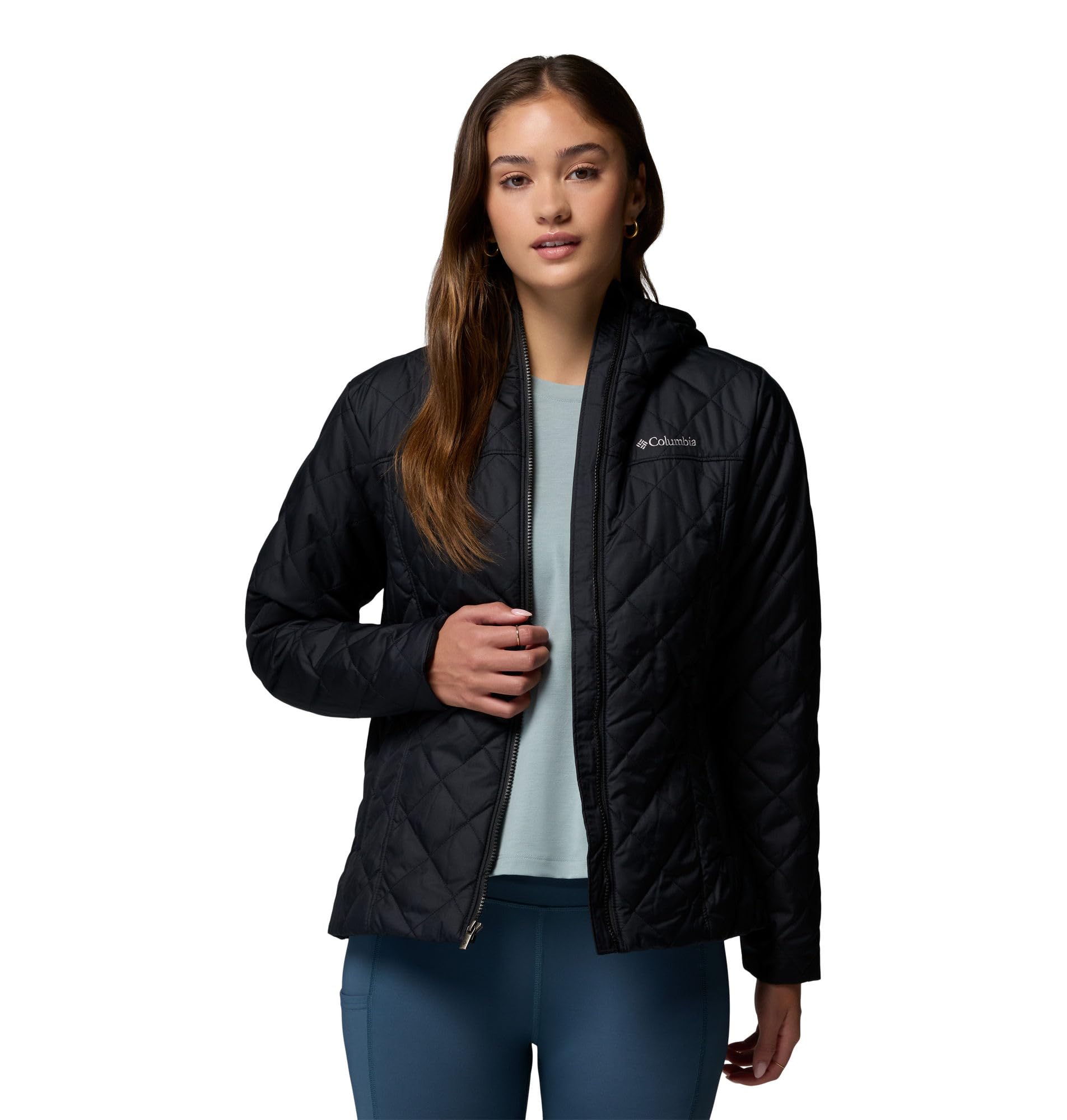
Silky fleece on the inside, water resistance on the outside, comfort in the middle.
This is the jacket you reach for when you want warmth that feels good the second you put it on. The silky-soft fleece lining adds plush coziness right where it touches you, and the thick fabric inside is what owners point to for warmth on genuinely cold days. Insulation sits behind that lining, so it holds heat without the puffed-up shape of a heavy down coat.
Build quality is the standout — it is the thing praised most about this coat. A water-resistant finish fends off light rain, which keeps you dry on a damp commute without the stiffness of a full waterproof shell. The classic quilted design and multiple colours mean it works as a coat you wear out, not just a utility layer.
The one wrinkle to plan around is that this cut runs small for a fair number of wearers. Extended sizing is available, which helps, but the sensible move is to size from the chart and not from habit. Size from the chart and the Copper Crest II is a very comfortable mid-weight jacket.
The softness play: a silky fleece lining gives you among the most comfortable inner faces on the list, and a water-resistant shell backs it up.
The sizing caveat: it runs small on some body types — lean on the extended size range and the chart.
Reach for it when: comfort against the skin matters as much as warmth on a damp, cool day.
Be deliberate about size: order from the measurements, not your usual number.
5. Orolay Women’s Thickened Down Jacket

Six pockets, a fleece-lined hood, and a silhouette that fills a city street.
Few winter coats have built a following this size, and the reason is simple: it does a lot at once. The thickened down fill is the warmth engine, and the fleece-lined hood seals in heat around your head. Six big pockets mean your phone, keys, and gloves each get a home, and the smooth zipper and adjustable hem let you dial in the fit at the waist.
Owners describe it as wonderfully warm and note it looks just like the photos — comfort they compare to a big hug. The bold oversized cut is a statement in its own right, so if you want a coat that reads as fashion as much as function, this delivers. It weighs 2.73 pounds on the package label, the heavier of the two down-style jackets compared here against the HEEKPEK’s 2.2 pounds.
The recurring gripe is fit around the sleeves and shoulders — tight for some, off for others. Since this is an oversized design, the sizing is not as forgiving as the silhouette suggests. Buyers who get it right tend to stay loyal, but checking the size chart is the move.
The case for it
- Six big pockets keep phone, keys, and gloves organised
- Fleece-lined hood seals warmth around the head
- Adjustable hem and smooth zipper for a dialled-in fit
- Thickened down fill for deep winter warmth
Plan for this
- Sleeves and shoulders run tight for some owners
- Oversized cut means sizing runs off for a fair number of wearers
Best match for: someone who wants a warm, pocket-rich down coat with real street presence.
Watch the sleeves: shoulder and sleeve fit is the one thing to verify before ordering.
6. THE NORTH FACE Women’s Junction Insulated Jacket
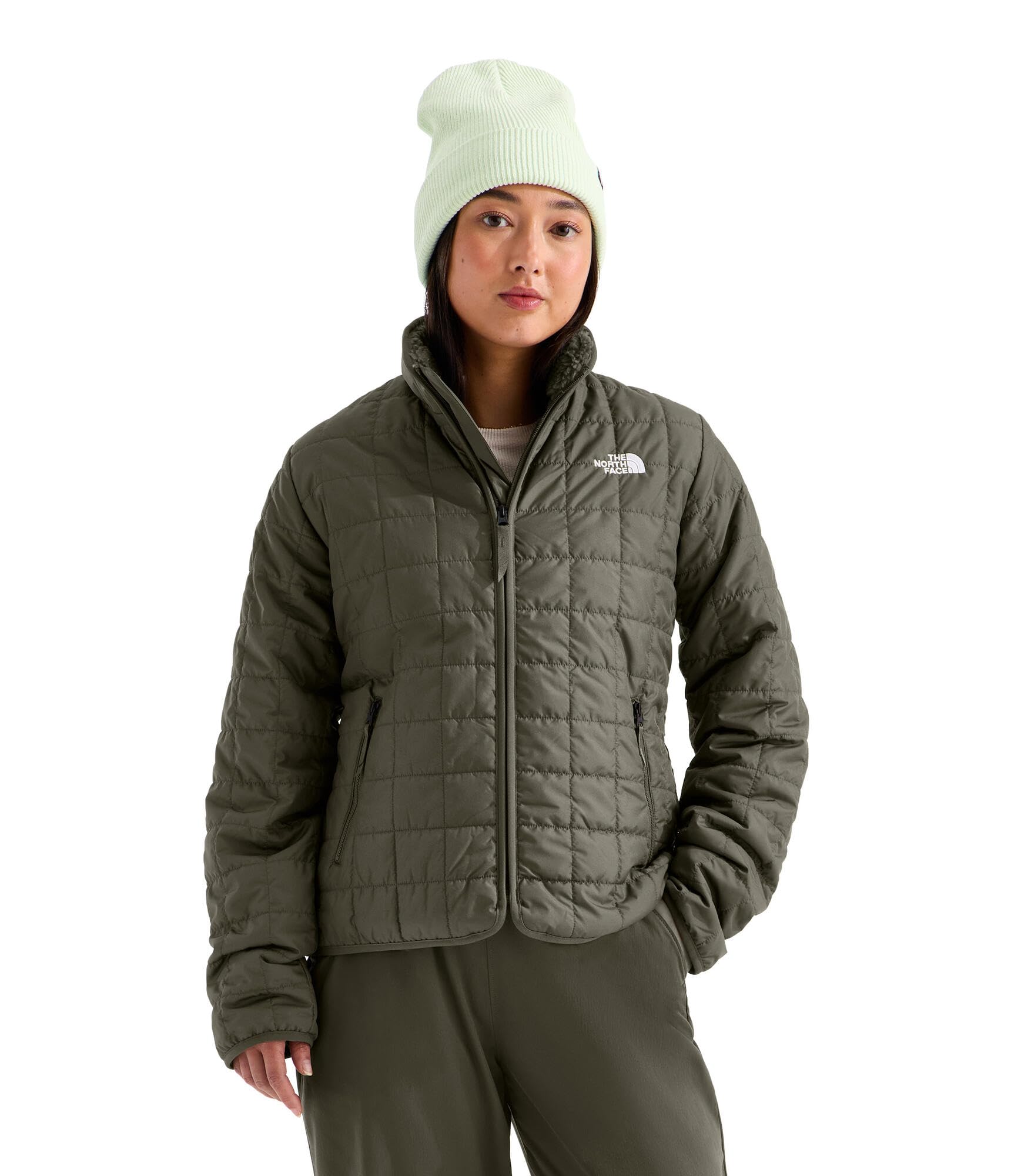
Built to live under a shell in January and stand alone in October.
The spec to know is the insulation: 100g of HEATSEEKER synthetic hollow-core fill, which is a lofted recycled fiber designed to hold warmth in a light package. At 100g it lands in the moderate-warmth range — enough for late fall and early winter, and designed to slip under a heavier shell when the real cold arrives. The body is 100% recycled polyester plain weave with a non-PFC DWR finish, the coating that sheds light moisture without the older chemical treatment.
Quality is what stands out most, with warmth close behind, and the colour draws steady praise. A high-pile fleece lining inside the collar adds a warm ring around your neck, and stretch binding on the collar and cuffs helps seal out drafts. A draft flap behind the centre zip blocks cold gusts, and zip hand pockets hold essentials. The regular fit is cut to move through the chest and shoulders.
The honest caveats sit in the fit. The sleeves run long for some wearers, and sizing is mixed — some find it true to size, others find it smaller than expected. Frosty single-digit days will push this past its comfort zone unless you layer. For a go-anywhere shoulder-season jacket, though, it is a smart, versatile pick.
Its real job: a versatile 100g insulated layer that works from fall through spring and slots under a shell in deep winter.
Where it strains: long sleeves and inconsistent sizing, plus it is a layer — not a stand-alone deep-freeze coat.
Choose it for: a technical layer with a non-PFC DWR finish that earns its place all year.
Size carefully: sleeves run long and fit varies, so try it over your usual mid-layer.
7. Women’s Waukee Long Down Coat

A 750+ fill down parka that covers you from hood to knees.
Down fill power is a measure of how much loft a given weight of down creates, so a higher number means more warmth for less bulk. At 750+ fill, this Waukee is the highest-graded down on the list, and the white duck down is packed into a long silhouette that runs past the hips for maximum coverage. The polyester shell is treated with DWR, so light snow and sleet bead off the surface.
The length is the headline for a lot of reasons: it covers legs and arms, and that extra fabric is what keeps wind off your thighs on a long walk. Quality and warmth are the two things praised most. The removable synthetic fur ruff can be cinched around the face to block cold wind, and backpack straps let you carry the coat hands-free when you step indoors and get warm.
The recurring gripes are the zipper and the fit — both mixed. Some find the jacket fits great, others find the sizing off, and the zip quality draws a split verdict. It is a heavy-duty parka built for still, cold weather rather than a trim fashion cut, so size from the chart and go in wanting coverage.
The coverage argument: 750+ fill down in a long body puts the highest-loft insulation on this list where cold hits hardest — your legs.
The two watch-points: zipper quality and sizing are split, so verify both before you buy.
Ideal for: long, cold walks where you want a full-length down parka with a face-framing fur ruff.
Mind the zip: the zipper is a known split point — treat it gently and check sizing first.
8. THE NORTH FACE Women’s Arctic Parka
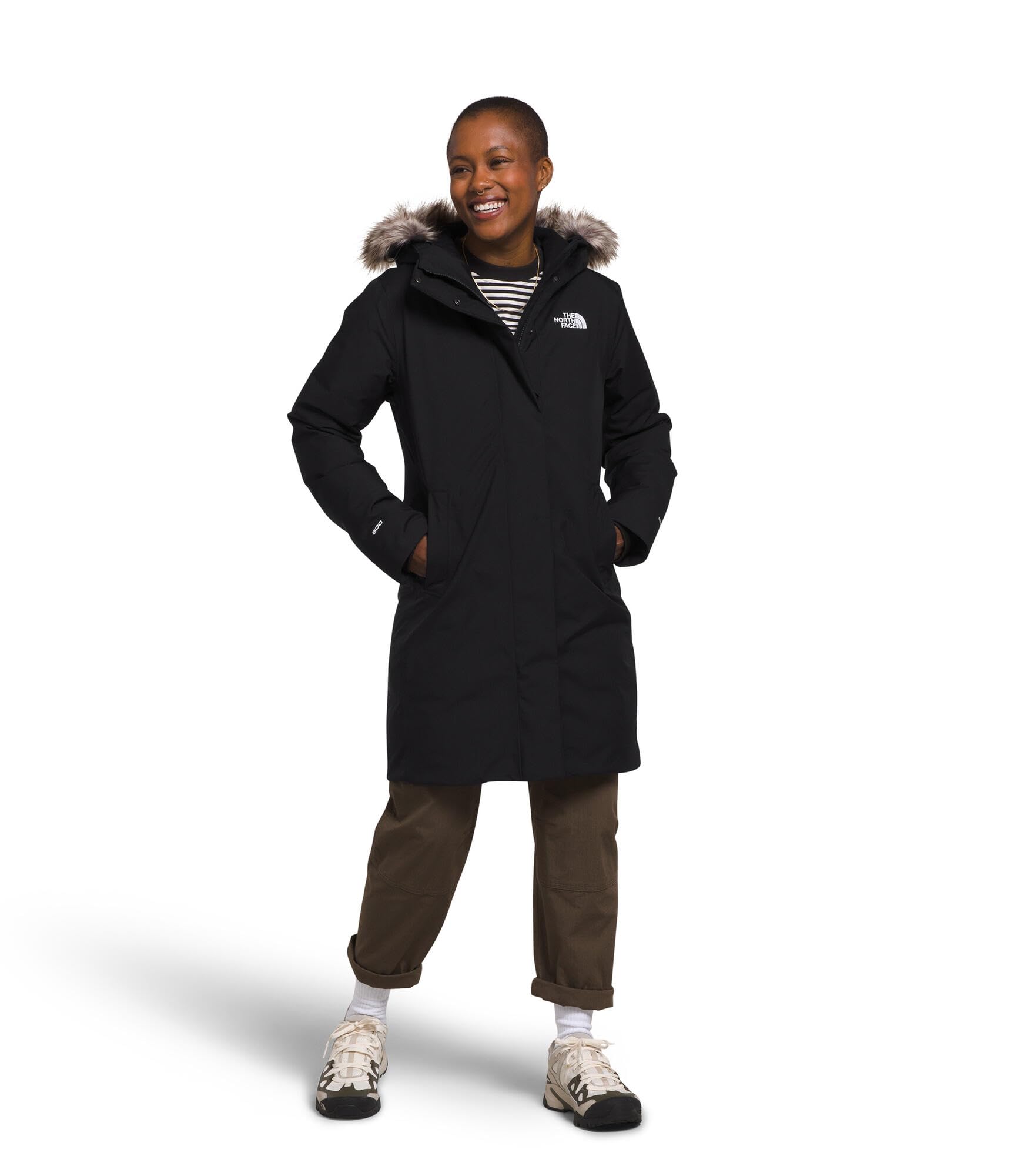
The parka that treats snow, sleet, and wind as one job it was built to do.
Most winter coats on this list repel water; this one goes further. A DryVent shell is a waterproof, breathable fabric that keeps rain and melted snow out while letting sweat vapour escape, and behind it sits 600 fill recycled down insulation. Together they make this the pick for genuinely wet, windy winter — a coat you can wear in a storm and stay dry inside. The standard fit and generous length cover you well, and the adjustable hood cinches down.
What owners prize is the quality and the warmth for extremely cold temperatures, and the length is a real plus on blustery days. It is surprisingly light for how much protection it carries, and it weighs 2.76 pounds on the package label. Rounding it out, an adjustable hood, a non-PFC DWR finish, and a design that uses 75%–100% recycled or sustainable materials.
The one thing to know is the zipper: quality here is split. Some wearers are perfectly happy with it, others report problems. It is the kind of detail worth a little care on the cold mornings when you are hauling the zip shut. Everything else about this coat is built for hard weather.
Why it earns premium status
- DryVent waterproof, breathable shell keeps storms out
- 600 fill recycled down for deep cold
- Adjustable hood and generous length for wind protection
- Built with 75%–100% recycled or sustainable materials
The one caution
- Zipper quality is a split point — treat the zip with care
- Premium pricing puts it at the top of the range
Worth it if: you face wet, windy winters and want a true waterproof shell with real down insulation.
Handle with care: the zipper is the weak link — zip it gently and it serves you well.
Know the Specs
Fill Power
Fill power is a loft rating for down: it measures how much space a given amount of down fills, so a higher number means more warmth per ounce. A 750+ fill jacket runs warmer and lighter than a 600 fill coat, which carries more bulk for similar heat. Down loses some insulating power when soaked, so a waterproof shell over down matters more than the fill number alone.
Synthetic Insulation
Synthetic fill uses lofted plastic fibers instead of down. It is heavier per unit of warmth but keeps insulating when damp, and specs like “100g” describe how much fill is in the jacket — a rough guide to its warmth tier. A thermal-reflective lining, a thin metallic layer that bounces body heat back, adds warmth without adding much weight.
DWR and Waterproof Shells
A DWR (durable water repellent) finish makes rain and snow bead up and roll off, and suits light weather. A waterproof shell, like a DryVent fabric, blocks water outright while letting sweat vapour escape. If you walk in real storms, the shell is the difference maker; for flurries, DWR is plenty.
Fit, Length, and Hood
A regular fit leaves room to layer a sweater underneath; an active fit sits closer for movement. Length decides how much wind hits your legs — a long parka covers the thighs, a hip-length jacket keeps you mobile. A large, fur-trimmed hood blocks wind at the face; a fleece-lined collar warms the neck. Check how each maker describes the fit before ordering.
Common Questions
Is a down jacket or a synthetic jacket warmer for winter?
What does fill power actually mean on a winter coat?
Do I need a waterproof shell or is water repellent enough?
How do I choose the right size when sizing runs mixed?
How long should a good winter jacket last?
Will a hip-length jacket keep me warm enough, or do I need a long parka?
Can I wash a down or synthetic winter jacket at home?
Is a faux-fur ruff on the hood worth having?
What is the best jacket for extremely cold, dry winter weather?
The Bottom Line
For most women, the women’s warm winter jacket winner is the Columbia Powder Lite II because its thermal-reflective lining and recycled synthetic fill keep you warm and light through everyday cold and light snow. If you want maximum warmth and pocket space on a budget, grab the HEEKPEK Fleece Lined Parka. And for wet, windy, deep-winter days, the North Face Arctic Parka is the one to reach for with its DryVent waterproof shell.
If you are still on the fence, start with the Powder Lite: it carries the strongest balance of warmth, lightness, and everyday weather protection of the group.
How we choose
We do not accept paid placement. Every pick is matched to a real buyer and a real use-case; we do not hands-on test units.
Sources
Specifications: manufacturer listings and product documentation. Review insights: verified customer reviews, as of November 2026. Pricing: not shown on this page (it changes often); check the current price via the retailer link.
As an Amazon Associate, Tactical Gear Guy earns from qualifying purchases. This does not affect which products we feature.