Specs are compiled from manufacturer listings and verified buyer reviews and can change over time — please confirm the key details on the product page before buying.
You want one pair that handles a muddy switchback on Saturday and still looks good with jeans on Sunday — and the honest answer is that very few women’s hiking shoes do both well. The nine picks below are the ones that genuinely pull it off. Some lean soft and roomy for wide feet, some lock down tight for steep rock, and one is waterproof enough for a soggy spring trail. Each entry below tells you which foot and which hike it actually suits.
This guide is built by comparing the manufacturers’ published specifications and the patterns across verified customer reviews, so you get each pick’s real strengths and trade-offs instead of marketing spin.
Start with width and toe box, because a pretty shoe that pinches is a shoe you stop wearing. Below you’ll find the fit quirks, the tread differences, and the cushioning splits that separate these nine, all in plain terms. The short version: a good pair of women’s cute hiking shoes should feel broken-in on day one and still bite into wet rock.
Top Picks
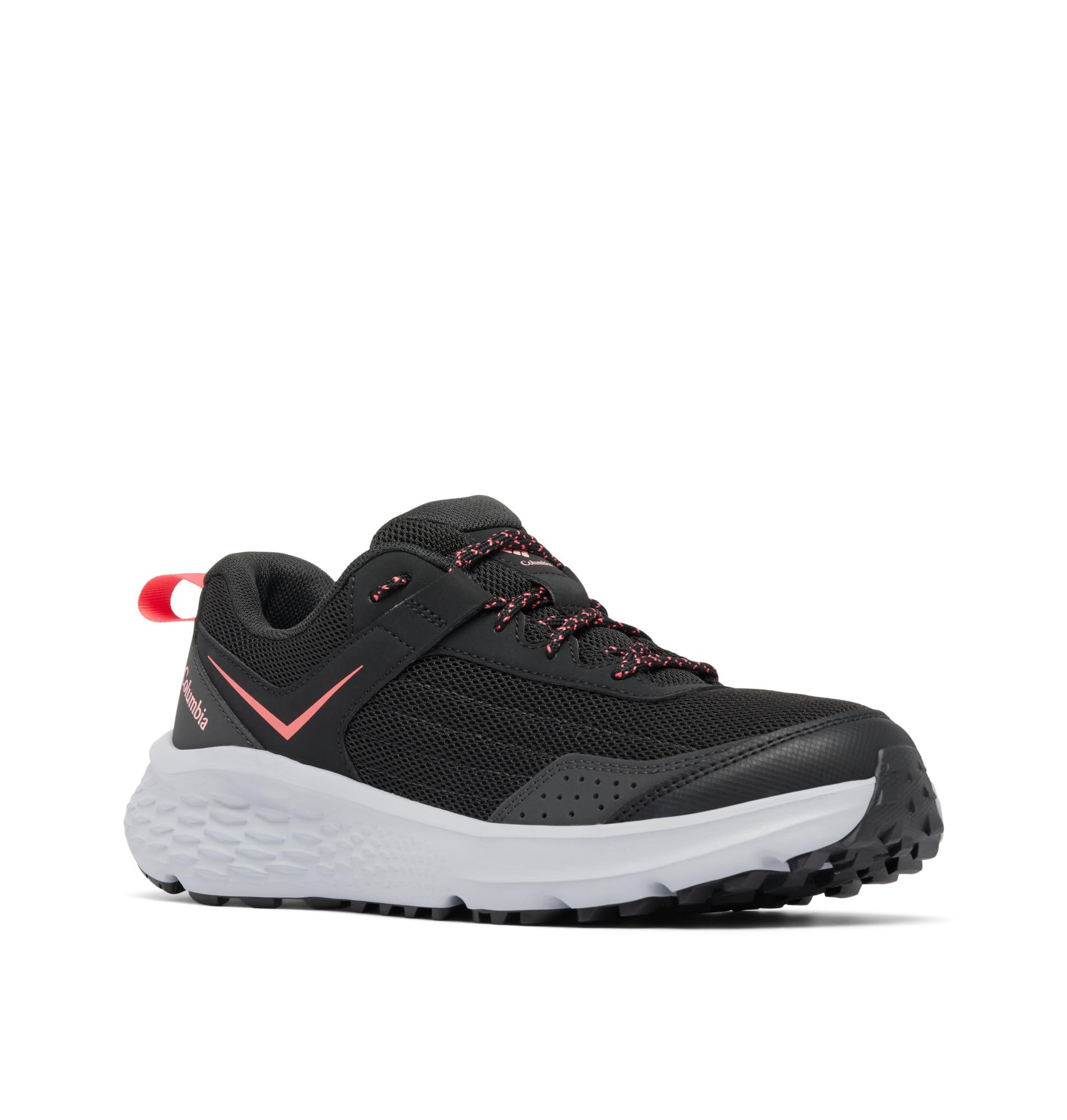

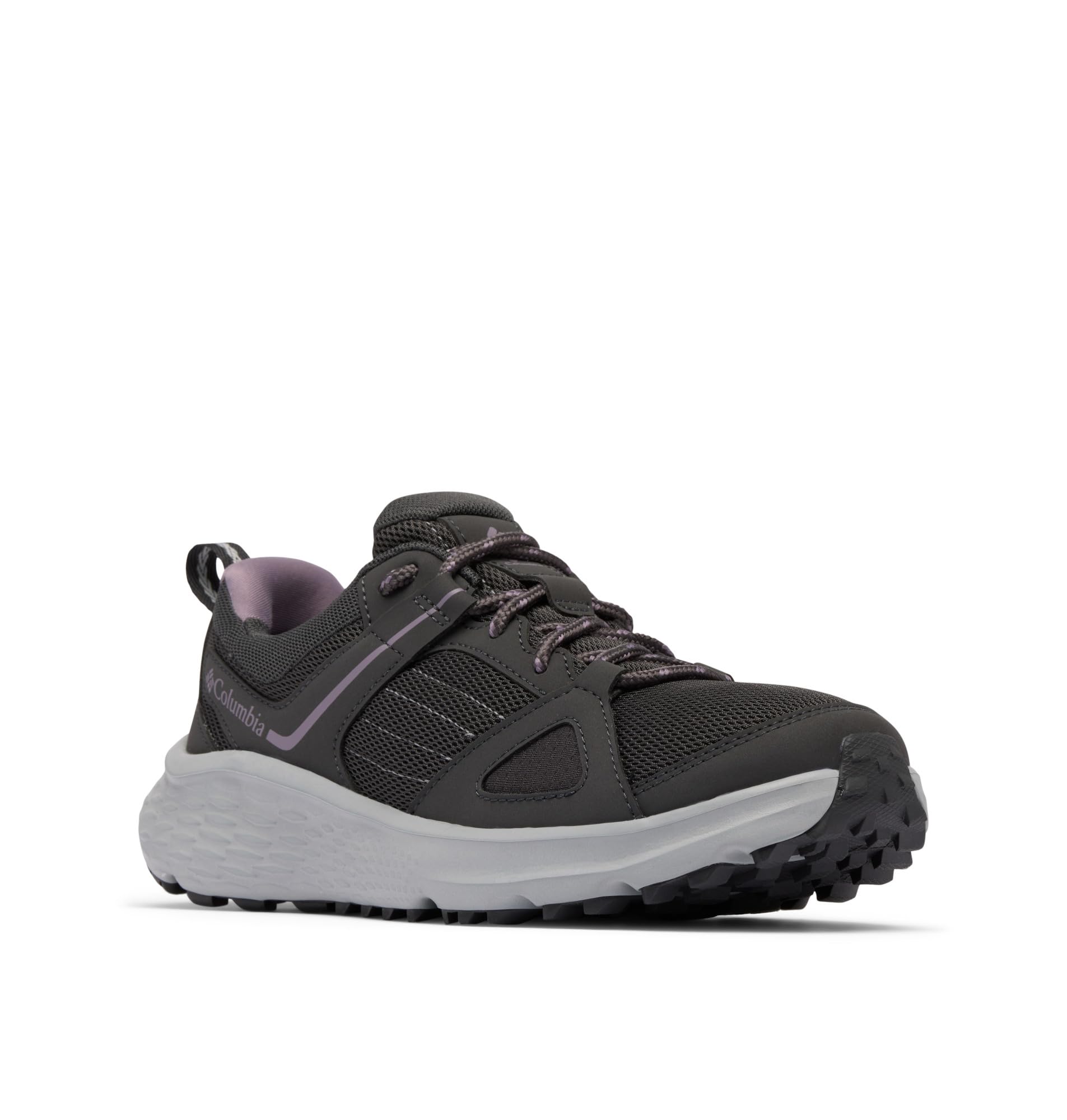
How To Choose The Best Women’s Cute Hiking Shoes
Most buyers get this wrong by shopping the size number instead of the shape. A women’s hiking shoe that’s too narrow at the toe will rub on every downhill, no matter how good it looks. Get the toe box and the heel lock right first, then worry about colorways.
Start With The Toe Box, Not The Color
Your toes splay when you walk downhill, and a cramped toe box turns a fun trail into a blister factory. Shoes built with a roomy, anatomical toe box let your toes spread naturally. That’s why several picks here make roominess their headline feature — wide-foot hikers tend to love them, and narrow-foot hikers should size down or look elsewhere.
Match The Tread To Where You Actually Walk
If your “hike” is a gravel path and a coffee run, you don’t need aggressive lugs (the raised rubber teeth under the sole). A moderate tread grips packed dirt and pavement without feeling clunky. If you’re on wet rock or slick roots, look for grippier outsole rubber and deeper lugs — the difference between confidence and a skinned knee.
Decide On Waterproofing Before You Buy
A waterproof upper keeps morning dew and puddles out, which matters on wet spring trails. The trade-off is breathability — waterproof shoes run warmer in summer. If you mostly hike dry, dusty trails, a breathable mesh upper keeps your feet cooler.
Side-by-Side Comparison
| Model | Best For | Weight | Drop | Standout Feature | Amazon |
|---|---|---|---|---|---|
| Columbia Vertisol Trail★ Best Overall | All-round trail and town | — | — | Stability + rebound underfoot | Amazon |
| Saucony Excursion Tr17Lightweight Pick | Road-to-trail crossovers | 1.5 lbs | — | Road-to-trail versatility | Amazon |
| Columbia Novo TrailBest For Wide Feet | Women’s-specific comfort | — | — | Water-and-stain resistant upper | Amazon |
| adidas Terrex Anylander | Steep rocky terrain | — | — | Multidirectional lugs | Amazon |
| New Balance Dynasoft Tektrel V1 | Stylized suede looks | 2.1 lbs | — | Aggressive lug design | Amazon |
| ALTRA Lone Peak 8 | Wide toe box, zero drop | 11.15 oz / 316 g | 0 mm | MaxTrac outsole + FootShape toe box | Amazon |
| Topo Ultraventure 4 | Long cushioned runs | — | 5 mm | ZipFoam midsole + Vibram outsole | Amazon |
| New Balance Fresh Foam X Hierro V9 | Wet and rugged grip | — | — | 6mm lugs + Toe Protect | Amazon |
| Merrell Moab 3 Waterproof | Wet-weather durability | — | — | Waterproof + Vibram outsole | Amazon |
Detailed Reviews
1. Columbia Women’s Vertisol Trail
Our pick — 4.5+★ from 900+ verified ratings; the strongest balance of quality and price.
The do-it-all trail shoe that walks into town without looking like a boot.
The Vertisol Trail is the crowd favorite here — 4.5+ stars across 900+ ratings — and it earns the top spot by being the shoe most people can buy blind. It runs wide through the width and toe box with plenty of room to spread your toes, so you’re not fighting a pinch on the downhill. It’s also built with an engineered underfoot system that adds stability and rebound, meaning the sole pushes back a little with each step instead of feeling flat.
What wins people over is the quality — that’s what shoppers single out more than anything, with fit close behind. In real use, owners wear them for hours at a stretch and take them straight from a town walk into a Utah hiking trip. And the appearance genuinely holds up: these don’t look like orthopedic shoes, which is usually the whole reason people avoid a hiking shoe in the first place. The traction rubber sole keeps you planted on the move — fine for packed dirt, gravel, and mixed trail.
Here’s the honest catch. The Vertisol isn’t a waterproof boot, so a soaked, muddy trail will get your feet wet. It’s a versatile trail sneaker, not a rain shell for your feet. If you hike dry and mild terrain and want one shoe for errands and easy trails, this is the pair that fits that life. Pick a waterproof pick instead if your seasons are wet.
What Voters Like
- Roomy through the width and toe box — no downhill pinch
- Engineered underfoot system adds stability and rebound
- Smart enough for town, tough enough for the trail
- Traction rubber sole keeps you sure-footed
Where It Gives
- Not waterproof, so wet, muddy trails soak through
- Built for mild-to-moderate terrain, not technical scrambling
Reach for this if: you want one pair that handles errands and easy trails and looks normal doing both.
Pass if: your trails are wet and muddy most of the year — you’ll want a waterproof upper instead.
2. Saucony Women’s Excursion Tr17 Hiking Shoes
The featherweight you can drive to the trailhead and forget you’re wearing.
At 1.5 pounds, the Excursion Tr17 is a lightweight option. For reference, the New Balance Dynasoft Tektrel V1 weighs 2.1 pounds. Saucony built it to go “from road to trail, and back,” and that dual life is exactly where it shines: pavement, gravel roads, packed dirt.
Owner reviews of the Excursion Tr17 center on comfort and arch support. These come through with no blisters and no aches, and they hold their own on high arches and in changing conditions, including ice and snow. One buyer notes they can be worn for miles. For a shoe pitched at road-and-trail crossover, that kind of stability is the real win — it keeps you planted when the ground shifts underfoot.
The trade-off worth knowing: this is a crossover shoe, not a burly technical hiker. On genuinely rugged, rocky ground you’ll want more underfoot protection. For flat feet, the arch support is generous — which is welcome for high arches but worth trying on if you prefer a flatter ride. Treat it as your everyday trail sneaker, not your alpine scrambler.
Best Use Case: a light, stable everyday shoe for mixed pavement and gravel paths, especially if you have high arches and want support without bulk.
Small Caveat: crossover design means it’s happiest on mild terrain — technical rocky ground calls for more shoe.
Suits you if: you split your time between sidewalks and soft trails and want a lightweight ride here.
Think twice if: you’re chasing big, rocky backcountry days.
3. Columbia Novo Trail™
A women’s-shaped shoe that needs zero break-in and forgives wide toes.
The Novo Trail was designed around women’s feet specifically, with comfort zones built into the shape. That pays off on fit: a regular 7.5 gives plenty of room in the toe box, and — the part most people care about — there’s no break-in period. You can lace it up and head out. A water-and-stain resistant upper shrugs off a light splash and the odd mud smudge, while foam engineering in the heel hugs your foot so it doesn’t slide around.
Comfort is what earns the praise here, backed up by quality right behind it. The foam heel cushioning absorbs impact on each step, which keeps daily walks and longer trail days from beating up your joints. On the ground, the traction adapts from rock scrambling to slick trails, so you get grip where the surface changes fast. For a shoe this comfortable, being lightweight and good value just cements the case.
Now the honest bit. Durability gets mixed feedback — some pairs hold up well, while others have torn in use. That doesn’t make it a bad shoe, but it does mean a lighter touch on really abrasive rock is smart. If you want a plush, women’s-specific fit for moderate trails and daily walks, it delivers. If you demand armor-grade toughness, look to a heavier build.
Why It Fits: women’s-specific comfort zones and a roomy toe box make it a strong match for wider feet, with no break-in required.
Real Trade-Off: durability is uneven across pairs, so treat abrasive rock with care.
Reach for this if: you have wider feet and want a comfortable, women’s-shaped shoe you can wear from the start.
Look elsewhere if: you need a bombproof build for brutal rocky terrain.
4. adidas Women’s Terrex Anylander Hiking Shoes
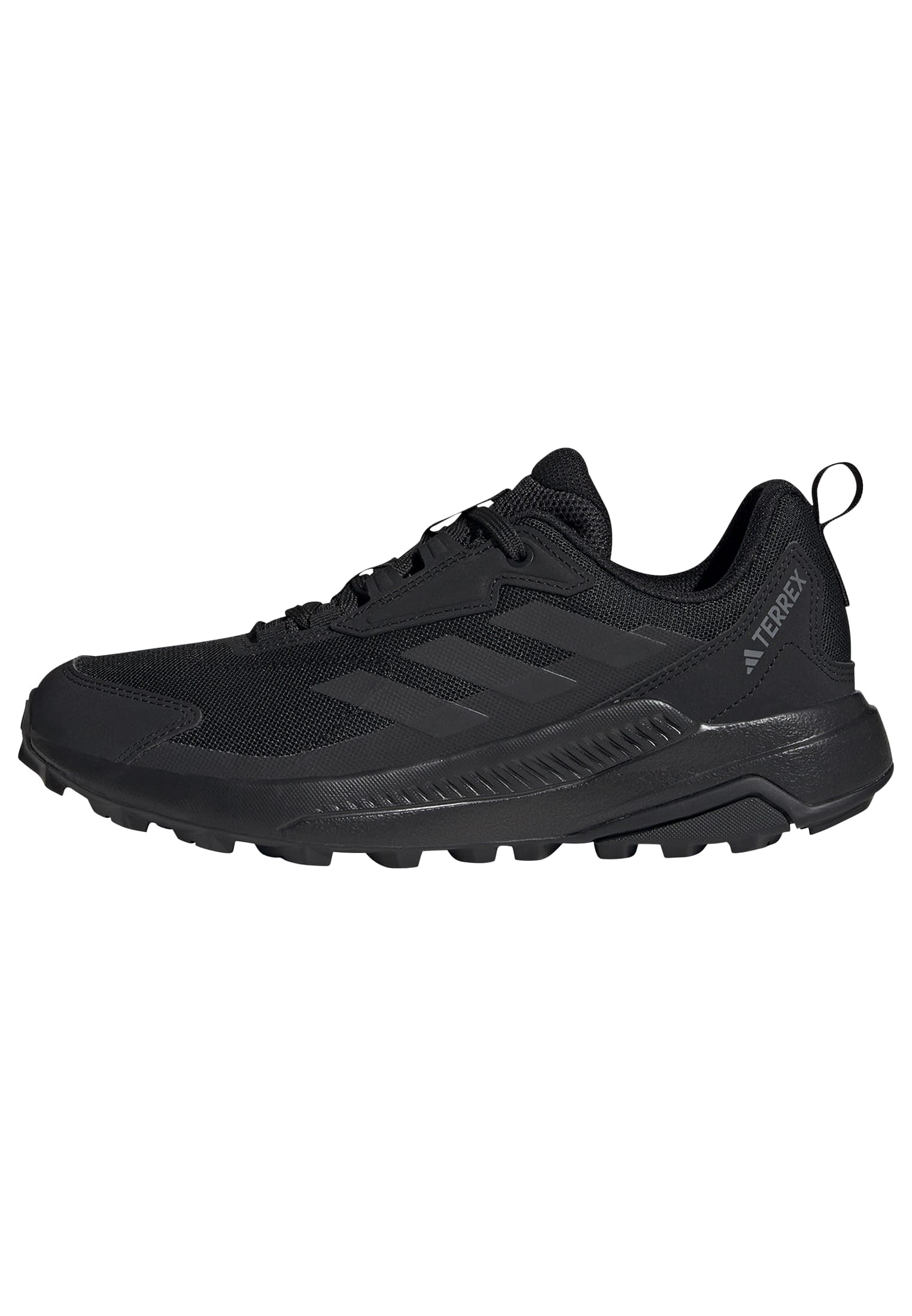
Built to bite into steep, rocky ground without sacrificing an all-day cushion.
The Terrex Anylander is the pick for anyone whose trails get steep and stony. Multidirectional lugs — the raised tread teeth that point in several directions — grab from every angle, so you get confident footing whether you’re climbing, traversing, or dropping down loose rock. Under that sits an EVA midsole (a soft, lightweight foam layer) that delivers cushioning mile after mile, so the ride stays comfortable even when the terrain doesn’t.
Buyers report the Terrex Anylander stays stable and comfortable on steep, rocky ground, with no foot pain or blisters. They hold up over time, look cute, and deliver good value. Owners mention the arch support, and the shoes work for outdoor jobs and “all types of terrain.” The personalized lace system locks your foot in place, so you get a secure descent instead of a sliding one. A breathable textile upper (fabric that lets air through) keeps your feet cool on warm-weather hikes.
The one thing to flag is fit, which comes in mixed. Some feet lock in perfectly; others may want to try half a size either way. It’s not a defect so much as a shape-matching question. If you have a standard-to-slightly-wide foot and want grip that handles rocky scrambles, this shoe makes a strong case.
The Strong Points
- Multidirectional lugs grip steep, rocky ground from every angle
- EVA midsole keeps all-day cushioning going mile after mile
- Personalized lace system locks your foot in place
- Breathable textile upper stays cool on warm hikes
What To Keep In Mind
- Fit is a mixed bag — try half a size either way
Your pick if: your hikes get steep and rocky and you want grippy lugs plus day-long cushioning.
Not your pick if: your feet run very narrow or very wide — dialing the size in is worth the extra step.
5. New Balance Women’s Dynasoft Tektrel V1 Suede
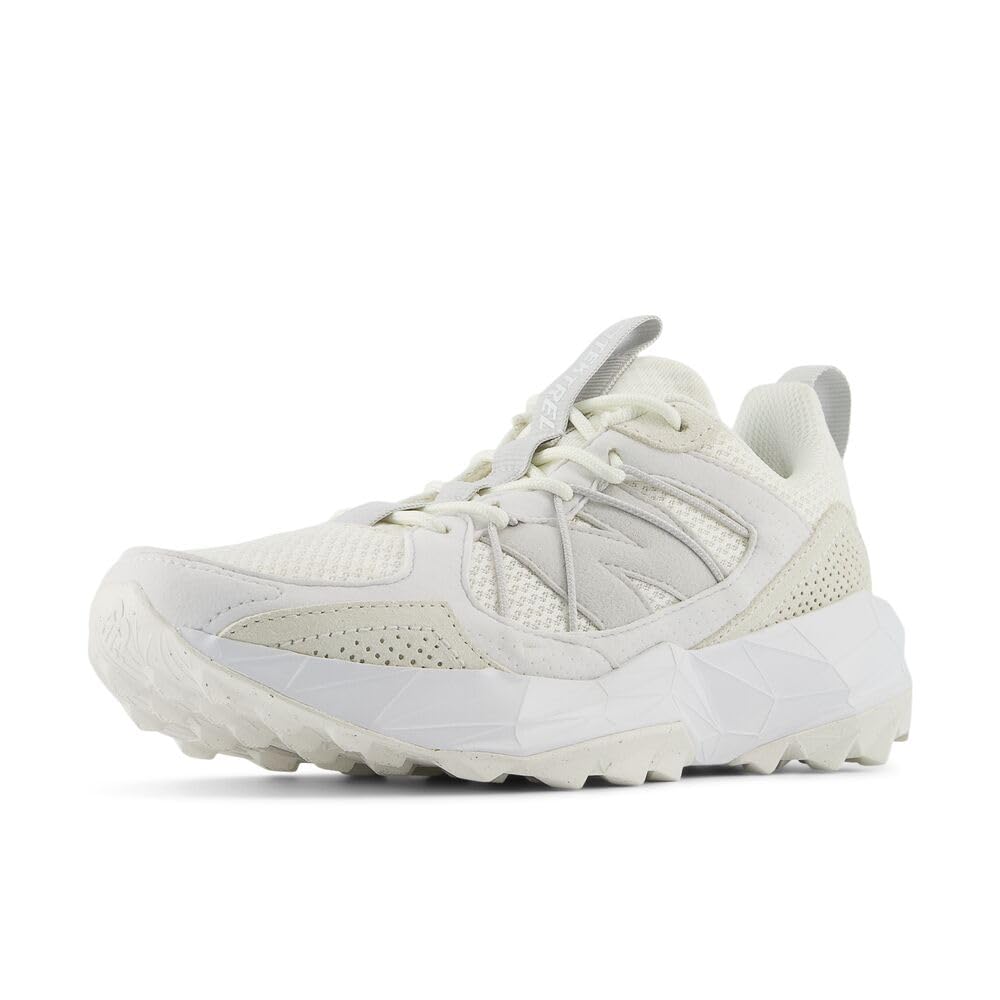
A stylized suede trail shoe that gets compliments as often as it gets muddy.
If looks are half the reason you’re shopping, the Tektrel V1 belongs on your shortlist. New Balance wrapped an aggressive lug design and a dynamic midsole in a stylized suede upper — so you get trail-ready tread in a shoe that reads stylish. It’s honest about its weight, though: it weighs 2.1 pounds. The New Balance Fresh Foam X Hierro V9 also weighs 2.1 pounds, while the Saucony Excursion Tr17 weighs 1.5 pounds. More shoe underfoot usually means more protection, but you’ll feel the extra ounces on long days.
Comfort leads the feedback, with quality just behind, and the looks draw steady compliments. These work well for walking gravel roads and for more energetic activities, and the grip earns good marks on mixed ground. The dynamic midsole does its part to smooth out rough surfaces, and the lug design gives bite on softer trails.
Two fit notes matter here. Fit and arch support both come in mixed — some feet find them true to size with good support, while others find they run small and feel thin under the arch. If you have a higher arch or prefer a precise fit, ordering up may be wise. It’s a stylish, comfortable trail shoe; just confirm the sizing before committing, especially if you want firm arch support.
The Standout: a stylized suede upper over an aggressive lug design — a trail shoe that looks like a fashion sneaker.
The Trade-Off: at 2.1 pounds it’s on the heavier side, and fit plus arch support split opinions.
Go for it if: you want trail grip without giving up a polished look, and you like a bit more shoe underfoot.
skip it if: you need featherweight ounces or firm, predictable arch support.
6. ALTRA Women’s Lone Peak 8 Trail Running Shoe
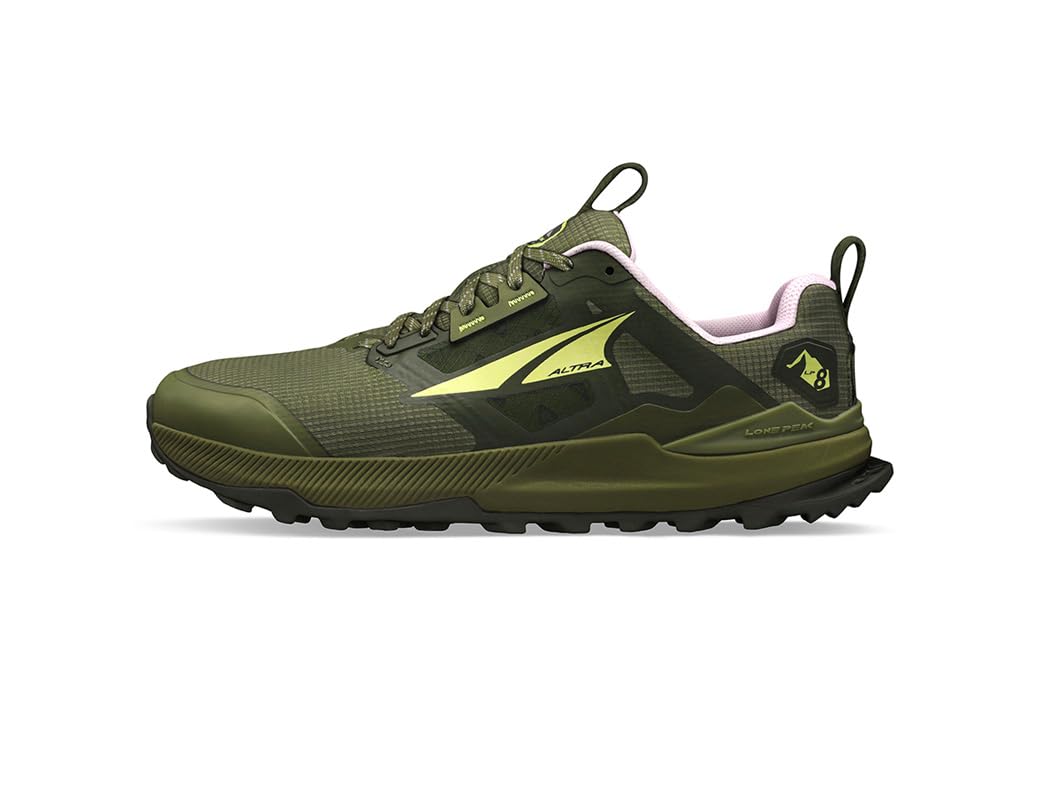
The roomiest toe box here — a shoe that lets your toes do what toes do.
The Lone Peak 8 is built around one big idea: give your toes space. Its FootShape toe box is the roomiest in Altra’s line, designed to address biological differences in women’s feet, with space through the midfoot too. That’s the cure for the cramped, pinched feeling many women’s hiking shoes cause. Combine it with a zero-drop platform — 0 mm from heel to toe, meaning your foot sits flat rather than tipped forward — and you get a natural, low-to-the-ground stride. A MaxTrac outsole with TrailClaw canted lugs adds grip under the metatarsals, and a refined ripstop mesh upper holds up to trail abuse.
The toe box is the reason people keep coming back, and it earns the most positive attention of anything about this shoe. Owners also rave about comfort — plenty report working all day with no foot pain — and the heel stays locked once you’re laced in. Arch support and durability both hold up, there’s no break-in period, and the color options even help hide dirt. The responsive yet comfortable Altra EGO midsole foam rounds out a shoe built for hiking, running, or just hanging around outdoors.
One thing to weigh: the zero-drop, balanced-cushioning ride changes how you land, and if you’re used to a higher heel, it can take a little getting used to. Those who love a wide, natural fit tend to love this shoe. Those who want a firm, high-heeled platform should look to a more traditional build.
Where It Wins
- Roomiest toe box in the line — toes spread freely
- Zero-drop, balanced cushioning for a natural stride
- MaxTrac outsole with TrailClaw lugs for trail bite
- No break-in required; fits without slipping
The Flip Side
- 0 mm drop changes your landing — a transition period if you’re new to it
- Cushioning sits on the moderate side, not plush
Made for you if: your toes need room to spread and you want a natural, flat-riding trail shoe.
Look to a different pair if: you rely on a higher heel and firm platform underfoot.
7. Topo Athletic Women’s Ultraventure 4 Trail Running Shoes
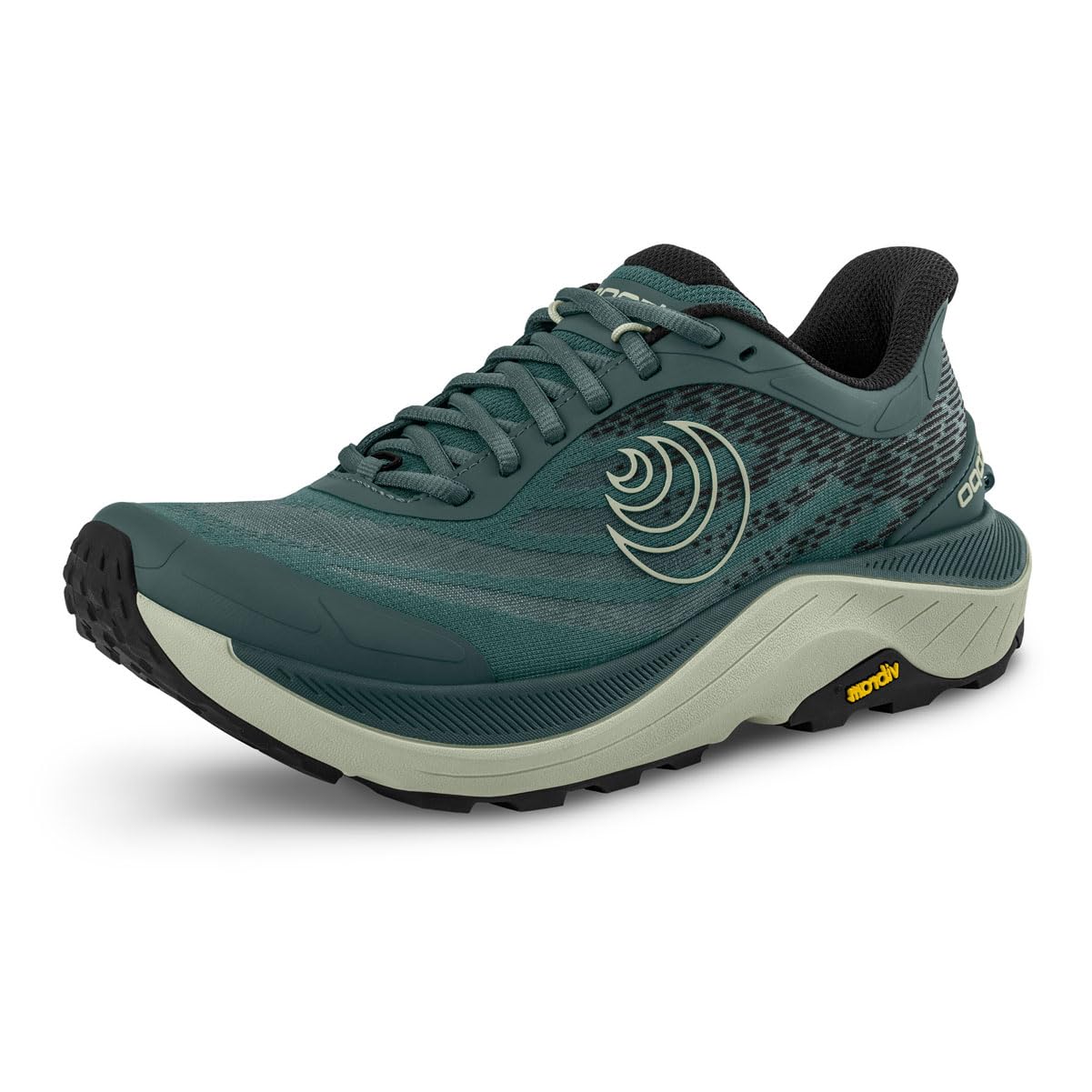
A cushioned long-runner built for big miles on mild-to-moderate trail.
The Ultraventure 4 is the plush pick. It rides on a 35 x 30 mm platform (the stack height under heel and toe) with a 5 mm drop (a slight heel lift that feels more familiar than a flat shoe). The ZipFoam midsole (a springier foam than standard EVA) holds its rebound longer. A Vibram XS Trek EVO outsole (sticky rubber from the technical-sole specialists) gives you traction on multiple surfaces, so you can move from trail to road without slipping. A recycled mesh upper with PU print in high-wear areas adds structure where it counts.
Quality is what this shoe wins on, with comfort right behind — owners call them amazing and comfortable, and wide-foot hikers in particular love the roomy toe box. Arch support holds up, they grip well on rocky trail, and the heel stays put without slipping. It’s a high-cushion build for long runs on mild-to-moderate terrain, and that extra foam underfoot is the point.
The honest note is durability, which comes in as a weak spot, and value opinions split. Some people find the ride worth it; others feel the build quality doesn’t quite match the ask. Treat these as a comfort-first trail runner for long, soft-surface miles. If you’re brutal on the sidewalls or put in max-mileage jagged-terrain days, keep an eye on wear.
Where It Glows: generous 35 x 30 mm cushioning and ZipFoam give a springy, protective ride that handles long mild-to-moderate trail runs.
What To Watch: durability is the weak point, so abrasive terrain will shorten their life.
The right shoe if: you want a plush, wide-friendly, cushioned runner for long days on easy-to-moderate trail.
Not the one if: you demand heavy-duty longevity on rough, rocky ground.
8. New Balance Women’s Fresh Foam X Hierro V9
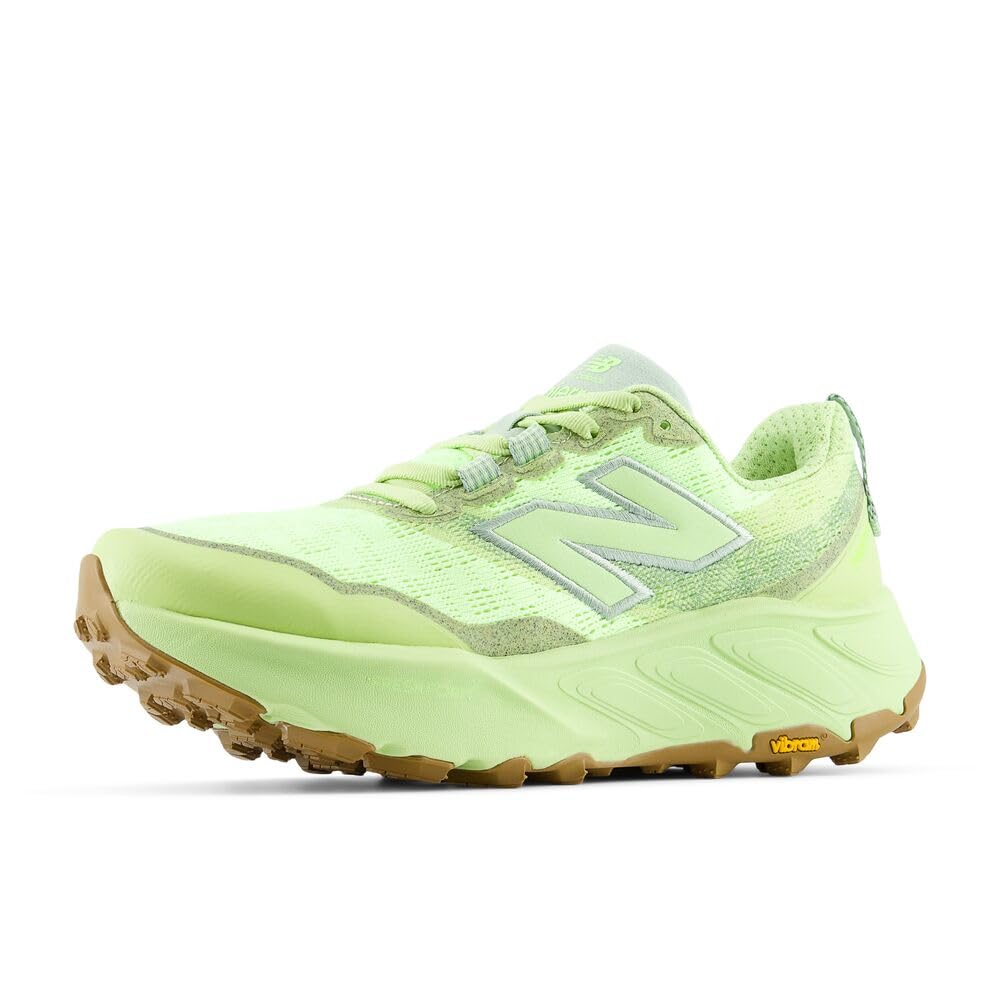
Deep lugs and sticky Vibram rubber for the days the trail turns slick.
The Hierro V9 is the shoe you reach for when the weather turns. Its Vibram Megagrip outsole — a rubber compound known for clinging to wet and dry rock alike — carries Traction Lug technology and deeper 6mm lugs, which bite hard into loose and slick ground. Toe Protect tech shields your toes from rocks and roots, and a gusseted tongue (the flap that joins the tongue to the shoe) keeps debris out while a breathable knit upper keeps air moving. It all adds up to a stable, confident ride on rugged terrain.
The Fresh Foam X midsole is the comfort story — a dual-density foam that’s plush yet stable underfoot. Owners compare the Fresh Foam X cushioning to running on clouds, and rate the arch support highly. These suit daily walks and occasional trail hikes, and they hold up through repeated use. On mixed ground, the deep lugs plus the Megagrip rubber are what set them apart from a road-leaning shoe.
Worth knowing: the 6mm lugs are aggressive for pavement, so if you’re mostly city walking, they’ll feel a touch grabbier than you need. This is a trail-first shoe that adapts to town, not the reverse. For wet days and rugged paths, it’s a confident choice.
Why It Holds Up
- Vibram Megagrip plus 6mm lugs grip wet and loose ground
- Dual-density Fresh Foam X is plush yet stable
- Toe Protect guards against rocks and roots
- Gusseted tongue keeps debris out
Worth Knowing
- Aggressive 6mm lugs feel grabbier than needed on pure pavement
Pick this if: your trails get wet, loose, and rugged and you want serious grip plus cloud-like cushioning.
Skip this if: you mostly pound pavement and want a sleeker road feel.
9. Merrell Women’s Moab 3 Waterproof Hiking Shoe

The all-weather workhorse — waterproof, grippy, and broken-in from day one.
The Moab has been Merrell’s flagship hiker for years, and version 3 adds a softer midsole and grippier Vibram outsole. It’s fully waterproof, so morning dew, puddles, and wet trail stay outside where they belong. A grippier Vibram outsole (the same technical rubber brand used across the premium picks here) bites into slick rock. A softer, more cushioned midsole and a more supportive insole keep you comfortable over long miles. Partially recycled fabrics round out a build refined over several generations.
Comfort is where this shoe earns its keep, with quality neck and neck behind it. The fit is generous, with room for orthotics if you wear them, and — crucially — no breaking-in period. Customers note the waterproof upper holding up at least a year of wet-weather hiking, with arch support they rate highly. For easy trail hiking through changing weather, it’s the dependable one you don’t have to think twice about.
The honest side: this is the most rugged, hiking-first shoe in the group, so it’s heavier and less fashion-forward than the suede styles here. That’s the price of waterproofing and real trail toughness. If your priority is one shoe that handles wet, rough conditions for years, this is it.
The Real Win: full waterproofing plus a grippier Vibram outsole and supportive insole — a wet-weather hiker with room for orthotics and no break-in.
Fair Trade-Off: a rugged, heavier trail build that leans functional rather than fashion-first.
Get this if: you hike wet, rough trails year-round and want waterproofing, grip, and long-term durability in one shoe.
Only if you want rugged: if fashion-forward looks top your list, a lighter suede pair may suit better.
Know the Specs
These are the handful of specs that actually change how a women’s hiking shoe feels on your foot and on the trail. You don’t need to memorize all of them — just know what each one does for you.
Drop (Heel-To-Toe Height Gap)
Drop is the height difference between the heel and the toe of the shoe, measured in millimeters. A higher-drop shoe like a 5 mm build tips you gently forward and feels more like a traditional sneaker. A zero-drop shoe (0 mm, like the Lone Peak 8) keeps your foot flat, which some hikers love for a natural stride and others need time to adjust to. If you’re switching from a running shoe, a small drop tends to feel familiar fastest.
Lug Depth And Outsole Rubber
Lugs are the raised rubber teeth under the sole, and their depth decides how much bite you get on soft or slick ground. Deeper lugs — like the 6mm ones on the Hierro V9 — dig into mud and loose rock, but they can feel grabbier on pavement. Outsole rubber matters just as much: grippy compounds like Vibram Megagrip cling to wet rock, while a basic rubber sole is fine for packed dirt and gravel. Match both to where you actually walk.
Midsole Foam And Cushioning
The midsole is the foam layer between your foot and the ground, and it does two jobs: absorb impact and spring back. A plush build like the Fresh Foam X or ZipFoam keeps long days gentle on your joints, while a firmer setup gives you more ground feel. Softer isn’t always better — if you want stability on uneven terrain, a balance of cushioning and support tends to work best.
Toe Box Width And Waterproofing
A roomy toe box lets your toes spread on descents, which cuts down on rubbing and pinching — a big deal for wide-foot hikers. Waterproofing is the other end of the fit equation: a waterproof upper keeps dew and puddles out on wet trails but runs warmer in summer. On dry, dusty hikes, a breathable mesh upper keeps your feet cooler and lighter.
Common Questions
Will women’s hiking shoes fit my wide feet?
What does zero drop mean and is it right for me?
Do I need a waterproof hiking shoe?
How long should hiking shoes last?
What is the difference between trail running shoes and hiking shoes?
Can I wear women’s hiking shoes around town?
How do I get the right fit for a hiking shoe?
Do hiking shoes need breaking in?
Which hiking shoe is best for wet and rocky trails?
What does the drop number actually change on a hike?
The Bottom Line
For most people, the strongest all-rounder among these women’s cute hiking shoes is the Columbia Vertisol Trail, because it balances a roomy toe box, a stable underfoot system, and a look that works in town and on the trail. If you want the widest toe box and a natural, zero-drop stride (a flat platform with no heel lift), reach for the ALTRA Lone Peak 8. And when wet, rocky trails are your reality, the Merrell Moab 3 Waterproof is the dependable workhorse that keeps your feet dry and planted.
One honest nudge: the Vertisol holds the top score here at 4.5+ stars across 900+ ratings, and it stays among the most versatile pairs in the group. If you’re torn between trail and town, start there.
How we choose
We do not accept paid placement. Every pick is matched to a real buyer and a real use-case; we do not hands-on test units.
Sources
Specifications: manufacturer listings and product documentation. Review insights: verified customer reviews, as of November 2026. Pricing: not shown on this page (it changes often); check the current price via the retailer link.
As an Amazon Associate, Tactical Gear Guy earns from qualifying purchases. This does not affect which products we feature.