Specs are compiled from manufacturer listings and verified buyer reviews and can change over time — please confirm the key details on the product page before buying.
You do not need the flashiest carbon shoe on the shelf. You need the one whose plate and foam actually match your stride, your distance and your foot shape. Matching plate and foam to your stride is the whole game with women’s carbon plate running shoes, and that is what this guide sorts out. Below are six real picks, each judged on plate type, foam stack, drop and how the fit treats a woman’s foot on race day.
This guide is built by comparing the manufacturers’ published specifications and the patterns across verified customer reviews, so you get each pick’s real strengths and trade-offs instead of marketing spin.
Every pick here carries a full-length carbon fiber plate, so the differences come down to foam, geometry and fit rather than gimmicks. Read on to see which of these six women’s carbon plate running shoes best suits your next starting line.
Top Picks
How To Choose The Best Women’s Carbon Plate Running Shoes
The mistake most buyers make is treating a carbon plate as one single thing. It is not. A stiff plate under a tall stack of soft foam behaves nothing like a thinner plate under a lower stack, and which one you want depends entirely on the distance you are racing and how much stability your ankle needs. Start with the race, then work backwards.
Match the plate and stack to your distance
A marathon shoe leans on a taller, softer foam stack and a plate that keeps returning energy over hours. A 5k to half-marathon racer goes lower and snappier so you feel the ground and can turn over fast. Racing a short distance in a max-stack marathon shoe often feels vague underfoot, and racing a marathon in a low, firm flat leaves your legs working harder late in the day.
Read the foam name, not the marketing
PEBA-based foams — New Balance’s FuelCell and Saucony’s PWRRUN PB are the ones here — are lightweight, springy materials that compress and rebound. That rebound is the whole point of a plate shoe. The plate stiffens the middle of the shoe and the foam springs back, so your foot gets a push instead of just a landing.
Take sizing seriously on a race shoe
Race uppers are built snug so your foot does not slide. That means the size you wear in a roomy daily trainer is not automatically your size here. Check the fit notes on each pick; several of these shoes run narrow or short, and a race shoe that pinches is a race you will remember for the wrong reason. If you are between sizes, size to your longer foot and let the upper do the rest.
Side-by-Side Comparison
| Model | Best For | Plate | Midsole Foam | Stated Weight | Amazon |
|---|---|---|---|---|---|
| New Balance FuelCell Supercomp Elite v5★ Best Overall | Marathon race day | Carbon fiber plate with Energy Arc | PEBA FuelCell | — | Amazon |
| Saucony Endorphin Pro 3Best for High Mileage | High-mileage racing and training | Carbon-fiber plate | PWRRUN PB | — | Amazon |
| New Balance FuelCell Supercomp Pacer V1 | 5k to half-marathon | Carbon fiber plate with Energy Arc | FuelCell | — | Amazon |
| Saucony Endorphin Pro 4 | Marathon and speed days | Full carbon plate | PWRRUN HG and PWRRUN PB | 6.5oz (185g) | Amazon |
| Nike Women’s Alphafly 3 | Marathon speed | Full-length carbon fiber plate | ZoomX | — | Amazon |
| New Balance FuelCell Supercomp Elite V4 | Long-run comfort and race pace | Carbon plate | FuelCell | — | Amazon |
Detailed Reviews
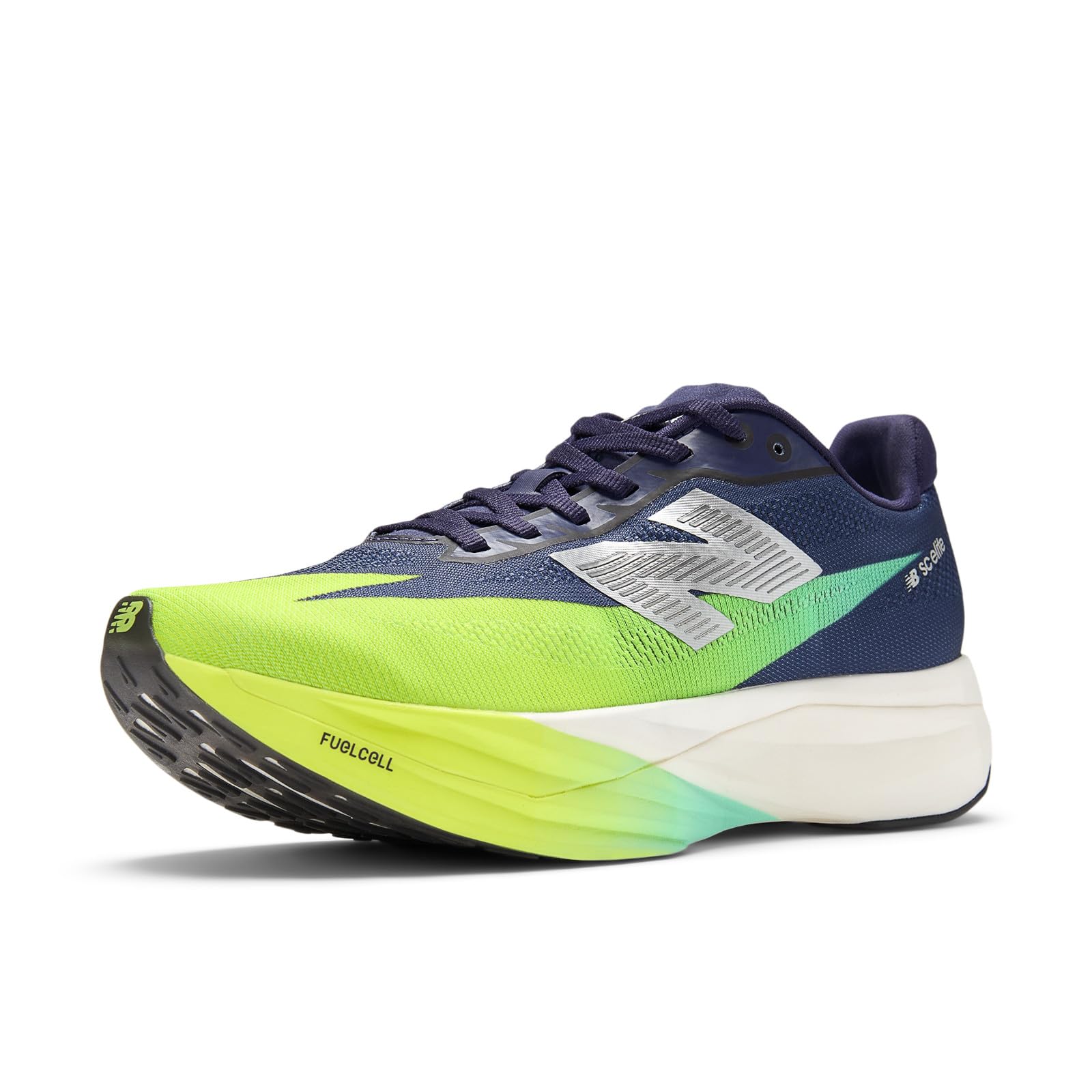
1. New Balance Women’s FuelCell Supercomp Elite v5
Our pick — 4.5+★ from 90+ verified ratings; the strongest balance of quality and price.
A race shoe built around a thinner plate that lets the foam do the pushing.
Here is the version of a carbon racer that does not fight your foot. New Balance runs a PEBA FuelCell midsole — a lightweight, springy foam that compresses and rebounds — under a thinner carbon fiber plate held in the Energy Arc shape. That thinner plate is the point. A slimmer plate flexes a little more as you load it, so the bounce comes back at you instead of feeling like a board under your arch. Pair that with a rocker profile, a curved sole that rolls heel to toe, and the transition feels smooth rather than abrupt. The FantomFit upper is bonded rather than stitched, which keeps weight down while holding your midfoot steady.
The consensus from the crowd that owns it is that the shoe simply fits. That fit is the thing people talk about most, well ahead of any other trait, and it is the reason this pick takes the top slot. Runners have put it through a full New York City marathon, and others split their miles between the treadmill and race day. One 4.5+ star average across 90+ ratings is a thinner sample than some rivals here — the Endorphin Pro 4 has more reviews, 435 to 90 — but this one holds the higher score. Take the fit note seriously, though: sizing draws real disagreement, and comfort splits opinion. Order your true size, and if you are between sizes, think about the longer foot.
What you get is a dedicated race-day tool. It rewards a runner who wants propulsion without a plate that feels punishing. It is not the shoe to log slow recovery miles in, and the snug race upper will tell you so.
What earns the top slot
- The PEBA FuelCell midsole rebounds underfoot, so each stride gets a return push instead of a dead landing.
- The thinner carbon plate and Energy Arc shape flex enough to keep the ride lively rather than rigid.
- FantomFit bonded upper holds the midfoot without stitching bulk, trimming weight.
- Rocker profile rolls you heel to toe for a smooth transition.
- Runners have raced it through a full New York City marathon, not just test laps.
The honest fine print
- Sizing feedback is genuinely split — try your usual size first, not a half down.
- Comfort draws mixed reactions, so give it a short break-in run before race day.
- A smaller review base than several rivals, so you are leaning on fewer data points.
Reach for this if: you want a marathon or half shoe that returns energy without feeling plank-stiff underfoot.
Look elsewhere if: you need a roomy, forgiving upper for wide feet.
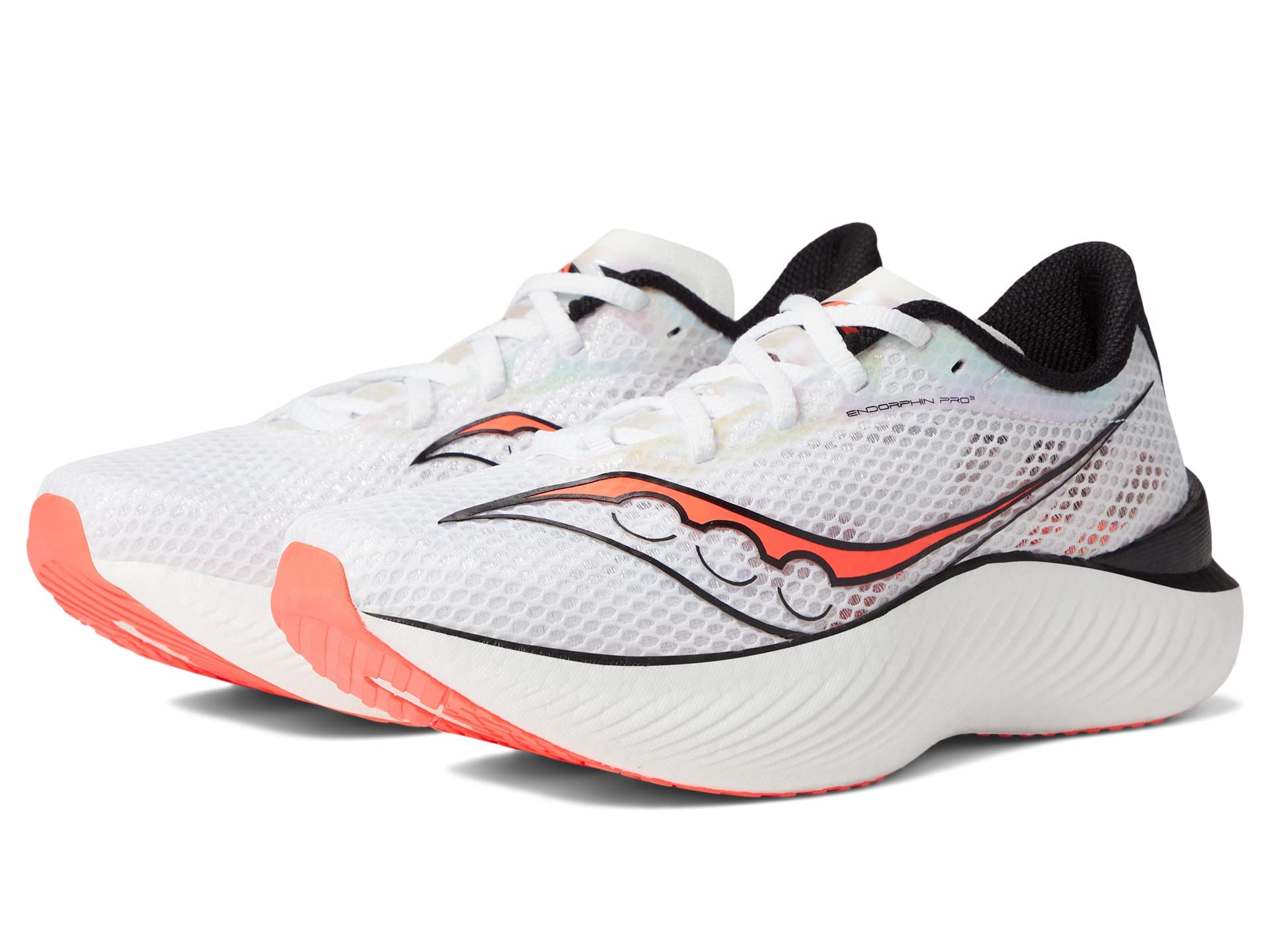
2. Saucony Women’s Endorphin Pro 3 Sneaker
The plate racer that keeps showing up when you are still logging miles.
Most carbon shoes are built for one thing: the start line. The Endorphin Pro 3 is built for the long haul. Saucony’s signature carbon-fiber plate sits over a thicker-than-before stack of PWRRUN PB foam, a lightweight pebbled material that bounces back with each step. The thicker stack is what separates this from the Supercomp Pacer V1 above — the Pacer trims its stack for a snappier, lower-to-the-ground feel on short races, while this shoe keeps more foam under you for high-mileage and marathon training. That extra cushion is why runners wear it for the long training block, not just the 42km.
The fit is the standout, and it is what the people who wear it talk about most. Beyond that, comfort, running performance, weight and cushioning all draw steady praise, and the look gets compliments from the 13 runners who bring it up. The Speedroll geometry rolls you forward, and the appearance is sharp enough that it does not look like a lab experiment on your foot.
Two honest notes. Value for money and stability both split opinion — some find the price fair, others less so, and a handful of runners want more torsional support underfoot. If you overpronate heavily or want a shoe that does some steering for you, this is not that shoe. Everything else about it is earned. A 4.0+ star average across 200+ ratings, a shoe that carries a high-mileage reputation rather than a one-race one.
The long-run case: thicker PWRRUN PB under a carbon-fiber plate means this is a racer you can also train in for weeks, not a shoe you save in the box.
Where it gives ground: with stability feedback mixed, anyone who needs a guiding shoe should look at the fit and support notes before committing.
Saucony has sold this model since December 2021, and its fit still draws the most praise from the 227 raters.
Worth shortlisting for: marathon blocks where the race shoe also does the long training runs.
Think twice if: you want a firm, firmly guided ride rather than a neutral bouncer.
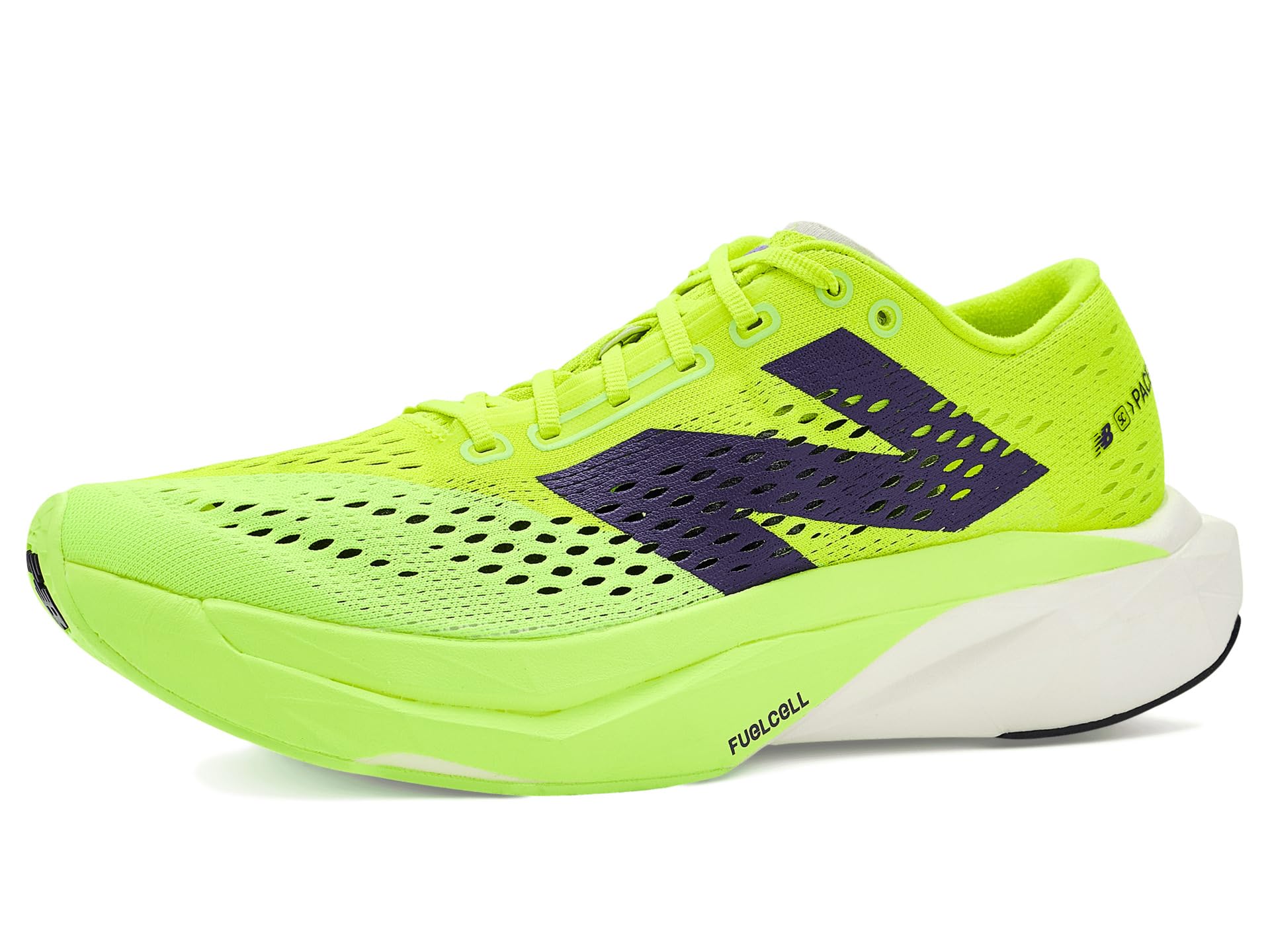
3. New Balance Womens FuelCell Supercomp Pacer V1
A race flat for the runner who wants to feel the road, not float above it.
Not every race is a marathon. The Supercomp Pacer is built for 5k to half-marathon distances, and New Balance says so plainly. A carbon fiber plate sits sandwiched between springy FuelCell foam and the Energy Arc geometry, and the stack is kept deliberately low. Lower stack means a snappier, more direct ground feel underfoot — you sense the road, which is what you want over 5k or 10k when you are chasing turnover. The single-layer engineered mesh upper is breathable and lightweight, so nothing about the shoe feels heavy. This is the natural counterpoint to the Supercomp Elite V4 at the bottom of this list, which pushes for marathon comfort with a bigger foam build.
Comfort and light weight are the two things it does best, and the style gets regular nods. The fit runs wide at the toe box, which suits a lot of women. But there are real trade-offs. Sizing feedback is split, some find the fit right and some do not, and the material is deliberately thin. Durability is the biggest honest caveat with this shoe: it is a race flat, and race flats wear faster than trainers. The 4.0+ star average reflects that mixed picture.
What it nails: a low, snappy ride with a breathable single-layer mesh upper for short-to-mid distance racing.
What to know going in: a wide toe box and split sizing mean you should try the fit carefully, and the thin material does not promise trainer-level longevity.
Pick it for: 5k, 10k and half-marathon racing where ground feel matters more than max cushion.
skip it if: you want a shoe that will survive hundreds of training kilometres — this is a race-day flat.
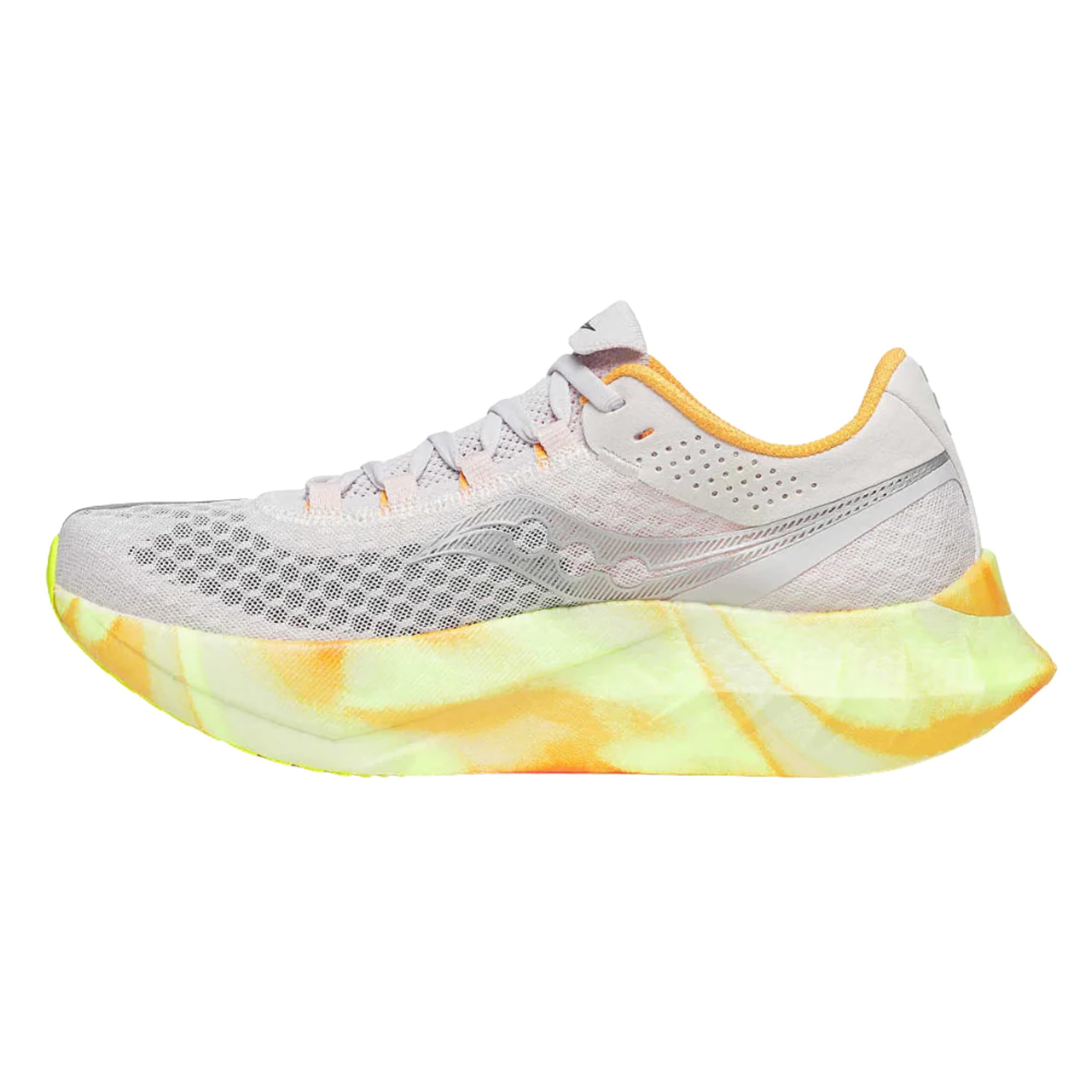
4. Saucony Women’s Endorphin PRO 4 Sneaker
Two foams fused, a full carbon plate underneath, and a listed 185 grams on the women’s scale.
Fusing two midsole foams is the trick Saucony plays here. PWRRUN HG and PWRRUN PB are combined in one midsole, and the maker calls it an industry first. Add a full carbon plate engineered for longitudinal stiffness — meaning it resists bending front to back — and you get a shoe that pushes you forward while it cushions. The SPEEDROLL geometry curls the sole to roll you through the stride. The numbers matter: an 8mm heel-to-toe offset (39.5mm at the heel, 31.5mm at the toe) is a moderate drop that most runners adapt to quickly. And the women’s version lists at 6.5oz (185g), which is the lightest weight stated anywhere on this list.
Runners treat it as two shoes in one. It gets worn as a daily training option, then raced on the same weekend, and the cushioning has been described as pillows underfoot. The arch support is a genuine point of praise. The silky heel liner and integrated tongue make it easy to slip on with no fiddling — exactly what you want on race morning. Across 400+ ratings and a 4.0+ star average, it is the most-reviewed pick here and the one whose reputation is least in doubt.
That pillow-soft feel is the point and also the consideration. If you prefer a firm, tactile ride, this will feel almost too soft underfoot.
Best fit for: a runner who wants one shoe to do both training and racing, with the lightest stated weight of the group.
Worth a second look if: you prefer a build that feels planted and firm over plush.
5. Nike Women’s Alphafly 3
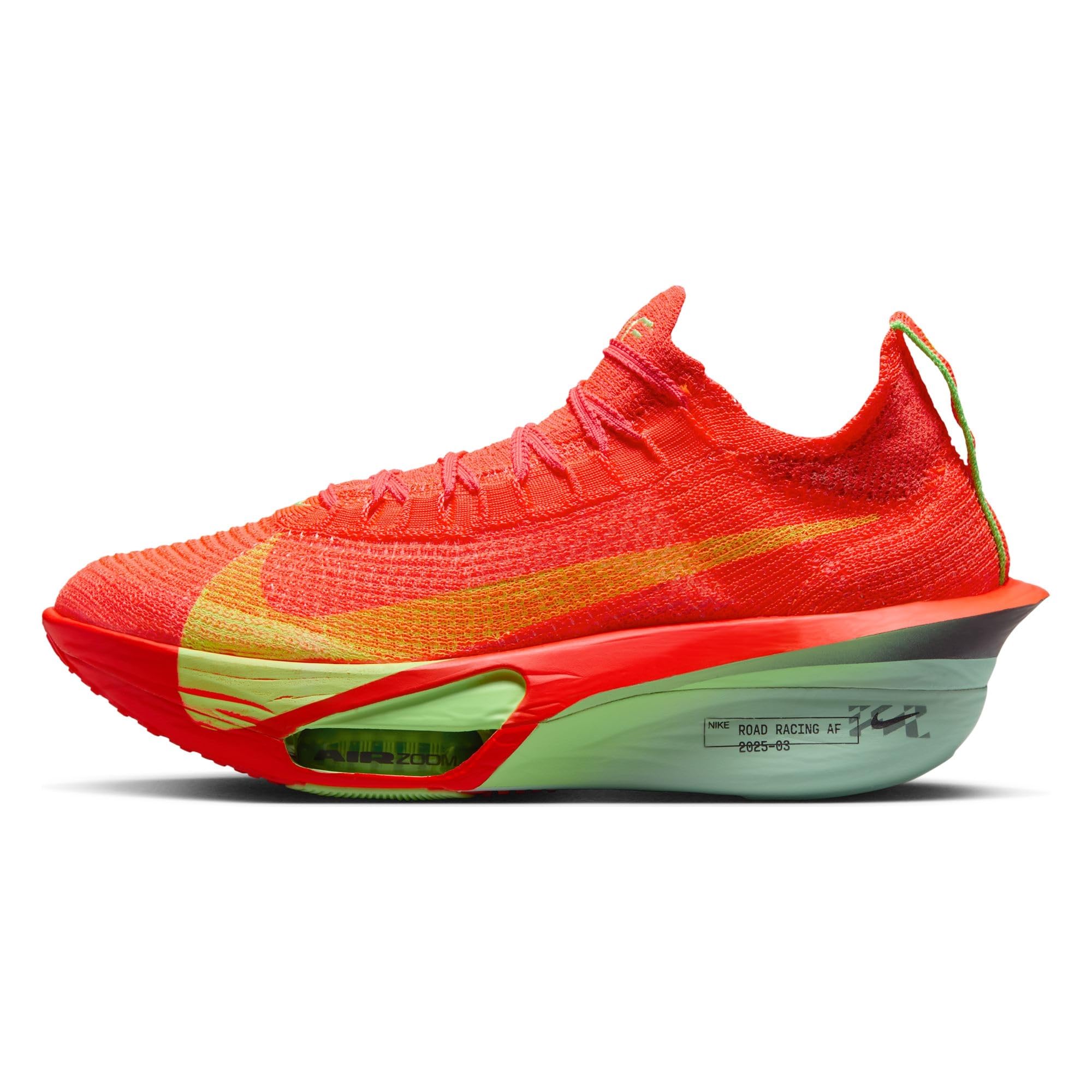
Three technologies stacked in one marathon shoe, and the fit is where it demands care.
Nike builds this one around a triple stack. A double helping of Air Zoom units — springy air pockets that push you into your next stride — sits up front. A full-length carbon fiber plate drives you forward. And a heel-to-toe ZoomX foam midsole keeps the ride fresh from the first mile to the last. That is an aggressive combination, and it is aimed straight at marathon speed. If the Supercomp Pacer above is about ground feel, this is about as far from that as you can go: it wants to launch you off the plate rather than let you feel the road.
Where it works, it works well. Runners find it comfortable, light, and supportive, with arch support singled out as a strength. But the fit is the tallest hurdle. In this shoe’s own feedback, fit is the most-discussed topic and the verdict is split — for some it is fantastic, for others it is not true to size. Value for money also divides, with some considering it a great purchase and others finding it a harder sell. A 3.5+ star average across 100+ ratings says there is a right runner for this shoe and a wrong one.
Get the size right and the ride is the most propulsive thing on this list. Get it wrong and you will feel every mile of it.
What it brings to the start line
- Double Air Zoom units up front push you into the next stride, aimed at marathon pace.
- A full-length carbon fiber plate adds forward drive through the whole stride.
- Heel-to-toe ZoomX foam keeps the cushioning consistent from the gun to the tape.
- Support and arch coverage get consistent praise, and it stays light on the foot.
Before you commit
- Fit is the most-discussed issue and opinions split — order only after checking size carefully.
- Value divides: some runners see the worth, others do not.
The ideal owner: a marathoner who wants an aggressive, propulsive plate shoe and will dial in the size first.
Not your shoe if: you want a forgiving fit you can order blind.
6. New Balance Women’s FuelCell Supercomp Elite V4

The cushion-first racer that carried one runner to a 23-minute marathon personal record.
New Balance designed this one around three priorities: energy return, low weight, and a secure, locked-in fit for marathon day. The FuelCell midsole does the springing, and the whole shoe is tuned to keep your legs feeling fresh over the closing miles rather than just the opening ones. It is the model that proves the point from the Endorphin Pro 4 above: a carbon racer does not have to choose between cushion and speed. This one errs toward cushion, and the runners who love it love it for exactly that.
Comfort is the headline, and it is what the crowd talks about most here. One runner reported a 23-minute marathon personal record in it, so the cushioned build still handles race pace. Cushioning, durability over long runs and speed days, and light weight all draw steady praise, and the support underfoot gets called out as well. The bounce is described as bouncy, which is a nice thing to be able to say about a race shoe.
Sizing is the honest caveat. Feedback splits between true to size and running small, so if your foot is on the border, go up. A 4.0+ star average across 150+ ratings backs a shoe that has earned its place rather than borrowed one.
The reason runners keep it: a cushioned FuelCell ride with a locked-in marathon fit that holds up on speed days as well as race day.
The one thing to plan for: sizing disagreement, so size up if you are between sizes rather than assuming your usual.
Good match for: a marathoner who wants cushioning and spring over a firm, minimal feel.
Look past it if: your foot runs narrow and short, where the size call gets trickier.
Know the Specs
Carbon Fiber Plate
A carbon fiber plate is a stiff layer set inside the midsole that resists bending and springs back when you push off. It makes the shoe feel propulsive and keeps the foam from folding under your foot. Thinner plates, like the one in the FuelCell Supercomp Elite v5, flex a little more and feel livelier; thicker, stiffer plates feel more like a lever. A full-length carbon plate trades some flexibility for drive, which is why these shoes shine at race pace and feel oddly stiff walking to the start line.
Foam Type and Energy Return
Foam is the cushion and the spring. PEBA-based foams — FuelCell, PWRRUN PB and ZoomX here — are lightweight and rebound sharply, which is why they pair with a carbon plate. A standard EVA foam compresses and stays compressed; these return the energy. Stack height is how much foam sits under you: a taller stack means more cushion and a plush ride, a lower stack means more ground feel. Match stack to distance — taller for marathons, lower for short races.
Heel-to-Toe Offset
Offset, or drop, is the difference in height between the heel and the toe of the shoe. The Endorphin Pro 4 lists an 8mm offset (39.5mm at the heel, 31.5mm at the toe), a moderate drop most runners adapt to. A lower drop shifts load toward your calves and Achilles, while a higher drop takes pressure off them. If you are moving from a traditional trainer, a moderate offset like 8mm is the smoother transition point.
Race-Day Fit
Race uppers are built snug so your foot does not slide inside the shoe when you sprint. That means sizing is tighter than a daily trainer, and the size you wear elsewhere may not transfer. Watch the fit notes on each pick: a race flat with a wide toe box suits some feet, a snug marathon upper suits others. When in doubt, size to your longer foot and let the thin upper stretch to fit, rather than going smaller and risking a pinched toe at mile twenty.
Common Questions
Do carbon plate shoes actually make you faster?
Should I race a 5k in a marathon carbon shoe?
How many miles will a carbon plate running shoe last?
Do carbon plate shoes run true to size?
What is the difference between PEBA foam and PWRRUN PB?
Can I wear carbon plate shoes for daily training?
Is a lower stack height better for short races?
Do these shoes need a break-in period?
Are carbon plate shoes good for wide feet?
What is the difference between the Endorphin Pro 3 and Pro 4?
The Bottom Line
For most women racing on carbon, the pick that balances propulsion and fit is the women’s carbon plate running shoes leader, the New Balance FuelCell Supercomp Elite v5. Its thinner plate over springy PEBA FuelCell keeps the ride lively instead of plank-stiff, and it earns the top slot on a 4.5+ star average — the highest here. If you want one shoe to train and race in, with the lightest stated weight of the group at 6.5oz (185g), grab the Saucony Endorphin Pro 4. And for short-course racing where ground feel beats max cushion, the New Balance Supercomp Pacer V1 is the one to reach for. Whichever you pick, check the sizing note on that model first — several of these run narrow or short.
How we choose
We do not accept paid placement. Every pick is matched to a real buyer and a real use-case; we do not hands-on test units.
Sources
Specifications: manufacturer listings and product documentation. Review insights: verified customer reviews, as of November 2026. Pricing: not shown on this page (it changes often); check the current price via the retailer link.
As an Amazon Associate, Tactical Gear Guy earns from qualifying purchases. This does not affect which products we feature.