Specs are compiled from manufacturer listings and verified buyer reviews and can change over time — please confirm the key details on the product page before buying.
You want a jacket that actually holds heat when the wind picks up. For most men, the safest buy is the ARIAT Crius Insulated Jacket: it pairs a ripstop shell (a tough, tear-resistant outer fabric) and 240gsm insulation (240 grams of fill per square meter) with a 4.5+ star score from 700+ owners. If your winters go harder than that, the Carhartt Montana and The North Face McMurdo Bomber both carry a 4.5+ rating and a real cold-weather build.
This guide is built by comparing the manufacturers’ published specifications and the patterns across verified customer reviews, so you get each pick’s real strengths and trade-offs instead of marketing spin.
Below you will find the fill numbers, shell materials, and fit notes that actually decide whether you shiver through February or not. The list of the warmest puffer jackets for men below is sorted by what each one does best, not by what the brand says about it.
Top Picks


How To Choose The Warmest Puffer Jacket For Men
Most first-time buyers grab the biggest, puffiest coat on the rack and assume it will be the warmest. Puffiness is a side effect of insulation loft (how much air the fill traps), not a guarantee of heat. Four things actually keep you warm: what the insulation is made of, how much of it there is, what shell sits outside it, and whether the fit traps a pocket of warm air around your body. Get those four right and you can stay comfortable in a jacket that packs down smaller than a sleeping bag.
Down versus synthetic fill
Down insulation is measured in fill power — a number that describes how much space one ounce of the down clusters lofts into. A 600 fill traps more air per ounce than a 550 fill, and a 700+ fill traps more still. Down gives you the best warmth for the least weight, but it loses its loft if it gets soaked. Synthetic insulation (measured in grams per square meter, or gsm) keeps trapping heat even when damp, which is why workwear brands lean on it. A 240gsm synthetic fill like the ARIAT Crius sits in the same warmth conversation as a mid-fill down jacket, with the bonus that a wet sleeve does not flatten it.
Shell fabric and water resistance
The shell is the outer layer that keeps wind and moisture off your insulation. A ripstop weave resists tearing if it snags on a branch or a truck door. A DWR finish — durable water-repellent, a coating that makes water bead and roll off — buys you time in light snow and drizzle. Fully waterproof shells go further and seal out rain, but they tend to feel stiffer and breathe less. For city winters and snowy commutes, a water-resistant ripstop shell is usually the sweet trade.
Fit and layering room
A puffer needs a small gap of trapped air between the insulation and your body to work. Too tight and you compress the fill; too loose and your body heat escapes out the collar and hem. If you plan to wear a hoodie or a flannel underneath, size up one step or pick a jacket with a loose fit built in, like the Carhartt Montana. Read the fit notes carefully, because several jackets on this list run large or small from the stated size.
Side-by-Side Comparison
| Model | Best For | Insulation | Weight | Water Resistance | Amazon |
|---|---|---|---|---|---|
| ARIAT Crius Insulated Jacket★ Best Overall | Everyday cold-weather wear | 240gsm synthetic | 4.1 lbs | Water resistant coating | Amazon |
| Michael Kors Shine Hooded PufferStyle Pick | Style-first city winters | — | — | Water resistant | Amazon |
| Winter Parka Puffer Coat (B6A)Budget Long Coat | Budget long coat warmth | Thicken fill | — | Waterproof and windproof | Amazon |
| Thickened Down Jacket with Detachable Hood | Deep-cold winter work | Thickened down, rated -20℉ to 40℉ | — | Waterproof and water resistant | Amazon |
| Orolay Men’s Thickened Down Jacket | Pockets and style | 700+ fill power down | — | — | Amazon |
| The North Face Aconcagua 3 | Packable layering warmth | 600 fill waterfowl down | 1.5 lbs | Water repellent | Amazon |
| Carhartt Montana Insulated Jacket | Cold job sites | Sherpa fleece and synthetic down | — | Sheds damp conditions | Amazon |
| Columbia Tipton Peak III | Wet winter commutes | Synthetic with thermal-reflective tech | — | Waterproof breathable | Amazon |
| The North Face McMurdo Bomber | Serious cold, short cut | Waterfowl down | 2.85 lbs | Waterproof | Amazon |
Detailed Reviews
1. ARIAT Crius Insulated Jacket
Our pick — 4.5+★ from 700+ verified ratings; the strongest balance of quality and price.
A 240gsm synthetic work coat that wears like a daily puffer
If you want one jacket that handles a cold commute, a tailgate, and a walk with the dog without turning into a sweatbox, start here. The Ariat Crius runs on 240gsm of synthetic insulation — grams per square meter, a measure of how much fill is packed into the shell. That is a serious amount of fill for a jacket you can wear all winter without feeling like you are wrapped in a duvet. The synthetic fill keeps trapping warmth even if you get caught in a drizzle, which down cannot do once it soaks through.
The shell is a ripstop weave with a water-resistant coating. Ripstop means the fabric has a grid of reinforcement threads, so a snag on a fence or a branch will not tear into a long rip. The coating makes light rain bead up and roll off the surface. It is not a rain shell, but it will shrug off a wet snow shower while you get to the car. The brushed lining feels soft against a t-shirt, and the nylon-lined sleeves let your arms slide in without your shirt bunching at the elbow.
Weight is where the Crius makes its case. At 4.1 lbs versus The North Face Aconcagua 3 at 1.5 lbs, the Ariat is the heavier, more substantial jacket. That extra bulk gives it the density of a coat you trust on a February morning. The concealed carry pocket is a detail Ariat owners lean on, and the zippered hand pockets sit where your hands actually rest. Buyers report the fit runs true to size, so order your normal number.
The build that earns its keep
- 240gsm synthetic fill holds warmth through damp weather that flattens down
- Ripstop shell resists tearing and sheds light rain with its water-resistant coating
- Concealed carry pocket plus zippered hand pockets
- True-to-size fit, per the bulk of buyer feedback
What to weigh before you buy
- At 4.1 lbs it is a substantial jacket — the Aconcagua 3 is 1.5 lbs if you want featherweight
- Synthetic fill, so it is not the pack-down-smallest option for travel
Reach for this if: you want one do-everything cold-weather jacket with real heft and a durable shell.
Look elsewhere if: you need a jacket that crushes into a daypack, where the 1.5 lb Aconcagua 3 makes more sense.
2. Michael Kors Men’s Shine Hooded Puffer Jacket
A hooded puffer with a polished shine finish and water-resistant shell
Some guys want a winter jacket that reads sharp in a downtown bar and not like they just stepped off a ski lift. That is the lane the Michael Kors Shine Hooded Puffer owns. The shine finish on the shell gives it a polished edge, and it carries a water-resistant build so a wet commute does not spoil the look. It is a hooded puffer cut for men, so you get the full winter silhouette without giving up the hood you will want when the wind kicks sideways.
What owners talk about most is the quality of the build, and the fit lands right for the majority. The style gets steady love, and the warmth holds up as a heavy winter jacket rather than a fall layer. The comparison that keeps coming up is that it holds its own against designer labels that charge far more — the look reads expensive without the label tax. That is a real value story for a jacket with a recognizable brand name on it.
The honest read: this is a style-first puffer, and it delivers on that first. It warms well for a heavy winter jacket, but it is not built to the spec of a 240gsm work coat or a 700+ fill down bomber. If you want the warmest possible jacket for a deep-freeze climate, the technical picks on this list go further.
Where it fits: a true-to-size fit makes it easy to buy without a fitting-room trip, which matters for an online purchase.
Buy it because: you want a hooded puffer that looks sharp enough for a night out and warm enough for the walk there.
Pass if: you are chasing maximum insulation density for sub-zero job sites rather than a polished city coat.
3. Winter Parka Puffer Coat Long Down Jacket
A thigh-length waterproof parka with a 2-way zipper at a budget price
When the wind cuts across a parking lot, the difference between a hip-length puffer and a long parka is the difference between cold legs and warm ones. This coat runs long, seals out wind and water, and brings a 2-way zipper so you can unzip from the bottom when you sit down or drive. The thicken fill gives it the heavy, substantial feel buyers describe, and the zippered pockets are the detail that gets praised most after the overall build quality.
The build quality is what earns the strongest reviews, and the pockets come in right behind it. There is genuine value here for a full-length waterproof coat. The trade-offs are the ones you would expect at this level. The fit divides buyers — some find the XL spot on, others say it runs small, so check the size chart against your chest measurement. The zipper is the weaker point, with reports that it does not always run all the way up. Treat the zip gently and it holds.
Sizing caution: if you are between sizes, order up. The mixed fit feedback on the XL is the reason people get caught out, and a long coat has more fabric to fit around.
A smart buy for: commuters and anyone who wants thigh-length coverage and a waterproof shell without a big outlay.
Think twice if: you want a zipper you never have to think about, or a trim cut — this one is roomy and the zip needs care.
4. Men’s Thickened Down Jacket with Detachable Hood

A thickened down jacket rated for -20℉ to 40℉, with a zip-off hood
The number that matters here is the temperature window the maker rates it for: -20℉ to 40℉. That is a jacket built for the deep end of winter, not a three-season layer. The thickened down fill delivers warmth you notice on the first cold morning, and owners consistently call it light for how warm it runs. The hood zips off, which is a real convenience when you want a cleaner collar for a night out but still want the option for a blustery day.
The warmth is the headline, and the fit earns steady praise alongside it. Large pockets give you room for gloves and a phone, and the wind resistance holds up on days that would push through a thin shell. The tight cuffs at the bottom of each sleeve are the kind of detail that keeps cold air from creeping up your arms. Treat the zipper with some care, since it is the weaker point in otherwise solid feedback.
First-use note worth knowing: the maker asks you to hang the jacket for more than 6 hours before trying it on, so the fill can fluff back out to full loft after shipping. Skip that and it will not look or feel as warm as it should. Set it on a hanger the day it arrives and give it the time.
Worth it for: anyone facing a hard winter who wants real down warmth, a detachable hood, and a windproof shell.
Consider a different pick if: you need something you can put on straight from the start — this one wants a day on the hanger first.
5. Orolay Men’s Thickened Down Jacket with 6 Pockets
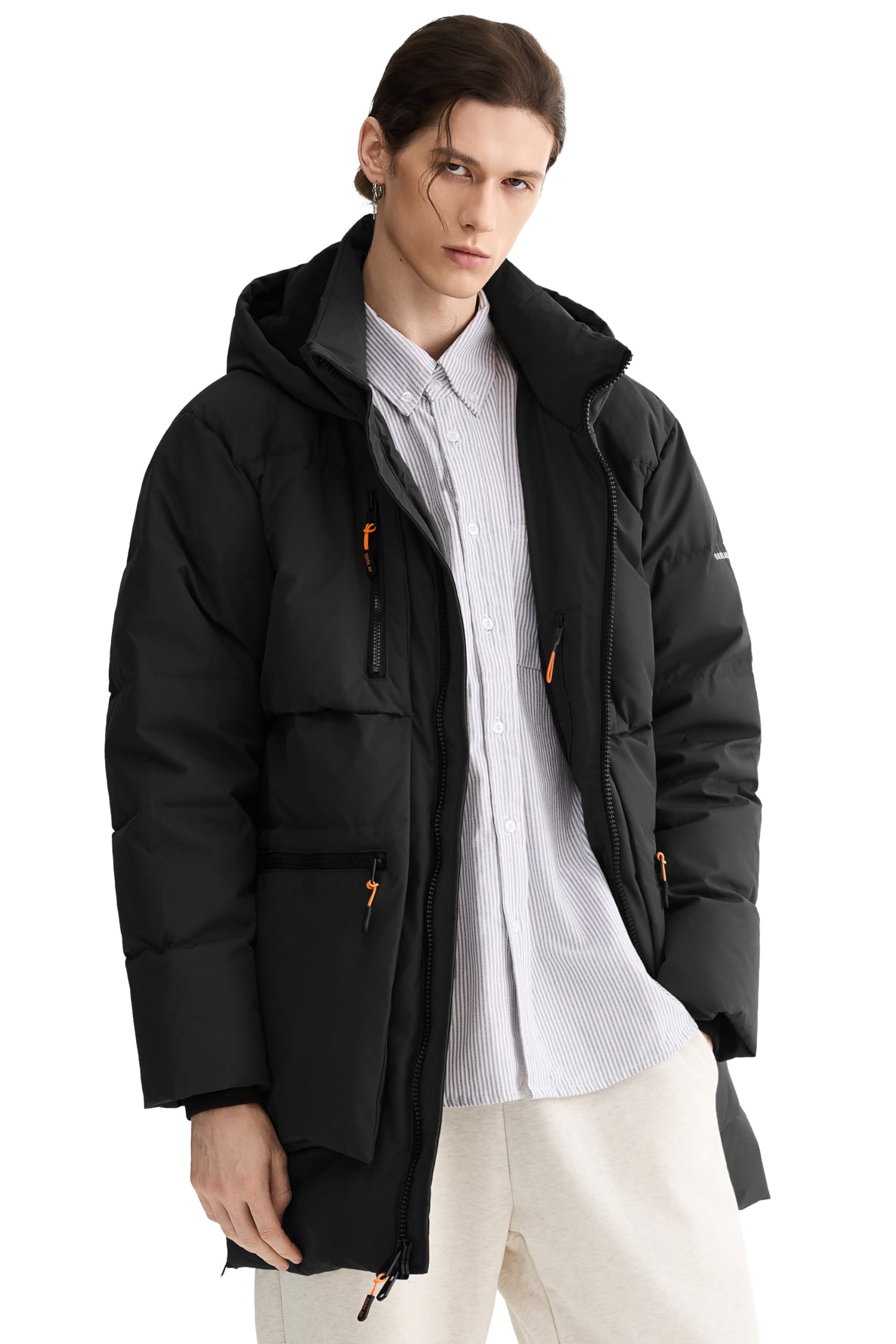
700+ fill down and six pockets for gloves, phone, and tools
Six pockets is the number that sells this jacket before you even feel the warmth. Down insulation rated at 700+ fill power (a measure of how much space each ounce of down lofts into) puts it above the Aconcagua 3’s 600 fill in the loft department. That is exactly the kind of spec that decides whether a jacket feels warm or merely bulky. The thickened down traps heat well for a Midwest winter, and owners regularly call it stylish for a down coat.
Appearance is what wins people over most here — the Orolay cuts a clean silhouette rather than the puffed-up shape you might expect from a thick down layer. The warmth follows close behind as the second thing buyers talk about. The fit, though, runs large for a fair number of owners, so the XL crowd should consider dropping a size. The pockets are genuinely useful for organization, but the zipper draws complaints for being a plastic build that runs the opposite way from usual.
Fit advice: try one size down if you are between sizes or want a trimmer look. The generous cut is comfortable over a sweater but loose on its own.
Zipper heads-up: the reversed plastic zip is the one recurring gripe. It works, but go in knowing it is not the metal hardware some guys expect.
Pick this up if: you want high-loft down warmth, a sharp look, and pockets for days.
Size down or move on if: you prefer a close fit and traditional metal hardware.
6. THE NORTH FACE Men’s Aconcagua 3 Jacket
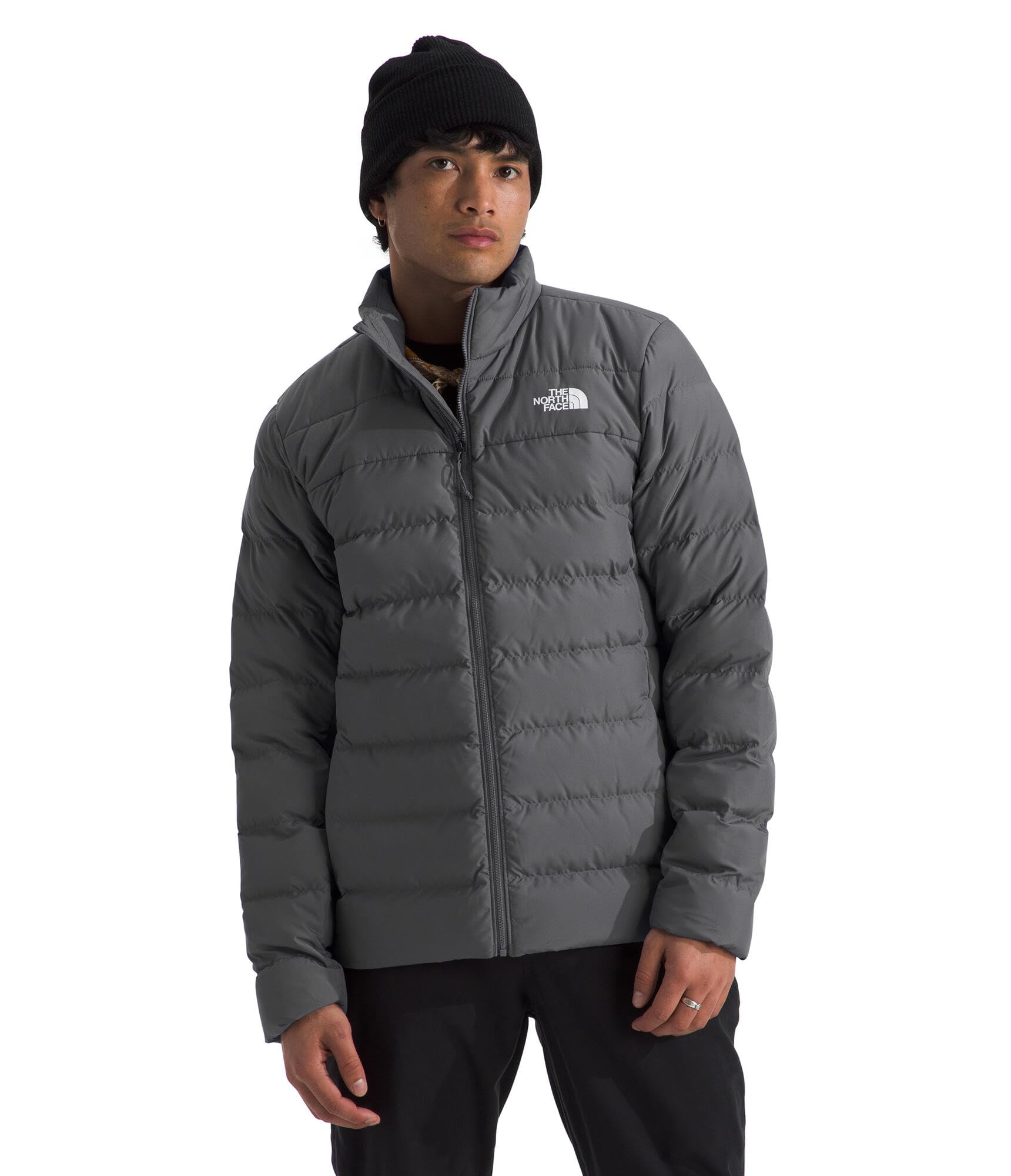
A 1.5 lb, 600-fill down layer that slides under a shell
At 1.5 lbs, the Aconcagua 3 is the lightest jacket on this list. To put that in context, the Ariat Crius above weighs 4.1 lbs versus 1.5 lbs here, which is why it disappears under a shell or into a pack. The 600 fill waterfowl down insulation is the engine: down that lofts and traps body heat without bulk. It handles temperatures down to -5C comfortably, and the non-PFC DWR (durable water-repellent) finish keeps light snow and drizzle from soaking the shell.
Owners describe it as well-made and versatile enough to dress up or down. The wind-resistant build earns its keep on a breezy ridge, and the water-repellent treatment means a quick flurry does not send you running for cover. The color draws steady praise — one reviewer noted it is not the greyish tone some jackets turn out to be, which matters when you are buying a coat online.
The honest caveat is the fit and the fabric. The jacket runs oversized for plenty of buyers, so size down if you like a trim cut. A few owners also report feathers working their way through the shell fabric — that is the occasional cost of a lightweight down build, not a universal issue. For a packable layer, it is still among the most competent jackets here.
Why it layers so well
- 1.5 lbs — light enough to wear under a shell or stash in a pack
- 600 fill waterfowl down insulates down to -5C without bulk
- Non-PFC DWR sheds light snow and drizzle
- Wind-resistant build holds up on exposed walks
The fit and fabric reality
- Runs oversized — size down for a closer fit
- A few owners mention feathers poking through the shell over time
Best for: travelers and skiers who want a warm layer that packs small and slides under a shell.
Skip if: you need a stand-alone deep-freeze coat — this one is happiest as part of a layering system.
7. Carhartt Men’s Montana Loose Fit Insulated Jacket
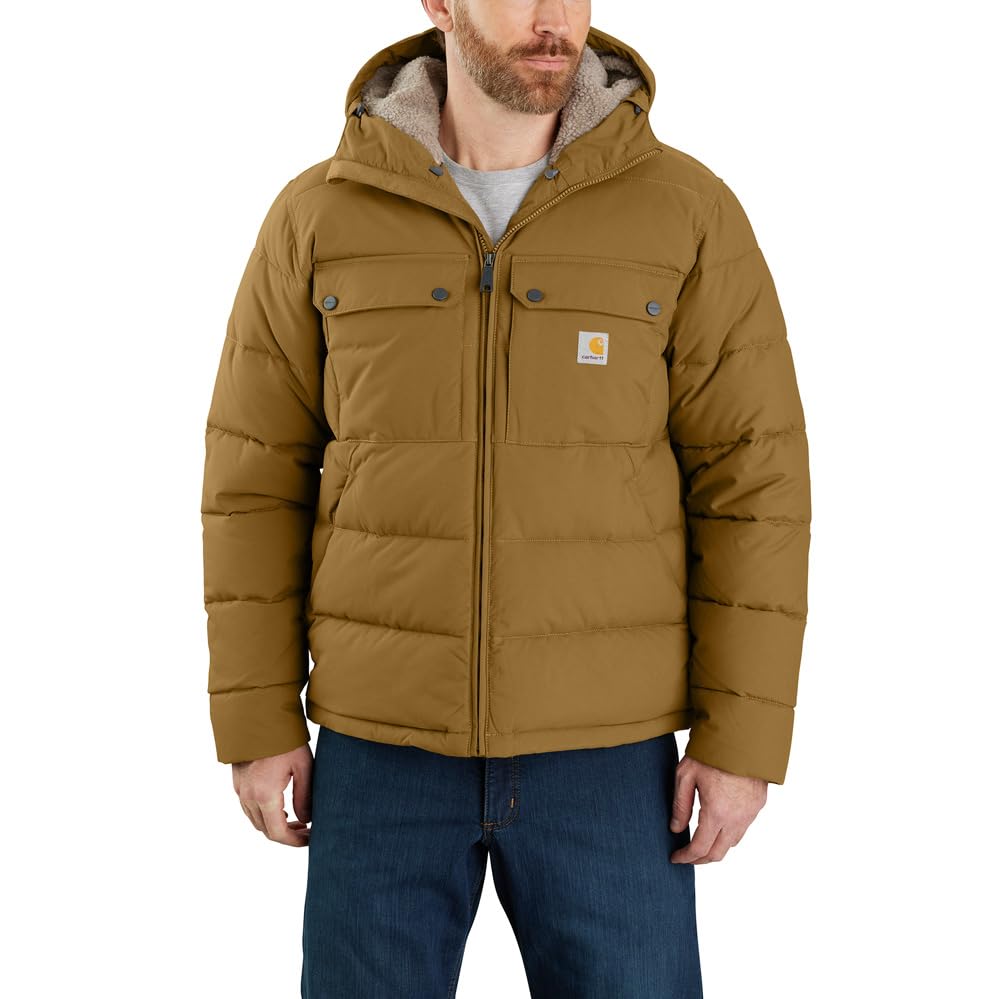
Sherpa fleece and synthetic down in a loose fit built for layering
Carhartt makes this jacket for cold days on the job, and the build shows it. It pairs sherpa fleece with synthetic down insulation, so you get the soft warmth of fleece against your core and the loft of synthetic fill around it. The shell blocks wind and sheds damp conditions, which is exactly what you want when the air is wet and cold and you are outside for hours. Pockets inside and out give you storage for tools, gloves, and a phone, and the loose fit leaves room for a hoodie or flannel underneath.
The quality and the warmth are the two things that dominate buyer sentiment, and that is a strong double for a work coat. Owners note it is not overly heavy despite the insulation, and it handles snow shoveling without breaking a sweat. The fit runs roomy enough to layer, though the XL crowd reports it coming up large. The other note to know is the length — it sits short up front, and the sleeves run long, so check the size chart if you are tall or want a coat that covers your belt line.
Layering first: the loose fit is the whole point. If you wear a thick base layer and a hoodie, this is the jacket that fits over both without pinching. If you want a snug, trim coat, look elsewhere.
Built for: outdoor work, snow days, and anyone who layers heavy under a jacket and wants a coat that blocks wind and damp.
Check the length if: you are tall or want full coverage at the waist — the front runs short and the sleeves run long.
8. Columbia Men’s Tipton Peak III Insulated Jacket

A waterproof breathable puffer with a thermal-reflective lining
Most puffers on this list resist water. The Columbia Tipton Peak III is built for it, combining synthetic insulation with thermal-reflective tech — a lining that bounces your body heat back toward you instead of letting it escape. The shell is waterproof and breathable, so rain stays out while sweat vapor gets out. Customers note it handling temperatures between 15 and 50 Fahrenheit comfortably, which covers most of a real winter. If you walk to a train in wet weather, this is the jacket the others cannot match on rain protection.
The extended and tall sizing is worth flagging, because it means you can find a proper sleeve and body length without sizing up and swimming in the shoulders. The adjustable bungee cords on the hood cinch it down against wind and rain, a detail that matters more than most people realize. The fit lands well for most buyers, and the lightweight build keeps it from feeling like a tank on your back.
Where the praise lands: the waterproof breathable shell and the thermal-reflective lining are the two features that make this a standout for sloppy weather. The light weight is a genuine plus for commuting.
What to watch: sizing draws mixed feedback, and the pockets are not the deepest. If you carry a lot in your pockets, check the specs before you commit.
Made for: wet commutes and winter rain, where a waterproof breathable shell beats a water-resistant one.
Reconsider if: you want a trim fit or deep pockets — the cut and pocket depth are the weaker points here.
9. THE NORTH FACE Men’s McMurdo Bomber Jacket
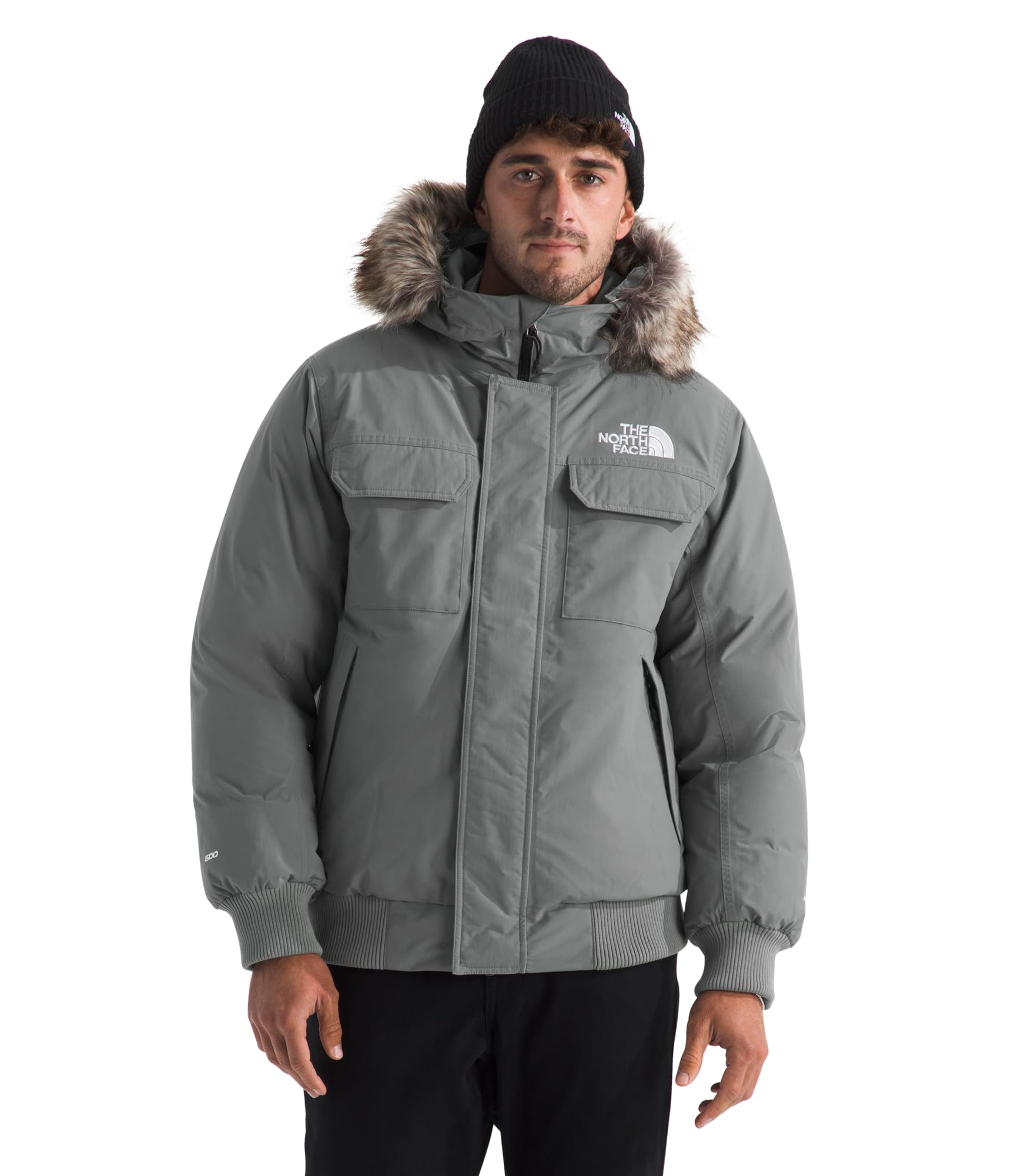
The short bomber that takes arctic-grade cold and laughs at it
This is the jacket for the guy who wants Maximum warmth in a compact, city-friendly cut. The McMurdo Bomber packs waterfowl down insulation inside a waterproof shell, and it is built for genuine cold — reviewers point out it performing well in arctic conditions and being the right layer for early winter nights. The bomber cut keeps it closer to the body than a long parka, so it moves with you.
The warmth is the reason people buy it, and the color draws strong approval too. The fit lands right for most, and it is comfortable enough to wear all day. The bomber sits shorter than a parka by design, so it works well over jeans and boots without swamping your legs. The one point to know is sizing: it comes up small for the XL crowd, and a few owners flag the Velcro as the weak spot. Order with that in mind and the rest of the jacket holds up.
The value question: this is the premium pick with the premium build — waterproof shell, down fill, and warmth for truly cold weather. If your winters are mild, the synthetic and mid-fill jackets here will keep you just as comfortable for less.
Sizing note: if you usually wear an XL, check the size chart carefully. The jacket runs small in the larger sizes.
Worth the upgrade for: serious cold-weather cities and anyone who wants a bomber silhouette that actually handles arctic air.
Hold off if: your winter is mild or your size runs at the top of the chart — this one runs small at XL.
Know the Specs
Fill power and synthetic fill (gsm)
Fill power is the number that tells you how much space down lofts into — higher means more warmth for less weight. A 600 fill like the Aconcagua 3 and a 700+ fill like the Orolay sit on the same warm scale, with the higher number packing more loft per ounce. Synthetic insulation is measured in gsm (grams per square meter), so a 240gsm fill like the Ariat Crius tells you how much fill is packed into the shell. Neither number alone decides warmth; the quantity and the shell matter just as much.
Shell and water resistance
The shell is what keeps wind and moisture off your insulation. Look for a ripstop weave (reinforced grid threads that stop a snag becoming a tear) and a DWR finish (a coating that makes water bead and roll off). A fully waterproof shell like the McMurdo or the Columbia Tipton Peak III goes further than a water-resistant one, but waterproof builds tend to feel stiffer. Match the shell to your weather: drizzle and snow call for water-resistant, real rain calls for waterproof.
Common Questions
Is down or synthetic warmer?
What does fill power actually mean?
Will a men’s puffer jacket fit over a hoodie?
How should I wash a down puffer jacket?
Why does my puffer jacket lose warmth over time?
How warm is a bomber jacket compared to a long parka?
Do these jackets run true to size?
Is a waterproof shell worth it over water-resistant?
Can I wear a puffer jacket in the snow?
Are down jackets safe in wet conditions?
The Bottom Line
For most men, the strongest all-around buy is the ARIAT Crius Insulated Jacket. Its 240gsm synthetic fill and ripstop water-resistant shell handle wet cold that flattens down, and its 4.5+ star standing with 700+ owners backs it up. If you want maximum warmth in a compact cut, the The North Face McMurdo Bomber brings a waterproof shell and waterfowl down for arctic-grade days. And for layering travelers who want a jacket that packs small, the The North Face Aconcagua 3 at 1.5 lbs is the one to reach for. One nudge: the Ariat earns its top spot on real owner experience across hundreds of reviews, so if you are torn between a few, start there.
How we choose
We do not accept paid placement. Every pick is matched to a real buyer and a real use-case; we do not hands-on test units.
Sources
Specifications: manufacturer listings and product documentation. Review insights: verified customer reviews, as of November 2026. Pricing: not shown on this page (it changes often); check the current price via the retailer link.
As an Amazon Associate, Tactical Gear Guy earns from qualifying purchases. This does not affect which products we feature.