Specs are compiled from manufacturer listings and verified buyer reviews and can change over time — please confirm the key details on the product page before buying.
Plugging a Turtlebox into the wrong brick is how a good night of music ends early — these speakers want a specific 15-volt barrel plug, and a generic USB charger simply will not feed one. This shortlist covers the plugs that are actually built for Gen 2 and Gen 3 Turtlebox speakers, with the voltage, amperage, and cord length spelled out so you buy once and stop guessing.
This guide is built by comparing the manufacturers’ published specifications and the patterns across verified customer reviews, so you get each pick’s real strengths and trade-offs instead of marketing spin.
You will see which plug fits which generation, how much cord you actually get, and where a Ranger charger differs from a Gen 2 or Gen 3 unit. The safest way to shop for a turtlebox speaker charger is to match the plug shape and the 15V output before anything else.
Top Picks
How To Choose The Best Turtlebox Speaker Charger
Start with the plug, not the wattage. A Turtlebox charger is a wall adapter that ends in a round DC barrel plug — the small cylinder that pushes into the port on the speaker. A normal phone brick with a USB slot cannot make that connection on its own, so the plug shape is the first thing that must match.
Match the generation before you match the price
Gen 2 and Gen 3 speakers share a plug family, and most of the chargers here are built specifically for those two. The Ranger is a separate animal and needs its own adapter. Grande also sits outside the Gen 2 and Gen 3 group. Buying the wrong one is the single most common way people end up with a charger that does nothing.
Voltage and amperage: the two numbers that matter
The Gen 2 and Gen 3 chargers here are rated at 15 volts, which is the voltage the speaker expects from its wall adapter. Amperage is the current the charger can push — one of these units is listed at 3 A and another at 2 A. Both are sold as compatible with the same speakers, but spec-for-spec the 3 A unit has more headroom on paper.
Cord length and where you charge
A short cord is fine on a garage bench and useless across a campsite. The chargers here range from a 4.9 FT cord up to a 6 ft cord, with one mid-length option at 5.9 feet. Measure the gap between your speaker spot and the nearest outlet before you commit, especially if the speaker lives in an RV or on a porch.
Side-by-Side Comparison
| Model | Best For | Output | Cord Length | Compatible With | Amazon |
|---|---|---|---|---|---|
| Superer Replacement Charger★ Best Overall | Gen 2 & Gen 3 owners wanting a longer cord | 15V 3A | 6 ft | Gen 2 & Gen 3 | Amazon |
| Norward Turtlebox Speaker ChargerTravel Pick | Travelers who want worldwide input | 15V 3A | 4.9 FT | Gen 2 & Gen 3 | Amazon |
| FGIEU Replacement Charger | Buyers who want a manual and warranty terms | 15V 2A | 5.9 feet | Gen 2 & Gen 3 | Amazon |
| SGEOYPIL 15V 3A Charger | Gen 2 owners with a port under the flap | 15V 3A | 4.9 FT | Gen 2 & Gen 3 | Amazon |
| Xsnigie 65W Ranger Charger | Ranger owners only | 65W | 5.91 FT | Turtlebox Ranger | Amazon |
| Turtlebox Original Replacement Charger | Owners who want the factory part | — | — | Gen 2 & Gen 3 | Amazon |
Detailed Reviews
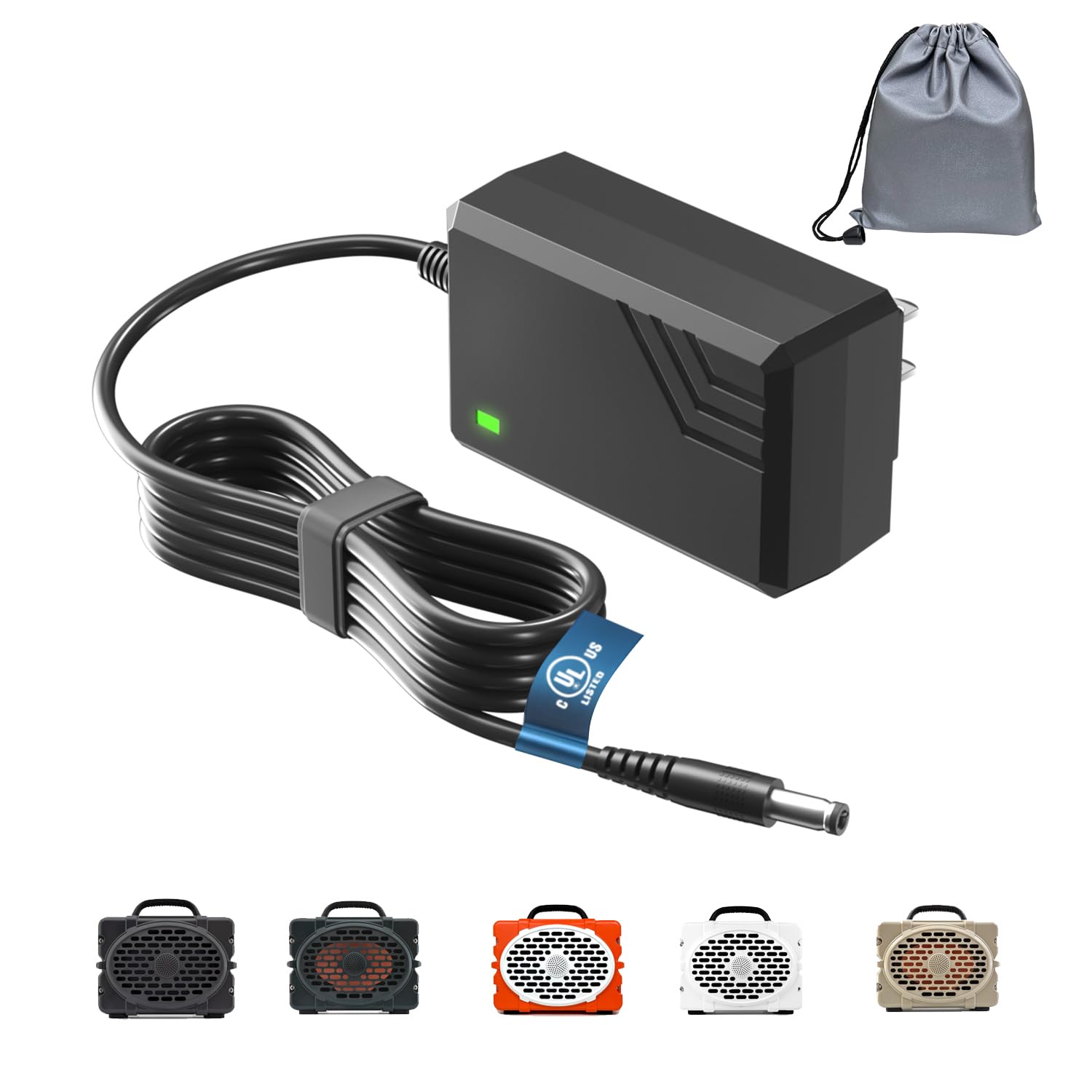
1. Superer Charger Turtlebox Gen 2 & 3
Our pick — 4.5+★ from 50+ verified ratings; the strongest balance of quality and price.
The one that reaches the far outlet and still fits the plug exactly.
Cord length is where most Turtlebox charger listings quietly give up, and this one does not. You get a 6 ft cord — the longest in this group, and a full 22% more reach than the 4.9 FT cords on the Norward and SGEOYPIL units. That extra foot lets you set the speaker where it sounds best instead of where the outlet happens to be.
The electrics are the reason it holds the top spot. Output is 15V at 3 A, paired with a matching round DC plug, and the adapter is built with a Smart IC (a small chip that keeps voltage steady) so the speaker sees consistent power rather than a drop mid-charge. It is tested and approved to UL standards. The maker also lists built-in protection against overheating, which matters on a unit that may sit in a hot garage or an RV bay.
You also get a waterproof drawstring pouch for storage, and the cable ends are reinforced for dust and rough handling. That reinforcement matters once the charger has been rattling around a truck bed. One limitation to know up front: this is not compatible with Turtlebox Grande or Ranger, so it is strictly a Gen 2 and Gen 3 part.
Where it earns its keep
- 6 ft cord — the longest reach of any charger here
- 15V 3A output with a matching round DC plug
- UL-certified with built-in overheat protection
- Ships with a waterproof drawstring pouch
What to plan around
- Does not fit Grande or Ranger speakers
- Pricier than the plain replacement cords in this list
Reach for this if: your speaker sits more than a few feet from the nearest outlet and you want one charger that covers Gen 2 and Gen 3.
Look elsewhere if: you own a Ranger or Grande — this plug will not go in.
2. Charger for Turtlebox Speaker Gen 2 & Gen 3 Power Cord
Built for the trip where the wall socket speaks a different language.
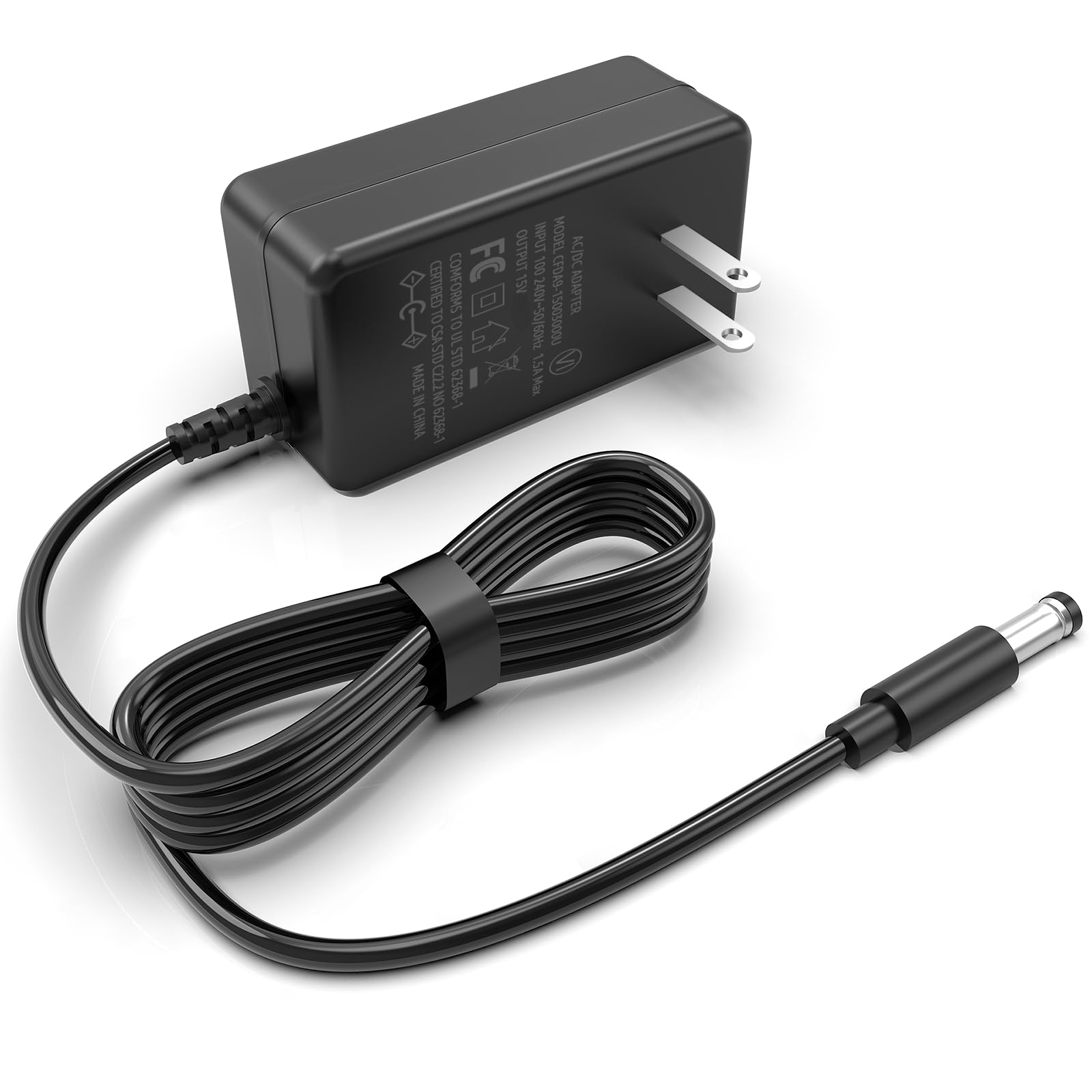
This is the charger to grab if your speaker crosses borders. Input is rated 100-240 V at 50-60 Hz, which means the same adapter tolerates the higher mains voltage used outside North America — you are not shopping for a second charger before a trip. Output lands at 15V with a 3 A current rating, and the connector is a barrel plug sized for Gen 2 and Gen 3 speakers.
The safety package is spelled out rather than implied: short-circuit protection, over-current protection, over-voltage protection, and overheating protection. For a cord that stays plugged in overnight beside a tent, that list is the part worth reading. The body is injection-molded plastic in classic black, straightforward and easy to wipe down.
Where it gives ground to the Superer is the cord. At 4.9 FT it is the shorter of the two, so it suits a bench, a shelf, or a socket that is genuinely close. It is the sort of charger you buy as the second one that lives in the travel bag, not the long-haul reach for a far outlet.
The travel case: a wide 100-240 V input window and a full four-way protection list make this the sensible bag charger for Gen 2 and Gen 3 owners.
Trade-off to weigh: the 4.9 FT cord is the tightest here — check your outlet distance before making it your only charger.
Take this one on the road: the 100-240 V input makes it the easiest charger to pack for a trip.
Leave it home if: the speaker normally lives far from an outlet — you will want the 6 ft cord instead.
3. Charger Turtlebox Gen 2 & 3
The middle-length cord that quietly outsells the shorter plugs on reach.
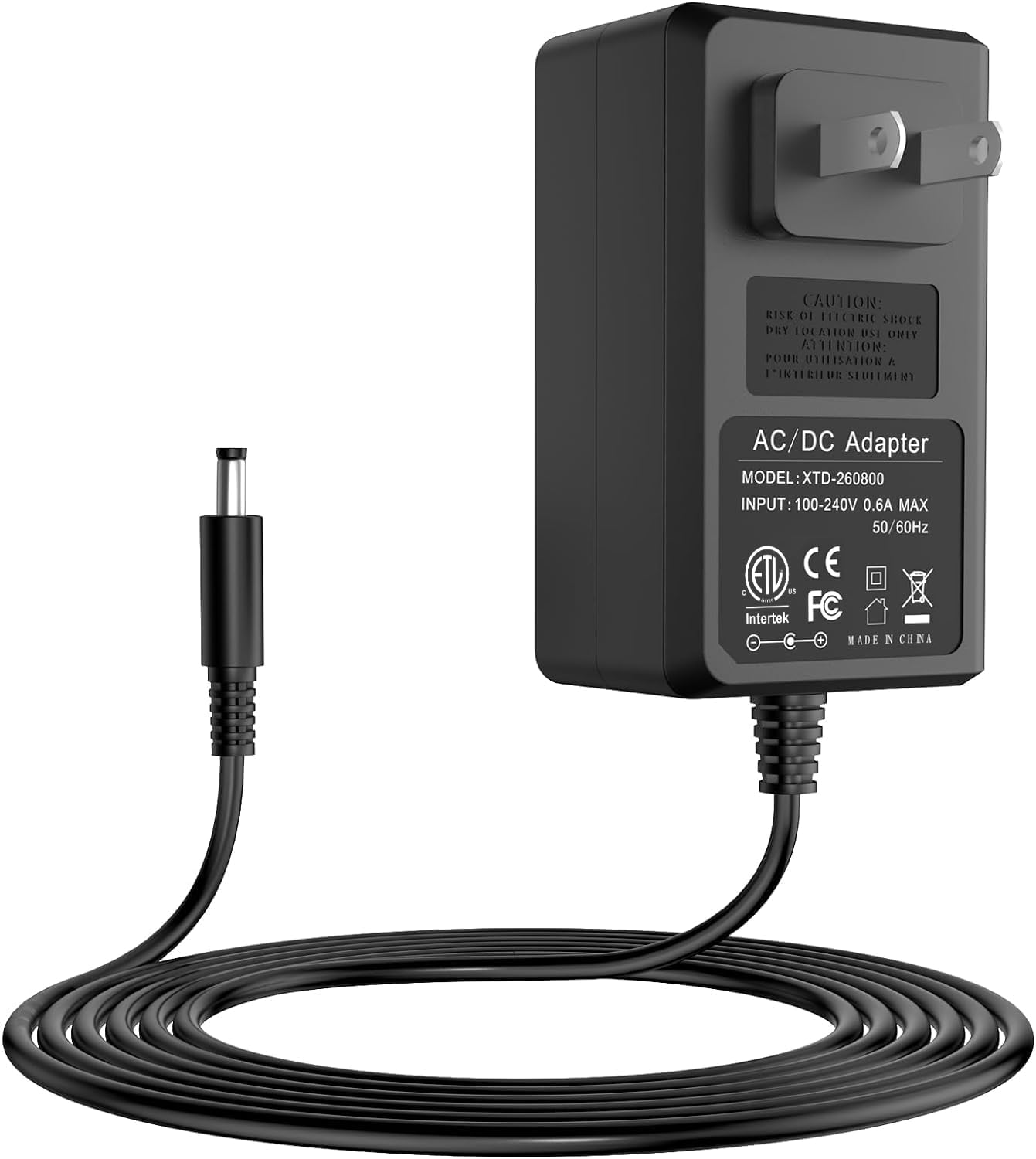
Cord length here is 5.9 feet — a foot past the 4.9 FT units and a foot short of the Superer’s 6 ft. If your outlet is across a garage floor or a couple of steps away on a deck, that middle figure is usually the one that actually fits, and you are not paying for cord you will never unreel.
The adapter takes universal AC input from 110V to 240V, so it handles a range of wall voltages without a step-down converter. Amperage is listed at 2 A rather than the 3 A you see on the Superer and the SGEOYPIL. Both are sold for the same speakers, so it is worth knowing you are getting the lower current figure here rather than discovering it after the fact. The build is plastic with built-in protection against overcurrent, overvoltage, and short circuits.
The package is more complete than most: you get the charger, a user manual, and stated after-sales terms of a 30-day refund window and an 18-month exchange. That paperwork is a genuine plus for a part that lives in a drawer until it is needed.
Nice middle ground: a 5.9-foot cord plus 110-240V input covers most home and travel setups without the longest cord or the shortest.
Read the fine print: the current rating is 2 A, a step below the 3 A units in this list, so serious users may prefer the higher figure.
Pick this for: a middle-distance outlet and a buyer who likes having a manual and exchange terms on paper.
Think twice if: you are specifically chasing 3 A output — this one is rated 2 A.
4. 15V 3A Charger Turtlebox Gen 2 & Gen 3
The listing that actually tells you which plug shape to order.
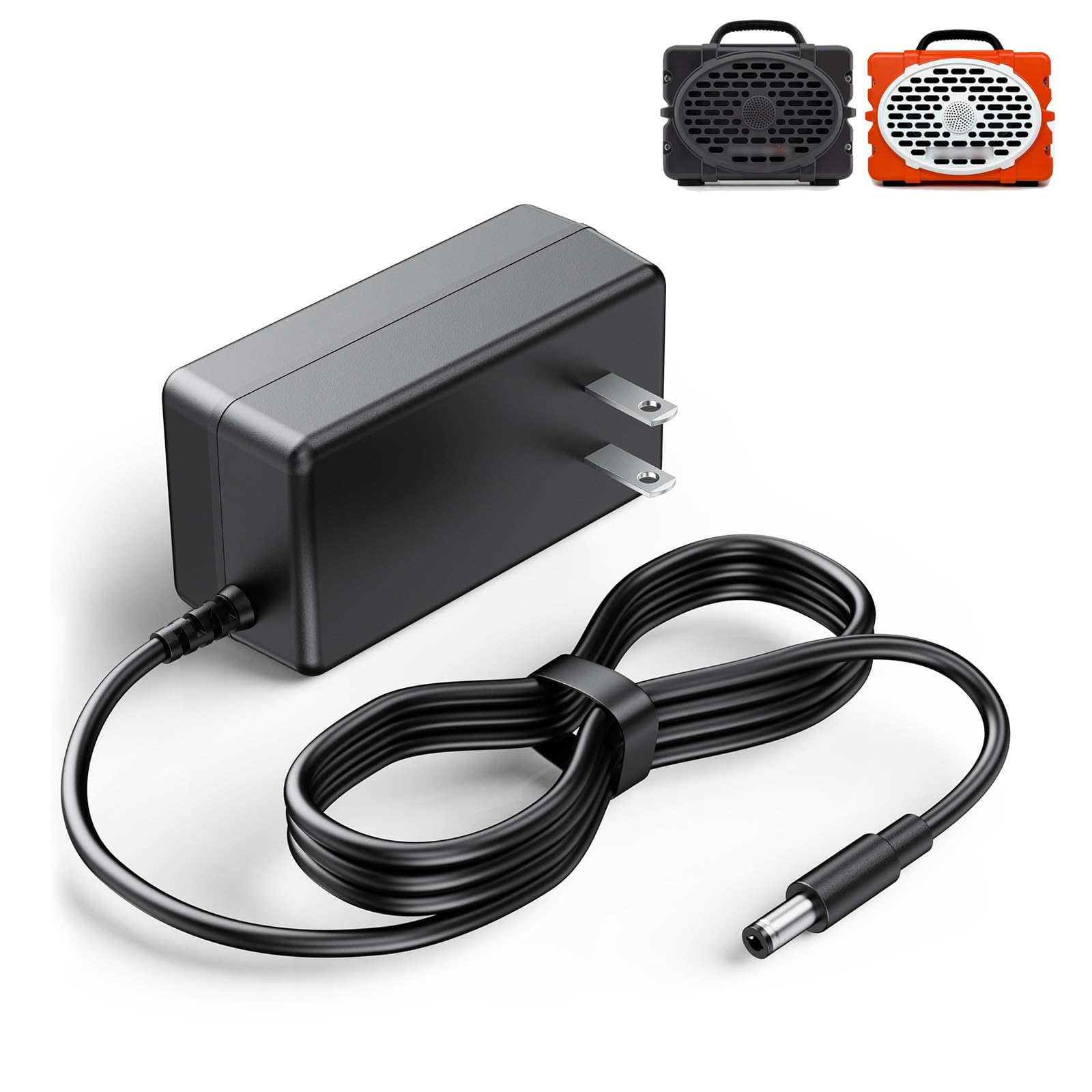
If your charging port sits under the flap on the speaker, this adapter’s own instructions point you to the Gen 2 Co-ax / round barrel plug — a genuinely useful note most listings skip. Output is 15V at 3 A, matching the Superer on the current figure, with a 4.9 FT cord and the original black finish. Input is listed at 100-240 V at 50-60 Hz, so the same unit handles a range of wall voltages.
The picture is more mixed than the spec sheet suggests, and it is worth being straight about that. Buyers split on whether it simply works, with a real share finding it does not charge at all, and the same split shows up on fit. That does not make it a bad part — the plug is proprietary and the speaker generations are not identical — but it does mean the flap-port check above is not optional. Get the plug shape wrong and you will be on the wrong side of that split.
Where it is consistent is the safety build: the cord carries short-circuit, over-current, over-voltage, and overheating protection, and the casing is described as non-toxic and non-volatile for long charging sessions. Add the 3 A rating and you have a competently built adapter that lives or dies on whether your port matches.
The compatibility reality: fit is genuinely hit-or-miss on this one, so confirm your port sits under the flap and takes the round barrel before ordering.
Worth knowing: 15V 3A output with four stated protection circuits puts it on par with the Superer electrically, just with a shorter cord.
Suits you if: your Turtlebox port is under the flap and you want the listing that names the plug shape outright.
Hold off if: you are not sure which port style your speaker has — the return odds climb when the plug is wrong.
5. 65W Charger Turtlebox Ranger
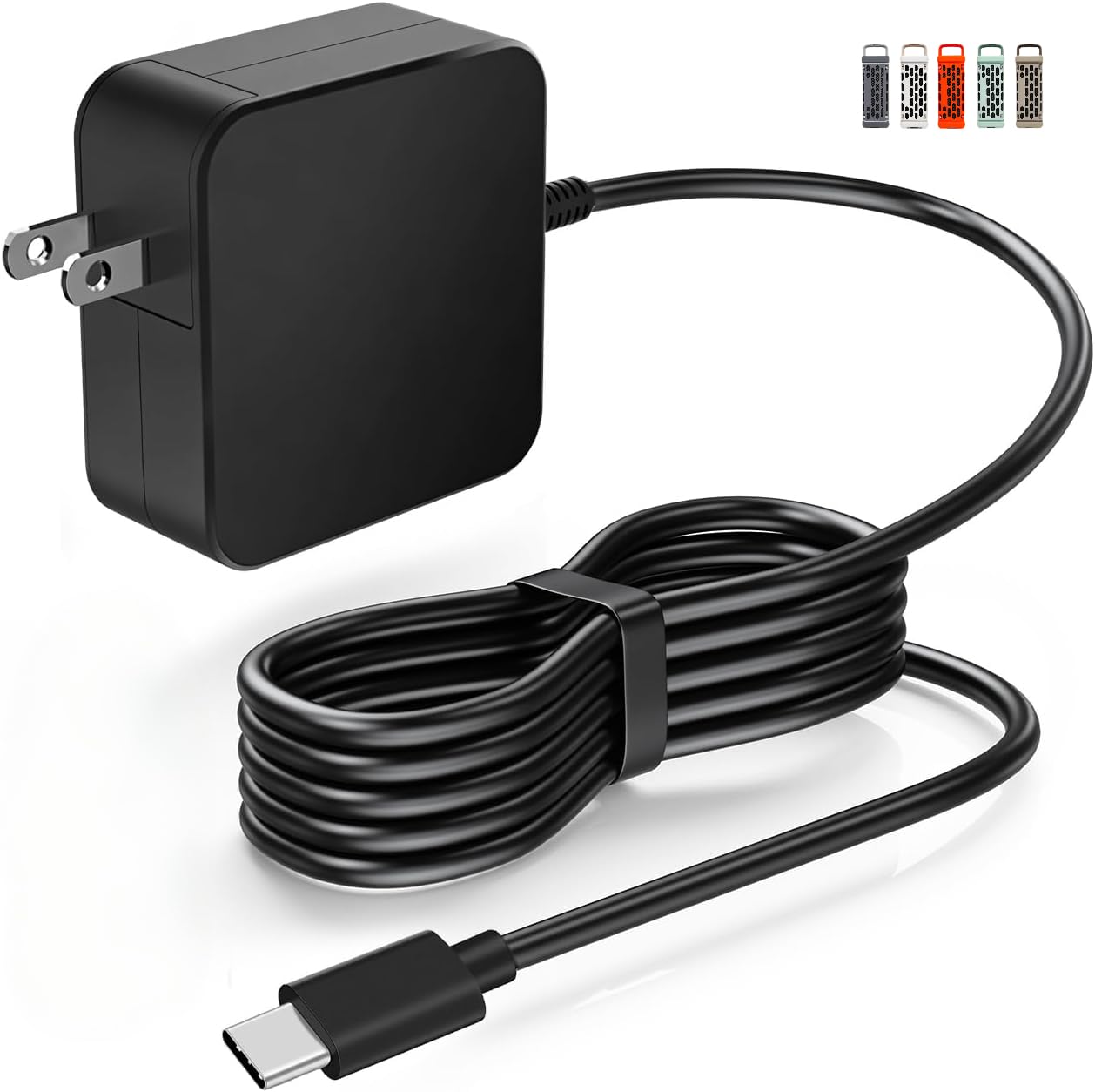
A Ranger charger, and it is not a Gen 2 or Gen 3 part at all.
The Ranger runs on a much higher power figure than the Gen 2 and Gen 3 speakers, and this adapter is built for that: 65W, with input listed at 120 volts. Set that against a 15V Gen 2/Gen 3 charger and the two are not interchangeable — this is the one adapter in the group aimed squarely at the Ranger. The cord measures 5.91 FT, which the listing also describes as 1.8 meters, giving you real slack for setting the speaker away from the wall.
Output current is listed at 1 A, and the description leans on stable voltage delivery to keep the speaker’s battery healthy through long outdoor sessions. The connector is a straight-head plug, and the unit carries a one-year warranty. It comes from a smaller manufacturer, so the warranty line is note for a piece of gear that will spend its life outdoors.
Because the Ranger sits outside the Gen 2 and Gen 3 family, do not buy this hoping it doubles for both. It is a fit-specific purchase: one of the few adapters built for the Ranger rather than a universal plug that claims to cover everything.
Why a Ranger owner would grab it
- 65W output matched to the Ranger speaker
- 5.91 FT cord for flexible placement
- One-year warranty stated on the listing
Where it stops
- Listed output current is 1 A
- Will not work as a Gen 2 or Gen 3 charger
The Ranger answer: own a Ranger and you need this voltage class, so it is the relevant pick rather than a Gen 2/Gen 3 substitute.
Not for you if: your speaker is a Gen 2, Gen 3, or Grande — check the model before buying.
6. Turtlebox Original Replacement Charger for Gen 2 & 3
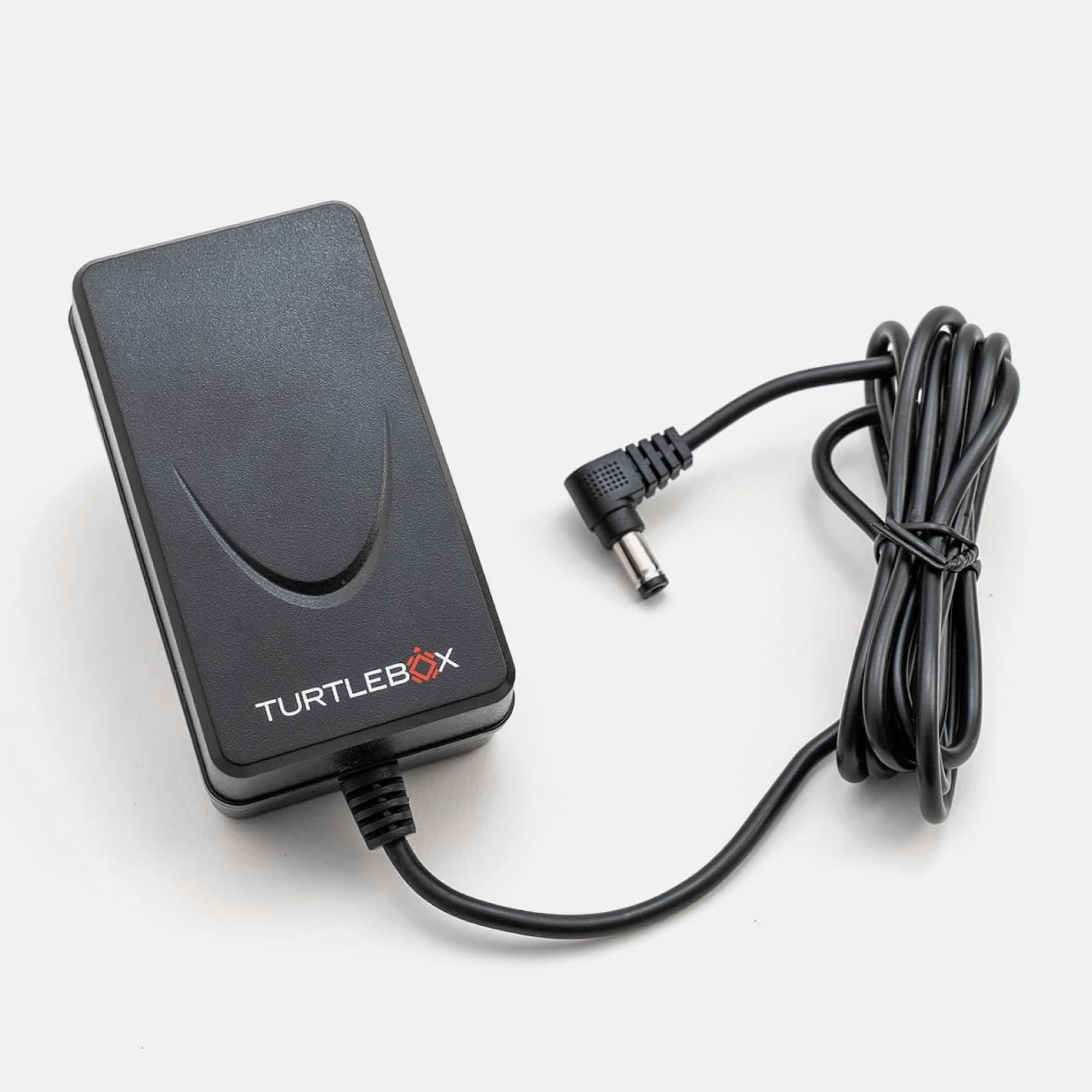
The charger with the speaker maker’s own name printed on it.
This is the one part in the group sold under the Turtlebox name itself, built for both Gen 2 and Gen 3 speakers. Replacement is what this charger is known for — it is the pick for the owner who lost the original in a move or wants a spare that lives permanently in the truck. It weighs 0.17 kg, light enough to leave in a glovebox without noticing.
Function is the other half of that reputation, and it behaves like the factory part should: it charges the speaker it was made for, with no plug-shape gamble. What the listing does not give you is a voltage, amperage, or cord-length figure, so if you want to compare it spec-for-spec against the Superer or the Norward, this is the one listing where you cannot. It ships as a single unit in a standard box with a USB cable.
That missing spec sheet is the honest caveat. You are paying a premium for the name and the certainty of fit, not for a longer cord or a higher current rating you can read off the page. For many Turtlebox owners, paying for the name and a guaranteed fit is the whole point.
Why it wins trust: it is the manufacturer’s own replacement part for Gen 2 and Gen 3, so fit is a settled question rather than a guess.
The honest gap: no published output, amperage, or cord length on the listing, so you cannot benchmark it against the third-party plugs.
Buy this when: you want the factory replacement and are happy to trust the brand over a spec sheet.
Compare first if: cord length or a stated amperage figure is what you need to decide.
Know the Specs
Output Voltage (15V)
Voltage is the pressure the adapter pushes into the speaker. The Gen 2 and Gen 3 chargers here are rated at 15 volts, which is what those speakers expect from a wall adapter. A charger at a different voltage can either fail to charge or push too hard, so 15V is the number to match before anything else. The Ranger runs at a different class entirely, which is why its charger is listed in watts rather than volts.
Amperage (2 A vs 3 A)
Amperage is how much current the adapter can supply. The 3 A units here have more headroom than the 2 A one, and one adapter is listed at 1 A. All are sold as compatible with the speakers they name, but the current figure tells you how much margin the charger has. Higher amperage means more current headroom, which helps on a charger that stays plugged in for hours.
Input Voltage (100-240V)
Input voltage is what the adapter can accept from the wall. A charger rated 100-240 V handles both the standard North American supply and the higher mains voltage used elsewhere, so it travels without a converter. A unit listed at 120 volts is built around the North American socket. A home-bound speaker can live with a 120V-only unit; a speaker that rides in a travel bag benefits from the wider 100-240V window.
Cord Length and Plug Shape
Cord length decides how far the speaker can sit from an outlet — the chargers here run from 4.9 FT up to 6 ft. Plug shape is the other half: Gen 2 and Gen 3 take a round DC barrel plug, and the Ranger takes its own. Some Gen 2 ports sit under a flap, in which case the round barrel version is the one to order. Match the plug shape first, then pick the cord length you actually need.
Common Questions
Will a 15V 3A charger work with both Gen 2 and Gen 3 Turtlebox speakers?
Can I use a Ranger charger on a Gen 2 or Gen 3 speaker?
Does a higher amperage charger charge my Turtlebox faster?
Why does my Turtlebox charger have a round plug instead of USB?
How long a cord do I need for a Turtlebox charger?
Is the factory Turtlebox charger better than a third-party replacement?
Will a 100-240V charger work when I travel outside North America?
Is it safe to leave my Turtlebox charger plugged in overnight?
What is the difference between the 15V and 65W chargers in this list?
Does the Turtlebox charger come with a storage case?
The Bottom Line
For most Turtlebox owners, the charger to buy is the Superer Replacement Charger because it pairs a 15V 3A output with the longest cord in the group at 6 ft — the one figure that keeps the speaker where it sounds best. If your speaker travels, the Norward charger with its 100-240 V input is the bag-friendly choice. And if your model is a Ranger, ignore the rest and get the Xsnigie 65W adapter — nothing else here fits that speaker.
The Turtlebox Original is the crowd favorite here at 4.5+ stars across 190+ owners, which is a fair reason to go factory if you value certainty of fit over a published spec sheet. But for a spare that reaches the far outlet and covers both generations, the Superer is the sharper buy.
How we choose
We do not accept paid placement. Every pick is matched to a real buyer and a real use-case; we do not hands-on test units.
Sources
Specifications: manufacturer listings and product documentation. Review insights: verified customer reviews, as of November 2026. Pricing: not shown on this page (it changes often); check the current price via the retailer link.
As an Amazon Associate, Tactical Gear Guy earns from qualifying purchases. This does not affect which products we feature.