Specs are compiled from manufacturer listings and verified buyer reviews and can change over time — please confirm the key details on the product page before buying.
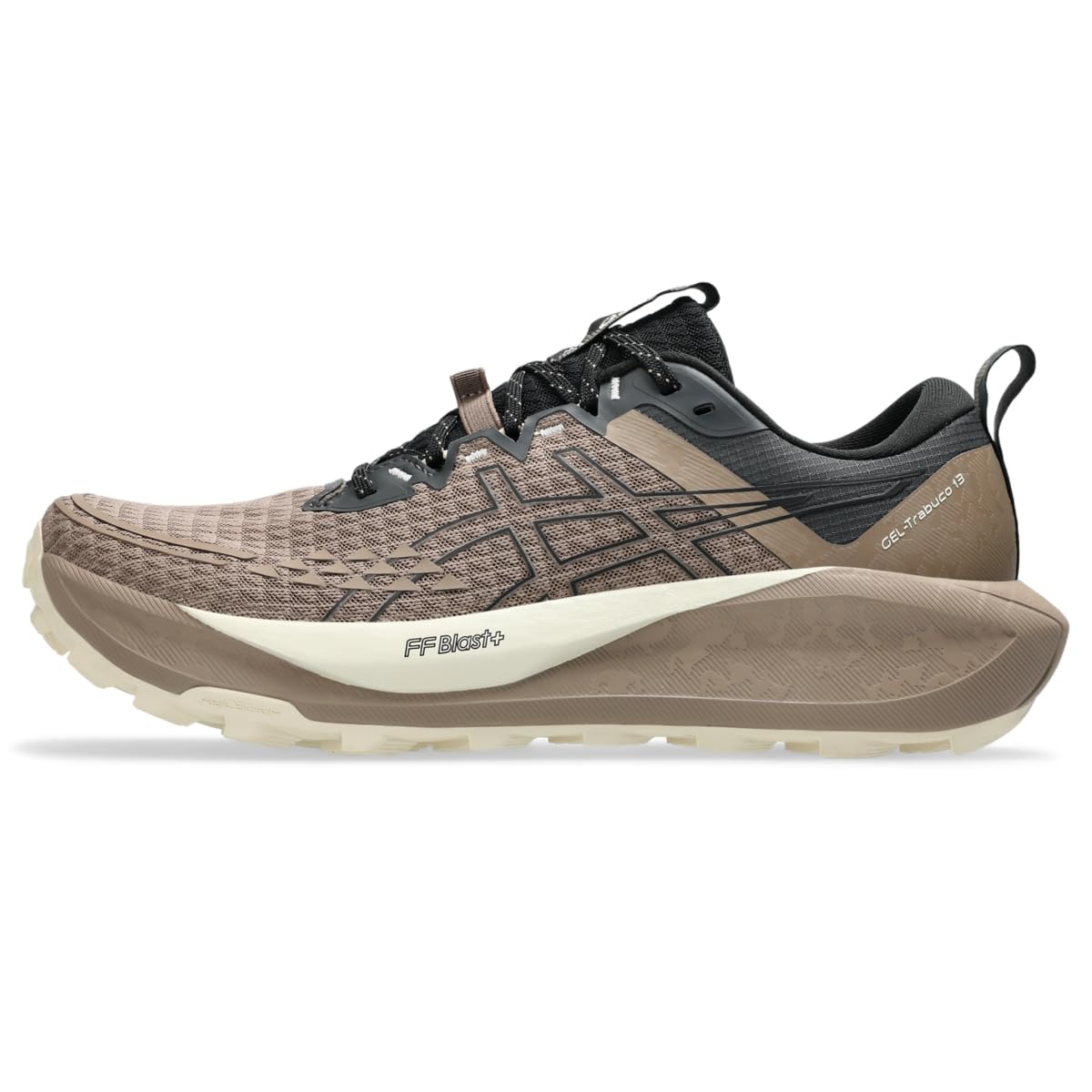
If sharp rocks and roots keep bruising the bottom of your feet, a rock plate is the fix. It is a thin, flexible shield built into the midsole (the cushioned layer under your foot) that spreads the impact of a pointed stone across a wider area. Every shoe on this list has one, verified, so you can pick by fit and feel instead of guessing which models actually protect you. The ASICS Gel-Trabuco 13 is the one most trail runners should start with. It pairs a flexible rock protection plate with FF BLAST PLUS ECO cushioning (a lightweight foam that absorbs impact) and ASICSGRIP traction (a sticky rubber outsole that holds on wet ground). It also carries the highest rating on this list at 4.5+ stars across 300+ reviews.
This guide is built by comparing the manufacturers’ published specifications and the patterns across verified customer reviews, so you get each pick’s real strengths and trade-offs instead of marketing spin.
Fit, drop, and outsole grip matter more than any single headline number on a trail shoe, so I broke down what each plate actually does and where each shoe falls short. Below you will find the six picks worth your attention, ranked by how they handle real rocky ground, and you can compare the best trail running shoes with rock plate side by side before you commit.
Top Picks

How To Choose The Best Trail Running Shoes with Rock Plate
Buying trail shoes without understanding the plate is how people end up with a stiff brick or a shoe that lets every sharp stone through. Start with the plate, then work outward to fit and grip.
Start with the plate, not the cushioning
A rock plate is a shield inside the midsole that keeps a pointed rock from pressing straight into your arch. Flexible plates, like the ESS rock plate on the Topo Terraventure 4, bend with your foot so you still feel the trail. Stiffer builds feel more protective but less natural underfoot. Neither is wrong — choose based on if you want to feel the trail or be insulated from it.
Match the drop to your stride
Drop is the height gap between heel and toe, and it changes how your foot lands on climbs and descents. A 3MM drop (like the Terraventure 4) sits you more level and rewards a midfoot strike; a 5MM drop (like the Topo Ultraventure Pro) lands somewhere between a natural feel and a traditional heel-first roll. Steep descents favor a little more drop; technical scrambling favors less.
Check the toe box and the outsole grip
Long descents punish a cramped toe box because your foot slides forward inside the shoe. A roomy anatomical toe box lets toes spread and cuts the chance of bruised toenails. Outsole compound matters equally — Vibram rubber appears on the two Topo picks and earns consistent grip praise, while ASICSGRIP covers the Trabuco 13.
Decide on waterproofing and gaiters
A waterproof finish keeps your grip steady in wet conditions, but it also traps heat and slows drainage when water gets over the collar. Gaiter compatibility (sold separately on the Topo models) is worth checking if you run through loose dirt, rocks, and twigs — a gaiter seals the collar and keeps debris out.
Side-by-Side Comparison
| Model | Best For | Plate / Protection | Drop | Outsole | Amazon |
|---|---|---|---|---|---|
| ASICS Gel-Trabuco 13★ Best Overall | All-round trail running | Flexible rock protection plate | — | ASICSGRIP | Amazon |
| New Balance FuelCell Summit Unknown V4Wettest Grip | Wet, uneven technical terrain | Rock Stop Plate + Toe Protect | — | Aggressively lugged Hydrohesion | Amazon |
| New Balance FuelCell 2190 (Men’s) | Wet-weather trail days | Rock Stop Plate | — | Hydrohesion-style trail outsole | Amazon |
| Topo Athletic Terraventure 4 | Rocky technical trails, wide feet | Flexible ESS rock plate | 3 MM | Vibram | Amazon |
| New Balance FuelCell 2190 V1 (Women’s) | Everyday trail comfort | Rock Stop Plate | — | Trail outsole with waterproof finish | Amazon |
| Topo Athletic Ultraventure Pro | Thru-hiking and long trail days | Flexible ESS rock plate | 5 MM | Vibram | Amazon |
Detailed Reviews
1. ASICS Men’s Gel-Trabuco 13 Running Shoes
Our pick — 4.5+★ from 350+ verified ratings; the strongest balance of quality and price.
The plate that bends with your foot instead of fighting it on rocky descents.
What lands this one at the top is balance: a flexible rock protection plate that shields you from sharp rocks, plus FF BLAST PLUS ECO cushioning in the midsole that softens impact without deadening the trail feel. The plate bends as your foot flexes, so you still read the ground under you while the pointed stuff stays out of your arch. That combination is tough to find on a single trail shoe.
Traction comes from the revamped ASICSGRIP outsole, built for varying off-road surfaces — loose gravel, packed dirt, wet roots. The upper is snug enough to hold your heel in place on descents, and the overall build is light enough to feel quick on rolling singletrack. Quality is what wins people over most, with comfort and cushioning right behind it; owners describe the ride as soft when walking and supportive underfoot on longer outings.
The honest trade-off is longevity. The sturdiness and durability feedback is genuinely mixed — some pairs come back looking solid after heavy miles, others show wear sooner than expected. Treat this as a shoe for regular trail running rather than a season-long thru-hike workhorse. Rain and mud are also not its strongest suit, since there is no waterproof finish in the spec.
Where it pulls ahead
- Flexible rock protection plate shields against sharp rocks without killing ground feel
- FF BLAST PLUS ECO cushioning delivers a soft, impact-absorbing ride
- ASICSGRIP outsole holds traction across mixed off-road surfaces
- Secure heel hold keeps the foot from sliding on descents
What to keep in mind
- Durability reports split — not the longest-wearing build on this list
- No waterproof finish, so wet days will soak through
Go for it if: you want one versatile trail shoe with a bending plate, soft cushioning, and grip that covers most terrain.
Think twice if: you grind through shoes fast or run constantly in wet, muddy conditions.
2. New Balance Men’s FuelCell Summit Unknown V4
Built for wet roots and loose scree, with lugs that bite instead of slipping.
Here is the shoe you reach for when the trail turns ugly. An aggressively lugged Hydrohesion outsole goes after wet and uneven terrain, and the Rock Stop Plate underneath keeps the sharp edge of a rock from hitting your foot. The FuelCell midsole adds an energetic ride, so the protection does not come at the cost of a dead, flat feel.
Two details separate it from the rest of the field. A bootie-style upper wraps the foot for a supportive fit that hugs the ankle area, and Toe Protect technology guards the front of the foot from debris kicked up on the trail. Comfort is what owners talk about most, followed by the cushioning and how light the shoe feels on foot.
The catch is sizing. Fit feedback runs mixed, with the shoe tending narrow — several runners needed to go up half a size. Order your normal width only if you already know New Balance trail lasts suit you. Durability is also a split verdict: some pairs hold up well, while the center lugs on the sole have worn quickly for others.
Who this is for: runners who spend their weekends on wet, uneven, technical ground and want grip and toe protection first.
The sizing warning: try half a size up before you commit to a long race in these.
Pick these when: wet rock and loose terrain are your normal, not your exception.
Look elsewhere when: you have a wide forefoot or want a shoe that lasts multiple hard seasons.
3. Topo Athletic Terraventure 4 Trail Running Shoes

A 3 MM drop and an anatomical toe box that lets your toes actually spread out.
This is the pick for wide feet and technical rock. A flexible ESS rock plate defends against stone bruising from sharp rocks and roots, and the Vibram outsole brings the grip and durability that technical-outsole buyers expect. The 3 MM drop sits you closer to level than the 5 MM Ultraventure Pro further down this list, which nudges you toward a more natural midfoot landing on climbs.
Fit is the headline. The anatomical toe box lets toes spread naturally, and the roomy cut accommodates wide feet without pinching — owners walk miles without discomfort and can wear them all day with orthotics. Traction and the light weight get consistent praise too. Quality and fit are the two things buyers single out most, and both hold up.
Two honest caveats. Durability feedback is genuinely mixed, so treat this as a shoe that earns its keep through comfort rather than outlasting everything else. Value for money is also debated by some buyers — the spec is strong, but the price sits in the premium zone. Gaiters are sold separately if you want debris protection.
Fit-first verdict: if your current trail shoes squeeze your toes on descents, this roomy toe box is the change you will notice on day one.
The trade-off: mixed durability reports mean this is a comfort-first shoe, not a bombproof one.
Built for: wide-footed runners on rocky, technical singletrack who want Vibram grip and toe room.
Not the pick for: buyers who want maximum long-term wear or a lower price tag.
4. New Balance FuelCell 2190 (Men’s)

Fits like it was made for your foot, then keeps its grip when the weather turns.
Fit is the reason people keep coming back to this one. The men’s FuelCell 2190 runs true enough that buyers rarely mention sizing trouble, and comfort follows right behind it. Underfoot, bio-based FuelCell midsole cushioning gives a propulsive feel, while the Rock Stop Plate outsole shields you from sharp ground on both road and trail.
Where it edges ahead of the Summit Unknown is the fit story. That shoe tends narrow and pushes runners up half a size, while this one is the model buyers describe as well-fitting without the guesswork. A waterproof finish also helps you keep your grip in wet conditions, so light rain and damp trails are not a problem.
One thing to weigh: the waterproof build that keeps rain out also traps heat and drains slowly when water comes over the collar. On hot summer runs it can feel warmer than a mesh trail shoe. Still, for an everyday trail shoe that handles mixed weather, this is a genuinely easy pick.
Choose it for: a well-fitting, cushioned trail shoe with waterproofing for mixed-weather runs.
Skip it for: peak-summer heat where a breathable, fast-draining upper matters more than staying dry.
5. New Balance Women’s FuelCell 2190 V1
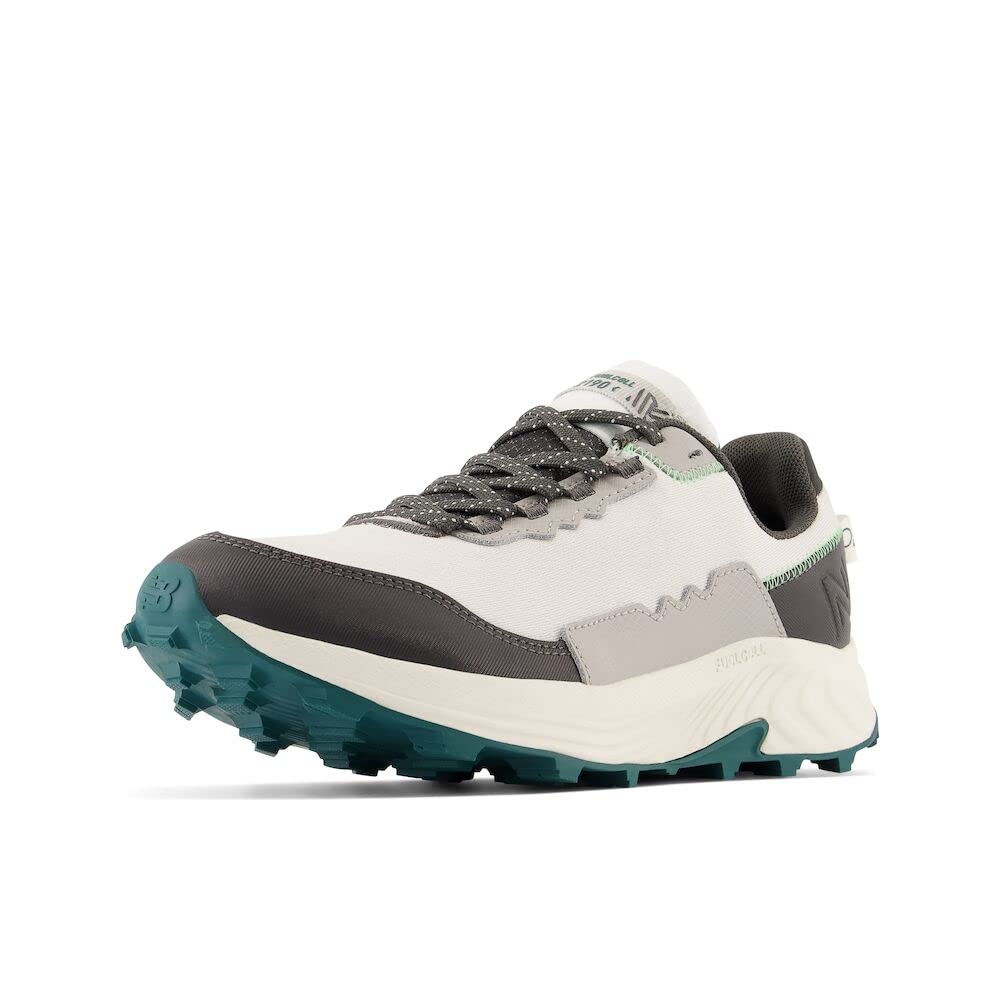
The women’s version of the 2190, with the same Rock Stop Plate and a massage-soft ride.
Same rock plate, same bio-based FuelCell midsole cushioning, built on a women’s last. The Rock Stop Plate outsole gives you traction on and off road, and the waterproof finishes help hold your grip when conditions turn wet. If the men’s 2190 fit you well, this is the direct women’s equivalent.
Comfort is the standout. Reviewers describe a soft, cushioned ride with reliable arch support, and the waterproof finish holds up in wet conditions. Buyers also praise the colorways, which pair easily with cream, gray, and white outfits.
Here is where you need to be careful: fit is the most-discussed topic, and it is mixed rather than universally loved. Traction also draws a split reaction, so hardcore technical runners may want more aggressive lugs. This is a comfortable everyday trail shoe, not a dedicated rock-scrambling weapon.
The soft-ride angle: comfort, arch support, and waterproofing are the three things this shoe does reliably.
Measure your fit: with mixed sizing feedback, order carefully rather than assuming your usual women’s size.
The right call for: women who want plush, cushioned comfort and a rock plate without aggressive trail styling.
Reconsider if: you need maximum traction on steep technical ground.
6. Topo Athletic Ultraventure Pro Trail Running Shoes
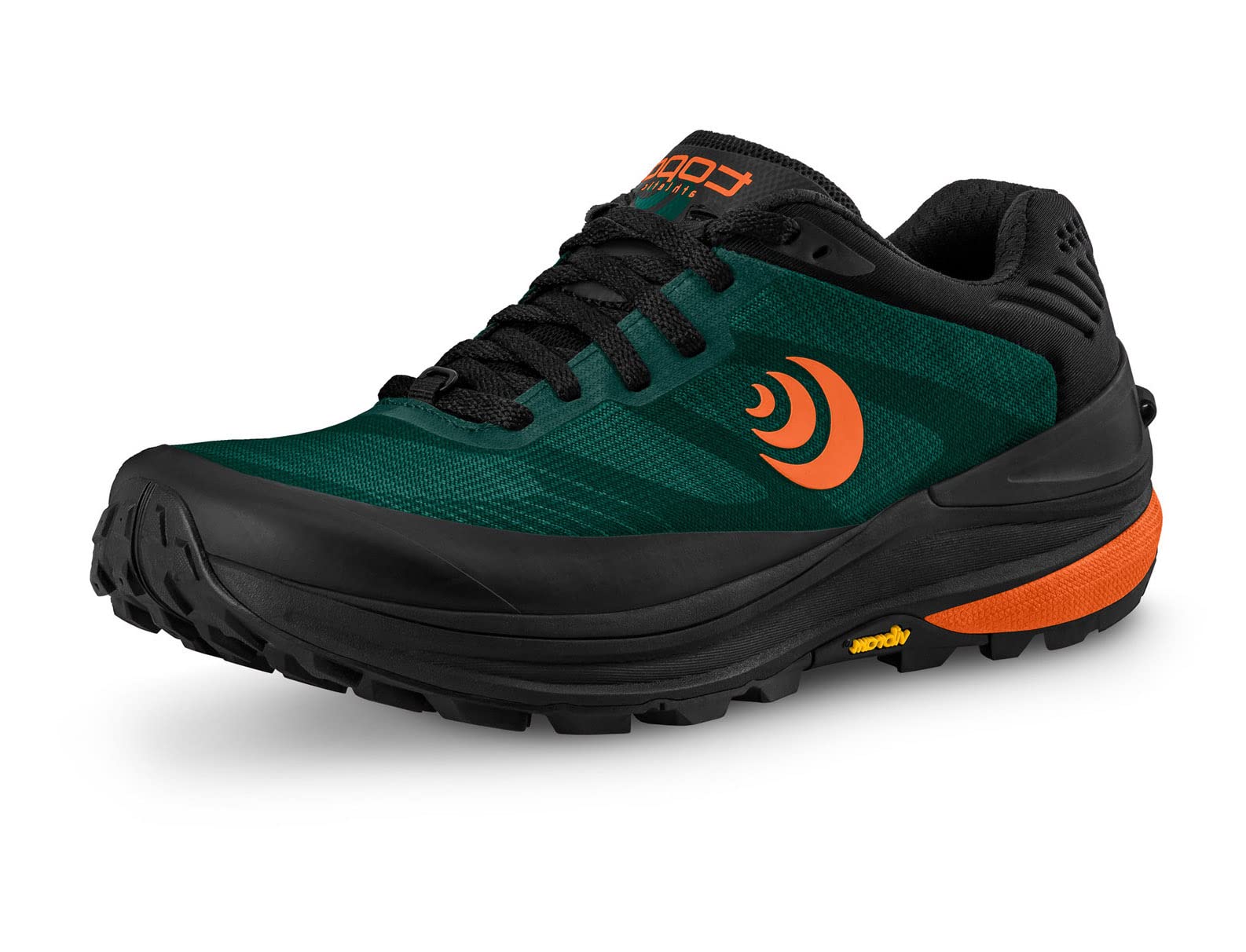
The thru-hiking hybrid: more padding, a springier midsole, and a flexible rock plate.
Topo built this as a performance hybrid that swings from thru-hiking to trail running. A flexible ESS rock plate guards against stone bruising from sharp rocks and roots, while a proprietary midsole compound — springier than EVA, with more rebound over the life of the shoe — gives the ride extra pop. The Vibram outsole adds the grip and traction you want on loose, technical ground.
Drop (the height gap between heel and toe) is the spec that sets this shoe apart from the Terraventure 4. At 5 MM versus the 3 MM Terraventure 4, the heel sits a bit higher off the ground. That means a little more heel-to-toe roll and a touch more cushion bias for long days on your feet. The roomy toe box carries over, so your toes still spread naturally.
Weigh the trade-offs carefully. Fit splits both ways — the toe box is roomy, but the shoe can run small, so sizing takes attention. Durability is a real concern, with heels separating and some pairs not holding up past a few hikes. The price also reads high for what buyers get, since the value here is debated. All of that makes this a shoe to love for its cushioned grip and watch for its long-term wear.
What earns it a place here
- Flexible ESS rock plate protects against stone bruising on rocky, rooty ground
- Proprietary midsole compound springs back more than standard EVA
- Vibram outsole delivers reliable grip on technical terrain
- Roomy anatomical toe box lets toes spread on long days
The real concerns
- Durability is the weak point — heels have separated and some pairs wear fast
- Sizing runs inconsistent, so some buyers need a different size
- Buyers question the value for what you get
Best matched to: hikers and trail runners who want max cushion and a flexible plate and will accept the wear risk.
Consider another pick if: you need a shoe that stays intact through a whole season of hard use.
Know the Specs
Rock plate construction
A rock plate is a thin shield inside the midsole that stops sharp rocks and roots from pressing into your foot. Flexible plates — the ESS rock plate on the Topo pair and the protection plate in the Trabuco 13 — bend with your foot for a more natural feel. Stiffer plates give more protection but less ground feel. Neither is automatically better; pick based on if you want to sense the trail or be insulated from it.
Heel-to-toe drop
Drop is the height difference between heel and toe, and it changes how your foot lands. A 3 MM drop sits you closer to level and favors a midfoot strike; a 5 MM drop adds a bit more heel roll and suits long, cushioned days. Runners switching from traditional road shoes often move up in drop gradually rather than jumping straight to a low figure.
Outsole grip and lug depth
The outsole compound and lug pattern decide whether a shoe holds on wet roots and loose scree. Vibram rubber on the Topo picks and ASICSGRIP on the Trabuco 13 are built for varied off-road surfaces, while the Hydrohesion outsole on the Summit Unknown uses aggressive lugs for wet, uneven ground. Lighter, shallower tread rolls faster on packed dirt but slips sooner in mud.
Toe box and upper fit
A roomy, anatomical toe box lets your toes spread and reduces the chance of bruised toenails on long descents. A secure heel hold keeps your foot from sliding forward inside the shoe. Between the two, fit matters more than any single spec on the box — a shoe that fits wrong will let the plate, the cushioning, and the grip all go to waste.
Common Questions
Do I really need a rock plate for trail running?
Does a stiffer rock plate mean more protection?
What drop should I choose for rocky descents?
Are these shoes waterproof, and does that matter on the trail?
How do I size a trail shoe with a rock plate?
Can I run on pavement in a trail shoe with a rock plate?
What are gaiters and should I add them?
Which of these lasts the longest on hard trails?
Is a flexible rock plate enough for sharp volcanic rock?
The Bottom Line
For most runners, the trail running shoes with rock plate winner is the ASICS Gel-Trabuco 13. Its flexible plate, FF BLAST PLUS ECO cushioning, and ASICSGRIP outsole cover the widest range of real trail days, and it holds the top 4.5+ star rating here. If wide feet and rocky descents are your problem, grab the Topo Terraventure 4 for its roomy toe box and Vibram grip (a sticky rubber sole that holds on slick rock). For wet, uneven technical ground, reach for the New Balance FuelCell Summit Unknown V4, with lugs (the raised rubber teeth on the sole) that bite where others slip. Whichever you pick, check the plate type and the drop together — those two specs decide how the shoe feels on the ground under your feet.
How we choose
We do not accept paid placement. Every pick is matched to a real buyer and a real use-case; we do not hands-on test units.
Sources
Specifications: manufacturer listings and product documentation. Review insights: verified customer reviews, as of July 2026. Pricing: not shown on this page (it changes often); check the current price via the retailer link.
As an Amazon Associate, Tactical Gear Guy earns from qualifying purchases. This does not affect which products we feature.