Specs are compiled from manufacturer listings and verified buyer reviews and can change over time — please confirm the key details on the product page before buying.
Most people end up shopping for a Corolla fuel pump the hard way — the car cranks longer than it used to, stumbles on acceleration, or a shop quotes the job with a part you cannot see first. The good news is that the right module bolts straight into the tank, so the real decision is year-and-engine fitment, not brand name. This guide sorts that out for you.
This guide is built by comparing the manufacturers’ published specifications and the patterns across verified customer reviews, so you get each pick’s real strengths and trade-offs instead of marketing spin.
You will see which assemblies cover your exact year and engine, which ones owners keep praising for a quiet, steady fuel supply, and where the fitment traps are. Every pick below is a full module, so you are not splicing a bare pump into an old housing when you shop for a toyota corolla fuel pump.
Top Picks
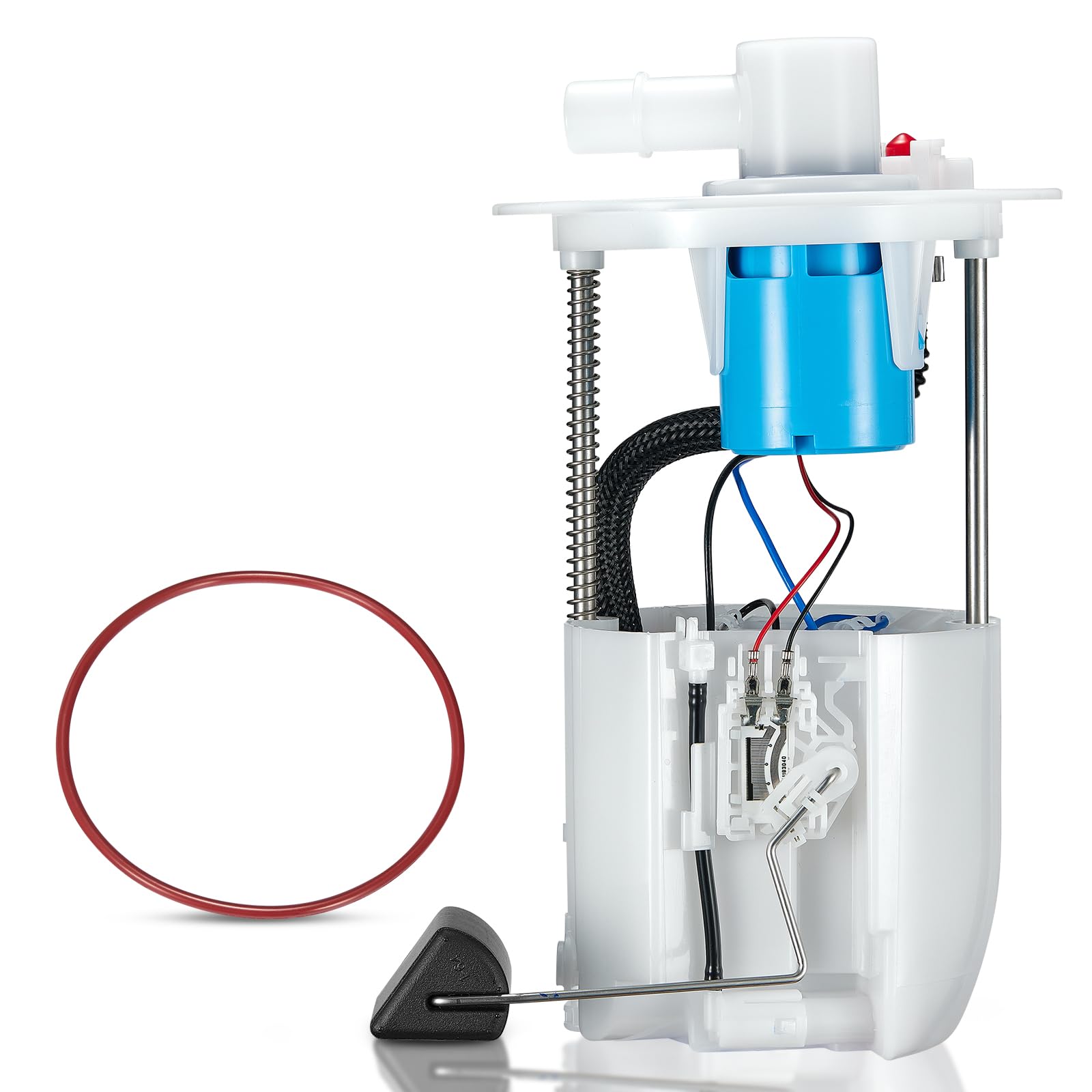
How To Choose The Best Toyota Corolla Fuel Pump
Start with your car’s paperwork, not the listing photo. The Corolla badge covers a wide spread of years and two different engines, and a module built for the 1.8L from one generation will not seat in the tank of another. Write down your model year and engine size before you browse a single pump.
Match the module to your exact year and engine
The fitment line decides whether the module drops in or fights you at the tank opening. A module listed for a 2014–2019 Corolla 1.8L is a different physical shape from one built for the 2005–2013 car, even when both carry similar part numbers. Check the year range and the engine displacement together, and confirm any cut-off month the seller names. Several listings here specify a build date — 2014–2019 with a note of “to 09/2018” — and that note matters if your car sits late in the run.
Understand what a “module assembly” includes
A fuel pump module assembly is the complete in-tank unit: the electric pump itself, the fuel level sender that drives your gauge, the pressure regulator, and usually the strainer sock that filters debris before it reaches the pump. Buying the assembly rather than a bare pump cartridge means one trip into the fuel tank, not two. The listings here also ship with extras like a seal ring or a pressure sensor, so read the included-parts line closely — a missing seal ring is the difference between a dry tank opening and a slow drip.
Cross-check the interchange part numbers
Every serious listing prints a replace list — E8874M, E3781M, FG0938, FG1640, SP9047M and dozens of other cross-references. Pull the number off the old unit or your service record and match it against that list. Matching that number against the listing’s replace list is the fastest way to catch a wrong module before you pull the rear seat cushion out. If your number is not on the list, keep looking rather than hoping the shape looks right.
Plan for the labour, not just the part
On most Corollas the pump lives under the rear seat base and is reached through an access panel in the floor. That keeps the job on the driveway rather than on a lift, which is why so many owners here install these themselves. Budget time for releasing fuel line pressure and for cleaning the tank opening before you drop the new seal in — grit under the seal ring is a common cause of a leak after a job that otherwise went fine.
Side-by-Side Comparison
| Model | Best For | Corolla Fitment | Body Material | Weight | Amazon |
|---|---|---|---|---|---|
| SYKRSS E8874M Fuel Pump Module Assembly★ Best Overall | Best all-round coverage for 2005–2013 cars | Corolla 2005–2013 L4 1.8L, 2009–2010 L4 2.4L | Aluminum | 1.41 kg | Amazon |
| KAX FG1640 Electric Fuel Pump Module AssemblyLate-Model Pick | Newest-generation Corollas with a later build date | Corolla 2014–2019 L4 1.8L (To 09/2018) | Plastic | 1.33 kg | Amazon |
| BDFHYK E3781M Fuel Pump Assembly | Widest interchange list for a mixed-age fleet | Corolla 2005–2018, Matrix 2005–2013, Vibe 2005–2010 | Metal, Plastic | — | Amazon |
| Torchbeam FG0938 Electric Fuel Pump Assembly | Reinforced internals on a 2014–2019 car | Corolla 2014–2019 1.8L (To 09/2018) | Plastic | — | Amazon |
| A ABIGAIL Fuel Pump E3781M | Buddying up with a Vibe or Matrix in the driveway | Corolla 2009–2018, Matrix 2009–2013, Vibe 2009–2010 | — | 2.2 pounds | Amazon |
| TOPSCOPE E8874M Fuel Pump Module Assembly | Older Corollas and Vibe owners on a tighter budget | Corolla 2005–2013 1.8L, 2009–2010 2.4L | Metal | 1.4 kg | Amazon |
| Detroit Axle Fuel Pump Module | Longest warranty coverage on the list | Corolla 2005–2019, Matrix 2005–2014, Vibe 2005–2010 | Metal | — | Amazon |
Detailed Reviews
1. SYKRSS E8874M Fuel Pump Module Assembly
Our pick — 4.0+★ from 350+ verified ratings; the strongest balance of quality and price.
The aluminum-bodied module that covers two engines and three nameplates from one part number.
If your Corolla was built between 2005 and 2013 with the 1.8L, this is the assembly that answers the widest set of questions in one box. It also covers the 2.4L from 2009 and 2010, plus the Matrix across both engine sizes and the Pontiac Vibe through 2010. That spread is why it sits at the top of this list: one E8874M part number covers the 1.8L and 2.4L Corolla, the Matrix and the Vibe with vehicle-specific fit.
The body is aluminum, which is a sturdier choice than the moulded plastic housings used on several rivals, and the unit ships with a one-year unlimited-mileage quality guarantee. Owners come away impressed by the build — quality and reliability carry the most weight in what people write about it, and the recurring theme is that the assembly feels better put together than the factory part it replaced. Fit and installation get plenty of positive attention too, and the value read is consistent.
On the honest side, the pump is a 1.41 kg unit, and the KAX FG1640 is listed at 1.33 kg — which matters only in that the extra mass is the normal signature of a metal-bodied assembly rather than a fault. The one thing to check before you buy is the year split: this covers the older generation, so a 2015 car does not belong here. Verify the model year and engine against the fitment line and the E8874M interchange number before you commit.
Where this one earns its spot
- Aluminum body that reads as sturdier than plastic-housing alternatives
- Covers Corolla 1.8L 2005–2013 and the 2.4L for 2009–2010, plus Matrix and Vibe
- Full module assembly, so the sender and regulator arrive with the pump
- One-year unlimited-mileage guarantee from the maker
- Buyers report the build quality and reliability as better than the factory unit
What to weigh before ordering
- At 1.41 kg it is a substantial weight for a full module
- Does not fit the 2014-and-later Corolla, so late-model owners need a different part
- Fitment must be confirmed against your exact year and engine before installation
Reach for this if: you drive a 2005–2013 Corolla, Matrix or Vibe and want one assembly that covers both engine options without guesswork.
Look elsewhere if: your Corolla is a 2014 or newer — the FG0938 or FG1640 pattern is the one that matches your tank.
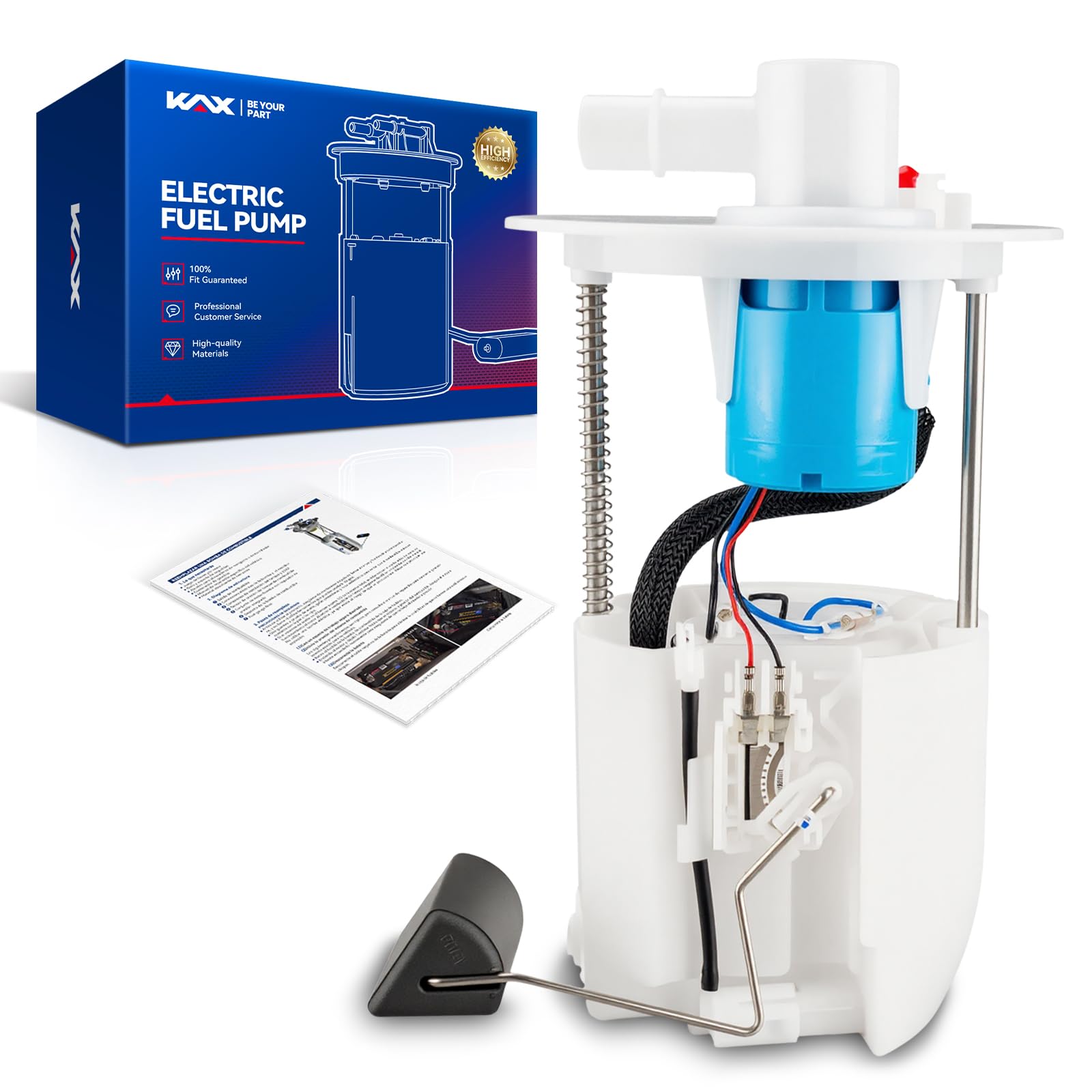
2. KAX FG1640 Electric Fuel Pump Module Assembly for Toyota
Built for the last of the Corollas with a tank opening to 09/2018 — and backed for two years.
KAX builds this one for the 2014–2019 Corolla with the 1.8L, and the listing names a build cut-off of 09/2018. It is the correct pattern for the FG1640 and E3781M interchange numbers, so if those appear on your old unit, this is your part. The assembly ships as a complete unit with the strainer, and the maker backs it with a two-year limited warranty, against one year for the SYKRSS above.
The plastic housing is reinforced through injection moulding, which is how the maker describes building stiffness and durability into a plastic part. Functionality is what owners write about most: the car fires up faster than it has in months, and the assembly holds stable fuel pressure so the engine pulls cleanly rather than hunting at idle. It also tackles the problems that send most people shopping — sluggish acceleration, stalling at low speed, and a rattle from the tank that suggests the old pump is on its way out.
The honest catch is weight and coverage. At 1.33 kg against the SYKRSS at 1.41 kg, that difference reflects the plastic housing rather than any shortfall in the pump itself. The part also covers a narrower year window than the wider-fitment picks, so a 2009 car needs a different assembly. If your car sits past 09/2018, confirm the build date before you order.
What the two-year warranty buys you: a longer safety net than most of this list offers, which is worth real money on a part that lives submerged in fuel and is awkward to swap twice.
The right part for you if: your Corolla is a 2014–2019 1.8L built up to 09/2018 and you want the longest standard warranty plus a genuine FG1640 fit.
Not the one for you if: your car is an older generation — the E8874M pattern above covers the earlier tank.
3. BDFHYK E3781M Fuel Pump Assembly
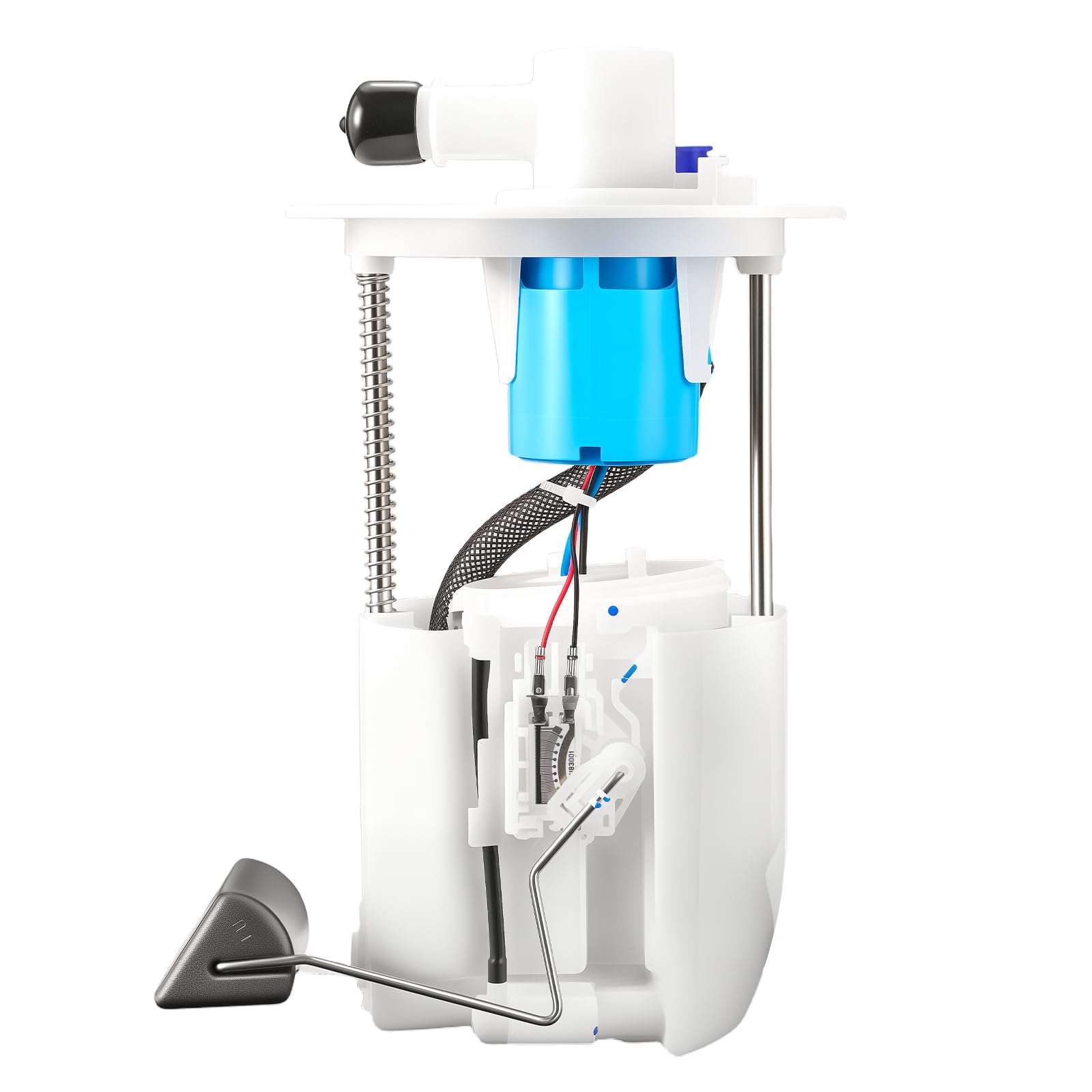
One part number that stretches from a 2005 Corolla all the way to a 2018 — a rare spread.
Here is the pick for the household with two Toyotas of different ages in the driveway. The interchange list reads like a cross-reference catalogue: E3781M, MU1718, F2792A, FG1640, FG0938, FG1299, SP9047M, P76659M, E8874M, 19185090, 7702002181, 7702002291, 88973531, P76578M, SP9165M and more. It covers the Corolla 1.8L and 2.4L from 2005 to 2018, the Matrix from 2005 to 2013, and the Pontiac Vibe from 2005 to 2010.
Owners praise the build in volume — quality gets the most positive weight, followed by functionality — and the assembly holds up well on two fronts that matter day to day. The pressure regulator and level sensor both do their jobs, so your fuel gauge reads true and the engine gets a steady feed. The built-in filter element catches impurities and moisture before they reach the pump internals, and the OE-style mounting points come ready to bolt in without special tools. One buyer’s wiring simply plugged straight in.
Now for the honest part. The fit is mixed — some owners mention a perfect drop-in and others find it does not align quite right, so measure against the old unit before you seat the new one. The maker lists no warranty on this part, which is the real trade-off against the SYKRSS and the KAX above.
Worth your order when: your old pump carries one of the long interchange list numbers above and you want a broad-fit assembly that installs without modifying the tank opening.
Think twice if: you want warranty cover in writing — this one ships with none stated, so the gamble is on you if the seal ring misaligns.
4. Torchbeam FG0938 Fuel Pump Assembly
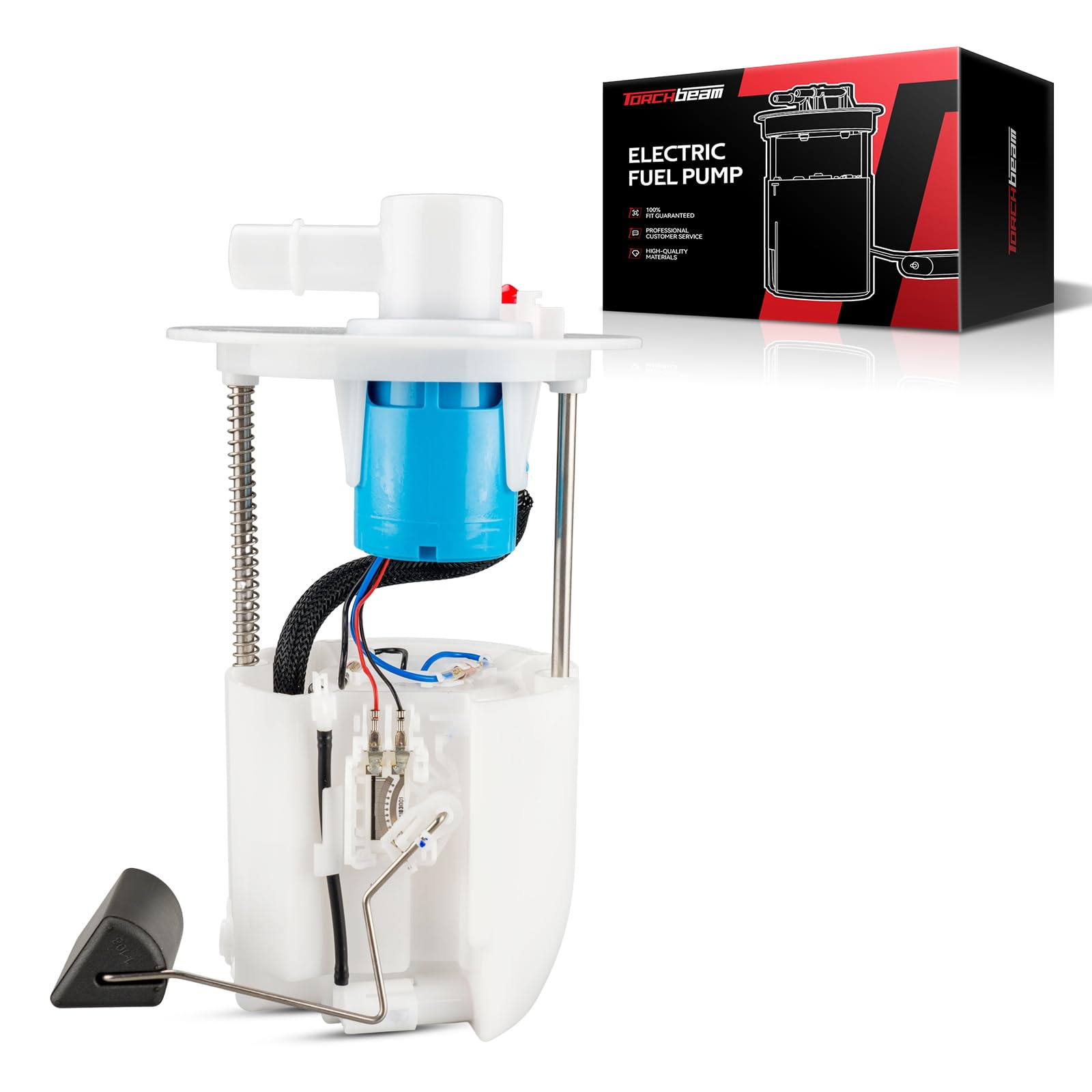
A carbon reversing valve and an imported diaphragm inside a direct-replacement FG0938 housing.
Torchbeam fits this assembly to the 2014–2019 Corolla 1.8L, again with the 09/2018 build note. The internals are where the maker spends its claims: a carbon reversing valve in the pump core, an imported diaphragm in the pressure regulating valve, and a fully ground steel ball. Those are the parts that decide whether the pump feeds smoothly for years or starts hunting under load. The body uses injection moulding to stiffen the plastic, and the box includes the pressure sensor, seal ring and strainer so you are not caught short mid-job.
The appeal here is a complete kit: the pressure sensor, seal ring and strainer all arrive in the box with the pump. Owners rate the fit as spot-on and note the instructions make the job straightforward, with value getting steady attention. The turbo-style pump core is tuned for stable pressure and low running noise, and it works through the classic symptoms: slower acceleration, a stall that catches you at a junction, and the rattle from the tank that signals the old unit is tired. Fitting is a direct drop-in with no modification, and the size reads at 13.78 x 7.09 x 7.09 inches, versus the KAX at 12.28 x 9.43 x 7.56 inches.
The trade-off is that the wide footprint is the one dimension to check before you lift the access panel — a bigger box is fine in the tank, but you want room to angle it in. There is no warranty stated on the listing, so treat the seal ring and strainer as the parts you want handled gently on install. This is the pick for a newer Corolla where you want the pump, sensor and filter arriving together.
The kit advantage, spelled out: arriving with the pressure sensor, seal ring and strainer means you replace the wear items at the same time as the pump — the smart move on a job you do not want to repeat.
Pick this one for: a 2014–2019 1.8L Corolla where you want the full kit — pump, sensor, seal ring and strainer — in a single order with a genuine FG0938 fitment.
Leave it for others if: your car is pre-2014, since this pattern will not seat in the earlier tank.
5. A ABIGAIL Fuel Pump

The one to grab if a Vibe and a Corolla share your driveway and a single part number.
A ABIGAIL builds this for the 2009–2018 Corolla with the 1.8L, the 2009–2010 2.4L, plus the Matrix 2009–2013 and the Pontiac Vibe 2009–2010 in both engine sizes. The interchange list covers E3781M, MU1718, F2792A, FG1640, FG0938, FG1299, SP9047M and P76659M. At 2.2 pounds it is a compact unit, and the plastic components are reinforced through injection moulding to keep the fuel delivery steady.
Owners like the quality, the fit and the value, and the install is straightforward enough that most do it themselves. Where the honest report gets mixed is functionality: some units run fine and others stop working, so this is the pick where you want to verify the fitment twice before committing. There is a customer service channel that handles troubleshooting, replacement or refund, which softens the risk on a part that can fail. The price-to-fitment ratio is what keeps it on the list despite the mixed functionality reports.
Treat this as the budget-friendly bet for a Vibe or an older Corolla where you want to keep the job simple and the spend light. If you are working on a car you depend on daily and want the strongest reliability story, the SYKRSS or KAX hold the more consistent track record. The functionality is the deciding factor here — if you want predictable performance at the top of the list, spend up; if you want a sensible fitment match at a modest outlay, this does the job.
Best for: a Vibe or Matrix owner, or an older Corolla, who wants a broad interchange match at entry-level spend and can accept that performance is the variable.
Better to skip if: reliability is your top priority — the consistently-praised assembly at the top of this list would serve you better.
6. TOPSCOPE E8874M Fuel Pump Module Assembly

A metal-bodied E8874M module for the older Corolla crowd who want a straight swap.
The TOPSCOPE pattern covers the 2005–2013 Corolla 1.8L, the 2009–2010 2.4L, the 2005–2013 Matrix across both engines, and the 2005–2010 Vibe. It ships as a metal-bodied module at 1.4 kg, and the maker states it is built to OE standard so it goes straight in without modification. The replace list names E8874M, 77020-02181, 77020-02291, 77020-02410, 88973532, 88974257, 88974776 and 88973531 — the numbers you want to spot on your old unit.
Reliability is the story owners tell most here: the module keeps delivering well past the point where you would start worrying. Installation gets favourable notice too, and the value read is strong. The build quality is the split — some find it very good, others find it lighter in feel than they expected. The fitment gets a small amount of disagreement around the ring gasket specifically, so handle the seal on install and check it seats evenly before you tighten down.
The angle to know here is that TOPSCOPE is the budget-friendly way into a metal-bodied module, and that is where the trade sits. If you want the more consistent reliability story, the SYKRSS carries the higher confidence level. If you want a metal body and a clean interchange list without overspending, this is a solid mid-field choice.
The install note that matters: the ring gasket is the one point where customers note disagreement, so clean the tank opening thoroughly and verify the seal seats flat — a small step that saves a leak chase later.
Suits you if: you run an older Corolla, Matrix or Vibe and want a metal-bodied E8874M module at an accessible price with a straightforward OE-standard fit.
Pass it over if: the ring-gasket alignment concern would keep you awake — the top pick offers the more consistent rebuild.
7. Detroit Axle Fuel Pump Module for Toyota 2005-2019 Corolla
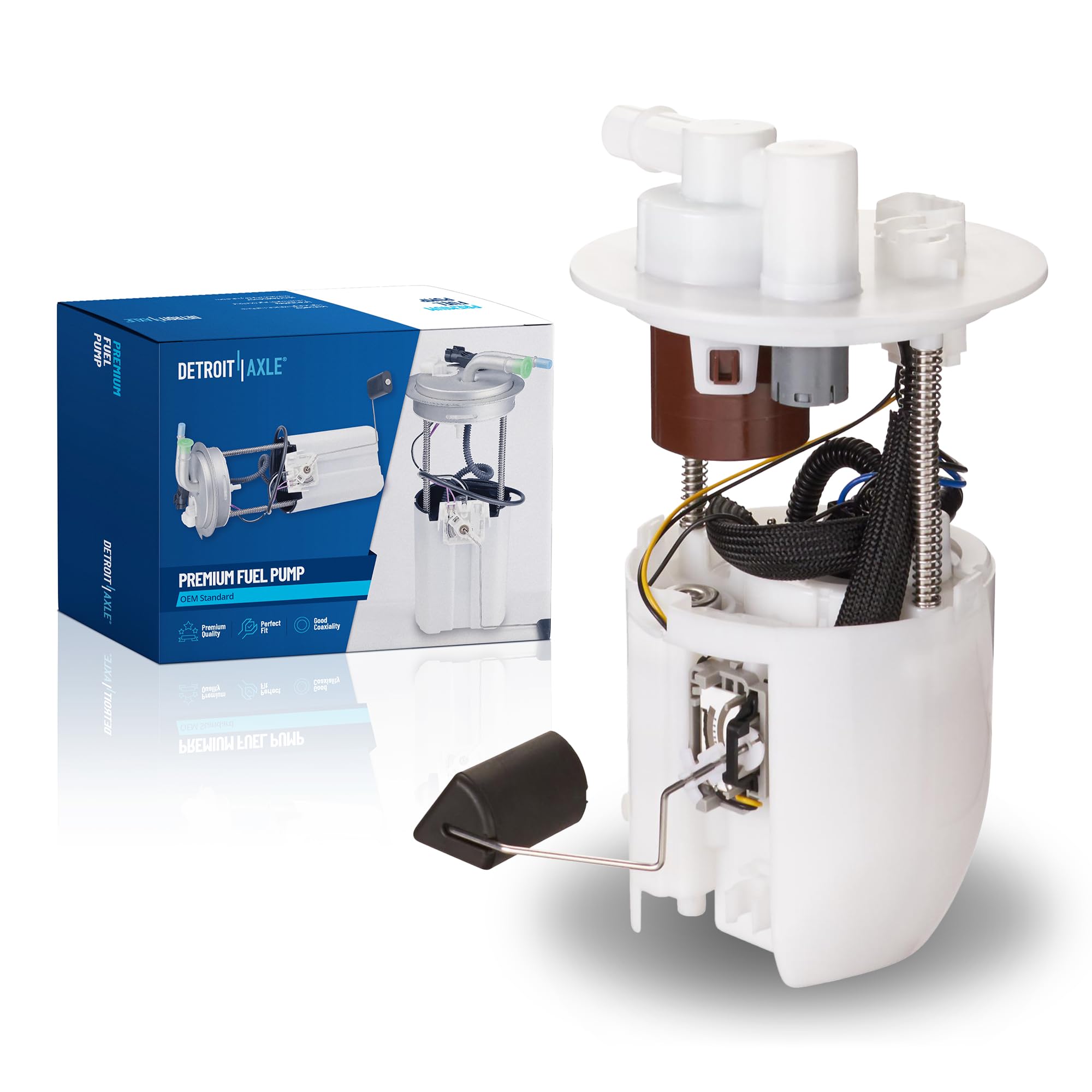
A ten-year warranty on a metal module that covers every Corolla from 2005 through 2019.
The headline here is the warranty: Detroit Axle backs this fuel pump module for ten years, far longer than anything else on this list. The coverage is just as wide — the module lists fitment for the Corolla across every model year from 2005 to 2019, plus the Matrix 2005–2014 and the Pontiac Vibe 2005–2010. It is a metal-bodied unit, and the maker says it undergoes impact, wear and fatigue testing before it ships.
Reviewers point out the module resolves the long-crank issue that sends most people shopping — the engine turns over and catches instead of labouring. Installation earns solid marks, and the value read is positive. The quality and fit get mixed reports: some find it well made and correctly shaped, others find the opposite. That split is worth knowing before you order, because a module that does not seat cleanly is frustrating on a job you have already committed to. The metal body and the ten-year warranty are what carry the confidence, even with the mixed fit reports.
The honest limit is the price of premium cover. At 12 x 6 x 7 inches and metal-bodied, this is the most expensive assembly on the list by a clear margin, so you are paying for the ten-year guarantee and the widest year coverage. If you plan to keep the Corolla for a long time and want the longest safety net in writing, that premium makes sense. If you want the most consistent fitment at a lower outlay, the SYKRSS or KAX above are the better-value routes.
What the premium buys
- Ten-year warranty — by far the longest cover on this list
- Covers every Corolla model year from 2005 to 2019, plus Matrix and Vibe
- Metal body tested for impact, wear and fatigue before shipping
- Shoppers say it clears long-crank starting issues
What you give up
- The highest spend on the list — you are paying for the warranty
- Mixed reports on fit and build quality from owners
- Fitment still needs a year-by-year check despite the wide coverage
The pick for the long-haul owner: you plan to keep the Corolla for years and want a ten-year warranty plus the broadest year coverage in one metal-bodied module.
The pick to think twice on: if fitment consistency matters more than warranty length, the consistently-reported modules above sit at a lower risk point.
Know the Specs
Module Assembly vs Bare Pump
A module assembly is the complete in-tank unit — the electric pump, the fuel level sender, the pressure regulator and usually the strainer. A bare pump cartridges only the motor, so you would be transferring your old sender and regulator across, and any wear in those components comes with them. Every pick on this list is a full module for that reason: one visit into the tank, not two. If a listing does not say “assembly” or “module”, check what is actually in the box.
Interchange Part Numbers
These are the reference codes a part crosses to — E8874M, E3781M, FG0938, FG1640, SP9047M and so on. Toyota uses different numbers across model years and engines, and manufacturers print the full cross-reference list on the listing. The safest buying move is to pull the number off your old unit or a service invoice and match it. If your number is not on the list, the part is not the right one, however similar the photo looks.
Body Material and Weight
Assemblies come with either an aluminum or metal housing or a moulded plastic one. The metal-bodied units tend to weigh a little more — the SYKRSS runs 1.41 kg against the KAX plastic-housing unit at 1.33 kg — and that difference is about construction, not performance. Both work; the metal build simply feels sturdier in the hand and to the installer. Neither approach changes the fitment requirement.
The Seal Ring and Strainer
These are the small parts that decide whether the job finishes cleanly. The strainer is the sock that catches debris before it reaches the pump, and the seal ring seats the module against the tank opening. Some assemblies include both; some include only the module. Grit under the seal ring is the most common cause of a slow leak after an otherwise successful install, so clean the opening and check the ring seats flat before you tighten down.
Warranty Length
The cover ranges widely across this list, from no warranty stated on some picks to a ten-year warranty on the Detroit Axle. A longer warranty is worth real money on a part submerged in fuel and awkward to replace twice. If you plan to keep the car for years, the longer cover offsets the higher purchase; if you are doing a quick fix on a car you may move on from, the shorter cover is a reasonable compromise.
Year and Engine Fitment
The Corolla badge covers two generations and two engine sizes across the years this list spans. A 2014–2019 1.8L module is a different physical shape from a 2005–2013 1.8L unit, even when the interchange numbers overlap. Confirm the year range and the engine displacement together, along with any build-date cut-off the seller names — several listings specify a limit such as 09/2018. Getting this wrong is the most common reason a replacement does not fit.
Common Questions
Will a 2014-2019 Corolla fuel pump fit my 2010 Corolla?
How do I know which fuel pump fits my exact Corolla year and engine?
Does a fuel pump module assembly include the fuel level sender?
How long should a replacement Corolla fuel pump last?
Can I install a Corolla fuel pump myself without special tools?
What are the symptoms of a failing Corolla fuel pump?
Is a metal-bodied fuel pump better than a plastic one?
What does a fuel pump module assembly actually contain?
Why does my new fuel pump not fit my Corolla?
Should I replace the strainer and seal ring when I swap the pump?
The Bottom Line
For most drivers of a 2005–2013 Corolla, the SYKRSS E8874M Fuel Pump Module Assembly is the winner because it covers both engine sizes and three nameplates from one aluminum-bodied part, and owners keep praising the build quality and reliability. If your Corolla is a 2014–2019 build, grab the KAX FG1640 for the correct FG1640 fitment and a two-year warranty. And for a car you plan to keep for years, the Detroit Axle module is the one to reach for if the ten-year warranty and widest year coverage are worth the premium spend to you. Whichever you choose, confirm the year and engine against the fitment line first — a correctly matched module at the top of this list rewards you with a quiet, steady fuel supply and a cold start that finally catches cleanly.
How we choose
We do not accept paid placement. Every pick is matched to a real buyer and a real use-case; we do not hands-on test units.
Sources
Specifications: manufacturer listings and product documentation. Review insights: verified customer reviews, as of November 2026. Pricing: not shown on this page (it changes often); check the current price via the retailer link.
As an Amazon Associate, Tactical Gear Guy earns from qualifying purchases. This does not affect which products we feature.