Specs are compiled from manufacturer listings and verified buyer reviews and can change over time — please confirm the key details on the product page before buying.
Most phones look identical on a spec sheet, so the real question is which one survives your actual day — the commute, the group photo at dusk, the 14-hour travel day with no outlet in sight. The picks below cover every budget tier and every kind of buyer, from a foldable that opens into a small tablet to a locked-down kids’ phone that tells you where your child is. Start with the foldable at the top if you want the most phone per dollar in raw capability; scroll to the parent pick if safety, not speed, is your whole reason for buying.
This guide is built by comparing the manufacturers’ published specifications and the patterns across verified customer reviews, so you get each pick’s real strengths and trade-offs instead of marketing spin.
A phone that dies by 3pm or drops your calls is money wasted, and three specs decide most of that: battery capacity in mAh, peak display brightness in nits, and carrier band support. Each pick below is broken down on those points, spec by spec.
Top Picks


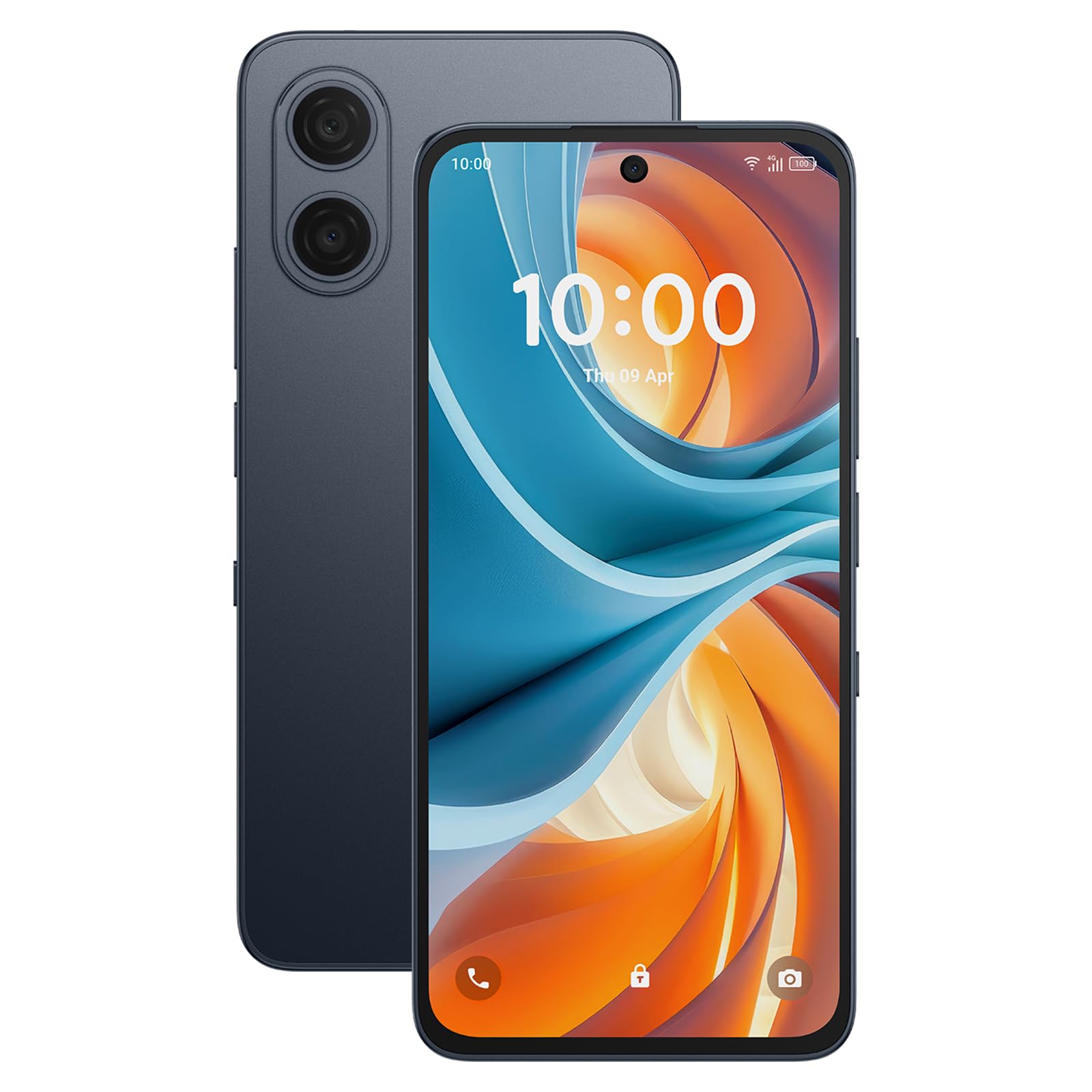
How To Choose The Best Top Rated Cell Phones
A phone lasts years, so match the spec to your heaviest daily use rather than the biggest number on the box. A 200MP camera is wasted on someone who mostly texts; a 7,400mAh battery is wasted on someone who is never far from a charger. Here is how the pieces fit together before you spend.
Battery capacity is your real screen-on time
Capacity is measured in milliamp-hours (mAh) — think of it as the size of the fuel tank. A 5,000mAh phone is the common modern baseline and comfortably covers a full day for most people. Step up to a 7,300mAh or 7,400mAh cell and you are looking at phones marketed for all-day-and-beyond use, which is the difference between charging nightly and charging every other night. Charging wattage matters too: an 80W or 66W fast-charge rating means a short top-up gets you back out the door, while a phone that tops up at a lower rate wants a longer sit on the cable.
Display: brightness outdoors, refresh rate for smoothness
Refresh rate in Hz (hertz) is how many times per second the screen redraws — a 120Hz panel scrolls visibly smoother than a 60Hz one, and a 165Hz panel goes further still. Peak brightness in nits decides whether you can read the screen in direct sun; a 3,300-nit peak is built for exactly that. Panel type matters as well: an AMOLED screen (organic pixels that light individually) gives deeper blacks than a standard LCD.
open up, carrier bands, and the international-model trap
“open up” means no carrier lock, so you can move to another network. That does not mean every network works. Some international models list bands that US carriers do not use, and some listings explicitly say they are not compatible with specific networks. Check the band list against your carrier before you buy, and treat a seller’s international-model note as a genuine warning rather than fine print.
Side-by-Side Comparison
| Model | Best For | Battery | Display | Storage | Amazon |
|---|---|---|---|---|---|
| Samsung Galaxy Z Fold8 Ultra★ Best Overall | Multitasking and big-screen reading | 5000 mAh | AMOLED, foldable inner | 512GB | Amazon |
| Motorola Moto G Power – 2025Budget Champion | Budget all-rounder | 5000 mAh | 6.8″ OLED, 120Hz | 128GB + microSD to 1TB | Amazon |
| TCL NXTPAPER 70 ProEye Comfort Pick | Eye comfort and reading | 5000 mAh | 6.9″ FHD+, 120Hz | 128GB + microSD to 2TB | Amazon |
| Bark Phone for Kids & Teens | Parental control first | 5000 mAh, 42 hrs avg | AMOLED, 1080×2400 | — | Amazon |
| BLU Bold N4 5G | Dual screens on a budget | 5000 mAh, 66W | 6.78″ curved AMOLED | 512GB | Amazon |
| SAMSUNG Galaxy A56 5G | Long software support | 5000 mAh | 6.7″ AMOLED, 120Hz | 256GB | Amazon |
| Google Pixel 10 Pro | Camera and AI | 4870 mAh | 6.3″ Super Actua, 3300-nit | 128GB | Amazon |
| OnePlus 15R | Battery endurance | 7400 mAh, 80W | 165Hz, 1.5K AMOLED | 512GB | Amazon |
| HONOR 600 Pro | Zoom and storage hounds | 7000 mAh | 6.57″ AMOLED | 512GB | Amazon |
| OnePlus 15 | Raw speed and durability | 7300 mAh | 6.78″ AMOLED, 165Hz | 512GB | Amazon |
| Apple iPhone 17 Pro Max (Renewed) | iOS on a budget | 4000 mAh | Always-On display | 512GB | Amazon |
Detailed Reviews
1. Samsung Galaxy Z Fold8 Ultra 512GB
Our pick — 4.5+★ from 400+ verified ratings; the strongest balance of quality and price.
A phone that unfolds into a small tablet, then slips back into one hand.
This is the pick for anyone who works from their phone. The inner display unfolds into a tablet-sized canvas that runs up to three apps at once, so a spreadsheet, a video call and a message thread sit side by side instead of fighting for one small rectangle. Opened flat, websites read like a full page rather than a narrow column, with room for tables and images a normal bar phone cannot show.
Photography gets serious attention here: a 200MP main camera pairs with an upgraded 50MP Ultra Wide lens, so wide group shots and tight close-ups both get their own dedicated sensor. Video comes out at 4320 pixels of effective resolution, which is why it beats the Moto G Power below by a wide margin on that measure. Super Steady Video with Horizontal Lock keeps footage level even when your hands are not, which matters the second you start filming a kid’s game or a moving scene. The Snapdragon 8 Elite Gen 5 chipset keeps AI features, gaming and split-screen work running without visible stutter.
A 5000mAh lithium-ion battery (a 5,000 milliamp-hour cell, the standard measure of phone battery size) with Super Fast Charging 2.0 carries a heavy day of work. Everything folds back into a bar phone shape for one-handed use, and the fingerprint reader sits under the glass where your thumb expects it. The honest catch is the price: folding hardware costs real money, and buyers report it as the single most-discussed downside. You are paying a premium for the fold, not for raw specs alone. A trade-in softens that gap if you have one to hand.
What earns its keep
- Three apps on one inner screen — real multitasking, not a stretched phone view
- 200MP main plus 50MP Ultra Wide covers both wide shots and close-ups
- Snapdragon 8 Elite Gen 5 keeps gaming and split-screen work smooth
- Folds down to a normal one-handed bar phone when you are out
What to weigh first
- Premium-tier cost — the fold premium is the price of the extra screen
- Hinge and folding glass want more care than a slab phone
Buy this if: your phone is also your working screen and you want three apps live at once.
Think twice if: you only text and scroll — the extra screen earns its keep on real multitasking.
2. Motorola Moto G Power 2025
The entry-level phone that still hands you a 120Hz screen and a 50MP camera.
Budget phones usually cut the screen first. The Moto G Power does not: its 6.8-inch OLED display (organic light-emitting diode, a panel type with deep blacks) runs at 120Hz (it refreshes 120 times a second), so scrolling and app switches stay smooth instead of choppy. The stereo speakers push 1.7x more bass than the previous generation, which matters when you watch video in a hotel room. It is built for a US carrier from the start and works with Verizon, AT&T and T-Mobile.
Photography is stronger than the price suggests: the 50MP camera system uses Optical Image Stabilization (a moving lens element that counteracts your hand shake) to keep low-light shots and video steadier. Note that the 50MP sensor combines four pixels into one, giving an effective 12.5MP photo, which is normal for this sensor type. The MediaTek Dimensity 6300 chipset and up to 24GB of RAM with RAM Boost keep everyday apps moving. Storage is 128GB and you can add up to 1TB with a microSD card, which is a genuinely rare escape hatch on a phone this affordable.
Where the picture gets mixed is network stability. Some owners mention dropped calls and signal loss even on strong 5G or Wi-Fi, and a few hit activation trouble with specific carriers. That is worth checking against your own network before you commit. What wins people over most is overall build quality, with value for money close behind — the vegan leather back and Corning Gorilla Glass feel far above the tier. If you want a capable daily phone without flagship money, the 120Hz OLED and microSD slot deliver well past the price.
The display argument: a 6.8-inch 120Hz OLED at this tier is the single best reason to buy it — text stays crisp and motion stays fluid.
Check your network: connectivity is the one recurring split in feedback, so confirm your carrier’s coverage story before you switch over.
Reach for this if: you want a big smooth screen and expandable storage without flagship money.
Look elsewhere if: rock-solid call reliability on your specific carrier is non-negotiable.
3. TCL NXTPAPER 70 Pro
A phone screen built for reading, with an anti-glare finish that behaves like paper.
Some people get eye strain from a standard phone screen — the flicker, the glare, the blue-heavy light at bedtime. This is the phone aimed squarely at them. The 6.9-inch FHD+ panel runs NXTPAPER 4.0 with anti-glare and flicker-free visuals, and hardware-level blue light is reduced to 3.41%. A dedicated NXTPAPER Key flips between four display modes: Standard for daily apps, Color Paper for illustrations, Ink Paper for ebooks, and Max Ink for focused reading with longer battery life. If you read reports at work or a novel in bed, that mode switch is the whole point.
It is not a one-trick display. A 5200mAh battery supports 33W fast charging and can reach 50% from empty in about 38 minutes, and reverse charging lets you top up a friend’s phone in a pinch — though the charging adapter is sold separately. The 50MP main camera brings OIS, an 8MP ultra-wide and a 32MP front camera for group selfies, with Super Night Mode for dim rooms. The MediaTek Dimensity 7300 with 8GB physical RAM handles Android 16 multitasking, storage is 128GB with microSD expansion up to 2TB, and 5G, WiFi 6E and IP68 water and dust resistance round it out.
What owners talk about most is the screen, which lands ahead of everything else in satisfaction — the matte look and the reduced eye strain get the most consistent praise. The split in feedback sits in functionality and battery life, which land as mixed rather than glowing, so treat it as a reading-and-productivity phone rather than a gaming one. For anyone who reads far more than they play, the four NXTPAPER modes are the reason to pick it.
The reading case: four display modes plus a 3.41% blue-light reduction make this the most eye-friendly screen on the list.
Your match if: long reading sessions and eye comfort outrank gaming and camera bragging rights.
Second thoughts if: you want a gaming-first phone — the Dimensity 7300 and mixed battery feedback point elsewhere.
4. Bark Phone A16
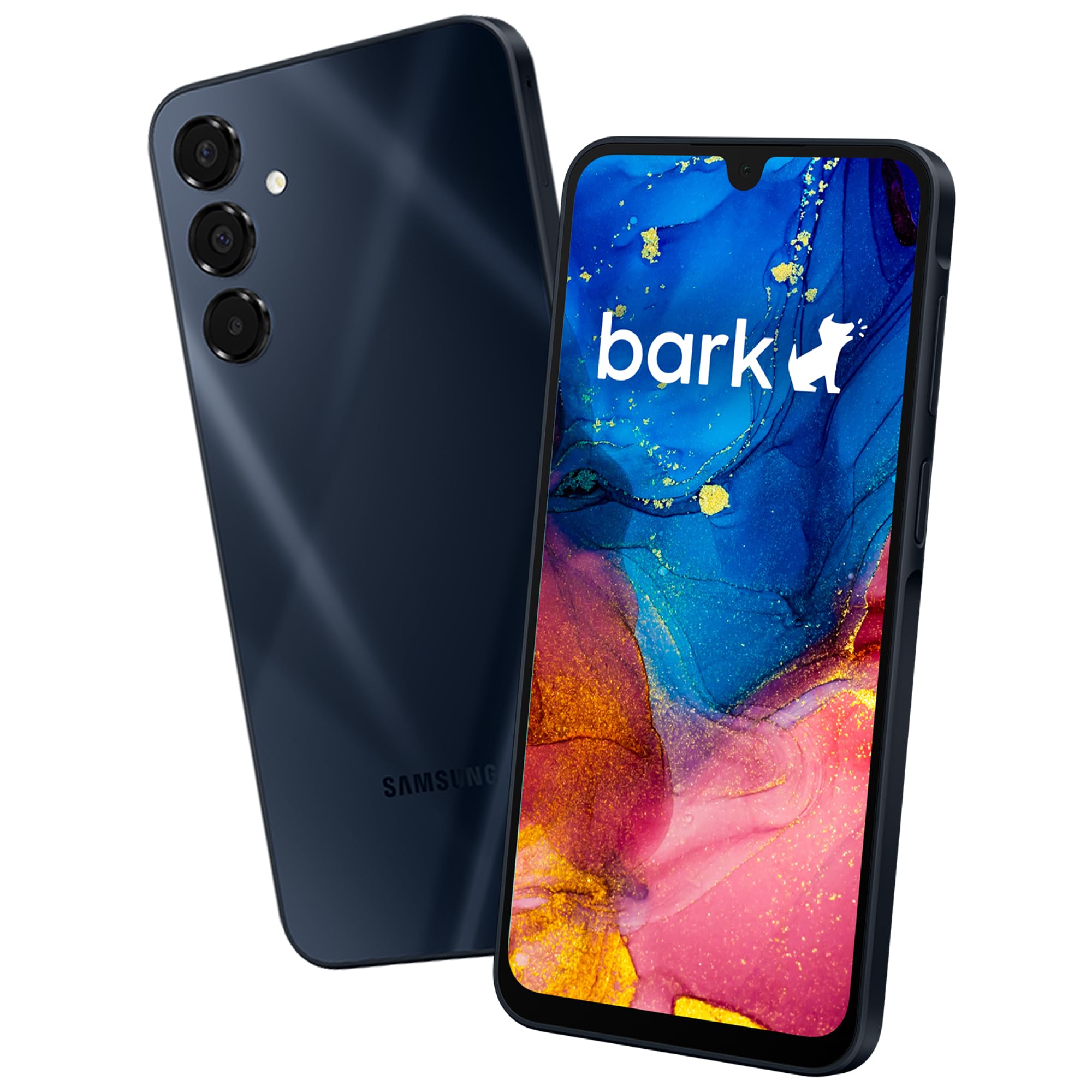
A first phone where you hold the keys, and your kid still gets to be reachable.
Handing a child a normal smartphone is the part most parents dread. This one flips the order: you set the rules before the phone reaches their hand. The monitoring layer scans texts, emails and 30+ social media platforms and apps, then alerts you to potential issues like online predators, sexting, suicidal ideation, bullying, violence, and drugs or alcohol. You approve which apps they install and who they can text and call, and the controls are tamper-proof — a text cannot be deleted without your permission either.
Location is handled three ways: a real-time GPS map, customizable location alerts, and check-ins, so you can see where your child is without calling them every hour. You can also filter websites to block inappropriate content and gaming sites, and pause the internet whenever you want a break from the screen. The battery averages 42 hours on a 5000mAh cell, and the AMOLED display is 1080×2400 at 400 pixels per inch. It runs on 4G and Wi-Fi. One thing that surprises buyers: activation requires a monthly data plan on top of the phone, with tiers starting from a Wi-Fi-only option up through unlimited data.
What earns the most praise is overall functionality for parents — the set-up is described as fairly easy, the customization of access levels is a consistent favorite, and the notification system catches things parents want to know about. The split in feedback sits in the monthly cost and in occasional reception and glitch complaints, which land as mixed rather than universal. Treat it as a safety tool with a phone inside, not a flagship.
Custom access levels: setting different permissions per child is the feature parents single out as the reason it works.
The plan catch: a monthly data plan is required after purchase, so budget for a recurring cost, not a one-time buy.
Made for: parents who want a first phone with hard boundaries and live location built in.
Wrong tool if: you want a full-featured phone for yourself — the controls are the whole point here.
5. BLU Bold N4 5G
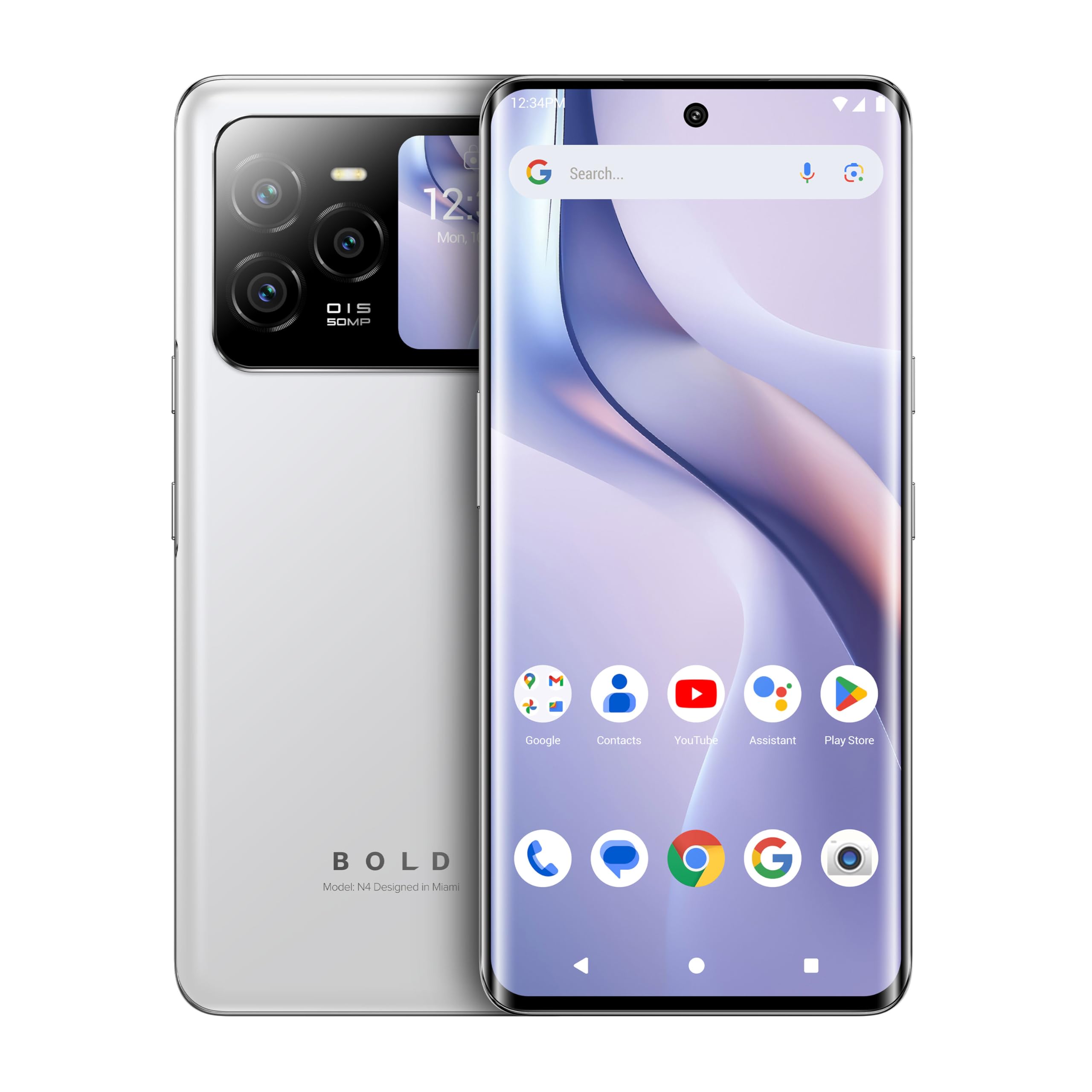
Two screens for the price of one, and a 512GB vault most phones at this tier skip.
The second screen is the hook. A 6.78-inch curved main display handles streaming, gaming and browsing, while a 1.74-inch rear screen gives you quick selfies, messages and music controls without flipping the phone around. That rear panel is genuinely useful when you are shooting a selfie and want the rear camera instead of the front one. The 16MP selfie camera covers the rest, and a triple rear camera setup shoots 4K video, so family moments land sharp.
The charging story is the standout: a 5000mAh battery with 66W quick charge that the maker says tops up from 0 to 100% in about 20 minutes. That is a lunch-break full recovery, and on a travel day it is the difference between a dead phone and a working one. You also get 512GB of storage with 8GB of RAM, so games, downloaded shows and photo libraries fit without a microSD card. NFC tap-to-pay, face open up and a fingerprint reader round out the package. One critical catch: this is a GSM open up phone compatible with T-Mobile, Metro PCS and similar networks, but it is explicitly not compatible with AT&T, Cricket or CDMA networks like Verizon and Sprint. Check your carrier before ordering.
Owners praise functionality above everything, with value for money a close second — the dual-screen novelty plus the 512GB storage reads as a lot of phone for the tier. The splits in feedback land in reliability, battery life and connectivity, which register as mixed, so treat it as a secondary or travel device rather than your only lifeline. The thin, light build and easy carrier setup are the parts that consistently land well.
Charging mic-drop: 66W quick charge reaching 0 to 100% in about 20 minutes is the fastest claim on this list — a full top-up mid-day.
Suits you if: you are on T-Mobile or Metro and want a big-storage phone with a rear-screen trick.
Steer clear if: you are locked to Verizon, Sprint, AT&T or Cricket — it will not work on those networks.
6. SAMSUNG Galaxy A56 5G
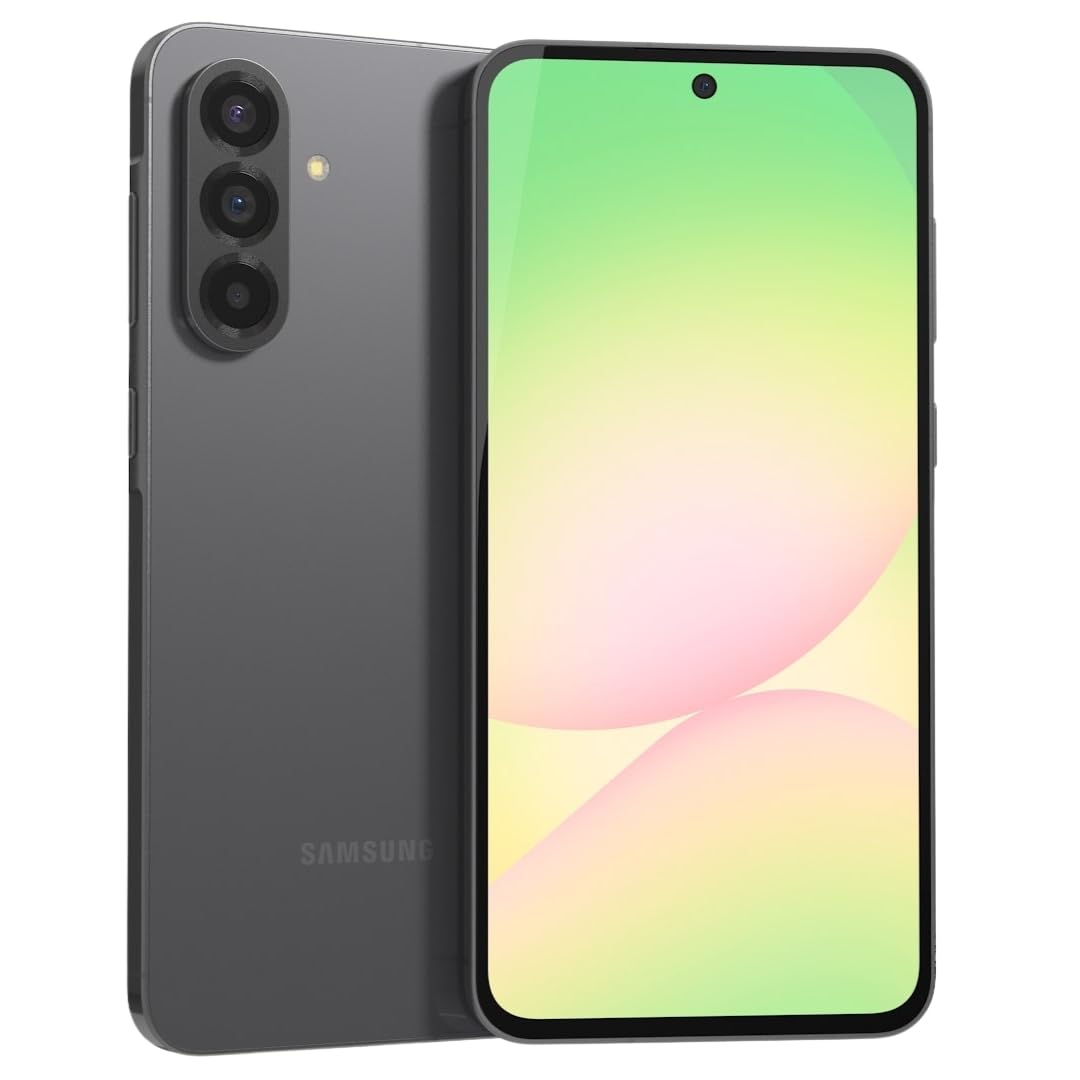
The mid-range Samsung built to stay current with up to six major Android upgrades.
Most phones age out because the software stops updating. This one is built against that. Samsung lists up to six major Android upgrades for the A56, which is the real reason to pick it over a cheaper model that stops getting new versions in a year or two. The hardware backs it up: a 6.7-inch FHD+ Super AMOLED at 120Hz with HDR10+, an Exynos 1580 chip built on a 4nm process, 8GB RAM and 256GB storage. There is no SD card slot, so buy the storage you need on day one.
The camera setup is a proper triple: a 50MP main with a wide f/1.8 aperture, a 12MP ultra-wide and a 5MP sensor, plus a 12MP front camera. A 5000mAh battery and Bluetooth 5.3 cover the daily routine, and the phone is IP67 rated for dust and water resistance. Dual SIM support lets you run a work line and a personal line at once. The pixel density is 408 pixels per inch, so text stays crisp at this screen size.
The catch that surfaces most often is carrier compatibility. This is an international model, and the listing warns that network availability and activation vary by provider, with T-Mobile connection complaints appearing among the mixed performance feedback. Functionality is what buyers praise most and value for money sits second — the screen reads clearly even in direct sunlight and set-up is quick. If you are on a US carrier, verify band support with the seller first; if you are, the software lifespan is hard to argue with.
Software lifespan: up to six major Android upgrades is the standout number, keeping the phone current for the long haul.
Compatibility minefield: international model plus mixed reports on T-Mobile means verifying your network first is not optional.
Best for: buyers who keep a phone for years and want it still getting updates.
Not for: anyone unwilling to confirm band support with their carrier before ordering.
7. Google Pixel 10 Pro 128 GB

The camera phone that makes low light and bright sun both look easy.
Buy this for the photos. The pro camera system shoots 50MP images, pulls detail out of low light with advanced Google AI models, and reaches 100x Pro Res Zoom for subjects far across a field. Video is super steady in 8K, and the front and rear cameras both sit under the same AI processing, so a dim restaurant and a bright beach both come out usable. The 6.3-inch Super Actua display peaks at 3,300 nits, which is the brightness you need to read a map in direct sunlight without squinting. Scratch and drop resistance comes from aluminum and Corning Gorilla Glass Victus 2.
The Google Tensor G5 chip runs Gemini and the AI features, and because the phone is open up it works on Google Fi, Verizon, T-Mobile and AT&T, so switching carriers later is a data-plan decision, not a phone decision. The battery is 4870mAh. Where owners split is reliability — the recurring mixed note involves units that crash or freeze, sometimes stuck in a boot loop — and value for money sits as mixed too. Battery talk also lands mixed, so treat it as a one-to-two-day phone rather than an endurance champ.
What everyone agrees on is the camera and the overall picture quality, and the fast performance shows in everyday app opening with no visible lag. This is the phone for someone who shares photos constantly and wants them right straight out of the camera.
Shooting advantage: 100x Pro Res Zoom plus 8K video makes this the most camera-capable pick for the money here.
Take it home if: the camera is your top purchase reason and you value a screen bright enough for full sun.
Hold off if: you want a battery that runs two full days — the 4870mAh cell and mixed battery feedback suggest charging nightly.
8. OnePlus 15R 512GB
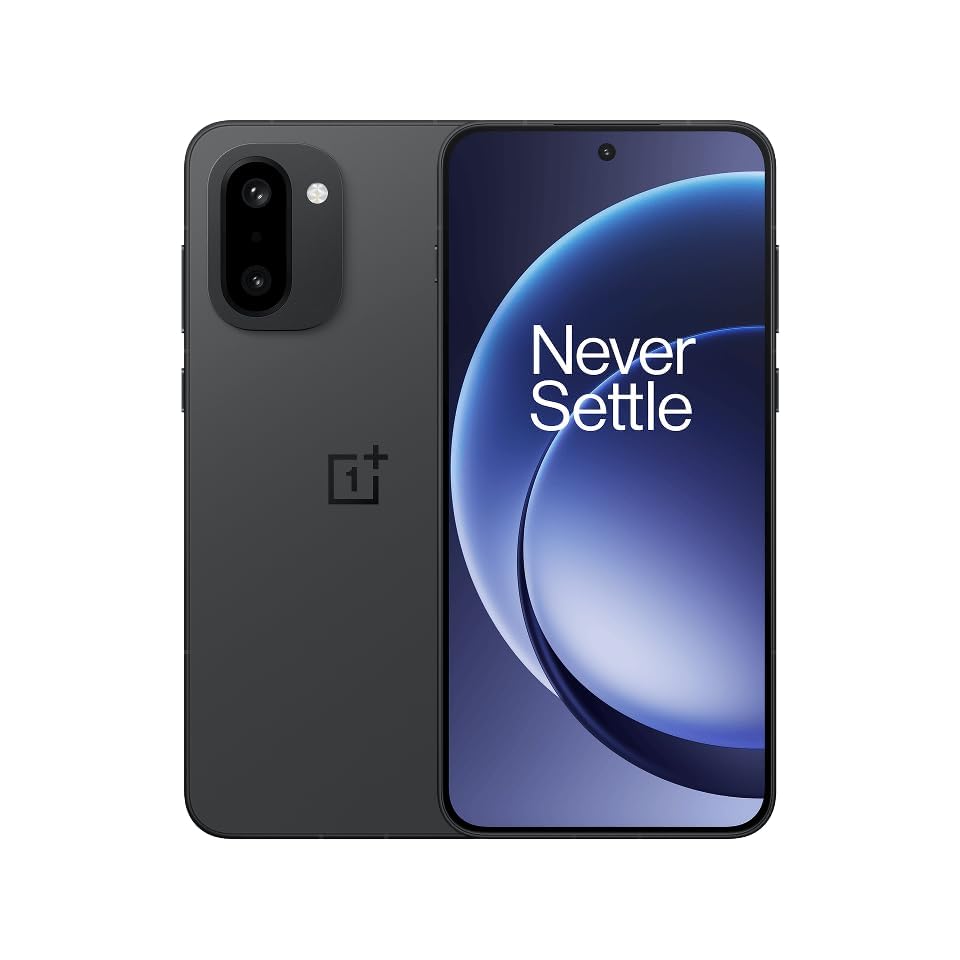
The 7,400mAh tank that laughs at a weekend away from a charger.
Battery endurance is the entire reason this phone exists, and the number is the biggest on the list: a 7,400mAh cell with 80W SUPERVOOC charging. Customers note two to two-and-a-half days between charges, so you plug in roughly twice a week instead of nightly. Pack a charger for a long trip and you may never unzip it. The Snapdragon 8 Gen 5 powers through gaming and app switching, and OnePlus pairs it with a custom Wi-Fi chip and a dedicated touch-response chip so taps land fast.
The screen is the other headline: a 165Hz 1.5K panel with a 3200Hz touch response rate. That refresh rate is fluid enough that the 60Hz setting reportedly feels like 120Hz on other phones, which makes scrolling and fast games feel unusually responsive. The body carries IP66, IP68, IP69 and IP69K ratings, so dust and water exposure are covered. You also get 12GB of RAM and 512GB of storage, Dual SIM, and OxygenOS 16.
What buyers praise above all is overall quality, with battery life the strong second — and for once the camera is the weak point. Feedback on it lands mixed, with some calling it decent and others saying it is not the best, so shoot-and-share is fine while pro-level photography is not the mission. If you are tired of hunting for an outlet, its 7,400mAh cell is the fix.
Endurance mic-drop: a 7,400mAh battery means two-to-two-and-a-half days between charges for typical use.
Perfect when: you are done with daily charging and want the largest battery on the list.
Look past it if: camera quality is your priority — feedback there is mixed, not glowing.
9. HONOR 600 Pro 512GB
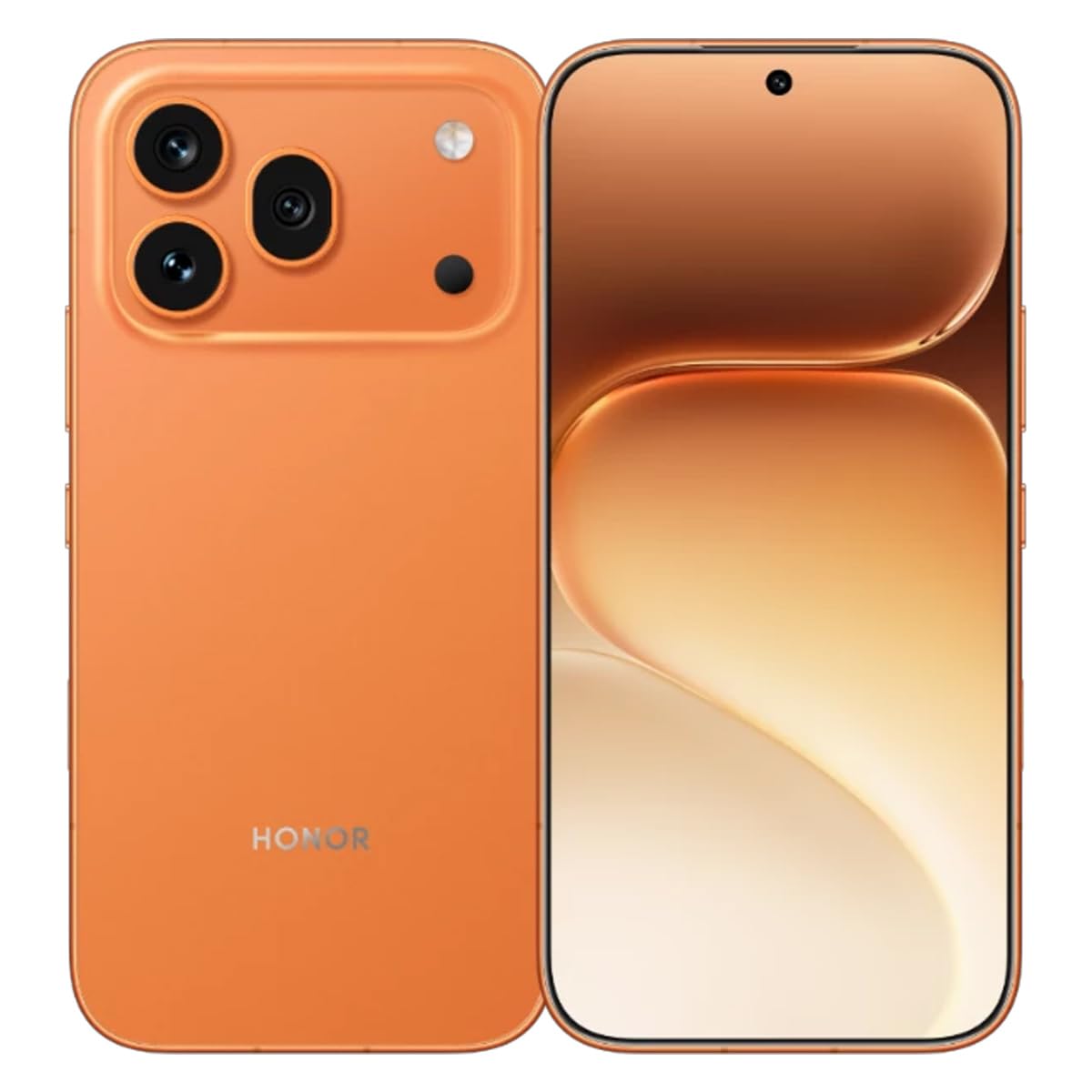
A 200MP main sensor with a real 3.5x optical zoom alongside it.
This is a camera-forward flagship for people who shoot subjects far away or want a photo they can crop into hard. The rear array is led by a 200MP wide sensor with a 1/1.4″ sensor size and OIS, plus a 50MP telephoto with 3.5x optical zoom and a 12MP ultrawide. A 50MP front camera handles selfies. Where most phones fake zoom by cropping, this one has an actual optical 3.5x, which keeps detail through the whole frame. The Snapdragon 8 Elite on a 3nm process, paired with 12GB RAM and 512GB storage, makes short work of edits and heavy apps, and it runs Android 16.
The battery is a 7000mAh cell, so a full day is not the worry — this is built for long stretches away from a charger. The 6.57-inch AMOLED panel handles 1 billion colors, and both storage and RAM are sized for a power user. One thing the spec list does not show: this is an international version listed as GSM only, no CDMA, so confirm your network bands before you buy. It also arrives without the level of buyer feedback that the more common brands carry, so your own research on the international model’s carrier support matters more here.
Where it earns its place is the combination that is hard to find elsewhere on this list: 200MP resolution and a true telephoto with optical zoom, plus a battery bigger than the 5,000mAh standard. If shooting from distance or editing at full resolution is your thing, it deserves a close look.
Optical advantage: a real 3.5x telephoto plus a 200MP main sensor beats digital-crop zoom for detail at range.
Pick this if: telephoto reach and 512GB of storage drive your buying decision.
Check first if: you are on a CDMA-based network — this is GSM only and needs band confirmation.
10. OnePlus 15 512GB
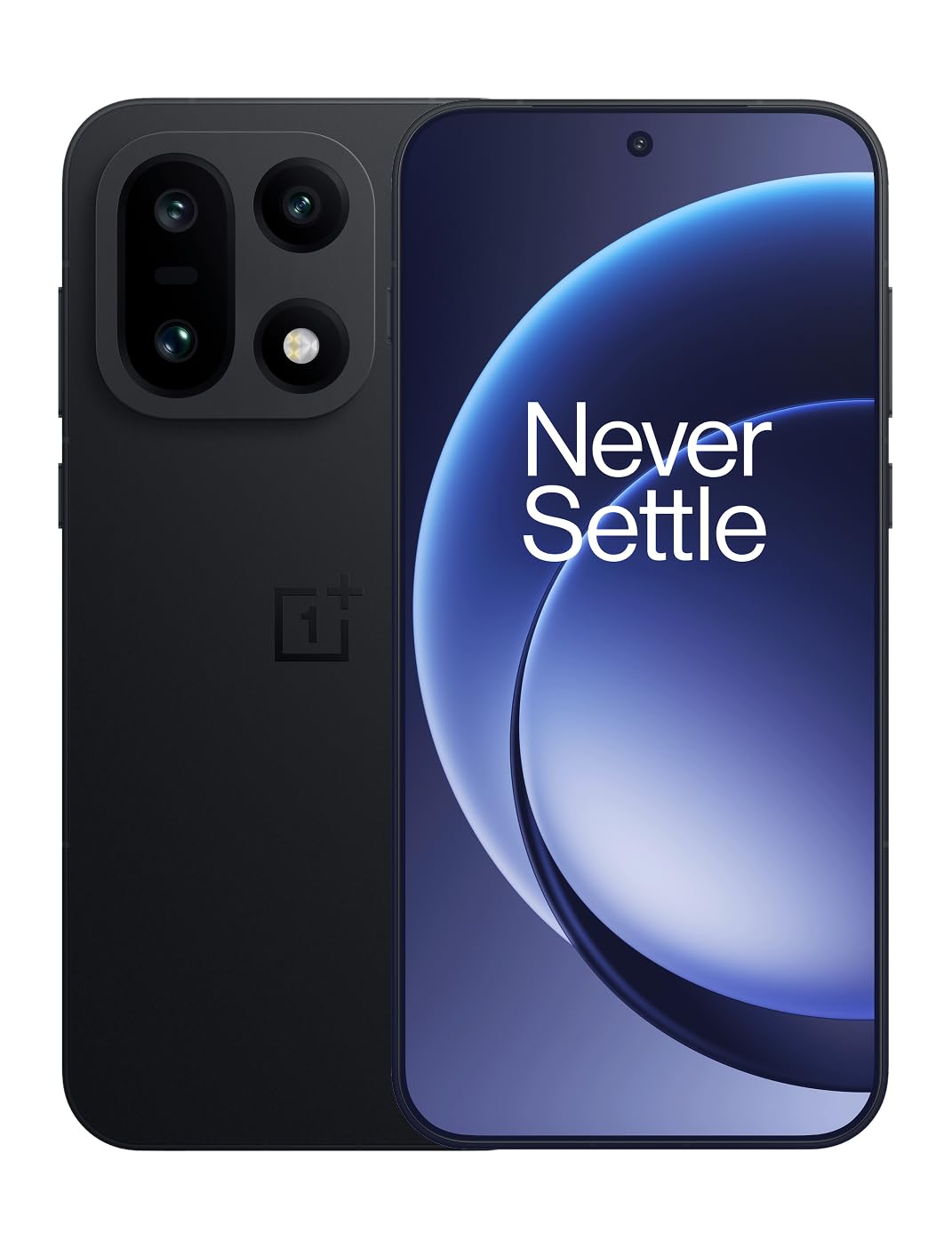
Flagship speed, a 7,300mAh battery, and 16GB of RAM to keep it all moving.
This is the top-tier pick for someone who wants the fastest everyday phone without compromise. The Snapdragon 8 Elite Gen 5 sits alongside a dedicated Wi-Fi chip and CPU scheduler as a tri-chip system, and 16GB of RAM means apps stay resident and switch instantly. A 7,300mAh battery runs all day and beyond on a single charge. The 6.78-inch AMOLED screen runs at 165Hz with 450 pixels per inch, so text is sharp and motion is smooth whether you are scrolling or gaming.
Durability is where this beats its own sibling: it carries IP66/IP68/IP69 and IP19K ratings, which is a far more complete set than the 15R’s durability story. The triple 50MP camera system covers wide, ultra-wide and telephoto, so you get a true telephoto option alongside the main sensor. Wireless charging is included too. If you shoot with a telephoto often, this is the more flexible camera setup of the two OnePlus picks here.
What buyers praise most is performance, with battery life second and value for money third — screens feel bright outdoors even in sunlight, and the phone is described as smooth and fast with minimal bloat. Camera quality is the honest split: owner feedback lands mixed, with the camera called poor for the tier by those who care most about photos. If you want the fastest-feeling Android phone here and can live with a good-not-great camera, this is a serious step up.
Speed lead: 16GB of RAM plus a tri-chip system is the most hardware headroom on this list.
Go for it if: raw speed, a brighter-than-most screen and a telephoto camera are your priorities.
Reconsider if: camera output is your deciding factor — feedback there is mixed for a phone at this level.
11. Apple iPhone 17 Pro Max 512GB
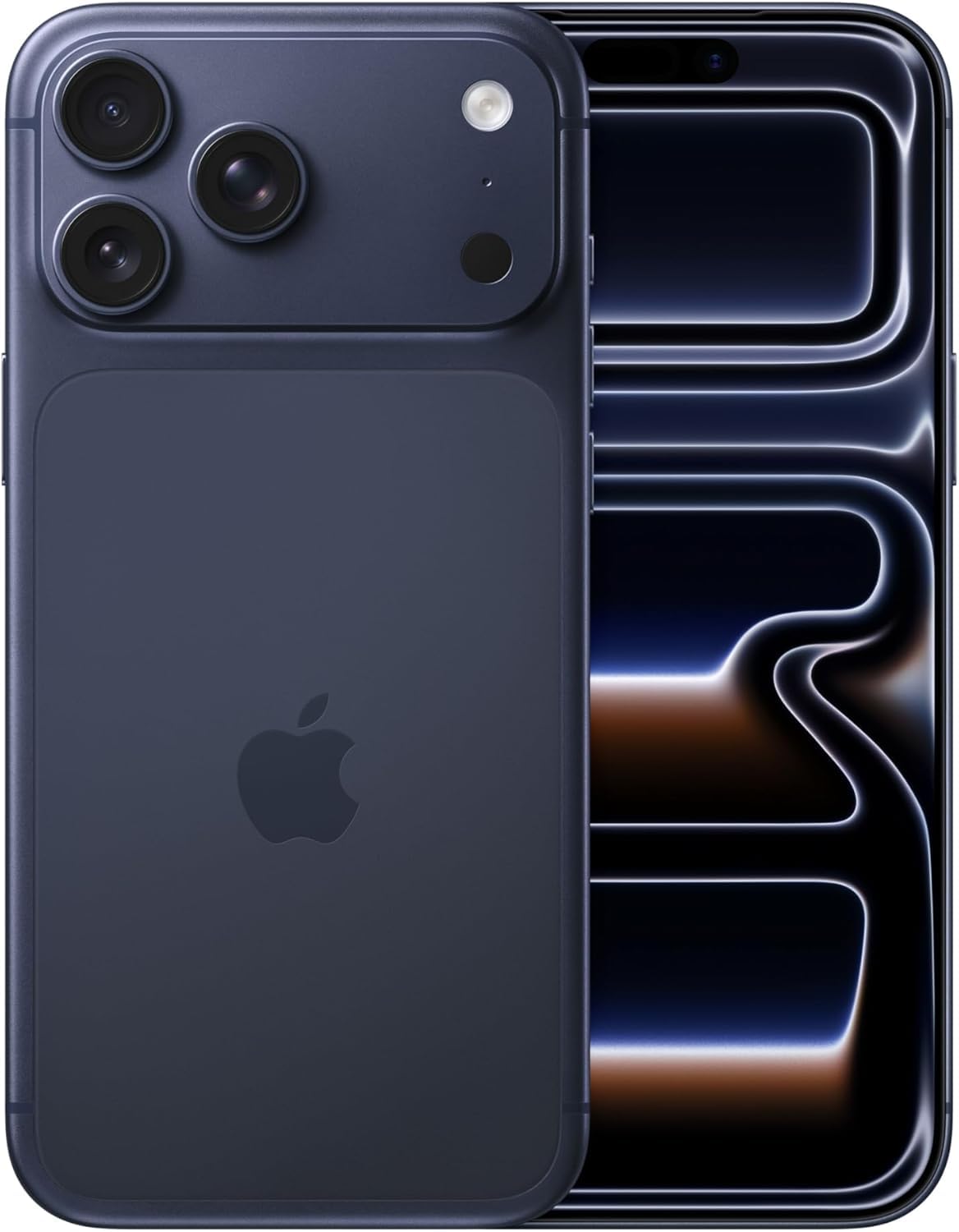
The iOS route that arrives looking new and holding full battery health.
If you want in on iOS without paying the full new-phone price, a Renewed Premium unit is the practical way to get there. This 512GB iPhone 17 Pro Max is open up for any GSM or CDMA carrier, from AT&T and T-Mobile to Verizon, US Cellular, Cricket, Metro, Tracfone and Mint Mobile. It ships with a generic Mfi-certified charger and cable, but no headphones or SIM card, and it is an eSIM model. Activation is straightforward: insert a compatible carrier SIM, connect to Wi-Fi, and follow the on-screen prompts.
It is tested for battery health and guaranteed to hold a minimum of 80% of original capacity, which is the number to check if you are worried about the condition. The 4000mAh battery pairs with an Always-On display, wireless charging, GPS and stereo speakers. Face recognition handles open up, and a 40x digital zoom covers detail at distance.
The buying experience is the thing to understand: feedback about the physical condition is overwhelmingly positive, with buyers describing units as looking brand new and arriving without scratches or dents. The split is reliability — most work fine but a share of buyers could not get a unit working, so ordering from a Renewed Premium listing with a clear return path is worth the small extra care. Functionality is the most-praised trait, and battery life and value for money both sit high as well, which is a good sign for a renewed buyer’s odds.
Condition assurance: a guaranteed minimum of 80% battery capacity plus a Renewed Premium designation is the reassurance to lean on.
For you if: you want iOS, 512GB of storage and a phone that arrives looking new.
Have a return plan if: reliability is mixed on renewed stock — keep the return window open until it proves itself.
Know the Specs
Battery capacity (mAh) and charging wattage
Battery capacity in milliamp-hours (mAh) is the size of the tank — a bigger number means more hours before you need a cable. A 5,000mAh cell is the standard and covers a normal day, while a 7,300mAh or 7,400mAh cell is built for two-day stretches. Charging speed in watts (W) is separate: a higher wattage like 66W or 80W means a short top-up gets you back out the door, which matters on travel days when a full charge is not possible.
Display refresh rate (Hz) and brightness (nits)
Refresh rate in hertz (Hz) is how often the screen redraws each second — 60Hz is basic, 120Hz feels smooth when you scroll, and 165Hz pushes further for games. Brightness in nits tells you how readable the display is in daylight; a 3,300-nit peak is built for direct sun. Panel type matters too: an AMOLED screen lights each pixel individually for darker blacks than a standard LCD.
Common Questions
Will an open up phone work on my carrier?
How long does a 5000mAh battery actually last?
Is a foldable phone like the Galaxy Z Fold8 Ultra worth it over a normal phone?
What does refresh rate in Hz mean on a phone screen?
Do I need wireless charging, or is a cable enough?
Can I add more storage to a phone with a microSD card?
Is a renewed iPhone a safe buy?
What is the difference between the OnePlus 15R and the OnePlus 15?
Do kids’ phones need a separate data plan?
How bright does a phone screen need to be for outdoor use?
What is optical zoom and why does it matter compared with digital zoom?
The Bottom Line
For most buyers, the winner among these top rated cell phones is the Samsung Galaxy Z Fold8 Ultra, because it turns one device into a small tablet with three apps running side by side, backed by a 200MP camera (200 megapixels, for sharp detail) and a 5000mAh battery. If battery life is what keeps you up at night, the OnePlus 15R and its 7,400mAh cell will outlast everything else here. For a child’s first phone, where location and app control matter more than specs, the Bark Phone is the one to reach for. Whichever you pick, check your carrier’s band support first — it is the most common reason a good phone turns into a bad purchase.
How we choose
We do not accept paid placement. Every pick is matched to a real buyer and a real use-case; we do not hands-on test units.
Sources
Specifications: manufacturer listings and product documentation. Review insights: verified customer reviews, as of November 2026. Pricing: not shown on this page (it changes often); check the current price via the retailer link.
As an Amazon Associate, Tactical Gear Guy earns from qualifying purchases. This does not affect which products we feature.