Specs are compiled from manufacturer listings and verified buyer reviews and can change over time — please confirm the key details on the product page before buying.
You do not need the most expensive jacket on the mountain. You need one whose waterproof number matches the snow you actually ride in — and whose seams are sealed where it counts.
This guide is built by comparing the manufacturers’ published specifications and the patterns across verified customer reviews, so you get each pick’s real strengths and trade-offs instead of marketing spin.
Below you get eleven jackets sorted by what they actually do on snow, from a 10K shell for mild days to a GORE-TEX three-layer built for storms. Every pick here is waterproof and breathable enough for snow sports — the trick is matching the shell to your weather, your layering, and your body. Match the waterproof rating to your snow: 10K for cold dry resort days, 15K to 20K for wet, heavy storms.
Top Picks

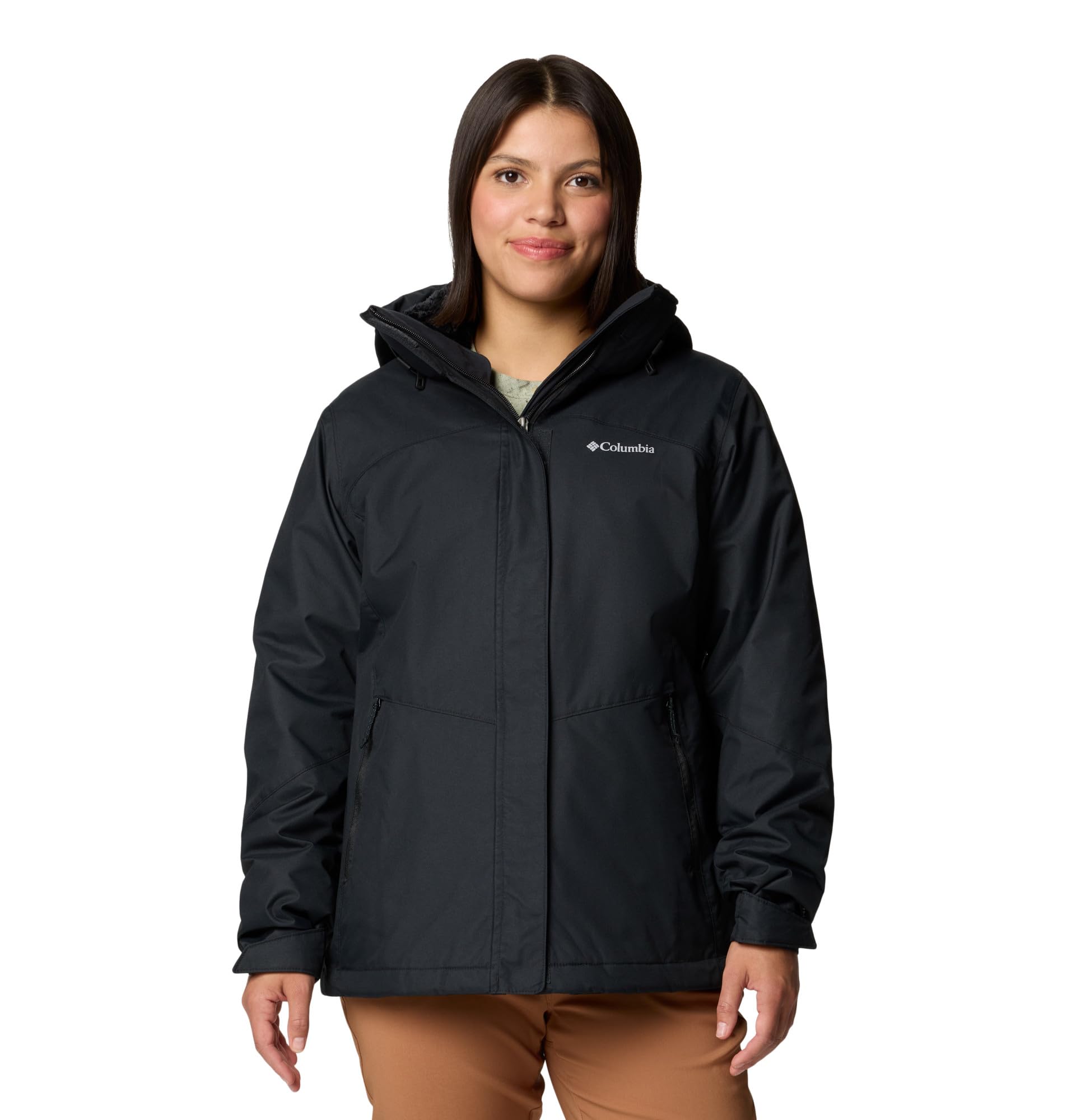
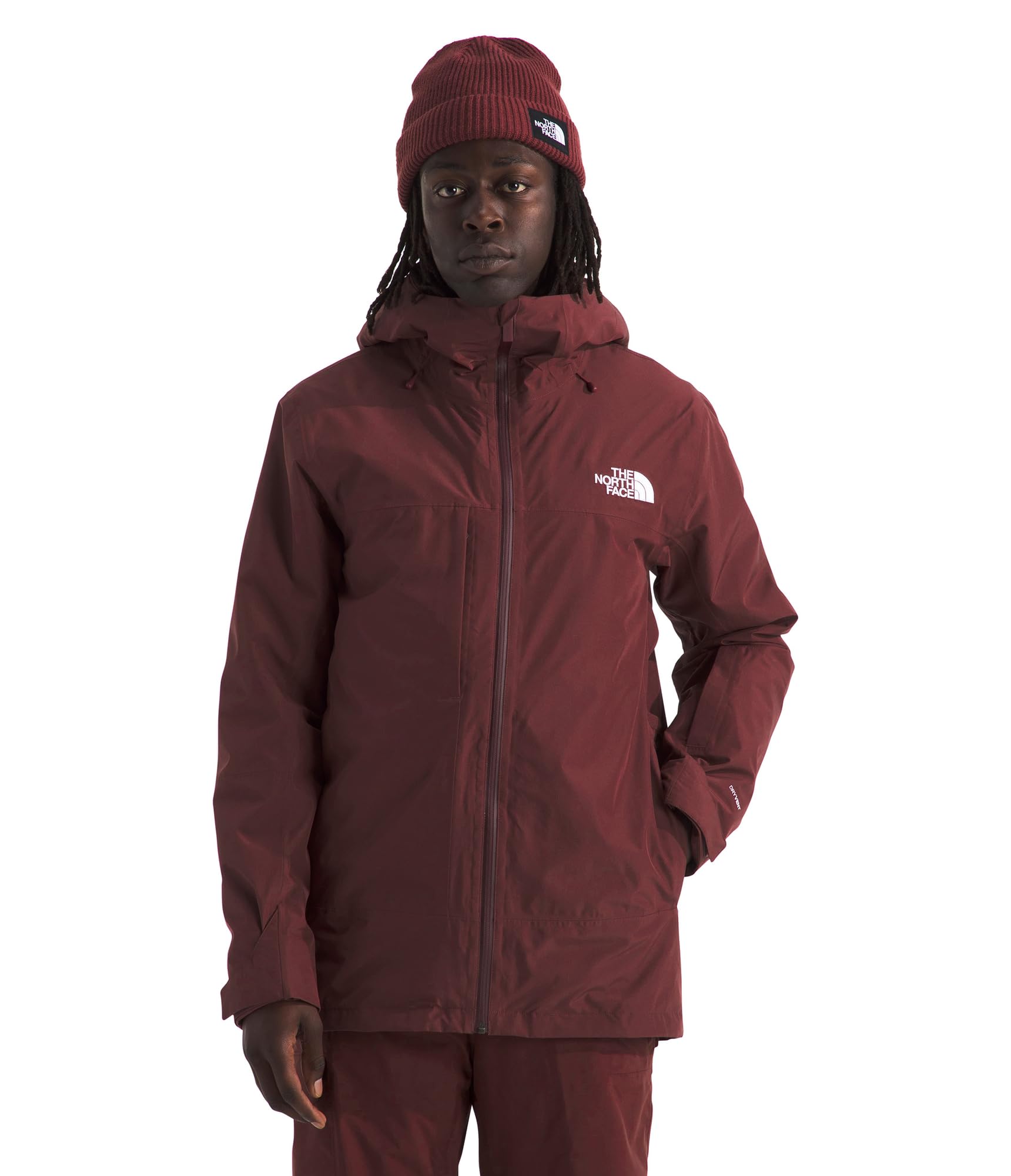
How To Choose The Best Technical Ski Clothing
Buying ski clothing is a decision about climate, not prestige. A shell rated for heavy wet snow will leave you clammy in dry cold, and a light shell will soak through on a rainy resort day. Start with the weather you actually ride, then work inward to seams, layering, and fit.
Match the waterproof rating to your snow
The waterproof rating is written as a number followed by “K” — a measurement of how much water pressure the fabric holds back before moisture pushes through. Lower numbers suit cold, dry snow; higher numbers suit wet, heavy snow and long days sitting on lifts.
Decide on a 3-in-1 or a single shell
A 3-in-1 jacket pairs a waterproof outer shell with a removable insulated liner. Worn together they handle cold days, and worn separately the shell works as a rain layer and the liner as a warm midlayer. A single insulated shell is simpler and lighter but less flexible across the season.
Check the seams, not just the fabric
Water finds the stitched lines first. Critically taped or fully taped seams seal those needle holes, and that matters more in wet snow than in dry powder. Fully taped seams cover every seam; critically taped seams cover the high-wear zones.
Side-by-Side Comparison
| Model | Best For | Waterproof Rating | Insulation | Layering System | Amazon |
|---|---|---|---|---|---|
| Helly Hansen Men’s Alpha LIFALOFT Ins Ski Jacket★ Best Overall | All-around resort skiing | Water-resistant (rating not listed) | LIFALOFT | Insulated shell | Amazon |
| Columbia Plus Size Bugaboo™ III Fleece Interchange JacketBest Plus-Size Fit | Plus-size cold-weather days | Waterproof (rating not listed) | Fleece liner | 3-in-1 interchange | Amazon |
| THE NORTH FACE Men’s Thermoball Eco Snow Triclimate JacketBest Layering Pick | Versatile three-way wear | DryVent, non-PFC DWR | ThermoBall / Heatseeker | 3-in-1 zip-in | Amazon |
| Dakine Men’s Stoker GORE-TEX 3L Jacket | Storm-day shells | GORE-TEX (rating not listed) | Shell, none | 3-layer shell | Amazon |
| Helly Hansen Men’s Juniper 3.0 Jacket | Resort to town wear | Waterproof (rating not listed) | Insulated | Insulated shell | Amazon |
| 686 Women’s Hydra Insulated Jacket | Women who ride hard | 20K infiDRY | 60g recycled | Insulated shell | Amazon |
| Obermeyer Men’s Raze Ski Jacket | Mobility-focused skiing | 15K HydroBlock Pro | Lightweight insulation | Insulated shell | Amazon |
| Dakine Women’s Stoker GORE-TEX 3L Jacket | Women riding storms | GORE-TEX (rating not listed) | Shell, none | 3-layer shell | Amazon |
| Roxy Women’s Jetty 3-in-1 10K Ski Jacket | Budget 3-in-1 flexibility | 10K plain weave | Removable insulated layer | 3-in-1 | Amazon |
| THE NORTH FACE Women’s Freedom Insulated Pant | Matching ski pants | Waterproof (rating not listed) | Insulated | Pant with gaiters | Amazon |
Detailed Reviews
1. Helly Hansen Men’s Alpha LIFALOFT Ins Ski Jacket
Our pick — 4.5+★ from 250+ verified ratings; the strongest balance of quality and price.
Warmth that stays light on your shoulders, from first chair to last run.
Start with the number that shapes your day: 2.8 pounds. That is the whole jacket, insulation and all, on the scale. LIFALOFT is a synthetic fill engineered to trap heat at a lower weight, so you get cold-weather warmth without the shoulder drag that wears you out by lunchtime.
The build is the headline. Owners single out the build quality, and the LIFALOFT fill keeps this jacket in rotation on cold resort days. A powder skirt seals out snow, and the underarm vents let you dump heat when you hike or skate across a flat.
For the serious details: the hood is helmet-compatible and adjustable, there is a dedicated ski pass pocket, and the RECCO Advanced Rescue system is a passive reflector search teams can pick up with a detector (it needs no battery or activation). The LIFE POCKET+ technology is designed to keep your phone battery alive in the cold, so your device does not die at the summit.
What earns it the top spot
- Light 2.8-pound build with warm LIFALOFT fill
- Helmet-compatible hood and powder skirt included
- RECCO rescue reflector plus a ski pass pocket
- Underarm vents to regulate heat on the move
Where it asks for care
- Fit splits riders — some find it runs a bit small
- The main zipper feels stiff to some hands
- Water-resistant exterior, so it favors light snow over soaking wet days
Locked in: the crowd favorite — 4.5+ stars across 270+ owners — for the skier who wants a light, warm one-and-done jacket.
Try before you commit: the sizing runs on the small side for some body types, so check the size chart against your layers.
2. Columbia Plus Size Bugaboo™ III Fleece Interchange Jacket
One jacket, three ways to wear it, built with room to layer.
The Interchange idea is simple and it works: a waterproof shell and a fleece liner that zip together for full storm duty, or wear separately as a rain shell and a warm fleece. That is three jackets in one purchase, and owners rate the build quality highest of all.
Lighter than the Helly Hansen Alpha above at 2.47 pounds versus 2.8 pounds, it stays easy to move in. The warmth is genuine — owners note they do not need bulky layers under it to stay comfortable on a cold day. Extended sizing is the real point of this model, giving plus-size skiers a technical shell cut in a regular fit.
The honest catch is at the zipper. Putting it on takes some effort for a few wearers, since the interchange system is a bit fiddly to align. Once it is zipped, though, it holds warmth on cold days and looks good doing it.
Three-season math: wear the shell in wet slush, the fleece on dry cold days, and both together when the temperature drops hard — the adaptability is the value.
The one snag: if you have limited shoulder mobility, the multi-zip closure can be a two-handed job the first few times.
Reach for this if: you want plus-size technical coverage that flexes across the whole season without buying two jackets.
Look elsewhere if: you want a single pull-on shell and no liner zips to line up.
3. THE NORTH FACE Thermoball Eco Ski Jacket
A weatherproof shell and a warm zip-in liner that work as one or two.
Fit is the thing this jacket gets right, and that is the foundation of any ski layer — a shell that sits wrong fights you all day. A DryVent outer shell handles the waterproofing with seam-sealed construction, and a zip-in liner carries ThermoBall and Heatseeker insulation for the cold. You can wear the shell alone in warmer, wetter weather or zip both together when it turns bitter.
The shell is 100% recycled polyester with a non-PFC durable water-repellent finish, a coating that beads water off the surface without the older fluorinated chemistry. Practical bits are all here: a packable helmet-compatible hood, underarm vents, a powder skirt, a goggle wipe, and a media-ready chest pocket.
Value splits opinion — plenty of buyers call it completely worth it while a few feel it costs a lot. What holds steady is the fit and the warmth on genuinely cold days, and the wind blocking that makes it a go-to when the forecast is grim. It also layers with other North Face pieces if you already own some.
Why it lands: the three-way system means one jacket covers dry cold, wet mild, and everything between, and the fit gives you room to move.
Weigh this: it is a bigger spend than the Roxy below, so budget-minded skiers should decide whether the zip-in liner is worth it to them.
Built for: the skier who runs hot and cold and wants one system that adapts.
Think twice if: you already own a warm midlayer and just need a waterproof shell.
4. Dakine Men’s Stoker GORE-TEX 3L Jacket

A three-layer GORE-TEX shell for the days the mountain throws everything at you.
GORE-TEX is the benchmark waterproof-breathable membrane, and this is a three-layer version — membrane bonded into the fabric so it stays put and breathes without a loose liner. It is a shell, not an insulated jacket, so the warmth comes from what you wear underneath. That is exactly what a serious rider wants when they run hot hiking to the ridge.
Every seam is fully taped, and the zippers are YKK Aquaguard, a water-resistant zip that keeps the wet out of the openings. Zippered pit vents dump heat fast, and the anti-fog breath vent helps clear goggle fog. A tri-pull adjustable hood and articulated fit keep mobility clean.
For alpine travel, RECCO technology is a passive reflector rescue teams can detect. The face fabric is bluesign-approved and solution-dyed recycled polyester, and the whole shell is PFAS-free with a PFC-free DWR finish. Riders praise the build quality, and the large size fits bigger frames well.
Built for the wet
- GORE-TEX three-layer waterproof-breathable protection
- Fully taped seams and YKK Aquaguard zippers
- Pit vents plus an anti-fog breath vent
- RECCO rescue tech in a recycled, PFAS-free shell
Know before you buy
- No insulation — you supply your own midlayer
- Sizing feedback centers mainly on the large fitting well, so check measurements
For the storm chaser: a rider who layers their own warmth and wants bulletproof waterproofing.
Not your pick if: you want a jacket you can throw on over a t-shirt and be warm.
5. Helly Hansen Men’s Juniper 3.0 Jacket
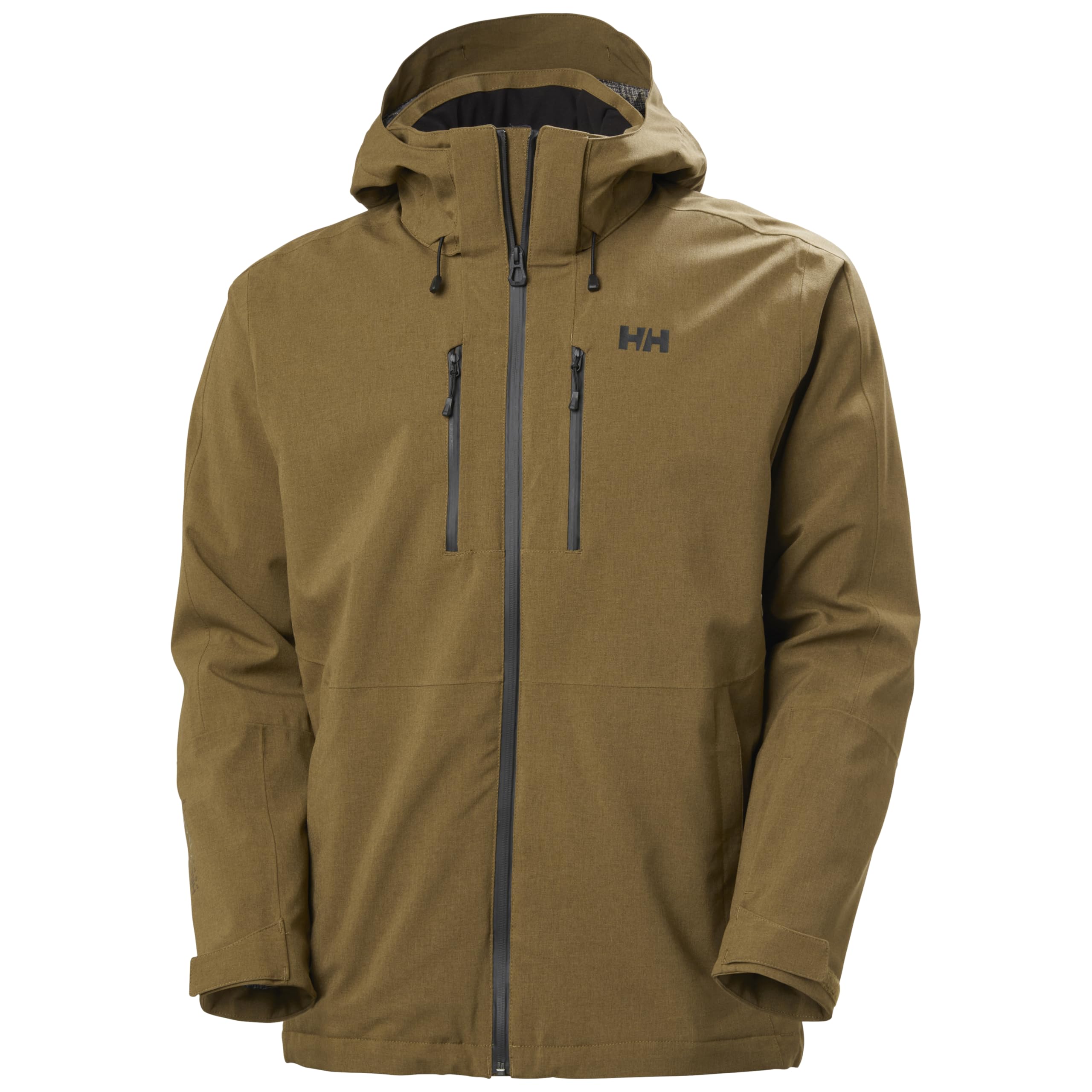
A ski jacket that slips just as easily into sidewalk errands.
Fit is the star of this one — it wears well and clean, which is why it doubles as a town jacket as readily as a slope layer. H2Flow Technology is the temperature-regulation system built in, letting airflow move so you do not overheat when you are working hard or running warm on the lift.
The warmth sits comfortably — slightly warmer than a thick hoodie — so it covers colder days without feeling like a furnace. Armpit vents help dump heat when you need it. A helmet-compatible hood, a ski pass pocket, dual hand-warming pockets, and a LIFE POCKET for essentials keep the practical side covered.
It is a regular fit cut for easy layering, made from polyester with a nylon lining, and it hand-washes clean. Internal compartments hold goggles and electronics so nothing rattles loose. For the skier who wants one jacket that works on the mountain and the walk into town, this bridges both well.
Two-jacket problem solved: the clean silhouette and real warmth make it a crossover piece rather than a slope-only shell.
Set expectations: it is closer to a hoodie-plus in warmth than a deep-cold expedition jacket, so very cold riders will want a midlayer.
Your match if: you split your winter between resort laps and city days and want one jacket for both.
Keep looking if: you ride in serious deep cold where you need heavy insulation.
6. 686 Women’s Hydra Insulated Jacket
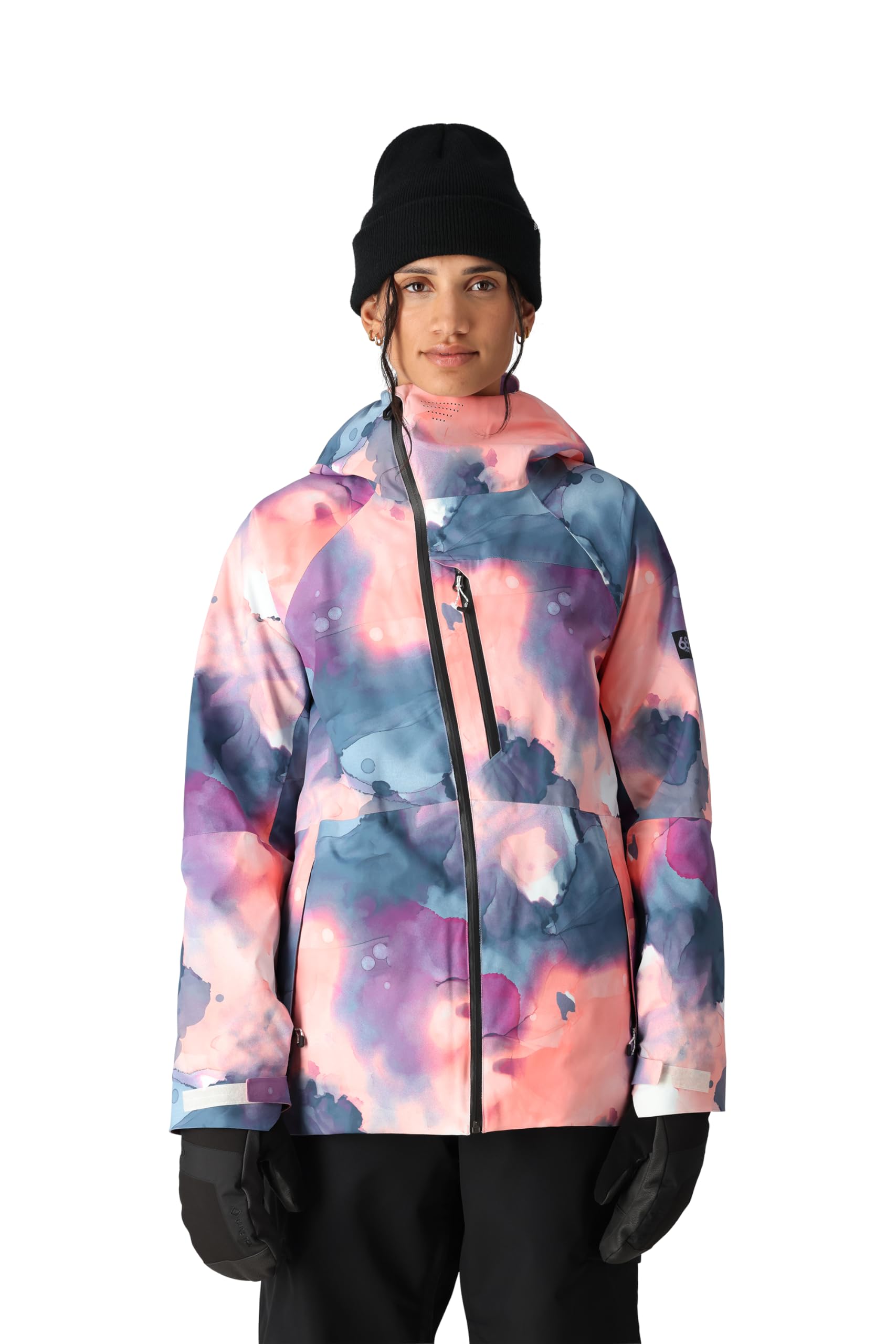
A 20K waterproof shell with insulation, cut for women who ride hard and often.
The headline number is 20K. That is the waterproof rating on the 2-Layer infiDRY fabric, and it is one of the highest ratings in this lineup — built for wet, heavy snow and long days sitting on lifts in the weather. A DWR finish adds a water-beading surface layer on top of that.
Insulation is 60g of 85% recycled fill — enough warmth without the bulk that fights your movement. Vader Vents and Air-Flo mesh-lined underarm vents let you dump heat fast, and fully taped Bemis seams mean every stitch line is sealed against the wet. Owners point to the build quality and the 60g fill, and it holds up to regular riding.
The detail list is unusually deep. There is a hood link system, a honeycomb knit fleece inner collar and mouth flap, a new phone heater pocket, tangle-free headphone loops, an internal goggle and lens stash pocket, adjustable welded cuffs with inner thumb grips, inner Lycra wrist gaiters, a zippered sleeve pass pocket with key clip, a new glove link, an attached adjustable powder skirt with a Lycra stretch panel, a pant-jacket connect system, and even an internal lip balm pocket.
Detail depth: the small stuff — thumb grips, wrist gaiters, headphone loops, a lip balm pocket — is where this jacket shows it was designed by people who actually ride.
The trade-off: at a high-end build level it carries a premium ask, so it rewards riders who get out often rather than once a season.
Your jacket if: you want a top-tier 20K shell with real insulation and a deep feature set for frequent riding.
Hold off if: a once-a-year trip does not justify the premium construction.
7. Obermeyer Men’s Raze Ski Jacket

A 15K waterproof shell that moves with you, built around full-motion skiing.
Mobility is the reason to look here. The fabric is two-way stretch with raglan sleeves and Full-Motion articulation plus Ski Contour shaping, a cut designed so your arms move freely through the whole turn. A shell that lets you reach and swing without binding is worth a lot on a long descent.
Waterproofing is 15K on the HydroBlock Pro shell — a serious rating that keeps you dry in steady snow. Skier Critical seam sealing covers the high-wear zones, and YKK AquaGuard zippers guard the openings. Lightweight insulation handles the cold, and Control Zone Ventilation mesh gussets let you adjust airflow as you heat up.
The coverage details are dialed. A removable, two-way adjustable, helmet-compatible hood; adjustable cuffs with thumbhole inner cuffs; an adjustable hem; and a Snap-Away water-resistant powder skirt that keeps snow out. Inside there is an interior windguard, fleece-lined collar, and fleece chin warmer. Storage includes zippered chest, handwarmer and pass pockets, an interior electronics pocket with cord routing, an interior goggle pocket, and more stash pockets. Machine wash cold and tumble dry low.
Why it moves: the stretch fabric and Full-Motion articulation make this the most movement-focused jacket in the lineup — you feel the difference when you unweight a turn.
The honest note: light insulation means cold-averse skiers will want a midlayer beneath on single-digit days.
Best matched to: the skier who puts mobility first and wants a weather-rated shell that moves with the body.
Look elsewhere if: you run cold and want heavy built-in warmth.
8. Dakine Women’s Stoker GORE-TEX 3L Snowboard Jacket
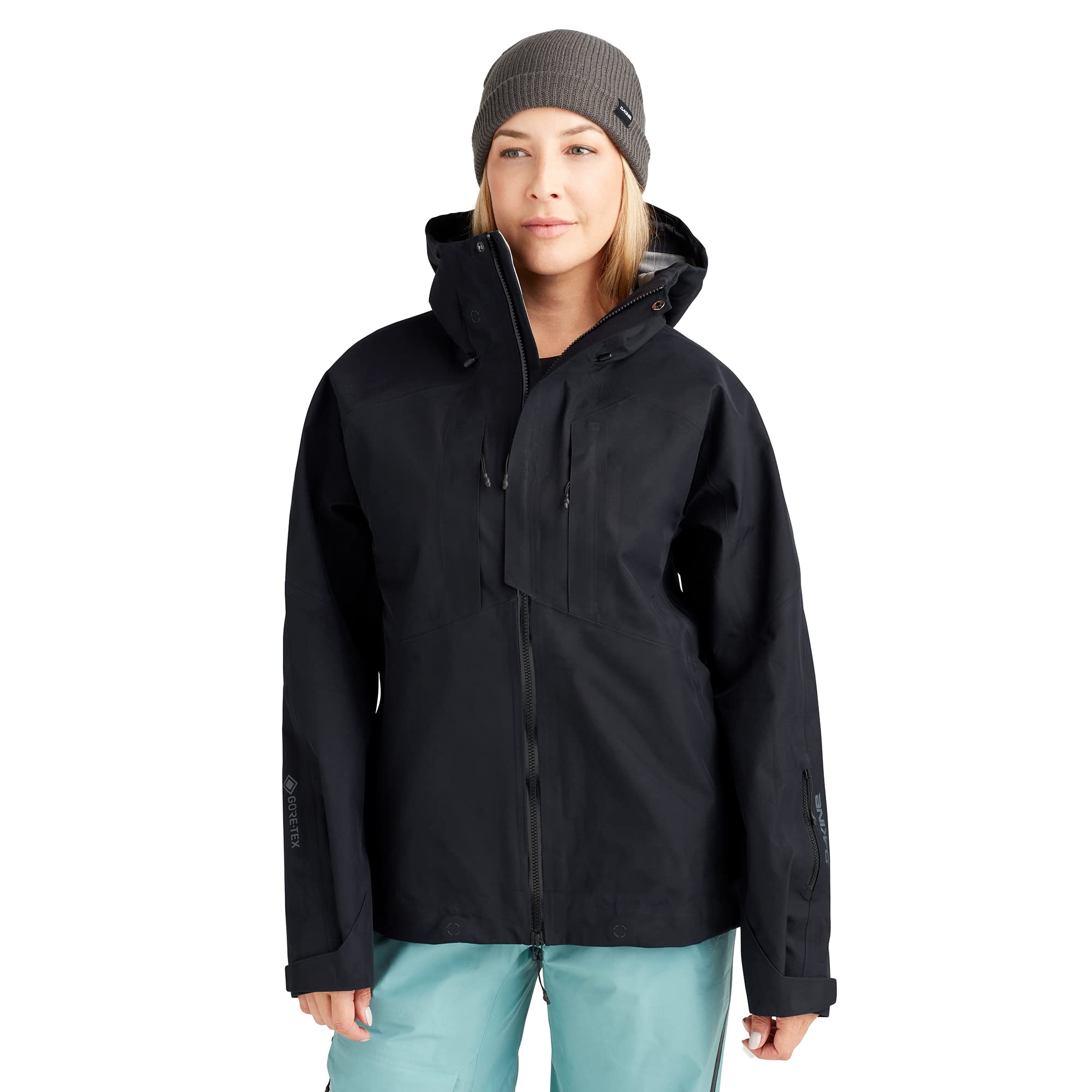
The women’s GORE-TEX shell built for storm-day lines and steep alpine descents.
This is the women’s counterpart to the men’s Stoker, and it carries the same core: GORE-TEX three-layer waterproofing on a durable 100% recycled polyester face. Three layers means the membrane is bonded in, so it breathes without a loose liner and holds its protective shape through seasons of use.
The construction details are all storm-ready. Fully taped seams seal every stitch, YKK Vislon Aquaguard zippers guard the openings, and Dakine zippered pit vents dump heat when you are climbing. A tri-pull adjustable hood and anti-fog breath vent keep your vision clear and your head covered. The articulated fit gives you room to move.
For organization there is a sleeve pass pocket and a secure media pocket. RECCO technology is built in for search-team detection. The whole shell is Bluesign certified, a standard for safer, more responsible textile production — meaningful if you care where your gear comes from. Riders notice the build quality first, and the articulated fit lands well.
Storm credentials: fully taped seams plus GORE-TEX three-layer protection is about as weatherproof as a shell gets, and the Bluesign certification adds an ethics angle.
Set your expectations: it is an uninsulated shell, so warmth is entirely up to your midlayer.
Built for: the woman who rides in real weather and wants a dedicated waterproof shell with a sustainable build.
Skip the shell idea if: you want insulation sewn in and a simpler one-piece jacket.
9. Roxy Jetty 3-in-1 Ski Jacket

A 10K waterproof 3-in-1 that covers the whole season without blowing the budget.
The flexibility is the draw. A waterproof 10K plain weave shell paired with a warm, removable insulated layer lets you wear both together for cold days or the pieces separately for milder ones. That 10K rating is designed for typical resort snow rather than soaking wet storms — plenty for most skiers most days.
The sustainability story is part of the pitch: 55% recycled polyester and a PFAS-free fabric. Critically taped seams seal the high-wear zones, a 3-way adjustable hood fits over most helmets, and mesh-lined venting lets you cool off. Lycra wrist gaiters and a jacket-to-pant attachment system keep snow where it belongs.
Appearance is what lands hardest here — it looks good and wears comfortably, and the warmth holds on cold days. The fit is the catch: some find it a little tight, and sizing accuracy splits opinion. Check the size chart against your own measurements if you layer thicker midlayers. For a skier who wants three-season adaptability on a lighter budget, it delivers real function.
Where the value shows
- 10K waterproof 3-in-1 flexibility across the season
- 55% recycled polyester and PFAS-free fabric
- Critically taped seams, 3-way hood, mesh venting
- Sleeve pass pocket, goggle storage, pant-attach system
Fit notes to weigh
- Some find it runs a little tight — check the size chart
- 10K rating suits typical resort snow, not soaking wet storms
Your pick if: you want a versatile 3-in-1 women’s jacket without a heavy spend.
Mind the sizing: if you are between sizes or layer thick, go up rather than down.
10. THE NORTH FACE Women’s Freedom Insulated Pant
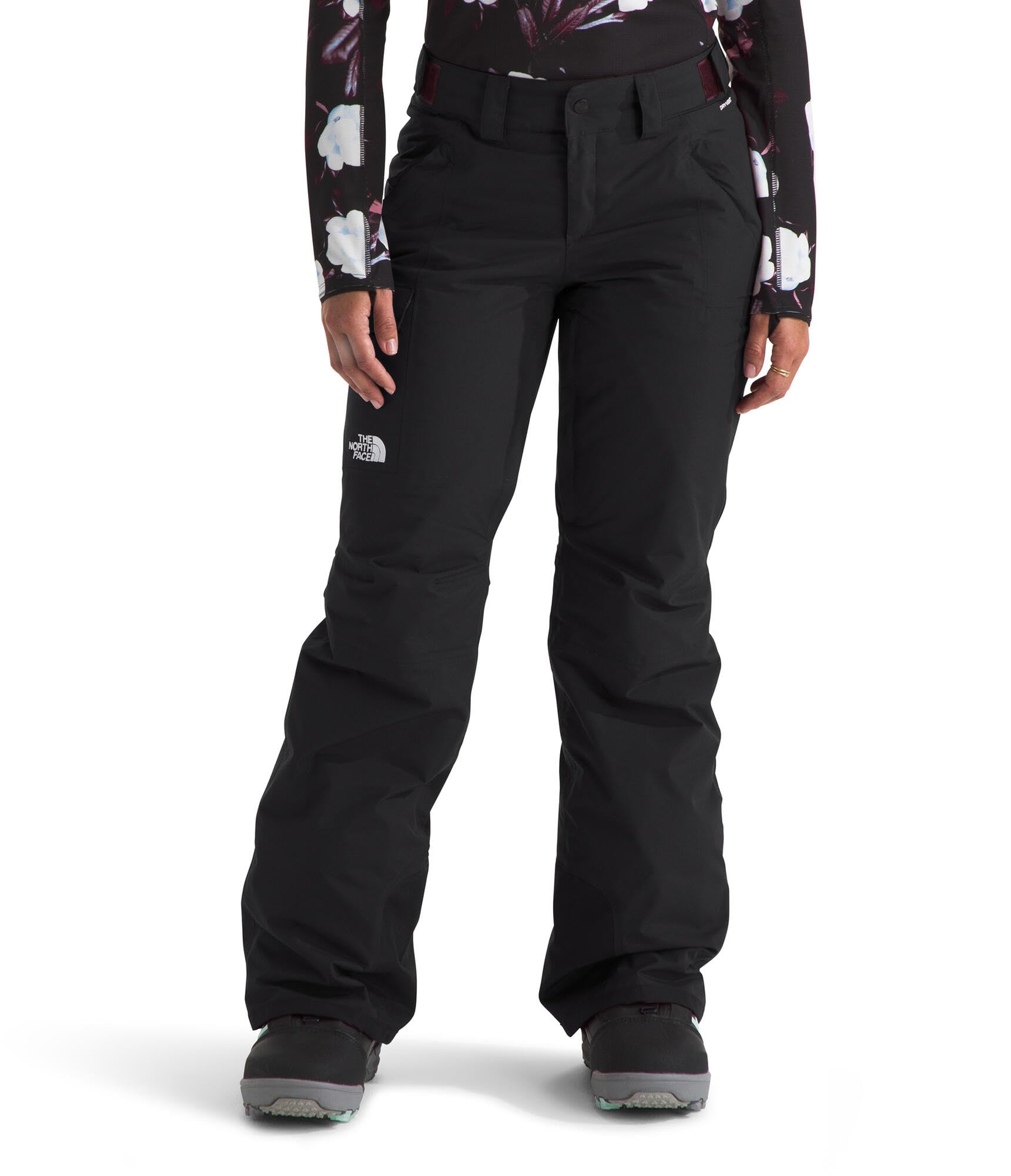
The insulated ski pant that finishes the outfit from the boots up.
A jacket only gets you half protected. These pants cover the other half with a waterproof shell built for snow sports, insulation for warmth, and gaiters that seal snow out of your boots. If you are building a full technical setup, the bottoms deserve as much thought as the jacket.
Quality is what stands out here, and the warmth holds up on cold mountain days. Length lands perfectly for many wearers, which is often the hardest part of buying pants unseen. An adjustable waist lets you dial in the fit, and the standard and plus-size options widen the range.
The sizing is the one point to check twice — some find them true to size while others find the fit runs small. Measure first and compare against the size chart if you are between sizes. Built for snow sports and made to pair with a matching jacket, these are the practical last piece of a technical kit.
What seals the deal: genuine warmth and a correct length in one pant, with gaiters doing the boot-sealing work so powder stays out.
Size carefully: the fit is split enough that ordering your measured size matters more than guessing.
Reach for these if: you want insulated, waterproof ski pants with an adjustable waist in standard or plus sizing.
Take your time on the size: the fit varies, so order against your measurements rather than a guess.
Know the Specs
Waterproof ratings (10K, 15K, 20K, GORE-TEX)
The “K” number rates how much water pressure the fabric resists before moisture passes through. A 10K shell handles typical dry resort snow, while a 15K or 20K shell is built for wetter, heavier snow and long days in the weather. GORE-TEX is a named membrane standard rather than a K number, and it tends to deliver high waterproofing with strong breathability.
Seam sealing and DWR
Seam sealing covers the stitched lines where water seeps in first — “critically taped” covers high-wear zones while “fully taped” covers every seam. DWR (durable water repellent) is a surface finish that beads water off the outside; look for non-PFC or PFC-free versions if you want to avoid the older fluorinated chemistry.
Insulation and 3-in-1 systems
Insulation is measured in grams (like 60g) and traps body heat; synthetic fills stay warm even when damp. A 3-in-1 jacket pairs a waterproof shell with a removable insulated liner so you can wear both together, the shell alone in wet mild weather, or the liner alone on dry cold days.
Venting and mobility features
Pit vents and underarm mesh gussets let you dump heat without unzipping your whole jacket. Articulated cuts, stretch fabric, and raglan sleeves are built so your arms move freely through a turn. Powder skirts and wrist gaiters seal out snow when you fall or sit down in it.
Common Questions
Is 10K waterproof enough for skiing?
What does 3-in-1 mean on a ski jacket?
Is GORE-TEX warmer than a regular waterproof shell?
Do I need a helmet-compatible hood?
What is RECCO technology and do I need it?
How should ski pants fit compared with a jacket?
Are pit vents worth having on a ski jacket?
What does a powder skirt do?
How do I wash technical ski clothing?
The Bottom Line
The winner here is the Helly Hansen Alpha LIFALOFT, because it pairs a warm 2.8-pound build with real slope features — a helmet-compatible hood, powder skirt, and ski pass pocket — in one jacket you can wear all season. If you want the flexibility to strip layers as the day warms, the North Face ThermoballEco Triclimate is the three-way system to grab. For the wettest storm days, the Dakine Men’s Stoker GORE-TEX 3L is the shell to reach for. Women riders who want the deepest feature set get the 686 Hydra with its 20K shell. The one honest nudge: the Alpha holds its 4.5+ star score on a leaner review base than the Columbia Bugaboo III, so if you value a longer track record, that interchange jacket is the safer bet — but the Alpha’s lighter weight and slope features still make it the better one-jacket buy for most skiers.
How we choose
We do not accept paid placement. Every pick is matched to a real buyer and a real use-case; we do not hands-on test units.
Sources
Specifications: manufacturer listings and product documentation. Review insights: verified customer reviews, as of November 2026. Pricing: not shown on this page (it changes often); check the current price via the retailer link.
As an Amazon Associate, Tactical Gear Guy earns from qualifying purchases. This does not affect which products we feature.