Specs are compiled from manufacturer listings and verified buyer reviews and can change over time — please confirm the key details on the product page before buying.
Wet feet end a wading day faster than cold weather does. The right pair of socks for wading sits between your skin and your boots and decides whether you finish the drift dry and warm or squelching back to the truck. This guide sorts the real differences — neoprene versus waterproof membrane, what thickness actually does, and why one sock that shines in warm flats water will leave you cold in a steelhead river.
This guide is built by comparing the manufacturers’ published specifications and the patterns across verified customer reviews, so you get each pick’s real strengths and trade-offs instead of marketing spin.
Two families dominate the shelf: thick neoprene that traps warmth and drains fast, and thin layered membranes that block water outright. Below you’ll find the pair that matches your water, your boots, and your season, with the honest limits of each spelled out so you buy once. These are the socks for wading worth pulling on before your next trip.
Top Picks
How To Choose The Best Socks for Wading
Start with the water temperature, not the pattern. A summer wet-wading trip on a warm flat wants a thin sock that drains and breathes. A cold tailwater in November wants thickness and trapped warmth.
Neoprene versus waterproof membrane
Neoprene socks are a rubber-family material that stays warm even when soaked and lets water drain out through a perforated footbed. They don’t keep water out — they keep you warm while wet. A waterproof membrane sock (a thin layered fabric with a middle barrier that blocks water) keeps water out entirely, but only up to the cuff. Step in deeper than the sock’s top and water pours in over the opening.
Thickness and boot fit
A 2.5mm neoprene sock takes up less room inside a wading boot than a 3.5mm one. If your boots already feel snug with a thick wool sock, go thinner or you’ll lose circulation and get cold feet anyway. Thicker socks are for cold water and roomier boots.
Height: ankle, crew, or over-the-knee
Short ankle socks suit warm-weather wet wading and quick creek crossings. Crew height covers the gap between boot and wader. Over-the-knee socks work like long underwear for your legs, adding warmth without a second layer.
Side-by-Side Comparison
| Model | Best For | Material | Height | Waterproof? | Amazon |
|---|---|---|---|---|---|
| Korkers I-drain Neoprene Guard Sock★ Best Overall | Hot-weather wet wading | 3.5mm neoprene | Guard sock | No (drains) | Amazon |
| Korkers I-drain Neoprene Wading Sock 2.5mmBest Fit | Warm-water flats and fit | 2.5mm neoprene | Crew | No (drains) | Amazon |
| DRYMILE Slim Waterproof SocksMost Versatile | All-season thin protection | 3-layer bonded, charcoal yarn | Crew | Yes (to cuff) | Amazon |
| SuMade Knee High Waterproof Socks | Cold-water kayaking and hiking | Waterproof membrane, padded | Knee high | Yes (to cuff) | Amazon |
| CADDIS Neoprene Bootie with Gravel Guards | Wet-wading gravel protection | Neoprene | Bootie | No (drains) | Amazon |
| Ducks Unlimited Merino Wool Blend Wader Sock | Cold climates and over-knee warmth | Merino wool and acrylic | Over the knee | No | Amazon |
| RANDY SUN Unisex Waterproof Socks 2.0 | Ultra-thin everyday crossings | Ultra-thin waterproof fabric | Crew/ankle | Yes (to cuff) | Amazon |
| Agdkuvfhd Waterproof Neoprene Socks | Budget crossover warmth | Nylon/PU/Coolmax blend | Crew/ankle | Yes (to cuff) | Amazon |
Detailed Reviews
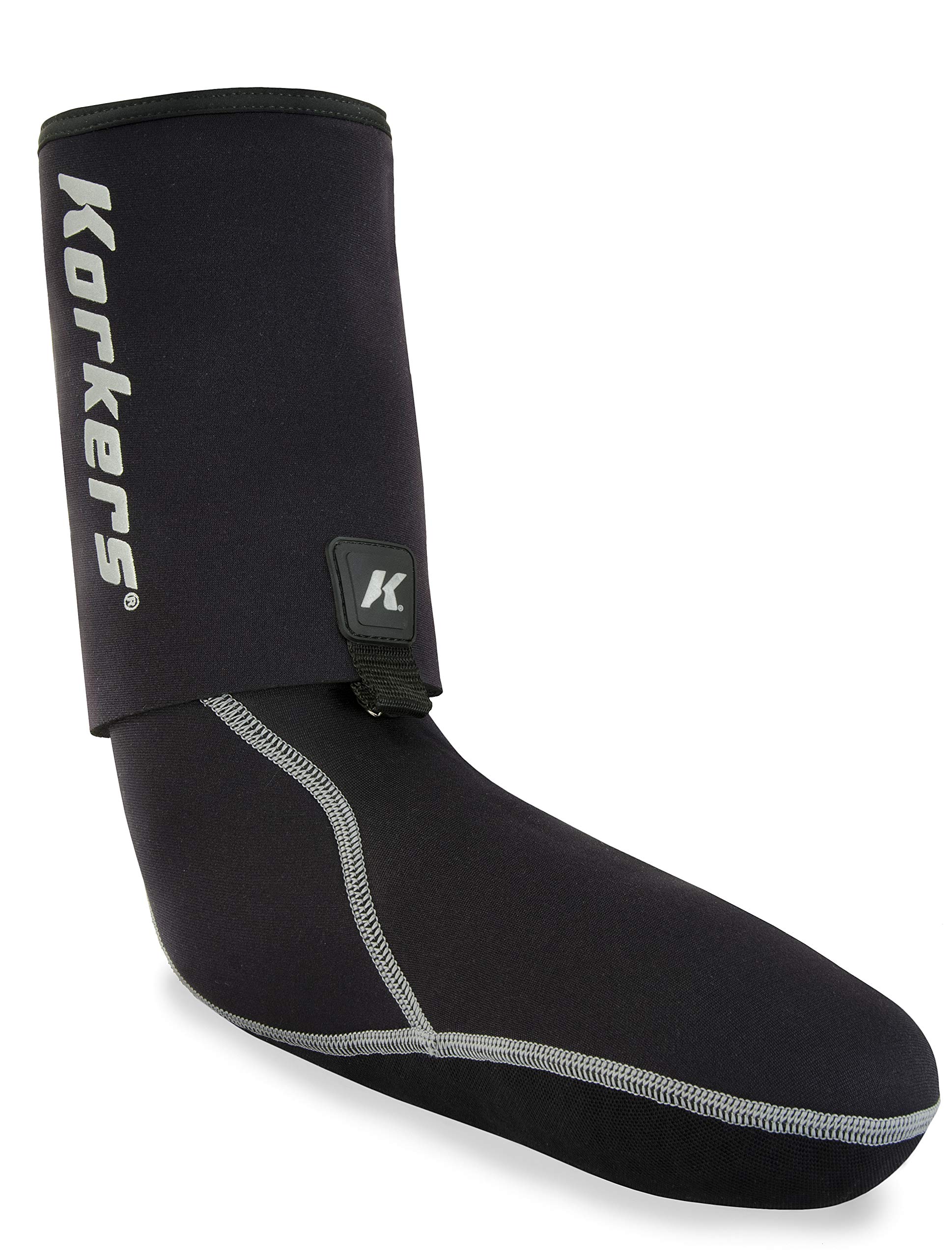
1. Korkers mens I-drain Neoprene Guard Sock
Our pick — 4.5+★ from 350+ verified ratings; the strongest balance of quality and price.
The summer wet-wading sock that dumps water out instead of holding it in.
For hot days when you’re walking and wading in a light boot, this is the pair to reach for. The 3.5mm neoprene upper (a rubber-family material that stays warm even when soaked) hugs the foot in a form-fit cut, and the perforated Airprene underfoot lets water drain out instead of pooling in a squishy puddle. Gravel guards ride up top to keep grit from working its way down into your boot.
What wins people over is the build — the quality draws the most praise of any trait here, and the drainage follows close behind. Owners talk about how quickly these shed water during wet-wading trips, and how well they work as a layer under wading boots. The sizing runs S (7-8), M (9-10), L (11-12), and XL (13-14), so match it to your street size and let the form fit do the rest.
The trade-off is real but manageable. Neoprene doesn’t keep water out; it keeps you warm while wet, so this is a warm-weather sock, not a barrier sock. And getting them on takes some effort — ease of use splits opinion, with plenty of owners finding them straightforward and a few wrestling with the cuff. Treat them as a summer workhorse and they’ll earn their place.
Why it earns the top spot
- Perforated Airprene footbed drains fast so you skip the squish
- 3.5mm neoprene keeps feet warm in hot-day wet wading
- Gravel guards stop grit from settling in the boot
- Form-fit cut works cleanly under wading boots
Where it asks for patience
- Not a waterproof barrier — built for warm water, not cold
- Cuff can be fiddly to pull on for some
Reach for this if: you wet-wade warm summer rivers and want drainage plus warmth without a membrane.
Look elsewhere if: you’re chasing steelhead in near-freezing water and need a true waterproof barrier.
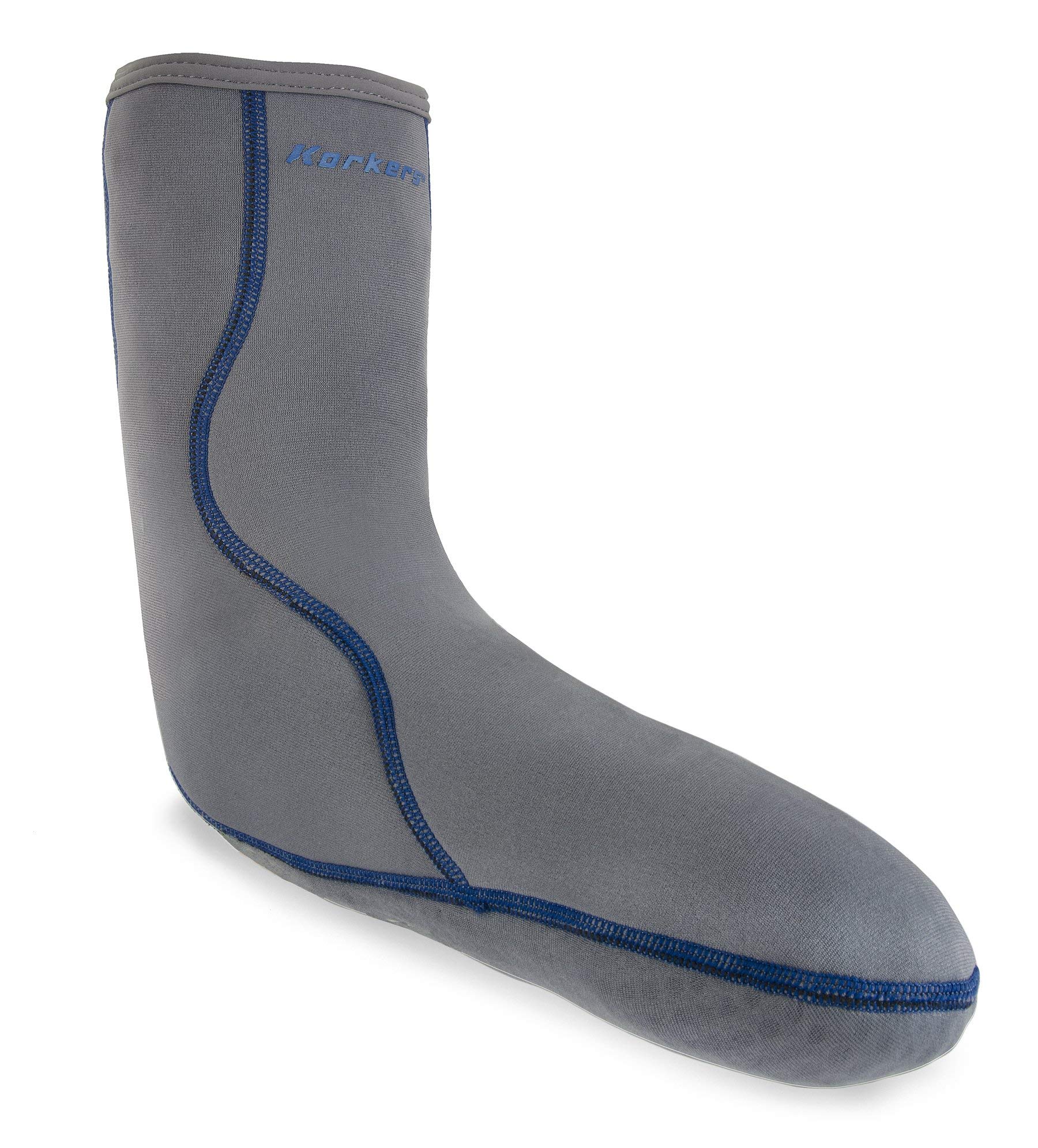
2. Korkers Unisex I-drain Neoprene Wading Sock, 2.5mm
Half the thickness of the guard sock, same drain-and-fit philosophy.
When your boots already run snug, a 2.5mm neoprene sock takes up noticeably less room than the 3.5mm version in the top spot. That thinner profile is the whole point: a slimmer fit inside your wading boot, no pinching, no lost circulation. Korkers built this one for flats and warm water, where you want a close, form-fitting layer that doesn’t balloon.
Owners keep coming back to the quality — it’s the most-praised trait by a clear margin, with functionality right behind it. People describe a comfortable sock that works the way it should under a boot. The pull-on closure and slim fit keep it from sliding once it’s on. One thing the fit pages make clear: sizing runs mixed, so some anglers find their number works perfectly while others need to size up.
It’s the same warm-weather logic as the guard sock above, just with less material between your foot and the boot. If you wet-wade warm water and value a tight fit over maximum padding, this is the natural pick. Just confirm your size before you commit, since the fit reports are split.
The slim advantage: the 2.5mm build gives you the same drain-and-warm approach as a thicker sock in a tighter package. That’s the difference between a boot that fits and one that fights you all day.
Size it carefully: the sizing draws mixed notes, so check the chart against your measured foot rather than guessing from street shoes.
Pick this one when: your wading boot feels tight with a thick sock and you want a slim neoprene layer for warm water.
Skip it when: you need true waterproofing — this drains and warms, it doesn’t block water.
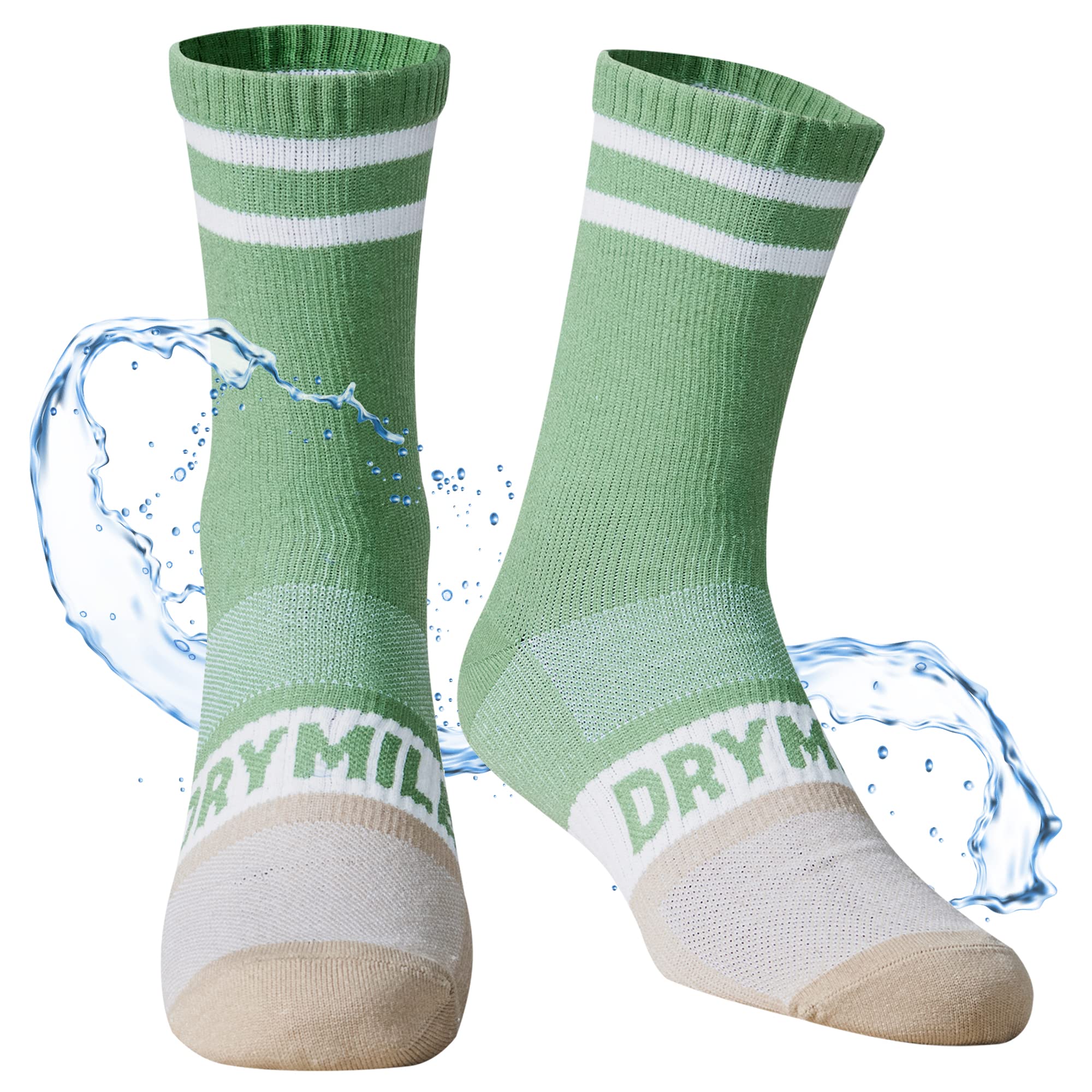
3. DRYMILE Slim Waterproof Socks, Soft Charcoal Yarn
Thin enough for dress shoes, built to keep river water on the outside.
This is the sock for the angler who doesn’t want a bulky neoprene bootie inside their footwear. The three bonded layers work like a sandwich: an outer shell for durability, a middle waterproof membrane that blocks water, and an inner wool layer for comfort and warmth. Drymile adds a charcaol-and-nylon blend so the sock stays thin and soft while pulling sweat away and fighting odor.
You get all-season use because of the construction details. A waterproofed silicone strip around the opening — Drymile calls it the Dry Guard Strip — stops water from dripping down your calf and into the foot. A smooth toe cuts blister rub. And because it’s slim, it slides into a fishing boot, a hiking shoe, or even a sandal when you’re traveling light.
The honest catch: water resistance earns mixed reports. Some wearers stay bone dry, others report their feet getting wet — which usually traces back to water coming over the cuff rather than through the membrane. The rule Drymile states plainly is that it stays waterproof as long as water doesn’t go in at the opening. Keep the cuff above the waterline and these do their job.
What the specs buy you
- Three-layer bonded build with a middle waterproof membrane
- Silicone Dry Guard Strip seals the cuff opening
- smooth toe reduces blister rub on long days
- Slim profile fits dress shoes and sandals alike
What to keep in mind
- Water resistance is mixed in the reviews — depth over the cuff defeats it
- Thin build gives less shock cushioning than neoprene
Best for: year-round crossings where you want a thin waterproof layer that fits under normal shoes.
Think twice if: you regularly wade deep — anything over the cuff opening lets water in.
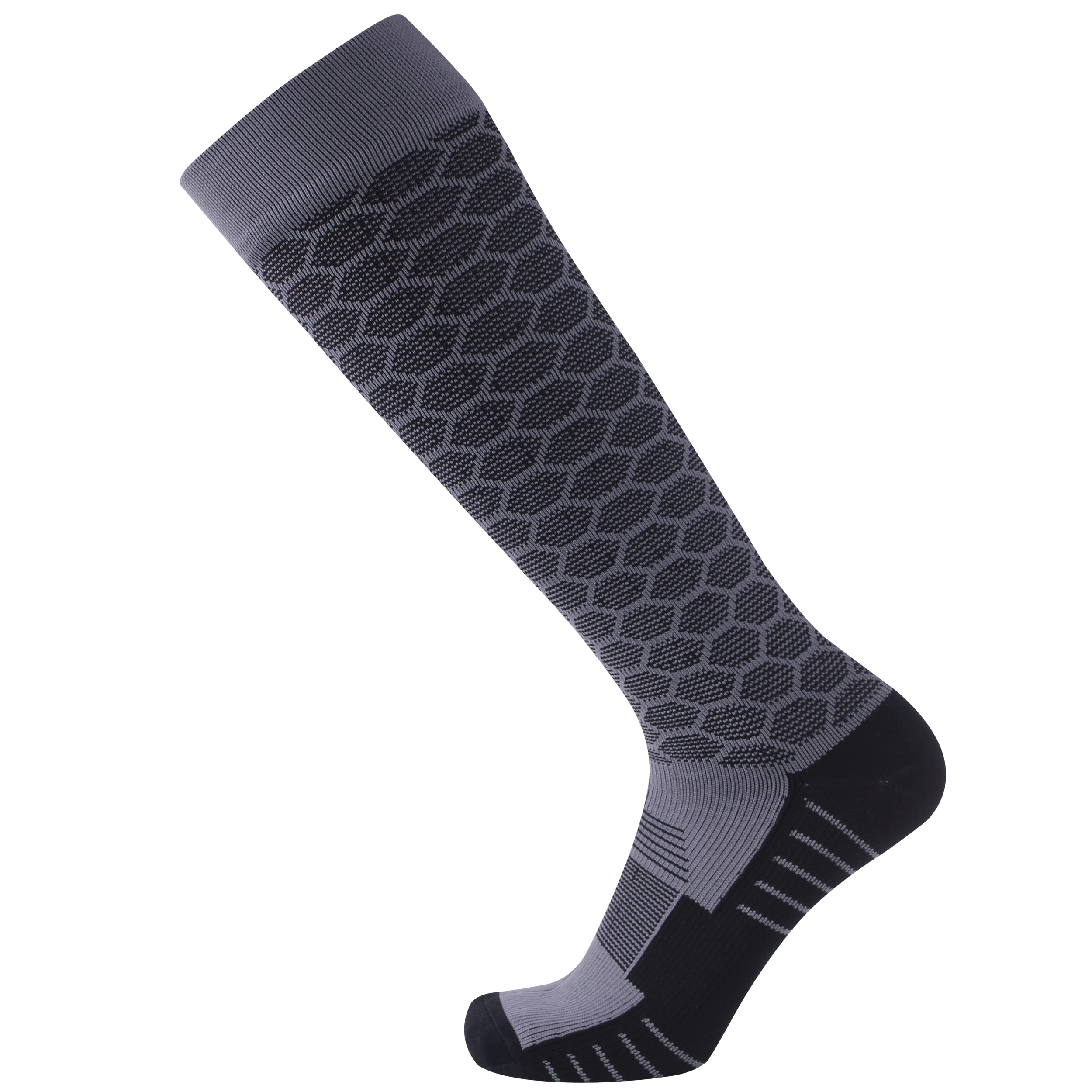
4. SuMade Waterproof Knee High Hiking Kayaking Socks
Covers the whole calf so cold river water has less skin to reach.
Your calf stays covered because of the knee-high length. Where a crew sock leaves your calf exposed to splashes and cold air, this one runs up to the knee — extra coverage for winter hiking, kayaking in cool weather, and wading where the water rises. The waterproof breathable membrane keeps moisture out, and the padded, shock-absorbing sole with a smooth toe is aimed squarely at blister prevention.
What owners describe most is the look and the moisture handling — the appearance and the wicking both draw steady praise. Functionality scores cleanly across the board, and people single out the warmth for cold-weather trips. It’s the pick for someone who wants their legs warm and their feet dry without layering long underwear.
Here’s the fair warning: water resistance reports split down the middle, and fit is mixed — some find it great, others say it runs large, and a few report leakage. If you’re between sizes on a knee-high sock, sizing down is the safer call. Treat the cuff as the weak point, keep it above the waterline, and this becomes a solid cold-water companion.
The height payoff: knee-high coverage in a waterproof membrane gives you warmth up the calf that a crew sock simply can’t. For chilly kayak sessions and winter wades, that coverage is worth more than any single fabric upgrade.
The fit caveat: reviews split on sizing and some note leakage, so get the size right and keep the top clear of the water.
Choose it for: cold-water kayaking and winter hiking where you want knee-high warmth and a waterproof barrier.
Pass if: you want a precise, true-to-size fit — the sizing reports are inconsistent.
5. CADDIS Black Neoprene Bootie with Gravel Guards
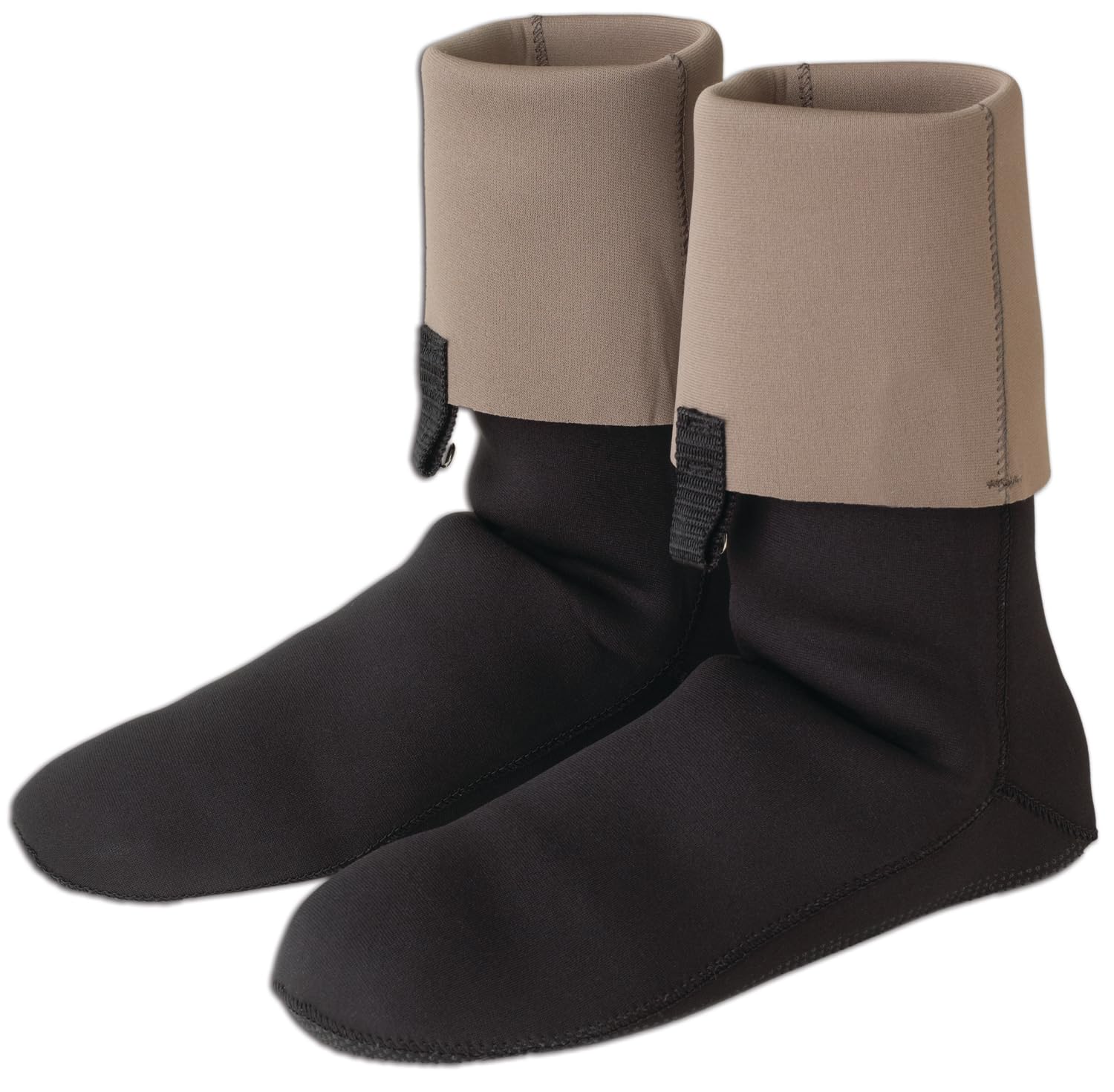
A bootie built for one job: keep gravel out and your feet warm while wet-wading.
If your wet-wading trips involve walking a gravel bar, this is the piece that saves your day. The neoprene bootie slips on like a sock and the attached gravel guards keep stone and grit from working into the boot. Owners describe it as effective exactly for that wet-wading job — the effectiveness trait comes up consistently and without complaint. It’s also warm, which matters when the water is colder than the air.
Quality is where it shines brightest, with fit right behind — people find it well made and well shaped. Value gets a nod too: it does its job without asking much.
The one thing to plan around is getting it on and off. Ease of use is the weak spot, with owners finding them tough to pull on and peel off, and sizing runs mixed — some find the XL roomy, others say the sizes run small. Buy your size deliberately, and don’t expect to slip these on in a hurry. Get past that and the gravel protection is worth the effort.
The case for the bootie
- Gravel guards keep grit out of the boot on rocky bars
- Neoprene traps warmth for cold-water wading
- Purpose-built for wet-wading effectiveness
- Simple value for a job-specific piece of kit
The honest friction
- Hard to put on and take off — plan for the struggle
- Sizing splits both ways, so some run small and some roomy
Worth it when: gravel bars and rocky riverbeds are the enemy and you want a bootie that shuts grit out.
Not for you if: you need to slide socks on fast — this bootie takes some wrestling.
6. Ducks Unlimited Merino Wool Blend Wader Sock (2-Pack)

The heavy wool sock that reaches over the knee and doubles as long underwear.
When the air is cold and the wader is thin, this is the layer that keeps your legs from going numb. The Merino wool and acrylic blend — wool for warmth, acrylic to hold the shape — is a heavy-weight knit with a full cushion leg and foot. That works out to 2 socks per pack, and the count fact worth knowing: you’re getting two against the one-pair waterproof options, a 2-to-1 gap that makes the value math interesting.
These are extra long — they go up past the knee — so they stand in for long underwear on a cold float. An arch support keeps the fit honest, so the sock doesn’t slide down mid-drift. Owners rank the quality the highest, warmth close behind, and comfort perfectly clean, with people noting they stay in place and don’t slide. For a dead-of-winter wade, that’s the combination you want.
Be clear on what this is and isn’t. It’s a wool warmth layer, not a waterproof barrier — it warms the foot inside a wader, it doesn’t block water. It’s also heavy, so reserve it for genuinely cold conditions rather than a warm summer wade.
The over-knee advantage: extra-long coverage that goes past the knee lets you skip long underwear on cold trips, and the full cushion leg absorbs shock on long days in the boots.
Not a waterproof sock: this is wool warmth, not a membrane — it’s built to be worn inside waders, not as a dry barrier on its own.
Right pick if: cold-weather trips are your thing and you want heavy over-knee wool warmth in a 2-pack.
Overkill if: you only wade warm summer water where a thin draining sock makes more sense.
7. RANDY SUN Unisex Waterproof Socks 2.0
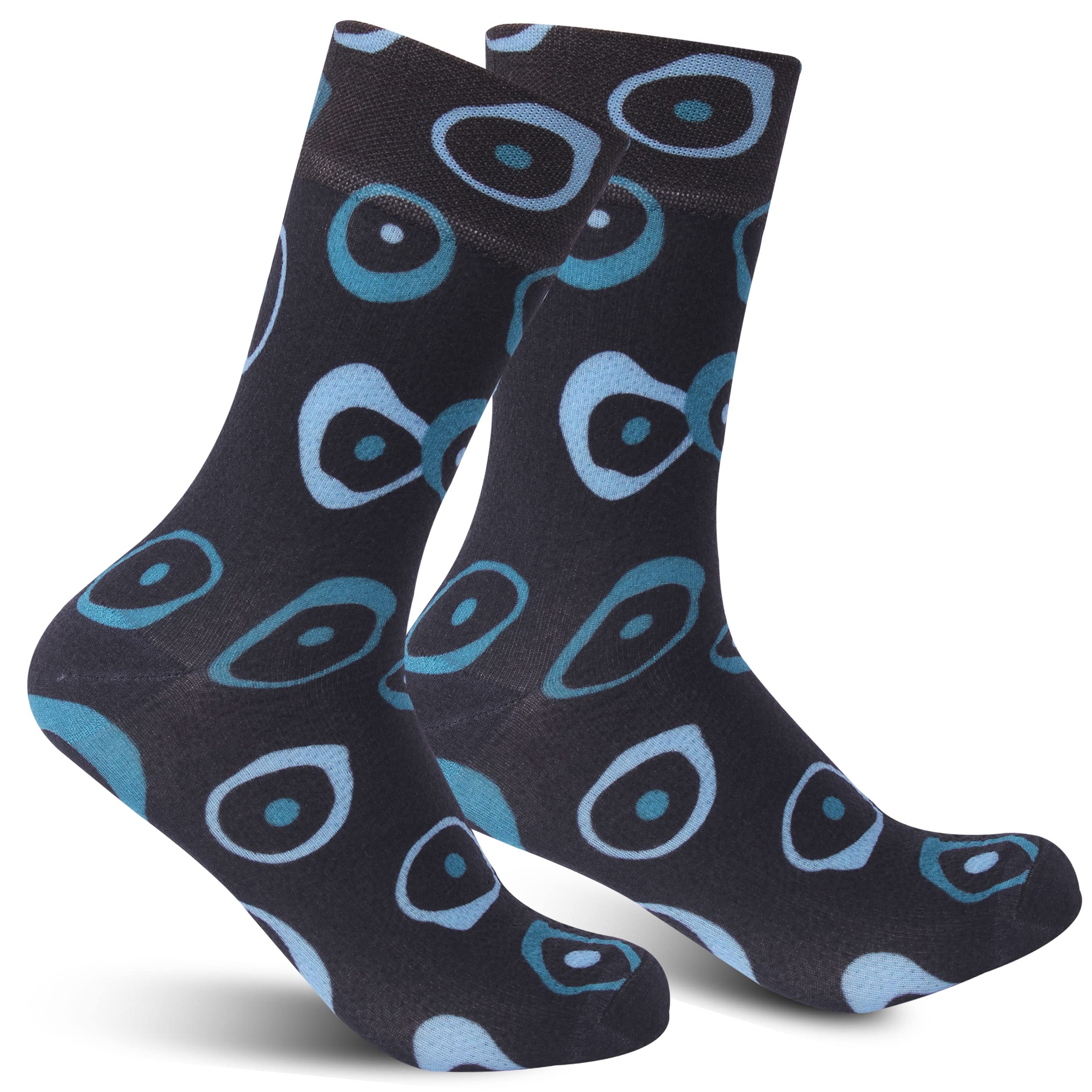
Barely-there waterproofing for creek crossings and rainy-day errands.
Some days you don’t want bulk — you just want the puddle to stay outside your shoe. Randy Sun’s 2.0 is built lighter and thinner than a standard waterproof sock, with a fabric membrane that stops water droplets while keeping the profile thin. It’s pitched at everything from crossing a creek to running in the rain to a wet walk on the beach.
Waterproofing is what it’s known for — that trait leads the conversation, and quality follows. The socks do the basic job well: keep water outside and stay comfortable enough to forget you’re wearing them. They come in crew and ankle builds, so you can match the height to your footwear.
Two things to weigh honestly. First, the thickness is thin — really thin — and some owners find it thinner than expected, so if you wanted cushioning, look to a neoprene sock instead. Second, moisture handling is mixed: some stay dry, others find their feet sweaty. It’s a precision waterproof layer, not a warm, cushioned one, so pick it for that strength.
Where thin wins
- Ultra-thin build slides into almost any shoe
- Waterproof membrane keeps droplets out on crossings
- Crew or ankle height to match your footwear
- Comfortable enough for all-day wear
Where it thins out
- Very thin — not the pick if you want padding
- Moisture handling is mixed, some feet run sweaty
Made for: quick creek crossings and rainy-day wear where minimal bulk matters most.
Look past it if: you want cushioning or warmth — this sock’s whole identity is thin.
8. Agdkuvfhd Waterproof Neoprene Unisex Socks
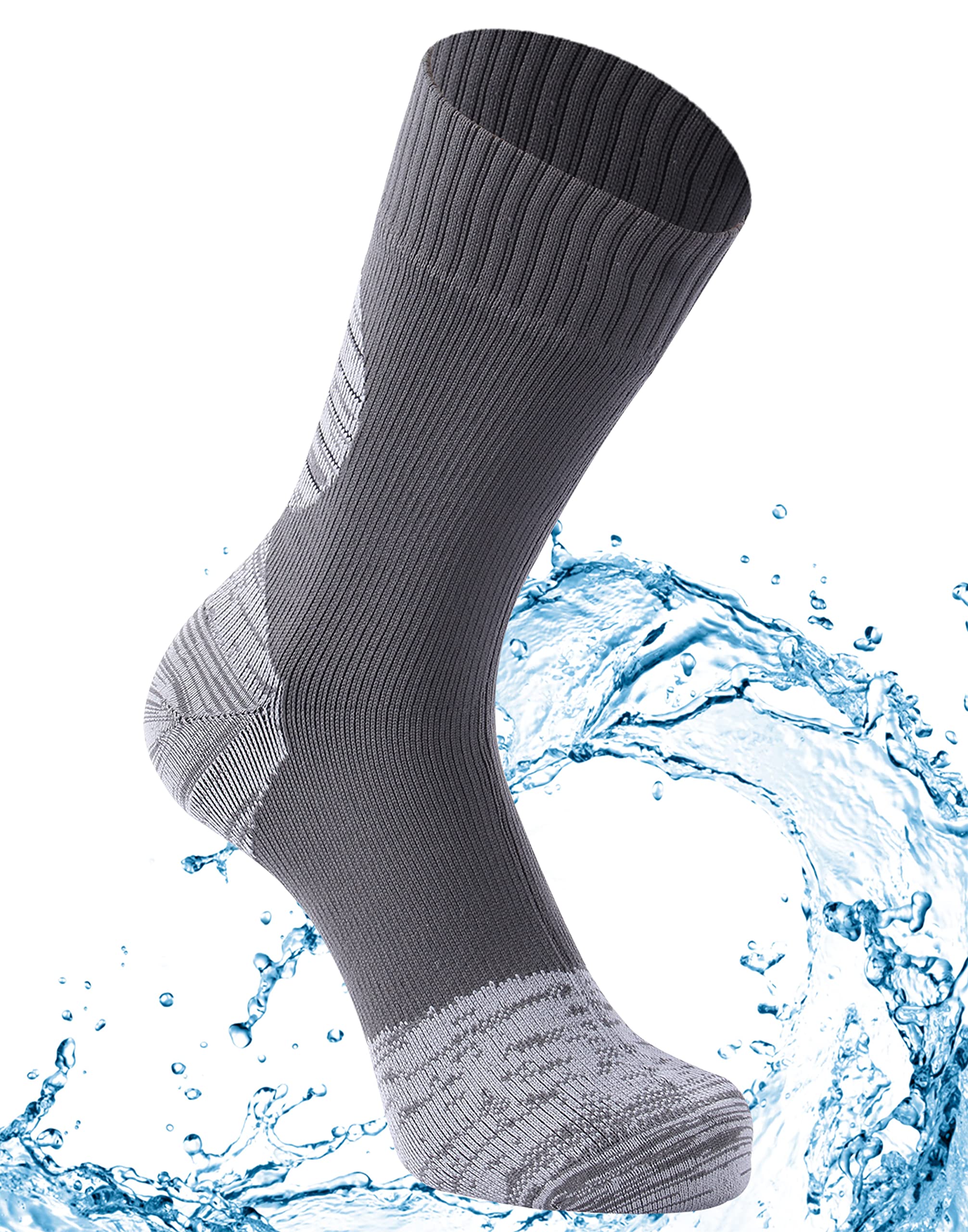
An affordable three-layer sock that keeps water out and wicks sweat on the trail.
You get premium-style layers at a budget-friendly price: an outer shell of 61% waterproof nylon, 32% polyester, and 7% elastane; a middle 100% PU waterproof and breathable membrane; and a Coolmax-and-polyester lining that pulls sweat off your skin. The result is a sock that keeps water out while letting your foot breathe.
Owners celebrate the fit most — consistently strong — and moisture content sits right behind it. People find these comfortable enough to feel like regular socks, and they keep feet warm with good insulation. Targeted arch compression and a smooth toe keep them from slipping or rubbing on the move. Compared with the single-pair waterproof options above, the construction here is a genuine bargain.
The affordable side comes with a caveat. Water resistance is mixed — some find them truly waterproof, others say water gets inside, usually from rising over the cuff. Thickness also splits opinion, with some finding them too thick. Size it right and keep water below the top, and it does what a budget waterproof sock should.
The value read: three layers of construction for an entry-level price gets you a waterproof membrane and Coolmax wicking without the premium tag.
The catch: water resistance splits between owners and the thickness feels too much for some — so mind the cuff height and your sizing.
Grab it if: you want a workable waterproof sock on a budget and can dial in the fit.
Leave it if: you’ve had trouble with membrane socks letting water over the top before.
Know the Specs
Neoprene thickness (2.5mm vs 3.5mm)
Neoprene is a rubber-family material that stays warm when wet. Thicker neoprene (3.5mm) traps more warmth but eats boot room; thinner (2.5mm) fits a snugger boot. Neither blocks water — both drain and warm, so pick by water temperature and boot fit, not by “waterproofing.”
Waterproof membrane layers
A membrane sock sandwiches a thin barrier between an outer shell and an inner lining. It blocks water up to the cuff, then lets water in over the opening. That’s why every membrane sock carries the same rule: keep the top above the waterline or the barrier is defeated.
Gravel guards
Gravel guards are a fabric collar that seats against the boot to keep stones and grit from working down inside. On a gravel bar they stop the chafing that ends a walk early. You’ll find them on booties and guard socks.
Sock height
Ankle socks suit warm wet wading and quick crossings. Crew height bridges boot and wader. Knee-high and over-the-knee socksf add leg warmth and stand in for long underwear on cold trips — more coverage means a longer warm zone.
Common Questions
Will waterproof socks keep my feet dry when I wade deep?
Should I wear a thin liner sock under neoprene wading socks?
What is the difference between neoprene socks and waterproof membrane socks for wading?
How do I size socks for wading?
Can I wear wading socks without wading boots?
How should I wash and dry waterproof wading socks?
Do merino wool wader socks keep feet warm when wet?
Why do my waterproof socks smell after a few trips?
Are thicker neoprene wading socks warmer than thin ones?
What is a gravel guard on a wading sock for?
The Bottom Line
The socks for wading that suits most warm-water anglers is the Korkers I-drain Neoprene Guard Sock — the 3.5mm form fit and perforated footbed drain water fast, and at 4.5+ stars from 300+ ratings it’s the crowd’s pick. If cold water and a barrier are your priority, the DRYMILE Slim Waterproof Socks give you a thin, all-season membrane with a sealed cuff. And for a heavy over-knee wool layer on the coldest floats, reach for the Ducks Unlimited Merino Wool Blend Wader Sock. Whichever way your water runs, get the thickness and the height right first — that single call decides whether you stay warm and dry or spend the day squelching.
How we choose
We do not accept paid placement. Every pick is matched to a real buyer and a real use-case; we do not hands-on test units.
Sources
Specifications: manufacturer listings and product documentation. Review insights: verified customer reviews, as of November 2026. Pricing: not shown on this page (it changes often); check the current price via the retailer link.
As an Amazon Associate, Tactical Gear Guy earns from qualifying purchases. This does not affect which products we feature.