Specs are compiled from manufacturer listings and verified buyer reviews and can change over time — please confirm the key details on the product page before buying.
If you wake up exhausted after eight hours in bed, the problem may be that nobody measured what actually happened overnight. A good sleep monitor for adults shows you how often you stirred, how long you spent in deep sleep, and whether your breathing stayed steady. The right one disappears on your wrist or finger and records without a nightly charging ritual. The wrong one needs charging every night, feels bulky at 3 a.m., and buries your sleep stages behind an app you stop opening. The picks below sort that out: an Apple Watch that measures HRV (heart rate variability — the tiny changes in time between heartbeats) as often as every five minutes, a screenless band that runs 14+ days on a charge, a 2-gram ring, and a headband that reads your brain waves directly.
This guide is built by comparing the manufacturers’ published specifications and the patterns across verified customer reviews, so you get each pick’s real strengths and trade-offs instead of marketing spin.
Most adults wear their tracker around the clock, so comfort at night matters as much as sensor quality. Below are honest picks for the best sleep monitors for adults, ranked by comfort, battery life, and the sleep data each one actually reports.
Top Picks

How To Choose The Best Sleep Monitors for Adults
The hardest part of tracking sleep is not the sensor — it is finding a ring, band, or watch you can forget you are wearing by 3 a.m. A watch that feels fine at dinner can press into your wrist like a pebble at 4 a.m. So the first filter is always how it sits on your body, and the second is what it actually measures while you are out cold.
Wrist, finger, or headband
A wrist watch gives you the widest picture. It joins sleep data with heart rate, workouts, and daytime activity, so you can see that a hard gym session or a late meal knocked your recovery down. A smart ring takes up the least space and stays out of the way, and a screenless band has no display at all to light up your bedroom. A headband sits over your forehead and reads brain activity directly (more on that below), but you are giving up workout features to get there.
What sleep staging actually needs
Sleep stages are the phases your body cycles through: light sleep, deep sleep, REM (dream sleep), and awake time. Every device here estimates those stages from sensors rather than watching you directly. The Apple Watch uses movement and heart signals plus a sleep score. The WHOOP 5.0 names REM, deep, light, awake time, sleep need, sleep debt, and sleep consistency as separate tracked values. The Oura Ring 5 and Oura Ring 4 both track over 50 health metrics including sleep. Look for the device that reports the specific sleep stage or number you plan to act on, rather than the one with the longest feature list.
Battery life decides whether it sleeps with you
A tracker that dies at 2 a.m. logs a partial night and leaves you guessing about the rest. Battery life is quoted in days on most of these devices, and longer is simpler for anyone who forgets to charge. The WHOOP 5.0 runs 14+ days, the Withings Scanwatch 2 runs up to 35 days on a single charge, the Garmin Forerunner 570 runs up to 10 days in smartwatch mode, and the RingConn Gen 2 runs up to 10-12 days depending on ring size. A watch like the Pixel Watch 5 quotes up to 40 hours, which means a nightly charge habit. Set that expectation before you buy.
Membership and sizing surprises
Some devices sell the hardware but require a subscription to see the useful insights. The Oura Ring 5 and Oura Ring 4 both include the first month of membership, with a monthly subscription afterwards. The RingConn Gen 2 states no subscription fees for its app. Sizing is the other common gotcha: the RingConn Gen 2 and both Oura rings use their own sizing standards, not standard jewelry sizes, so check the sizing kit before you commit to a finger. A ring that fits badly lets the sensors lift off your skin and gives worse data than one that fits well.
Side-by-Side Comparison
| Model | Best For | Form | Battery Life | Weight | Amazon |
|---|---|---|---|---|---|
| Apple Watch Series 12★ Best Overall | All-day health on your wrist | 42mm watch | Up to 24 hours | 8.6 ounces | Amazon |
| WHOOP 5.0Longest Stretch Per Charge | Screenless continuous wear | Band | 14+ days | 3.84 ounces | Amazon |
| RingConn Gen 2Best for Breathing Checks | Sleep breathing insights | Smart ring | 10-12 days | 2 grams | Amazon |
| Oura Ring 5 | Smallest ring form | Smart ring | Up to 8 days | — | Amazon |
| Galaxy Watch Ultra | Rugged outdoor tracking | 47mm watch | 2 days | — | Amazon |
| Pixel Watch 5 | Android users and sleep scores | 45mm watch | Up to 40 hours | — | Amazon |
| Withings Scanwatch 2 | Analog looks, long battery | 38mm hybrid | Up to 35 days | — | Amazon |
| Oura Ring 4 | Sleep-first ring tracking | Smart ring | Up to 8 days | — | Amazon |
| Muse S Athena | Brain-wave sleep sensing | Headband | — | — | Amazon |
| Garmin Forerunner 570 | Runners who also track sleep | 42mm watch | Up to 10 days | — | Amazon |
| Galaxy Watch Ultra2 | Serious outdoor durability | 47mm watch | — | — | Amazon |
Detailed Reviews
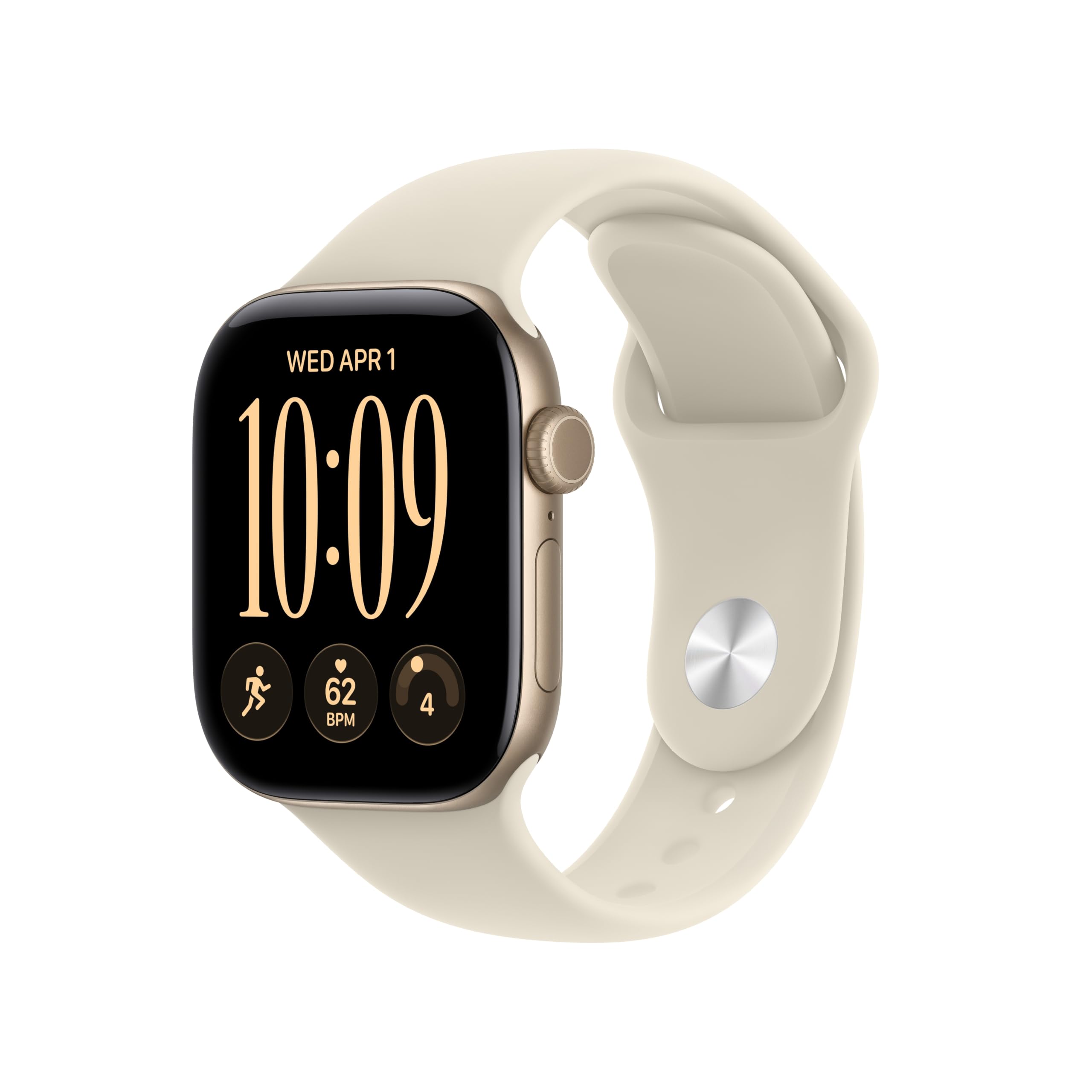
1. Apple Watch Series 12 GPS 42mm Smartwatch
Our pick — 4.5+★ from 550+ verified ratings; the strongest balance of quality and price.
The sleep tracker that doubles as everything else you wear all day.
What makes this the pick for most adults is that it never asks you to choose between a sleep device and a watch. Overnight it logs your health metrics in the Vitals app and hands you a daily sleep score. The heart sensor measures HRV (heart rate variability — how much the gap between beats varies, which reflects stress and recovery) as often as every five minutes. It also takes background heart rate readings every five seconds. For anyone who wants to know why last night felt restorative and tonight felt rough, that pairing is the whole answer.
Then there is the morning question of whether you should push or rest. The readiness experience weighs your recent activity, vitals, and sleep into one view, so you get a straight read before you lace up. A long-time watch wearer will not mind. Somebody who has never slept in a watch will.
Charging is the real habit to plan for. Apple quotes up to 24 hours of normal use, and 15 minutes on the charger is enough for up to 12 hours of use. Translation: a short top-up while you shower covers the night. Durability is settled too — the aluminum case carries Ceramic Shield 2, which Apple describes as tougher than any smartwatch glass, and the titanium and ceramic versions use crack-resistant sapphire crystal. Owners who moved up from older Series models tend to describe the jump as dramatic rather than incremental.
Where it pulls ahead
- HRV sampled as often as every five minutes gives you a detailed stress and recovery read
- Background heart rate readings every five seconds keep the overnight picture continuous
- A 15-minute fast charge covers up to 12 hours of use, so night tracking survives a busy day
- Fall and severe crash detection round out the safety side without extra hardware
The honest caveats
- Up to 24 hours means a daily charging routine, not a weekly one
- At 8.6 ounces it is the heaviest pick here and you will notice it overnight
- Needs an iPhone or Wi-Fi for its connected features
Go this way: you want sleep data plus workouts, safety alerts, and notifications in one 42mm watch.
Think twice: you want to go a week without charging — the 24-hour rating makes that impossible.
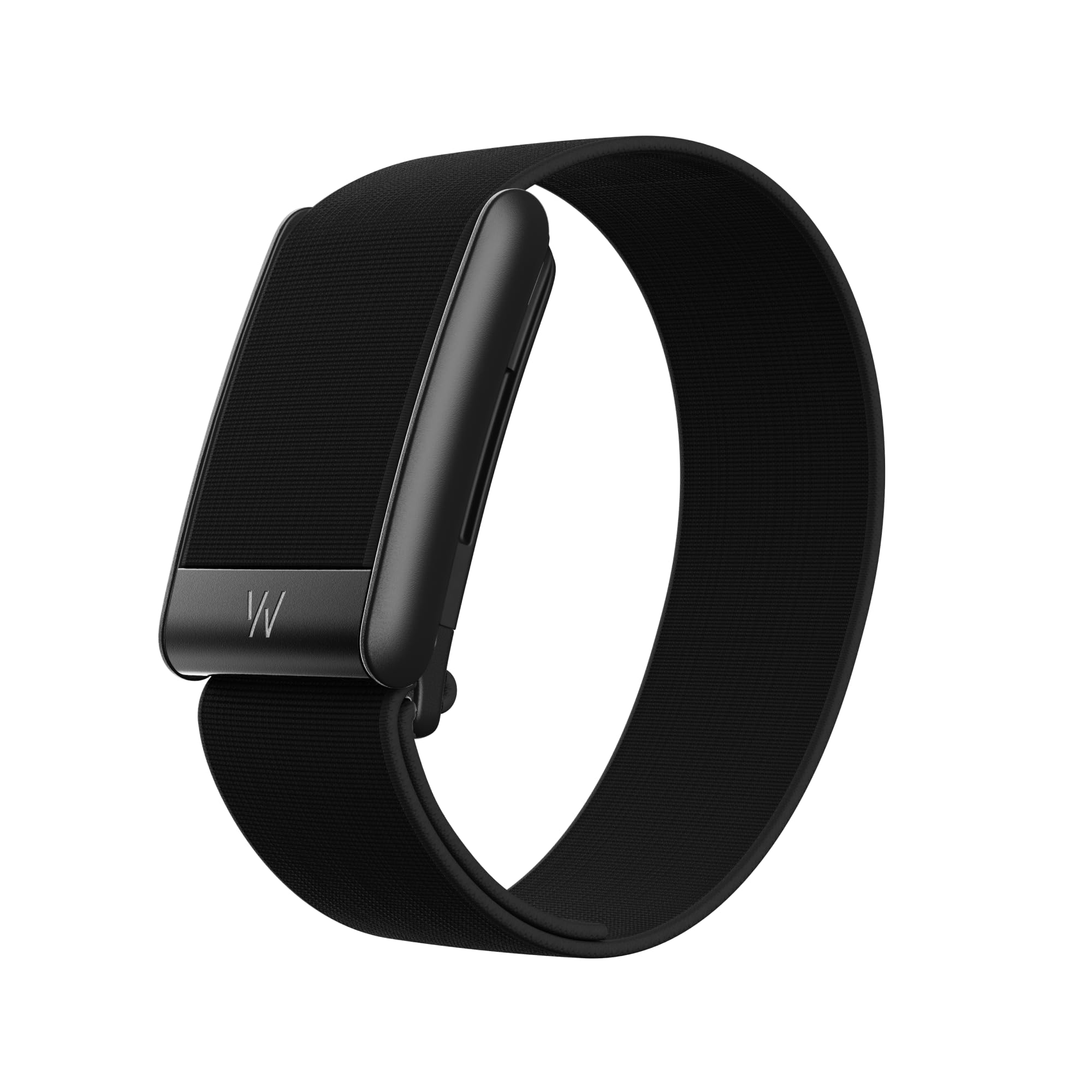
2. WHOOP 5.0/MG Wearable
Fourteen days between charges and not a single light to disturb you.
If the reason you stopped wearing a sleep tracker is that you kept taking it off to charge, start here. The WHOOP 5.0 quotes 14+ days of battery life, which stretches well past the RingConn Gen 2 at up to 10-12 days. It is also light — 3.84 ounces, against 8.6 ounces for the Apple Watch Series 12. The band has no screen and no vibration overnight, so there is nothing lighting up your bedside table at 3 a.m. That is the point of the design, not a missing feature.
The sleep breakdown is unusually specific. It names REM sleep, deep sleep, light sleep, awake time, sleep need, sleep debt, sleep consistency, and sleep efficiency as separate values. Daily habits such as training, alcohol, and travel get cross-referenced against those numbers, and the app turns 140+ health and fitness metrics into next-step guidance. A Journal tool tracks 160+ daily behaviors so you can see which one moved your sleep. Heart rate and HRV tracking is rated 99%+ by the maker, and continuous monitoring runs day and night without you starting or stopping anything.
What wins people over is the quality of the experience as a whole — the device itself and the insight it feeds you. What you should know before buying is that some units have been inconsistent. The membership model is baked in: your purchase includes a 12-month WHOOP One membership with the device at no additional cost, and the hardware only functions with that plan.
What you’re really buying: a membership with the hardware thrown in, plus an app that turns your night into named stages and a recovery number.
Set your expectations on: reliability. A failed charger or a band that disconnects is the recurring frustration, so keep the purchase channel handy and charge it as directed.
Reach for it if: you want continuous overnight data and can go two weeks without thinking about a cable.
Look elsewhere if: you would rather own the hardware outright without an ongoing membership tied to the app.
3. RingConn Gen 2 Smart Ring
Two grams on your finger, and it watches how you breathe while you sleep.
If your sleep problem is breathing rather than schedule, the RingConn Gen 2 is the pick. It is built around sleep breathing insights, developed with universities and hospitals, and it tracks sleep apnea with real-time AHI data (apnea-hypopnea index — a count of breathing pauses per hour) and personalized insights in its app. Since apnea happens while you are unaware, the value is in the morning readout rather than anything you feel at night.
Comfort is where a ring beats a watch outright. It weighs just 2 grams depending on size and uses an ultra-thin titanium body, so it does not catch on a pillow or press into your wrist. Water resistance goes up to 100m, which means showers and swimming are fine. Battery life runs up to 10-12 days, with the larger 12-14 sizes reaching up to 12 days, and the charging case can extend that well beyond — 150 days is the figure RingConn gives when you count the case.
The catch is sizing and app expectations. The ring’s sizing standard is its own, not the U.S. system, so you should order the sizing kit first — a loose or tight ring undercuts everything the sensors do. The app carries no subscription fees, which is a genuine advantage over the Oura rings here. It also tracks activity, sleep, stress, heart rate, HRV, and blood oxygen saturation, and OTA updates keep adding features.
The plain-language read: a featherweight ring with no subscription and a narrow specialty — it is at its best when you want to know what your breathing did overnight.
Best matched to: side sleepers who hate wristbands and want breathing data without a monthly fee.
Skip the guesswork on: finger size — use the RingConn sizing kit, because standard jewelry sizes do not apply.
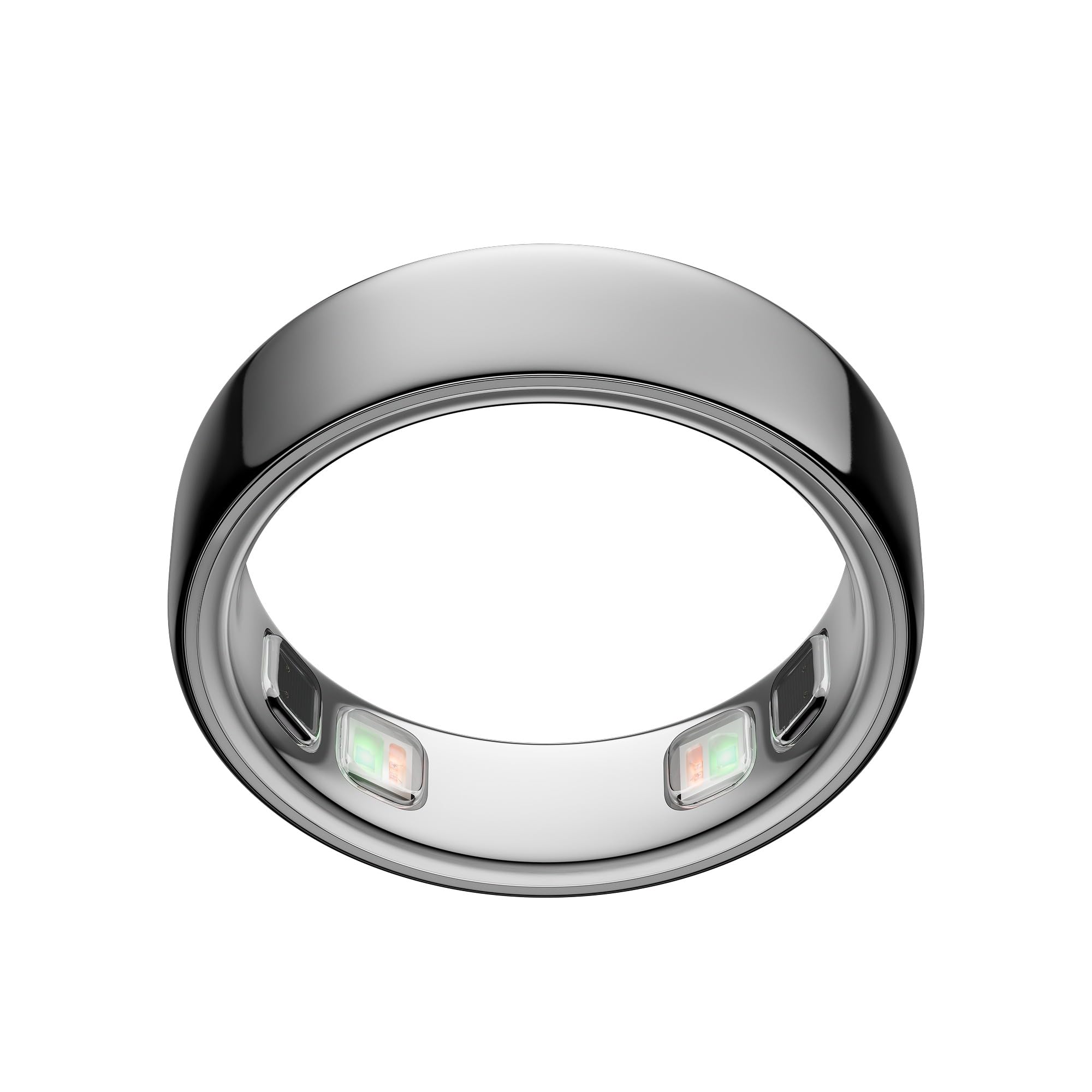
4. Oura Ring 5 Smart Ring
The ring so small you forget it is measuring your night.
Oura’s fifth-generation ring is 40% smaller than the previous generation, with an all-titanium body that resists scratches better than before. For sleep tracking specifically, the appeal is that you never notice it. There is no screen and nothing on your wrist to tangle in the sheets. The sensors were rebuilt larger and smarter for more precise data, and it tracks over 50 health metrics spanning sleep, activity, stress, heart health, metabolic health, and women’s health.
Battery life is modest next to the band-style trackers — the spec sheet lists 6 days — but the app side is where Oura earns its keep. It integrates with more than 40 apps including Natural Cycles and Strava, so the overnight data flows into tools you already use. Comfort is the quiet story here: the ring is designed to be worn around the clock, including while you sleep, without becoming the thing you notice at 2 a.m.
Two things to plan for. First, membership — the first month is included for new members, and the subscription cost applies afterwards, tied to your account through the app rather than the physical ring. Second, sizing. Oura Ring 5 uses its own sizing, different from standard jewelry rings and from earlier Oura generations, so the sizing kit is not optional. A poor fit is the most common reason a ring like this gets abandoned.
Worth knowing
- 40% smaller than the last generation with a scratch-resistant all-titanium shell
- Over 50 tracked metrics, including sleep, stress, heart, and women’s health
- Syncs with more than 40 apps so your overnight data does not live in one silo
- Charges in 80 minutes, so a top-up fits inside a morning routine
Plan around this
- Membership is required to get the full picture, and it renews at a monthly cost after the first month
- Its 6-day battery trail is shorter than the WHOOP band’s 14+ days
- Finger sizing must come from the Oura Ring 5 sizing kit, not a jewelry ring
Worth it when: you want the least visible tracker possible and will use the app integrations.
Look past it when: you object to an ongoing subscription for the deeper insights.
5. Samsung Galaxy Watch Ultra (2024) 47mm LTE Smartwatch

A titanium tank that grades your sleep and tells you whether to go hard.
The Galaxy Watch Ultra treats sleep as an input rather than a report card. Its Energy Score with Galaxy AI analyzes yesterday’s sleep, heart rate, and steps into a physical-readiness number, and Wellness Tips turns what your watch and phone collect into daily suggestions. That is the opposite of a device that just hands you a graph — it tells you what to do with the graph. The titanium case and buckle silicone band are built to take a beating, including rainy or dusty conditions and ocean swimming.
Under the hood the battery is rated at 2 days with a 590 milliamp-hour capacity and a 2-hour charge time. That is a wider margin than the Apple Watch Series 12 at up to 24 hours. Heart Rate Tracking with Galaxy AI filters out body movement during workouts for more precise readings. There is also a 47mm display, and the watch supports blood pressure style vitals alongside sleep and steps.
What wins people over is the build and the functionality together — a device that feels substantial and does a lot. The trade-offs are real, though. Some units have had sensor dropouts and slower-than-expected charging. A few owners found the silicone band irritating after repeated wear. And 2 days of battery is fine if you charge on a schedule, but it is not the set-and-forget experience the screenless band offers.
My read: pick this if you want one rugged watch that turns overnight data into a readiness number for training. The Energy Score is the standout, the 590mAh battery is the 2-day limit, and the band is the thing to watch if your skin is sensitive.
Go here if: you train hard and want sleep to feed a daily readiness score.
Not your match if: you want a watch your skin never complains about — a few owners found the strap irritating.
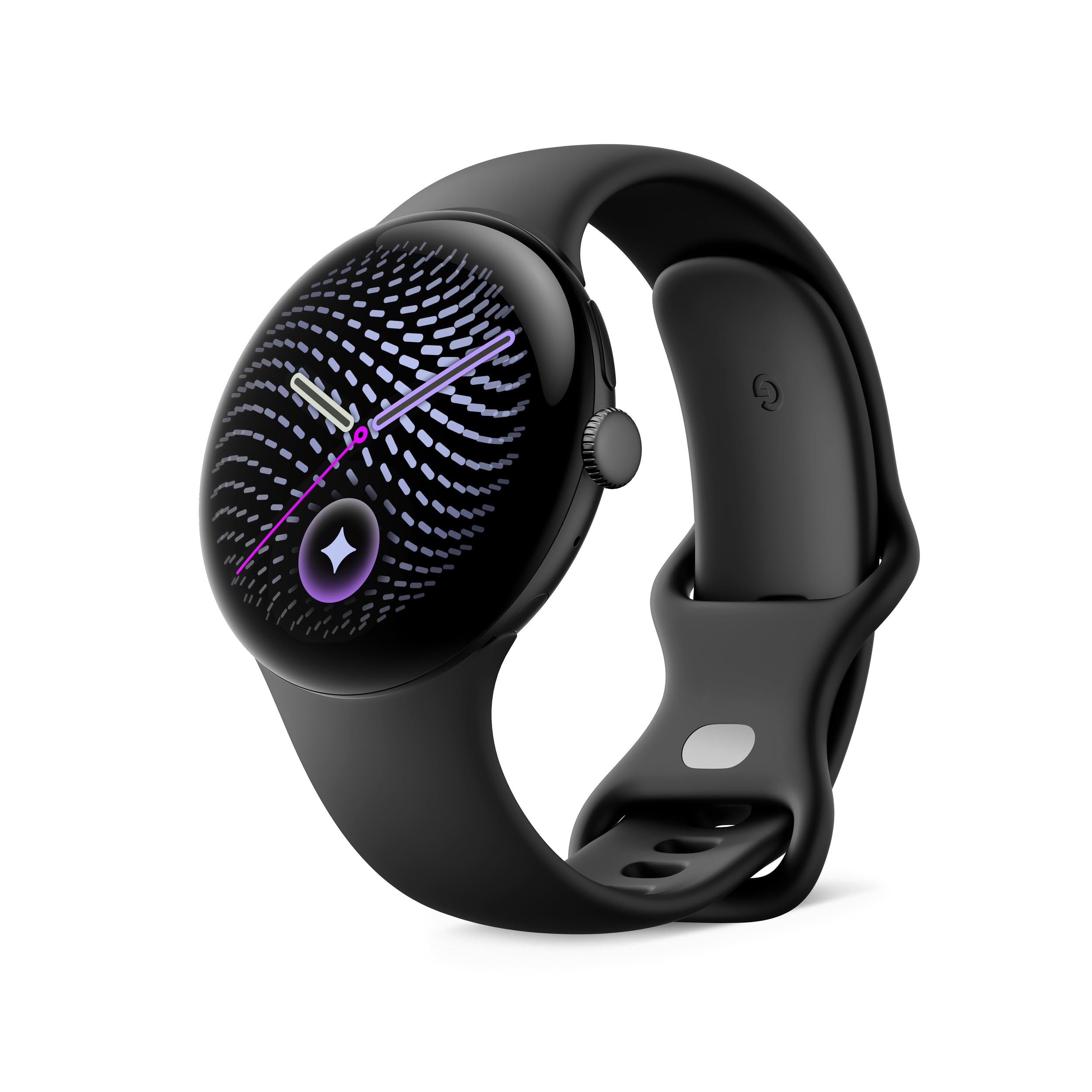
6. Google Pixel Watch 5 (45mm)
Sleep stages, breathing regularity, and one score that sums it all up.
For Android owners, the Pixel Watch 5 makes the overnight data unusually easy to read. It captures the time you spent in each sleep stage and your breathing regularity, then rolls it all into a personalized Sleep Score. The 45mm domed Actua 360 display uses scratch-resistant Gorilla Glass, and the watch quotes up to 40 hours of battery. That is a longer stretch than the Apple Watch Series 12 at up to 24 hours, though both still mean a charging habit.
The health side goes deeper than sleep. Advanced sensors support Google’s most accurate heart rate tracking, fine-tuned for your activity, and the watch pairs that with Gemini Intelligence for proactive, personalized insights from Google Health. There is one safety feature no other pick here lists: Loss of Pulse Detection, which can prompt a call to emergency services. Comfort is fine for all-day and overnight wear, and the band comes in small and large sizes in the box.
Here is the compatibility line that matters. This watch works with Android devices only and is not compatible with iOS. If you carry an iPhone, it is a non-starter regardless of how good the Sleep Score looks. Some owners also hit integration snags with apps like Strava, so check the services you rely on before you commit. Charging itself is quick, which softens the daily routine.
Strengths that matter overnight
- Sleep stages and breathing regularity distilled into one personalized Sleep Score
- Up to 40 hours of battery gives you slack between charges
- Heart rate tracking fine-tuned for activity, per Google
- Loss of Pulse Detection can prompt a call to emergency services
Fit notes
- Android only — it will not work with an iPhone
- A few owners hit app integration issues such as Strava
Your pick if: you carry an Android phone and want the simplest overnight readout of the watches here.
Pass if: you use an iPhone, because this one explicitly does not support iOS.
7. WITHINGS Scanwatch 2 38mm
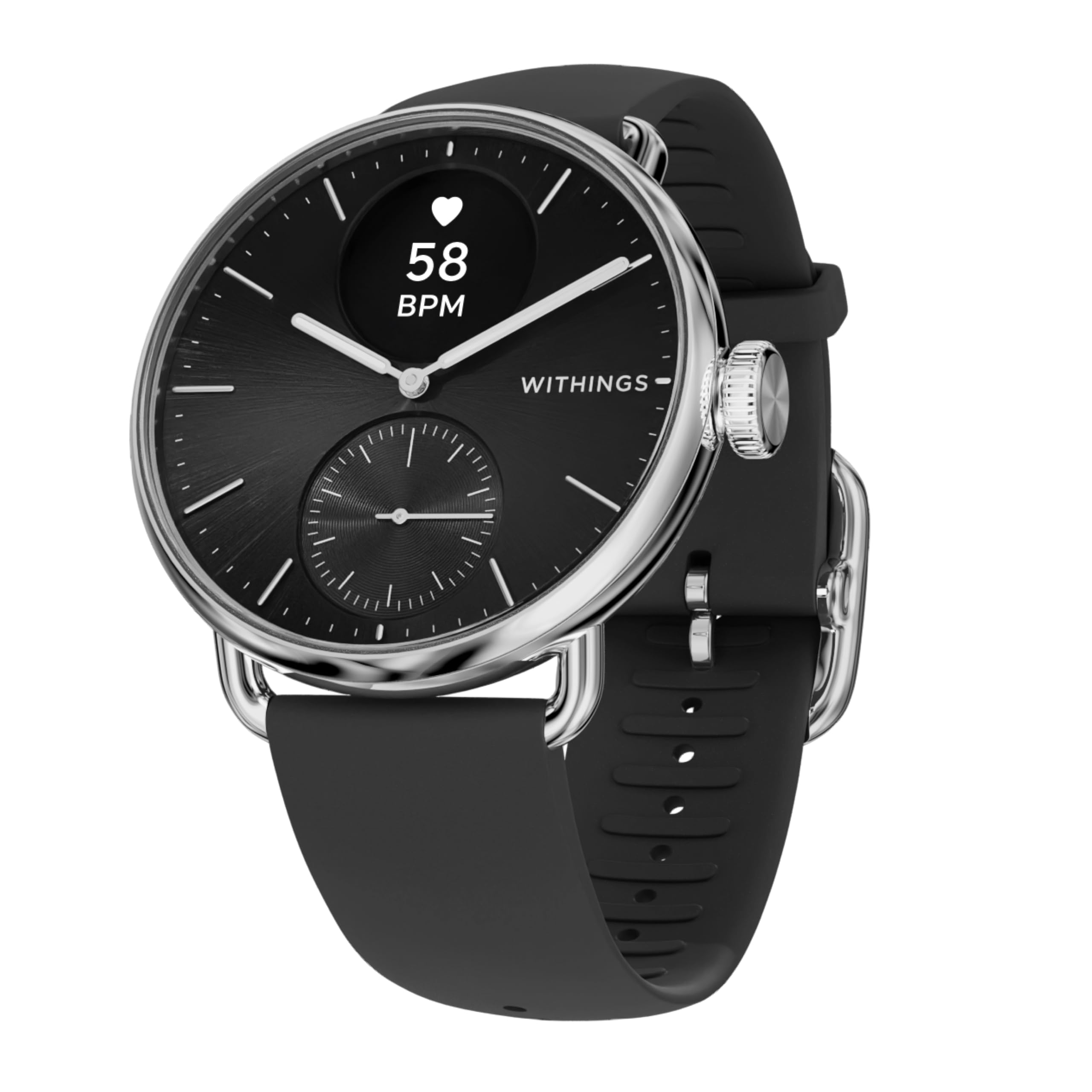
A real watch face that quietly logs your sleep for weeks at a time.
Up to 35 days of battery life on a single charge is the number that sets this hybrid apart — far beyond the Garmin Forerunner 570 at up to 10 days and the Pixel Watch 5 at up to 40 hours. The Scanwatch 2 uses analog hands over a stainless steel case with sapphire glass, so it reads as a traditional watch rather than a computer strapped to your wrist. It keeps tracking day and night throughout that run without a nightly charge ritual.
The health package is broader than the looks suggest. There is a 30-second medical-grade ECG (electrocardiogram — a heart rhythm reading taken from the watch) with AFib detection through the Withings ECG App, plus continuous heart rate tracking and high and low heart rate notifications. For sleep, it records sleep stages and breathing, then feeds those into a Vitality Score. It also tracks over 40 sports with VO₂ max and heart rate zones, and it works with both Android and iOS through the Withings App.
The trade-off is fit and finish consistency. A few owners found step and floor counts drifting far from reality, and the analog hands have occasionally lost the correct time. More importantly, Withings states that this watch should not be used if you have a pacemaker or internal defibrillator, because it is not compatible. That is a firm boundary, not a preference.
Straight answer: the 35-day battery and analog face make this the only pick here you can genuinely forget about. skip it if you wear a pacemaker or internal defibrillator, and treat the step counts as a rough guide rather than a precise ledger.
Suits you if: you want an everyday watch that tracks sleep stages and heart rhythm without a screen on your wrist.
Rule it out if: you have a pacemaker or internal defibrillator — Withings lists it as incompatible.
8. Oura Ring 4 Smart Ring – Gold – Size 15

The ring people keep on through night shifts and long flights.
Sleep tracking is what the Oura Ring 4 does best, and it does it without a screen or vibration to nudge you awake. Smart Sensing adapts to you and delivers continuous data day and night, and it tracks over 50 health metrics across sleep, activity, stress, heart health, and women’s health. It carries the same titanium build and slip-on fit as the rest of the family, and the gold finish looks like jewelry rather than a health device.
Battery is where the numbers split. Oura’s own materials say up to 8 days, while the technical spec lists a 5-day average life, with an 80-minute charge time. Either way it lasts several nights without a top-up, which is the point for anyone who tracks sleep continuously. The trade-off is durability: scratch marks show up with normal daily wear if you skip a protector, and the finish can wear. A few rings have also stopped holding a charge after months of use, so treat the finish gently and keep your purchase record.
Sizing is mandatory to get right — Oura Ring 4 uses its own sizing, different from standard jewelry rings, and the sizing kit is the only reliable way to land on the right finger. Membership also applies: the first month is included for new members, and the subscription is tied to your account through the app afterwards.
What wins people over: the overnight experience — it stays comfortable for 24/7 wear and the sleep data is the headliner.
The trade-off to size up: the finish scratches under everyday use and an occasional ring stops holding a charge, so factor in a protector and reasonable care.
Made for: sleep-focused wearers who want a ring that disappears on the finger and reports stages clearly.
Consider the RingConn instead if: you want no subscription fee and a lighter 2-gram body.
9. Muse S Athena Headband
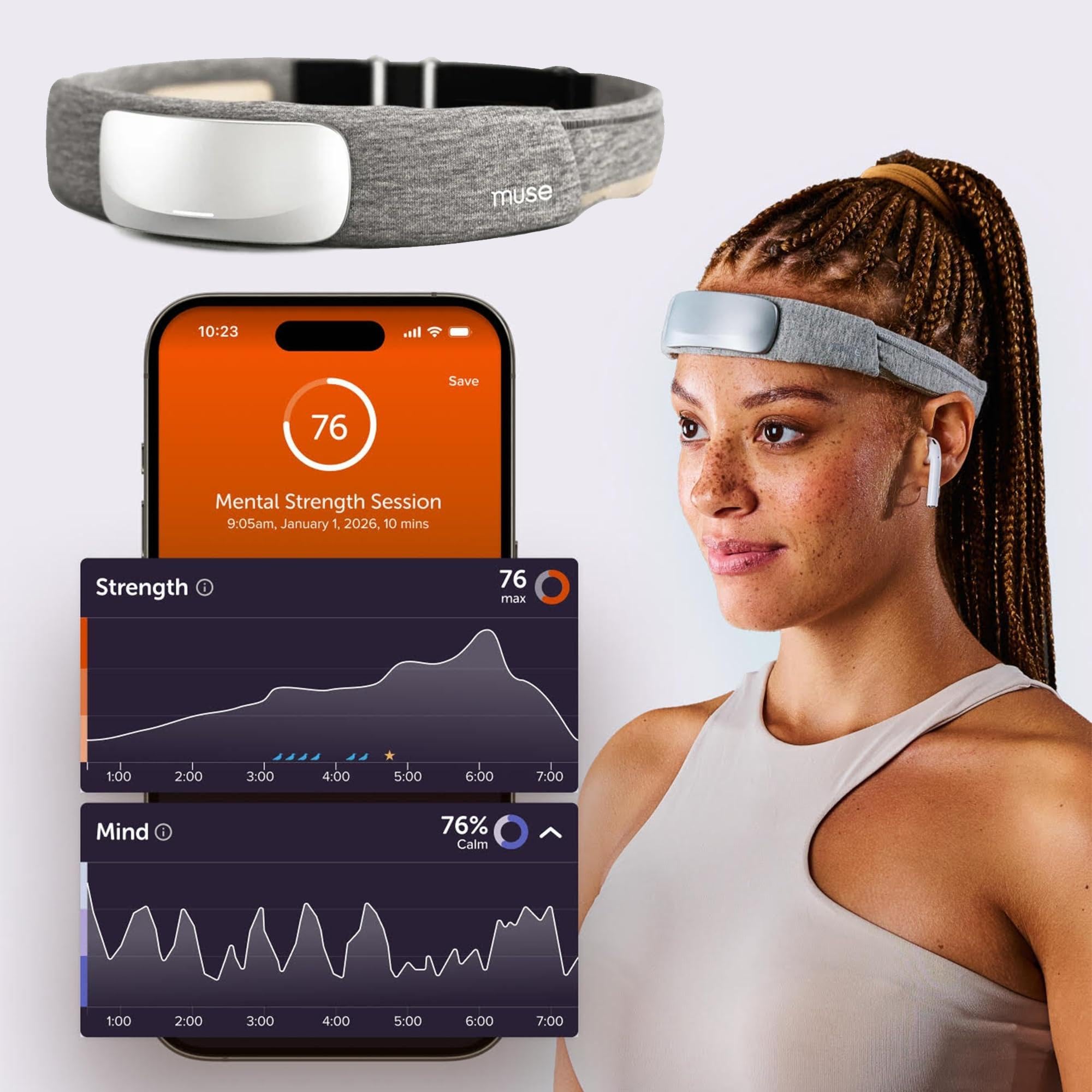
It reads brain activity straight off your forehead instead of guessing from your wrist.
This is a different approach to sleep tracking entirely. The Muse S Athena uses EEG (electroencephalography — sensors that pick up electrical activity from your brain) combined with fNIRS (a light-based method for measuring blood flow) to monitor sleep, focus, and recovery. That brain-level data is what separates it from every wrist and finger device on this list, all of which infer stages from movement and heart signals. It also adds Deep Sleep Boost, built to detect slow-wave sleep and sustain it longer.
The practical side is softer. The headband is described as comfortable to sleep with, and the sensors must make skin contact after you position them on your forehead. Setup and instructions have been described as poorly explained, and a few buyers needed several tries before any stats appeared in the app. It is a device that rewards patience — the insights are rich once the sensors sit correctly, but it is not a plug-and-play overnight tracker.
The other thing to know is the subscription. The headband works from the start for the core tracking, but premium software — an AI Coach, deeper brain insights, and 500+ meditations — sits behind a separate subscription. Several owners feel that puts the best features out of reach. It pairs over Bluetooth to the Muse app, where you choose a meditation, sleep, or brain training session.
Why it is different
- EEG plus fNIRS sensing reads brain activity rather than estimating from movement
- Deep Sleep Boost targets slow-wave sleep and is designed to hold it longer
- Works with the Muse app over Bluetooth for meditation, sleep, and brain training sessions
- The headband design is comfortable enough to wear through the night
What to accept
- Sensor contact on the forehead takes a few attempts to get right
- Setup instructions are frustratingly thin
- The best software requires a separate subscription
Perfect fit: a disciplined sleeper willing to fiddle with sensor placement in exchange for brain-level data.
Better to look elsewhere if: you want to strap something on and have numbers waiting in the morning.
10. Garmin Forerunner 570, 42mm, Aluminum, Bone/Mango

Turns last night’s sleep into this morning’s training verdict.
For runners, sleep only matters if it changes the workout ahead. The Forerunner 570 wires sleep quality, recovery, training load, and HRV status into a Training Readiness score, so you wake up with a clear read on whether to push or pull back. A morning report summarizes sleep, recovery, HRV status, training readiness, and weather, and an evening report reminds you of sleep needs and tomorrow’s plan. That loop is the reason to pick this over a pure sleep device.
Battery runs up to 10 days in smartwatch mode and up to 18 hours in GPS mode, with a 42mm aluminum bezel sized for smaller wrists and a 20mm silicone band. The AMOLED touchscreen is Garmin’s brightest, and it also takes button input. Built-in microphone and speaker let you take calls from the watch when it is paired to your smartphone. Garmin Coach builds running and triathlon plans that adapt to your performance and recovery, and there are 30+ built-in activity profiles.
The recurring gripe is value, not function. Some owners feel the price sits high for what the hardware delivers, while others call it their best Garmin yet. Sleep data is one of the watch’s clear strengths, and the accuracy of the tracking was specifically called out as outpacing competitors in wearers’ own comparisons. If running is the center of your training, that trade is easy to accept.
Bottom line from the data: a runner’s watch first and a sleep tracker second. The Training Readiness score and the 10-day smartwatch battery are what you are paying for, and the 42mm aluminum case keeps it from swallowing a smaller wrist.
A natural fit for: runners and triathletes who want sleep to feed directly into a training plan.
Questionable for: anyone who does not run — you are paying a premium for training tools you will not touch.
11. Samsung Galaxy Watch Ultra2 47mm
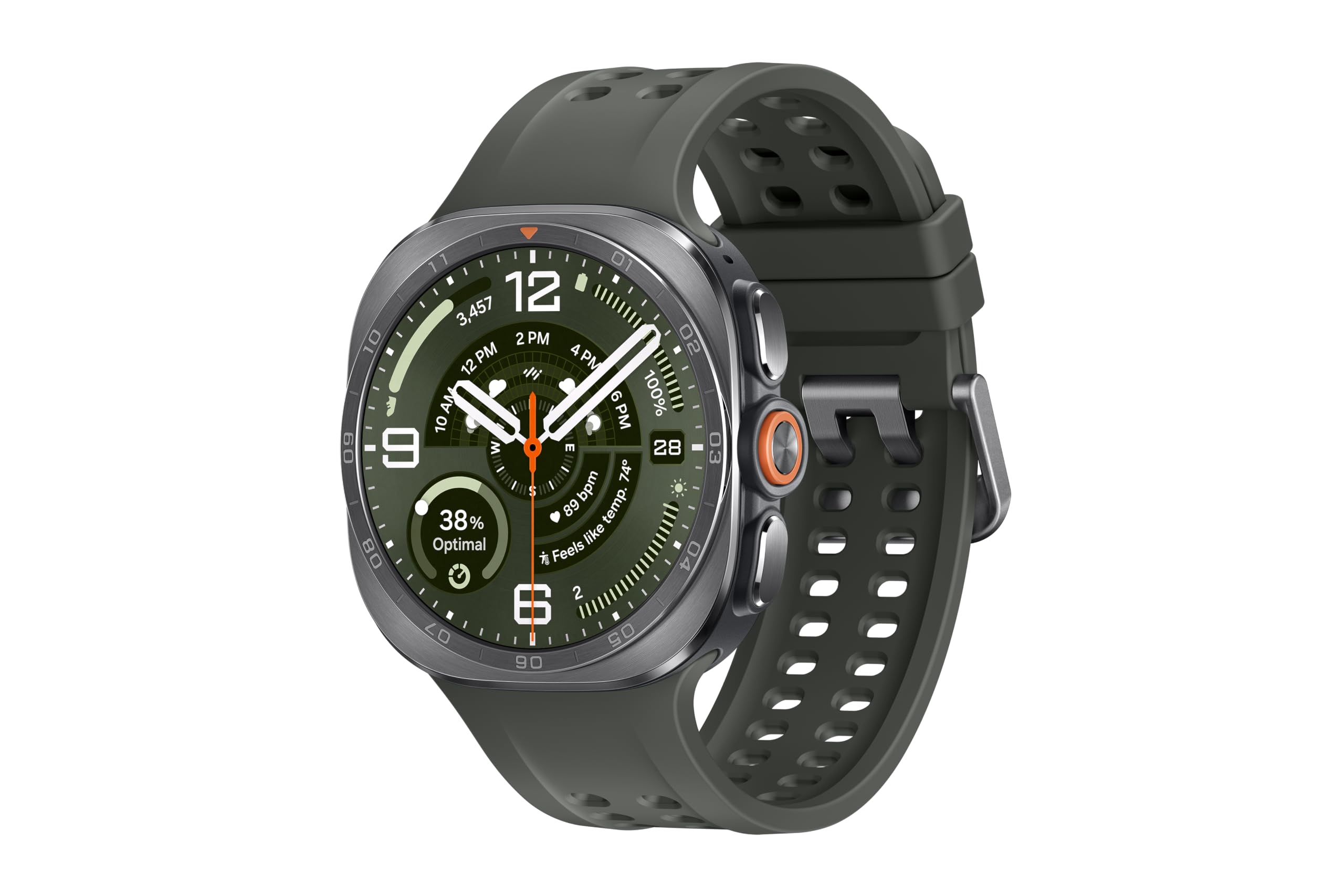
A 47mm titanium watch that watches five health metrics while you sleep.
Vitals is the sleep feature to pay attention to here. It tracks 5 different health metrics while you sleep, catches shifts from your usual patterns, and offers guidance based on what it finds. That makes the overnight data actionable rather than decorative. The watch also carries an IP69K and 10ATM rating, meaning it is dust-tight and water resistant up to 100m, so dust and water are not a concern whether you are on a trail or in a lake.
The outdoor credentials run deep for a sleep monitor. An EN13319-certified dive computer app from Mares adds real-time ascent and descent monitoring, limit depth notification, and safety stop information. The display reaches up to 5,000 nits of brightness, so it stays readable on a sunny hike. Built-in LTE connectivity lets you make calls, send texts, and receive updates even when your phone stays at home. A single personalized heart health score pulls your overall cardiac picture into one view.
Two things to weigh. Battery life has divided some owners — several describe getting 3 days and fast charging, while others report it running short, so plan on a nightly routine to be safe. And this is a Samsung-familiarity device: it pairs with Samsung phones and other Android phones through the Galaxy Wearable and Samsung Health apps, and does not work with an iPhone.
Who it is built for: anyone who wants a rugged titanium watch that doubles as a serious outdoor instrument and still tracks five vitals overnight. The 100m water resistance and dive app are the standout specs, the battery is the unknown to plan around, and it is an Android-only affair.
Choose it when: you want dive-grade durability and LTE calls from your wrist alongside sleep vitals.
Do not choose it when: you carry an iPhone — Samsung lists Android smartphone compatibility.
Know the Specs
HRV (Heart Rate Variability)
HRV measures the tiny differences in the gap between one heartbeat and the next. A higher variation often reflects a recovered, rested body, while a compressed range can hint at stress or poor sleep. The Apple Watch Series 12 samples HRV as often as every five minutes, and that frequency is one of the clearest measures of recovery you can read each morning.
Sleep Stages
Light sleep, deep sleep, REM (dream sleep), and awake time are the phases your body cycles through across a night. Devices here estimate those stages from sensors rather than measuring them directly. The WHOOP 5.0 reports stages individually alongside sleep need, sleep debt, and sleep consistency, while the Pixel Watch 5 rolls stages and breathing regularity into a single Sleep Score.
Battery Life in Days
This is the spec that decides whether a device can realistically track every night. Up to 35 days on the Withings Scanwatch 2, 14+ days on the WHOOP 5.0, and up to 10 days in smartwatch mode on the Garmin Forerunner 570 mean you can go weeks between charges. A 24-hour rating on the Apple Watch Series 12 or 40 hours on the Pixel Watch 5 means a daily habit instead.
EEG and fNIRS Sensors
EEG sensors pick up electrical activity from your brain, while fNIRS uses light to measure blood flow. Both are what the Muse S Athena relies on to read sleep and focus directly. The advantage is brain-level data rather than estimation. The trade-off is that the sensors must make firm skin contact on your forehead, and getting that contact correct takes practice.
Ring Sizing Standards
Smart rings do not use standard jewelry sizes, and the RingConn Gen 2 and Oura Ring 4 and RingConn Gen 2 each use their own scale. A ring that is too tight presses on the finger overnight, and one that is too loose lets the sensors lift away from the skin. Both hurt the data. Always start with the brand’s sizing kit for the exact model you plan to wear to sleep.
Smart rings do not use standard jewelry sizes, and the RingConn Gen 2 and both Oura rings each use their own scale. A ring that is too tight presses on the finger overnight, and one that is too loose lets the sensors lift away from the skin. Both hurt the data. Always start with the brand’s sizing kit for the exact model you plan to wear to sleep.
Common Questions
Is a smart ring or a watch better for tracking sleep overnight?
Will the RingConn Gen 2 or Oura Ring fit like my normal ring size?
Does the Oura Ring require a subscription to see sleep data?
How accurate is sleep tracking on a wrist device compared with a headband?
Can I wear the Apple Watch Series 12 overnight if I charge it daily?
Does the Pixel Watch 5 work with an iPhone?
What is the AHI number the RingConn Gen 2 reports?
Should anyone avoid the Withings Scanwatch 2?
How long does the WHOOP 5.0 battery actually last between charges?
Do I need to take the Oura Ring off to charge it during the night?
The Bottom Line
For most adults, the sleep monitors for adults winner is the Apple Watch Series 12, because it logs a daily sleep score alongside HRV sampled as often as every five minutes, then wraps that in fall and crash detection so the same watch looks after your safety. It is the crowd favorite here at 4.5+ stars across 500+ owners, and the deeper ratings count on a couple of the rings does not change which device earns the higher score. If you want to stop charging every day, grab the WHOOP 5.0 and its 14+ days of battery. For the lightest possible overnight tracker with no subscription, the RingConn Gen 2 at 2 grams is the one to reach for.
How we choose
We do not accept paid placement. Every pick is matched to a real buyer and a real use-case; we do not hands-on test units.
Sources
Specifications: manufacturer listings and product documentation. Review insights: verified customer reviews, as of November 2026. Pricing: not shown on this page (it changes often); check the current price via the retailer link.
As an Amazon Associate, Tactical Gear Guy earns from qualifying purchases. This does not affect which products we feature.