Specs are compiled from manufacturer listings and verified buyer reviews and can change over time — please confirm the key details on the product page before buying.
Your glasses fog up before the engine warms up, and by the time you hit the trail you are riding half-blind with a cold nose and a smeared lens. The fix is a goggle with enough interior volume to sit over your prescription frames without pressing them into your face, and this shortlist covers the nine worth your attention. Every pick here is verified prescription-compatible, either through an over-the-glasses fit or a purpose-built frame cavity deep enough to clear your eyewear.
This guide is built by comparing the manufacturers’ published specifications and the patterns across verified customer reviews, so you get each pick’s real strengths and trade-offs instead of marketing spin.
You will see the difference between a goggle that merely fits over glasses and one engineered for them, and why the tint percentage matters more on a snowmobile than on a ski slope. Below are the picks that keep your sight lines clean on a cold, fast trail. These are the prescription snowmobile goggles that earn their place in your helmet bag.
Top Picks

How To Choose The Best Prescription Snowmobile Goggles
The single most important question is whether the goggle actually has room for your glasses. A goggle can say over-the-glasses on the box and still pinch your temples after twenty minutes at speed, so look for wording about extra interior volume or a finely crafted cavity. That extra interior volume is the difference between a goggle that tolerates your glasses and one built around them.
Over-the-glasses fit versus a prescription insert
OTG (over-the-glasses) means the goggle sits over your regular frames. That is the simplest route because you do not need to order anything custom, and every goggle on this list states OTG compatibility. A prescription insert is a separate lens carrier that clips inside the goggle. Only buy that path if the listing explicitly names an insert — none of these picks promise one, so treat OTG as your working assumption.
Why the lens tint percentage matters on a snowmobile
VLT is the share of light the lens lets through. A 32% VLT lens, like the one on the Giro Cruz, handles mixed clouds and sun, while a 41% VLT lens, like the Giro Moxie, lets in noticeably more light for flatter conditions. A yellow lens rated 77% VLT is for night and storm riding. Snowmobile trails often shift from bright open field to shaded tree line, so a mid-range tint is usually the safer first lens.
Fog is the real enemy, not cold
An anti-fog coating on the inside of the lens is standard on every pick here, and some listings describe it as permanent. The coating slows fog but does not erase the physics: a sealed goggle with a warm face behind it will fog when you stop moving. Ventilation and a double-layer foam seal do as much work as the coating, which is why heated lenses exist for the coldest riders.
Side-by-Side Comparison
| Model | Best For | Prescription Fit | Lens / VLT | Lens Count | Amazon |
|---|---|---|---|---|---|
| Oakley O-Frame 2.0 PRO★ Best Overall | All-round trail riding | OTG compatible | HDO lens, tint not stated | 1 | Amazon |
| Giro Cruz Asian FitBest Fit | Asian-fit noses and frames | OTG cavity | Amber Gold, 32% VLT | 1 | Amazon |
| Odoland Photochromic OTGBest Two-Lens Value | Changing light, two lenses | OTG compatible | Photochromic, UV400 | 2 | Amazon |
| Giro Moxie | Women riders, low light | OTG friendly | Amber Pink 41% / Yellow 77% | 2 | Amazon |
| OutdoorMaster Heron | Frameless wide view | OTG design | UV400, swap lenses | 2 | Amazon |
| 509 Sinister X6 | Big field of view | OTG Phantom frame | Anti-fog, anti-scratch | 1 | Amazon |
| Giro Index OTG | Wide heads and large frames | OTG, extra volume | Amber Scarlet, 39% VLT | 1 | Amazon |
| Wynthorix Heated | Deep cold, active fog control | OTG compatible | 100% UV, 3 heat modes | 2 | Amazon |
| Wynthorix Polarized Heated | Glare control plus heat | OTG compatible | Polarized, 100% UV | 2 | Amazon |
Detailed Reviews
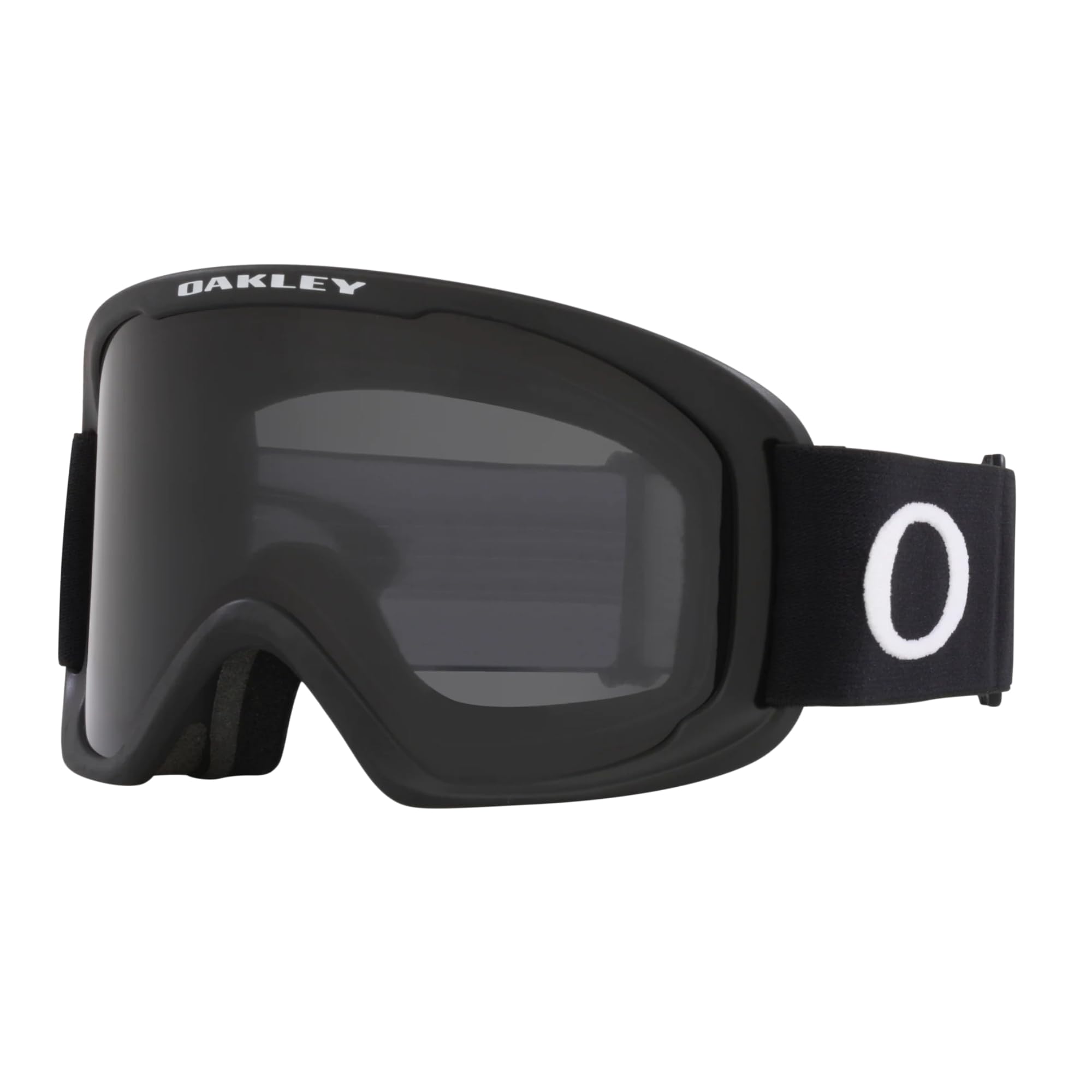
1. Oakley O-Frame 2.0 PRO M/L/S Ski Goggles for Men for Women
Our pick — 4.5+★ from 500+ verified ratings; the strongest balance of quality and price.
The pair that clears your frames and keeps the trail sharp without asking you to fidget.
Start with the fit: these goggles are built to sit over all eyeglasses, so your prescription frames stay on your face and the lens stays over them. Oakley states the over-the-glasses fit plainly in the specs rather than leaving you to guess. The interior is sized for a full eyeglass frame, which means you are not fighting to jam the arms of your glasses against the foam.
HDO High Definition Optics is the term Oakley uses for its lens technology, and the claim is that it eliminates distortion compared with conventional lenses. In plain terms, straight edges and the ridge of the trail should look straight rather than bowed. The silicone-lined strap is wide and adjustable, and the silicone is there to grip the shell of your helmet so the goggle does not creep up at speed.
The anti-fog coating is applied inside the lens and is described as permanent. Permanent matters, because a coating that wears off after a season of wiping leaves you buying a replacement lens. Quality is the thing buyers talk about most here, and the rating sits at 4.5+ stars across 500+ ratings — a solid, well-reviewed pick rather than a gamble. The honest caveat: anti-fog results are split, with some riders reporting no fog at all and others saying it builds up badly when they stop. If you run hot or ride a machine that puts off engine heat at your face, plan on a heated lens instead.
What earns the top spot
- Worn over all eyeglasses by design, not by luck
- HDO optics aim to cut distortion for a straighter view of the trail
- Permanent anti-fog coating on the inside of the lens
- Silicone-lined strap grips the helmet shell so it stays put
Where it can let you down
- Anti-fog performance is not consistent for every rider
- Ships with a single lens, so a second tint is on you
Go for it if: you want the most reviewed, highest-scoring goggle on this list and your glasses are standard-size frames.
Look elsewhere if: you ride in deep cold where fog builds fast — the heated picks handle that better.
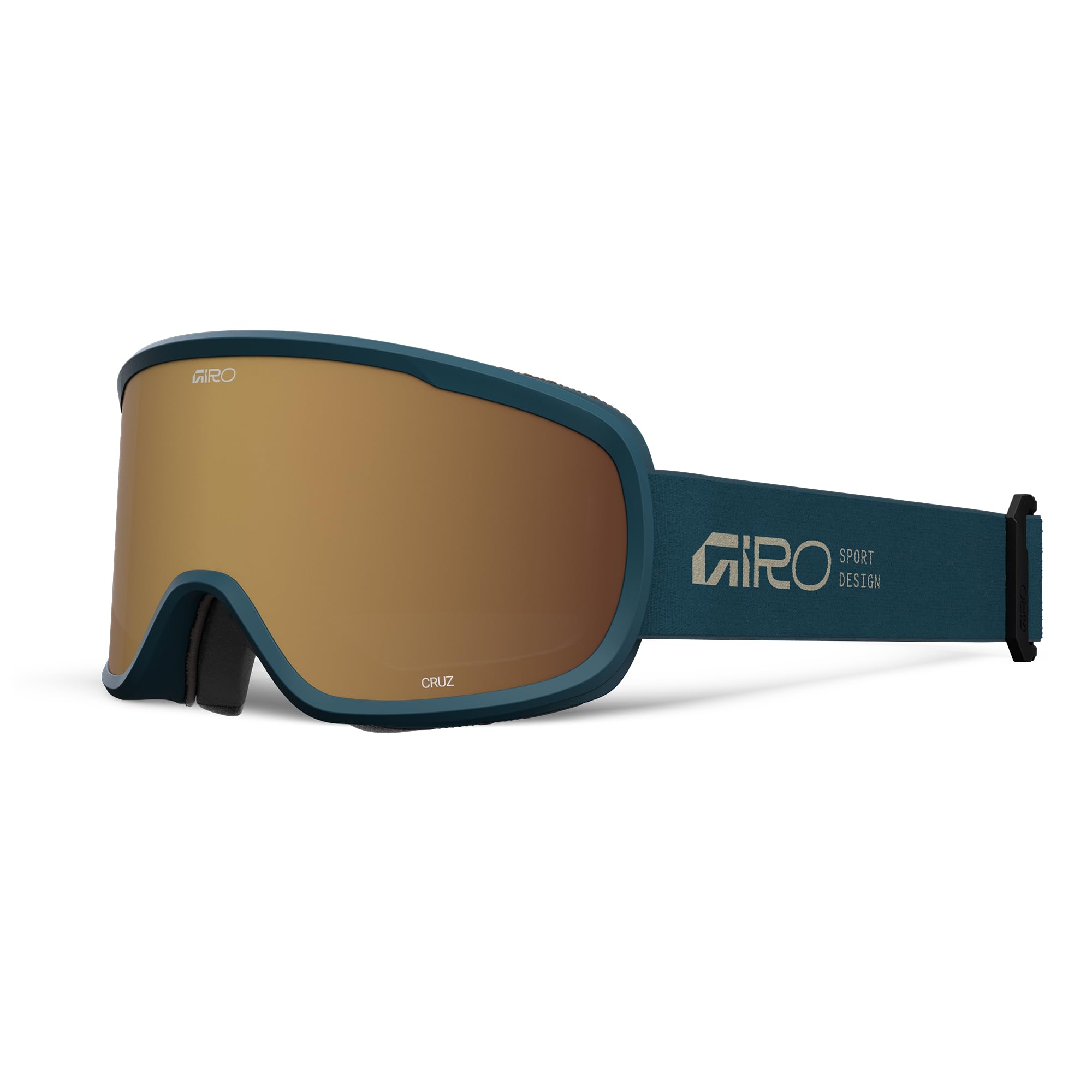
2. Giro Unisex Adult Giro Cruz Asian Fit Ski Goggles
Built for a lower nose bridge, so the seal closes instead of gapping.
If standard goggles sit high on your nose and leak cold air underneath, try this shape. The Asian Fit cut is the whole reason to pick the Cruz over the other Giro here. Fit is what rides highest in owner feedback — the goggle seals properly on a flatter nose bridge and keeps snow out. That seal change stops the cold draft along the bottom edge that makes a long trail day miserable.
The lens is an Amber Gold cylinder rated 32% VLT, for mixed clouds and sun. Compare that with the 41% VLT on the Giro Moxie in this list: the Cruz lets in less light, so it is the brighter-day lens of the two. On a grey afternoon the Moxie’s 41% gives you more usable light, while the Cruz keeps glare down when the sun comes out over the tree line.
Giro builds its helmets and goggles to work together, so this pairs cleanly with a Giro lid. The interior is engineered with extra volume to hold prescription frames comfortably, and that extra air space is also part of why it fogs less when you are moving. The PressFit lens system means you can swap the lens when conditions turn. At 4.5+ stars across 90+ ratings, it is a smaller sample but a well-liked one, and the caveat is simple: if your nose bridge is standard rather than lower, the fit advantage is wasted on you.
The nose-bridge win: A goggle that actually seals beats any lens coating, and the Asian Fit geometry closes the bottom edge for riders whose goggles always leak cold air there.
Pairing note: smooth compatibility here means Giro-to-Giro, so a Giro helmet gets you the cleanest interface.
The right call when: your goggles have always floated on your nose and let snow in underneath.
Pass it by when: you need one lens to handle both bright sun and deep dusk — the fixed 32% tint is a mixed-light lens only.
3. Odoland Photochromic OTG Ski Goggles
One lens that shifts tint on its own, plus a spare you can snap on in seconds.
Photochromic means the lens darkens and lightens as the light changes, so you are not stopping to swap lenses when the trail moves from open field to shadowed timber. Odoland pairs that with a magnetic lens system, so when you do want the bonus detachable lens you pop the old one off and click the new one in. The magnets let you swap lenses in about ten seconds with cold fingers, which is what you want when the weather turns.
The frame is flexible TPU with three layers of soft sponge and a large spherical lens, and the strap is extra long and adjustable so it fits over a helmet. UV 400 protection covers the full UV spectrum, and anti-slip silicone on the strap keeps it from sliding back. Owners rate the quality and the value highly, and switching lenses as the light changes is the feature that gets called out as genuinely easy.
The honest catch is visibility. Some riders report the view is not as clear as they hoped, and fit splits the same way — it works great for some and not for others. At 4.5+ stars across 150+ ratings, most people are happy, so treat the visibility reports as a warning to check the lens tint for your usual riding conditions rather than a reason to walk away.
Where the money goes: two lenses and a photochromic main lens mean you are covered in more conditions than any single-lens goggle here at a similar tier.
Worth knowing: visibility is the point to test on delivery — get it on your face before the season starts so you know what you have.
Pick this one if: your riding light changes a lot across a day and you do not want to carry a second goggle.
Give it a miss if: you are sensitive to distortion and want the crispest optics above all else.
4. Giro Women’s Giro Moxie Ski Goggles

The women’s cut that ships with a night lens, so riding late is not a guessing game.
Two lenses in the box is the practical draw here. The Amber Pink cylinder rated 41% VLT handles mixed cloud, and the Yellow lens rated 77% VLT is for night and storm riding. Compare that 41% with the 32% VLT on the Giro Cruz above: the Moxie lets in more light, which makes it the better lens for overcast afternoons and the last run before the trail lights come on.
OTG friendly means it is designed to sit over prescription frames, and the double-layer foam with microfleece facing gives you a soft contact layer against your face. The strap has silicone inside to stop it slipping over a helmet or a beanie. EXV technology widens the field of view, so your peripheral sight is less blocked by the frame edges — useful when you are watching for a sled coming the other way.
Quality and anti-fog both sit near the top of what riders value, and minimal fogging with clear vision is the norm. The caveat is in the sizing: the fit runs tight for some riders on a medium adult helmet, so if your helmet is on the larger side of medium, try the fit before committing. At 4.5+ stars across 150+ ratings, this is a well-liked pick with a real if small fit risk.
Why women riders pick it
- Two lenses — 41% VLT for mixed cloud and 77% for night and storm
- OTG friendly with double-layer foam and microfleece facing
- Silicone-lined strap holds on a helmet or beanie
- EXV frame widens peripheral vision
The one thing to check
- Fit can run tight on a medium adult helmet
Built for: women riders who want a two-lens set with a genuine night option.
Measure first if: your helmet sizes toward the large end of medium.
5. OutdoorMaster Heron Ski Goggles Magnetic 2 Lens

A frameless lens that opens up the trail edges your eyes usually miss.
The big spherical frameless lens is the story: with no frame bar cutting across your sight line, you get an unobstructed view of the slopes and the sleds moving alongside you. The lens itself measures 8.27 inches wide by 3.74 inches tall, which is the physical reason the view feels open. The OTG design lets you wear your glasses underneath, and all lenses carry an anti-fog coating and 100% UV400 protection.
Lens changing is magnetic, and OutdoorMaster sells replacements across more than 20 different lens options — extra lenses are separate. The strap is extra long and elastic, so it fits over essentially any helmet and works for adults and teens. The TPU frame takes a knock without cracking, which matters when a goggle gets thrown in a tank bag.
Quality and effectiveness are what buyers reward, including reported performance in extreme wind. The caveat is fit — it is the most-divided attribute, with some riders finding it spot-on and others not. At 4.5+ stars across 100+ ratings, the majority land on the happy side. Try it on early so you are not discovering a fit issue on the trail.
The view, plainly: a frameless lens removes the edges your eye catches on, so scanning for oncoming traffic gets easier.
Long-term play: 20-plus lens options mean you can build a set around your conditions over a few seasons.
Best match for: riders who want maximum peripheral view and a lens system they can grow over time.
Think twice if: your face shape has never suited a large spherical frame — the fit is the one variable to verify.
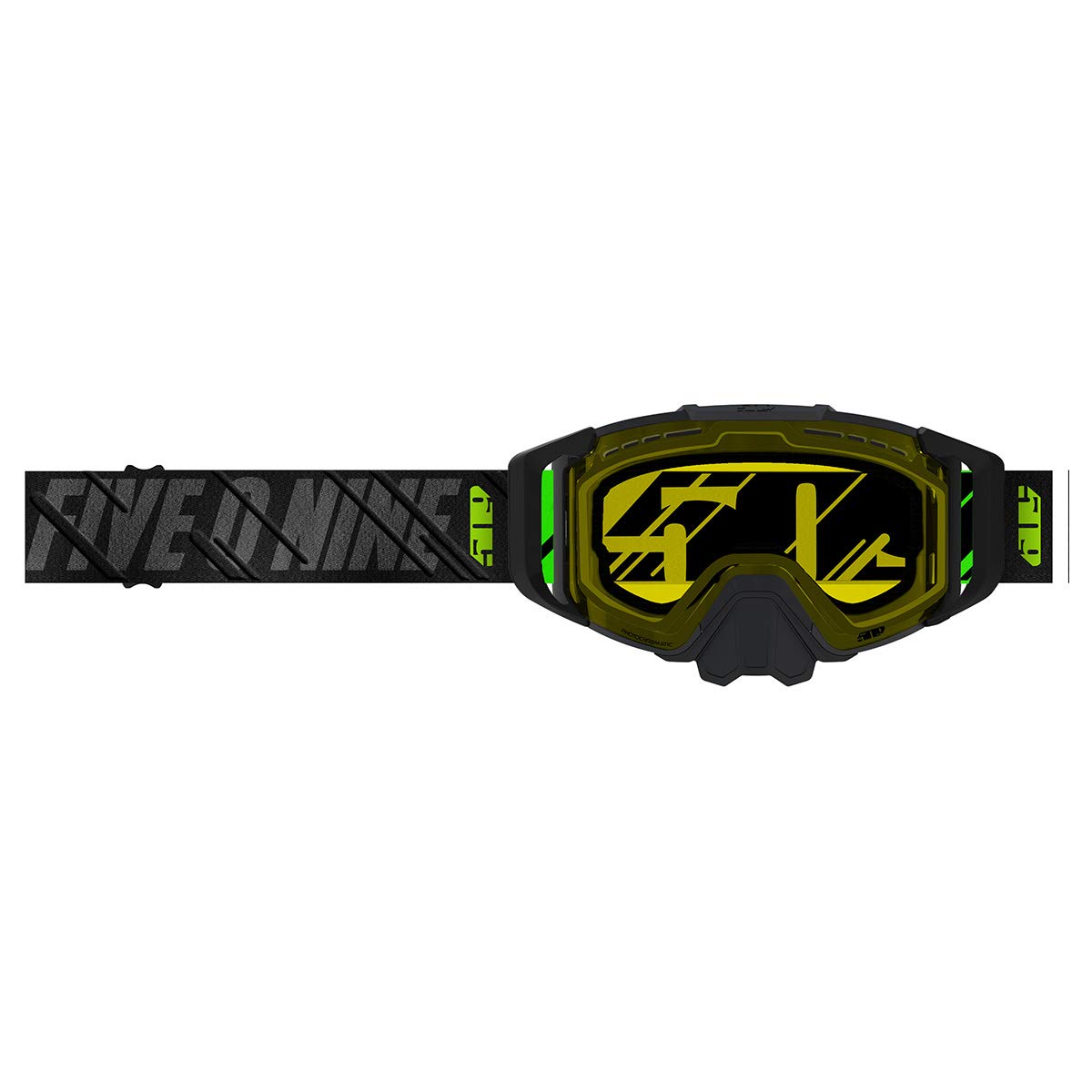
6. 509 Sinister X6 Goggle
Ten percent more view than its predecessor, and cold-tested down to -25 degrees.
Field of view is the number here: the X6 offers a 10% larger view than 509’s X5 model. On a snowmobile, that extra 10% of view means spotting a corner marker or an oncoming sled at the trail edge sooner. The dual-component OTG Phantom frame is the part that matters for you — the OTG designation means it is built to be worn over the glasses, and the frame opens up for fast lens changes when conditions shift.
Coatings are where this goggle earns its price. 509 describes industry-leading optics with anti-fog and anti-scratch performance coating, and the anti-scratch layer is the underrated one, because a scratched lens is a permanently foggy lens. Riders report it working at -25 degrees, which is the kind of cold where most goggles have already surrendered to frost.
Quality and fit are the strong suits, and it pairs best with a 509 helmet for a proper interface. Field of view and functionality both get their due from owners as well. At 4.5+ stars across 200+ ratings, this is the highest-scoring goggle on the list. The trade-off: it ships with one lens, so a bright-day and a low-light lens means buying a second.
What sets it above the pack
- 10% larger field of view than the X5 it replaces
- OTG Phantom frame opens fast for lens changes
- Anti-fog and anti-scratch coatings on a single lens
- Reported to hold up at -25 degrees
Room to improve
- Comes with one lens only — a second tint is a separate buy
- Designed to pair best with a 509 helmet
Choose it for: the clearest wide-angle view in this lineup, backed by the best-reviewed track record here.
Budget a second lens if: you ride from dawn into dark and need two tints.
7. Giro Index OTG Goggle

Extra air space inside, built so wide prescription frames do not press into your face.
If your glasses are large or your head is wide, the Index is the one to try. Every Giro goggle here is OTG, but this one leans on a finely crafted interior with extra volume to accommodate prescription frames, and the added air space is part of why vision stays clearer inside. Riders with wide, large heads specifically call this one out as fitting well over their glasses.
The lens is Amber Scarlet at 39% VLT, set between the Cruz’s 32% and the Moxie’s 41%. That puts it in mixed-cloud-and-sun territory, a reasonable single-lens choice when you only want to own one. Double-layer foam with a microfleece facing gives a plush contact layer, and the TPU rimless frame keeps the weight low at 3.2 ounces.
Comfort and quality are the buys here, and the goggle scores 4.0+ stars across 80+ ratings — lower than most on this list, so look at why. Fog resistance is the weak spot, with reports of fogging during hard riding. The anti-fog coating is there on the lens, but the honest read is that the Index trades a little fog control for a big prescription-friendly interior. If fog is your main enemy, the heated picks below handle it better.
The fit case: a roomy interior is the whole selling point, and it earns that for riders whose frames never fit inside a standard goggle.
Honest limit: fog resistance is the soft spot, so keep a lens cloth handy and clear the goggle before you start moving again.
Made for: wide heads and large prescription frames that do not fit standard interior cavities.
Skip if fog is your main enemy: budget for a heated goggle instead of fighting the buildup.
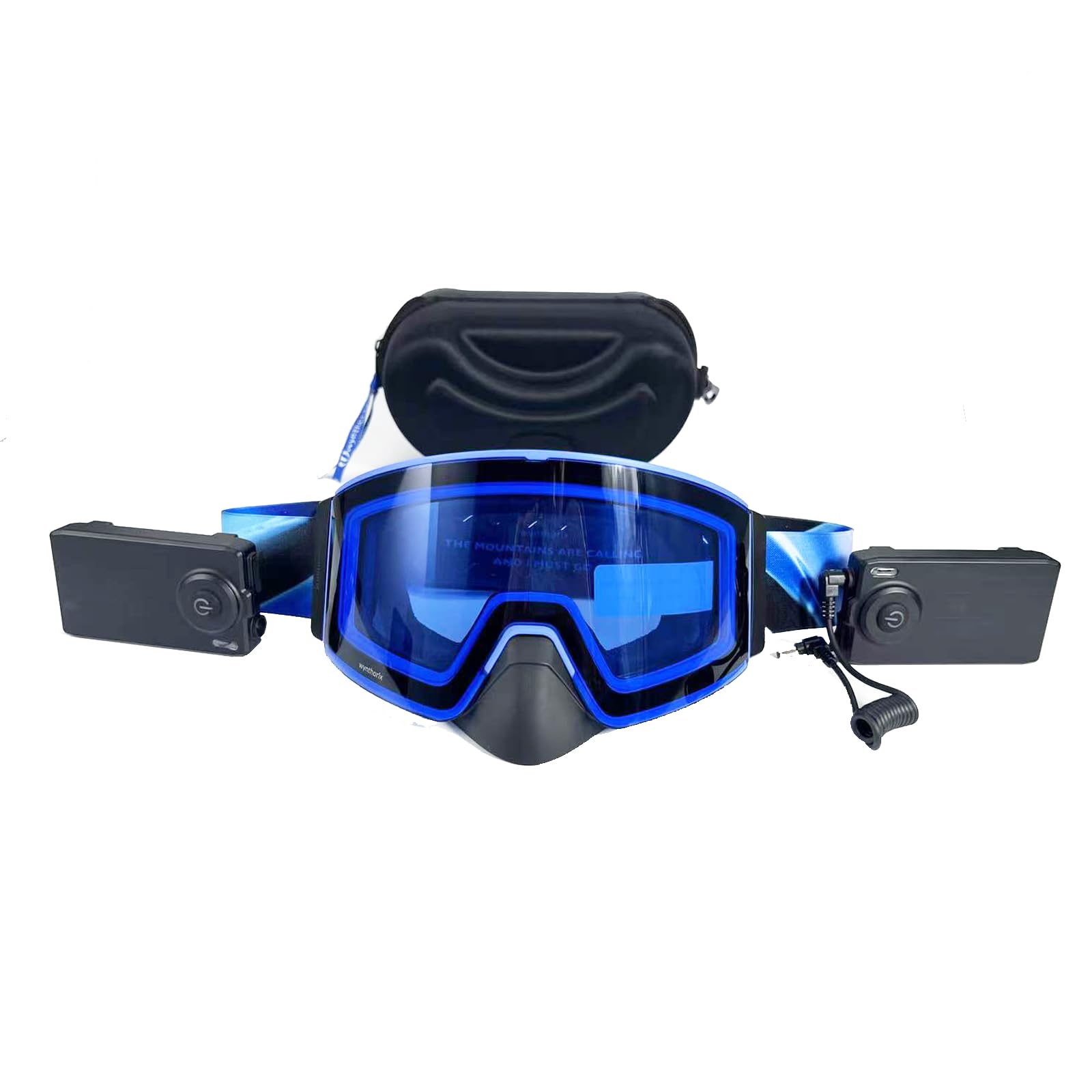
8. Wynthorix Mistaway Heated Goggle USB-C Rechargeable
A battery that warms the inner lens to 107 degrees, so fog never gets a foothold.
Heat is the answer when coatings alone keep losing. This goggle runs a 3,500mAh battery (a measure of stored charge) through three modes: high runs roughly 3 hours and heats to about 107 degrees Fahrenheit, medium runs roughly 4 hours to about 104 degrees, and low runs up to 5.5 hours to about 100 degrees. On the coldest ride, that heat keeps the inner lens from settling into a frost layer that fogs solid.
The battery charges over USB-C and a 12-inch and a 30-inch power cable are included, so you can route the cable where a waist pack or jacket pocket suits you. The goggle is OTG compatible for your prescription frames and uses magnetic interchangeable lenses, with two dual-lens sets in the box. It is rated for either gender and fits over a helmet.
At 4.0+ stars across 40+ ratings, it is a smaller sample than the premium picks above, which is the honest caveat here. Heat plus a battery means more parts to manage — the USB-C charge and the mode choice are a routine you do not have with a plain goggle. The payoff is real in cold conditions, and the lower score reflects a newer product rather than a proven problem. If you ride in deep cold and fog ruins your day, the heat is worth the routine.
What the heat buys you: three heat levels at 100, 104, and 107 degrees, so you can find a setting that clears the lens without draining the battery too fast.
Plan for: charging the 3,500mAh battery before every cold ride, and choosing high only when the temperature demands it.
Worth it for: riders in deep cold where fog is a daily problem and heat is the only reliable fix.
Weigh this: a newer product with fewer ratings than the established picks, so read the specs against your riding conditions.
9. Wynthorix Polarized Heated Goggle USB-C OTG
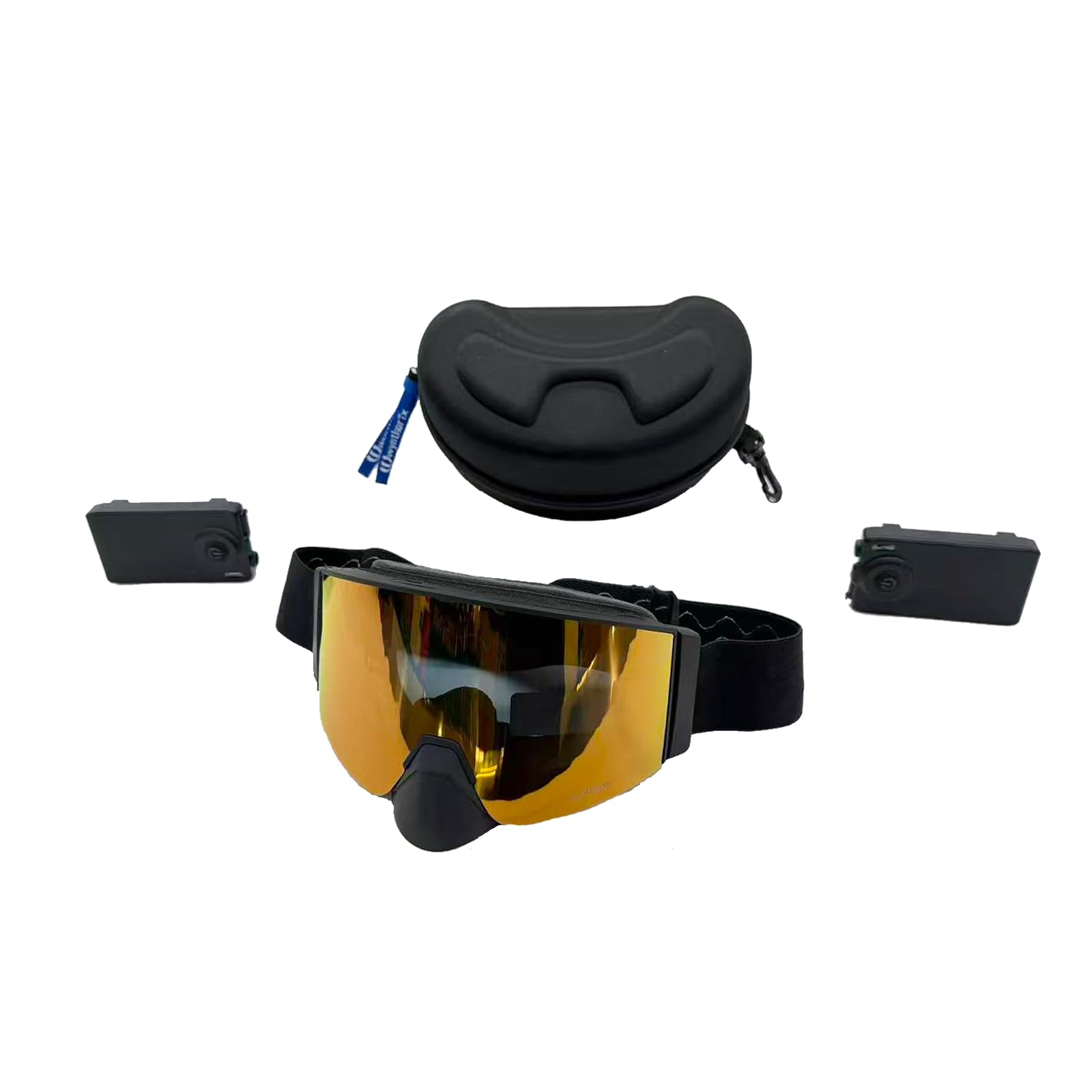
Polarized to cut glare off the snow, heated to fight fog, both on one frame.
Two problems get solved by one goggle: a polarized lens knocks down the flat glare that bounces off a snowfield and tires your eyes, and the heated inner lens fights fog in cold air. Polarized is the upgrade over the non-polarized Wynthorix above, and it is the reason this one sits a tier higher. If you ride toward a low sun across a white field, that reduced glare is easier on your eyes over a long day.
The heat side mirrors its stablemate: a 3,500mAh USB-C rechargeable battery (a charge measure you can top up from a standard USB-C cable), high runs about 3 hours at up to 107 degrees, medium about 4 hours at up to 104 degrees, and low up to 5.5 hours at about 100 degrees. The box holds two dual-lens sets, plus a 12-inch and a 30-inch power cable. Magnetic interchangeable lenses and OTG compatibility mean it works over your glasses and swaps fast.
At 4.0+ stars across 30+ ratings, it is the freshest product here, so the rating reflects an early read rather than a long record. The caveat is the same as the non-polarized version: a battery means charging and managing modes, and that is a habit to build. If glare and fog both bother you, paying for the polarized lens is the cleaner answer than buying two separate goggles.
Why the upgrade is worth it
- Polarized lens cuts glare off the snow for less eye fatigue
- Heated inner lens with 3 modes up to 107 degrees
- USB-C rechargeable 3,500mAh battery, cables included
- OTG compatible with magnetic lens swaps
What you take on
- Battery routine — charge before each ride and pick a mode
- Far fewer ratings than the established picks
The pick for glare: a polarized, heated lens is the most complete answer for bright-field, fog-prone riding.
Do the math on your days: if you rarely fight glare, the non-polarized heated version stays the smarter spend.
Know the Specs
OTG Fit and Interior Volume
OTG stands for over-the-glasses, and it means the goggle is shaped to sit over your prescription frames. The word is a promise about the cavity, not the frame size — a deep interior with extra air volume accommodates the frames comfortably. More air inside also keeps the lens surface from sitting right against your glasses, which helps with fog. If a listing is vague about the interior, assume a standard cavity and size your expectations accordingly.
VLT and Lens Tint
VLT is visible light transmission, the percentage of light the lens lets through. Lower numbers block more light for bright conditions; higher numbers let more through for flat, cloudy, and night riding. The Giro Cruz at 32% VLT is for mixed clouds and sun, the Giro Index at 39% VLT sits a step brighter, and the Giro Moxie’s 77% VLT yellow lens is for night and storm. Pick your primary tint for the light you actually ride in, not the sunny vacation day you hope for.
Anti-Fog Coatings and Heat
An anti-fog coating inside the lens slows the formation of moisture droplets. Some coatings are described as permanent, which matters because wiping a lens wears a coating away. Coatings have limits: a sealed goggle with a warm face behind it will fog when you stop. Heated goggles solve that by warming the inner lens, with three heat levels on the Wynthorix models and run times that depend on the setting you choose.
Helmet Compatibility and Strap
Goggles and helmets work best when they are built by the same maker. Giro designs its helmets and goggles to interface together, and 509 pairs its goggles with its own helmets. An extra-long adjustable strap is the safety net for everyone else, letting the goggle fit over a helmet from any brand. Anti-slip silicone inside the strap keeps it from creeping up when you are bouncing along a rough trail.
Common Questions
Will over-the-glasses snowmobile goggles really fit over my prescription frames?
Do I need a prescription insert for a pair of snowmobile goggles?
How does VLT affect what I can see on the trail?
Are heated goggles worth it for snowmobiling?
How long does the heated goggle battery last on a cold ride?
Can I wear these goggles over my helmet, or do they go under it?
Why do my goggles fog up when I stop on the trail?
Is a polarized lens better than a plain tinted lens for snow?
How do I keep an anti-fog coating from wearing off?
Will these goggles work with a full-face snowmobile helmet?
The Bottom Line
For most riders, the prescription snowmobile goggles winner is the Oakley O-Frame 2.0 PRO, because it sits over all eyeglasses with HDO optics that cut distortion and a permanent anti-fog coating on the inside of the lens. If you want the biggest field of view and the strongest review record, grab the 509 Sinister X6. And for deep cold where fog is a daily fight, the Wynthorix Heated Goggle with its 3,500mAh battery is the one to reach for.
How we choose
We do not accept paid placement. Every pick is matched to a real buyer and a real use-case; we do not hands-on test units.
Sources
Specifications: manufacturer listings and product documentation. Review insights: verified customer reviews, as of November 2026. Pricing: not shown on this page (it changes often); check the current price via the retailer link.
As an Amazon Associate, Tactical Gear Guy earns from qualifying purchases. This does not affect which products we feature.