Specs are compiled from manufacturer listings and verified buyer reviews and can change over time — please confirm the key details on the product page before buying.
An 85 inch screen does not just make a bigger picture — it changes how the room works. Sit too close and you will see the pixels; sit right and a big-screen set swallows your living room whole. One honest rule runs through this list: every pick here is about 85 inches, but a few are sold at the nearest size a manufacturer actually makes, like 83 or 86 inches, so read the size line on each pick before you commit. The rest depends on which panel holds its brightness when your window is behind you, and which one actually handles 165Hz (165 refreshes per second, so fast motion stays smooth) without smearing.
This guide is built by comparing the manufacturers’ published specifications and the patterns across verified customer reviews, so you get each pick’s real strengths and trade-offs instead of marketing spin.
Big panels live or die on backlight control and refresh rate, so we ranked these by what actually shows up on screen after dark. Here is the breakdown of the 85 inch tv class, sorted by what each set does best.
Top Picks

How To Choose The Best 85 Inch TV
At this size, the room decides more than the spec sheet. Measure the wall, measure your seating distance, and count the windows before you fall in love with a panel. An 85 inch screen throws a lot of light back at you, so a reflective screen in a sunlit room is the single most common regret at this size.
Backlight type: Mini LED versus edge-lit LED
Mini LED means the backlight is built from thousands of tiny LEDs instead of a few strips along the edge. Those LEDs sit in local dimming zones — separate patches of the screen that brighten or darken on their own. More zones and finer control mean deep blacks next to bright highlights, which is what makes a starfield or a night game look real instead of grey.
Refresh rate and VRR for sports and consoles
Refresh rate in Hz is how many times per second the panel redraws. A 60Hz screen is fine for films; 120Hz and 144Hz panels smooth out a fast pan across a football pitch. VRR (variable refresh rate) lets the TV match the frame rate your console sends, which kills the tearing and stutter you get when the two drift apart.
Brightness, nits, and glare control
Nits measure screen brightness. A bright room eats brightness, so a set with high peak nits plus an anti-reflection layer stays readable with the curtains open. That combination matters more at 85 inches than at 55, simply because there is more screen area catching the room’s light.
Side-by-Side Comparison
| Model | Best For | Refresh Rate | Backlight | HDR Support | Amazon |
|---|---|---|---|---|---|
| Samsung 85″ Neo QLED QN70F★ Best Overall | All-round big-screen pick | 144Hz | Mini LED | HDR-like upscaling | Amazon |
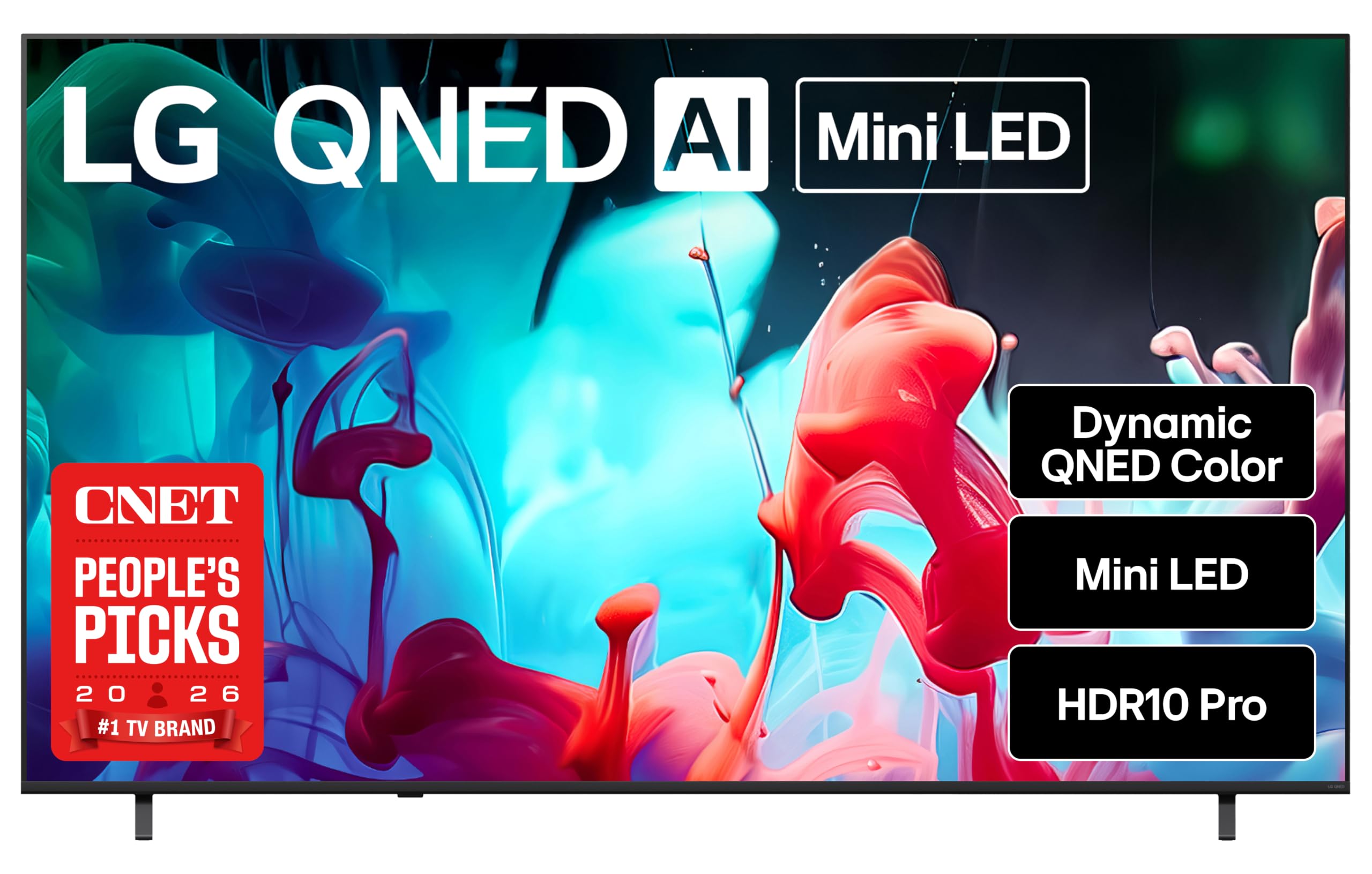
| LG 85″ QNED73BBudget Big Screen | Budget-conscious big screen | 60Hz | Mini LED | HDR10 Pro, HLG | Amazon |
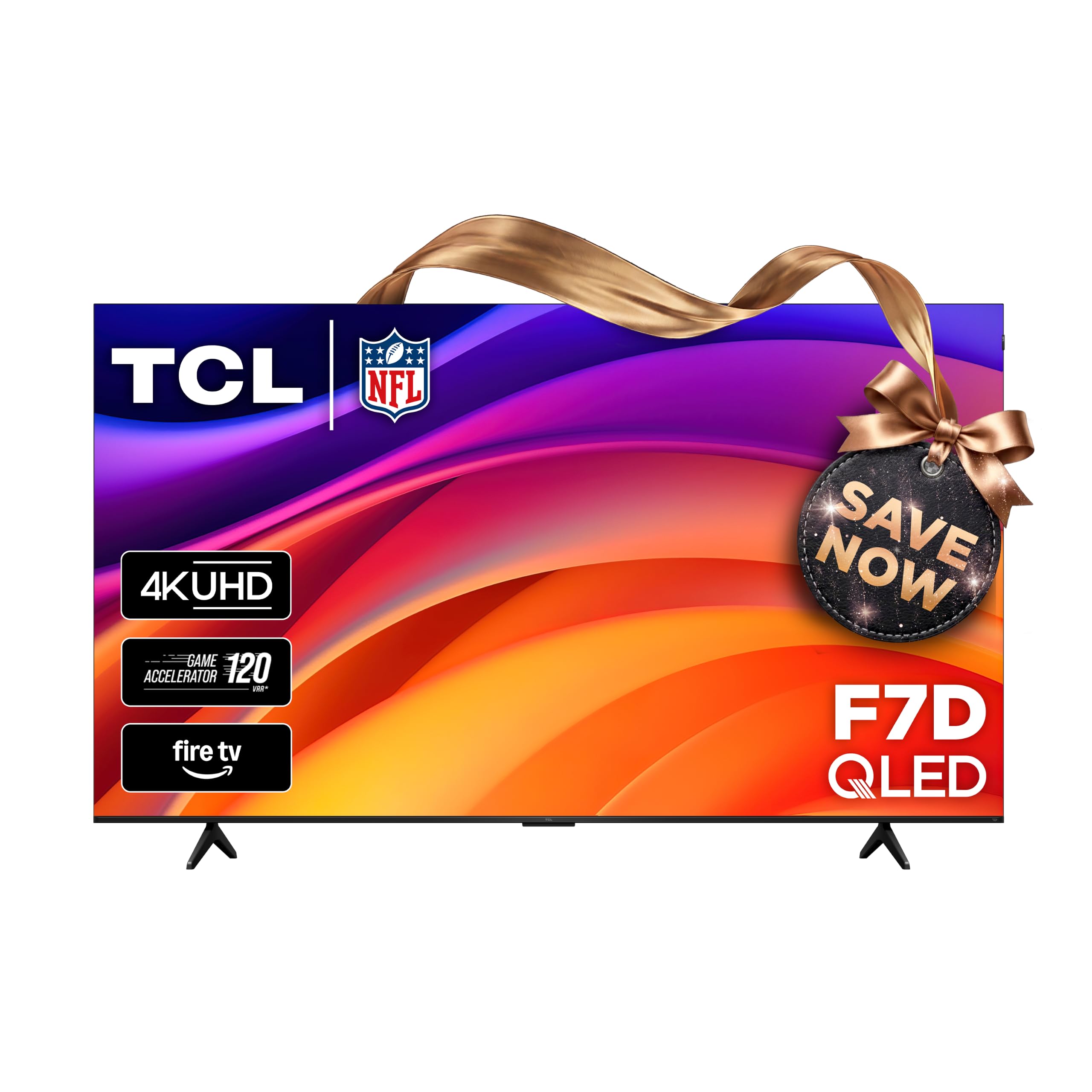
| TCL 85″ F7D QLED Fire TVFire TV Pick | Fire TV households | 60Hz | LED (QLED) | Dolby Vision, HDR10+, HLG | Amazon |
| iFFALCON 85″ 85U85 | Console gaming and hospitality | 144Hz | Mini LED | Dolby Vision IQ, IMAX Enhanced | Amazon |
| Toshiba 85″ Z670R | Smooth motion and deep bass | 144Hz | Mini LED, full array | Dolby Vision IQ, HDR10+ | Amazon |
| LG 85″ QNED84B | Gaming with a wide color layer | 120Hz, VRR 144Hz | Mini LED | HDR10 Pro, HLG | Amazon |
| Hisense 85″ U7SG | Bright rooms and glare | 165Hz | Hi-QLED Mini LED | Dolby Vision IQ, HDR10+ | Amazon |
| Hisense 85″ U8QG | Peak brightness and zone count | 165Hz | Mini LED ULED | Dolby Vision IQ, HDR10+ | Amazon |
| Sony 85″ BRAVIA 5 | Processing quality and PS5 play | “—” | Mini LED | Dolby Vision, DTS:X | Amazon |
| Samsung 85″ The Frame LS03D | Art on the wall | “—” | QLED (Quantum Dot) | Quantum HDR | Amazon |
| TCL 85″ QM8L | Dimming-zone and nits ceiling | 144Hz | SQD Mini LED | Complete HDR | Amazon |
| Sony 85″ BRAVIA 7 | Premium brand picture tuning | “—” | Mini LED | Dolby Vision, IMAX Enhanced | Amazon |
Detailed Reviews
1. Samsung 85-Inch Class Neo QLED QN70F 4K Mini LED Smart TV
Our pick — 4.0+★ from 600+ verified ratings; the strongest balance of quality and price.
A 144Hz Mini LED set that holds contrast in a lit living room, not just a blacked-out one.
The headline here is 144Hz. That is the panel redrawing the picture 144 times every second, so a ball crossing the pitch stays a ball instead of a smear. Samsung pairs it with VRR up to 4K 144Hz, which means a PS5 or Xbox can drop frames without the screen tearing, and that alone puts this above the 60Hz LG QNED73B in the same price neighborhood.
Behind the panel sits Mini LED backlighting, where hundreds of tiny lights sit behind the screen and dim in separate zones. The NQ4 AI Gen2 processor uses 20 neural networks — AI models that clean up and sharpen a picture — to push ordinary broadcast content up toward 4K. What wins people over is the contrast: inky blacks against bright highlights, which is exactly what a big screen reveals if the lighting is sloppy. The platform carries 2,700+ free channels, including 400+ Samsung TV Plus channels, so there is something on before you even open an app.
Setup is genuinely quick, and the picture is right without a calibration disc. The honest catch is the tuner and the Wi-Fi handshake. Some owners hit a dead over-the-air tuner or a connection that drops and needs a re-pair, so if you watch free broadcast TV through an aerial, keep a cheap external tuner box in mind. Bluetooth 5.3 handles headphones and soundbars cleanly.
What earns its keep
- 144Hz panel with VRR up to 4K 144Hz for tear-free console play
- Mini LED zones deliver deep blacks beside bright highlights
- 2,700+ free channels built into the platform
- Quick setup with a picture that looks right out of the gate
Where it asks patience
- Tuner and Wi-Fi connectivity dip for a minority of owners
- AI upscaling works best on decent source footage, not grainy streams
- Stand base depth of 14.4 inches needs a deep media unit
Reach for this if: you want one 85 inch set that handles movies, sport and a console without a second thought.
Think twice if: your main source is a rooftop aerial and you would rather not add a tuner box.
2. LG 85 inch Class QNED AI QNED73B Mini LED 4K Smart TV
The lowest-priced 85 inch Mini LED here, with a 60Hz panel that suits films over fast sport.
Here is the number that shapes every decision on this set: 60Hz. The panel redraws 60 times a second, which is fine for films and most dramas but not the same ride as the 144Hz iFFALCON above. If your evenings are Netflix and box sets rather than a 90-minute football match, that gap will not bother you once.
What you do get is Mini LED backlighting at the entry end of the 85 inch market, plus certified 100% Color Volume under LG’s Dynamic QNED Color. The a7 AI Processor 4K Gen9 cleans up lower-resolution content, and HDR10 Pro with Dynamic Tone Mapping rebalances bright and dark scenes as they play. FILMMAKER MODE strips the processing back to the director’s frame rate and colour, which is the mode most film lovers will leave on. webOS 26 adds Google Gemini voice control, and LG Channels brings 400+ free channels plus 10,000+ on-demand titles.
The recurring friction is the remote. The pointer-style magic remote divides people, and the menu layout takes a few evenings to settle into your hands. Reliability is a mixed bag too, with a share of sets that misbehave from the start. Treat the retailer’s return window as part of the purchase and this is a lot of screen for the money. Watch the 2.9 inch depth without the stand — that is slim enough to sit close to the wall.
Where the money goes: screen area and Mini LED lighting, not the processor tier or the frame rate. At 313 kWh per year it also sips rather than gulps compared with the bigger-zone rivals here.
The honest offset: the remote and the on-screen menus are the two things owners most often push back on, and a 60Hz panel will show its limits on fast pans.
Suits you if: you want maximum screen for the least outlay and mostly watch films and series.
Look elsewhere if: competitive gaming or live sport at high frame rates is the whole point of the set.
3. TCL 85-Inch F7D Series QLED 4K UHD HDR Smart Fire TV (85F7D)
A Fire TV 85 inch QLED that accepts Dolby Vision, HDR10+, HDR10 and HLG.
If your house already runs on Alexa, this is the set that slots in without a new remote to learn. Fire TV lives on the screen, so your apps, live channel guide and voice search are all one button away. The panel itself is QLED, which means Quantum Dot colour and over a billion shades, so a sunset or a stadium banner does not band into stripes.
Format support is where the F7D punches above its tier. It takes Dolby Vision, HDR10+, HDR10 and HLG, which covers essentially everything the streaming services throw at it. Dolby Atmos and DTS:X both pass through, so a soundbar of either flavour will talk to it properly. Motion Rate 240 with MEMC smooths fast sport by interpolating extra frames, and Auto Game Mode with the Game Bar overlay lets you tune a console session without leaving the game.
The weak spot is the built-in speakers. They are the part most owners would change first, and at 85 inches the soundstage simply cannot fill the room the picture commands. Budget for a soundbar from day one. Connectivity is otherwise generous, with Bluetooth, HDMI, RF and USB all present, and AirPlay 2 plus HomeKit mean Apple households are not locked out.
Why it earns a slot: four HDR formats, both major surround codecs and an OS you likely already know.
Set-up reality: straightforward on first power-on, though planning the wall mount matters more than the on-screen wizard.
Pick this if: Alexa is already your house assistant and you want Dolby Vision without paying premium-tier money.
Pass if: you plan to rely on the TV’s own speakers for movie nights.
4. iFFALCON 85″ 4K MiniLED Smart TV 85U85
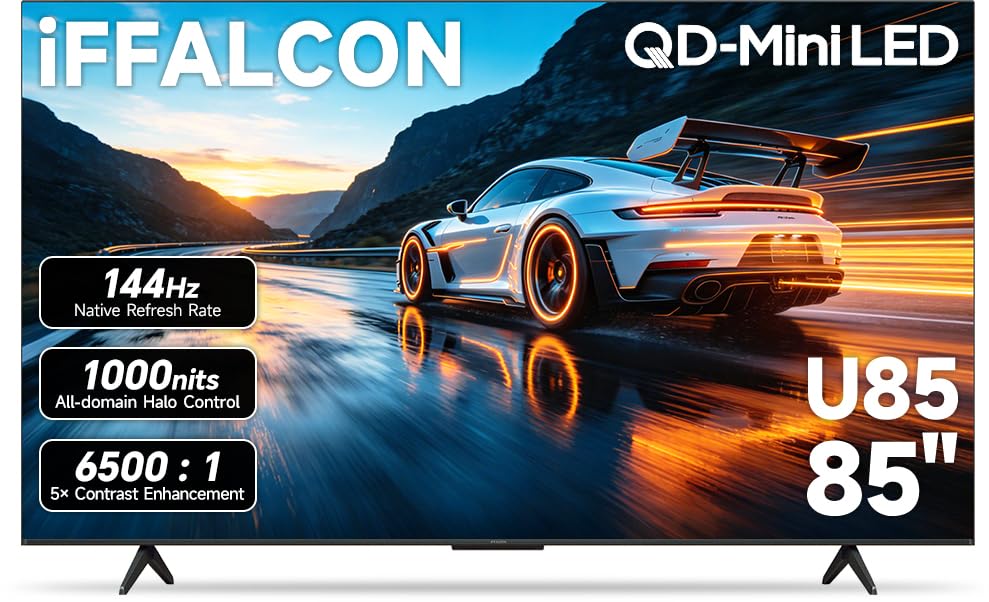
Four HDMI 2.1 ports, two of them at 4K 144Hz, on a 144Hz Mini LED panel.
The 144Hz Mini LED panel runs at 144Hz versus the LG QNED73B’s 60Hz, and VRR stretches up to 288Hz to keep pace with fast consoles and PCs. Two of the four HDMI 2.1 ports run 4K at 144Hz for a PS5, an Xbox or a gaming rig; the other two handle 4K at 60Hz for streaming boxes and Blu-ray. Auto Low Latency Mode flips the TV into game mode the moment a console powers on, with no menu diving.
Picture control is serious for the tier. Up to 1000 nits of HDR luminance, local dimming and a 6,500:1 contrast ratio put real depth into a dark scene. Dolby Vision IQ reads the room’s light and adjusts the picture on its own, Dolby Vision Gaming kicks in for a console with no setup, and IMAX Enhanced certification covers compatible streaming titles. A 50W 2.1-channel audio system (two 15W tweeters plus a 20W woofer) handles Dolby Atmos and DTS Virtual:X, and eARC on HDMI 4 sends lossless audio to a soundbar.
There is a commercial side too. Hotel mode, an IR blaster and IP control come standard, which is unusual at this level and makes it a fit for an Airbnb, a small office or a waiting room. The trade-off is familiar: a relatively new badge means less track record than the big brands, so buy from a seller with a clean return policy. The look is genuinely thin, close to the thickness of a finger, and owners consistently note how sharp the QLED 4K picture reads with Dolby Vision IQ engaged.
Gaming hardware that delivers
- Four HDMI 2.1 ports, with two at 4K 144Hz
- 144Hz native panel with VRR up to 288Hz
- Dolby Vision IQ and Dolby Vision Gaming built in
- 50W 2.1 audio with eARC on HDMI 4
What to weigh up
- A smaller brand name means less long-term track record
- Hotel and IP control are surplus if you only want a lounge TV
- Google TV’s app layout takes some getting used to
The decisive spec: four HDMI 2.1 inputs is the reason a console owner should shortlist this above every 60Hz set here.
The trade-off: you are trading brand history for port count and refresh rate.
5. Toshiba 85″ Z670R Series Mini-LED 4K UHD Smart Fire TV
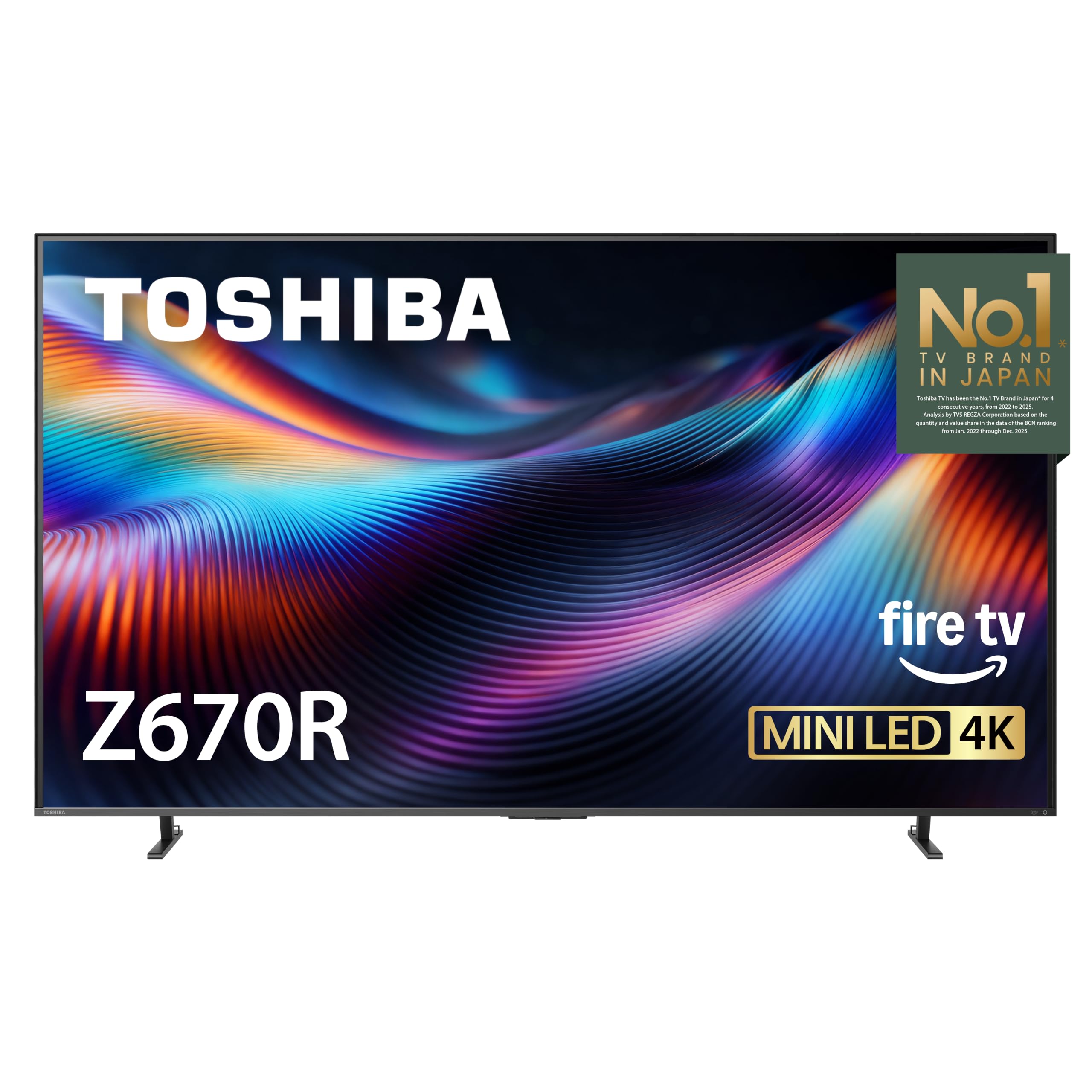
A full-array Mini LED panel with local dimming and a built-in REGZA bass woofer.
Start with the lighting. Mini LEDs sit behind the whole panel in a full array, and full array local dimming means those zones darken and brighten independently. That is how this set pulls deep blacks in a dark scene without crushing the highlights next to them. QLED colour sits on top, with over a billion shades, and Toshiba’s REGZA Engine ZRi Gen3 tunes clarity, contrast and audio scene by scene.
The native 144Hz panel covers games and sport at the same frame rate as the TCL QM7L, and AMD FreeSync Premium, VRR at 144Hz and ALLM all come together to keep console play tear-free. HDR coverage is broad: Dolby Vision IQ, HDR10+, HDR10+ Adaptive and HLG all get a look in, and an AI Light Sensor Pro adjusts brightness to match your room so late-night viewing is not a staring contest. The REGZA Bass Woofer is the surprise — the sound has actual low-end rather than the thin output most 85 inch sets offer.
Fire TV handles the smart side, with a live channel guide and press-and-ask Alexa. The caveat is ecosystem gravity: if you are deep in the Google TV camp, you will be learning a different layout. Setup is quick, streaming apps launch without the stutter you sometimes see on cheaper chips, and the Japanese-inspired frame is understated enough to disappear in a quiet room. Bluetooth 5 covers a headphone or soundbar pairing.
Where it lands: deep blacks next to bright highlights, and a bass woofer that means you may put off the soundbar purchase.
What to accept: Fire TV is a committed platform choice — you are not flipping to Google TV later.
Worth shortlisting for: a room where the TV’s own sound has to carry movie night.
Not the fit for: a Google TV household or someone who needs the highest zone count in this class.
6. LG 85-Inch QNED evo AI QNED84B Mini LED 4K Smart TV
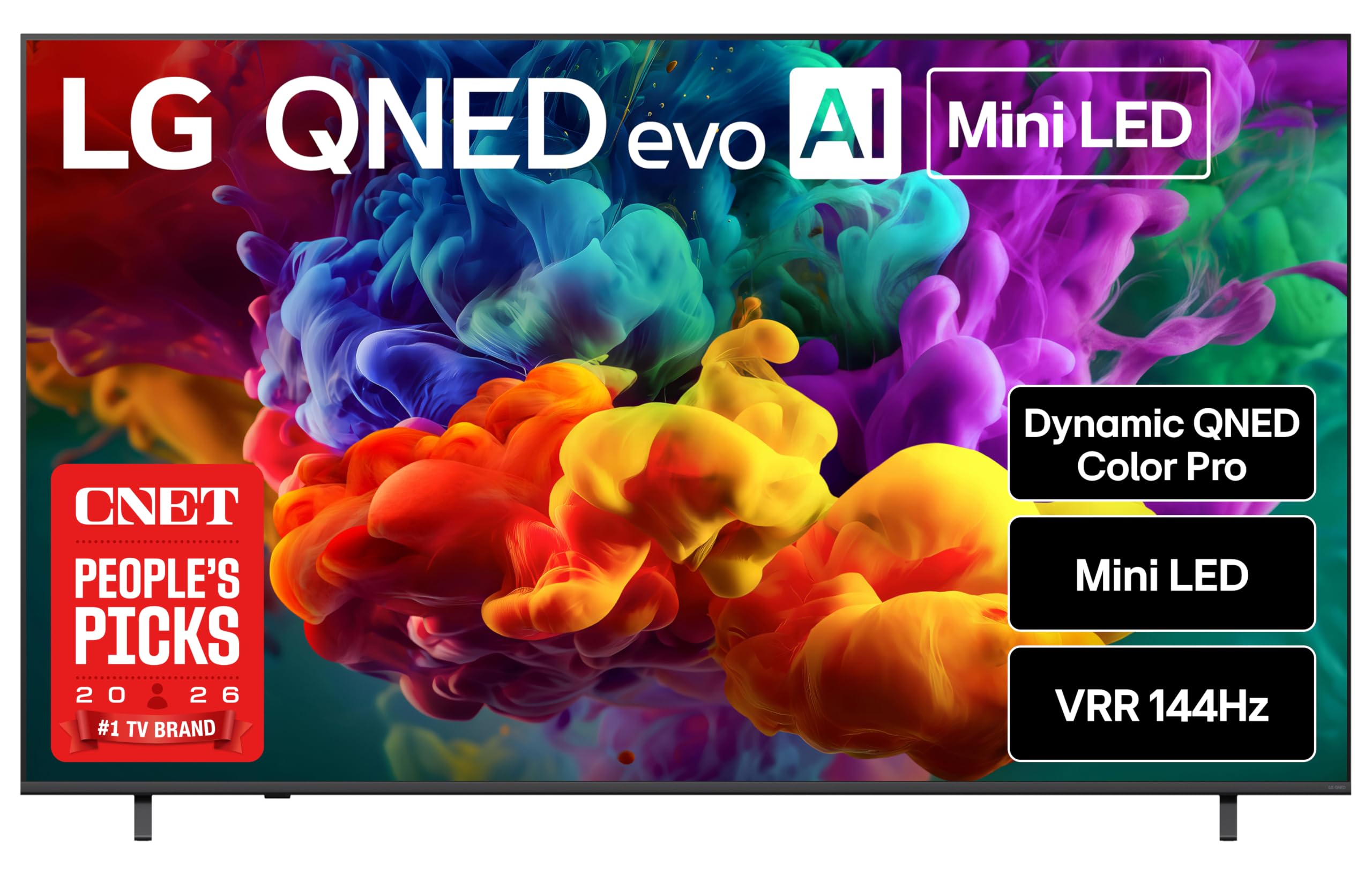
LG’s step-up QNED pairs a 120Hz native panel with the α8 AI Processor 4K Gen3.
The panel itself is 120Hz native, with VRR support up to 144Hz and Motion Booster 288 for smoother fast action. AMD FreeSync and ALLM work together to cut screen tearing and input delay, while the Game Optimizer and Game Dashboard keep your gaming settings within reach. That is a genuine step up from the older LG QNED73B above, which sits at 60Hz.
The α8 AI Processor 4K Gen3 is the brain here. It analyses what you are watching and tunes picture and sound, and AI Super Upscaling 4K works on lower-resolution content so older shows do not look soft on an 85 inch canvas. HDR10 Pro with Dynamic Tone Mapping Pro handles brightness and contrast on compatible content, and FILMMAKER MODE keeps the director’s frame rate. webOS 26 with Google Gemini handles search, plus 400+ free LG Channels and 10,000+ on-demand titles. WOW Orchestra lets an LG soundbar join forces with the internal speakers instead of replacing them.
Reliability is the honest caveat here, and it is worth sizing correctly. A share of buyers report units that stopped working, and one raised the internal speakers as exceeding expectations before the panel failed. Buy with a return path you trust, and keep the receipt. When it is running, the picture is crisp and clear on the big canvas, and the base width of 61.6 inches means you need a wide unit or a wall mount.
What it does well: colour and upscaling on a generous canvas, with a 120Hz panel and VRR headroom to 144Hz for gaming.
The one you weigh: reliability reports are the most-mentioned negative for this model, so factor that into where you buy it.
A strong fit for: LG loyalists who want upscaled 4K and a higher refresh rate than the entry QNED.
Better to look on: if confidence about long-term reliability outranks colour depth for you.
7. Hisense 85″ U7 Mini-LED ULED 4K Smart Google TV (85U7SG)
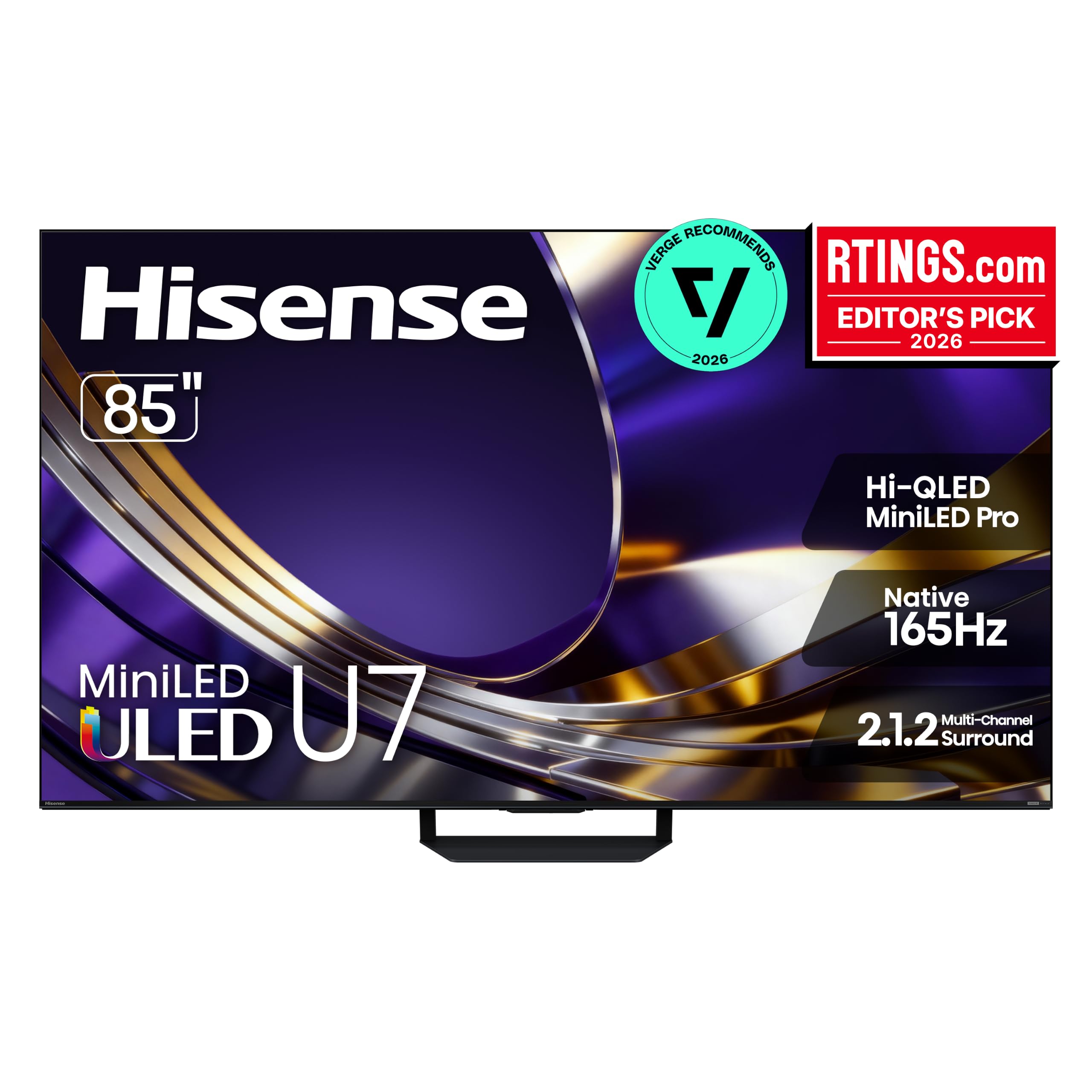
A dual-layer anti-glare screen and a native 165Hz panel for sunlit, window-facing rooms.
The panel runs a native 165Hz refresh rate, the highest base rate in this list alongside the U8QG. That is 165 redraws per second, so a fast dribble or a hockey breakaway stays crisp with no smeared frames. Thousands of MiniLED backlights sit behind that panel, and Hi-QLED colour pushes the spectrum with accuracy rather than oversaturation. The Hi-View AI Engine Pro keeps adjusting colour, contrast and detail as you watch, without you touching a setting.
Anti-reflection is the part most owners will feel immediately. A dual-layer screen treatment goes beyond a standard single layer, so a bright window or an overhead lamp does not wash the picture out. Hisense claims up to 3,000 local dimming zones and up to 3,000 nits peak brightness, which is the kind of headroom that keeps highlights vivid even in a lit room. HDR support covers Dolby Vision IQ, Atmos, HDR10+ and IMAX Enhanced, and 2.1.2-channel audio with Dolby Atmos projects some of the sound above the screen.
This is the sweet-spot pick of the Hisense line. It outranks the U8QG on brightness control in a bright room setting, but the U8QG still wins on dimming zones and peak nits. The smart platform is Google TV, with the usual app library and voice search. Bluetooth 5.4 is the newer version here, useful if you pair wireless headphones while the house is asleep.
The anti-glare advantage: a dual-layer screen treatment means the picture stays crisp when the room is bright, which is the biggest single advantage this set has over the QM7L for daytime viewing.
What to expect on sound: a 2.1.2 system with up-firing height channels, which is impressive for a TV but not a replacement for a proper soundbar.
Choose it for: a bright living room with windows that refuse to be shaded.
Consider the U8QG instead if: maximum dimming zones and peak brightness are what you prize most.
8. Hisense 85″ U8 Series ULED Mini-LED 4K Smart Google TV
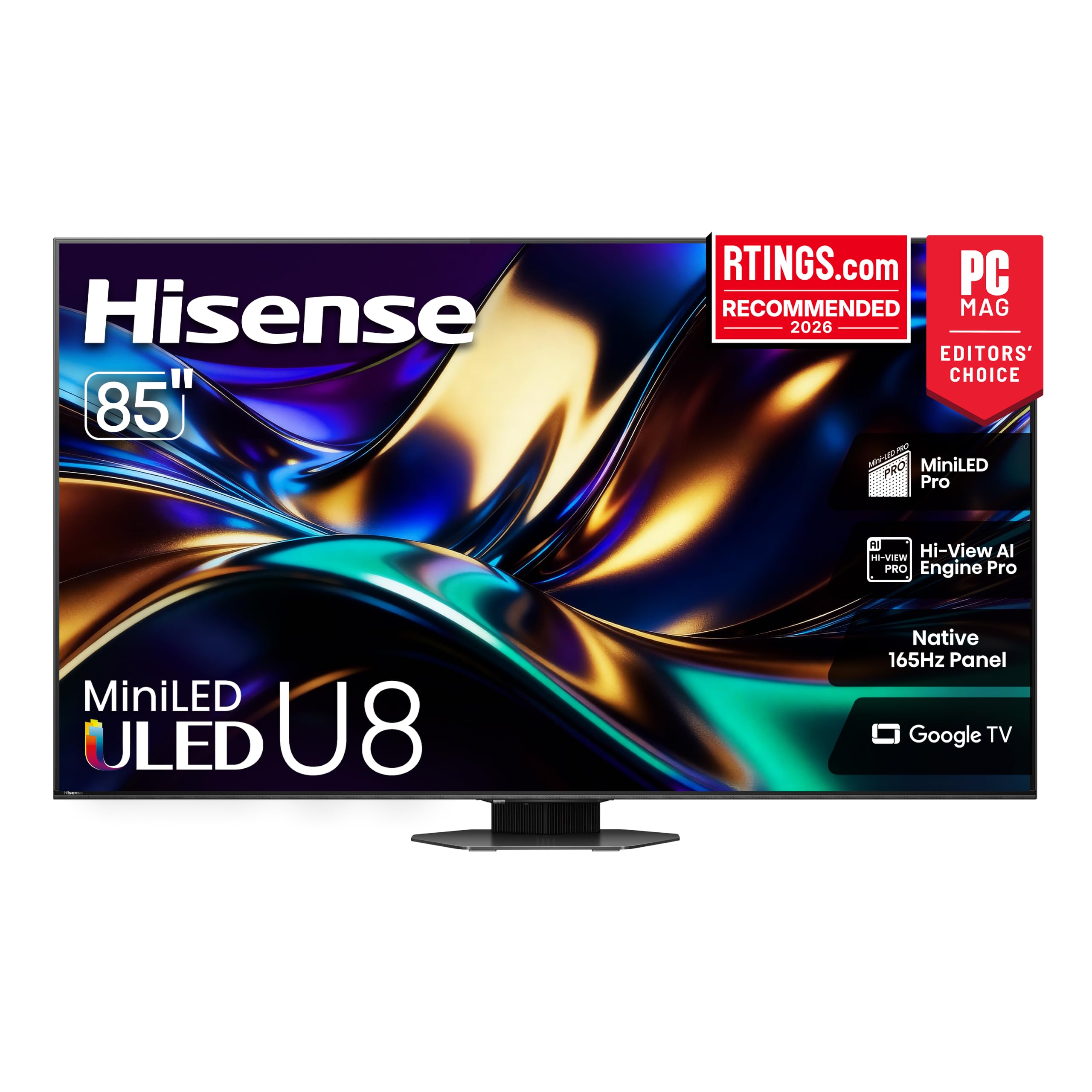
Up to 5,000 nits, up to 5,600 dimming zones and a 4.1.2 channel speaker array with a subwoofer.
Read those numbers slowly. Up to 5,000 nits peak brightness and up to 5,600 local dimming zones put this set at the top of the Hisense line for light control. Thousands of tiny LEDs work as thousands of pinpoints of light, and Full Array Local Dimming Pro creates deeper shadows and brighter highlights while virtually eliminating the halos you get around bright objects on cheaper panels. The native 165Hz panel covers a VRR window of 48Hz to 165Hz, so your console and your reaction time stay roughly in sync.
Anti-Reflection Pro is a different approach from the U7SG’s dual-layer treatment. This one coats the liquid crystal layer itself, which cuts glare without adding a surface layer. The 4.1.2 channel audio array combines left and right channels, surround channels, a built-in subwoofer and two up-firing speakers that project sound above you. That is a genuine home-theatre layout from the TV alone, and it is why owners rate the sound as highly as the picture.
The practical catch is that the recurring reliability reports — sets that periodically stop working — apply here too, so buy where returns are simple. Otherwise this is the reference point for the brand. QLED colour is Pantone Validated, Total HDR Solution handles Dolby Vision IQ, HDR10+ Adaptive, HLG and Advanced HDR by Technicolor, and IMAX Enhanced is onboard for compatible titles. The Hi-View AI Engine Pro keeps adjusting automatically, and Game Booster 288 with AMD FreeSync Premium Pro covers the gaming side.
Where it earns the premium
- Up to 5,000 nits peak brightness with up to 5,600 dimming zones
- 4.1.2 channel audio with built-in subwoofer and up-firing speakers
- Native 165Hz with VRR 48Hz to 165Hz
- Apple AirPlay, Google Cast and Pantone Validated QLED colour
What you absorb
- Recurring reports of units that periodically stop working
- A brighter panel demands more attention to wall placement for glare
- The 4.1.2 audio is excellent for a TV but still not room-filling
The decisive case: if a bright room plus big-zone contrast is the goal, this is the strongest Hisense in the line.
What you accept: a return policy that covers a set that might misbehave.
9. Sony 85 Inch BRAVIA 5 Mini LED 4K HDR Smart Google TV

Sony’s XR processor is the reason this panel can make ordinary HD footage look like it was shot yesterday.
Sony’s differentiation is the XR Processor with AI technology, which enhances colour, contrast and clarity in real time. XR Backlight Master Drive controls thousands of Mini LEDs for authentic contrast. XR Triluminos Pro accesses billions of accurate real-world colours, and XR Clear Image upscales HD and digital content to bring back detail. XR Motion Clarity keeps fast pans clean, and Dolby Vision with Atmos, IMAX Enhanced and DTS:X all pass through, so the cinema side is fully covered.
The PlayStation 5 features are a real differentiator. Auto HDR Tone Mapping and Auto Genre Picture Mode adjust settings automatically, and Game Menu puts every gaming picture setting and assist feature in one place. Netflix, Prime Video and Sony Pictures CORE all get studio calibrated picture modes designed for those services specifically, which is a level of tuning most rivals skip. The slim profile and built-in mic switch keep the design clean and the privacy controls simple.
The honest trade-off is that reliability is mixed, with a share of owners reporting sets that stopped turning on. Buy from a seller with a generous return window. The base depth of 18.75 inches and base width of 23.88 inches mean you need a broad, deep media unit or a wall mount. What you are paying for is processing quality and PS5 integration, and both land.
The case for the XR chip: studio calibrated picture modes for Netflix and Prime Video make movies look like the streamer intended, without you hunting through settings.
The honest trade-off: mixed reliability reports and a higher annual energy draw than the LG QNED73B.
The right call for: PS5 owners and film fans who value processing over raw spec-sheet numbers.
Better to skip if: value-per-inch is the scorecard you are keeping.
10. Samsung 85-Inch QLED 4K LS03D The Frame Series Smart TV

A TV that hangs like a framed print, with a matte screen that makes art look printed on the wall.
The Frame is a different animal from the rest of this list. In Art Mode it displays paintings instead of black glass, and the Samsung Art Store carries 2,500+ works from the Met, MoMA, Basquiat and Salvador Dali, with fees applying to the subscription service. The UL-certified matte screen is the engineering that makes the illusion work: it scatters room light so a picture looks printed rather than glowing. Pantone Validated ArtfulColor keeps those artworks true to their originals.
The One Connect Box is the feature that sells it to interior-minded households. It powers the TV and routes every device through a single cable, which removes the snaking-wire problem that normally ruins a wall-hung 85 inch screen. The included Slim Fit Wall Mount hangs it flush, and assorted bezels and digital mats let you change the frame look later. Quantum HDR, 100% Color Volume and the Quantum Processor 4K handle the normal TV duties, and Dolby Atmos passes through to a soundbar.
Be clear on what you are buying. This is a QLED panel, not Mini LED, so contrast in a dark room will not match the Neo QLED QN70F. Reliability and setup get mixed feedback, and the purchase experience as a whole draws the sharpest criticism. Connection is Bluetooth and Wi-Fi rather than a full port spread. That trade is fine if art on the wall is the whole point — and for a lot of buyers, it is.
What makes it different: 2,500+ artworks, a matte anti-reflection screen and a single-cable install that hanging a TV on a wall normally makes impossible.
What it is not: a black-level champion — this is a QLED panel, not Mini LED.
<
The buyer it suits: someone who wants a wall that looks designed rather than dominated by a black rectangle.
The trade-off accepted: a QLED panel instead of Mini LED, plus an Art Store subscription for the full library.
11. TCL 85 Inch QM8L Series SQD-Mini LED QLED 4K Smart Google TV
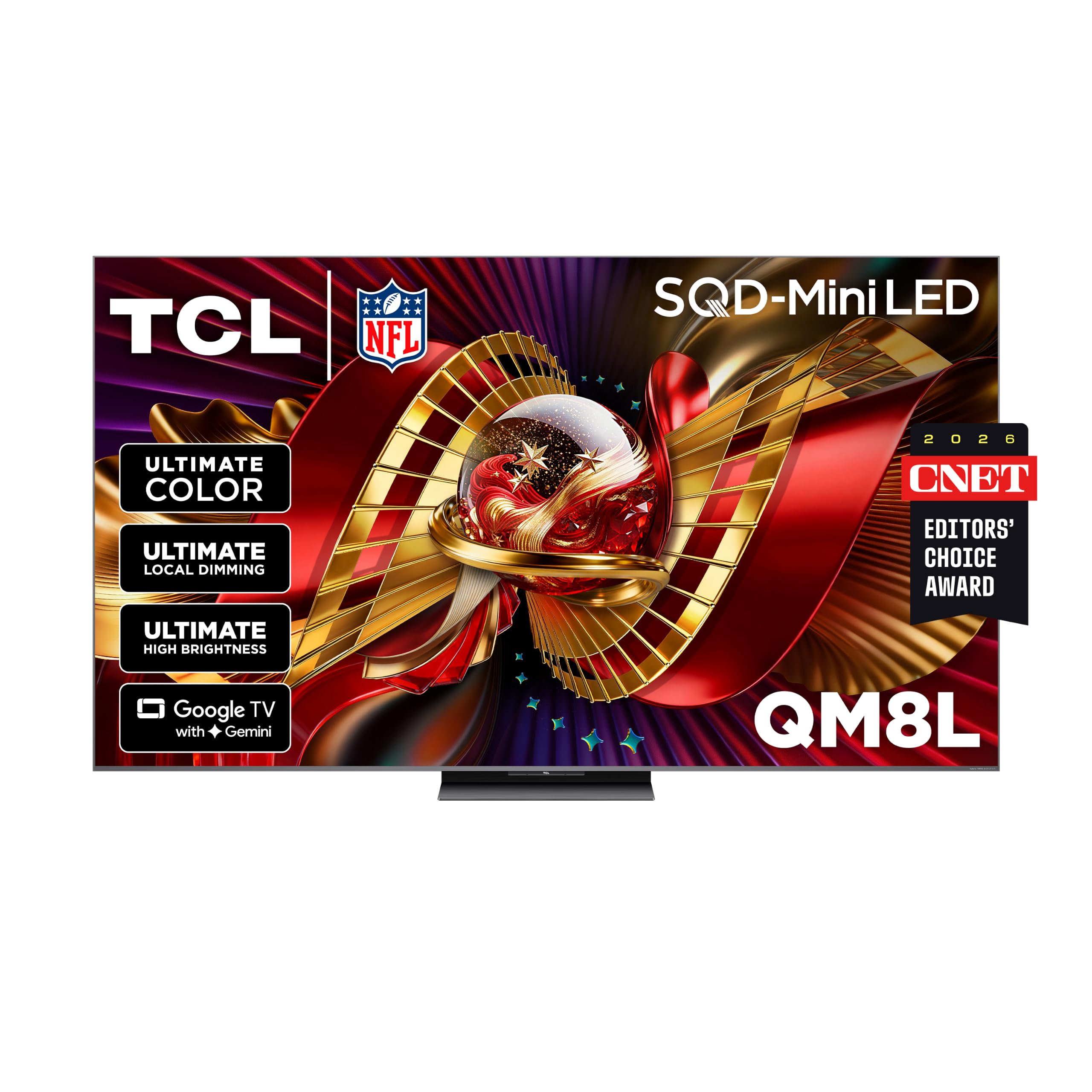
The zone-and-nits ceiling of the TCL line, with up to 4,000+ dimming zones and up to 6,000 peak nits.
This is where the QM8L separates from the QM7L. Up to 4,000+ discrete dimming zones and up to 6,000 peak nits is a step beyond the QM7L’s 2,100+ zones. More zones means tighter control around a bright object against a dark field, which is what stops the halo effect that cheaper Mini LED sets show around a moon or a streetlight. The same SQD-Mini LED engine appears here, with the TCL Halo Control System and its 26-bit dynamic dimming controller.
The panel is 144Hz, with Game Accelerator 288 VRR and AMD FreeSync Premium Pro for gaming. Audio is tuned by Bang & Olufsen with an optional wireless subwoofer and satellite speakers if you want to build a real surround set. Google TV with Gemini handles discovery, and the AI layer covers color, contrast, clarity, motion, upscaling and sound. Wide viewing angles mean the picture holds up from the side seats, which matters more on an 85 inch screen across a wide living room.
Two honest limits. The remote lacks the pointer accuracy some owners wish for, and screen brightness adjustments are made menu-side rather than with a dedicated button, which is a small friction point when the light in the room changes. Beyond that, this is one of the best value performers in the premium tier — a wide-angle, high-zone set that makes dark scenes look genuinely deep.
The engineering that matters
- Up to 6,000 peak nits and up to 4,000+ dimming zones
- Wide viewing angles hold contrast from off-axis seats
- 144Hz panel with Game Accelerator 288 and FreeSync Premium Pro
- Bang & Olufsen audio with optional wireless subwoofer
Small frictions to know
- Remote lacks a dedicated brightness button
- The zone count and nits push the price above the QM7L
- Google TV’s menu density takes some learning
Why you would pay the step up: 4,000+ dimming zones and up to 6,000 nits make dark scenes look genuinely deep, even from a wide angle.
When it is overkill: a modest living room with moderate lighting gets most of this from the QM7L.
12. Sony 85 Inch BRAVIA 7 Mini LED QLED 4K HDR Smart Google TV

Sony’s flagship-tier tuning, with XR Backlight Master Drive and QLED colour on an 85 inch panel.
What you pay for here is the processing and the panel together. XR Backlight Master Drive controls thousands of Mini LEDs for authentic contrast, and Sony calls this its brightest ever 4K TV. QLED technology with XR Triluminos Pro accesses billions of real-world colours, and the XR Processor enhances every scene in real time. Studio calibrated modes for Netflix, Prime Video and Sony Pictures CORE keep the picture looking as the creator set it, and AirPlay 2 and Chromecast are both built in for easy casting.
The PlayStation 5 extras match the BRAVIA 5 — Auto HDR Tone Mapping, Auto Genre Picture Mode and Game Menu — so the gaming side is covered without a separate sound profile. The included Sony Pictures CORE app brings 5 credits to redeem on new release movies plus 12 months subscription on hundreds of classics, which offsets some of the premium. Acoustic Multi-Audio handles the built-in sound, and Dolby Vision, Atmos, IMAX Enhanced and DTS:X all pass through.
Reliability is the honest caveat that shows up in the review pages. A share of owners mention sets that stop working unexpectedly, and the value and sound aspects draw a split verdict. The base width of 61.65 inches is broad, so measure the wall before ordering. Bluetooth 5.3 covers headphones and soundbars. This is the pick for buyers who trust Sony’s processing above all else and are willing to pay for the flagship badge.
Where the premium sits: XR Backlight Master Drive, XR Triluminos Pro and studio calibrated modes — the last word in Sony’s picture tuning at this size.
Where the reviews cool: reliability is the most-mentioned negative for this model, so buy with a return path you trust.
The case for it: Sony’s brightest 4K panel with studio modes and PS5-specific tuning built in.
The caveat to weigh: premium processing does not come with a reliability guarantee, so factor in the retailer’s return terms.
Know the Specs
Local dimming zones and Mini LED
Mini LED means the backlight is thousands of tiny LEDs grouped into local dimming zones — separate patches that brighten or darken independently. More zones means finer control, which is what keeps a bright object crisp against a dark background instead of glowing around the edges. That is why the TCL QM8L with up to 4,000+ zones can hold a night scene better than a basic edge-lit panel.
Refresh rate, VRR and gaming
Refresh rate in Hz is how many times per second the panel redraws. A 60Hz panel is fine for films; 144Hz and 165Hz panels handle fast sport and console play with less motion blur. VRR (variable refresh rate) matches the panel’s rate to the console’s frame output, killing tearing and stutter. A native 165Hz panel like the Hisense U7SG or U8QG can pair with a console that outputs at high frame rates, while the LG QNED73B’s 60Hz panel will cap that experience.
Common Questions
How far should I sit from an 85 inch TV?
Is 144Hz worth it over 60Hz on a large screen?
Does Mini LED beat QLED on an 85 inch screen?
Do I need a soundbar with an 85 inch TV?
What does anti-reflection actually do on a big screen?
Will my PS5 look better on a 144Hz or a 165Hz panel?
Do I need a wall mount or does the stand work?
How many HDMI ports do I need for a console and soundbar?
Is a Mini LED set bright enough for a sunlit room?
How do I avoid the panel looking washed out at an angle?
The Bottom Line
For most buyers, the 85 inch tv that hits the right balance is the Samsung Neo QLED QN70F. It brings a 144Hz panel, Mini LED zones and AI upscaling at a level that covers movies, sport and console play in one set. If your evenings are about a bright room with too many windows, the Hisense U7SG with its dual-layer anti-glare screen is the better fit. And if you want the most dimming zones and peak brightness the TCL line can offer, the TCL QM8L is the pick that goes furthest.
One honest nudge before you click: the models in this list that hold up over years are the ones with both a high zone count (many small dimming zones, so dark scenes stay dark) and a real anti-reflection layer — not the ones with the biggest nits number on the box (nits measure brightness, so a higher number means a brighter screen). Buy whichever set matches the light in your room, and order from a seller whose return terms you have read.
How we choose
We do not accept paid placement. Every pick is matched to a real buyer and a real use-case; we do not hands-on test units.
Sources
Specifications: manufacturer listings and product documentation. Review insights: verified customer reviews, as of November 2026. Pricing: not shown on this page (it changes often); check the current price via the retailer link.
As an Amazon Associate, Tactical Gear Guy earns from qualifying purchases. This does not affect which products we feature.