Specs are compiled from manufacturer listings and verified buyer reviews and can change over time — please confirm the key details on the product page before buying.
If you want a big-screen phone that actually works on your carrier, the most important thing to check before anything else is the network compatibility line, not the inch count. Plenty of giant-screen phones sold online are international imports that refuse to connect to Verizon, AT&T, or their prepaid spinoffs. This guide sorts through that mess and points you to the large-display phones that pair a genuinely big panel with real US carrier support — plus the ones where you trade some compatibility for a truly enormous screen or battery.
This guide is built by comparing the manufacturers’ published specifications and the patterns across verified customer reviews, so you get each pick’s real strengths and trade-offs instead of marketing spin.
Big-screen buyers usually get burned in one of two ways: the display is huge but the phone is locked to a carrier they do not use, or the spec sheet looks perfect and the battery dies by dinner. Everything below is sorted on real compatibility and real endurance, and the shortlist of the World Big Phone is built around what you will actually live with.
Top Picks


How To Choose The Best World Big Phone
The single wrong assumption that costs big-screen buyers the most money is believing “open up” means “works everywhere.” On a large import phone, open up often just means no carrier subsidy — the radio bands inside can still leave you with no signal on a major network. Read the compatibility line before you look at the screen size, and read the battery capacity before you look at the cameras.
Check the carrier list before the inch count
A 6.83-inch display means nothing if the phone will not hold a signal where you live. Listings that say “GSM only” or name only T-Mobile and its prepaid partners will usually not work on Verizon or AT&T. Confirm your own carrier appears by name in the listing, and check whether the phone takes a physical Nano-SIM, an eSIM, or both — that decides whether you can run two lines at once.
Match battery capacity to the size of the screen
A larger display draws more power, so a big-screen phone needs a bigger battery to reach the same end-of-day result. Battery capacity is measured in mAh (milliamp-hours — a rough measure of how much charge the battery holds), and on a 6.7-inch-and-up screen you want to lean toward the larger numbers.
Understand what display type and refresh rate do for you
Refresh rate in Hz (hertz — how many times per second the screen redraws) decides how smooth scrolling and motion feel, so a 120Hz or 165Hz panel feels noticeably more fluid than a standard one. Display type matters just as much: an AMOLED panel (organic pixels that light themselves) gives deeper blacks and better contrast than an LCD. Neither spec speeds up apps — they change how the screen looks and feels in use.
Side-by-Side Comparison
| Model | Best For | Battery (mAh) | Display | Storage / RAM | Amazon |
|---|---|---|---|---|---|
| Samsung Galaxy S26+★ Best Overall | Balanced flagship with AI tools | 4900 | AMOLED | 512GB | Amazon |
| Motorola Moto G PowerBudget Champion | Budget all-day endurance | 5000 | 6.8″ OLED, 120Hz | 8GB / 128GB | Amazon |
| TCL 60 XE NXTPAPER 5GEye Comfort Pick | Eye-friendly reading and streaming | 5010 | 6.8″ FHD+, 120Hz | 8GB / 256GB | Amazon |
| BLU Bold N4 5G | Two-screen novelty on a budget | 5000 | 6.78″ curved AMOLED + rear display | 8GB / 512GB | Amazon |
| Xiaomi 17T Pro | Camera-first big-screen import | 7000 | 6.83″ AMOLED, 144Hz | 12GB / 512GB | Amazon |
| OnePlus 15R | Battery and smoothness balance | 7400 | 1.5K AMOLED, 165Hz | 12GB / 512GB | Amazon |
| Samsung Galaxy S25 Ultra | Max-resolution big-screen shooting | 5000 | 6.9″ Dynamic AMOLED 2X, 120Hz | 12GB / 512GB | Amazon |
| HONOR Magic8 Pro | Leather-free premium import build | 5000 | 6.71″ LTPO OLED | 12GB / 512GB | Amazon |
| OnePlus 15 | Huge battery with flagship guts | 7300 | 6.78″ AMOLED, 165Hz | 16GB / 512GB | Amazon |
| Google Pixel 11 Pro XL | Camera and Gemini intelligence | 5115 | Large Pixel panel | 512GB | Amazon |
| OPPO Find X9 Ultra | Camera hardware above all else | 7050 | 6.82″ LTPO AMOLED | 12GB / 512GB | Amazon |
Detailed Reviews
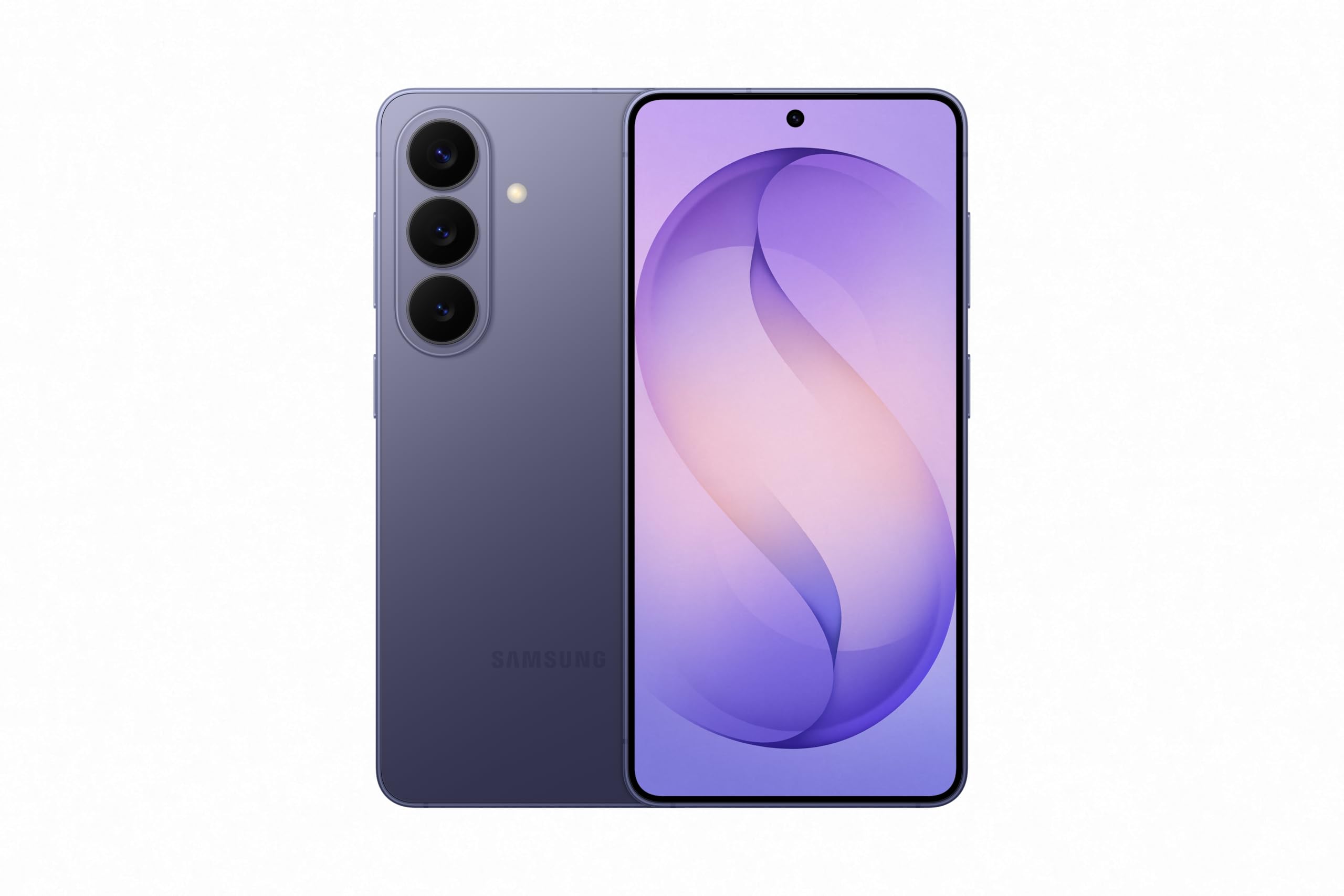
1. Samsung Galaxy S26+ 512GB
Our pick — 4.5+★ from 350+ verified ratings; the strongest balance of quality and price.
The big-screen Samsung that skips the import-carrier gamble entirely.
The Galaxy S26+ is the safest big-phone buy here purely because it is a Samsung sold for the US market, not an international import with a caveat taped to the box. It carries 512GB of storage, an AMOLED display (a panel where each pixel makes its own light, so blacks look truly black), and a 4900mAh battery. That battery figure is a touch smaller than the TCL 60 XE NXTPAPER 5G’s 5010mAh, so if raw capacity is your only metric, the cheaper phone wins on paper — but the S26+ makes up ground with a chip Samsung describes as its fastest and most power-efficient Galaxy processor yet. In daily use, the AMOLED panel is where the phone earns its keep: images look richer and text stays sharp, so reading long articles on a big screen is genuinely comfortable rather than a squint.
The features are built around what a big display is good at. Photo Assist with Galaxy AI lets you add objects, restore detail, or restyle a photo by typing or tapping, which is far easier to do on a large canvas than a compact one. A wider front camera captures more of the scene for group selfies, so nobody gets cropped out of the frame. Now Nudge surfaces smart suggestions when you need them, and Samsung Wallet holds cards and boarding passes directly on the device. Pairing Galaxy Buds4 Pro adds Hi-Res Audio, and the translation feature can be heard hands-free through those buds when paired with an S26 Series phone.
What wins people over is the overall build quality — it is the single most praised thing about this phone by a wide margin, and it reads as a polished, zero-lag Android device in the hand. The honest trade-off is the battery. At 4900mAh it is average for this class of big-screen phone rather than exceptional, so a heavy video day will have you reaching for the charger sooner than the OnePlus 15 below would demand. Fast charging support, wireless charging, and reverse wireless charging all help cover that gap.
What earns the top slot
- US-market Samsung with no import carrier drama
- 512GB of storage from the start
- AMOLED panel keeps big-screen reading sharp
- Galaxy AI editing tools that suit a large canvas
Where it holds back
- 4900mAh is average for a big-screen phone
- Heavy video days will drain it before bed
- Advanced audio and translation features need Galaxy Buds4 Pro
Reach for this if: you want a big AMOLED flagship that simply works on a US carrier without band-checking.
Think twice if: maximum battery capacity is your number-one priority, since 4900mAh trails the bigger cells further down.
2. Motorola Moto G Power 2025
A 6.8-inch screen and a full day of battery for entry-level money.
Motorola built this one “made for US,” meaning it is stated as compatible with all major US carriers including Verizon, AT&T, and T-Mobile — which puts it ahead of several pricier imports that leave Verizon buyers locked out. The 6.8-inch OLED display runs a 120Hz refresh rate (the screen redraws 120 times a second, so scrolling looks fluid instead of choppy), and the stereo speakers are rated for 1.7x more powerful bass than the previous generation. A 5000mAh battery is rated for 24 hours of talk time, and TurboPower charging refills it quickly when you are short on time.
The camera punches above the price. A 50MP system with OIS (optical image stabilization — a moving lens element that cancels out hand shake) means steadier video and sharper low-light shots. The build leans on vegan leather, Corning Gorilla Glass, and stated underwater protection, so it looks more expensive than it is. Internally, a MediaTek Dimensity 6300 chipset with 8GB physical RAM plus RAM Boost carries 5G duty, and storage runs 128GB with room for a microSD card up to 1TB.
The honest picture is more mixed than the headline specs suggest. Reliability and overall quality are what people praise most, and the camera holds up well, but the battery is a genuine split — plenty of owners say it runs beautifully, while others report it not lasting as long as expected. Connectivity is the other place to be careful: some buyers report trouble on Verizon and Total Wireless despite the open up claim. If your carrier is one of those, verify before you commit.
Where it fits: the big-screen entry point for a buyer who wants 120Hz smoothness and Gorilla Glass without moving into flagship spend.
The catch to size up: battery results split between “runs beautifully” and “drains fast,” and Verizon/Total Wireless owners mention connection trouble despite the open up listing.
Best match for: AT&T or T-Mobile users who want a large OLED screen and a 24-hour talk-time rating on a budget.
Look elsewhere if: you are on Verizon or Total Wireless and need confirmed connectivity.
3. TCL 60 XE NXTPAPER 5G
The big screen you can read on for hours without your eyes aching.
TCL’s angle here is the panel itself. NXTPAPER 3.0 is a glare-free, paper-like panel that TCL says cuts blue light by up to 61%, and an Eye Care Assistant tunes brightness and color temperature to your surroundings and reminds you to take breaks. Press the NXTPAPER Key and you cycle four display modes — Standard for daily use, Color Paper for comics and digital art, Ink Paper for reading, and Max Ink for an e-reader feel with longer battery life. The physical screen underneath is a 6.8-inch FHD+ panel (1080×2400) at 120Hz, with dual speakers enhanced by DTS for streaming.
Under the hood sits a MediaTek Dimensity 6300 octa-core processor (eight cores working together on apps and games) with 8GB RAM plus 8GB virtual RAM and 256GB of storage, expandable up to 2TB by card. Battery is 5010mAh — slightly larger than the Samsung Galaxy S26+’s 4900mAh, which matters on a screen this size. 18W fast charging reaches full in a stated 2.5 hours, and 5W reverse charging tops up earbuds or another phone on the road. The camera stack is a 50MP main, 5MP ultra-wide, 2MP depth sensor, and a 32MP front camera. TCL also lists compatibility with AT&T, T-Mobile, and Verizon plus prepaid and MVNO networks, with the usual note that it varies by SIM and plan.
Screen quality is the reason people stick with it — the panel reads as bright, clear, and easy on the eyes, which is exactly the pitch. Value for money follows right behind. The thing to know is that functionality is a split verdict: some owners say it runs as well as far more expensive Android phones, while others report it stopping working altogether. Treat the NXTPAPER modes as the reason to buy and verify your carrier before you do.
The eye-comfort case: paper-like glare-free panel, four display modes, and an assistant that manages brightness and color temperature for long reading sessions.
Know before you buy: some customers note the phone stopping working, so buy with a return window in mind and confirm your network first.
It beats most budget phones at: sheer screen comfort — the NXTPAPER modes turn a 6.8-inch panel into a genuine reader.
Not the pick if: you want guaranteed reliability over display comfort.
4. BLU Bold N4 5G
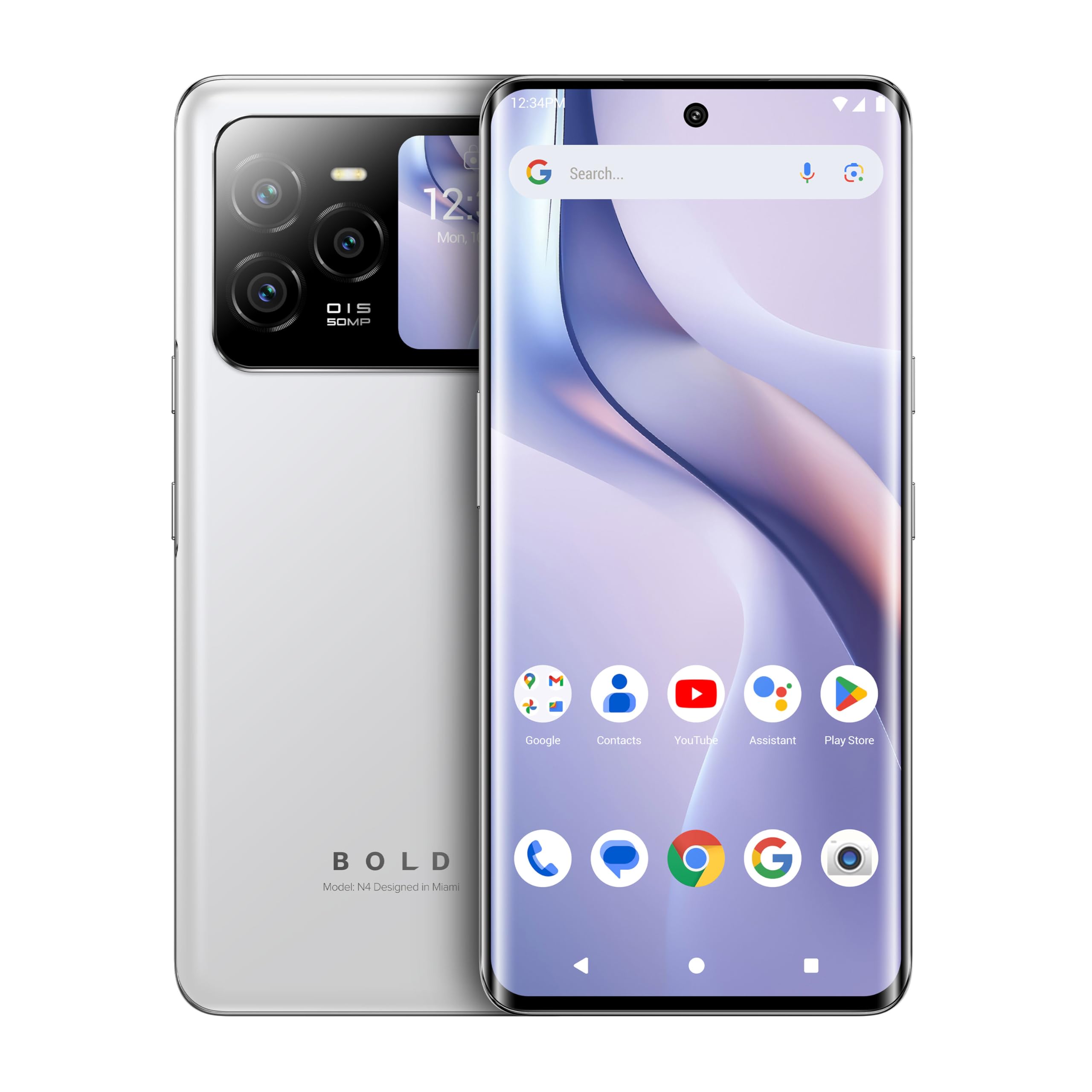
Two screens on one phone: a 6.78-inch main panel and a 1.74-inch rear display.
BLU’s trick is the second screen. A 6.78-inch curved AMOLED drives streaming, gaming, and browsing, and a smaller 1.74-inch rear panel handles quick selfies, message previews, and music controls without waking the main display. It carries 512GB of storage and 8GB of RAM, so space for photos and videos is not a worry, and the triple rear camera plus 16MP selfie shooter records 4K video. Face open up and a fingerprint reader both work, and NFC lets you tap to pay.
Carrier support is the part that needs your full attention. BLU states this US version works with T-Mobile, Metro PCS, and other GSM carriers — and explicitly says it is not compatible with AT&T, Cricket, or CDMA networks like Verizon and Sprint. That eliminates a lot of buyers right at the door. If you are on T-Mobile or Metro, the spec package is strong for the money: 5000mAh battery, AMOLED panel, and that second screen.
Owners tend to like the overall functionality, the value, and the way it looks — the AMOLED panel reads as genuinely attractive, and the main screen is smooth with no lag in scrolling. Performance is where opinions split: parts of the review pool report crashes shortly after booting. That is a real risk worth weighing, though it reads as a subset of buyers rather than a universal experience. Buy it for the rear-screen novelty and the storage, and confirm your carrier first.
The case for the second panel
- Rear 1.74-inch display for selfies and controls
- 512GB of storage at this tier
- Curved AMOLED main screen with no scroll lag
- NFC tap-to-pay and 4K video capture
What to plan around
- No AT&T, Cricket, Verizon, or Sprint support
- Some units report crashes soon after boot
- Rear screen adds control, not a second full display
Who it suits: T-Mobile or Metro PCS users who want a big curved AMOLED and a rear screen for selfies.
Who should pass: anyone on Verizon, AT&T, Cricket, or Sprint — the listing rules those networks out.
5. XIAOMI 17T PRO 5G
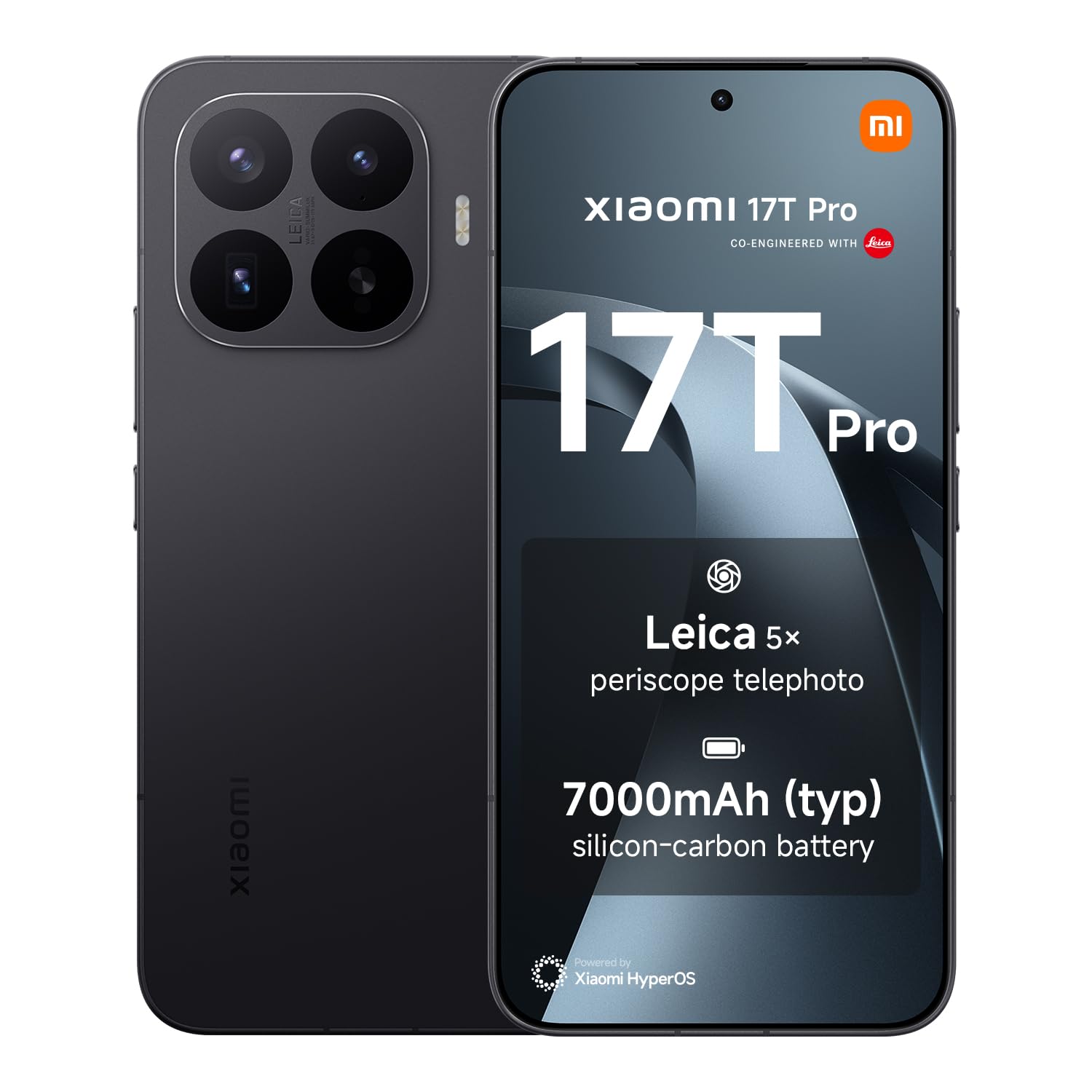
A 6.83-inch 144Hz screen and Leica-branded optics wrapped around a 7000mAh cell.
The display is the headliner here. A 6.83-inch eye-care AMOLED runs at 2772 x 1280 resolution and 447 pixels per inch (more pixels packed into each inch means finer text and sharper images), with a refresh rate up to 144Hz for very fluid scrolling and gaming. Xiaomi lists a 3500-nit peak in high-brightness mode, Gorilla Glass 7i, and HDR10+ and Dolby Vision support for vivid streaming. A 7000mAh silicon-carbon battery drives it, paired with 100W wired HyperCharge and 50W wireless HyperCharge.
The camera side is where this phone justifies its place on a big-screen list. The Leica Summilux setup combines a 50MP main camera with optical image stabilization, a 50MP periscope telephoto (a folded lens that reaches far subjects without a protruding zoom barrel), and a 12MP ultra-wide with a 120-degree field of view. Video records up to 8K at 30fps and 4K at 120fps, which is a serious amount of resolution for a phone. Storage is 512GB with 12GB RAM, and there is no microSD slot — plan to live within the built-in space. Dual Nano-SIM plus eSIM covers two lines.
The compatibility line is not negotiable: this is an international model with no US warranty, and it is stated to work only on T-Mobile, Mint, and Tello in the USA. Verizon, AT&T, Cricket, Boost, and Metro PCS are all off the table. If you are on a supported network, reviewers point out it handles everything well and that the battery means less time tethered to a charger. That 7000mAh figure beats the Samsung Galaxy S26+’s 4900mAh by a wide margin, so a heavy day ends with charge to spare.
Where the money goes: Leica optics, an 8K-capable camera system, 144Hz AMOLED, and a 7000mAh battery in one package.
The limit that rules it out for many: T-Mobile, Mint, and Tello only — no Verizon, AT&T, or Cricket — and no microSD slot.
Worth it for: T-Mobile, Mint, or Tello users who want flagship camera hardware and two-day battery habits.
Cross it off if: your carrier is Verizon, AT&T, Cricket, Boost, or Metro PCS.
6. OnePlus 15R 512GB
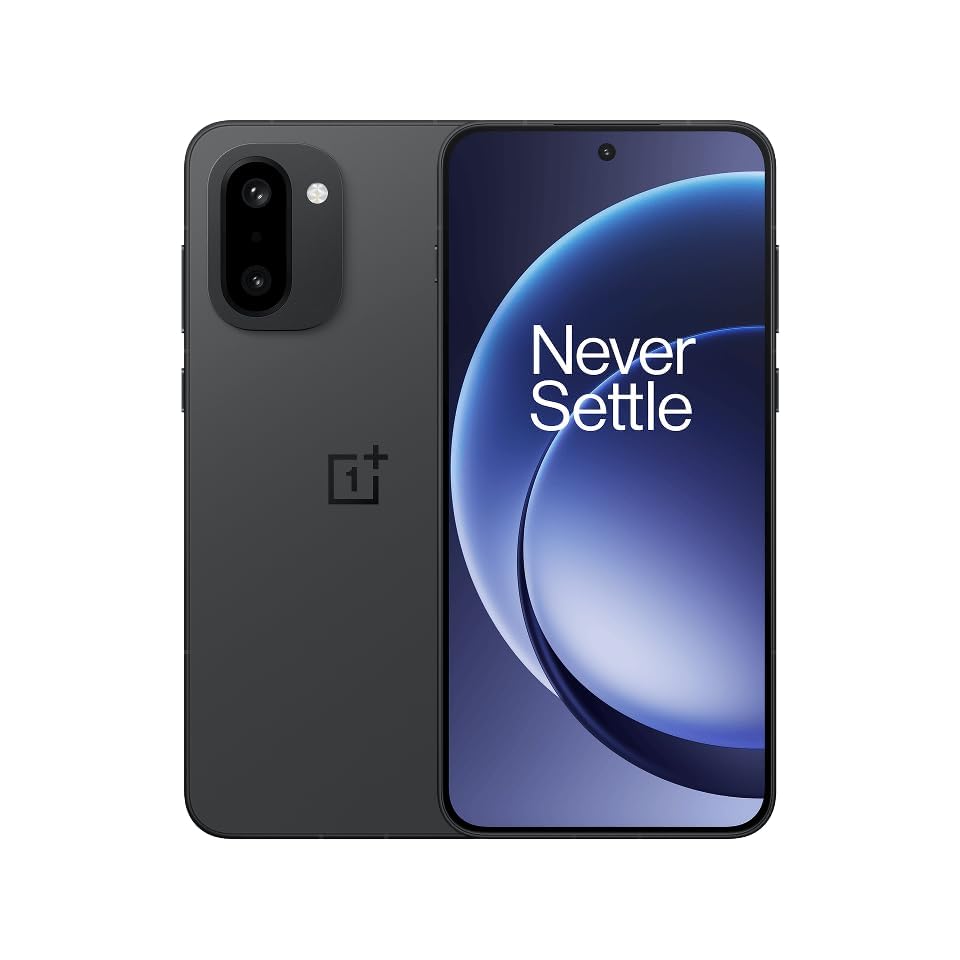
A 165Hz display and a 7400mAh cell for people who hate charging.
If battery capacity is your deciding number, this is the one to beat on this list. The 15R packs a 7400mAh battery — OnePlus calls it their largest ever — with 80W SUPERVOOC charging for a fast refill. The screen is a 1.5K flagship AMOLED running a 165Hz refresh rate, driven by a 3200Hz touch response chip that speeds up how quickly taps register. OnePlus also calls out complete IP ratings for dust and water resistance, so dust storms and heavy splashes are handled without drama. It runs a Snapdragon 8 Gen 5 processor with 12GB RAM and 512GB of storage.
The display is where the money lands. At 450 pixels per inch and 2800×1272 resolution, text and video stay crisp, and the 165Hz panel makes scrolling and touch response feel immediate. Owners keep pointing at the battery — 7400mAh is genuinely a lot for a phone this size, and it changes how you use the device: you stop planning your day around outlets.
Camera is the one part that splits opinion. Some buyers find the photos perfectly decent, others say it does not match the very best. It is a big-screen phone built around battery and display smoothness, not a camera-first device, so go in knowing which trade you are making. Overall build and reliability are the most praised traits, so the phone itself holds up — just do not buy it expecting the class-leading lens on the Xiaomi or OPPO below.
Battery first, everything else second: 7400mAh plus 80W charging means fewer stops at the wall and a display that stays smooth at 165Hz.
The honest caveat: camera output does not match the very best shooters here, so it suits a battery-first buyer over a photo purist.
Pick this when: long days away from a charger matter more to you than camera bragging rights.
Keep shopping if: photography is your main use — the camera comes in mixed, not leading.
7. SAMSUNG Galaxy S25 Ultra 5G
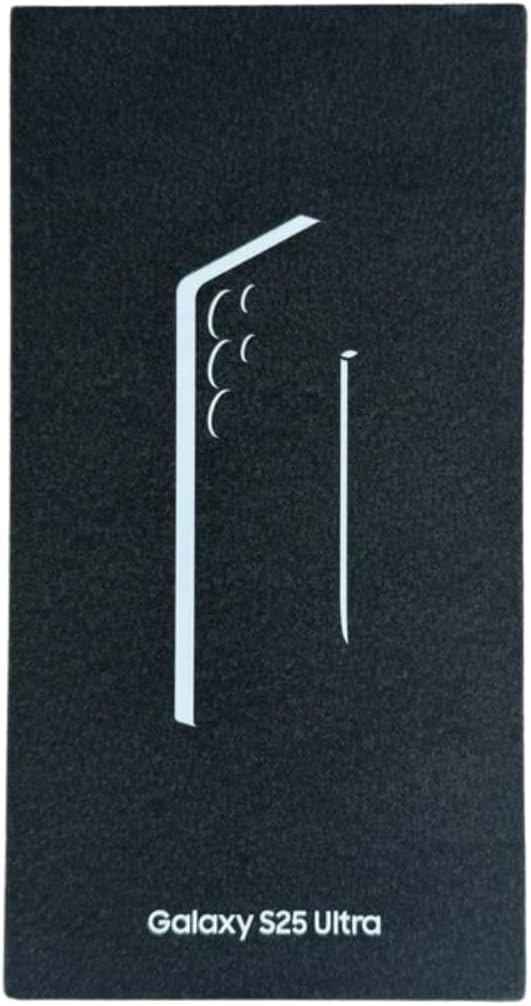
The 6.9-inch panel with the highest pixel density on this list at 508 PPI.
Nobody here beats this screen. The S25 Ultra carries a 6.9-inch Dynamic AMOLED 2X at 3120 x 1440 resolution and 508 pixels per inch — the finest pixel density in this group — with a 120Hz refresh rate, 16 million color depth, and Corning Glass Victus 2 on top. The OnePlus 15 matches its 120Hz smoothness but tops out at 450 PPI, so if you prize pure sharpness on a big AMOLED, this is the reference point. Behind it sits a Qualcomm Snapdragon 8 Elite processor with 12GB RAM and 512GB of UFS 4.0 storage, all running Android 15.
The camera array is the other draw: a 200MP main sensor backed by 50MP, 50MP, and 10MP lenses, plus a 12MP front camera. That 200MP figure is the sort of resolution you can crop into and still hold detail, which suits a big-screen photographer who reviews shots on that large AMOLED. Connectivity covers Bluetooth 5.4, Wi-Fi across 2.4GHz, 5GHz, and 6GHz bands, and NFC, with a USB-C port on USB 3.2 Gen 1. Battery is listed at 5000mAh, and the dual-SIM setup accepts two Nano-SIMs, a Nano-SIM plus eSIM, or dual eSIM.
The catch is the same one every import phone forces you to face: this is an International Version open up for GSM carriers like T-Mobile but explicitly not compatible with Verizon, Sprint, US Cellular, or any CDMA network. Samsung’s regional lock is lifted before shipping, which requires the unit to be unsealed — a normal part of the deal, but worth knowing. Owners who bought it report it working exactly as expected with their carrier, with functionality and compatibility being the traits that get called out most.
Why the display sells it
- 508 PPI — the sharpest big screen here
- 3120 x 1440 Quad HD+ Dynamic AMOLED 2X
- 200MP main camera with huge crop headroom
- Snapdragon 8 Elite with 12GB RAM
Read this before ordering
- No Verizon, Sprint, US Cellular, or CDMA support
- Arrives unsealed to lift the regional lock
- 5000mAh battery trails the bigger-celled imports
Made for: T-Mobile users who want the crispest big display and a 200MP camera.
Not for: Verizon, Sprint, or US Cellular lines, which this listing rules out.
8. HONOR Magic8 Pro 512GB
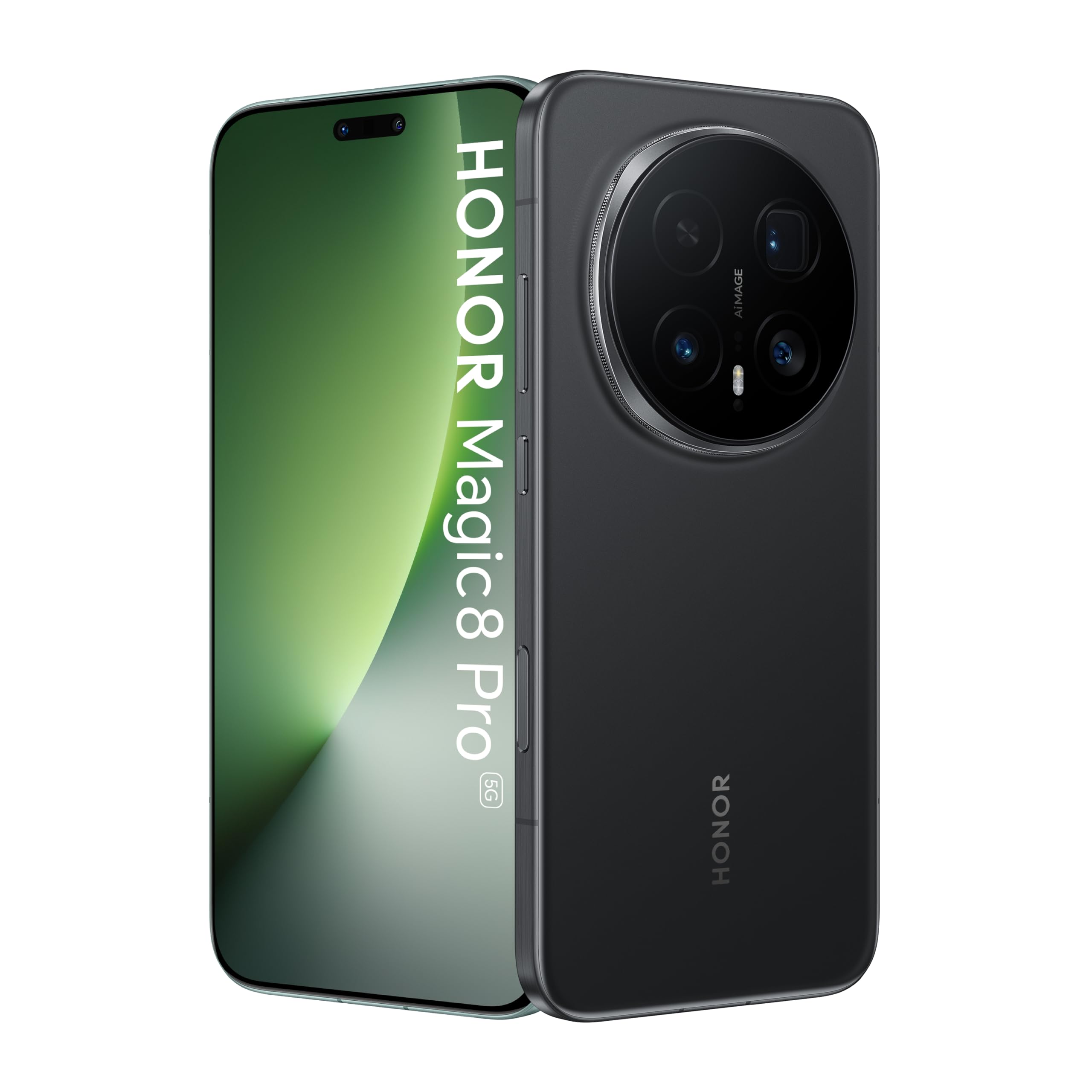
A 200MP periscope lens that pulls distant subjects into the frame.
Zoom is the whole story with the Magic8 Pro. A 200MP periscope telephoto with 3.7x optical zoom and optical image stabilization sits on the back, backed by a 50MP wide camera with an f/1.6 aperture and OIS plus a 50MP ultrawide with a 122-degree field of view. A 50MP front camera paired with a TOF 3D depth sensor handles selfies and face-based open up, so shots close up look as considered as shots from across a field. Storage is 512GB with 12GB RAM, enough to hold a lot of full-resolution images.
The display is a 6.71-inch LTPO OLED at 1256 x 2808 resolution, and LTPO is a variable refresh panel that adjusts its own rate to save power — useful when you are reading a static page on a big screen. The phone weighs 219 grams and measures just over a third of an inch thick, so it stays manageable despite the flagship internals. Connectivity is dual-SIM 5G with GSM support, factory open up for international use, and covers 2G through 4G LTE and 5G SA/NSA networks. Battery is 5000mAh.
This listing is GSM only with no CDMA, and it is an International Version, so the same carrier homework applies. There is no review pool to lean on for this one, which means you are buying on published specs alone — note if you rely on owner feedback before committing to a flagship-priced phone. If the periscope camera is what you are after, the hardware list is the case for it.
The zoom argument: 200MP periscope with 3.7x optical zoom and OIS, plus a 50MP ultrawide at 122 degrees.
What to weigh: no owner review pool to reference, and it is an International GSM-only model.
For the distance shooter: a 200MP periscope and a 50MP ultrawide make this the zoom-first pick.
Hold off unless: you are comfortable buying a GSM-only import on specs alone.
9. OnePlus 15 512GB
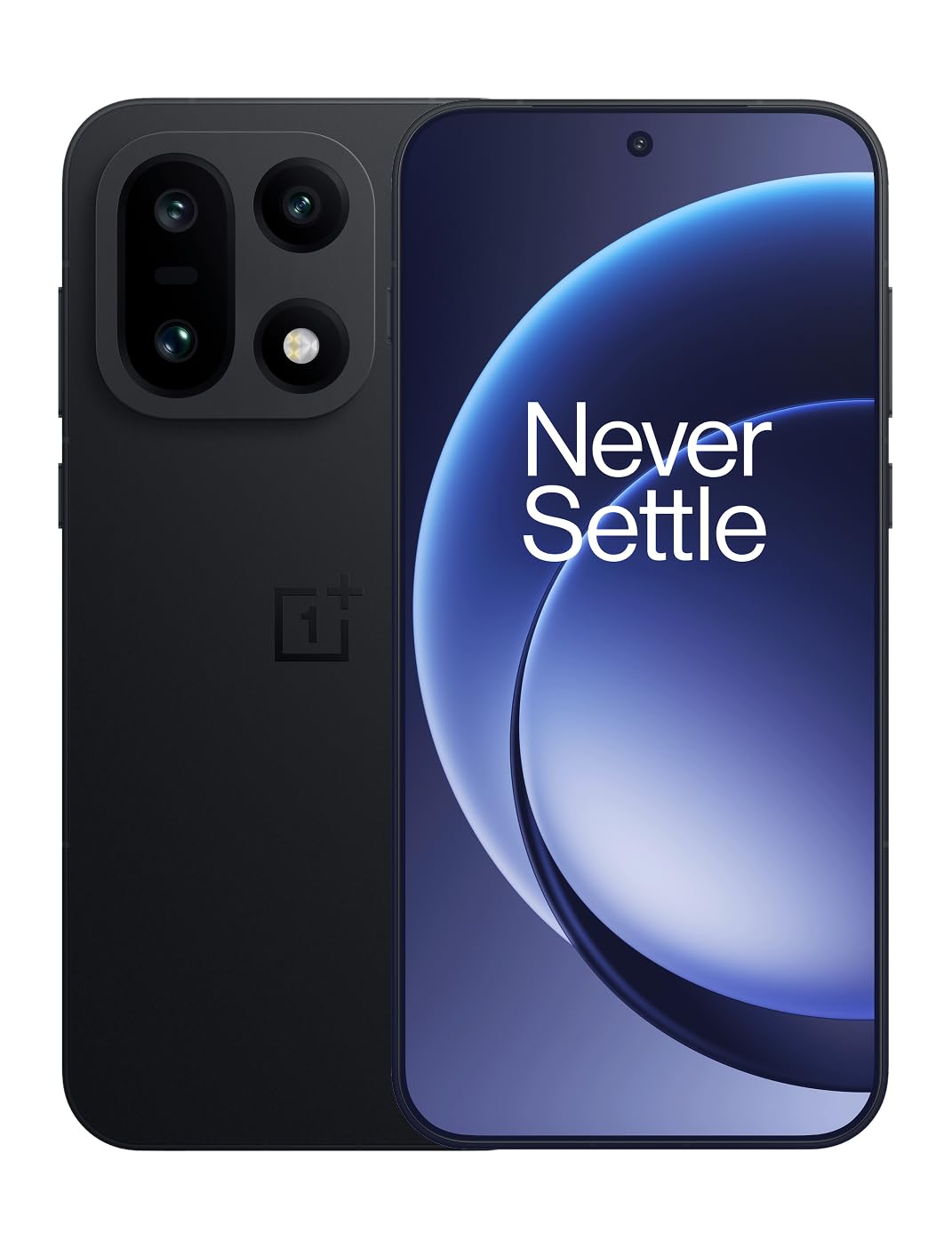
Sixteen gigs of RAM and a 7300mAh cell behind a 165Hz AMOLED.
Where the 15R leans on battery, the OnePlus 15 adds the hardware headroom. It runs a Tri-Chip System — a Snapdragon 8 Elite Gen 5 processor plus a dedicated Wi-Fi chip and a CPU scheduler — built for faster performance and smoother connectivity. The memory is the big tell: 16GB of RAM with 512GB of storage, more RAM than any other phone here. The battery is 7300mAh, just under the 15R’s 7400mAh but still far above the Samsung Galaxy S26+’s 4900mAh, so a heavy day ends well before the phone does.
The display is a 6.78-inch AMOLED running at 165Hz and 450 pixels per inch, so motion stays fluid and text stays sharp on a screen large enough for real video watching. The camera setup is triple 50MP across wide, ultra-wide, and telephoto, which gives you a zoom option the 15R-only buyers do not get. Wireless charging is supported, the port is USB-C, and it ships with a charger, cable, SIM ejector, and quick guides in the box.
Owner feedback paints a phone that should hold up — overall quality is praised most, and the battery is the second thing people notice, with full charges coming fast enough that you are not tied to a cable. The speed is real too, with performance that handles demanding games. The split is in long-term consistency: some owners are amazed at the capabilities, while others report functionality issues over time. Camera comes in mixed, not leading. Treat it as a power-and-battery phone that also shoots fine, not a camera phone that also runs fast.
The power read: 16GB RAM and a tri-chip Snapdragon setup make this the most future-proof spec sheet here for heavy multitasking.
Where it can wobble: some shoppers say functionality issues over time, and camera quality lands mixed rather than class-leading.
This is the one for: heavy users who want 16GB RAM, a 7300mAh battery, and a 165Hz screen in one phone.
skip it if: you need guaranteed long-term stability or top-tier camera output.
10. Google Pixel 11 Pro XL – open up Smartphone, Gemini – 512 GB – Canyon
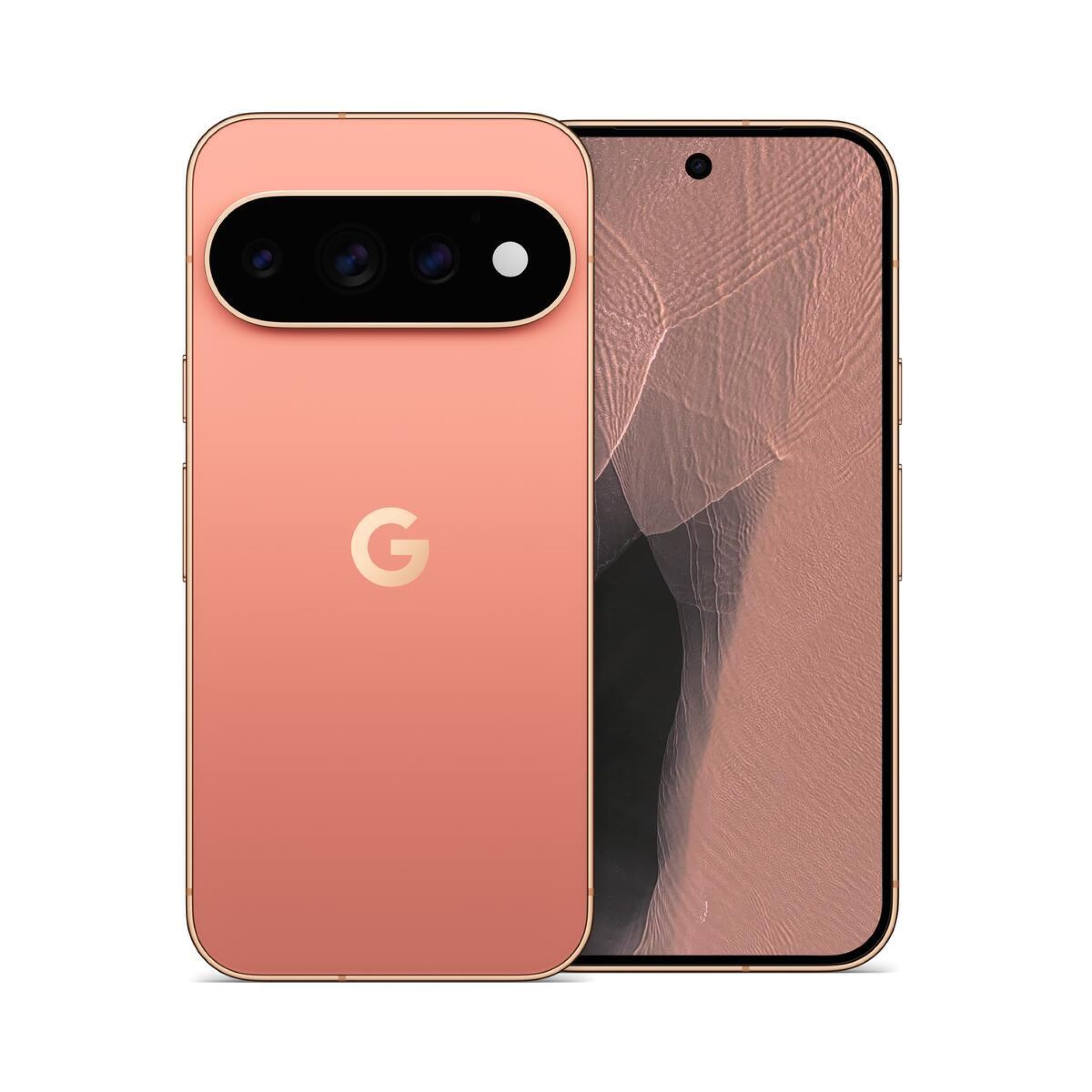
The large Pixel that edits your photos and video for you automatically.
The XL is the version of the Pixel 11 Pro built for people who want the screen bigger. It carries 512GB of storage, a 5115mAh battery, and an open up Android build that Google states works with Google Fi, Verizon, T-Mobile, AT&T, and other major carriers — which puts it in rare company on this list for Verizon buyers. Gemini Intelligence handles the details in the background, and the camera system is the centerpiece: Magic Capture grabs video and photos in one tap and automatically edits, crops, and unblurs a shareable set. A larger telephoto sensor captures 30% more light for cleaner low-light shots, and the 120x digital zoom reaches distant subjects.
The bundled software is where the value sits. Being tied to Google’s ecosystem means the phone pairs naturally with Pixel Buds, Pixel Watch, and Fitbit trackers, so the extras line up if you already own them. The 120x digital zoom is on hand for the far shots, and fingerprint plus facial recognition both handle open up. Charging runs over USB-C with the included 1m cable.
What people like most is the overall quality — it reads as a step up from the previous XL, with an impressive camera, a larger screen, and battery life that holds up, and it responds snappily. Value is the contested part: opinions split between “worth it” and “not great for the price,” which is typical for a premium Pixel. Buy it for the camera and Gemini features and the big-screen experience, not because it is the cheapest option here.
The Pixel advantage
- Works with Verizon, T-Mobile, AT&T, and Google Fi
- Magic Capture auto-edits and unblurs your shots
- Larger telephoto sensor for low-light detail
- 512GB storage and Gemini built in
The costs of entry
- Value splits between “worth it” and “not for the price”
- Premium tier spend for the camera-first experience
- Best extras need other Pixel devices
Buy this if: you want a big open up Pixel with automatic photo editing and full major-carrier support.
Look at the alternatives if: price-to-value is your main measure and camera AI is not a priority.
11. OPPO Find X9 Ultra 512GB
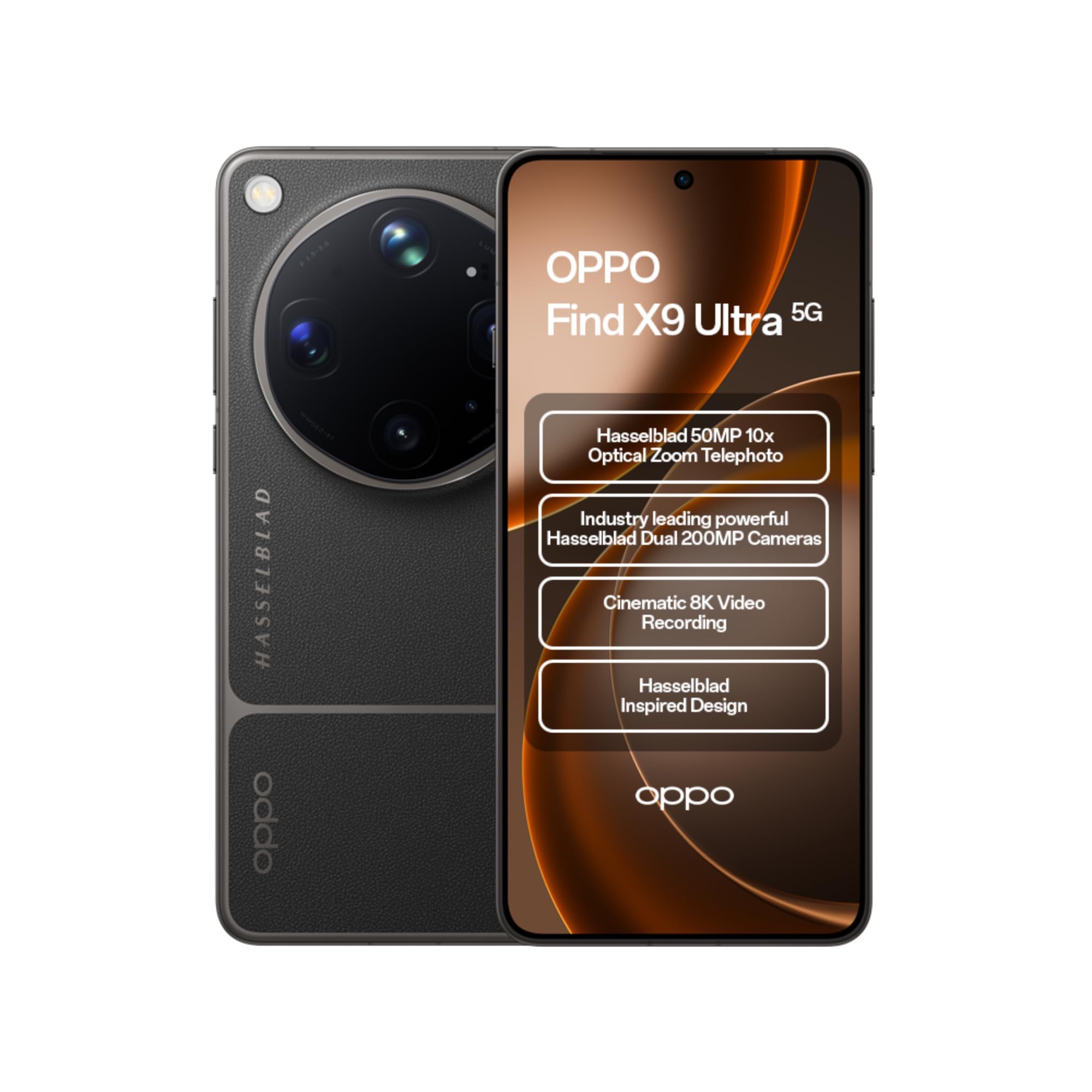
Two periscope lenses and a 200MP main sensor — this is the camera hardware ceiling here.
Nothing on this list matches the Find X9 Ultra’s optics. The rear array runs a 200MP main camera with an f/1.5 aperture and OIS, a second 200MP periscope telephoto at 70mm with 3x optical zoom, a 50MP periscope telephoto at 230mm with 10x optical zoom, and a 50MP ultrawide at 123 degrees. A 50MP front camera handles selfies. For anyone who shoots from a distance, a 10x optical zoom (a real folded lens, not software cropping) is a different class of reach than the digital zoom on most big-screen phones.
The screen holds up its end of the bargain. A 6.82-inch LTPO AMOLED at 1440 x 3168 resolution gives you a sharp, large canvas for reviewing those shots, and LTPO adjusts its own refresh rate to save power on static content. The 7050mAh battery is well above the Samsung Galaxy S26+’s 4900mAh, so the big display and heavy camera use do not drain you by mid-afternoon. Storage is 512GB with 12GB RAM, and GPS geotagging is supported, so location data stays attached to your photos.
Two things to accept before you buy. This is a GSM-only International Version with no CDMA, so Verizon and similar networks are out — check your carrier band support carefully. And it weighs 235 grams, the heaviest phone in this group, which you will feel during long one-handed use. There is no review pool attached to this listing either, so the case for it rests entirely on the published hardware: for a photographer who wants maximum zoom and a big AMOLED screen, that hardware is the argument.
The photography case: dual periscope lenses with 3x and 10x optical zoom plus a 200MP main sensor — the most camera hardware in this guide.
The conditions to accept: 235 grams is the heaviest here, and it is a GSM-only import with no owner review pool to check.
Reserve it for: photographers on a GSM network who want real optical zoom up to 10x on a big AMOLED screen.
Rule it out if: you are on Verizon or need a light phone for all-day one-handed use.
Know the Specs
Battery capacity in mAh
Battery capacity is measured in mAh, short for milliamp-hours — a working measure of how much charge the battery holds. On a big-screen phone this number matters more than on a compact one, because a larger display pulls more power to light it. The phones here range from 4900mAh up to 7400mAh, and a larger cell generally means more hours before you look for a charger. Charging speed is a separate number, stated in watts: a higher wattage refills the battery faster, but it cannot make a smaller battery last longer.
Refresh rate and display type
Refresh rate in Hz (hertz) tells you how often the screen redraws each second, so a 120Hz or 165Hz panel feels smoother under your finger than a standard 60Hz one. An LTPO panel goes a step further and varies that rate to save power. Display type is the other half: AMOLED panels light each pixel individually for deep blacks and high contrast, while LCD panels use a backlight behind the image. On a big screen, AMOLED usually looks richer, and pixel density measured in PPI tells you how sharp text and images will appear.
open up versus carrier-compatible
An open up phone is not tied to one carrier’s contract, but that does not automatically mean it works on every network. Listings that say “GSM only” or “no CDMA” typically work on T-Mobile and its prepaid partners but not Verizon or AT&T. International versions may lack a US warranty. Before you buy, confirm your own carrier is named in the listing, and check whether the phone takes a physical Nano-SIM, an eSIM, or both if you need two lines.
Storage, RAM, and SIM slots
Storage is where your photos, apps, and videos live, and RAM is the faster working memory that keeps apps running smoothly when you switch between them. Every phone here carries at least 128GB of storage, with RAM from 8GB to 16GB. Some models accept a microSD card to expand that space, and others — including the Xiaomi — do not. Dual-SIM support means you can run two lines at once, either through two physical cards or a mix of Nano-SIM and eSIM.
Common Questions
Will an international version phone work on my US carrier?
How big a screen do I need for comfortable video watching?
Does a bigger battery always mean longer battery life?
Is a 120Hz or 165Hz refresh rate worth it on a big-screen phone?
Can I use two SIM cards in these phones?
Do these big-screen phones support wireless charging?
What does PPI mean and why should I care?
Can I expand storage with a microSD card on every phone here?
Which big-screen phone has the best zoom camera?
Are these big phones heavy to hold for long periods?
The Bottom Line
For most people shopping for a world big phone, the smart choice is the Samsung Galaxy S26+ — it pairs a 512GB AMOLED package with US-market carrier support and none of the “will it connect” anxiety that comes with imports. If raw battery capacity drives your decision, reach for the OnePlus 15R and its 7400mAh cell with 80W charging. And for the photographer who wants maximum zoom on a big AMOLED, the OPPO Find X9 Ultra brings dual periscope lenses with 10x optical zoom — provided you are on a GSM network. Confirm your carrier first, then let battery and camera decide the rest.
How we choose
We do not accept paid placement. Every pick is matched to a real buyer and a real use-case; we do not hands-on test units.
Sources
Specifications: manufacturer listings and product documentation. Review insights: verified customer reviews, as of November 2026. Pricing: not shown on this page (it changes often); check the current price via the retailer link.
As an Amazon Associate, Tactical Gear Guy earns from qualifying purchases. This does not affect which products we feature.