Specs are compiled from manufacturer listings and verified buyer reviews and can change over time — please confirm the key details on the product page before buying.
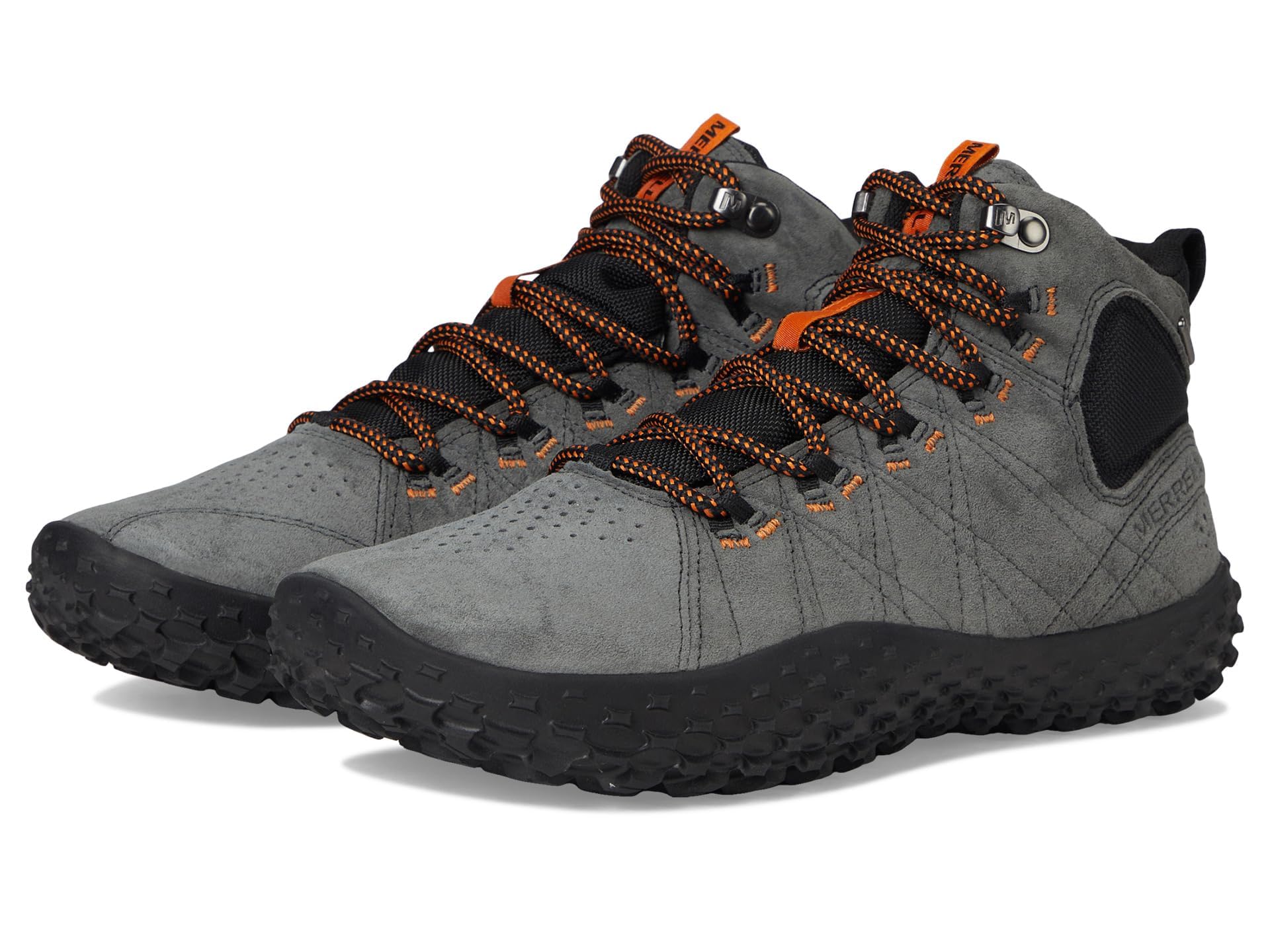
Zero-drop hiking boots put your heel and your toes on the same level plane, so your foot lands the way it does barefoot instead of pointing downhill into every step. That single change fixes the two things most hikers complain about after a long day: crushed toes in a narrow box and a heel that sits higher than the rest of the foot. The pick that balances this best right now is the Merrell Wrapt Mid Waterproof, a zero-drop hybrid with an aggressive rubber sole that keeps the wide foot shape the brand is known for. Below you get seven boots and shoes that genuinely sit at 0 mm heel-to-toe, sorted by how they actually feel on rock, mud, and long descents.
This guide is built by comparing the manufacturers’ published specifications and the patterns across verified customer reviews, so you get each pick’s real strengths and trade-offs instead of marketing spin.
Some of these boots run narrow around the ankle while others flip that and feel roomy from the start, which matters more in a zero-drop shoe than in a cushioned one because your foot does the stabilizing. Read further for real ground-feel trade-offs in the best zero drop hiking boots for anyone moving to a level sole.
Top Picks
How to Choose Zero-Drop Hiking Boots
A level platform is the whole point of this category, so start there and then narrow down by how much ground feel you actually want underfoot. A zero-drop boot puts your heel at the same height as the ball of your foot, which changes where your weight sits and how much your calf and arch have to work. If you are coming off a conventional boot with a raised heel, the switch takes some getting used to.
Start With the Drop, Then the Stack
Drop is the height difference between heel and toe, and in this category it reads as 0 mm. Stack height is how much material sits between your foot and the trail — the higher the stack, the more cushion and the less you feel the ground. A boot with a thin stack gives you feedback from roots and rock, which many zero-drop buyers want, but it also means you feel every sharp edge. Decide which of those two you can live with before you shop.
Toe Box Width Is Not Cosmetic
A wide, foot-shaped toe box lets your toes spread when you push off, which is the natural motion a level sole is designed to allow. On descents and long climbs, toes that cannot spread tend to jam forward and rub. Several picks here are built around that wide shape, and a couple are not — read the fit notes in each review before you commit to a size.
Waterproofing Versus Breathability
A waterproof membrane keeps rain and puddles out but traps heat and slows drying once water gets in over the collar. A membrane-free leather build breathes better but needs care to stay weather-resistant. Neither is wrong; pick based on whether your trails are wet most of the year or dry and hot.
Side-by-Side Comparison
| Model | Best For | Drop | Foot Shape | Build | Amazon |
|---|---|---|---|---|---|
| Merrell Wrapt Mid Waterproof★ Best Overall | Everyday trail and wet-weather grip | 0 mm | Barefoot-collection fit | Waterproof, aggressive rubber sole | Amazon |
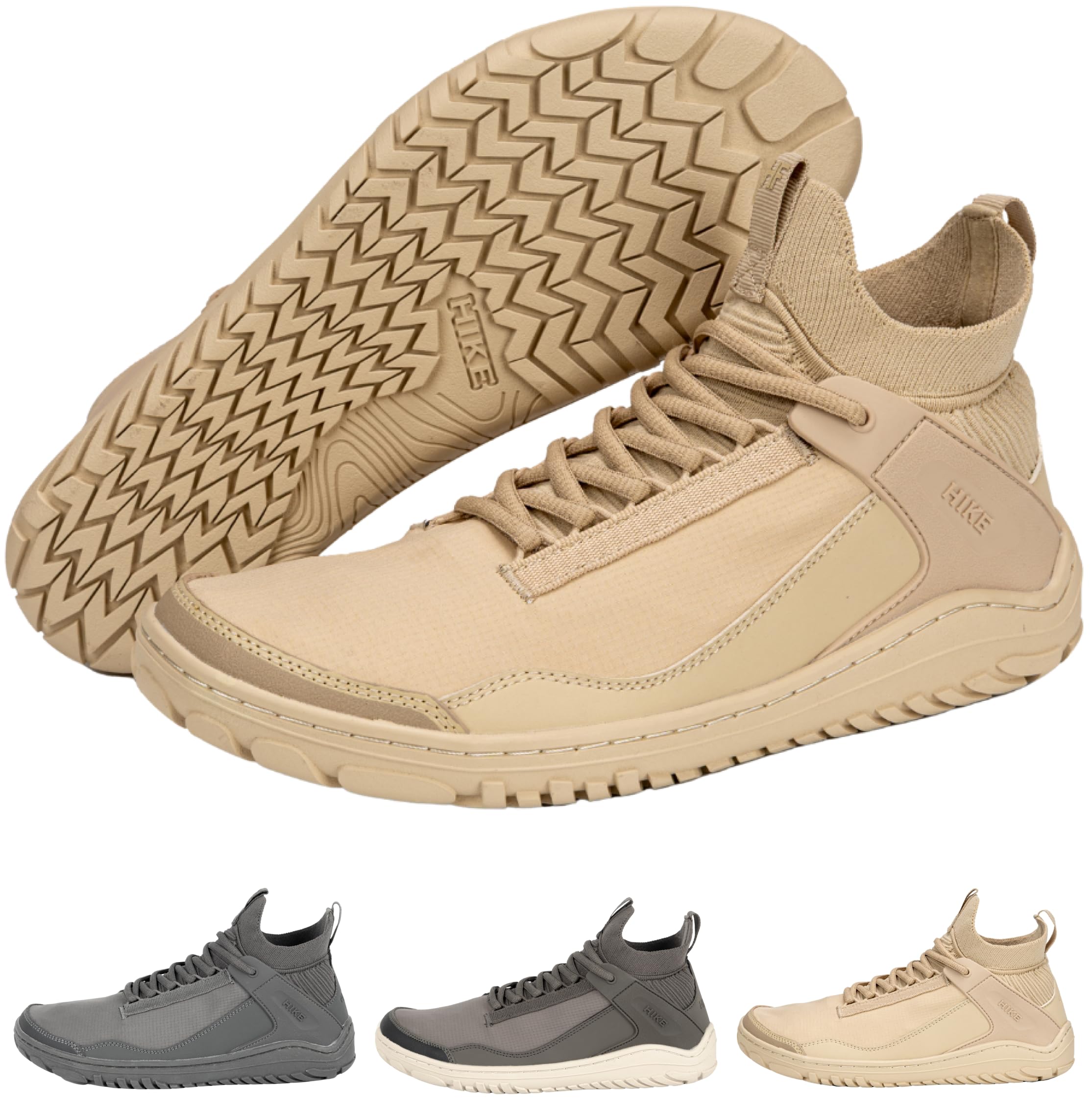
| HIKE Avara Trek BarefootBudget Entry | Budget entry to barefoot hiking | 0 mm | Wide toe box | Flexible, non-slip trail-grip | Amazon |
| HIKE Sierra Peak Mid-Cut | Casual, short walks | 0 mm | Wide toe box | Mid-cut barefoot | Amazon |
| Xero Xcursion Fusion Waterproof | Lightweight backpacking and trail hiking | 0 mm | Foot-shaped, wide toe box | Waterproof, 10mm FeelTrue sole | Amazon |
| Xero Women’s Ridgeway | Trail-to-town looks | 0 mm | Wide, barefoot-friendly | Canvas upper with suede accents | Amazon |
| ALTRA Lone Peak 9 WP Mid | Ankle support on long hikes | 0 mm | Roomy toe box | Waterproof, Altra EGO foam | Amazon |
| Vivobarefoot Tracker Leather AT II | All-terrain leather durability | 0 mm | Barefoot | Membrane-free leather, reinforced stitching | Amazon |
Detailed Reviews
1. Merrell Mens Wrapt Mid Waterproof
Our pick — 4.0+★ from 200+ verified ratings; the strongest balance of quality and price.
A zero-drop waterproof mid built on Merrell’s barefoot-collection last, so your heel sits level and your toes spread instead of crowding.
Merrell built this one on the fit of its barefoot collection, which means a level platform that puts your heel in the same position it would sit in with no shoe on. That is the whole promise of zero drop, and the Wrapt Mid executes it without going so thin that trail debris comes through to your arch. The aggressive rubber sole handles the grip side of the job, so you are not trading ground feel for slip risk.
What wins people over is the build quality, and it shows up in the everyday wear. The overall make of the boot is the thing that consistently draws praise, with comfort right behind it — the kind of comfort that has hikers saying their feet do not ache after a shift. Arch support and water resistance both back that up, and the style scores well enough that one buyer compares the silhouette to a certain famous sneaker seen from a distance. Traction gets its own nod, including one hiker crediting the grip teeth with preventing a fall on ice.
The honest caveat is durability, which reads mixed rather than rock-solid across the long-term wear. If you put huge miles on boots every season, expect to inspect the sole and stitch lines as you go. Everyone else — day hikers, weekend campers, anyone whose knees are tired of a raised heel — gets a level-sole boot that works wet or dry. It holds the top spot here at 4.0+ stars across 240+ ratings, though the Xero Xcursion has the bigger review base.
What earns the top slot
- Zero-drop platform built on Merrell’s barefoot-collection last, so the foot stays flat and natural
- Waterproof construction that holds up in rain and puddles
- Grip teeth that hikers credit with keeping them upright on slick, icy ground
- Arch support that reads as genuinely supportive, not just a flat insole
Where it falls short
- Long-term durability is the mixed note — heavy-mileage hikers should keep an eye on wear
- Fewer total ratings than the Xero Xcursion Fusion
Reach for this if: you want a level sole, real grip, and wet-weather protection in one boot without dropping to a paper-thin sole.
Look elsewhere if: you log serious mileage every week and need a boot with a proven long-wear track record above all else.
2. HIKE Footwear Avara Trek Barefoot Hiking Boots
A flexible, wide-toe-box zero-drop boot at an entry-level price for testing barefoot hiking on dry trails.
If you have never worn a level-sole boot and want to find out if the whole natural-motion idea works for your feet, this is the low-risk way in. The Avara Trek pairs a zero-drop sole with a wide toe box, so your toes can spread and push off the way the design intends. The upper is breathable and flexible, and the outsole is built for non-slip trail grip rather than smooth pavement.
Comfort and appearance are the two things that land best here — it looks good enough on the trail and off it, and the foot feel is the reason people keep them. Fit is the point you need to plan around, though. Some hikers find them true to size while others find them tight around the ankle, so measure your foot and consider sizing up if you are between sizes. Quality divides opinion in the same way, so treat this as a starter boot rather than a buy-once piece.
Weigh that against what you are paying and the trade is fair: an inexpensive way to try zero drop before you spend on a premium leather pair like the Vivobarefoot below. It has not got the waterproofing of the Merrell up top, so keep it for dry-season trails and short trips.
The value read: a flexible, wide-foot boot at an entry-level price that lets you test the barefoot feel without committing big money.
The sizing caution: fit runs tight around the ankle for some hikers, so try before a long trip or size up deliberately.
Good call when: you are barefoot-curious and want a cheap, flexible first pair for dry trail days.
Think twice when: you need proven waterproofing or a fit that feels the same for everyone from the start.
3. HIKE Footwear Sierra Peak Mid-Cut Barefoot Hiking Boots
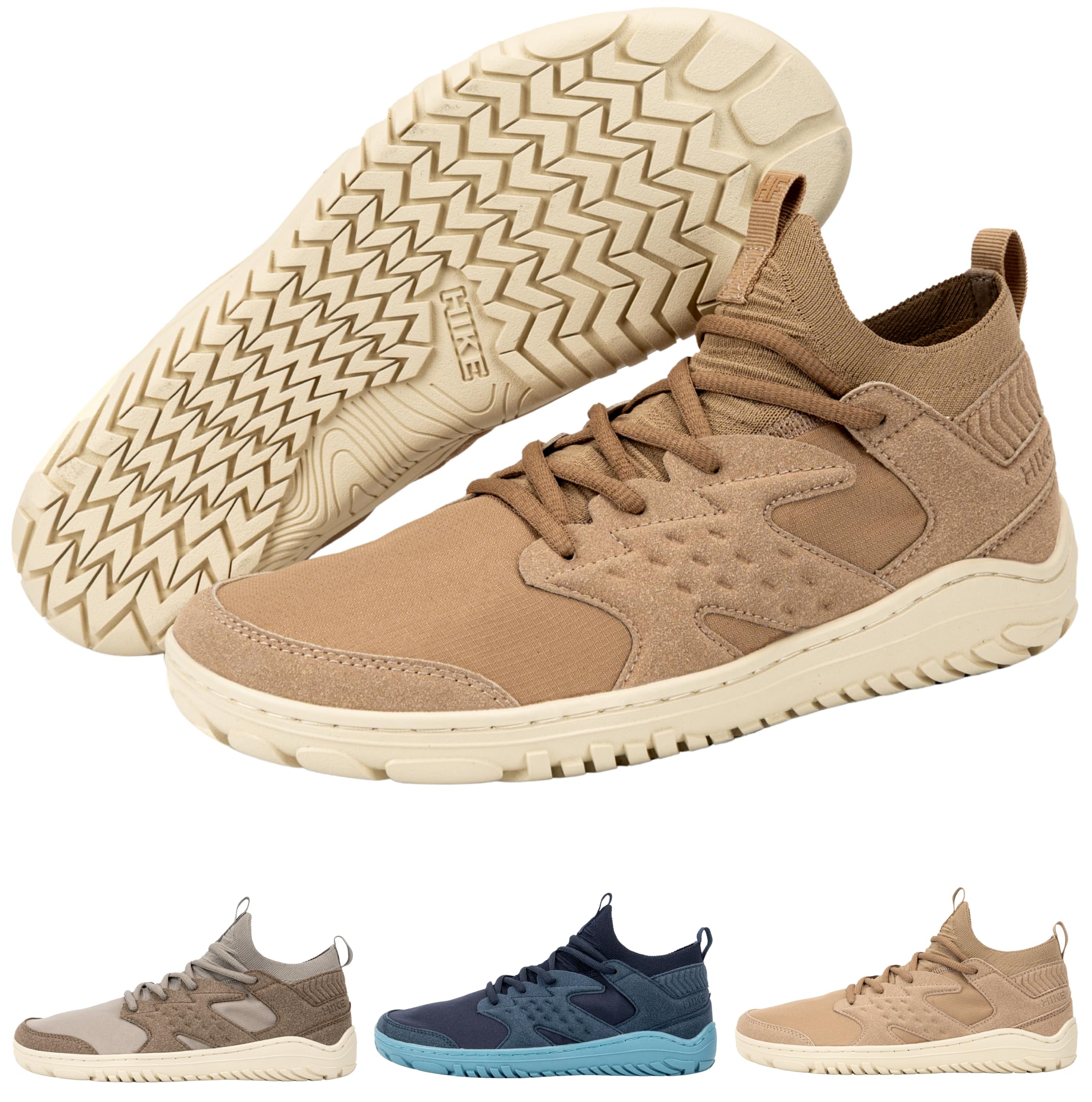
A budget mid-cut barefoot boot with a wide toe box and comfortable underfoot feel, but a collar that fights you on and off.
The Sierra Peak does the core zero-drop job: a level platform under a wide toe box, wrapped in a mid-cut collar for a bit of ankle coverage. Underfoot comfort is what lands best with hikers, and the foot feel is the reason to consider it at all. It is aimed at people who want the barefoot-walking sensation without the bulk of a tall leather hiking boot.
The trouble is on and off. Fit is the most-discussed issue, with sizing complaints landing harder than the compliments, and ease of use flagged as a real annoyance — the boot is difficult to get on and off. That is a daily-friction problem: you will feel it every time you leave the tent at camp or swap shoes after a hike. Quality also splits opinion, so read the sizing chart carefully before you order.
It earns its place on this list as a budget mid-cut for someone who wants ankle coverage and zero drop on easy, short routes. For anything long or wet, spend up to a boot with a fit buyers agree on.
Where it lands well: comfortable underfoot and a level, wide-toe platform for short trails and casual walks.
Where it snags: getting them on and off is a chore, and sizing is inconsistent enough to plan for.
Worth a look if: you want a cheap mid-cut barefoot boot for short, dry walks and can be patient with the fit.
Skip if: you need something you can pull on fast at camp or trust for sizing on the first try.
4. Xero Shoes Xcursion Fusion Waterproof Hiking Boots
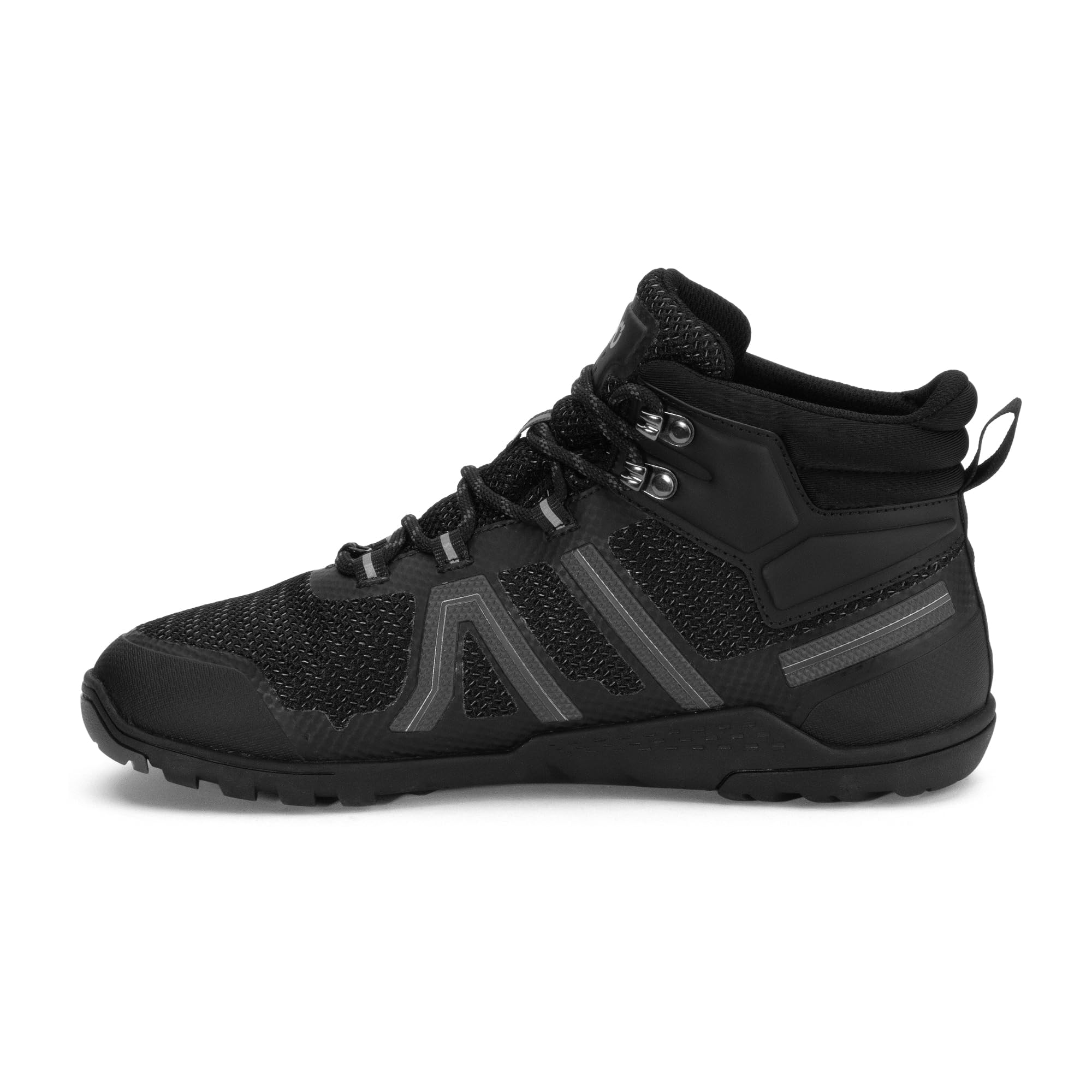
A 13.7 oz waterproof minimalist boot on a 10 mm FeelTrue sole with 3.5 mm lugs, so you feel the trail without bruising on it.
At 13.7 ounces per boot for a men’s size 9, the Xcursion Fusion is the one that lets you hike light without strapping on a heavy boot. Xero builds it on a 10 mm FeelTrue sole with 3.5 mm lugs — the raised rubber teeth that bite into dirt — plus a TrailFoam layer underneath for a little cushioning. The wider, foot-shaped toe box and non-improve heel put you flat to the ground, so your foot bends and flexes the way it would barefoot.
Build quality is the strongest part of its case, with lightweight design the next-loudest praise. Where opinions split is fit — some feet slot in perfectly, others find the toe box narrower than expected. Durability, water resistance, traction, and value all come back mixed, so this is a boot that depends on how hard you work it. Hikers wanting a light pack and real ground contact tend to love it; those expecting bomber wet-weather armor should look at the Merrell instead.
Its bigger review base than the Merrell — 340+ ratings — tells you the design has a real following, even at 4.0+ stars. Treat the waterproof claim as a trail-drizzle shield rather than a monsoon suit and it will serve you well.
Why hikers rate it
- 13.7 oz per boot at men’s 9 keeps a full day’s load off your feet
- 10 mm FeelTrue sole with 3.5 mm lugs gives grip without killing ground feel
- Waterproof build with a seam-sealed inner bootie for wet trails
- Wide, foot-shaped toe box for natural toe spread
Points to weigh
- Fit is inconsistent — some hikers find the toe box narrower than expected
- Durability and waterproofing are mixed over the long haul
Best matched to: lightweight backpackers and hikers who want a waterproof shell plus real ground feedback.
Less suited to: anyone who needs a boot that lasts many seasons of hard use or a guaranteed roomy fit.
5. Xero Shoes Women’s Ridgeway Hiking Boots
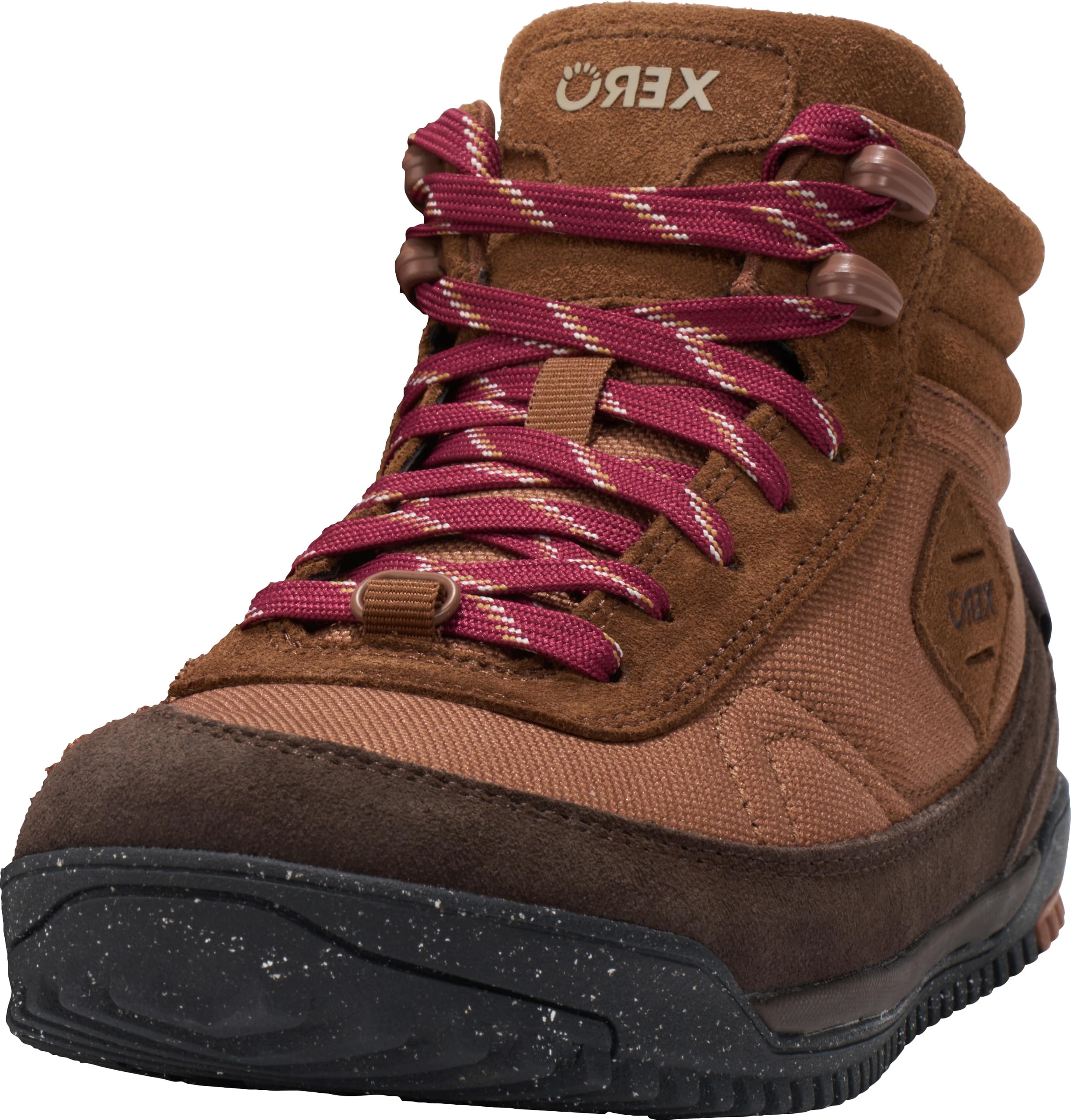
A canvas-and-suede barefoot boot with a level sole, styled for the walk into town after the trail.
Xero made this one for the hiker who wants to walk into town after a day on technical trail without changing shoes. The Ridgeway pairs a rugged canvas upper with suede accents on a barefoot-friendly sole, so you get the zero-drop feel in a boot that reads more casual than technical. Look is clearly the draw — it is the thing buyers respond to most.
Sizing is the conversation piece. Fit comes back mixed, with several noting that the sizing runs too small, so order with that in mind rather than assuming your normal number will work. That is a solved problem once you know it, but it does mean you should not buy this blind.
The retro canvas-and-suede look is the draw here, and it sits on a level barefoot sole.
The standout: a canvas-and-suede boot that looks good enough to wear off the trail while keeping the barefoot platform.
The watch-out: sizing runs small for several hikers — size up if you are between sizes.
Suits you if: you want a barefoot boot with real style for trail-then-town days.
Not for you if: you want a large pool of owner feedback to rely on before ordering.
6. ALTRA Men’s Lone Peak 9 Waterproof Mid Hiking Shoe
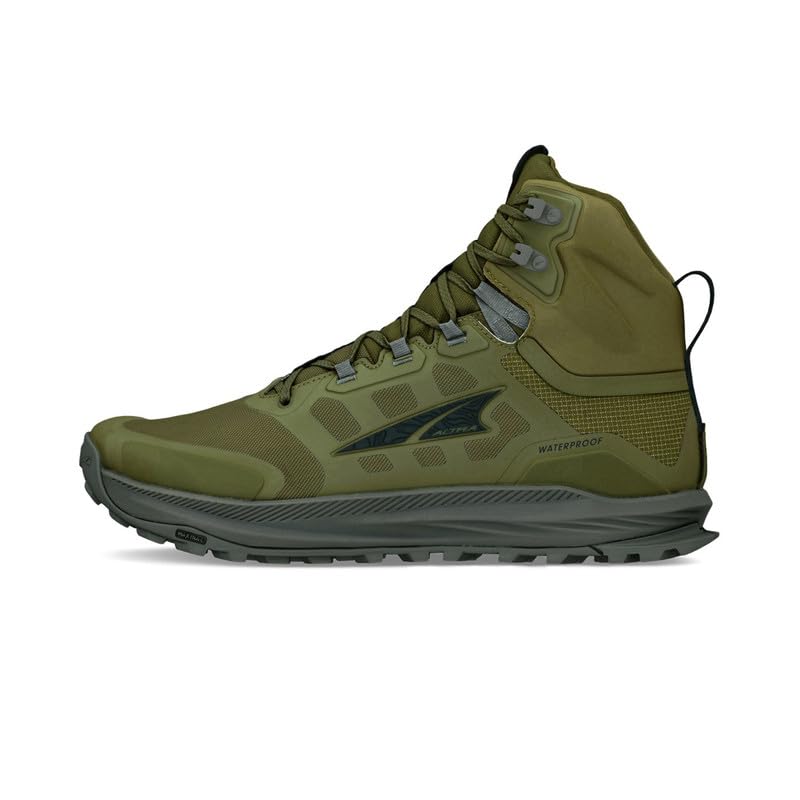
A waterproof mid-cut at 0 mm drop with a 25 mm/25 mm stack, a roomy toe box, and Altra EGO foam underfoot.
Where the Merrell hides its level platform under a rubber sole, Altra tells you the number plainly: this boot sits at 0 mm drop with a 25 mm stack height at the heel and forefoot. That stack gives you a bit more cushion than a barefoot-thin boot while keeping the flat plane intact. The zero-drop platform and roomy toe box are built for natural movement, letting your toes spread and your midfoot stay supported underneath.
The underfoot setup is Altra EGO foam for a responsive, comfortable cushion, a MaxTrac outsole for a blend of grip and durability, and a Stoneguard insert that shields you from rocks and debris while staying flexible. Build quality is the strongest point with fit close behind, and lightweight design gets its own positive nod.
Waterproofing splits opinion — some hikers find it totally dry, others say it is not waterproof at all. Durability is mixed too, with a toe-lining issue showing up, and the color does not match what some shoppers expect from the listing. The upper is a waterproof membrane with a recycled polyester mesh and no-sew overlay, so treat the wet-weather claim as a light-rain layer rather than a river crossing suit.
Strengths on the trail
- 0 mm drop with a 25 mm/25 mm stack for cushion without a raised heel
- Altra EGO midsole for responsive, comfortable underfoot feel
- Stoneguard insert protects from rocks and debris while staying flexible
- Mid-cut collar and molded heel collar add ankle support
Honest limitations
- Water resistance is mixed — some hikers find it far from dry in real rain
- Durability and color accuracy both draw complaints
Pick this for: hikers who want ankle coverage, a supportive midsole foam, and a flat platform with a bit more cushion underfoot.
Cross it off for: sustained wet weather or if exact color matching matters to you.
7. Vivobarefoot Women’s Tracker Leather All Terrain II Hiking Boot

A membrane-free leather barefoot boot with a reinforced rand and double stitching at the stress points that fail first.
Vivobarefoot went straight at durability on this one: an upgraded leather rand and reinforced double stitching at the stress points where boots usually give out first. The breathable, membrane-free design means there is no plastic sheet between your foot and the air, which keeps things cooler on the move. It still delivers wet-weather protection, but through the leather rather than a trapped membrane layer.
If you are ready for full barefoot feel on all-terrain ground, this is the premium answer. It is the highest-rated boot here at 4.5+ stars, though its review base is the smallest of the seven at 20+ ratings — the Xero Xcursion Fusion has far more owner history — so you are partly trusting the build spec and the brand. The leather work is what makes the case: a rand and stitching upgrade aimed squarely at the wear points a lighter canvas boot would not survive.
Treat it as a long-term leather boot rather than a quick purchase: it is the most expensive pick in this lineup, and the membrane-free design means you should keep the leather conditioned to hold off water. For hard-terrain hikers who want a boot to grow old with, that is a fair trade.
Built for the long haul: upgraded leather rand and double stitching at stress points target the spots that fail first on trail boots.
The responsible catches: highest price here and the smallest review base, so you commit on spec and brand confidence.
Right pick when: you want a durable leather barefoot boot for years of all-terrain hiking and can pay the premium for it.
Look up the list instead if: you want a large body of owner feedback behind the boot before you commit.
Know the Specs
Drop (Heel-to-Toe Offset)
Drop is the height gap between your heel and the ball of your foot inside the boot, measured in millimeters. A zero-drop boot sits at 0 mm, so your heel and toes share the same plane and your foot lands flat instead of pitched forward. That flat plane is why zero-drop hikers say their toes stop jamming on descents — there is no slope inside the boot pushing them forward. Every boot on this list is built around a 0 mm platform.
Stack Height and Sole Thickness
Stack height is how much material sits under your foot, and it sets the balance between cushion and ground feel. The Lone Peak 9, for example, lists a 25 mm/25 mm stack — the same figure at heel and forefoot, which is what keeps its platform level. The Xcursion Fusion uses a 10 mm FeelTrue sole with 3.5 mm lugs for grip. A thinner sole gives you more feedback from roots and rocks but less protection from sharp edges, so match sole thickness to how rough your trails are.
Toe Box Width
A foot-shaped, wide toe box lets your toes splay out when you push off, which is the natural motion a zero-drop platform is meant to allow. When the box is narrow, toes crowd together and rub, especially on long climbs and steep descents. Several picks here are built around a wide box, and the fit notes in each review tell you where that geometry still runs tight.
Waterproofing and Membrane Type
Two approaches show up here: a waterproof membrane layered inside the upper, and a membrane-free leather build. A membrane keeps rain and puddles out but traps heat and holds moisture once water gets in over the collar. Membrane-free leather breathes better and dries more openly, but needs conditioning to keep rejecting water over time.
Common Questions
Do zero-drop hiking boots have any heel height difference at all?
Can I switch straight from regular hiking boots to zero-drop boots?
Is a wide toe box actually important in a zero-drop boot?
Are barefoot hiking boots waterproof enough for rainy trails?
How long should a pair of zero-drop hiking boots last?
Is a thinner sole better for trail hiking?
Are zero-drop boots good for long backpacking trips with a heavy load?
How do I keep leather barefoot hiking boots water-resistant?
Should I size up in a foot-shaped hiking boot?
Will the grip on barefoot boots hold up on ice and slick rock?
The Bottom Line
For most hikers, the zero drop hiking boots winner is the Merrell Wrapt Mid Waterproof, because it pairs a true 0 mm platform and a wide, foot-shaped fit with waterproofing and a grippy rubber sole — all the things you actually need on wet trail days. If your trails are rough and you want a light, waterproof minimalist boot with genuine ground feel, the Xero Xcursion Fusion is the one to reach for. And for a durable leather boot built to handle all-terrain seasons, the Vivobarefoot Tracker Leather AT II is worth the premium. If you want to try the barefoot feel without committing, start with the HIKE Avara Trek on dry trail days.
How we choose
We do not accept paid placement. Every pick is matched to a real buyer and a real use-case; we do not hands-on test units.
Sources
Specifications: manufacturer listings and product documentation. Review insights: verified customer reviews, as of November 2026. Pricing: not shown on this page (it changes often); check the current price via the retailer link.
As an Amazon Associate, Tactical Gear Guy earns from qualifying purchases. This does not affect which products we feature.