Specs are compiled from manufacturer listings and verified buyer reviews and can change over time — please confirm the key details on the product page before buying.
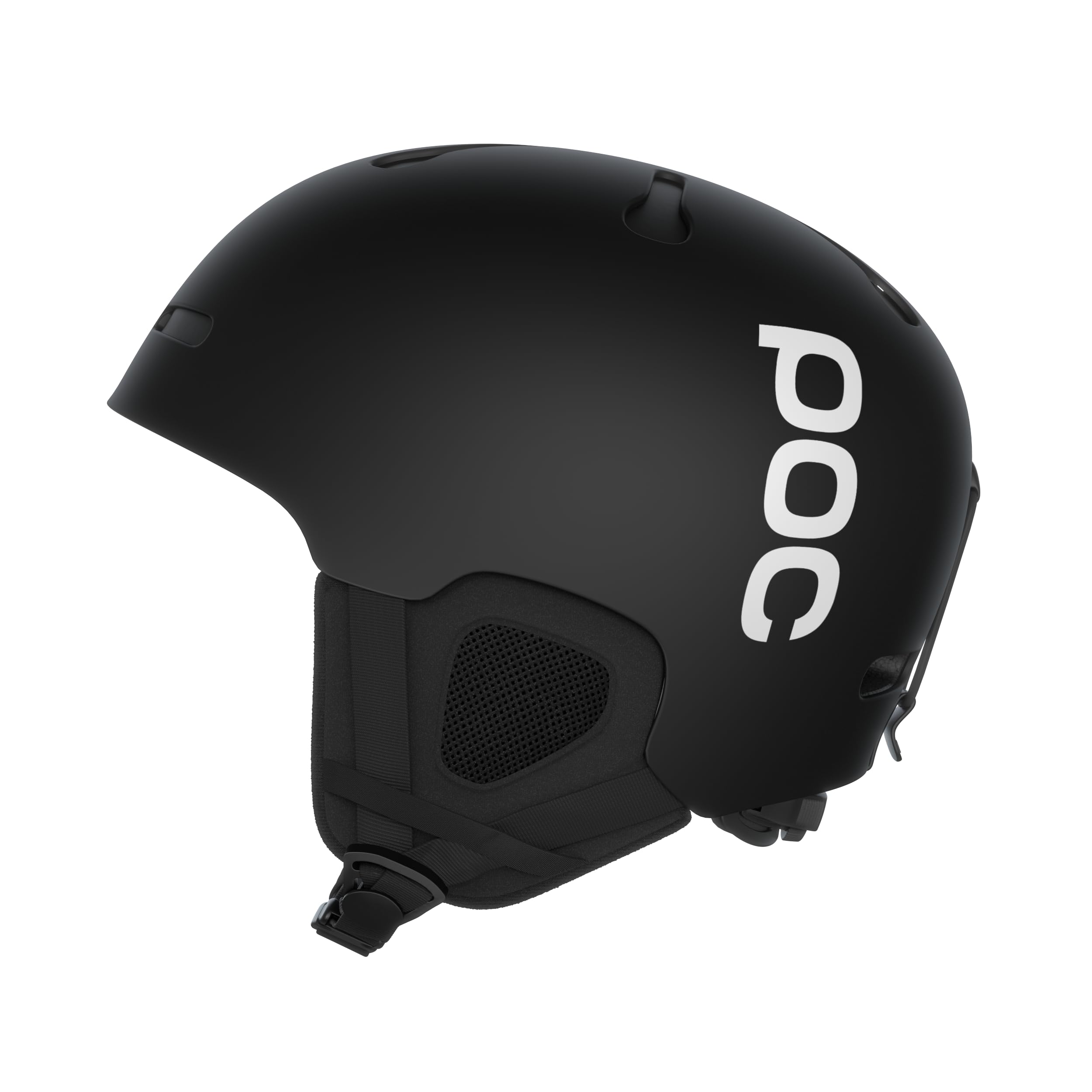
Your head is wide enough that most helmets on the rack squeeze at the temples or stop one size short. The good news: all three picks come from POC’s largest size bands, and the one to start with is the POC Auric Cut. Its adjustable fit system dials a 0.53 kg shell in around a large head instead of pinching fixed padding.
This guide is built by comparing the manufacturers’ published specifications and the patterns across verified customer reviews, so you get each pick’s real strengths and trade-offs instead of marketing spin.
One thing to say plainly up front: this list uses flexible, human-like matching for XXL / extra-extra-large head size (the largest class a maker offers, roughly 62cm and up). So not every pick is the exact number you searched — the nearest same-type size serves the same purpose. Below, each helmet is read against that standard, so you can see exactly where you land. That includes how the xxl ski helmet options here handle the widest heads.
Top Picks
How To Choose The Best XXL Ski Helmet
A helmet one size too small doesn’t just nag you on the chairlift. By lunchtime it leaves pressure points that throb, and it pushes the brim down until your goggles fog. As a wide-head buyer, your job is to find the biggest size class each maker builds, then confirm the fit system can still dial it in.
Start with the largest size class, not the brand
Most ski helmet lines stop at XL. When a maker offers a bigger band, that band is what you want. A shell that genuinely fits your head spreads the pad pressure out instead of pinching at the temples. Confirm the largest size each model actually ships before you commit.
Look for a dial-in fit system, not just a fixed pad size
An adjustable fit system (usually a dial at the back) tightens the shell around your head instead of squeezing padding until it hurts. On a wide head, that adjustability is the difference between a helmet you forget about and one that pinches at the temples.
Weigh the shell against the length of your day
Helmet weight is measured in kilograms, and every gram sits on your neck for six or eight hours. Lighter shells are easier on the muscles late in the day. Heavier shells usually mean more material built in for impact protection. The right balance depends on whether you prioritize neck comfort or extra shell material.
Check ventilation and goggle management
Adjustable vents let you open or close airflow as the temperature swings. A goggle clip keeps your lens on the helmet where it belongs. On a wide head, good ventilation also clears the heat that builds under a snug shell.
Side-by-Side Comparison
| Model | Best For | Weight | Liner / Shell | Fit System | Amazon |
|---|---|---|---|---|---|
| POC Auric Cut★ Best Overall | Backcountry and freeride days | 0.53 kg | Multi-impact EPP liner with ABS shell | Adjustable fit system, removable ear pads | Amazon |
| POC Obex Pure | All-day riding in mixed conditions | 0.4 kg | Polycarbonate shell, EPS liner | 360° fit adjustment system | Amazon |
| POC Obex MIPS | Riders who want MIPS brain protection | 0.5 kg | EPS liner with polycarbonate shell and ABS top shell | 360° fit system, removable ear pads | Amazon |
Detailed Reviews
1. POC Auric Cut
Our pick — 4.0+★ from 300+ verified ratings; the strongest balance of quality and price.
The freeride shell that keeps its protection after repeated hits, not just the first tumble.
This pick earns its spot on the liner, not the looks: an advanced multi-impact EPP liner inside a sturdy ABS shell. EPP (expanded polypropylene) is a foam that springs back into shape after a knock. ABS is the hard, rigid plastic outer layer. Ride soft groomers once a week and that durability is more helmet than you need. But if you already outgrew most XL bands, the Auric Cut’s adjustable fit system dials the shell in around a larger head instead of fighting fixed padding.
Weight sits at 0.53 kg, so the protection is real and you feel it on your neck over a long day. For context, the POC Obex Pure below comes in at 0.4 kg — that is 0.13 kg lighter on your head for six or seven hours. Ventilation is fully adjustable, so you can crack the flow open on a warm spring lap and close it when the wind picks up. The ear pads detach when you want more hearing on the lift line, and a removable goggle clip keeps your lens parked where it belongs.
One honest note: fit gets the most discussion in the review pages, and buyers report that this helmet rewards a proper head measurement rather than a guess. The adjustable system gives you a genuine range to work with. A snug shell still has to match your actual head shape, though. Measure first, then adjust.
Where The Auric Cut Wins
- Multi-impact EPP liner stays protective after repeated knocks, not a one-crash foam.
- sturdy ABS shell adds rigidity for hard-charging freeride and backcountry days.
- Fully adjustable ventilation adapts to a warm afternoon or a cold storm lap.
- Removable goggle clip and detachable ear pads let you tune the setup to the day.
What You Trade For It
- At 0.53 kg it is the heaviest of the three — the Obex Pure is 0.4 kg.
- Getting the right fit demands a real head measurement, not a guess.
Made for: riders who hit the park and backcountry and want a liner that survives more than one impact.
Think twice if: you want the lightest shell on your neck — the Obex Pure carries 0.4 kg instead.
2. POC Obex Pure ski and Snowboard Helmet
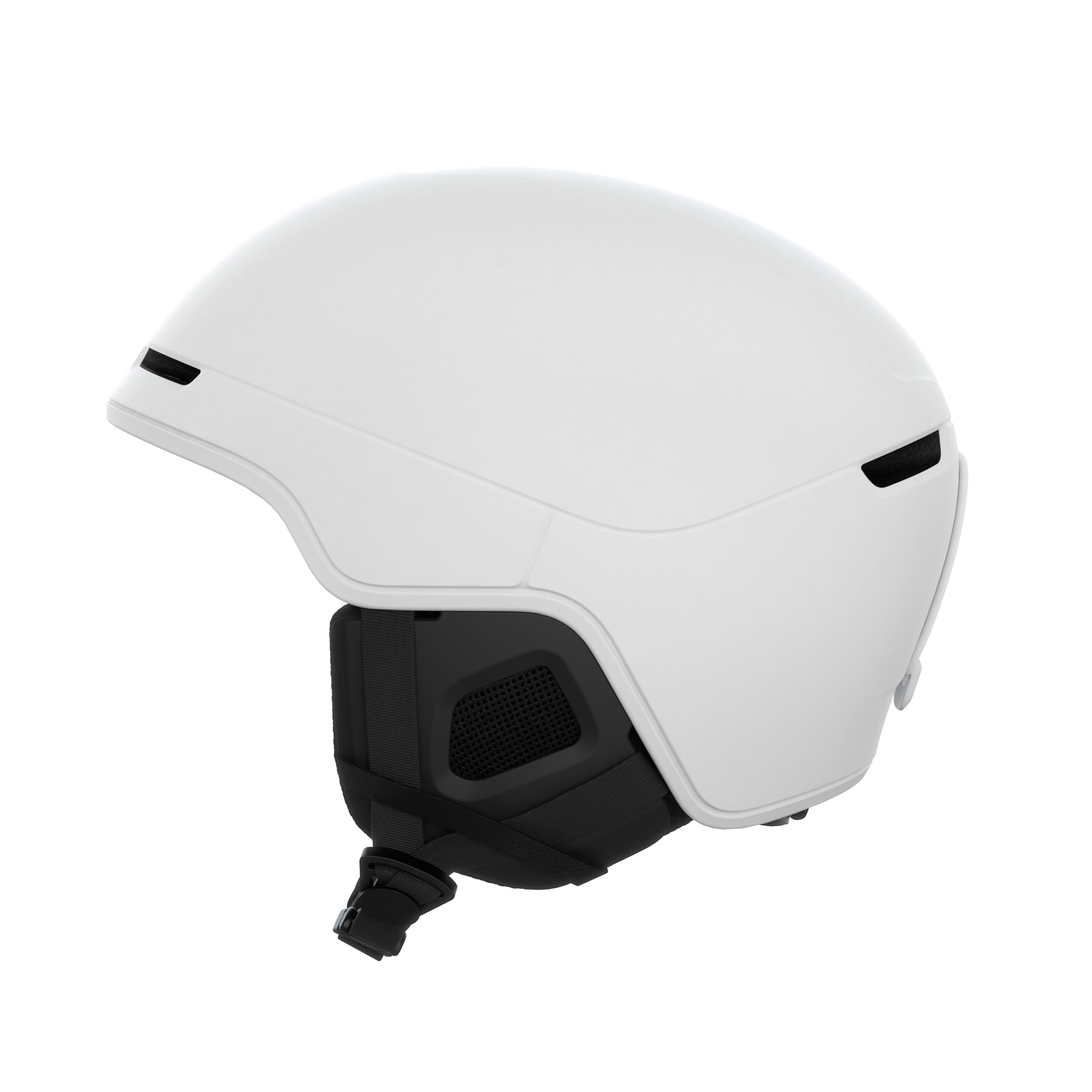
At 0.4 kg, this is the lightest way to cover a wide head without a heavy shell on your neck.
Weighing in at 0.4 kg is what makes this helmet worth a look. That is a noticeable step down from the Auric Cut’s 0.53 kg, and you feel it most on a long lift ride or a full day of laps. The shell is polycarbonate — a tough, hard plastic outer skin — layered over an EPS liner (expanded polystyrene, a foam that absorbs impact). POC describes it as a “whole helmet concept” build, meaning protection, comfort, and performance were balanced together rather than stacked.
For a wider head, the 360° fit adjustment system is the practical feature. It tightens the shell all the way around your head rather than cramming in padding, so a full tunnel of adjustment stays available. Ventilation runs front to rear, which keeps continuous airflow moving through the helmet on warm spring days. When the weather swings from cold and clear to slushy, that front-to-rear airflow keeps your head from overheating.
Now the fit reality. Owners mention that fit feedback on the Obex Pure is decidedly mixed, and the recurring note is temple tightness — the sides of the shell press on some head shapes. That does not make it a bad helmet, just one to try on before you buy. It makes it one to try before you commit if your head runs wide at the temples rather than across the crown. Head widest up top? The 360° dial gives you plenty to work with. Pressure points at the temples? Lean toward the Auric Cut and its adjustable fit system instead.
What wins people over: build quality earns the strongest praise in the review pages — owners treat this as a well-made helmet, not a budget shell.
Measure before you buy: fit is the most-discussed topic, and it swings both ways. Get your head circumference first, then buy — don’t assume a size chart alone will save you.
Reach for this if: you want the lightest helmet here and your head is widest across the crown.
Look elsewhere if: your temples are your pressure point — the tight-temple note shows up repeatedly in the fit feedback.
3. POC Obex MIPS ski Helmet

The only helmet here with MIPS, built to redirect the twisting force of an angled fall.
Only one helmet here carries MIPS Evolve, a thin slip layer inside the helmet designed to reduce rotational impact forces, and it pays for that with weight. At 0.5 kg it splits the difference — heavier than the Obex Pure’s 0.4 kg, lighter than the Auric Cut’s 0.53 kg. The shell stacks an EPS liner (expanded polystyrene, an impact-absorbing foam) with a polycarbonate shell and an ABS top shell. The result is an impact structure layered for long-lasting protection across a season.
For all-day skiing, the features that earn their keep are the sliding vents and the 360° fit system. The vents regulate airflow and help manage moisture from your goggles — the quiet cause of fogged lenses on a deep, humid day. The fit system tightens around the head without changing pads, and the ear pads pull out when you want to hear the lift line or the snowpack. Ride with a backpack and goggles on the helmet, and that combination covers the full mountain.
On the size question, the dimensions run 13.78 x 11.81 x 7.87 inches. That is a deep but narrow footprint next to the Auric Cut’s 11.81 x 11.81 x 11.81 inches. Think about that shape: a narrower profile can suit a longer head, while the Auric Cut’s even box shape can suit a rounder one. For an XXL buyer, shape matters as much as the dial — and head shape is the one thing a spec chart cannot show you.
Why it earns a spot: MIPS Evolve and the layered shell give you a protection story the other two picks cannot offer, without the heaviest shell in the group.
Side note: that narrower-footprint shape is the one thing to check against your own head — a dial can tighten a fit, but it cannot change the profile.
The pick for: skiers and snowboarders who want rotational-impact protection built in and ride all day, all mountain.
The honest catch: that narrower shell shape may not suit a rounder head — measure and check the fit before you commit.
Know the Specs
Weight In Kilograms
Weight is measured in kilograms, and it is the spec you feel every hour of a ski day. A 0.4 kg shell is easier on your neck by late afternoon. A 0.53 kg shell carries more material. If you ride bell-to-bell, the 0.4 kg shell is easier on your neck than the 0.53 kg one.
Fit Systems (Adjustable vs 360°)
An adjustable fit system tightens with a dial. A 360° system wraps that adjustment around the whole head. Both size the shell around your head instead of relying on fixed padding — exactly what a wide head needs.
Liner And Shell Types
The liner is the foam inside that absorbs the hit. The shell is the hard outer skin. A multi-impact EPP liner springs back and keeps working. An EPS liner is a classic impact foam. Polycarbonate and ABS are both hard shell plastics.
MIPS And Rotational Impact
MIPS (Multi-Directional Impact Protection System) is a slip layer that lets the helmet move slightly relative to your head during an angled fall. Its aim is to reduce rotational forces. Not every helmet includes it, so check the spec before you buy.
Common Questions
How do I know if my head is actually an XXL helmet size?
Is a 0.4 kg helmet noticeably lighter than a 0.53 kg helmet on a long ski day?
What does MIPS actually do in a ski helmet?
Will a helmet with a 360° fit system work for my wide head?
Do I need a multi-impact liner or is a standard EPS liner enough?
Should I size up if the helmet feels tight at the temples?
Can I wear my goggles with any of these helmets?
How long does a ski helmet last before I should replace it?
Are removable ear pads worth having on a ski helmet?
The Bottom Line
For most riders searching out an xxl ski helmet, the winner is the POC Auric Cut. Its adjustable fit system, multi-impact EPP liner, and ABS shell take the most material out to a wide head. If neck fatigue is your problem, grab the POC Obex Pure and its 0.4 kg shell. And for riders who want MIPS brain protection built in, the POC Obex MIPS is the one to reach for.
One last thing to do before you check out: measure your head, then check the fit notes. Reviewers who ended up happy with these helmets are the ones who matched the shell shape to their own head. Matching shell shape to your head does more for comfort than any dial ever will.
How we choose
We do not accept paid placement. Every pick is matched to a real buyer and a real use-case; we do not hands-on test units.
Sources
Specifications: manufacturer listings and product documentation. Review insights: verified customer reviews, as of November 2026. Pricing: not shown on this page (it changes often); check the current price via the retailer link.
As an Amazon Associate, Tactical Gear Guy earns from qualifying purchases. This does not affect which products we feature.