Specs are compiled from manufacturer listings and verified buyer reviews and can change over time — please confirm the key details on the product page before buying.
If you are shopping for a kids MIPS helmet, here is the short answer: the Giro Fixture II MIPS is the strongest all-round buy on this list, and the Giro Scamp MIPS II is the one to pick for a toddler. Every helmet on this page carries MIPS — a slip-plane liner that lets the shell rotate slightly on impact to redirect rotational force — so you are already past the safety baseline that matters most. What separates these five is how well they actually fit a growing head, how easy they are for a kid to wear without a fight, and how many vents keep things cool on a summer ride.
This guide is built by comparing the manufacturers’ published specifications and the patterns across verified customer reviews, so you get each pick’s real strengths and trade-offs instead of marketing spin.
Fit is where most kids helmet purchases go wrong, because a size range printed on the box means nothing if the dial system cannot hug a small head. Below you will find the exact sizing numbers, vent counts, and weight figures for each option so you can match a helmet to your child’s head on the first try. This is the practical shortlist for the best kids MIPS helmet.
Top Picks

How To Choose The Best Kids MIPS Helmet
Buying a helmet for a child is not the same as buying one for yourself. A kid’s head grows, their neck is weaker, and their tolerance for anything uncomfortable is roughly zero. Those three facts drive every real decision on this page.
Measure the head before you read the size chart
Wrap a soft tape around the widest part of your child’s head, just above the ears and eyebrows, and write down the number in centimeters. A helmet listed as Universal Youth (47–54 cm) and one listed as 52–55 cm are not interchangeable on a small head. Age labels on the box are a rough guide only; the centimeter range is the actual rule.
Understand what MIPS adds — and what it does not
MIPS stands for Multi-Directional Impact Protection System. It is a thin slip plane inside the helmet that allows the shell to rotate a few millimeters on certain angled impacts, which redirects rotational energy away from the head. It works alongside the foam liner, not instead of it. All five helmets here include it, so your comparison should move to fit, buckle, and ventilation.
Check the buckle your kid will actually operate
A magnetic buckle that closes one-handed is a genuine daily difference: your child can secure it without pinching skin, and you can undo it in gloves. Traditional side-release buckles work fine but demand more dexterity and more patience at the school gate.
Weigh ventilation against weight
More vents mean more airflow on a hot day, but they can also mean more shell material cut away. A helmet with 18 vents moves air aggressively; a helmet with 11 vents prioritizes a simpler, more closed shell. On a small neck, an 8-ounce shell feels very different from a 16-ounce one over a long ride.
Side-by-Side Comparison
| Model | Best For | Vents | Weight | Size Range | Amazon |
|---|---|---|---|---|---|
| Giro Fixture II MIPS★ Best Overall | All-round family use | 18 | 10 ounces | Universal Adult (54–61 cm) | Amazon |
| NÜDL Youth Kids MIPS Bike HelmetBest for Multi-Sport | Multi-sport and scooters | 11 | 0.86 kg | YS 52–55 cm / YM 56–60 cm | Amazon |
| Giro Tremor MIPS | Big kids moving up a size | — | — | Universal Fit | Amazon |
| BELL Sidetrack II MIPS Youth | Lightest option for older kids | 14 | 8 ounces | Universal Youth (47–54 cm) / Universal Child (50–57 cm) | Amazon |
Detailed Reviews
1. Giro Fixture II MIPS Mountain Bike Helmet
Our pick — 4.5+★ from 750+ verified ratings; the strongest balance of quality and price.
Eighteen vents and a one-size wrapper that suits a whole household.
The number worth starting with here is 18 — that is the vent count, and it is the highest on this list. Air flows in through the front and channels out through internal passages built into the foam, so a summer ride on a hot afternoon stays bearable rather than stuffy. The Giro Fixture II moves far more air than the NÜDL’s 11 vents, and that difference is the first thing a sweaty kid will notice.
The shell is built with in-molding, a process where the outer shell is fused directly to the foam liner so the two behave as one piece instead of sliding apart. Combine that with integrated MIPS and you get a helmet that hits the safety baseline without adding bulk. It sits at 10 ounces in the listing, and the Universal Adult sizing spans 54–61 cm — a wide window that usually means the dial fit system does the fine work rather than a specific shell size.
Where this one earns its top spot is the sheer weight of positive owner experience behind it. It holds 4.5+ stars across 750+ ratings, and buyers consistently describe a well-made, comfortable helmet that fits without fuss. Build quality is the thing that wins people over most. The honest catch is the chin strap — the Roc Loc dial system draws steady praise, but the strap adjustment draws a split verdict, so plan on spending a few minutes dialing the strap length once and leaving it.
Where the Fixture II earns its keep
- 18 vents with internal channeling — the most airflow on this list
- Integrated MIPS slip plane inside the shell
- In-molding construction fuses shell to liner for a solid one-piece feel
- 54–61 cm universal range covers adults and older kids
The one thing to plan around
- Chin strap and ear strap adjustment is the common gripe — set it once and forget it
- 10 ounces is heavier than the Bell Sidetrack II at 8 ounces
- Universal Adult sizing is generous, so a small child will not be the target fit
Reach for this if: you want one helmet that covers a wide range of heads and the best airflow of the group,
Look elsewhere if: the rider is a small toddler — the Scamp MIPS II is built for that head shape specifically.
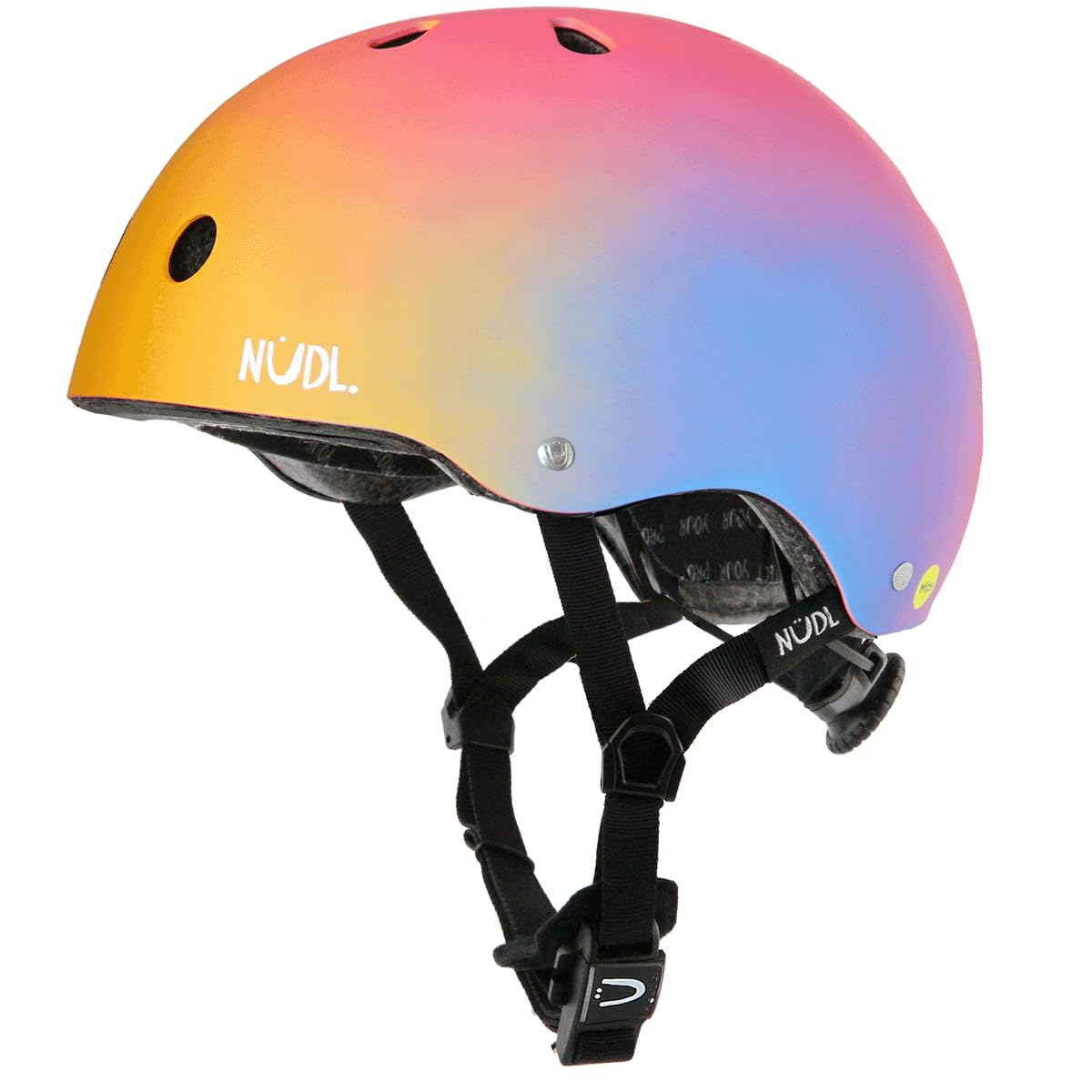
2. NÜDL Youth Kids MIPS Bike Helmet
The buckle that closes itself so nobody pinches a chin strap at 7 a.m.
Start with the Fidlock buckle, because that is the feature that changes your morning. It is a magnetic clasp that snaps together one-handed and releases without pinching skin, and it works with gloves on. For a child who fights a standard side-release buckle, this single part removes most of the argument. Owners single the magnetic clasp out as a genuine win, and it is easy to see why.
Then there is the multi-sport angle. This helmet is listed for bicycles, scooters, e-bikes, in-line skates, and skateboarding, which is a broader brief than a pure bike shell. The 11 contoured vents pull cool air through the front two openings and exhaust heat out of the top and back, so a scooter loop on a warm day stays comfortable. The NÜDL runs 11 vents against the Giro Fixture II’s 18 — fewer, so airflow is more modest, but the shell stays simpler.
The fit range is what you want to check carefully: YS covers 52–55 cm and YM covers 56–60 cm, so measure first and pick a size rather than assuming. Build quality is the most praised trait in the owner feedback, with protection and the cute, colorful design close behind — kids actually want to wear this one, which no vent count or weight figure captures. The adjustability gets a mixed read, with some parents finding the dial less precise than they hoped.
What the sizing demands: two discrete sizes rather than a wide universal band means the 52–55 cm and 56–60 cm split has to match a measured head, not an age.
The trade-off: 0.86 kg is the heaviest figure on this page, and fewer vents than the Fixture II means less airflow on the hottest days.
The magnetic buckle crowd: pick this if your kid rides scooters, skates, and a bike, and you want a clasp that never pinches.
Skip past it: if you need one wide fit range — this comes in two fixed sizes you must match by measurement.
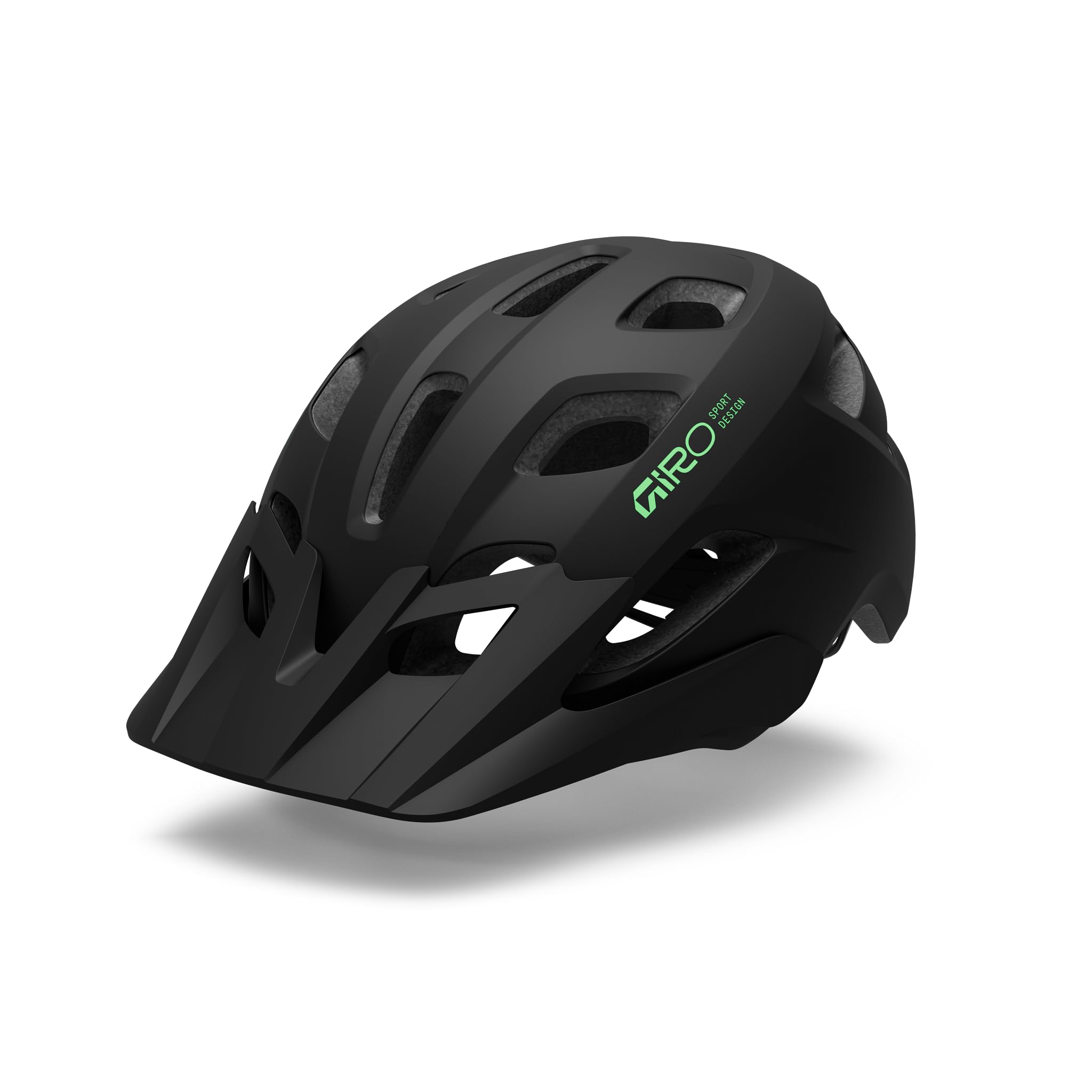
3. Giro Tremor MIPS
A 7 cm dial range does the growing-room job for a kid outgrowing toddler sizes.
The Tremor’s headline is the Roc Loc Sport fit system, and the number that matters is 7 cm — that is how much adjustment range the dial covers. Twist the rubberized knob and it clicks into place with a sound and feel that tells you it locked. That one-handed, 7 cm sweep keeps the shell snug through a growth spurt instead of forcing a mid-season replacement.
The two-piece shell pairs a tough outer hard shell with a polycarbonate lower shell fused permanently to the liner, which is what gives a helmet its durable, finished look around the rim. Integrated MIPS sits inside that build, combining a slip plane with the fit system so rotational forces are addressed without making the helmet feel bulky. Giro shapes these shells by customer group and pairs them with the adjustable dial, so the goal is a correct fit straight from the box.
What comes through in the owner feedback is straightforward satisfaction with build quality, followed by fit — parents report it seating well on children’s heads, including three-year-olds. Appearance and color get consistent warmth too. The gripe to know about is adjustability: the dial is the strong point, but the chin strap does not tighten as much as some parents want, so check the strap on arrival and swap the helmet if it cannot be snugged down.
The dial story: 7 cm of one-handed adjustment with a confident clicking feel is a real convenience for a fast-growing child.
Watch the straps: the chin strap is the recurring complaint — verify it tightens properly the day the box arrives.
Built for the in-between years: this is the pick when your child has outgrown a toddler shell but still needs a smaller fit than an adult universal.
Not the pick for: a parent who wants the widest possible size band — the universal adult Fixture II covers more centimeters.
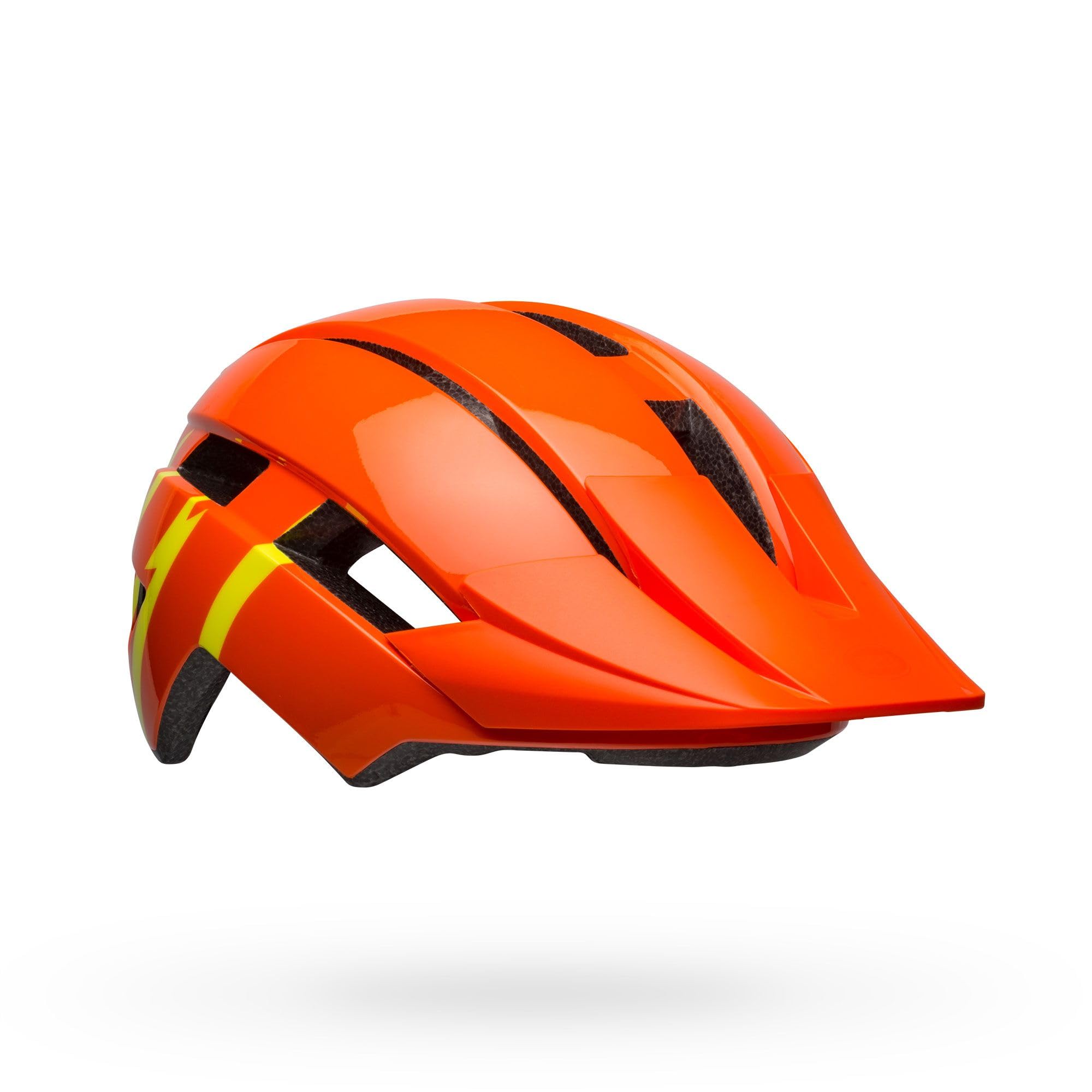
4. BELL Sidetrack II MIPS Youth Bike Helmet
Eight ounces on a kid’s neck, and 14 vents to keep the air moving.
Eight ounces is the whole pitch. That is the listed weight of the Sidetrack II, and it is half the 16-ounce Giro Scamp MIPS II — a difference a child feels on a small neck over a long ride. The shell achieves that with fusion in-molding, a Bell process that bonds the polycarbonate outer shell to the EPS foam liner into one sturdier unit, plus integrated MIPS inside for rotational protection.
Sizing is where you have to slow down. Bell lists the Sidetrack II in Universal Youth at 47–54 cm and Universal Child at 50–57 cm, and the manufacturer’s own note is blunt: always take a head measurement, because head sizes and shapes vary even within an age range and a loose helmet is unsafe. Measure, then match. Get that right and the 14 vents, Ergo-Fit dial, and the No-Twist Tri-Glides strap fasteners — which keep the straps flat and in place — do the rest of the work.
Owner feedback centers on fit above all else, with children reported as loving how it sits, and appearance not far behind. There is also a Sweat Guide pad that pulls moisture away from the brow and away from eyewear, which is a small detail that matters on humid rides. The caveat: feedback volume here is lighter than the Giro options, so you are leaning on a smaller pool of experience rather than a deep track record.
The weight win: 8 ounces against the Scamp’s 16 ounces is the clearest physical advantage on this page.
The measurement must: two separate size bands with an explicit warning about head shape means a tape measure is not optional here.
Your move: measure the head, then buy this if a light shell and 14 vents top your list for an older kid.
Pass it by: if you want the deepest owner track record — the Fixture II has the strongest history of the group.
Know the Specs
MIPS Slip Plane
MIPS is a thin layer inside the helmet that lets the shell rotate slightly on angled impacts, redirecting rotational force away from the head. It is a separate system from the foam liner and works with it, not instead of it. Every helmet on this page carries it, so treat it as the entry ticket rather than a tiebreaker.
Head Circumference Range
A size band like 47–54 cm or 52–55 cm is the real rule, not the age printed on the box. Measure around the widest part of the head just above the ears, then choose a helmet whose range contains that number with room for the dial to tighten. A loose helmet is unsafe no matter how good the shell is.
Vent Count
Vents move air through the shell and out the back. More vents generally mean more airflow on hot days — 18 vents on the Giro Fixture II against 11 on the NÜDL is a noticeable difference. Fewer vents can mean a simpler, more closed shell, which some riders prefer for multi-sport use.
Buckle Type
A magnetic buckle like the Fidlock on the NÜDL snaps together and releases without pinching, and works one-handed with gloves. A standard side-release buckle is fine but demands more dexterity from a child. Because your kid opens and closes it twice a day, the buckle shapes the morning routine more than any other part.
Common Questions
What does MIPS actually protect against in a kids helmet?
How do I measure my child’s head for a helmet?
Is a magnetic buckle safe for a young child?
Do more vents make a kids helmet better?
How often should a child’s helmet be replaced?
Can a kids MIPS helmet work for scooters and skateboarding too?
What is the difference between Universal Adult and Universal Youth sizing?
Is a heavier kids helmet safer?
Why does the chin strap keep coming up as a complaint?
Do I need to worry about the helmet fitting over a winter hat?
The Bottom Line
For most families, the kids mips helmet to buy is the Giro Fixture II MIPS, because 18 vents, integrated MIPS, and a 54–61 cm universal range cover the widest set of heads with the most airflow. If your child rides scooters and skates as much as a bike and you dread the buckle fight, the NÜDL Youth Kids MIPS Bike Helmet and its Fidlock magnetic clasp solve that daily friction. And for a toddler’s first shell, the Giro Scamp MIPS II is shaped for a little head and easy enough for a kid to put on alone. One last nudge: the Fixture II’s 4.5+ stars across 750+ ratings is the strongest track record here — if you are stuck between two, that is the tiebreaker.
How we choose
We do not accept paid placement. Every pick is matched to a real buyer and a real use-case; we do not hands-on test units.
Sources
Specifications: manufacturer listings and product documentation. Review insights: verified customer reviews, as of November 2026. Pricing: not shown on this page (it changes often); check the current price via the retailer link.
As an Amazon Associate, Tactical Gear Guy earns from qualifying purchases. This does not affect which products we feature.