Specs are compiled from manufacturer listings and verified buyer reviews and can change over time — please confirm the key details on the product page before buying.
Buying a phone without a carrier contract means you pay for the hardware once and pick your own plan — and the biggest mistake is assuming an open up phone is a downgrade. It is not. The picks below use the same Snapdragon and Tensor chips and the same 50MP camera sensors as the carrier-store versions. What changes is who controls your monthly bill. This guide ranks nine open up phones by what actually matters day to day: how long the battery runs, how much storage you get, and whether the phone will work on your network.
This guide is built by comparing the manufacturers’ published specifications and the patterns across verified customer reviews, so you get each pick’s real strengths and trade-offs instead of marketing spin.
You will see where each phone wins and where it asks you to compromise, from a 7,300 mAh battery to a modular body you can repair yourself. By the end you will know which of these top rated no contract cell phones matches your battery, storage, and carrier needs.
How To Choose The Best Top Rated No Contract Cell Phones
An open up phone is not a locked phone with a sticker removed. It is a phone whose radio is not tied to one carrier, so the same handset can move to another network when you change plans. That freedom only pays off if the phone’s LTE and 5G bands match your carrier, so check the band list first.
Check carrier bands before anything else
Look at the band list in the specs and confirm your carrier is supported. Verizon is the tightest gate — some open up phones list limited Verizon bands or none at all, and a few require a call to customer service to register the device before it will activate. AT&T and T-Mobile support is broader across these picks, but “not all 5G” appears in some listings, so read the small print rather than assuming.
Decide how much battery you actually need
Battery capacity in mAh is the size of the tank; talk time in hours is how far that tank goes on a call. A 7,300 mAh cell and a 4,000 mAh cell are very different phones on a travel day. Match the number to your pattern: a desk worker can live with a smaller battery, while someone on the road all day wants the bigger one.
Weigh storage against expandability
Storage in GB decides how many apps, photos, and offline videos fit. A 128GB phone is fine for a light user but tight for someone who shoots a lot of video. Some models here add microSD expansion — one lists support up to 2TB, another up to 1TB — which lets you add space later rather than paying for it up front.
Read the processor and display labels as plain clues
The processor name tells you the performance class, and the display refresh rate in Hz (hertz, the number of screen updates per second) tells you how smooth scrolling feels. A 120Hz or 144Hz panel looks silkier than a 60Hz one, but the higher rate can draw more power. A fast chip on a 60Hz panel feels less smooth than a mid-tier chip on a 120Hz one, so weigh both together.
Side-by-Side Comparison
| Model | Best For | Battery Capacity | Storage | Talk Time | Amazon |
|---|---|---|---|---|---|
| Samsung Galaxy S25 | Flagship AI features in a compact body | 4000 mAh | 128GB | 28 hours | Amazon |
| Motorola Moto G Power | Budget buyers who want a big screen | 5000 mAh | 128GB, expandable to 1TB | 24 hours | Amazon |
| Google Pixel 7 | Clean Android on a budget | — | 128GB | — | Amazon |
| TCL NXTPAPER 70 Pro | Readers who want a paper-like display | 5200 mAh | 512GB, expandable to 2TB | — | Amazon |
| Samsung Galaxy A37 5G | Long software support on a mid-range phone | 5000 mAh | 128GB | — | Amazon |
| Nothing Phone (4a) Pro | Distinctive design and a 144Hz panel | 5080 mAh | 128GB | 45 hours | Amazon |
| Fairphone Gen.6+ | Owners who want to repair their own phone | 4415 mAh | 256GB, expandable to 2TB | — | Amazon |
| Google Pixel 10 | Camera-first buyers who want Gemini on board | 4970 mAh | 128GB | 21 hours | Amazon |
| OnePlus 15 | Heavy users chasing maximum battery and RAM | 7300 mAh | 512GB | — | Amazon |
Detailed Reviews
1. Samsung Galaxy S25

The compact flagship that packs a desktop-class chip into a palm-sized body
The Galaxy S25 is the strongest all-around pick here for one reason: it squeezes the Snapdragon 8 Elite processor into a phone that still fits comfortably in one hand. That chip is the engine, and it keeps multiple tasks flowing without lag — translating a call, slowing a video, or editing photos back to back. The 4000 mAh battery is the smaller joint in the design, and the talk-time rating of 28 hours actually edges out the Moto G Power’s 24 hours. Samsung’s own AI toolkit handles the daily admin: ask it to find a nearby restaurant and text the address to a friend in a single request, and Now Brief surfaces what you need before you ask.
What wins people over is the sheer range of things this phone does well. The camera captures sharp, detailed stills, and Audio Eraser strips wind and background noise from video clips. An Always On Display, wireless charging, and water resistance round out a package that feels complete. The screen is a ProScaler display, and the portrait tools adjust skin tones while holding onto natural texture.
The honest catch is battery endurance — the capacity is on the modest side for this list, and the feedback on how long it lasts is genuinely split. If you are a heavy all-day user who forgets the charger, a bigger cell serves you better. The 128GB of storage also fills up faster than you expect if you shoot a lot of video.
Where the S25 pulls ahead
- Snapdragon 8 Elite chip keeps heavy multitasking smooth
- 28-hour talk time beats the Moto G Power’s 24 hours
- Audio Eraser and Now Brief add real everyday convenience
- Always On Display, wireless charging, and water resistance all included
What you give up
- 4000 mAh battery is the leanest on this list
- 128GB storage fills quickly with video
- Battery-life feedback among owners is split
Reach for this if: you want flagship speed and AI tools in a phone that slips into a pocket, and you charge nightly.
Think twice if: you regularly go two days between charges — the bigger-battery picks below serve that pattern better.
2. Motorola Moto G Power – 2025

A big-screen phone that punches well above its price tier
If you want the most screen for the least money, start here. The Moto G Power pairs a 6.8-inch 120Hz OLED display with a 5000 mAh battery — a bigger cell than the Galaxy S25’s 4000 mAh — and it does it as a budget-friendly open up phone. The 50MP camera system uses OIS, or optical image stabilization, a tiny motor that counters your hand shake so low-light shots come out sharper and video stays smoother. OIS at this price tier is rare — most budget phones skip the stabilization motor entirely.
The display is the thing buyers bring up most — bright, clear, and smooth at 120Hz, so scrolling feels fluid. Stereo speakers with bass boost make it a solid handheld entertainment device, and the vegan leather back with Corning Gorilla Glass gives it a look and feel beyond its tier. You also get room to grow: 128GB built in, plus microSD expansion up to 1TB, so you are not stuck paying for extra storage up front. Corning Gorilla Glass is the scratch- and drop-resistant covering on the front.
Be aware of two practical limits. Carrier compatibility and connectivity draw mixed reports, with some owners hitting snags on Verizon and Total Wireless, so confirm your network’s bands before ordering. Battery-life feedback is also split — some get over a day, others find it disappointing — and the 24-hour talk-time rating trails the Galaxy S25’s 28 hours. The MediaTek Dimensity 6300 chipset handles everyday apps fine but is not built for heavy gaming.
The value read: spend entry-level money and get a 6.8-inch 120Hz OLED screen, a 5000 mAh battery, and a stabilized 50MP camera — a genuinely impressive hardware stack for the price tier.
Best for: buyers who want a large, smooth display and expandable storage without paying flagship money.
Check first: verify your carrier bands, especially on Verizon — compatibility is the one area that draws mixed feedback.
3. Google Pixel 7

The mid-range Pixel that still delivers the camera magic it is known for
The Pixel 7 is the pick for anyone who wants the cleanest possible Android experience at a mid-range price. It runs on Google’s Tensor G2 chip, which powers the computational photography the Pixel line is built around — Real Tone for accurate skin tones across a range of lighting, and Cinematic Blur for video. The 50MP rear camera captures sharp, detailed photos, and the camera is the standout reason to choose this phone over its rivals.
Storage sits at 128GB here, which is fine for everyday apps and photos but noticeably smaller than the TCL NXTPAPER 70 Pro’s 512GB. For security, Google includes the Titan M2 chip — a dedicated security processor — plus a built-in VPN for your data. There’s an 8MP front camera for selfies and video calls, and the OLED display keeps colors rich.
Two things to know before you buy: buyers report mixed feedback on connectivity and value, plus separate concerns about activation and network compatibility. Some units have arrived not turning on at all. Those problems are not universal, but on a phone this far into its life cycle, buy from a seller with a clear return window. The value question is fair too — at this tier, other open up phones in this guide offer more storage for similar money.
Camera-led verdict: if skin-accurate photos and clean Google software matter more to you than raw storage, the Pixel 7 earns its spot; just confirm return terms before you commit.
Pick this one when: you want authentic Pixel photos and secure, uncluttered Android at a mid-range tier.
Look elsewhere if: you need ample storage or rock-solid turnkey activation — some buyers hit connectivity snags.
4. TCL NXTPAPER 70 Pro
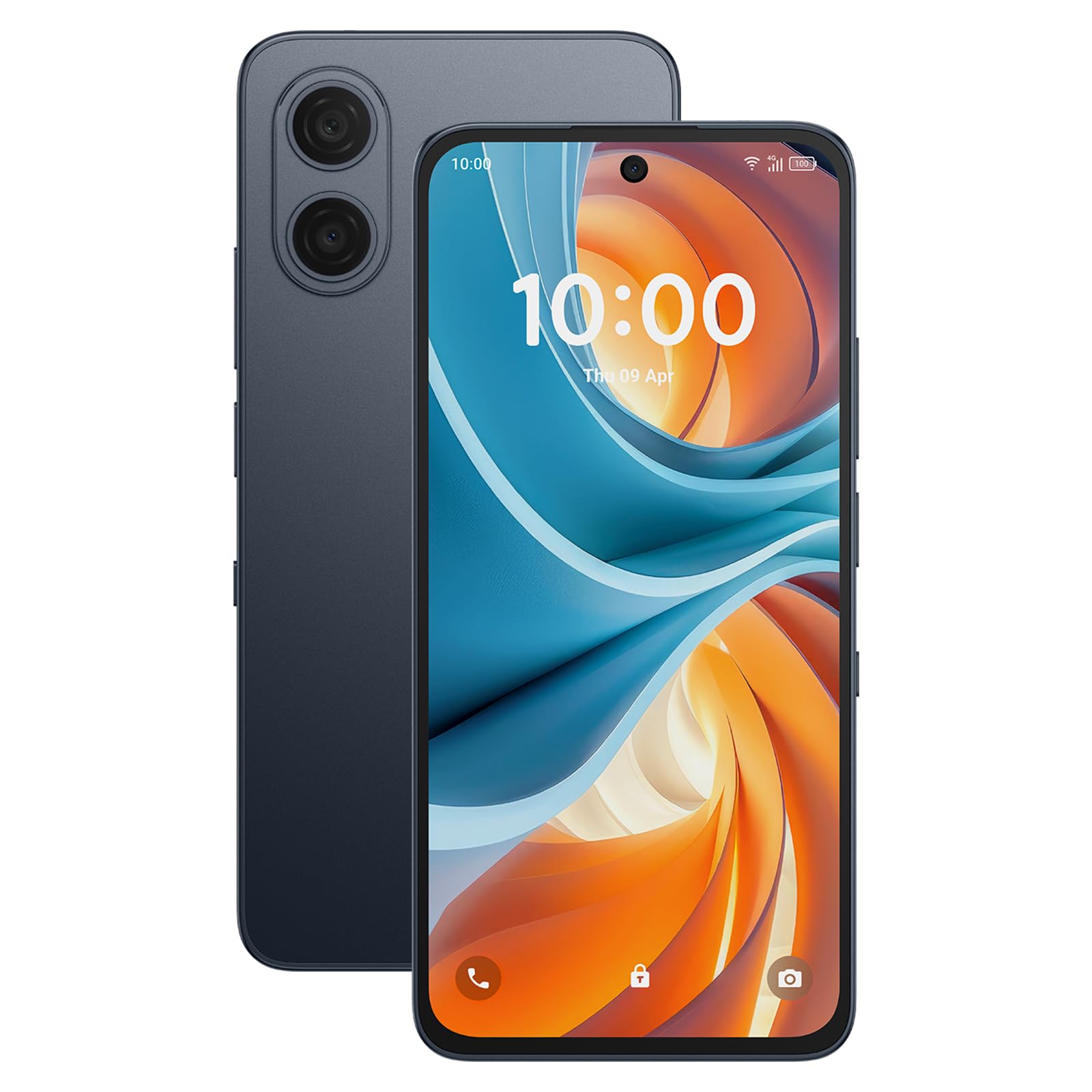
A big-screen phone built for people who read more than they scroll
The number that jumps off the page here is 512GB of storage — four times the 128GB you get on the Pixel 7 — and it is expandable to 2TB with a microSD card. For a student lugging digital textbooks or a commuter who reads ebooks on the train, that headroom means you never delete a book to make room for an app. The 6.9-inch FHD+ NXTPAPER 4.0 display runs at 120Hz, is anti-glare and flicker-free, and simulates natural light, so long reading sessions feel easier on the eyes than a standard panel.
You get four display modes to match the screen to the task: Standard for apps, Color Paper for illustrations, Ink Paper for ebooks, and Max Ink for focused reading with longer battery life. Underneath, a MediaTek Dimensity 7300 chip (the processor that runs your apps) with 8GB of physical RAM (up to 24GB total with expandable RAM) keeps multitasking smooth on Android 16. The 5200 mAh battery supports 33W fast charging, and TCL says it can reach 50% from 0% in about 38 minutes — useful when you are between outlets on a trip. It carries an IP68 water and dust resistance rating (it survives a dunk in water and dusty pockets), which is the strongest in this guide.
Owners single out the 6.9-inch NXTPAPER panel most, praising its anti-glare finish and flicker-free reading comfort. The 50MP main camera, 8MP ultra-wide, and 32MP front camera cover everyday shots, with OIS to steady handheld photos. Display quality ranks just behind overall build quality in owner reviews. Functionality and battery life draw more mixed notes, and the display is an LCD panel rather than OLED, so blacks are not as deep as on the Samsung or Nothing phones. The charging adapter is sold separately.
Why readers gravitate here
- 512GB storage, expandable to 2TB — far beyond the 128GB rivals
- 120Hz NXTPAPER 4.0 screen with anti-glare and flicker-free visuals
- 5200 mAh battery with 33W fast charging
- IP68 water and dust protection
Worth knowing
- LCD panel, not OLED — deeper blacks live on the Samsung and Nothing
- Charging adapter sold separately
- Battery-life feedback is mixed
Made for: readers, students, and note-takers who want a huge, paper-like display and room for a whole library of files.
Not the one if: you prioritize OLED contrast and deep blacks over reading comfort.
5. Samsung Galaxy A37 5G
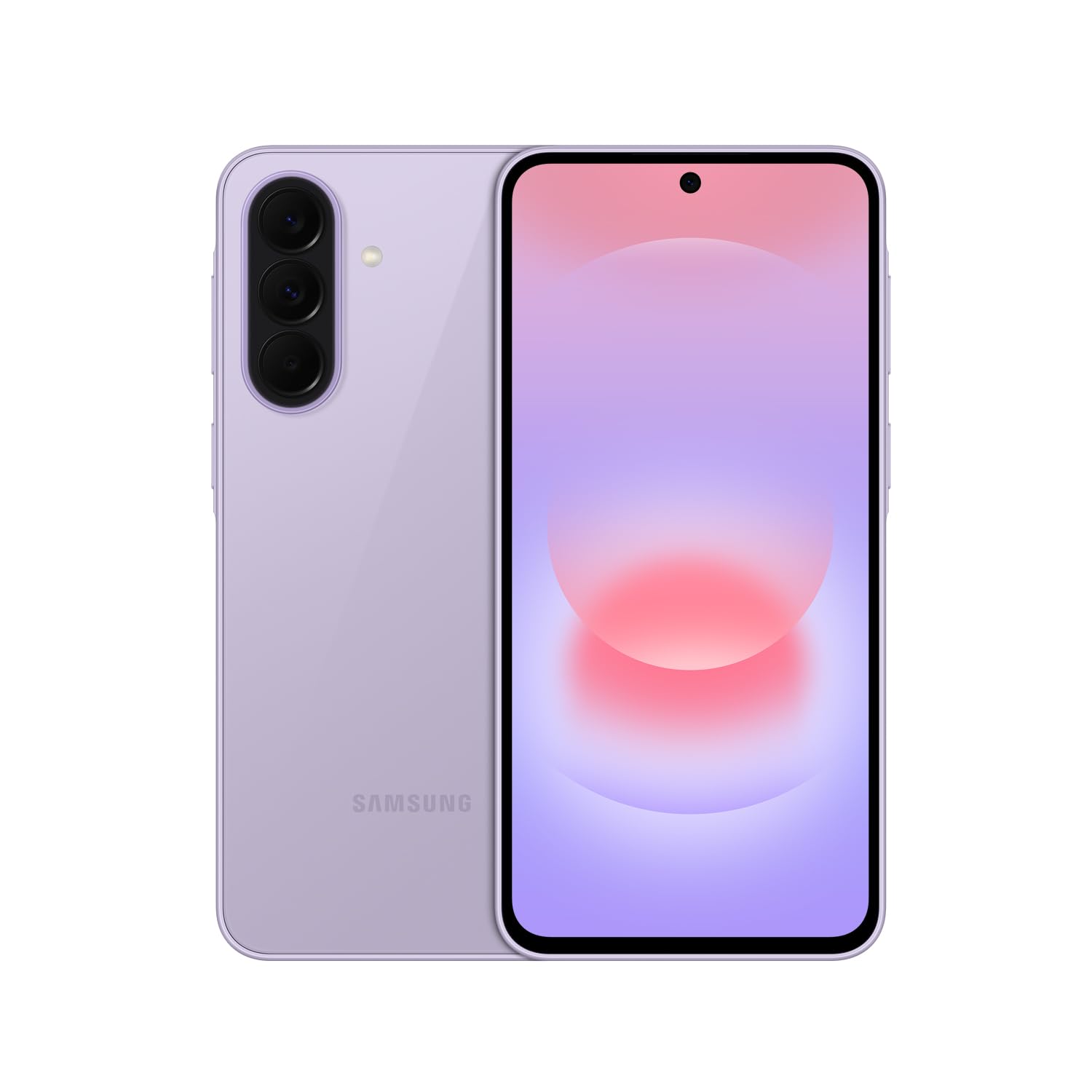
The mid-range Samsung built to stay current for years
Buying open up is a long game, and the Galaxy A37 5G is the pick that plans furthest ahead. Samsung commits to 6 OS updates and 6 years of security updates, so this phone stays protected and current far longer than most. The 6.7-inch Super AMOLED display delivers deep contrast at a pixel density of 385 pixels per inch — pixels per inch being how many dots of color the screen packs into each unit of space, which keeps text and photos crisp. A 5000 mAh battery with Super Fast Charging 2.0 keeps you moving.
The camera setup is genuinely capable for the tier: a triple-lens system with a 50MP HDR main camera and Nightography for low light, plus a studio-grade front camera. The Exynos 1480 processor keeps gaming graphics and multitasking smooth, and the phone is water-, dirt-, and dust-resistant. Circle to Search is on board for finding items by circling them on screen.
The split verdict lands on battery. Some owners find it decent; others report it not lasting a full 24 hours, so a charger at your desk is a smart habit. The A37 is a lower-end Samsung rather than a flagship, so if you need the absolute top camera or chip, look to the Galaxy S25 or the OnePlus 15. For a phone you plan to keep for years, though, the update commitment is the feature that pays off longest.
Why it lasts: 6 OS updates and 6 years of security updates make this the longest-supported pick in the guide — a real reason to choose it if you keep phones for the long haul.
Choose this for: a mid-range Samsung with a big AMOLED screen and years of promised updates.
Pass if: you need all-day battery that runs past 24 hours without a top-up — feedback here is mixed.
6. Nothing Phone (4a) Pro
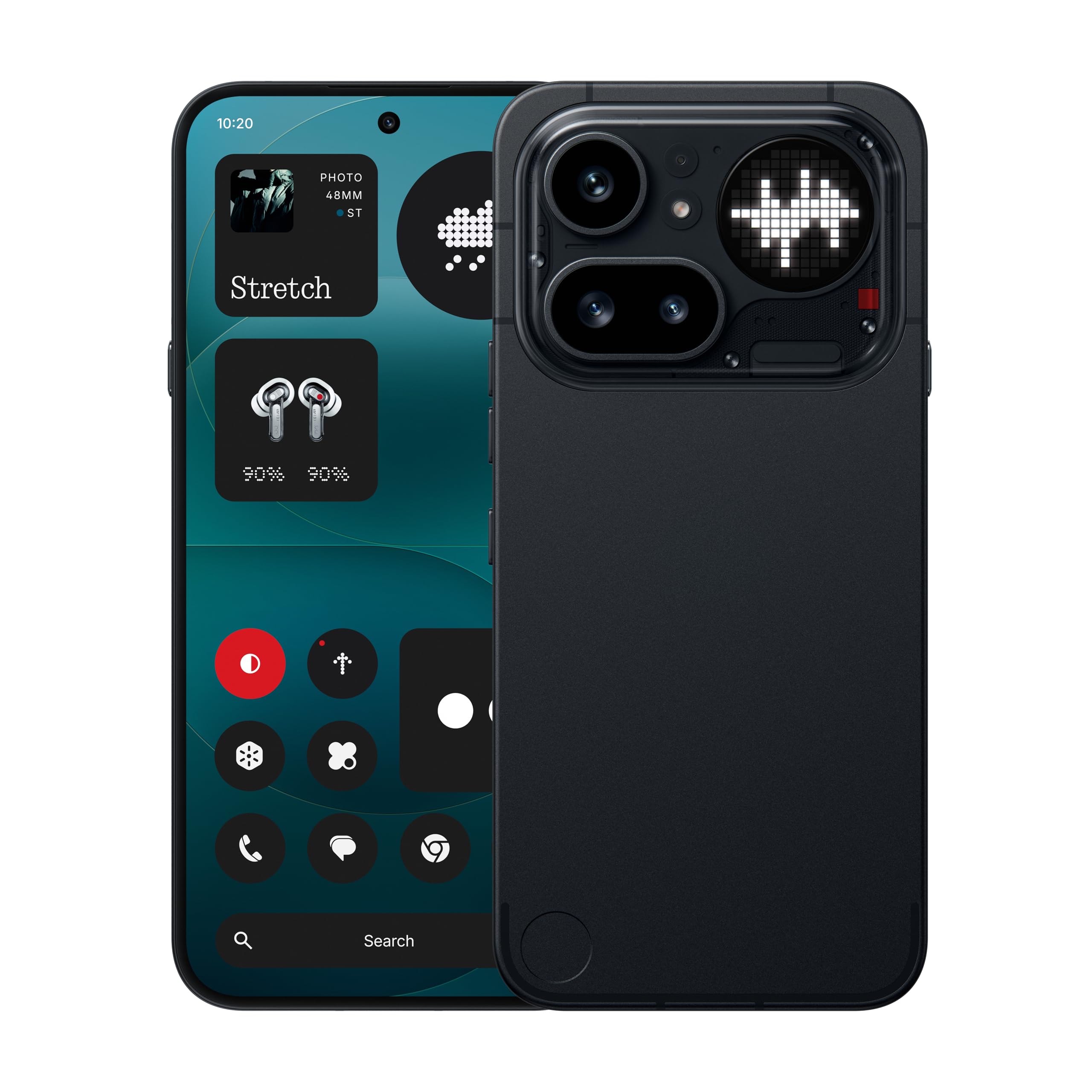
A phone you will actually notice — and its camera reaches further than most
Nothing does not do subtle, and the 4a Pro leans into that. The Glyph Matrix — a cluster of 137 individually controllable mini-LEDs on the back — acts as a secondary display for notifications, timers, and battery status. It is the feature people ask about. The 6.83-inch 1.5K AMOLED screen runs a 144Hz adaptive refresh rate with 5,000-nit peak brightness (nits measure screen brightness), so it stays legible in direct sun. Gorilla Glass 7i protects it against scratches and drops.
Optics are the other headline. A 50MP Sony main sensor with OIS is joined by a 50MP periscope telephoto lens that handles 3.5x optical and up to 140x ultra zoom — meaning distant subjects stay sharp without you walking closer. A 5080 mAh battery with 50W charging reaches 60% in about 30 minutes, and the phone’s 45-hour battery average life is comfortably longer than the Galaxy S25’s 28-hour talk-time rating. The Snapdragon 7 Gen 4 chip with up to 12GB of LPDDR5X RAM powers smooth 4K editing, and the clean Nothing OS 4.1 sits on Android 16. A 7.9mm aluminum unibody and IP65 rating round it out.
The design and overall quality are what win people over most, with the distinctive glyph matrix drawing the loudest praise. Performance draws mixed feedback, with some reporting connectivity issues. And check your carrier carefully: the 4a Pro is not recommended for Verizon and requires you to register the device IMEI with Verizon customer service before use. AT&T and T-Mobile support is more straightforward.
The pull: a 144Hz AMOLED screen and a periscope telephoto that gives you 3.5x optical zoom — camera reach and smoothness that set it apart from the mid-pack.
The honest limit: Verizon compatibility is finicky and needs a manual IMEI registration step.
Feels right for: buyers who want a design that stands out and a camera with real optical zoom.
Rethink it if: you are on Verizon — the network support needs extra setup and is not recommended.
7. Fairphone Gen.6+
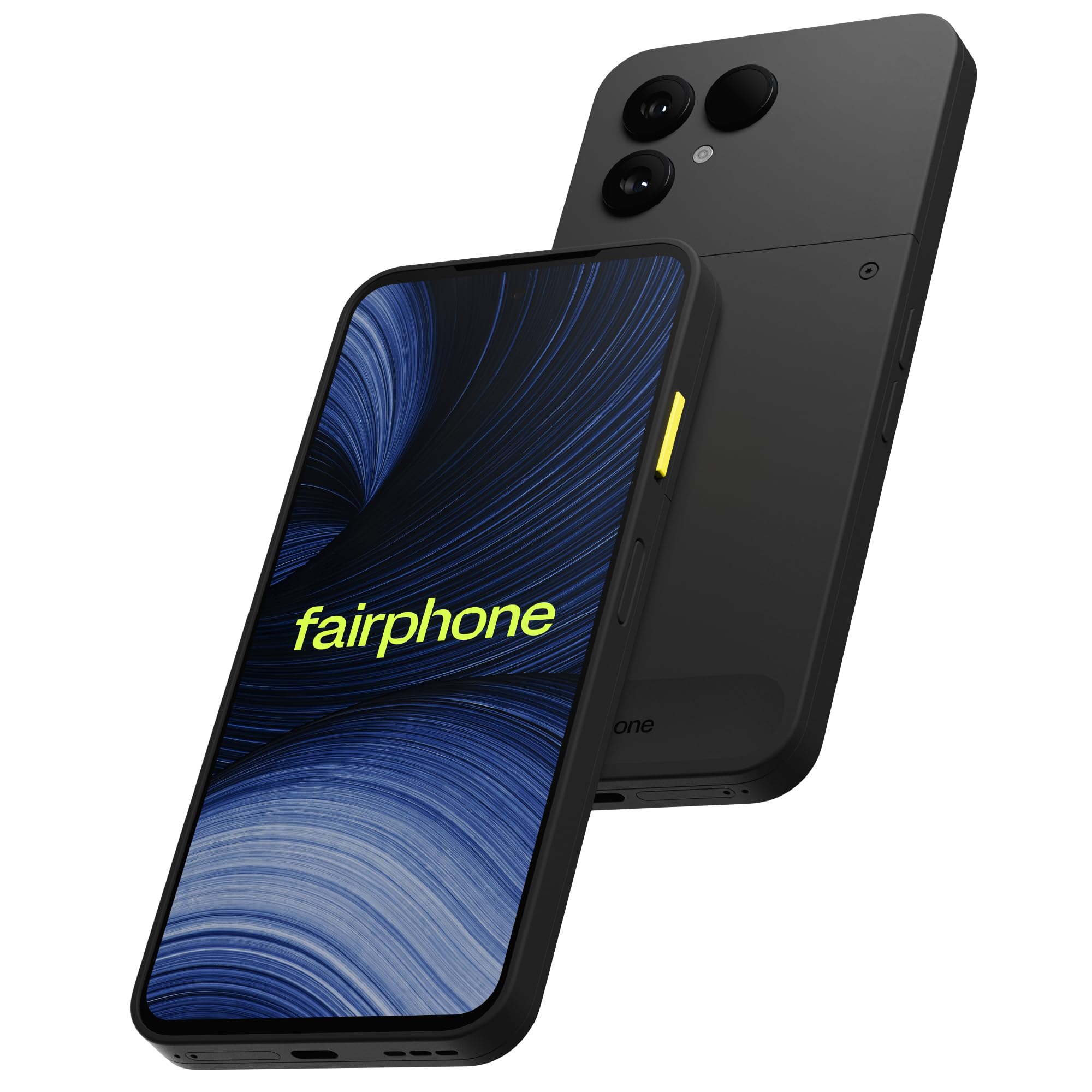
The phone you fix instead of replace — with a screwdriver, not a repair shop
This is the only phone in the group built around repair as the headline feature. The Fairphone Gen.6+ uses a 12-part modular design, so you can swap the battery, screen, speaker, or cameras yourself with just a screwdriver. It is backed by a hardware warranty of up to five years and software support through 2033. For someone tired of replacing a whole phone over a worn battery, that changes the math entirely.
Underneath the modular shell, a Snapdragon 7s Gen 4 with 12GB of RAM keeps apps fast and multitasking smooth, and the 120Hz OLED display makes scrolling fluid. You get 256GB built in, expandable up to 2TB, at 431 pixels per inch. The 4415 mAh battery is on the smaller side, but owners mention it lasting about two days on a single charge — endurance that comes from the efficient chip and software rather than raw capacity. Fairphone Moments lets you switch to a distraction-free mode with up to five essential apps. The body uses 51% fair and recycled materials by total weight.
Repairability is what buyers talk about most after overall quality, and it delivers on that promise — swapping any of the 12 parts is reported as straightforward. The main thing to check is your network: this phone supports AT&T and T-Mobile plus supported MVNOs on those networks, and it is not supported on Verizon or Verizon-network MVNOs. Gorilla Glass 7i and an IP55 splash-resistance rating (IP55 meaning protection against dust and low-pressure water spray, not full submersion) handle everyday mishaps.
The repairable advantage
- 12-part modular design — swap battery, screen, speaker, or cameras with a screwdriver
- Hardware warranty up to five years, software support through 2033
- 4415 mAh battery reported to last about two days per charge
- 51% fair and recycled materials by total weight
The trade-offs
- Not supported on Verizon or Verizon-network MVNOs
- IP55 only — splash resistant, not submersible
- Smaller battery capacity than several rivals here
Worth it for: tinkerers and long-haul owners who would rather swap a part than ship a phone away.
Not for you if: you are locked to Verizon — this one skips that network entirely.
8. Google Pixel 10
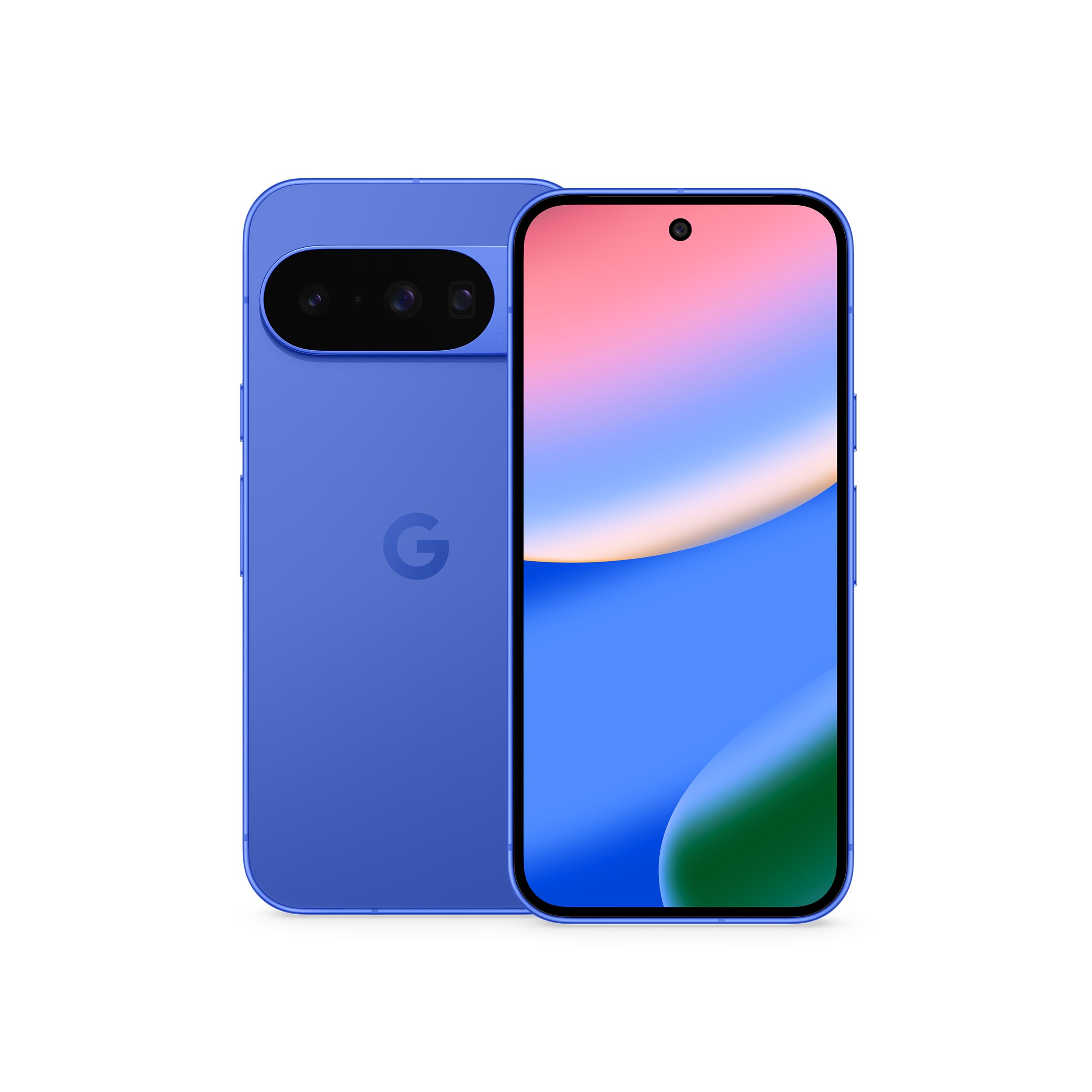
The everyday Pixel with a camera that keeps reaching further
The Pixel 10 is the pick for someone who takes a lot of photos and wants Google’s AI doing the heavy lifting. It runs the Tensor G5 chip — Pixel’s most powerful — with Gemini built in, so the assistant is on hand throughout the phone. The upgraded triple rear camera adds a new 5x telephoto lens with up to 20x Super Res Zoom, which means you can pull in distant detail without moving. Night Sight handles low light, and Camera Coach guides you toward better shots.
The 4970 mAh battery sits above the Galaxy S25’s 4000 mAh, and the Actua display hits 3,000-nit peak brightness — nits being a measure of screen brightness — so it stays readable even in direct sunlight. Durability is strong too: Corning Gorilla Glass Victus 2 for scratch resistance and an IP68 rating for water and dust protection, matching the TCL’s top-tier IP68. It is an open up phone that works with Google Fi, Verizon, T-Mobile, and AT&T, giving you the flexibility to change plans.
If you shoot a lot of 4K video, that fills up. For a camera-first buyer who streams and keeps photos, 128GB is workable. The AI features and camera lead the appeal, and setup is reported as straightforward.
The camera case: a 5x telephoto with up to 20x Super Res Zoom and Night Sight, paired with a 3,000-nit display — a strong pairing for photo-led buyers.
Good match for: photo enthusiasts who want Gemini and an extended camera system on a widely compatible open up phone.
Consider a different pick if: you need generous built-in storage — 128GB with no expansion is the tight spot here.
9. OnePlus 15
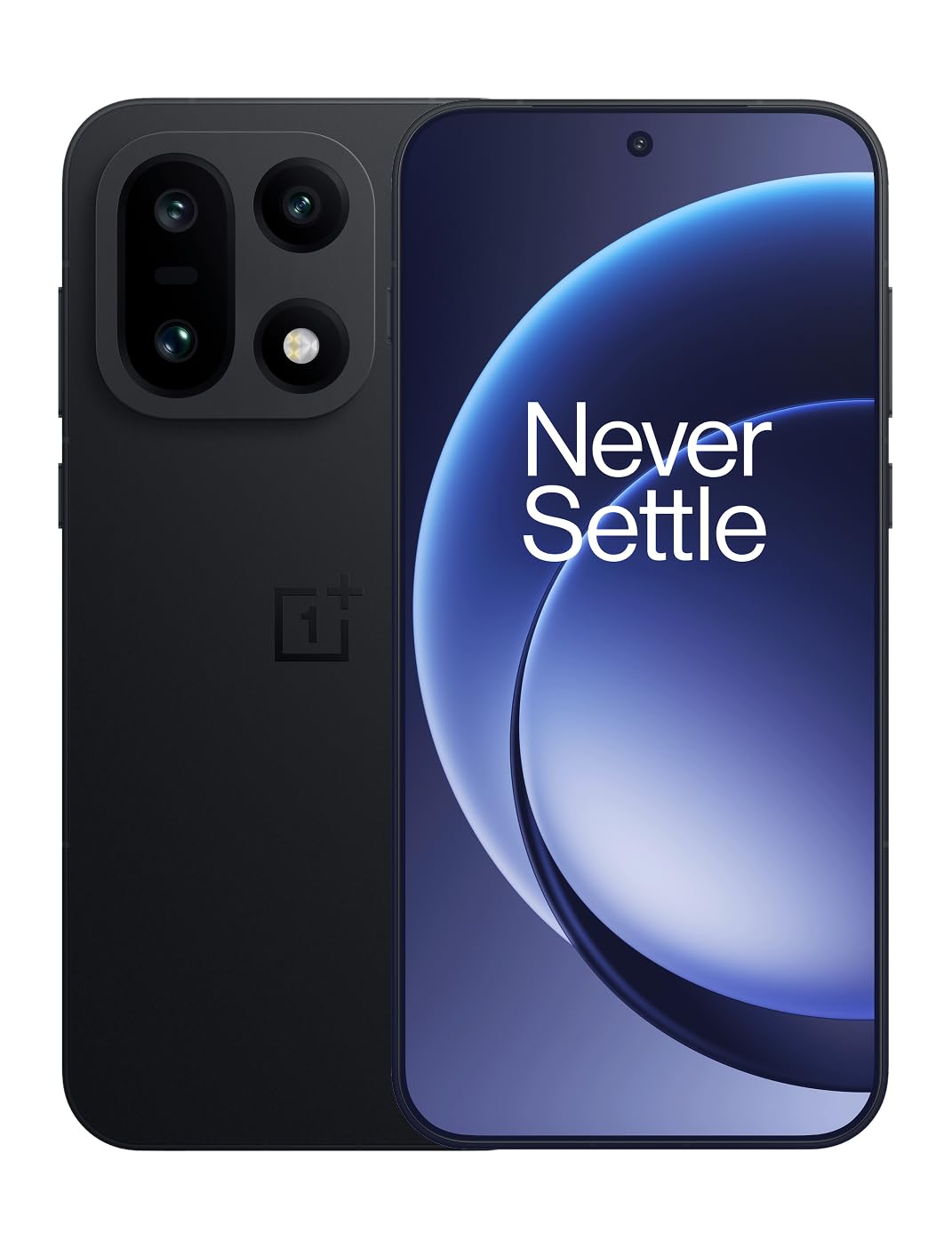
The heavy user’s phone, with a battery that dwarfs everything else here
If your phone dies before your day does, the OnePlus 15 is the answer. Its 7300 mAh battery is the biggest in this guide, and it sits far above the Samsung Galaxy S25’s 4000 mAh and the Google Pixel 10’s 4970 mAh — a capacity designed to last all day and beyond. That headline number, plus 16GB of RAM and 512GB of storage, makes this the choice for people who push a phone hard.
The Tri-Chip System pairs the Snapdragon 8 Elite Gen 5 with a dedicated Wi-Fi chip and a CPU scheduler, which together work for faster performance and smoother connectivity at lower strain. The 6.78-inch 165Hz AMOLED display is the smoothest panel here at a pixel density of 450 pixels per inch — 165Hz meaning the screen refreshes 165 times per second — so motion looks fluid. A triple 50MP camera system covers wide, ultra-wide, and telephoto. Durability is rated IP66/IP68/IP69 and IP19K for dust and water resistance.
What matters most to owners is performance, and the battery follows closely behind as the second-most valued trait — this phone delivers on both. Camera quality draws more mixed feedback, so do not expect it to outshoot the Pixel 10’s camera on every shot. The other consideration is size and heft: a 7300 mAh cell comes in a larger body, so hold one in person if a compact feel matters to you.
What it delivers
- 7300 mAh battery — the largest capacity here by a wide margin
- 16GB RAM and 512GB storage for serious multitasking
- 165Hz AMOLED at 450 pixels per inch for fluid motion
- IP66/IP68/IP69 and IP19K dust and water ratings
The fine print
- Camera quality draws mixed feedback
- Large battery means a larger, heavier body
- Premium-tier pricing among this group
Built for: power users, gamers, and road warriors who refuse to babysit a charger.
Look elsewhere if: you want a pocket-friendly size or prioritize camera over endurance.
Know the Specs
Battery Capacity (mAh) vs Talk Time (hours)
Capacity in mAh, or milliamp-hours, is the size of the battery’s tank. Talk time in hours is how far that tank stretches on a call. A bigger capacity usually means more endurance, but the chip and screen efficiency matter too — the Fairphone’s 4415 mAh cell is smaller than several rivals yet customers note it lasting about two days. Use capacity as a starting point and talk time as the day-to-day reality check. A 7300 mAh OnePlus and a 4000 mAh Samsung behave very differently across a travel day.
Display Refresh Rate (Hz) and Brightness (nits)
Refresh rate in hertz is how many times per second the screen redraws — 120Hz looks smoother than 60Hz, and 144Hz or 165Hz go further still. Brightness in nits measures how much light the screen throws, which decides whether you can read it in direct sun; a 3,000-nit or 5,000-nit peak is built for outdoor visibility. Higher refresh rates and higher brightness both tend to draw more power, which is why the battery number and the display number belong in the same conversation.
Storage (GB) and microSD Expansion
Storage in GB is how many apps, photos, and offline videos the phone holds. A 128GB phone suits a light user, while 256GB or 512GB gives room for video and large apps. Some models here add a microSD slot for expansion — the TCL lists support up to 2TB and the Moto G Power up to 1TB — so you can grow storage later instead of paying up front. This is the single spec that decides whether you will be deleting files to install an app in a year.
Carrier Bands and open up Meaning
open up means the phone is not tied to one carrier, so you can switch plans freely. But open up does not guarantee your network works — the bands the radio supports decide that. Verizon tends to be the strictest; some open up phones list limited Verizon bands or none, and a couple require registering the device’s IMEI (the phone’s unique hardware ID) with customer service before it activates. AT&T and T-Mobile support is broader here, but confirm the band list for your carrier before you buy.
Common Questions
Will an open up phone work with my carrier?
What does open up actually mean on a phone like this?
How much battery capacity do I really need?
Is a bigger screen or a higher refresh rate more important?
Will the TCL NXTPAPER screen look like a regular phone display?
Can I add more storage later, or do I have to buy it up front?
How long will the software stay updated on these phones?
Do these phones support 5G on all carriers?
Can I repair these phones myself if something breaks?
Which of these phones is best for taking photos?
The Bottom Line
For most people, the top rated no contract cell phones winner is the Samsung Galaxy S25 because it puts a Snapdragon 8 Elite processor, a full AI toolkit, and 28 hours of talk time into a phone that fits one hand. If battery is your sticking point, the OnePlus 15 answers with a 7300 mAh cell that dwarfs everything else here. And if you want a screen that treats your eyes kindly, the TCL NXTPAPER 70 Pro pairs a paper-like 120Hz display with 512GB of storage. Whichever you pick, confirm your carrier’s bands first — that one check is what turns a no-contract phone into a phone you actually enjoy using.
How we choose
We do not accept paid placement. Every pick is matched to a real buyer and a real use-case; we do not hands-on test units.
Sources
Specifications: manufacturer listings and product documentation. Review insights: verified customer reviews, as of November 2026. Pricing: not shown on this page (it changes often); check the current price via the retailer link.
As an Amazon Associate, Tactical Gear Guy earns from qualifying purchases. This does not affect which products we feature.