Specs are compiled from manufacturer listings and verified buyer reviews and can change over time — please confirm the key details on the product page before buying.
You do not need a shoe that runs fast on pavement. You need one that keeps you upright when the trail turns to wet rock, loose gravel, and tree roots. That is what separates a real women’s trail runner from a gym sneaker, and it is the whole reason this shortlist exists.
This guide is built by comparing the manufacturers’ published specifications and the patterns across verified customer reviews, so you get each pick’s real strengths and trade-offs instead of marketing spin.
Below you will find nine women’s-specific trail shoes, ranked by how they actually behave on dirt, and each one explained without a single ounce of jargon. This guide is the fastest way to find the right pair of women’s trail runners for hiking.
Top Picks

How To Choose The Best Women’s Trail Runners for Hiking
The mistake most first-time buyers make is shopping by color and price and ignoring the tread. On a hiking trail, the outsole (the rubber bottom with the little knobs) is the part doing the safety work. Get that right and the rest falls into place.
Start with the outsole, not the upper
Lugs are the raised knobs under the shoe. Deeper lugs bite into soft dirt and mud, while a sticky rubber compound grips bare rock even when it is wet. The New Balance Fresh Foam X Hierro V9, for example, pairs a Vibram Megagrip outsole with deeper 6mm lugs, so you get traction on both loose ground and slick stone.
Match the drop to your hiking style
Drop is the height gap between your heel and your toe. A 0mm drop (a “zero-drop” shoe) sits your heel and forefoot at the same level, which some hikers find encourages a flatter, more natural stride. A 5mm drop lifts the heel slightly, which many casual hikers find forgiving on long descents. Neither is better — they suit different ankles.
Give your toes room
Downhill hiking pushes your foot forward, so a cramped toe box leads to bruised toenails. Several picks here build in a wide, anatomical toe box so your toes can splay and stay off the front wall. If you have bunions or wide feet, that room matters more than any other spec.
Side-by-Side Comparison
| Model | Best For | Drop | Weight | Outsole | Amazon |
|---|---|---|---|---|---|
| Skechers Go Run Trail Altitude 2.0★ Best Overall | Budget trail comfort | — | — | — | Amazon |
| New Balance Dynasoft Tektrel V1Great Value | Aggressive lug grip | — | 2.1 pounds | Aggressive lug design | Amazon |
| New Balance Fresh Foam X Hierro V9Top Traction | Wet and dry traction | — | 2.1 pounds | Vibram Megagrip, 6mm lugs | Amazon |
| Merrell Antora 4 | True-to-size fit | — | 1.5 pounds | — | Amazon |
| ALTRA Lone Peak 8 | Wide toe box hikers | 0 mm | — | MaxTrac | Amazon |
| Topo Athletic Ultraventure 4 | Long-run cushioning | 5 mm | — | Vibram XS Trek EVO | Amazon |
| ALTRA Olympus 6 | Max cushion, roomy fit | 0 mm | — | Vibram Megagrip | Amazon |
| Topo Athletic Terraventure 4 | Technical rock protection | 3 mm | — | Vibram | Amazon |
| Salomon Speedcross GTX | Waterproof winter trails | — | — | — | Amazon |
Detailed Reviews
1. Skechers Women’s Go Run Trail Altitude 2.0
Our pick — 4.5+★ from 400+ verified ratings; the strongest balance of quality and price.
The pair that skips the break-in and just walks from the start onto the dirt.
If you want a first trail shoe that behaves itself immediately, this is it. Hikers describe pulling them on and heading straight out — no blister period, no painful adjustment. That “no break-in” quality is the reason this pair tops the list for casual weekend hikers who would rather walk than fiddle.
The look is what wins most people first, and the comfort and fit follow close behind. On damp, gravelly ground the tread does its job, and hikers climbing long uphill sections report their feet staying supported. It sits at the budget-friendly end of this group, which makes it an easy place to start if you are testing whether trail footwear suits you at all.
The honest catch is that the sizing is not always a straight swap for your everyday shoe, so try before a long trek. And the tread, while perfectly fine for mixed gravel paths, is not built to bite into steep, muddy descents the way the deeper-lug picks further up this list are.
Where It Earns Its Place
- Genuinely no break-in — hikers report comfortable from the first walk
- Solid support and traction on damp, gravelly trails
- Looks good enough that you won’t mind wearing them off-trail
- Budget-friendly entry into proper trail footwear
Where It Falls Short
- Sizing can run off from your usual shoe, so check before a long hike
- Tread is fine for gentle trails, not steep muddy ground
Reach for this if: you want a comfortable, good-looking trail shoe with zero break-in for weekend gravel and damp paths.
Look elsewhere if: you are heading onto steep muddy descents where deeper lugs matter more than an easy fit.
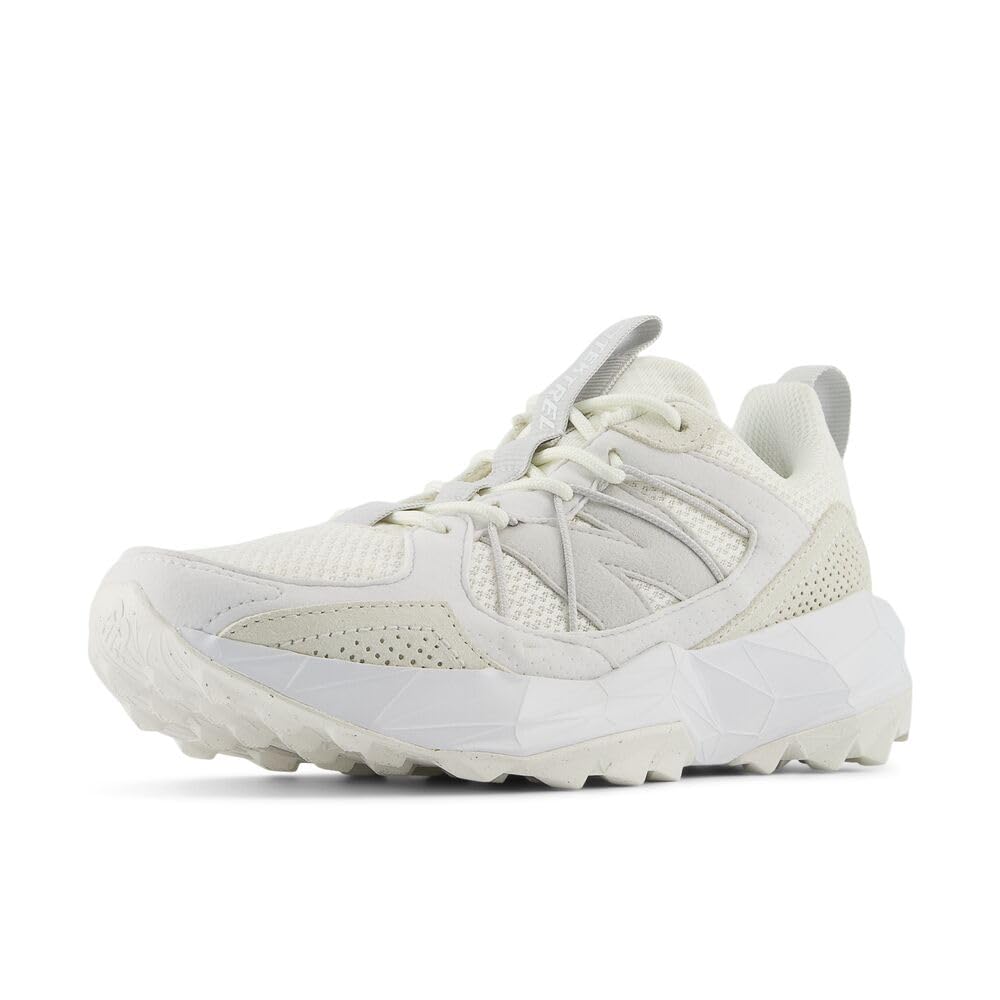
2. New Balance Women’s Dynasoft Tektrel V1 Suede
The value pick built to run the trail less travelled, with lugs that mean it.
New Balance designed this shoe around an aggressive lug design plus a dynamic midsole and a stylized suede upper, so it looks as capable as it walks. For a buyer who wants real off-road bite, it is the standout deal in the pack.
Owners treat it as a daily all-rounder, not just a trail shoe. It handles gravel-road walks and energetic outings well, and the grip is the thing that keeps people coming back. Comfort is the single biggest driver of the warm response, and the quality of the build runs right behind it. Just note the suede upper is the one part that needs a little care after a muddy hike.
Two things split opinion and both are fit issues, not quality issues. Some hikers say it runs true to size with good arch support; others find it runs small with less support than they wanted. Try a half-size check before you commit, because the grip is worth getting the fit right for.
What buyers get: an aggressive lug pattern for confident off-road grip, a dynamic midsole for underfoot bounce, and a suede upper that stays smart-looking — a strong value entry for mixed trail and road use.
The fit question: the sizing and arch support are the split points here, so buy this one in person or with a return window open.
Worth grabbing when: you want aggressive trail grip at an entry-level price and don’t mind checking your size first.
Think twice if: you need strong built-in arch support, since that is the one spec buyers find hit-or-miss.
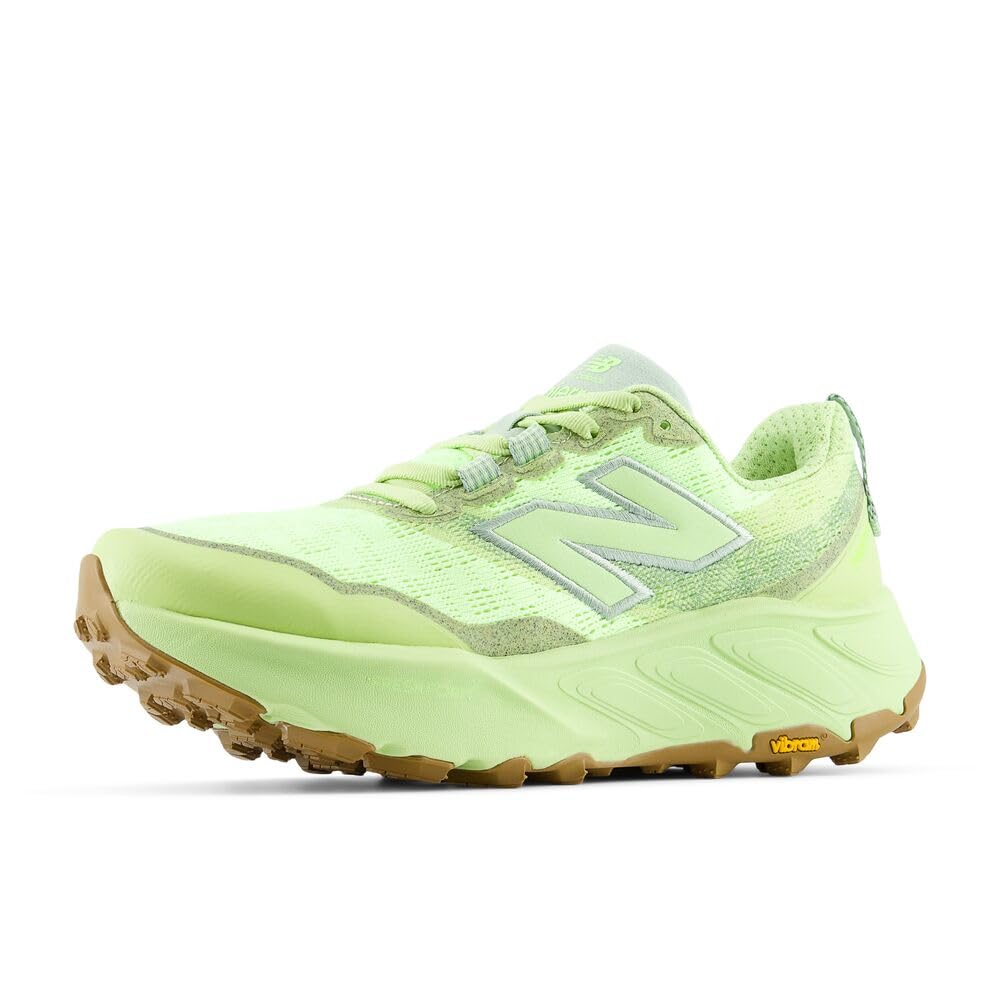
3. New Balance Women’s Fresh Foam X Hierro V9
Six-millimetre lugs and a sticky Vibram sole — this is the wet-rock specialist.
When the data point that matters is grip, this is your shoe. It uses a Vibram Megagrip outsole with Traction Lug technology and deeper 6mm lugs, which means the knobs bite into soft ground and the rubber holds onto slick stone even when it is wet. A dual-density Fresh Foam X midsole underneath gives you plush cushioning with stable support, so you get comfort and control from the same shoe.
It also handles the little things that ruin a hike: Toe Protect shields your toes from rocks and roots, and a breathable knit upper with a gusseted tongue (an attached flap that seals the opening) keeps grit and pebbles out while still letting air through. That combination of 6mm lugs, sticky rubber, and toe protection is why it ranks near the top for rugged terrain.
Now the weight. At 2.1 pounds, this shoe is heavier than the Merrell Antora 4 at 1.5 pounds, a real difference you feel at the end of a long day. The upside is all that cushioning and protection underfoot. Sizing is the other recurring note — many find it true to size, but a fair number hit sizing trouble, so check before you buy. Style and color draw consistent praise, which is a nice bonus on a shoe this capable.
Traction You Can Trust
- Vibram Megagrip outsole with deeper 6mm lugs for wet and dry grip
- Dual-density Fresh Foam X midsole for cushion plus stability
- Toe Protect shields against rocks and roots
- Gusseted tongue keeps debris out of the shoe
Trade-Offs To Weigh
- Heavier at 2.1 pounds vs the Merrell Antora 4 at 1.5 pounds
- Some hikers hit sizing issues, so confirm your fit
The one for: hikers who face wet rock, roots, and rugged ground and want maximum traction with real cushioning.
Pass if: a lighter shoe is your priority — the weight here is the price you pay for that grip.
4. Merrell Women’s Antora 4 Trail Running Shoes
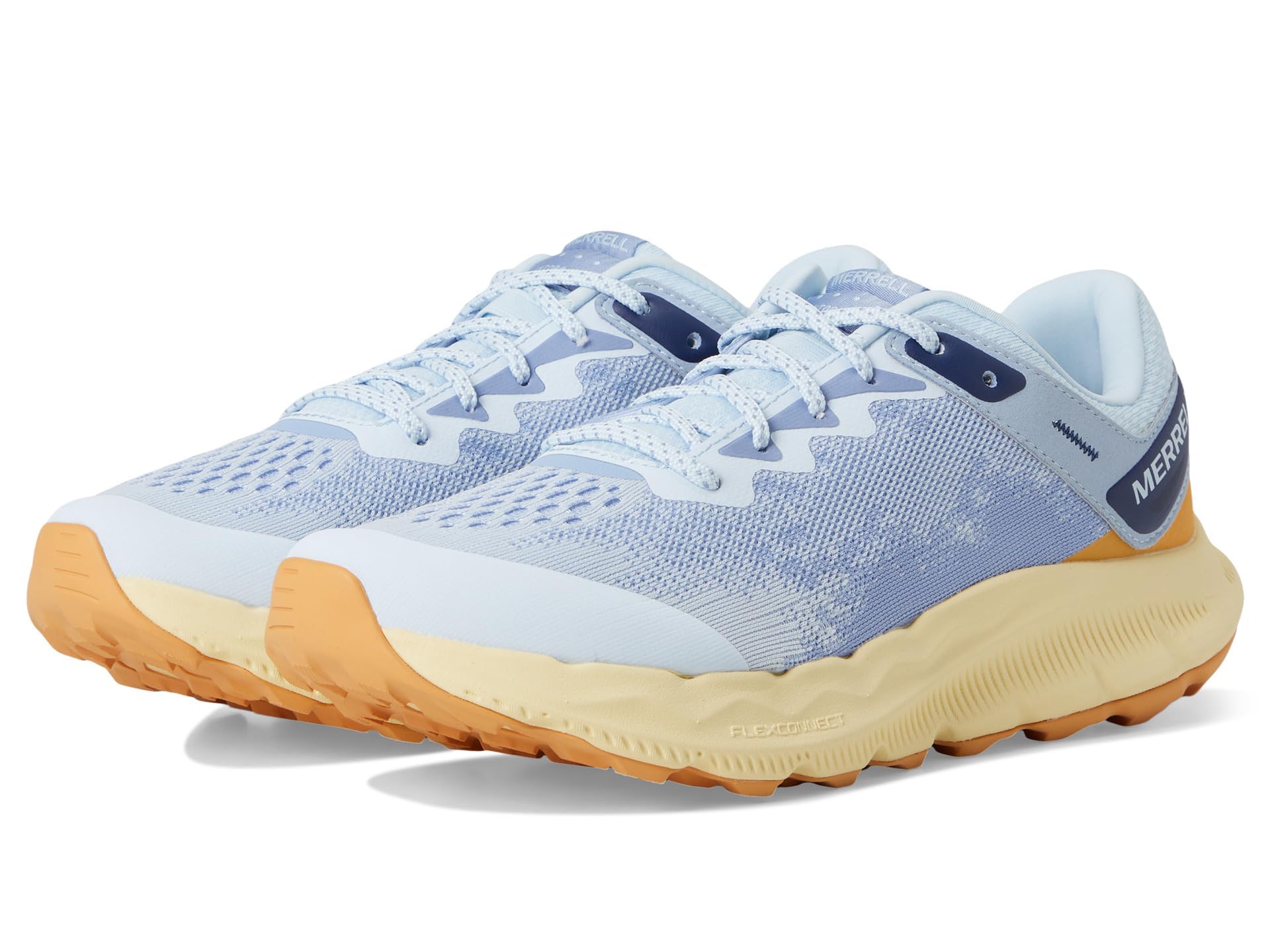
A light, true-to-size hiker that keeps your feet from aching on the long walk out.
Merrell rebuilt its most popular trail shoe to blend clean athletic design with running comfort, and it shows in the fit. Hikers report it runs true to size with plenty of toe room, so descending does not jam your toes into the front. That toe lift also helps you clear rocks rather than trip over them.
At 1.5 pounds this is a genuinely light shoe — noticeably lighter than the 2.1-pound Hierro V9 above, a difference your tired legs will notice on a long day. Comfort, build quality, and fit are the three things people talk about most, and the arch support and stability hold up on uneven ground. It also earns praise on appearance and color, so it looks every bit the capable trail shoe.
The one thing to know is that its tread is tuned for running and light hiking rather than the deepest, muddiest slogs. For day hikes and mixed trails, that running-tuned tread is the right balance. It is the fit-first pick in this lineup.
Why it earns a slot: true-to-size fit with generous toe room, strong arch support, and a light 1.5-pound build — a winning package for hikers who value comfort and a genuinely faithful fit.
Go here for: a lightweight, true-to-size trail shoe with toe room and stable support for everyday day hikes.
Look past it if: you hike the deepest mud and need the most aggressive lugs available.
5. ALTRA Women’s Lone Peak 8 Trail Running Shoe
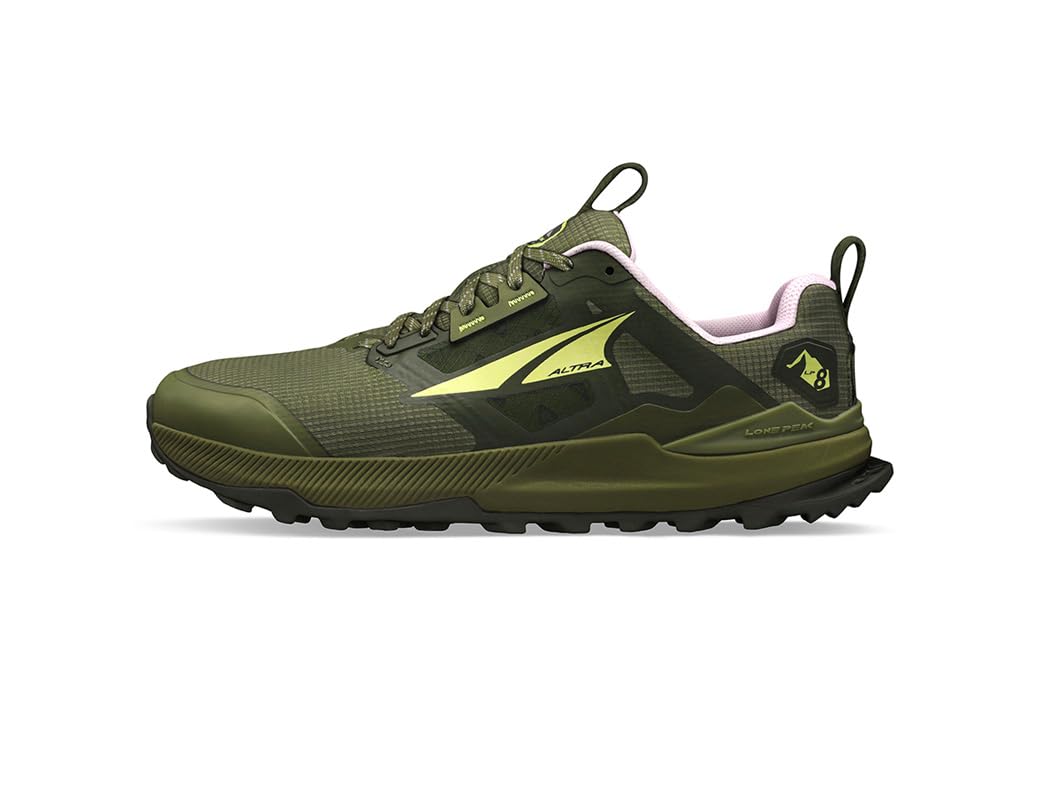
The legend with a roomy toe box, zero drop, and Traction Claw lugs underneath.
Altra’s whole idea is a foot that moves the way it wants to. This shoe delivers it with a MaxTrac outsole for a sticky underfoot grip, a refined ripstop mesh upper, and a responsive yet comfortable Altra EGO midsole foam. The balanced cushioning platform sits your heel and forefoot at equal distance from the ground, with a 0mm drop, so you land low and flat.
The signature piece is the wide toe box — Altra’s roomiest — which gives your toes space to spread out through the midfoot too. Build quality and comfort are the two things people rave about most, and the toe box room runs right behind. Hikers put in long shifts on their feet without foot pain, and there is no break-in period to push through. That combination makes it a natural pick for wide-footed hikers and anyone tired of pinched toes on the descent.
The zero-drop design is the part to think about. If you have never worn a zero-drop shoe, your calves and ankles will feel the change, so ease into it rather than starting with a ten-mile day. If you already run a flatter platform, the wide toe box and MaxTrac grip make this a strong pairing.
Why Hikers Rave
- Altra’s roomiest toe box gives your toes genuine space to spread
- MaxTrac outsole plus Traction Claw lugs for sticky grip
- Zero-drop, balanced cushioning for a natural, low landing
- No break-in — comfortable from the first hike
What To Understand First
- 0mm drop is a stride change if you’re used to a raised heel
- Ease into mileage rather than starting with a long day
Made for: wide-footed hikers and anyone who wants toe room, sticky grip, and a natural zero-drop stride.
Ease in slowly if: you have never worn a zero-drop shoe, because your legs will notice the change.
6. Topo Athletic Women’s Ultraventure 4
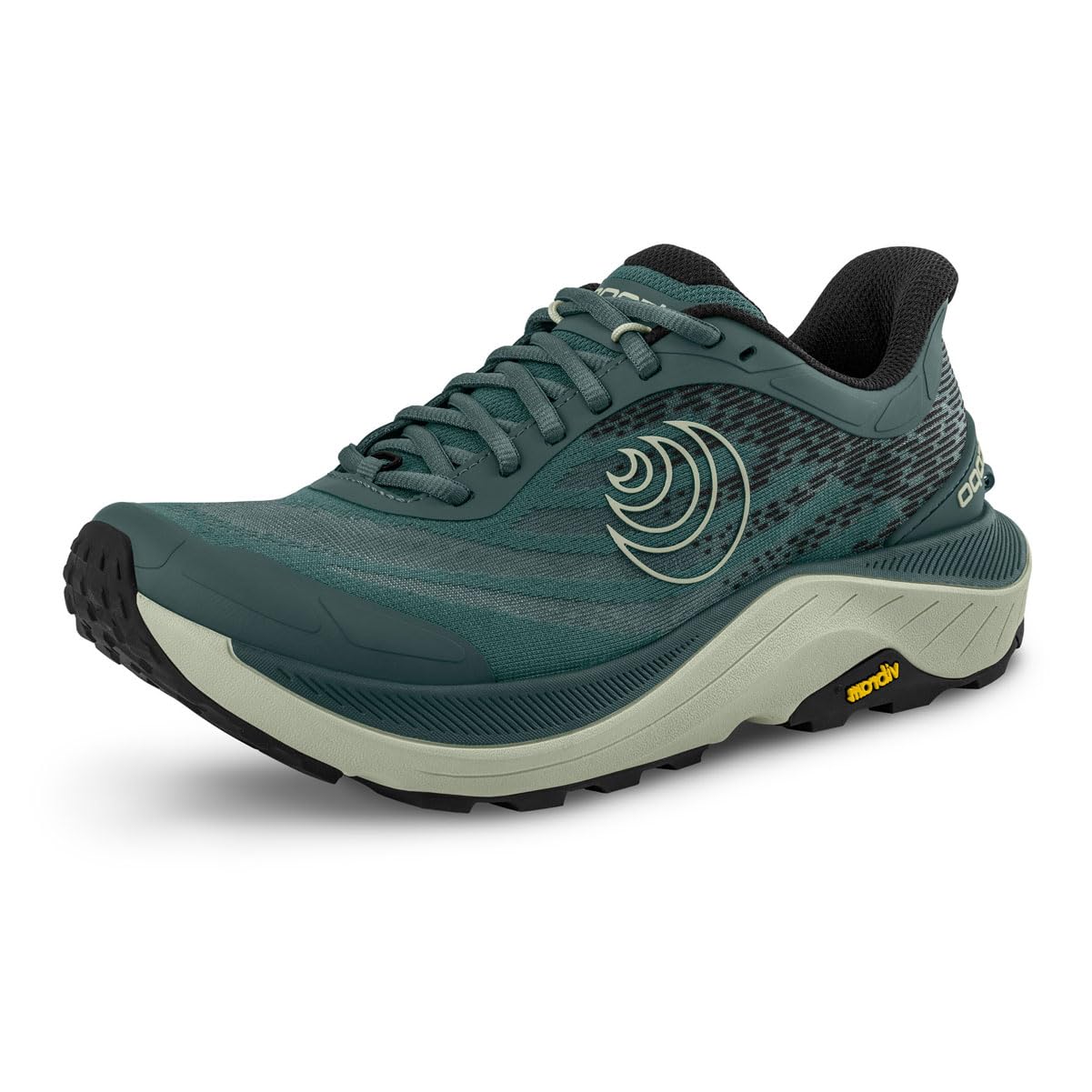
High-cushion comfort for long hikes on mild to moderate ground, with a 5mm drop.
This one is built for distance. A 35 x 30 mm platform holds a ZipFoam midsole that Topo says is springier than standard EVA foam and keeps more rebound over the shoe’s life. The result is a cushioned ride that stays lively rather than going flat.
The 5mm drop raises the heel slightly above the toe, which many casual hikers find forgiving over long miles. A Vibram XS Trek EVO outsole gives multi-surface traction so you can move from trail to road without a stutter, and the roomy anatomical toe box lets your toes spread naturally. The heels stay locked in place without slipping, traction on rocky trails is strong, and there is real arch support underfoot.
Where it draws mixed feelings is durability — that is the one point buyers raise against it. The cushioning and the fit, by contrast, are the two things people praise most. It suits hikers on moderate, well-trodden trails who want plush cushioning all day, not abrasive rocky scrambles.
The comfort case: a 35 x 30 mm platform with a ZipFoam midsole, a 5mm drop, and a Vibram XS Trek EVO outsole — cushioned, springy, and grippy across trail and road.
Keep in mind: durability is the contested point, so if you regularly grind through shoes on sharp rock, factor that in.
The match for: hikers on mild to moderate trails who want a cushioned, springy ride for long mileage.
Reconsider if: you hike harsh abrasive rock where long-term durability is your top concern.
7. ALTRA Women’s Olympus 6 Trail Running Shoe

Altra’s plushest trail shoe — max cushion, a roomy toe box, and stable footing.
When your feet need a soft landing all day, this is the shoe. It sits on a max-cushioned, soft and responsive midsole foam, with an engineered mesh upper updated for better breathability on long days. A Vibram Megagrip outsole with an updated lug pattern adds durability, stability, and the traction that keeps you upright on technical terrain.
The extras are thoughtful. A premium Achilles pillow cushions the back of the ankle for a comfortable step-in, and the Original FootShape Fit gives you Altra’s roomiest toe box with space through the midfoot. GaiterTrap — a hook-and-loop tab — lets you attach gaiters without straps or bungees to keep trail debris out. Quality and comfort are what people praise most, with durability that holds up through years of use.
The two areas that split opinion are fit and traction: some hikers find the sizing off, and the grip is judged mixed rather than universally loved. Ease into the zero-drop platform if it is new to you.
Where It Shines
- Max cushioning with soft, responsive foam for all-day comfort
- Vibram Megagrip outsole with an updated lug pattern
- Roomiest toe box plus an Achilles pillow for a soft step-in
- GaiterTrap lets you attach gaiters with no straps
Worth Knowing
- Fit is a split point, so confirm your size
- Traction gets mixed marks versus more aggressive-lug shoes
The pick for: hikers who want the plushest cushion and a roomy toe box for long days on uneven terrain.
Think twice if: you need maximum bite on steep technical rock, where traction is the weak point here.
8. Topo Athletic Women’s Terraventure 4

A nimble technical trail shoe with a rock plate that shields your feet from sharp stone.
Topo calls this its trail workhorse, and the reason is the ESS rock plate — a flexible shield under the forefoot that protects against stone bruising from sharp rocks and roots. That plate is what lets you move fast over rocky ground without feeling every edge. A Vibram outsole adds grip and durability, and a 3mm drop puts you in a middle ground between a flat shoe and a raised heel.
The roomy toe box lets your toes spread, and the shoe suits long walks and hikes — one owner handled a 4-mile hike over rough terrain comfortably. Comfort, quality, and fit are the three things people praise most, with good arch support underfoot. It is also gaiter-compatible (gaiters sold separately) for extra protection from dirt and twigs.
Durability is the contested point here — some buyers report pairs wearing out early, so treat it as a shoe for regular trails rather than constant razor-sharp scree. Its fit is reliable, which matters when you are planting your foot on a rocky descent.
What sets it up: a flexible ESS rock plate under the forefoot, a Vibram outsole, and a 3mm drop — protection against stone bruising with a light, nimble ride.
The shoe you want for: rocky, technical trails where a rock plate and a nimble ride keep you confident.
skip it if: you demand long-term durability on the most abrasive rock — that is the one point buyers raise.
9. Salomon Women’s Speedcross GTX

The waterproof trail icon for cold, wet, muddy days when dry feet matter most.
When the forecast is grim, this is the shoe to lace up. The latest Speedcross GTX uses a new GORE-TEX construction with a floating tongue that improves comfort and cleans up the fit, while keeping the renown grip, cushioning, and precise fit that made the line a favorite. A waterproof membrane means puddles and wet grass stay on the outside where they belong.
Hikers find it comfortable and well-fitting when they follow the size chart, with serious grip on trails and stability on rocks and loose stones. It suits hiking and cold-weather outings well — one buyer wears theirs for winter activities. The look is the single thing people praise most, with comfort next, so it is a rare case of a tough trail shoe that also looks the part.
The real trade-off is warmth. A waterproof GORE-TEX shoe does not breathe like a mesh trail runner, so on hot summer hikes your feet will run warmer. For three-season wet weather and colder months, though, it is the pick that keeps your feet dry when nothing else does.
Built For Bad Weather
- GORE-TEX waterproof construction keeps feet dry in rain and puddles
- Serious grip and stability on rocks and loose stone
- Precise fit when you follow the size chart
- New floating tongue improves comfort
The Catch
- Waterproofing runs warmer than a breathable mesh shoe on hot days
The one you want for: wet, cold, muddy trails where keeping your feet dry is the whole game.
Pass if: you hike mostly in summer heat and need maximum breathability.
Know the Specs
Lug Depth & Outsole Rubber
Lugs are the raised knobs on the bottom of the shoe, and the rubber compound around them is what grips. Deeper lugs bite into mud and soft dirt, while a sticky rubber like Vibram Megagrip holds onto wet rock. The New Balance Hierro V9 uses deeper 6mm lugs for exactly this reason. If you hike wet, rocky ground, this is the spec to check first.
Heel-to-Toe Drop
Drop is the height gap between heel and toe. A 0mm drop sits your heel and forefoot level, which some hikers like for a flatter, more natural stride, while a 5mm drop lifts the heel slightly and feels more forgiving to many casual hikers. Neither is better — they suit different ankles, so ease into a change if you switch from one to the other.
Rock Plates
A rock plate is a thin, flexible shield under the forefoot that spreads the pressure of a sharp rock so it does not bruise your foot. The Topo Terraventure 4 builds one in, which matters on technical, rocky trails where you plant your foot on uneven edges. On smooth paths a rock plate is a nice-to-have rather than a necessity.
Waterproof Membranes
A GORE-TEX membrane is a waterproof layer that keeps rain and puddles out while still letting some moisture escape. It is a real advantage on cold, wet hikes. The trade-off is breathability — a waterproof shoe runs warmer than an open mesh upper, so it suits three-season and winter trails more than hot summer days.
Common Questions
Are trail running shoes good for hiking?
What heel-to-toe drop should I get for hiking?
Do I need waterproof trail runners for hiking?
How wide is the toe box on Altra trail shoes?
What is a rock plate and do I need one?
Do these trail runners run true to size?
Which has the most aggressive grip for wet rock?
Can I wear trail runners on normal roads and gravel paths?
How long should trail runners last before replacing them?
The Bottom Line
The best pick for most hikers is the Skechers Go Run Trail Altitude 2.0 because it is comfortable from the first walk with no break-in, and it handles damp gravel trails with solid support. If wet rock and maximum traction are your priority, grab the New Balance Fresh Foam X Hierro V9 with its deeper 6mm lugs. And for wide-footed hikers who want a roomy toe box and zero drop, the ALTRA Lone Peak 8 is the one to reach for.
How we choose
We do not accept paid placement. Every pick is matched to a real buyer and a real use-case; we do not hands-on test units.
Sources
Specifications: manufacturer listings and product documentation. Review insights: verified customer reviews, as of November 2026. Pricing: not shown on this page (it changes often); check the current price via the retailer link.
As an Amazon Associate, Tactical Gear Guy earns from qualifying purchases. This does not affect which products we feature.