Specs are compiled from manufacturer listings and verified buyer reviews and can change over time — please confirm the key details on the product page before buying.
You twist the cap and the bottle answers with a hiss, a sputter, and a fine mist of whatever was inside across your shirt. Pressure-safe bottles exist to kill that moment. Their venting design lets built-up gas escape in a controlled way instead of all at once, so opening a bottle stops being a gamble. The picks below cover four different jobs — bottling your own brew, dishing out sauces at the grill, running oxygen therapy at home, and carrying cold water through the day — and each one handles pressure in its own way.
This guide is built by comparing the manufacturers’ published specifications and the patterns across verified customer reviews, so you get each pick’s real strengths and trade-offs instead of marketing spin.
Predictable venting is the whole ballgame here: a seal that fails under pressure is a mess waiting for a warm day. The picks below show what separates a genuinely reliable pressure safe bottles lineup from bottles that only claim to be.
Top Picks
How To Choose The Best Pressure Safe Bottles
The first thing to settle is what you are putting inside. A bottle that vents carbonated soda or a fermenting brew is solving a different problem than a bottle that vents a hot car’s worth of air off a cold drink. Get that match wrong and no amount of thick glass or fancy lid saves you.
Decide if you need a relief valve or just a vented lid
A relief valve actively releases pressure when it builds past a set point — the ResOne bottle spells its trigger point out on the package, which tells you it is doing real safety work rather than just letting a little air slip past the threads. A vented lid, by contrast, is a passive channel that bleeds off pressure from temperature or elevation changes so the bottle does not spray when you open it. Both are pressure-safe designs. They are not interchangeable, and picking the wrong one is the most common mistake in this category.
Match the bottle material to what you are bottling
Glass with a steel wire closure and a rubber gasket holds a seal through temperature swings and does not pick up flavors from what you put in it — that combination is why swing-top bottles show up in home brewing and syrup making. Squeezable polyethylene (a soft plastic you can squeeze) is the better tool when you want to control a pour by hand, as with oils and dressings. Insulated stainless steel is for cold drinks only, and a bottle designed for cold water is not the bottle to fill with hot liquid or something carbonated.
Check the neck, the lid, and the connectors before you commit
A narrow neck pours cleanly and pours slowly; a wide chug spout moves liquid fast. On the equipment side, look at the actual connector type, because a threaded wingnut input is not the same fitting as a push-on barb output, and neither one is universal just because the listing says it is. If the bottle needs to attach to something else you already own, that fitting is the spec that decides whether the whole thing works.
Side-by-Side Comparison
| Model | Best For | Capacity | Pressure Design | Material | Amazon |
|---|---|---|---|---|---|
| Nevlers 17 Oz Textured Swing Top Glass Bottles, 6 Pack★ Best Overall | Brewing, syrups, and gift bottling | 17 fluid ounces each | Flip-top steel wire closure with rubber gasket | Textured glass | Amazon |
| HALO Squeeze Bottles (3-Pack), HZ-3027 | Grill-side sauces and oils | 27 oz each | Snap-on leak-proof lid with built-in pressure release valve | BPA-free polyethylene | Amazon |
| ResOne 6pk Oxygen Humidifier Bottle, 350ml | Home and clinic oxygen therapy | 350ml | Integrated 6 PSI safety valve | Plastic | Amazon |
| HydroJug Ease2o 32oz Insulated Water Bottle | All-day cold water carry | 32 fluid ounces | Vented lid that releases internal pressure | Insulated stainless steel | Amazon |
Detailed Reviews
1. Nevlers Swing Top Glass Bottles 6 Pack
Our pick — 4.5+★ from 200+ verified ratings; the strongest balance of quality and price.
Six glass swing-tops with the gaskets and wire closures to keep a brew sealed.
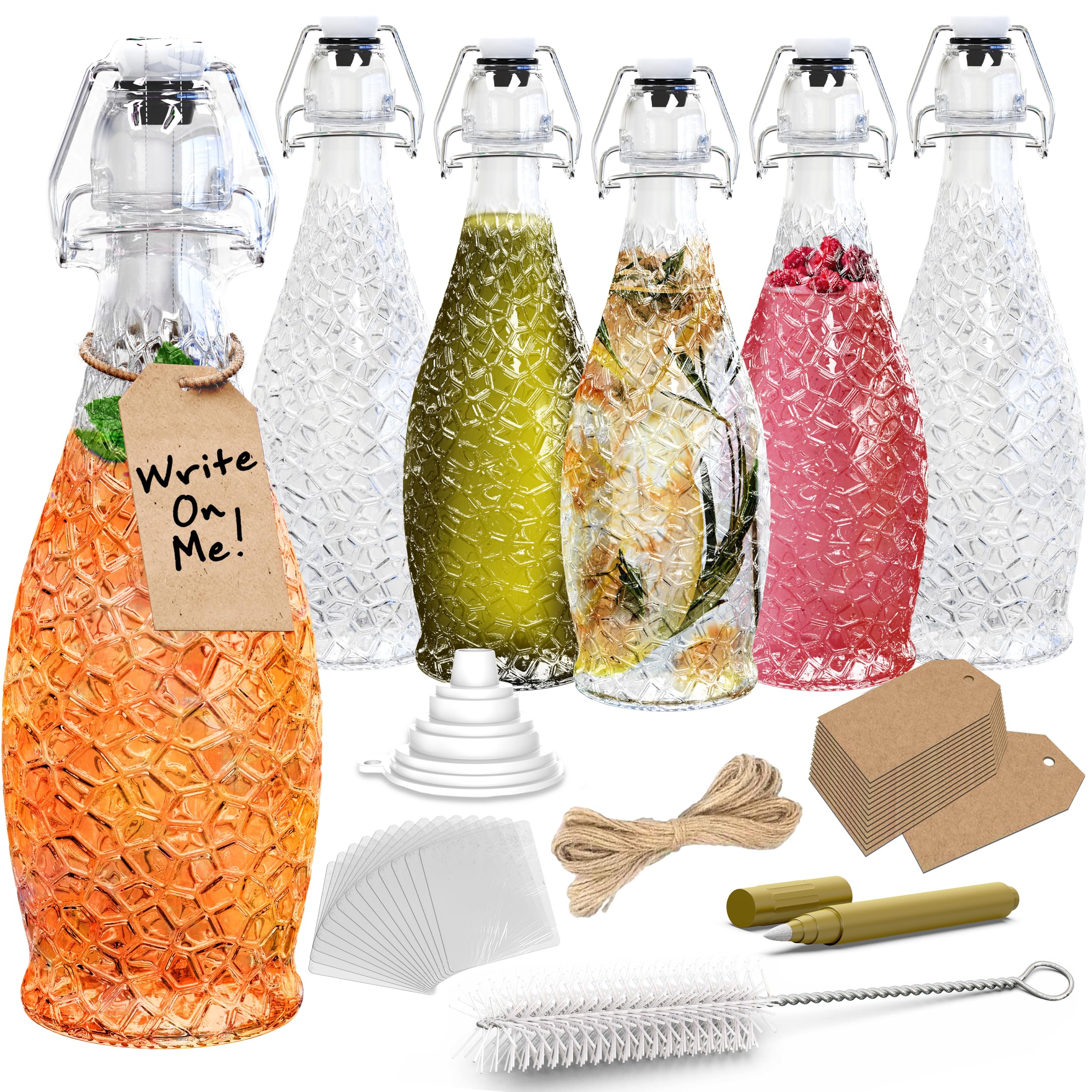
Six bottles, one box, and everything already inside it: a folding funnel, an 11-inch bottle brush, a gold marker, nine paper tags with string, and nine shrink-wrap pieces for sealing the caps. What you are buying is a full bottling session in cardboard form. Each swing top holds 17 fluid ounces — a handy single-serving size for homemade soda, cider, or a batch of coquito you plan to hand out. The textured glass is the part buyers notice first, and it is also the part that keeps the bottle from feeling slick when your hands are damp.
The seal is the real engineering here. A rust-proof steel wire closure pulls a thick rubber gasket down over the mouth, and that combination both holds pressure in and keeps outside air from getting to what you bottled. That is what makes these work as fermentation bottles and simple syrup bottles rather than just decorative glass. The glass is thick enough to shrug off normal knocks, though glass is glass — these are not the bottles you toss loose into a cooler. Once you pop the wire closure off, the bottle itself is dishwasher safe.
Weight is the thing to plan around. The six-bottle set arrives at 5 pounds, so think of it as a box you carry in with both hands rather than a bottle you clip to a bag. For comparison, the HydroJug Ease2o tips the scale at just 1.2 pounds, and it holds 32 fluid ounces. Different tools entirely: that one is for drinking on the move, this one is for filling and gifting. The set stands 10.1 inches tall, which clears most cabinet shelves but will not fit in a short fridge door bin. A one-year warranty backs the bundle if a closure ever gives you trouble.
Where these six earn their keep
- Six 17-fluid-ounce bottles in one box, with funnel, brush, marker, tags, and shrink wraps included
- Steel wire closure plus rubber gasket holds a flavor-preserving, leak-resistant seal
- Thick textured glass looks good enough to hand out as a gift bottle
- Dishwasher safe once the wire closure is removed
The parts that ask for care
- 5 pounds for the six-bottle set — carry it in a crate, not a tote
- 10.1 inches tall, so measure the shelf before you load it
- Glass only shrugs off normal knocks; drop it on tile and it breaks
The right buyer: home brewers, syrup makers, and anyone who gifts homemade drinks and wants the bottles to look as good as the contents.
Where it gives ground: if you want one bottle for a car cup holder, this is not it — the whole set is scaled for filling and storing.
2. HALO Squeeze Bottles (3-Pack) | HZ-3027

The sauce bottle that vents itself so squeezing does not end in a sputter.
Here is your grill-side problem solved: a snap-on dispensing lid with a built-in pressure release valve. Squeeze the bottle and the valve lets air find its way out so the sauce comes out in a controlled stream instead of a hiccup. The three bottles hold 27 ounces each and are made of BPA-free polyethylene, a flexible plastic you squeeze by hand. Oils, vinaigrettes, condiments — anything you want to dispense rather than pour.
The footprint is the quiet win. A square bottle at 2.6 inches wide holds more of the sauce than a round bottle of similar size, and it does not roll off the counter when you set it down. That width is where the comparison bites: the HALO is 2.6 inches across against 6.9 inches on the HydroJug Ease2o, so three of these line up on a shelf where one wide water bottle would sit. The lid also attaches to the base of the bottle when you swap it off, which is a small design decision that stops you hunting for caps mid-barbecue.
Owners rank quality and versatility above all else on these bottles, and the bottles do genuinely move between jobs — sauce one week, dressing the next. But the venting design has a genuine split reaction. Some owners open these easily; a portion of reviews describe the lids as stiff to open and the bottles as larger than expected. The honest read: the 27 ounces is generous for a family batch of sauce and oversized if you like to swap condiments often and bottle them small. The snap-on lid needs to seat squarely, so take a second to press it down flat rather than slap it on.
One-squeeze workflow: the pressure release valve plus snap-on lid is the entire reason to buy these — it turns the sauce bottle from a dripping nuisance into something you can steer with your thumb.
The sizing trap: check your fridge shelf and your prep space against a 27-ounce bottle before ordering three at once.
Buy these if: you cook on a grill or griddle and want oil, dressing, or sauce in a bottle you can point and squeeze.
Go another route if: you bottle a lot of carbonated liquid — polyethylene and a snap lid are built for dispensing, not for holding pressure in.
3. ResOne Oxygen Humidifier Bottle 350ml
A humidifier bottle that pops loudly rather than letting oxygen line pressure creep.
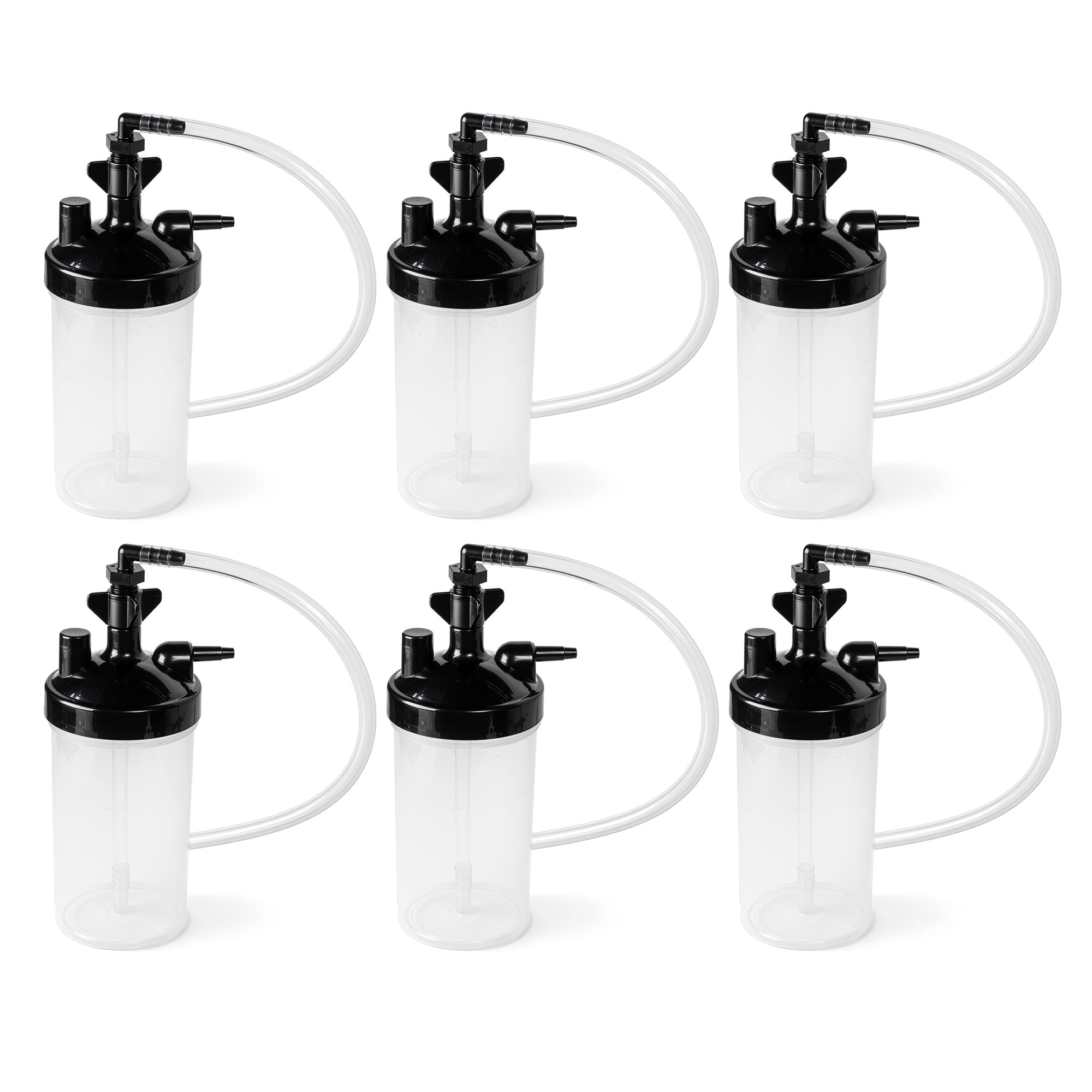
The number that matters on this one is 6 PSI. That is the trigger point of the integrated safety valve — the pressure sensor inside is set to open at that level. If oxygen flow gets blocked, the valve vents audibly on purpose, so you hear the obstruction instead of discovering it later. It is the kind of pressure-release behavior that makes a bottle genuinely pressure safe rather than just sealed.
The bottle holds 350ml of water and comes packed six to a box with 12-inch threaded concentrator adapter tubing. A threaded wingnut input connector screws onto the concentrator side, while a simple push-on barb output feeds your cannula line. Etched minimum and maximum water lines run permanently on the clear body, so you can see the fill level against the marks without guessing. The connectors are sized to fit most concentrator brands, though “most” is doing real work in that sentence — check the threading on your own concentrator before you assume. Owners consistently find the hook-up straightforward, and the bottle runs quietly while it lowers system back pressure. The other side of that coin is the tubing, which some find on the large side, and the occasional complaint about leakage if a bottle is overfilled past the top line. Stay between the etched marks and you avoid most of that.
Value is the honest sticking point. If you run a clinic or change bottles on a schedule, six at once makes sense. If you keep one on a nightstand concentrator, work out how quickly you actually go through bottles before committing to a six-pack.
Safety built into the plumbing: that audible 6 PSI pop is the feature to buy this for — it gives you a warning you can hear across the room.
Fit is your homework: threaded wingnut in, push-on barb out, and tubing that runs large for some setups.
Worth it for: anyone running home oxygen therapy who wants a humidifier bottle with a real pressure release valve they can hear working.
Rethink the six-pack if: you are a single-bottle household that would be storing spares for months.
4. HydroJug Ease2o 32oz Insulated Water Bottle
The insulated carry bottle whose lid bleeds pressure instead of spitting it at you.
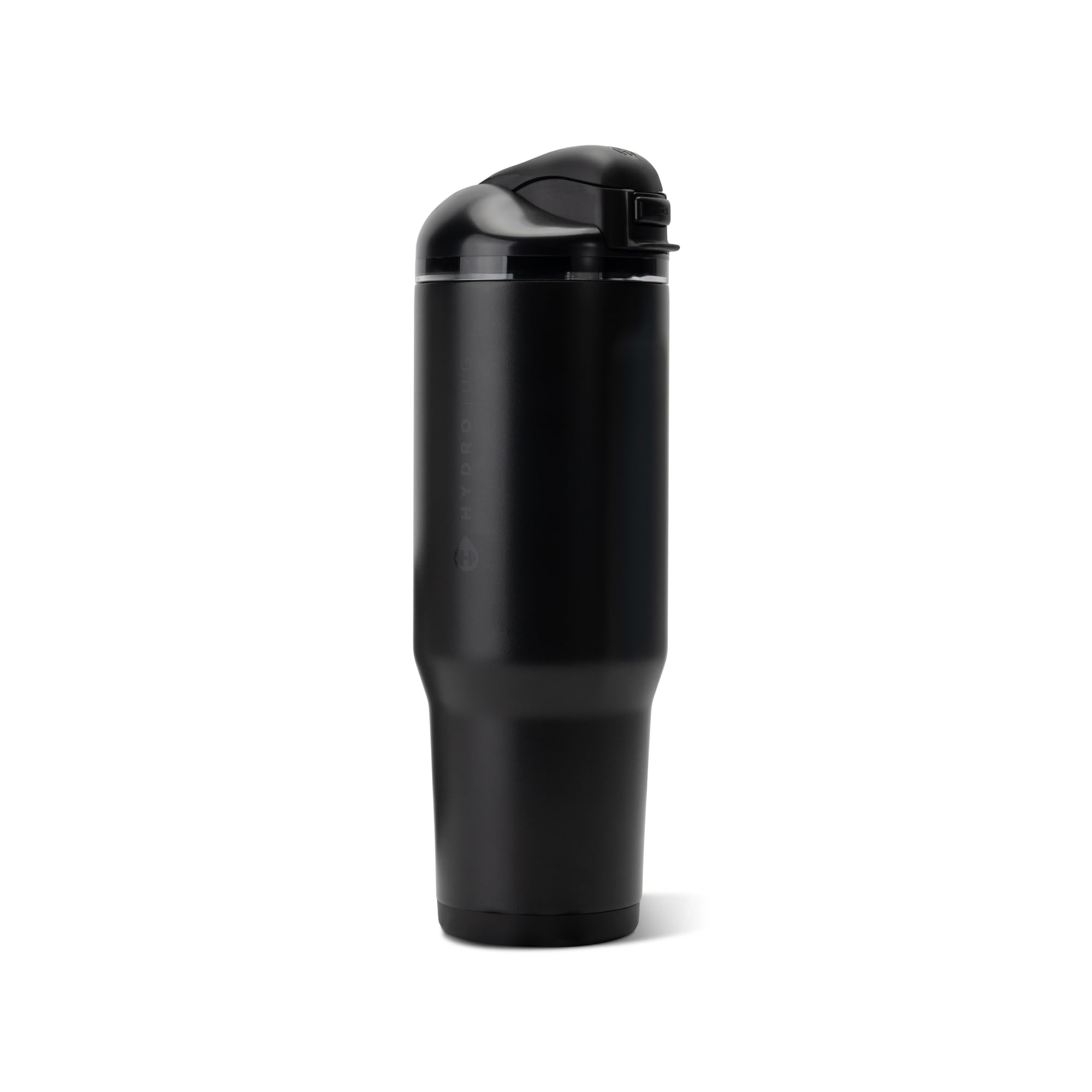
Cold water sits in stainless steel all day here, held in a 32-fluid-ounce vacuum-insulated body — stainless steel with an airless gap between its walls, so your drink stays cold longer than it would in single-wall plastic. The lid is the pressure-safe part. It has a built-in vent to release the pressure that temperature swings and altitude changes build up inside a sealed bottle, and that vent is what stops the spray when you open it after a hot drive or a flight. Buyers report opening it clean rather than getting misted.
Two ways to drink, one lid: a soft straw for slow sipping, a wide chug spout for a fast gulp, no lid swapping required. A water-level window lets you see how much is left without shaking it. The 1.2-pound body comes with a soft-touch carry loop, and the 6.9-inch width is sized to sit in most standard cup holders, with a rubberized base that keeps it planted on a desk or gym floor. Cold drinks only — this one is not built for hot liquids or anything carbonated, and the venting is there to manage pressure, not to let you pressurize it yourself.
Where it trails the rest of this list is in what it does not do: no bottling, no fermenting, no dispensing a sauce. It is a carry bottle, and the reviews show exactly that personality — the camo print gets plenty of affection, cold retention runs all day, and the fit in cup holders and backpack side pockets is dialed in. Leak resistance is the recurring gripe to know about; it is a bottle to keep upright and check the lid seat on rather than toss sideways in a bag. If you want a pressure-safe bottle that travels with you rather than one that stores something, this is the practical answer.
What the vent buys you: no spray on opening, which is the whole point of a pressure-venting lid on a bottle that rides in a car.
Cold only, upright: hot drinks and carbonation are off the table, and it wants to stay vertical in a bag.
Reach for this if: you carry water through a commute and want a vented lid that opens clean every time.
Look elsewhere if: you need a bottle that stores or dispenses something — this one drinks, it does not keep.
Know the Specs
Pressure Relief Valve
A relief valve is the active version of pressure safety. It stays shut until internal pressure hits a set point, then opens to let gas or liquid escape. The ResOne bottle’s trigger point is printed on it, at 6 PSI, and the valve is designed to vent audibly so the release doubles as an alarm. Passive venting, as on the HydroJug Ease2o lid, works by letting pressure bleed off gradually through a channel so it never builds to a pop in the first place.
Seal Integrity
A seal has two jobs: keep contents in and keep air out. Swing-top bottles do it with a steel wire clamp pressing a rubber gasket against the mouth. Squeeze bottles use a snap-on lid that must seat evenly all the way around. Both fail the same way when they fail — through a gasket that dries, a lid that is not pressed flat, or a bottle filled past its line. Check the seal seating and the fill level before you blame the bottle.
Capacity and Bottle Shape
Capacity sets how often you refill, and shape sets where the bottle can live. A square 27-ounce squeeze bottle holds more than a round bottle of similar size and will not roll. A six-pack of 17-fluid-ounce swing tops gives you six gift-sized portions rather than one big vessel. A 32-fluid-ounce carry bottle covers a long day of sipping. Match the number to the job, not to the biggest figure on the listing.
Connectors and Fit
On equipment that attaches to something else, the connector is the spec that decides everything. A threaded wingnut input and a push-on barb output are different fittings with different jobs, and neither one is universal just because it fits most brands. Measure the connection on your own gear before you order, and check tubing sizing too, since a hose that is too large for your setup will not stay put no matter how good the bottle is.
Common Questions
What does pressure safe actually mean on a bottle?
Can I put carbonated drinks in a swing top glass bottle?
Will the HALO squeeze bottles leak in a lunch bag?
How do I know if the ResOne humidifier bottle fits my concentrator?
Why does the ResOne bottle make a popping noise?
Is the HydroJug Ease2o safe for hot tea or coffee?
How should I clean a glass swing top bottle without damaging the gasket?
Do I need a six-pack of humidifier bottles for home use?
Which of these bottles fits a car cup holder?
What is the difference between a vented lid and a pressure relief valve?
The Bottom Line
For most buyers, the pressure safe bottles winner is the Nevlers 17 Oz Textured Swing Top glass six-pack because it bundles the wire closures, gaskets, funnel, brush, and tags into one ready-to-fill box — a complete bottling kit rather than a single vessel, and rated 4.5+ stars across 200+ ratings. If you want pressure handled by a valve you can hear, the ResOne humidifier bottle is the one to reach for. And for the bottle that rides in your car and opens clean at a red light, the HydroJug Ease2o is the practical carry pick.
How we choose
We do not accept paid placement. Every pick is matched to a real buyer and a real use-case; we do not hands-on test units.
Sources
Specifications: manufacturer listings and product documentation. Review insights: verified customer reviews, as of November 2026. Pricing: not shown on this page (it changes often); check the current price via the retailer link.
As an Amazon Associate, Tactical Gear Guy earns from qualifying purchases. This does not affect which products we feature.