Specs are compiled from manufacturer listings and verified buyer reviews and can change over time — please confirm the key details on the product page before buying.
If your tablet keeps disappearing into the sofa cushions, a bag, or an airport lounge, the short answer is this: buy a Bluetooth tracker that speaks the same language as your phone. iPhone and iPad owners should look hard at the Apple AirTag, while Android tablet owners need a tag built for Google’s Find Hub — the tracker families are not interchangeable, and that one match decides whether your tag works at all.
This guide is built by comparing the manufacturers’ published specifications and the patterns across verified customer reviews, so you get each pick’s real strengths and trade-offs instead of marketing spin.
A tablet is too big to lose quietly and too expensive to replace casually, so a tag that beeps loudly and reports a last-seen map pin earns its place in your bag. The picks below sort that out fast, and this breakdown of the tracker for tablet field focuses on what actually gets your device back.
Top Picks
How To Choose The Best Tracker for Tablet
Before you compare beep volumes and battery years, settle the one question that decides everything: which phone and tablet ecosystem you live in. A tracker is not a standalone gadget — it is a small radio that borrows your phone’s app and, once out of range, a giant network of strangers’ devices. Buy one that matches your device, and the rest is refinements.
Match the app, not the price tag
Tags that work with Apple Find My pair through the built-in app on your iPhone or iPad, with no extra download. Tags built for Google Find Hub do the same on Android. A dual-network tag works on both but usually pairs with one device at a time, so switching ecosystems means resetting the tag first. Read the product title carefully — several tags here say “iOS Only” in plain letters.
Think about where the tablet actually sits
A tablet lives in a bag, a backpack, or a case, not on a keyring. That means you want a tag thin enough to slip behind a device or into a sleeve pocket, and loud enough that you hear it through fabric. Alert volume is listed in decibels (dB), and the louder tags here reach 110 dB and 120 dB — the difference between a muffled chirp and a sound you can follow across a room.
Range is a fair-weather claim
Bluetooth range figures like 120 feet or 200 feet assume a clear, unobstructed line. Put a wall or a full backpack between your tablet and your phone and that distance shrinks. Treat range as the “nearby” comfort zone, and lean on the wider finding network once your tablet leaves the building.
Side-by-Side Comparison
| Model | Best For | Ecosystem | Stated Battery | Alert / Rating | Amazon |
|---|---|---|---|---|---|
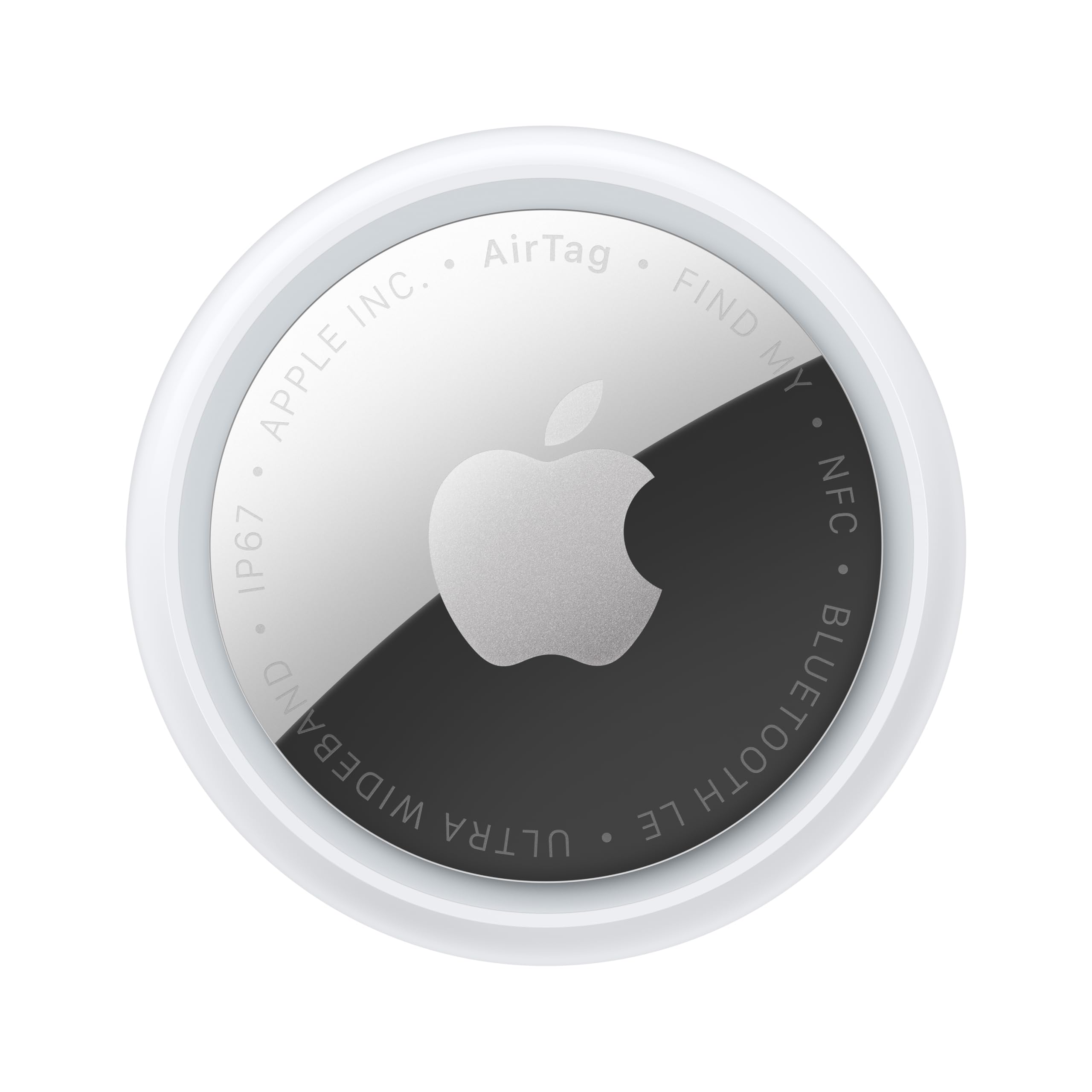
| Apple AirTag (2nd Gen)★ Best Overall | iPhone and iPad owners | Apple Find My | Over a year, replaceable | 50% louder speaker | Amazon |
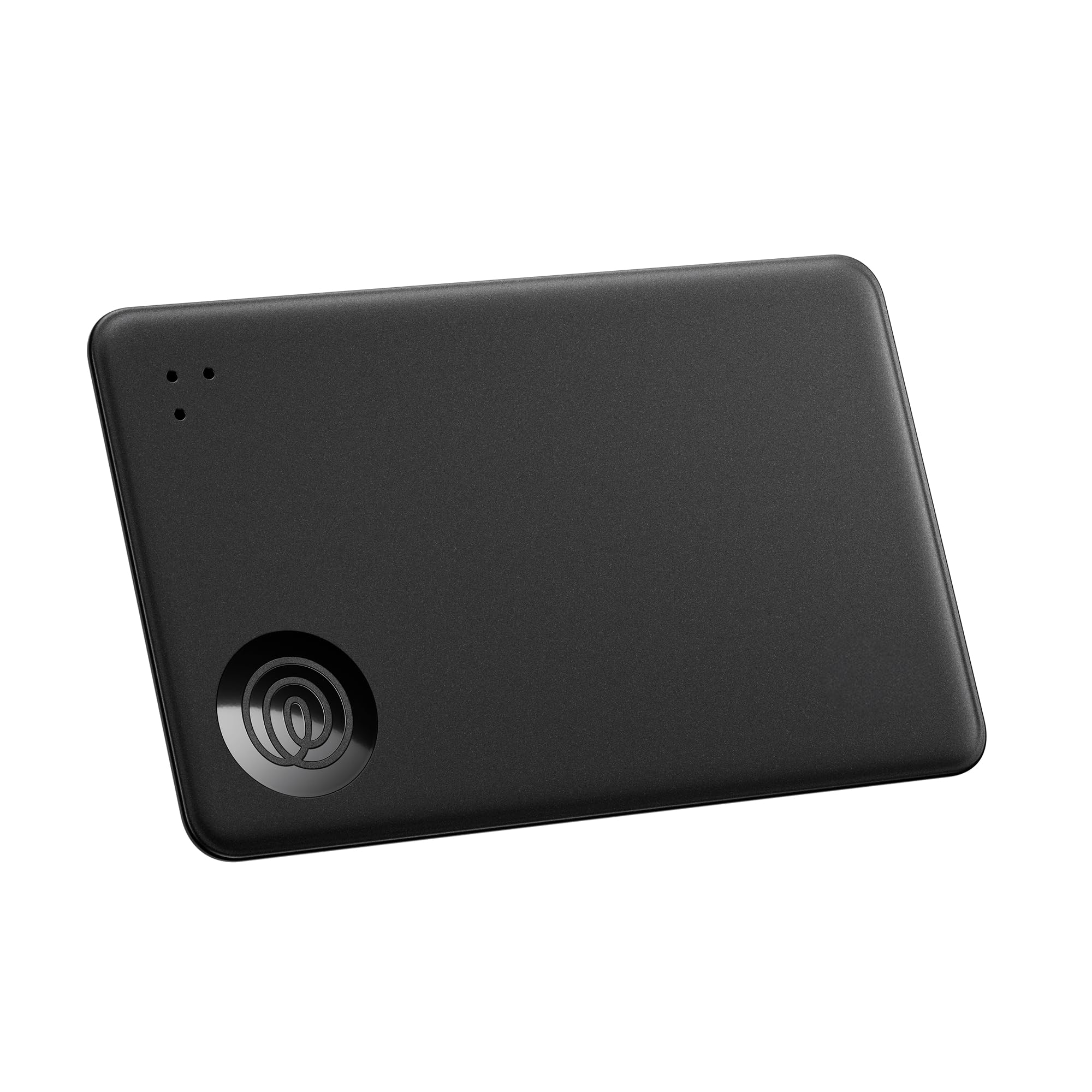
| Life360 Tile SlimSlimmest Carry | Wallets and passport sleeves | iOS & Android | 3 years, non-serviceable | 104 dB | Amazon |
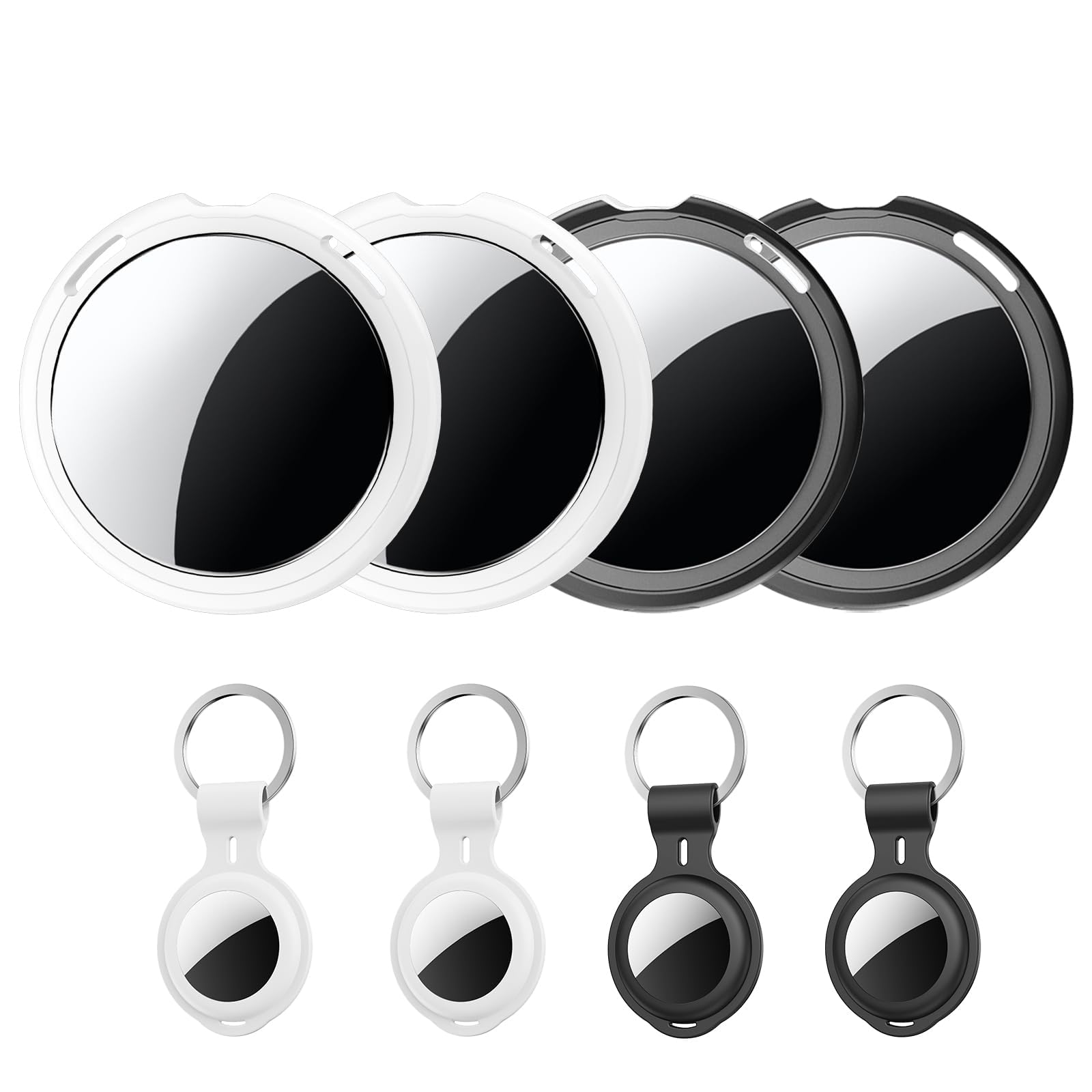
| Cyberdot 4 PackFamily Four-Pack | Multi-item iOS households | Apple Find My (iOS only) | Up to 1 year, CR2032 | Waterproof shell | Amazon |
| VOCOlinc Air Tracker 4 Pack | Switching between Android and iOS | Find My & Find Hub | Over 1 year, CR2032 | 80–100 dB | Amazon |
| Samsung Galaxy SmartTag2 | Galaxy phone and tablet owners | Samsung SmartThings Find | Up to 500 days, replaceable | IP67 rated | Amazon |
| Replglee Air Tags 4 Pack | Long battery stretches | Find My & Find Hub | Up to 2 years | Up to 110 dB | Amazon |
| UGREEN FineTrack Mini2 | Wet-climate and outdoor gear | Apple Find My (iOS only) | Battery included | 110 dB | Amazon |
| Pebblebee Card 5 | Slim wallet-card carry | Find My & Find Hub | Up to 18 months, rechargeable | IP66 rated | Amazon |
| Coioc Air Tracker Tags | Hearing a lost tablet in a hurry | Find My & Find Hub | Replaceable | 120 dB, 120 ft range | Amazon |
Detailed Reviews
1. Apple AirTag (2nd Generation)
Our pick — 4.5+★ from 13,000+ verified ratings; the strongest balance of quality and price.
The tag that turns a lost tablet into a guided walk across the room.
If you carry an iPhone or iPad, this is the one to stop overthinking. Apple’s second-generation AirTag rides on Find My — the built-in app already sitting on your device — and pairs with a single tap, no account juggling. It weighs 0.48 ounces, which is light enough that you forget it is tucked in a tablet sleeve.
The headline upgrades are practical. The speaker is 50% louder with a new chime, so a tablet buried in the couch is audible from across the room. Ultra Wideband and Bluetooth chips (UWB is the short-range radio that points you toward a tag with a directional arrow) have been improved, and you get step-by-step directions on iPhone and on Apple Watch. Owners lean on it hardest for luggage and bags, and the reliability of the thing is the trait that wins people over.
Where the picture gets less tidy is connectivity — some buyers pair without a hiccup and others hit connection trouble, so a clean pairing matters more than anything else on day one. Precision Finding also depends on your iPhone model, so an older phone leans on sound and the map instead of the arrow.
What earns the top shelf spot
- One-tap pairing through Find My, no separate app to install
- 50% louder speaker with a distinct chime for hearing a hidden tablet
- Step-by-step Precision Finding directions on iPhone and Apple Watch
- User-replaceable battery rated for more than a year
Where it asks for patience
- Pairing is the recurring split — smooth for many, fiddly for some
- Best features need a recent iPhone to open up the directional arrow
- No Android support at all
The clear call: an iPhone or iPad household wanting the smoothest, best-supported tablet tag takes this one.
Check your phone first: the directional Precision Finding arrow depends on having a compatible iPhone, so an older handset gets sound and maps only.
2. Life360 Tile Slim
A card-shaped tag that vanishes into a sleeve pocket and never asks for a battery swap.
Here is the number that shapes everything else: 3 years of battery life, sealed inside a shell you never open. For a tablet that lives mostly in a bag, that means no annual coin-cell swap — you stick it in and forget it. The trade is simple honesty: when those 3 years run out, the tag retires with them.
It is Life360’s thinnest tracker, built to slide into wallets, passports, and luggage, and at 15.5 g it adds nothing you will notice. That figure is meaningfully heavier than the VOCOlinc’s 10 g, so if you are chasing the absolute lightest tag for a thin tablet case, the VOCOlinc undercuts it. The 104 dB alert is loud enough to follow through fabric, and it works across both iOS and Android — a rarity worth flagging for mixed-device homes.
There is a bonus most tags skip: use the Tile to ring your phone, even when it is silenced. If your tablet and phone both go missing, that cuts your search in half. Setup and portability are what buyers like most, though the connection story is not always clean — some hit pairing trouble with iPhones, so keep the free app handy and be patient at first link.
Why it earns a spot: sealed 3-year battery, cross-platform support, and a phone-finder that rescues a silenced handset.
The honest trade-off: that sealed battery cannot be replaced, so the tag’s working life is fixed from day one.
Reach for this if: you want a set-and-forget tag for a bag or tablet sleeve and never want to think about batteries.
Look elsewhere if: you would rather swap a battery than retire the whole tag when it dies.
3. Cyberdot 4 Pack Apple MFi Certified Tracker Tags
Four tags, one Find My app, so the tablet and everything around it gets covered.
One tag protects one thing, and a tablet household usually has a bag, a set of keys, and a pair of headphones that wander too. This pack covers four items through the Apple Find My app with no extra subscription — add each tracker to the “Items” tab and you are tracking. The certified chip inside means the connection is official, not a workaround.
Finding is by sound and map. Within Bluetooth range you tap “Play Sound” and the tag chirps, or you ask Siri to locate it for you. The shell is described as waterproof, which suits outdoor bags and rainy commutes, and it takes a user-replaceable CR2032 battery rated for up to one year. Functionality is the thing owners praise most, and the setup side is close behind.
Now the catch worth knowing before you buy: this is iOS only, and compatibility is the one place the experience splits. Most pair cleanly with Find My, but the app link is the recurring sore point, and battery life draws a split verdict too — a handful see far shorter runs than a year. If a stubborn pairing would test your patience, the AirTag above does the same job with more polish.
The value read: four certified Find My tags that cover every loose item in the house for the price of one premium tag.
The caveat to own: iOS-only pairing plus uneven battery reports mean you should test each tag early.
Right for: iPhone owners tagging several belongings, tablet included, on a budget.
Wrong for: any Android tablet in the house — none of these four will pair.
4. VOCOlinc Air Tracker Smart Tags (4 Pack)
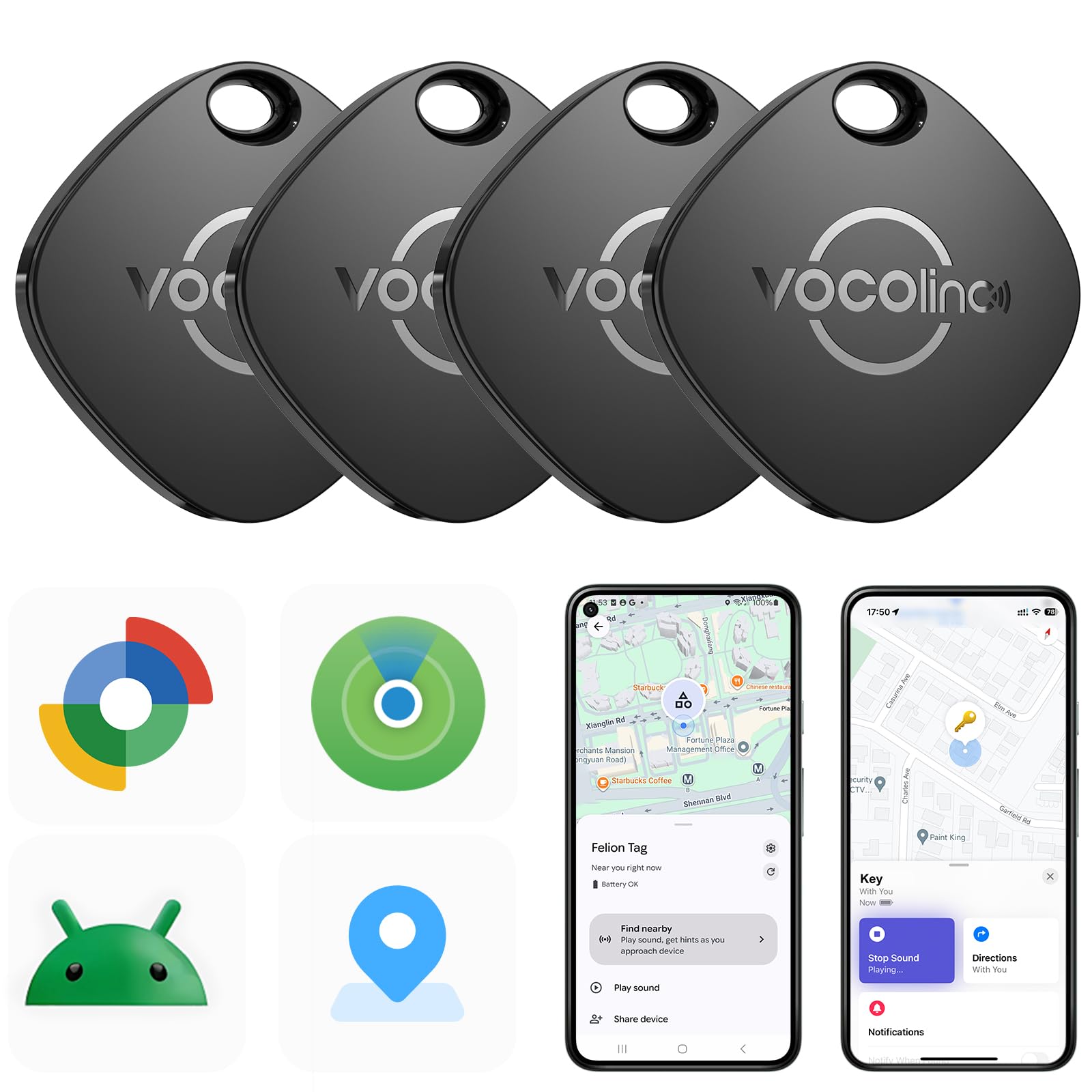
The rare tag that speaks to both an iPhone and an Android tablet — one at a time.
Houses with an iPad for one person and an Android tablet for another usually cannot agree on a tracker. This one uses chips certified by both Apple and Google, so it pairs through Find My on iOS or Find Hub on Android. At 10 g and 0.29 inches thin, it slips into a backpack or a tablet sleeve without a bulge.
Weight is where it beats the Tile Slim clearly — 10 g against the Tile’s 15.5 g — so on the lightest possible sliver of hardware for a thin case, it takes the edge. Nearby finding leans on an 80–100 dB speaker, loud enough to track by ear, with Bluetooth range up to 200 ft / 60 m in open conditions. Beyond range, the tag borrows the vast Find My or Find Hub device network to pin a last-seen map location, and lost alerts fire when it disconnects. There is no UWB, so no directional arrow.
The one rule to internalize: it pairs with one device at a time. Switching between your Android tablet and an iPhone means unpairing, resetting, and reconnecting — workable, not instant. It is IP67 water-resistant (dust-tight and able to shrug off splashes), runs on a replaceable CR2032 with over a year of life, and shares location with up to 5 people on iOS 17 or later.
What makes it flexible
- Certified for both Find My (iOS) and Find Hub (Android)
- 10 g, the lighter of the two slim-card contenders here
- 200 ft / 60 m Bluetooth range plus network tracking beyond it
- IP67 rating and a replaceable CR2032 battery
What to plan around
- One-device pairing at a time; ecosystem switches need a reset
- No UWB, so no directional precision arrow
- Not compatible with Huawei HarmonyOS
Best fit: mixed-device homes that want one tag family working on whatever phone is closest.
Set expectations: if you flit between Android and iOS daily, the reset-and-repair step will wear thin.
5. Samsung Galaxy SmartTag2

Built for the Galaxy owner who wants a tag that rides the SmartThings Find network.
Stays powered for up to 500 days on a replaceable CR2032 — that is the spec that separates this tag from the field. It is designed to slot into Samsung’s SmartThings Find ecosystem, and if your tablet is a Galaxy Tab paired to a Galaxy phone, the setup flow is the familiar Samsung one. The redesigned shell is built to tag and carry your belongings without fuss.
Search Nearby adds a Compass View to walk you toward an item, and a ring function sounds an audible signal if the arrow gets you close but not quite there. It is IP67 water- and dust-resistant, which covers a spilled drink beside the tablet, and it can activate your compatible IoT devices as well. Battery life is the number people fixate on here, and 500 days on a coin cell earns that attention.
The honest shape of it is an ecosystem bet. Setup is the part reviewers warm to, and pairing with a Galaxy S series phone tends to go smoothly. Reliability and accuracy draw a split read, though — some find it tracks keys dependably, others say the position is not truly real-time, so it works best as a lost-item recoverer, not a live movement map. It is not built for the iPhone side of the house.
Standout number: up to 500 days per replaceable battery keeps swapping to roughly an annual chore — far less often.
The trade: its real-time accuracy is uneven, so treat last-seen locations as a strong hint rather than a live trail.
Pick it if: you are already inside the Samsung world and want a long-lived tag for Galaxy gear.
Pass if: your tablet is an iPad — SmartThings Find is a Galaxy-first network.
6. Replglee Air Tags for Android & iOS (4 Pack)
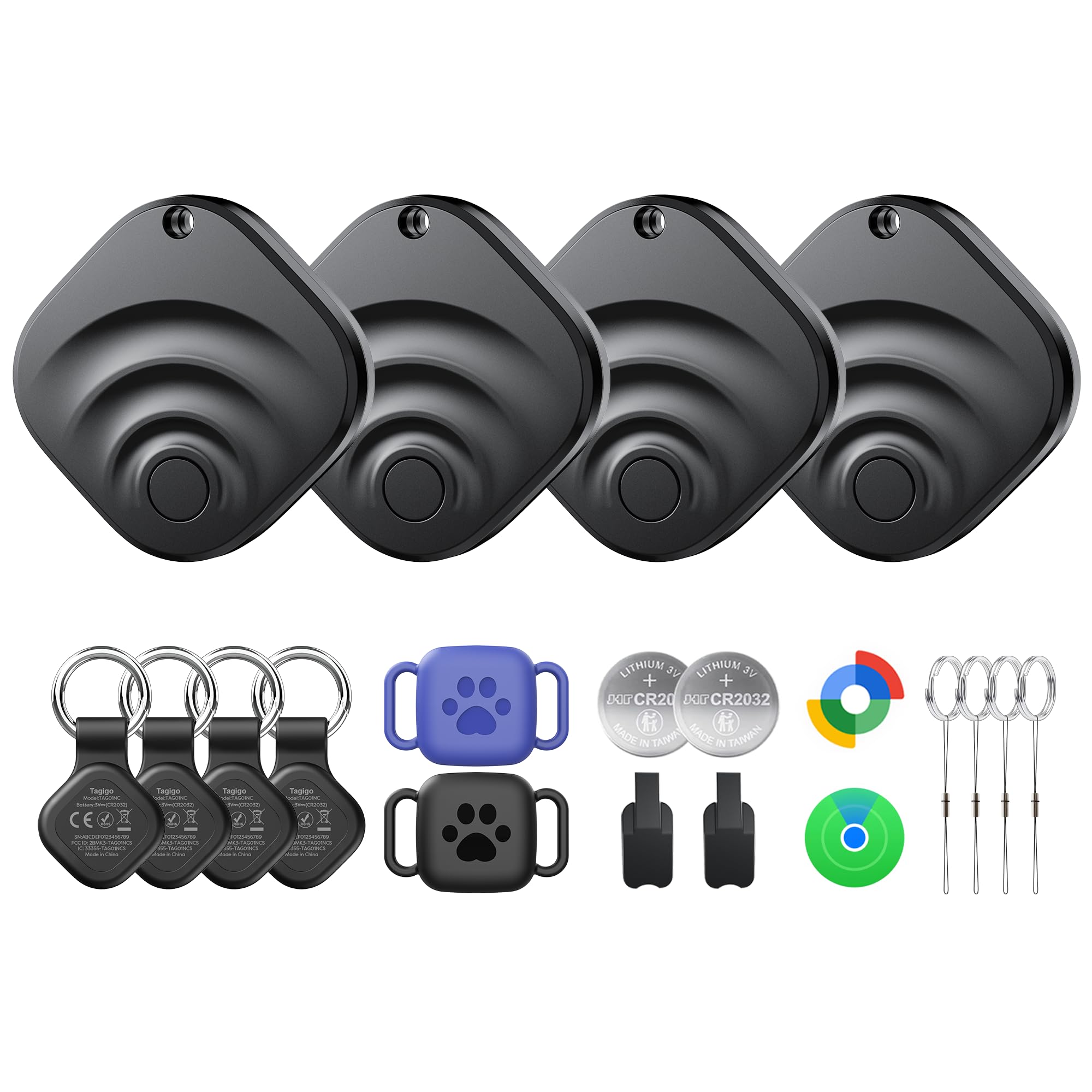
Two years between battery swaps, plus a 110 dB alert that carries across a room.
Battery life is the reason to look here: up to 2 years, per the maker, on both Android and iPhone. That is a longer claim than the AirTag’s year-plus, and for a tablet that sits in a bag most days, it means you set it up and forget it. The four-pack also includes six cases, so you can mount tags without hunting for a holder.
The alert tops out at 110 dB, loud enough to track by sound through fabric, and the shell carries an IP66 rating — protected against rainwater and splashes, so a rainy commute in a backpack is covered. It runs through the native Find Hub or Find My apps with no separate download, covers Android 9 and above, and shares location with friends and family.
Setup ease is the trait that stands out most — buyers report it clicks together fast, works well on Android, and offers real value with four tags in the box. The honest note: location accuracy and battery life are the split categories, so a stray tag here or there may beep less reliably than a premium unit. It also will not work with GPS-only or Huawei devices, and it pairs with phone or tablet through Bluetooth, not cellular.
Why it works: manufacturer-claimed 2-year battery and a 110 dB alert make it a low-maintenance pick for a bag-dwelling tablet.
Watch for: accuracy is uneven and Huawei devices are excluded, so verify your phone is on the supported list.
Good for: Android and iPhone users alike who want long battery runs and multiple tags in one buy.
Rule out if: your device is Huawei or GPS-only — neither will pair.
7. UGREEN FineTrack Mini2 Air Tracker Tags (4 Pack)

The tag that shrugs off a soaked backpack and still beeps through the fabric.
Most trackers claim splash resistance; this one carries IP68, certified under IEC 60529, meaning it can be submerged in 2 meters of water for 60 minutes. For a tablet that travels through rain or rides in an outdoor bag, that is the kind of protection you notice when the weather turns. It pairs with an iPhone or iPad in one tap through the pre-installed Find My app, into the Items tab.
The 110 dB audible alert is loud enough to lead you to a buried tablet, and one-tap pairing keeps setup friction down. A lost alert fires the moment the tag drifts too far from your phone, so you get a warning before the item is genuinely gone, and Lost Mode lets you leave contact info for whoever finds it. On iOS 17 or later you can share the tag’s location with up to 5 people.
Battery is the spot to keep an eye on here. It ships with a battery included, but buyer reports on longevity are mixed — the recurring note is units dying far sooner than expected, so test each tag in your four-pack early and swap the weak ones before you rely on them. And like every tag marked iOS only, an Android tablet is out of the question.
The case for it
- IP68 rated for 2 meters of water for 60 minutes
- 110 dB alert and one-tap Find My pairing
- Lost alert plus Lost Mode with contact info
- Shared location with up to 5 people on iOS 17+
The fine print
- Battery longevity reports are mixed in the early going
- iOS only — no Android tablets
- No optional network switching, so it stays a Find My tag
Top choice for: iPhone owners whose tablets live near water, outdoors, or on a wet commute.
Look past it if: you need Android support or you want a battery you can trust from the start.
8. Pebblebee Card 5
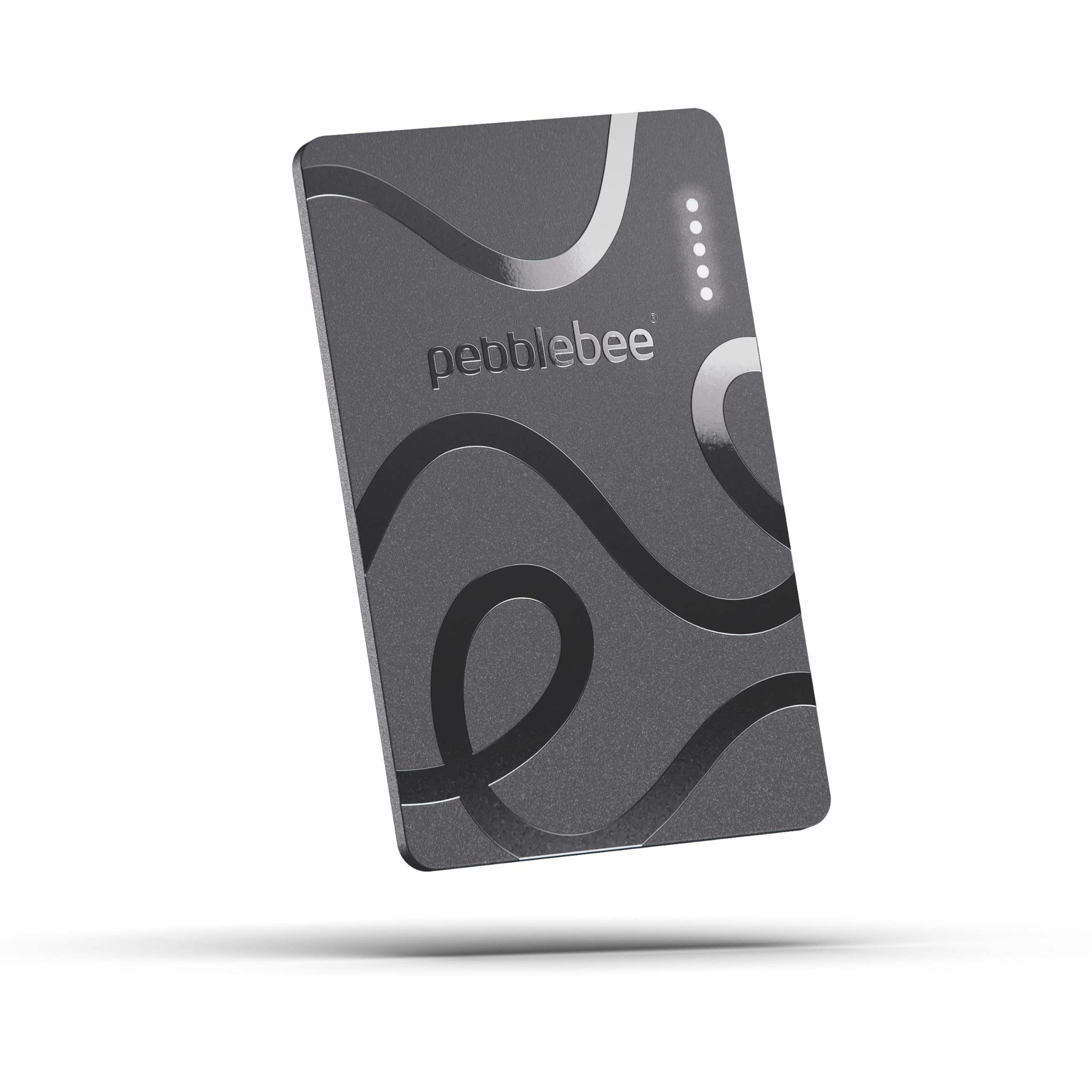
A rechargeable card tracker that slides into a wallet or passport pocket without adding bulk.
Designed as a flat card, the Card 5 is over 30% thinner than its predecessor and built to drop into wallets, passports, and luggage. For tablet users this is the tag you stash in the sleeve of a bag or a slim case pocket rather than clip on a keyring. It weighs 0.49 oz (14 g), light enough that you will not notice it in a jacket.
The battery layout is the interesting part: up to 18 months of life per wireless charge, with no cables. That is a different approach from the sealed coin-cells on this list — recharge instead of replace — and it carries an IP66 rating for water resistance. It runs on either Apple Find My or Google’s Find Hub, so it covers an iPad and an Android tablet alike, though it pairs to one at a time.
There is a built-in phone finder too: double-press the card and your phone rings, even when muted. The fair warning comes from reliability — the experience is split, with some cards working great and others going unresponsive, and connectivity drawing a similar divide. Treat it as a clever design with an uneven track record and test it before you depend on it near your tablet.
Best-liked detail: rechargeable 18-month battery with no cables or coin-cell swaps to manage.
The caveat: reliability is the split category, so keep the return window in mind for a card that misbehaves.
Right if: you want a card-format tracker with rechargeable power and both ecosystem options.
Skip if: you prefer a simple, proven pairing experience over a thinner card.
9. Coioc Air Tracker Tags (4 Pack)
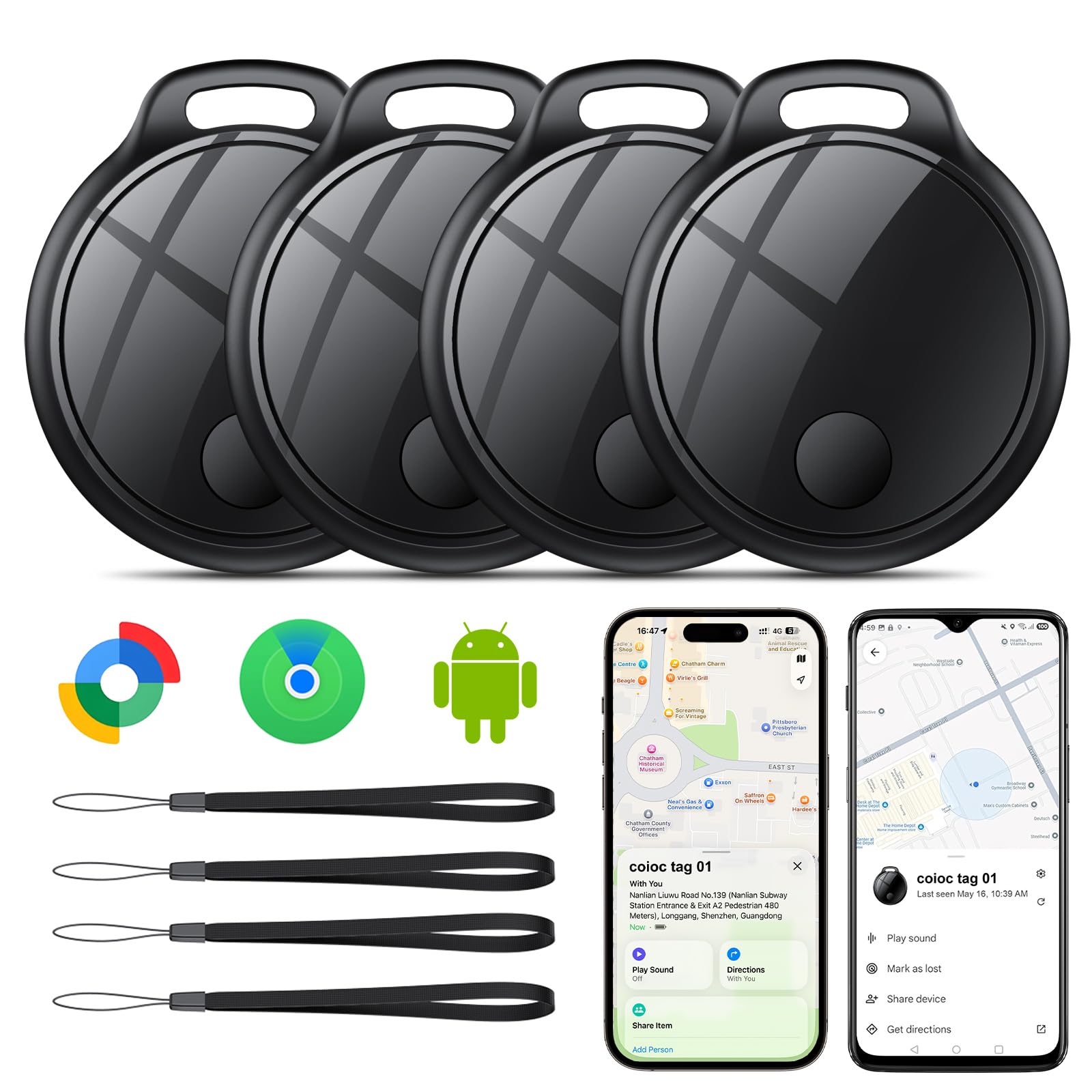
A 120-decibel tick that turns a hidden tablet into an easy follow-the-sound search.
When you cannot find a tablet tucked under a sofa or buried in a bag, volume does the work. This 4-pack tops out at a 120 dB alert — the loudest number on this list — so tap the app and follow the tick. It works through Google’s Find My Device app on Android or Apple’s Find My app on iOS, and there are no monthly fees or subscriptions on top.
Range is listed at up to 120 feet for the nearby sound search, and beyond that you get a last-known map pin from the wider finding network. The tags pair with one ecosystem at a time — Android and iOS cannot run together on the same tag, so a reset is needed to switch. Each one is IP67 water-resistant, replaceable-battery, and 10 g, light enough to tuck into a tablet sleeve.
Inside Bluetooth range the beep plus the map pin is the whole workflow, so the practical question is your phone’s ecosystem. This is the pick for someone who wants brute-force volume and a four-pack to spread across a tablet, a bag, and keys. Just confirm your devices are on the supported side of the Find My / Find Hub split before you commit.
What stands out: a 120 dB alert and 120-foot range make it the loudest, most audible way to find a lost tablet in the pile.
The limit: it cannot pair with both Android and iOS simultaneously, so switching systems means a reset.
Best fit: you want the loudest possible alert and four tags to cover the whole house.
Look elsewhere if: you need to swap between Android and iOS devices day to day.
Know the Specs
Finding Network (Find My vs Find Hub)
The finding network is the crowd of nearby phones that report your tag’s location once it is out of your Bluetooth range. Apple tags use Find My; Google-side tags use Find Hub. If your tablet is an iPad, stick to Find My; if it is Android, prioritize Find Hub or a dual-network tag like the VOCOlinc or Replglee.
Bluetooth Range in Feet
Range is the nearby comfort zone for sound and directional guidance. A tag rated to 120 feet or 200 feet works best in clear, open conditions, and walls reduce it. Beyond that distance, the finding network’s last-seen map location takes over.
Alert Volume in Decibels (dB)
Volume is how loud a tag beeps when you play the sound. Higher dB means an easier follow-the-sound search through fabric or furniture. The tags here range from 80–100 dB up to 120 dB, so pick your volume threshold first if finding by ear is the goal.
Battery and Serviceability
Battery life is stated in years or days, and serviceability tells you whether you can swap the battery yourself. Replaceable CR2032 tags (like the Cyberdot, VOCOlinc, Samsung, and Coioc) live on because you swap the cell. Sealed or rechargeable designs, like the Tile Slim and Pebblebee, hit a fixed life or a recharge cycle instead.
Common Questions
Will an Apple AirTag work with my Android tablet?
Can one tag pair with both an iPad and an Android tablet at the same time?
How loud is loud enough to find a tablet in a backpack?
Do these trackers need a monthly subscription?
Is Bluetooth range enough if my tablet is on another floor?
Can I replace the battery in a tablet tracker?
What does the IP rating on a tracker mean?
Can I share a tracker’s location with someone else?
Do any of these trackers work with Huawei tablets?
Will a tracker help if my tablet is stolen rather than misplaced?
The Bottom Line
For most tablet owners, the tracker for tablet winner is the Apple AirTag (2nd Generation) because it pairs through Find My in one tap, plays a 50% louder chime, and offers Precision Finding guidance on iPhone and Apple Watch — and it is the most popular pick here at 4.5+ stars across 13,000+ ratings. If you want long battery runs across both ecosystems, the Replglee 4 Pack stretches to a claimed 2 years. And for iPhone households that need the loudest possible alert, the Coioc Air Tracker Tags reach 120 dB. Match the tag to your phone’s ecosystem first, and the rest of the choice is easy.
How we choose
We do not accept paid placement. Every pick is matched to a real buyer and a real use-case; we do not hands-on test units.
Sources
Specifications: manufacturer listings and product documentation. Review insights: verified customer reviews, as of November 2026. Pricing: not shown on this page (it changes often); check the current price via the retailer link.
As an Amazon Associate, Tactical Gear Guy earns from qualifying purchases. This does not affect which products we feature.