Specs are compiled from manufacturer listings and verified buyer reviews and can change over time — please confirm the key details on the product page before buying.
You hike, hunt, or work far past the last cell tower, and you need a phone that can still call for help. All three picks here carry satellite SOS — a built-in feature that lets you reach emergency services when there is zero cellular signal. So the real choice depends on camera reach, battery size, and how much refurbished-phone risk you will accept.
This guide is built by comparing the manufacturers’ published specifications and the patterns across verified customer reviews, so you get each pick’s real strengths and trade-offs instead of marketing spin.
Every phone on this list can call for help from a dead zone, but they differ sharply in stamina and camera reach — factors you will feel on day two of a backcountry trip. Below you will find a full breakdown of the best satellite smartphone options, sorted by what each one is genuinely good at rather than by what the ad copy claims.
Top Picks

How To Choose The Best Satellite Smartphone
Satellite connectivity is not a coverage plan — it is a last-resort lifeline. On these iPhones, Emergency SOS via satellite lets you reach emergency services outside cellular range by pointing the phone at the sky. It is slow and it is text-based, so you aim it, wait, and answer questions. Understanding that one limitation shapes every other choice you make.
Start With Satellite Features, Not Signal Bars
All three phones here list Emergency SOS via satellite, Crash Detection, and Roadside Assistance via satellite. Crash Detection is the motion sensor that spots a hard impact and can dial for you. Roadside Assistance via satellite covers breakdowns where there is no signal. Those three together are the actual reason to buy this class of phone, so confirm they are listed before you compare anything else.
Battery Capacity Is The Real Stamina Number
A satellite call drains power fast, and you may be waiting hours for help. Look at the battery capacity in milliamp-hours (mAh) — the raw size of the battery — rather than the percentage on the screen. A larger mAh figure means more reserve when you are stranded and cannot charge. Video playback hours give you a second yardstick for the same thing.
Zoom Range Decides What You Can Document
Optical zoom range is how far the lens reaches without digital blur, and it matters if you use the camera to record conditions, trail markers, or damage. A wider zoom range gets you a readable shot from farther back. Narrower range means you walk closer. Read the number carefully: range and magnification are not the same thing.
Weigh The Renewed Trade-Off Honestly
All three picks are renewed units, meaning they were returned, inspected, and resold rather than new from the factory. Cosmetics usually come out strong. Battery health is where the spread shows up, so ask the seller for the battery health figure before you commit and factor a battery service into your budget if you plan to keep the phone for years.
Side-by-Side Comparison
| Model | Best For | Battery Capacity | Optical Zoom Range | Video Playback | Amazon |
|---|---|---|---|---|---|
| Apple iPhone 15, 128GB (Renewed)★ Best Overall | Budget-friendly entry | 3349 mAh | 4X | Up to 26 hours | Amazon |
| Apple iPhone 15 Pro Max, 256GB (Renewed) | Long trips and distant shots | 4422 mAh | Up to 10x | Up to 29 hours | Amazon |
| Apple iPhone 15 Pro, 128GB (Renewed) | Pocketable titanium build | 3274 mAh | Up to 10x | Up to 29 hours | Amazon |
Detailed Reviews
1. Apple iPhone 15, 128GB, Black – open up (Renewed)
The entry point into satellite SOS that does not cut the lifeline features.
The single most important fact here: Emergency SOS via satellite, Crash Detection, and Roadside Assistance via satellite are all listed on this phone, same as the Pro models. That means the core reason to own a satellite smartphone is intact at the entry level. The 6.1-inch Super Retina XDR display, aluminum frame with color-infused glass back, and Ring/Silent switch round out a familiar, straightforward build.
Where it gives ground is zoom and stamina. The 4X optical zoom range falls well short of the 10x on the Pro and Pro Max, so distant documentation takes more walking. Battery capacity is 3349 mAh — bigger than the iPhone 15 Pro’s 3274 mAh, but short of the Pro Max’s 4422 mAh — and video playback runs up to 26 hours versus 29 on both Pro models. The A16 Bionic chip with 5-core GPU and the 48MP Main and Ultra Wide cameras still produce sharp photos, just with less reach.
The value read from the feedback is strong: buyers see the condition as excellent, arriving like a brand-new device and looking the same as in the photos, and they call the whole package good value. Functionality and battery are the two mixed areas — some say it works well with 90% battery life, others report it stops working and have battery issues. The safest move is a seller who lists the battery health figure. If you want satellite SOS without paying for the Pro zoom range, this is the sensible starting point.
Best fit for: the buyer who wants the satellite lifeline and a clean-looking device without the Pro-tier commitment.
Keep in mind: 4X optical zoom is the least reach here, so this is not the phone for long-distance photography.
2. Apple iPhone 15 Pro Max 256GB
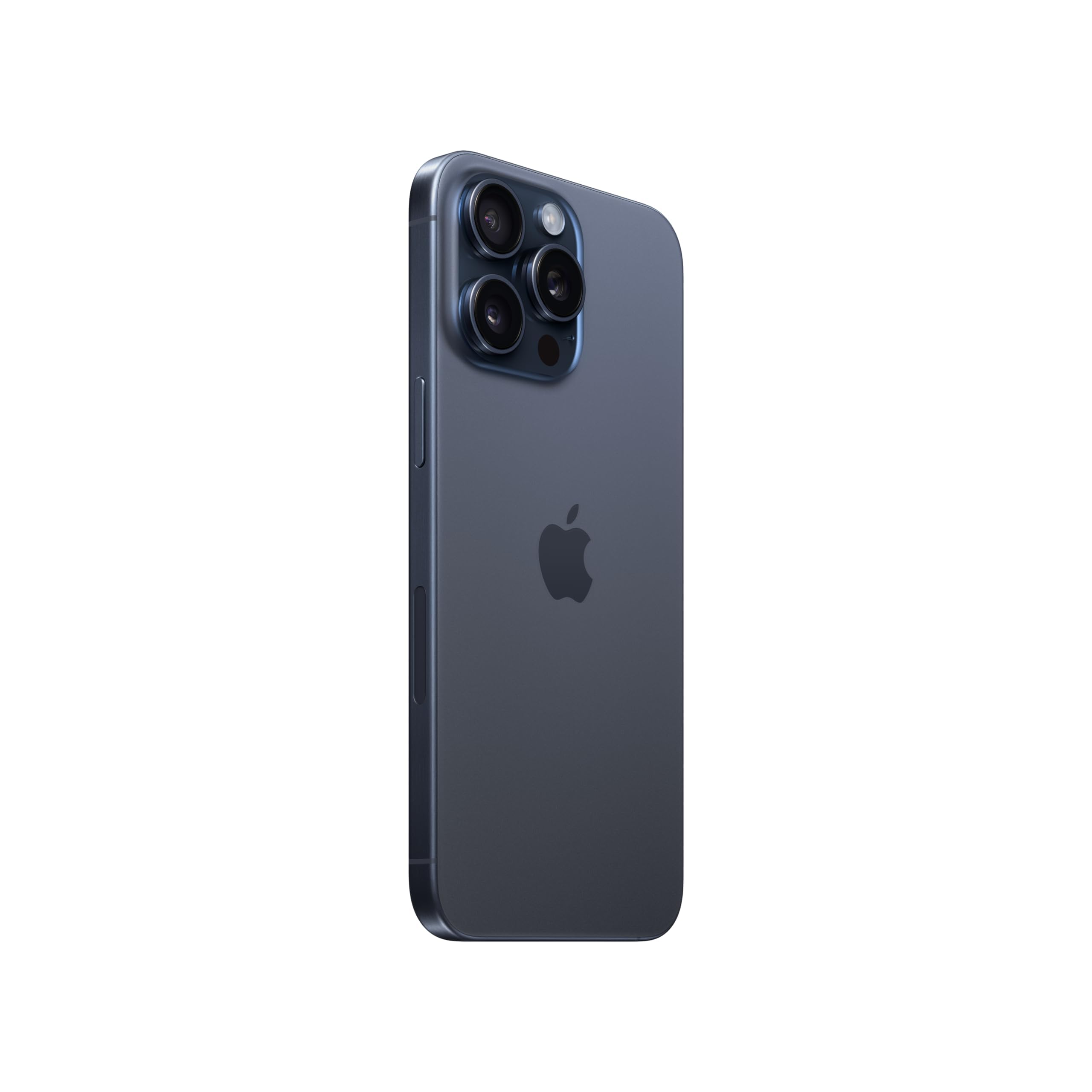
The biggest reserve tank in the group, with the camera reach to match.
The 4422 mAh battery (milliamp-hours, the raw size of the power cell) is the largest figure on this list, and that is the number that matters when you are waiting on a satellite reply far from an outlet. It pairs with up to 29 hours of video playback — a full day of screen-on work with room left over. The 6.7-inch Super Retina XDR display (Apple’s high-contrast screen tech) gives you a large surface for framing a satellite call in bright sunlight.
Against the iPhone 15, the gap is real: 4422 mAh versus 3349 mAh here, and the 6.7-inch screen versus 6.1 inches on the smaller phone. Zoom is where the separation gets sharp — up to 10x optical zoom range on this Pro Max against 4X on the standard iPhone 15. If you photograph trail damage or a distant landmark to send alongside your message, that reach is the difference between a blurry smudge and a readable image. The A17 Pro chip with 6-core GPU keeps the camera and satellite apps responsive.
What wins people over most is the sheer build and finish — the titanium with textured matte glass back arrives looking and feeling like a factory-new device. Buy from a seller who states the battery health figure and you sidestep most of that. This is the highest-rated pick here at 4.0+ stars across 6,900+ ratings.
The backcountry case for it
- 4422 mAh battery — the largest of the three phones, so more satellite-call reserve
- Up to 10x optical zoom range, double the 4X of the standard iPhone 15
- Emergency SOS via satellite, Crash Detection, and Roadside Assistance via satellite all listed
- 6.7-inch Always-On display and Action button for quick access
What to weigh first
- Renewed battery health varies, so confirm the figure before buying
- The 6.7-inch body is the bulkiest of the three in a pocket
Reach for this if: you want the longest satellite reserve and the widest zoom range for documenting where you are.
Look elsewhere if: a smaller, lighter phone in the pocket matters more than battery size.
3. Apple iPhone 15 Pro 128GB

Pro-grade camera and chip, shrunk into a one-hand body.
Here is the trade you make: the iPhone 15 Pro keeps the same up-to-10x optical zoom range and up-to-29-hour video playback as the Pro Max, but drops the battery to 3274 mAh. That is 3274 mAh against the Pro Max at 4422 mAh — a meaningfully smaller reserve if you are the type to head out overnight. For a day hike or a trail run where you start with a full charge, it is plenty.
You get smoother scrolling and motion on a 6.1-inch ProMotion display (a screen that refreshes faster). That screen sits in a titanium frame with a textured matte back. The A17 Pro chip with 6-core GPU (a graphics processor with six cores) handles portrait mode and night shots without lag, so low-light photos stay sharp. USB-C with USB 3 support means faster file transfers, which helps when you dump photos to a laptop at camp. Emergency SOS via satellite, Crash Detection, and Roadside Assistance via satellite are all present — the same lifeline set as the Pro Max.
Owners consistently praise how it arrives — the condition quality is the strongest theme in the feedback, with units showing up looking factory-new on the outside. Battery is the split: some report 100% battery health and zero issues, others hit lower-than-expected capacity or an outright failure. The 4.0+ star top marks go to build and finish; treat the battery as the variable to verify. If you mainly want a satellite-capable phone that disappears into a jacket pocket, the 6.1-inch body wins over the 6.7-inch Pro Max every time.
The size advantage: a 6.1-inch display in titanium keeps this pocketable while holding the full satellite feature set and the same zoom range as the Pro Max.
The battery math: 3274 mAh is the smallest of the Pro line here, so pack a power bank on multi-day trips and you keep the satellite option available.
Pick this one for: satellite safety in a body you can carry all day without noticing it.
Think twice if: you regularly go days between charges — the smaller cell will be the limit.
Know the Specs
Emergency SOS via Satellite
This is the core feature of a satellite smartphone. When there is no cellular or Wi-Fi signal, the phone connects directly to a satellite so you can reach emergency services by pointing the device at open sky and following on-screen prompts. It is text-based and slow, so it is a lifeline, not a replacement for a map, a plan, or a charged battery.
Battery Capacity in mAh
Milliamp-hours measure the raw size of a battery. A larger number means more stored energy and a longer reserve when you cannot recharge. Look at this figure, not the percentage on the screen, because a fresh 100% reading on a small cell still runs out sooner than a larger one at the same charge.
Optical Zoom Range
Optical zoom is how far the lens reaches without the smeary digital crop that ruins detail. The range figure describes the span between the widest and longest lens settings on the phone. A longer range gets you a readable shot from farther back — useful when you are recording trail conditions or landmarks to accompany a message.
Renewed Condition and Battery Health
Renewed phones are returned, inspected, and resold rather than new from the factory. Exterior condition is usually close to new, but battery health is the variable to ask about. Before you buy, check the seller’s stated battery health so you know what reserve you are actually getting for satellite use.
Common Questions
How does Emergency SOS via satellite work when I have no signal?
Do all three iPhones on this list have satellite connectivity?
Is a renewed iPhone safe to buy for backcountry use?
Which has the biggest battery, the iPhone 15 Pro or the Pro Max?
What is the difference between 4X and 10x optical zoom?
Does satellite SOS use my regular phone plan?
How long can I go without charging on a backcountry trip?
What is Crash Detection and does it work without signal?
Is the standard iPhone 15 enough, or do I need a Pro?
The Bottom Line
The strongest satellite smartphone for most backcountry users is the Apple iPhone 15 Pro Max because its 4422 mAh battery and up-to-10x optical zoom give you the most reserve and the most reach when a signal is gone. If you want that same satellite lifeline in a phone that disappears into a jacket pocket, the iPhone 15 Pro leads on portability while cutting the battery to 3274 mAh. And for plain satellite safety without the Pro camera, the iPhone 15 covers the essentials at the entry level. With 6,900+ ratings behind the top pick and a 4.0+ star standing, it is the safest bet in a category where reliability is the whole point.
How we choose
We do not accept paid placement. Every pick is matched to a real buyer and a real use-case; we do not hands-on test units.
Sources
Specifications: manufacturer listings and product documentation. Review insights: verified customer reviews, as of November 2026. Pricing: not shown on this page (it changes often); check the current price via the retailer link.
As an Amazon Associate, Tactical Gear Guy earns from qualifying purchases. This does not affect which products we feature.