Specs are compiled from manufacturer listings and verified buyer reviews and can change over time — please confirm the key details on the product page before buying.
Numb fingers are the fastest way to end a good day outside. The mittens below all share one job — holding heat when the air is genuinely hostile — but they do it with very different builds. Some seal out wet snow with a GORE-TEX membrane, some lean on dense wool, and one is rated for a working freezer floor. The strongest all-rounder here is the Burton GORE-TEX Insulated Mitten, a crowd favorite sitting at 4.5+ stars across 400+ ratings, because it pairs a proven waterproof membrane with a removable fleece liner you can wear three different ways.
This guide is built by comparing the manufacturers’ published specifications and the patterns across verified customer reviews, so you get each pick’s real strengths and trade-offs instead of marketing spin.
Below you’ll find the quick comparison table, a full breakdown of every pick, and the spec explanations that actually matter in the cold. Every option here is a legitimate women’s mitten, so the real work is matching the build to your winter in this roundup of the women’s mittens for extreme cold.
Top Picks


How To Choose The Best Women’s Mittens for Extreme Cold
Cold hands come from three separate failures, and each one has its own fix. Get all three right and you can stand still in real cold for hours.
Waterproofing vs water resistance: not the same promise
A water-repellent shell makes snow bead up and roll off — good for a dry cold day. A waterproof membrane like GORE-TEX or BD.dry is a physical barrier that blocks liquid water while still letting sweat vapor escape. That difference matters on a chairlift when wet snow sits on your hand for ten minutes. If your winters are wet as well as cold, make the membrane the first box you tick.
Removable liners buy you three mittens in one
A removable fleece liner can be worn alone for shoveling, worn as the shell alone in sloppy spring conditions, or combined for full midwinter warmth. On multi-day trips you can also pull the liners out to dry overnight, which is the single most practical feature on a cold-weather mitten.
Read the temperature rating with care
Ratings are not standardised. One mitten here is stated as warm down to -20°C (-4°F) — a genuine cold-weather claim. The RefrigiWear lists a comfort rating of -30°F, which is freezer-work territory. Treat every rating as the maker’s own claim and match it to how long you’ll be outside, not to how tough the number looks.
Fit at the wrist and thumb decides comfort
Warmth is rarely the complaint — fit is. Snug wrists and tight thumbs are the repeated theme across these listings. If you sit between two sizes, size up: a mitten with a little room traps warm air, while a compressed one loses it.
Side-by-Side Comparison
| Model | Best For | Waterproofing | Insulation / Liner | Stated Cold Rating | Amazon |
|---|---|---|---|---|---|
| Burton Women’s GORE-TEX Insulated Mittens★ Best Overall | All-round wet-cold days | GORE-TEX membrane | Thermacore; removable four-way stretch fleece liner | — | Amazon |
| Harssidanzar Women’s Sherpa Suede MittenEveryday Elegance | Driving and everyday cold | — | Thermal fleece lining; suede palm, lambswool back | — | Amazon |
| EXski Ski Mittens for WomenBudget Ski Pick | Budget ski and snowboard days | Double-layer: water-repellent shell plus inner waterproof bag | 3M Thinsulate C40 | -20°C (-4°F) | Amazon |
| Gordini Women’s Gore-Tex Gauntlet Mitten | Long-cuff ski coverage | GORE-TEX insert | Megaloft synthetic insulation with moisture-wicking lining | — | Amazon |
| Dakine Sequoia GORE-TEX Mitt | Resort skiing with liners | GORE-TEX | Comes with liners | — | Amazon |
| Freyja 100% Icelandic Wool Knit Mittens | Dry deep cold and everyday wear | Water-repellent wool | Fully fleece lined | — | Amazon |
| RefrigiWear Thinsulate Extreme Freezer Mittens | Freezer and work-site cold | — | Thinsulate insulation; silicone grip | -30°F (-34°C) comfort rating | Amazon |
| Black Diamond Women’s Mercury Mitts | Alpine and mountaineering | BD.dry waterproof/breathable/windproof | Removable insulated liners | — | Amazon |
Detailed Reviews
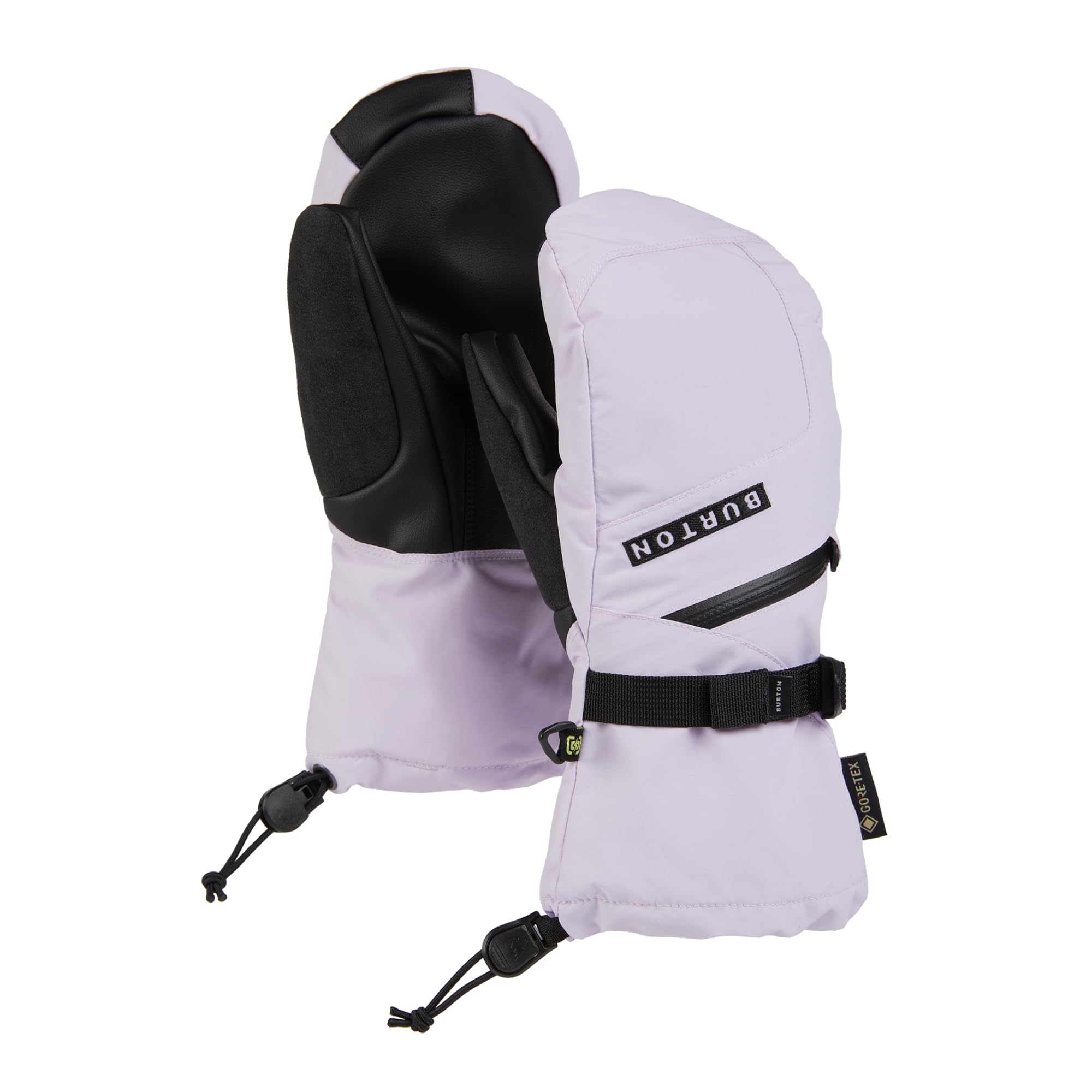
1. Burton Women’s GORE-TEX Insulated Mittens
Our pick — 4.5+★ from 400+ verified ratings; the strongest balance of quality and price.
Three mittens in one build, thanks to a liner you can pull out and wear alone.
Here is the arrangement that earns first place: a GORE-TEX membrane (a bonded film that blocks liquid water while letting sweat vapor escape) sits inside a Dryride Ultra Shell 2L fabric. That shell is the outer skin of the mitten, and its job is to take the abuse. Snowboarding mitts touch more wet snow, ice and rope than anything else in your kit, and this pairing is built for exactly that contact.
Behind the membrane sits Thermacore insulation and a removable four-way stretch fleece liner. Wear the liner alone when you’re shoveling the drive. Wear the shell alone in sloppy spring conditions. Snap them together for full midwinter warmth. Very few mittens in this group give you that three-way flexibility — the Black Diamond Mercury offers a removable liner too, but it does not separate into a standalone shoveling glove.
The palm is screen-grab synthetic leather, a material that holds touchscreen control without a coating that can fray or wash off. What wins people over most, though, is plain build quality. The cinch system that seals snow out of the cuff is the other detail that keeps coming up as the reason owners trust these on deep days. One honest note on sizing: the repeated gripes centre on the medium having little room to spare and the thumb running tight, so if you’re between sizes, go up.
What earns the top slot
- GORE-TEX membrane keeps wet snow out while sweat vapor escapes, so hands stay dry on a full ski day
- Removable four-way stretch fleece liner gives three configurations from one pair
- Synthetic leather palm holds touchscreen control that won’t fray or wash off
- Cinch cuffs seal snow out — the fix owners point to for deep-powder days
Where it needs a size-up
- The medium runs with little room to spare, and the thumb is snug
- Liner and shell must be re-seated together after drying, which takes a moment
Reach for this if: you ride or work in wet, genuinely cold conditions and want one pair that covers shoveling, spring slush and midwinter in a single purchase.
Size up instead if: you sit on the line between two sizes — the snug thumb and tight medium are the one recurring fit note here.
2. Harssidanzar Women’s Sherpa Suede Mittens
The pair you wear to the car, the trailhead and the café without looking like you’re suiting up.
Suede across the palm, lambswool across the back of the hand — this is a two-material build aimed at comfort and warmth rather than hard waterproofing. The rocker fleece lining is designed to hold hand temperature in while pushing moisture back out. Buyers report warm hands at -16, which puts this suede-and-lambswool mitten in real winter territory despite the soft look.
You get a little more finger control than a plain mitten, thanks to individual finger slots inside. Your fingers sit in separate channels rather than one sack, so you can grip things more easily without giving up the shared warmth. The fur cuffs fit snugly around the wrist, and a carabiner (a small metal clip) connects the left and right mitten so the pair stays together in a bag.
On sizing, opinions split — the listing’s own description says the lining runs small, and plenty of buyers agree. The suede and lambswool surfaces also need care with wet snow; this is not a mitten for a rainy lift line. Treat it as your dry-cold, everyday pair and it rewards you with looks and warmth in equal measure.
What each material does: a suede palm gives you grip on a steering wheel, lambswool at the back keeps your hands warm, and a fleece lining holds that warmth in. That split suits driving, hiking and everyday cold, but not wet alpine days.
The one to plan around: the lining runs small, so the correct move is to order up rather than trust your usual mitten size.
Made for: drivers and everyday cold-weather wearers who want warmth with a suede finish and finger slots inside.
Not the pick for: wet, slushy days — there’s no waterproof membrane here, so serious snow contact needs another pair.
3. EXski Ski Mittens for Women
A stated -20°C rating and double-layer waterproofing for entry-level money.
Numbers first, because this pair has them. 3M Thinsulate C40 insulation — fine microfibers that trap body heat while letting moisture vapor out — carries a stated rating down to -20°C (-4°F). That is the only explicit cold figure in this whole group besides the RefrigiWear’s freezer rating. At 6.08 ounces, it also keeps the bulk down on a ski day.
Water protection comes in two layers rather than one. The water-repellent outer shell makes snow bead and roll off, and an inner waterproof bag adds a second barrier behind it. The treated shell also resists oil and stains from lift rails and tow ropes, so a wipe takes care of coffee or grime instead of a wash. A touchscreen thumb lets you shoot photos or check a trail map without pulling the mitten off.
Where it pulls ahead of a bare-bones budget pair: a reinforced PU leather palm for poles and shovels, plus elastic wrist leashes so the mittens stay attached when you pull them off on the lift. Owners mention working hands in single-digit temperatures and often skipping hand warmers altogether on the ski hill. The trade-off is finishing — materials are polyester, and this is a ski-first mitten, not a mountain-expedition one.
The value read: the deepest stated cold rating in the group paired with double-layer waterproofing and a PU palm — that combination is what makes this the budget pick to beat.
Where it stops: polyester build and a mountain-sport focus mean it is happiest on ski hills and sledding runs, not on a rope team.
Buy these if: you want a cold-rated ski mitten with leashes and a touchscreen thumb without moving into premium territory.
Keep looking if: you need mountaineering-grade abrasion resistance — this is a resort build.
4. Gordini Women’s Gore-Tex Gauntlet Mitten

The gauntlet cuff that tucks under a jacket sleeve and stays there all day.
Gordini keeps the recipe simple: a GORE-TEX insert keeps water out while letting perspiration escape, and Megaloft synthetic insulation provides the warmth. A moisture-wicking lining sits against the hand so you don’t end up sweaty inside a waterproof shell — the failure mode that makes people think their mittens aren’t warm.
Durable shells with leather finger areas and adjustable wrist straps round it out. Owners consistently report a good fit and real warmth, and fit is the aspect they talk about most with this gauntlet.
Care is the one thing to get right. Wipe these clean with a damp cloth and mild soapy solution, then hang-dry away from direct heat. No machine drying, no dry cleaning — heat and agitation are what kill a GORE-TEX insert. Do that and this is a quiet, dependable ski mitten; ignore it and the waterproofing is the first thing to go.
Worth it for: skiers who want a long gauntlet cuff, a GORE-TEX insert and an adjustable wrist strap in one straightforward package.
Remember with these: hang-dry only, away from direct heat — machine drying is the fastest way to spoil the membrane.
5. Dakine Sequoia GORE-TEX Mitt
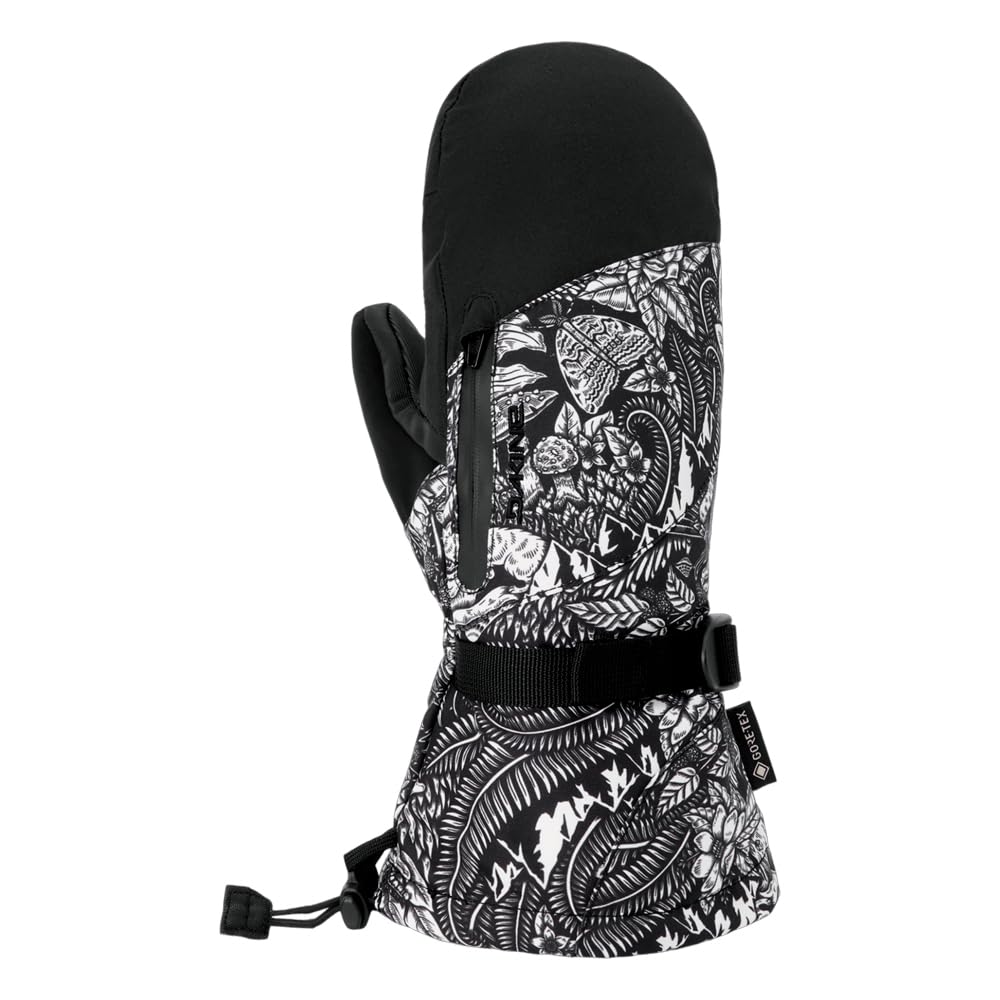
Comes with its liners in the box, so there’s no second purchase to make.
Dakine’s Sequoia arrives as a complete kit — the GORE-TEX mitt plus liners included. That matters because a lot of linered mittens sell the liner separately. Quality is the thing buyers single out most about this pair, followed closely by warmth, and the word that keeps surfacing is that these are simply good ski mittens.
The GORE-TEX build does the wet-weather work that a plain knit or suede mitten can’t. Owners also report the Sequoia working well for driving, which tells you the dexterity is better than the bulk suggests. Appearance gets its own share of praise — this is a mitten people are happy to be seen in at the lodge.
Fit is where you should pay attention. Feedback splits: some find them true to size and soft inside, others find them running big, and a few describe a tight feel. The honest read is that the fit runs inconsistent across sizes rather than reliably large or small, so check the size chart against a real measurement before ordering. That caveat aside, this is the easiest complete setup in the group.
Why it earns its place: GORE-TEX protection with liners already in the box, plus enough feel for driving — a complete, warm resort mitten.
Check before you buy: sizing feedback goes both ways, so measure your hand rather than assuming your usual size.
The right call for: resort skiers who want a linered GORE-TEX mitten ready to wear on day one.
Look elsewhere if: you can’t check the size chart first — the fit reports here are genuinely split.
6. Freyja 100% Icelandic Wool Knit Mittens
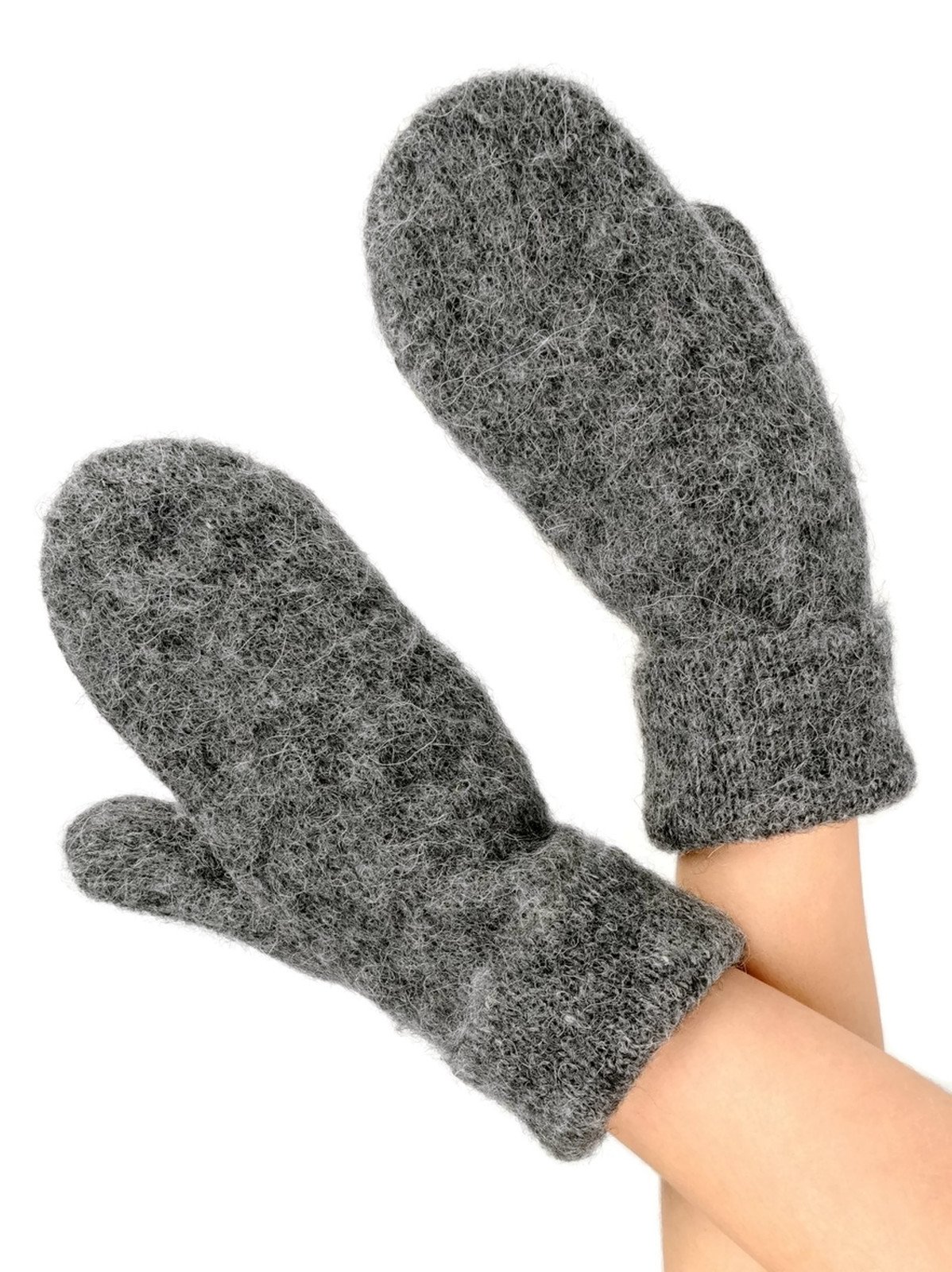
Two layers of wool, one dense yarn, and a fleece lining against your skin.
Icelandic sheep grow a two-layer fleece for a reason: an outer layer of fatty compounds that sheds water, and a fluffy inner layer that insulates. That ratio is what makes this yarn dense, light and strong at once, and it’s the whole basis of this mitten. Add a full fleece lining and you have a knit that handles cold far better than its soft look suggests.
These are made in Canada from 100% pure Icelandic sheep’s wool, described as lightweight, water-repellent and breathable. The traditional winter motif gets its own attention in the reviews — appearance is a genuine part of why people pick these. Warmth is the headline strength of this Icelandic wool knit, with hands reported staying dry and warm in hard cold.
The trade-off is structural, not a flaw: knit wool is water-repellent, not waterproof. It shrugs off light snow and dry cold all day, but a soaking wet snowfall will eventually work through where a GORE-TEX membrane would not. If your winters are dry and bitterly cold, that’s a fair swap for the comfort and the look.
Choose these: for dry, deep cold and everyday wear where wool’s breathability beats a synthetic shell.
Think twice if: you’re regularly in wet snow — water-repellent wool is not a waterproof membrane.
7. RefrigiWear Thinsulate Extreme Freezer Mittens
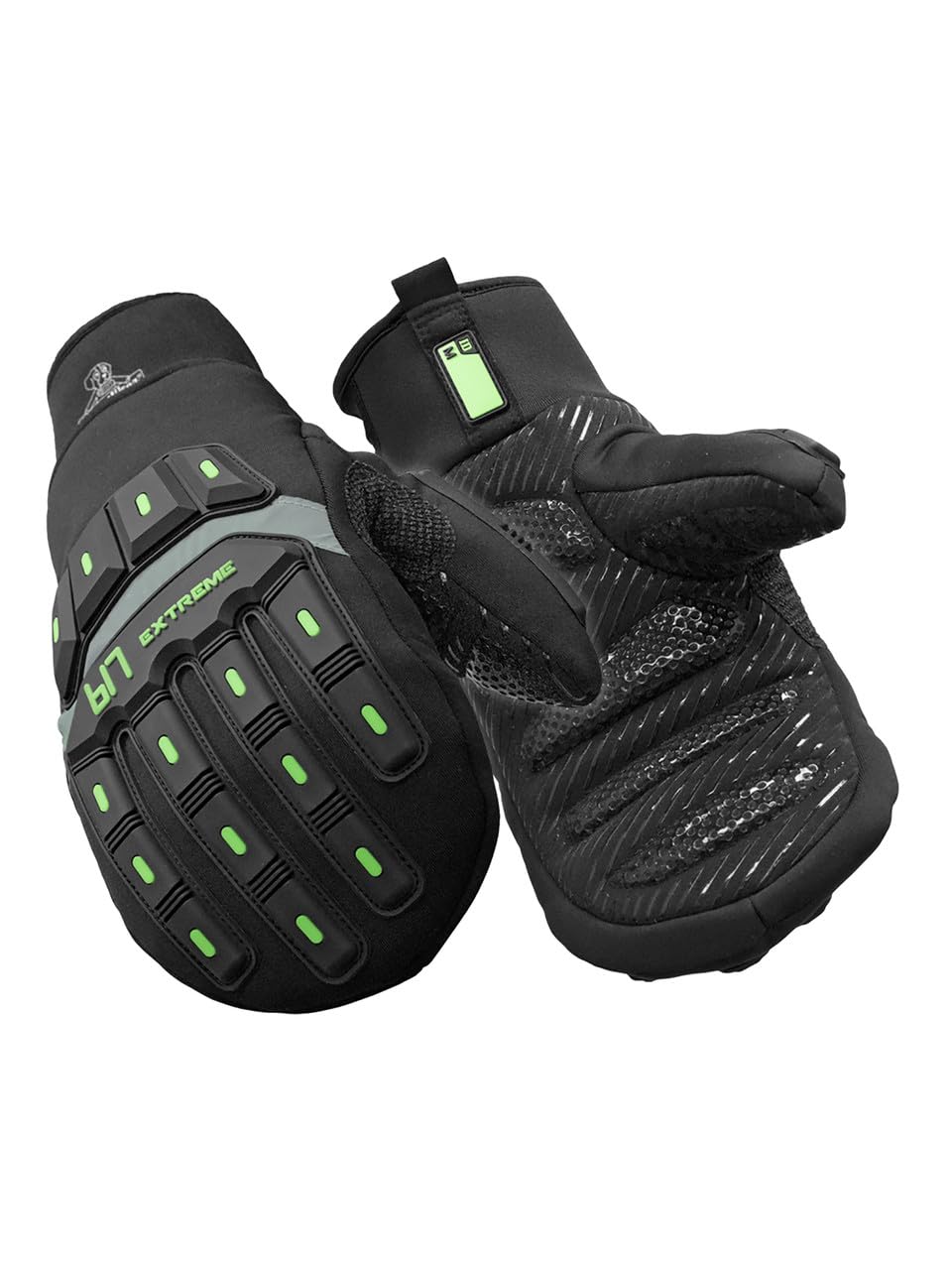
Built for a walk-in freezer, which makes a cold morning feel mild by comparison.
This is the only pick here with a published comfort rating, and it’s -30°F (-34°C). That is working-freezer cold, not ski-lodge cold. Thinsulate insulation does the warming and a silicone grip pattern on the palm lets you hold onto boxes, rails and tools without the mitten sliding. Build quality is the thing people are most confident about.
Two things to know before you commit. First, warmth feedback is genuinely mixed — a slightly cold thumb comes up, which on a freezer mitten you’ll notice. Second, these are stiff. They are designed for tasks where grip and warmth matter, not for fine handwork, and the flexibility limits what you can do with them on.
So the fit is narrow and clear: if you’re outside for extended periods in brutal cold and mostly gripping rather than fiddling, this gives you the deepest rating in the group. If you need to text, zip a jacket or tie a boot with your mittens on, the stiffness will fight you.
The cold-weather case: a -30°F comfort rating plus a silicone grip palm makes this the workhorse when the temperature is the whole problem.
The honest limit: warmth feedback splits and the build is rigid — this is a gripping mitten, not a dexterous one.
Go here for: freezer work, winter job sites and long static stretches in brutal cold.
Rule it out if: you need fine handwork or easy phone use outdoors — the stiffness gets in the way.
8. Black Diamond Women’s Mercury Mitts

An extra reinforcement layer meant to survive rock, rope and repeated mountain abuse.
Black Diamond built the Mercury for skiing, snowboarding, mountaineering and professional guiding in cold, wet, demanding alpine conditions. The BD.dry membrane is their own engineered waterproof, breathable and windproof solution, and the insulated liners come out for drying and for adapting to changing conditions on a multi-day trip.
What separates it from the Burton up top is toughness rather than warmth delivery. That additional reinforcement layer stands up to rocky terrain, repeated rope handling and the general wear of dedicated mountain use — a job the Burton’s synthetic leather palm isn’t tasked with. Owners in hard-winter states report the Mercury handling deep alpine cold well.
The catch is fit at the wrist. Feedback points to tight wrists, so sizing up between sizes is the recommended move — the cuff has a slightly snug fit by design, though it sits comfortably once on. Value opinions also divide, which is worth knowing before you commit at the premium end of this group.
Pick these for: alpine days where rope handling and rock contact will wear out a softer mitten fast.
Size up if: you’re between sizes — the snug cuff is the main recurring fit note here.
Know the Specs
Waterproof membrane vs water-repellent shell
A water-repellent shell (often called a DWR finish) makes snow bead and roll off the surface — it’s a coating on the fabric. A waterproof membrane like GORE-TEX or BD.dry is a bonded layer inside the mitten that physically blocks liquid water while letting sweat vapor pass out. That’s the difference between staying dry through a dry cold day and staying dry through wet snow sitting on your hand on a chairlift. If your winters are wet, make the membrane the priority.
Temperature ratings and comfort ratings
A stated temperature rating is the maker’s own claim, and the two kinds here aren’t interchangeable. “Warm down to -20°C (-4°F)” on the EXski is a cold-weather performance figure. The RefrigiWear’s -30°F (-34°C) is a comfort rating tied to freezer work. Neither is a standardised lab number, so use them to compare picks against each other rather than as an absolute promise. How long you’ll be outside matters as much as the figure.
Insulation types: Thinsulate, Thermacore, wool
Thinsulate is a microfiber insulation that traps body heat while letting moisture vapor escape. Thermacore and Megaloft work the same basic way in a synthetic package. Wool is the natural route — Icelandic sheep’s wool has an outer layer of fatty compounds that sheds water and a fluffy inner layer that insulates. Synthetic insulations tend to handle wet conditions better; dense wool tends to breathe and feel better in dry cold.
Liner systems and drying
A removable liner lets you pull it out to dry overnight on a multi-day trip, wear the liner alone for lighter work like shoveling, or wear the shell alone in milder conditions. It also means you can replace the liner without replacing the whole mitten. On any wet day, drying out between uses is what preserves both warmth and the waterproof membrane.
Common Questions
Are mittens actually warmer than gloves for extreme cold?
What does a GORE-TEX membrane actually do in a mitten?
Should I size up in women’s winter mittens?
How do I dry wet mittens without ruining the waterproofing?
Is knit wool warm enough for extreme cold?
What does a comfort rating of -30°F mean on the RefrigiWear mittens?
Can I use my phone with these mittens on?
Are removable liners worth having in a ski mitten?
What’s the difference between a gauntlet cuff and a short cuff?
Do these mittens work for shoveling and driving as well as skiing?
The Bottom Line
For the women’s mittens for extreme cold, the winner is the Burton GORE-TEX Insulated Mitten. A GORE-TEX membrane (a waterproof, breathable layer) plus a removable fleece liner gives you three ways to wear one pair: dry protection for wet snow, and flexibility for shoveling or spring slush. If you want the deepest stated cold rating for far less, the EXski Ski Mitten carries 3M Thinsulate C40 (an insulation) rated to -20°C (-4°F) with double-layer waterproofing. And for working cold that leaves ski weather behind, reach for the RefrigiWear Freezer Mitten, with its -30°F comfort rating and silicone grip palm.
How we choose
We do not accept paid placement. Every pick is matched to a real buyer and a real use-case; we do not hands-on test units.
Sources
Specifications: manufacturer listings and product documentation. Review insights: verified customer reviews, as of November 2026. Pricing: not shown on this page (it changes often); check the current price via the retailer link.
As an Amazon Associate, Tactical Gear Guy earns from qualifying purchases. This does not affect which products we feature.