Specs are compiled from manufacturer listings and verified buyer reviews and can change over time — please confirm the key details on the product page before buying.
The phone that works on US Mobile is the one whose radio bands match the network your SIM activates on — not the one with the best camera or the biggest screen. US Mobile rides on two different networks, and a handset that flies on one can crawl or refuse to register on the other. Band support drives more buyer regret than any spec sheet, so every pick below is an open up handset that names real US carrier bands, not an international model that looks identical in the photos.
This guide is built by comparing the manufacturers’ published specifications and the patterns across verified customer reviews, so you get each pick’s real strengths and trade-offs instead of marketing spin.
You will see which pick folds shut, which one carries a 5200mAh cell with 68W charging, and which one uses a paper-like NXTPAPER screen for late-night reading. Each pick also gets its trade-offs spelled out — the smaller 4200mAh battery, the GSM-only band list, the sold-separately charger. Here are the 11 open up handsets worth checking against your US Mobile network path.
Top Picks


How To Choose The Best US Mobile Compatible Phones
Start with the network path, not the handset. US Mobile runs your line over either a GSM-style network or a CDMA-style one depending on the SIM you activate, so the handset has to support the bands that network broadcasts. A phone sold as “open up” can still be built for another region and quietly miss those bands. Look for a listing that names US carriers in its compatibility line — Verizon, AT&T, T-Mobile, Mint, Metro — because that wording is the closest thing to a promise you will get before you insert a SIM.
Read the compatibility line before the camera specs
The compatibility line names the carriers a phone supports, and that list matters more than the megapixel count. A handset that lists T-Mobile and Metro but explicitly warns it is not compatible with AT&T, Cricket, Verizon or Sprint is a GSM-only device — fine on one US Mobile network path, a paperweight on the other. Check that sentence first, then verify with your carrier before you buy, because activation policy can differ from band support.
Match battery capacity to your real day
Battery capacity is measured in mAh (milliamp-hours — roughly, how much charge the cell holds), and it is the number that decides whether you hunt for an outlet at 4pm. A 5000mAh cell is the workhorse figure in this group, while a folding phone at 4200mAh trades some of that capacity for a hinge and a second screen. Think about your longest day away from a charger before you pick the smaller cell.
Decide how much display you actually need
A 120Hz refresh rate means the screen redraws 120 times a second, which makes scrolling and games feel fluid rather than steppy. An AMOLED panel (organic pixels that light individually) gives deeper blacks and truer color than a standard LCD. Neither is essential for calls and texts, but both change how much you enjoy the phone every single day, so weigh them against the other specs you care about.
Side-by-Side Comparison
| Model | Best For | Battery | Display | Storage | Amazon |
|---|---|---|---|---|---|
| Motorola razr 2024★ Best Overall | Folding design fans | 4200mAh | 3.6″ external + flip main | 256GB | Amazon |
| TCL 60 XE NXTPAPER 5GBest Value | Readers and eye comfort | 5010mAh | 6.8″ 120Hz FHD+ | 128GB | Amazon |
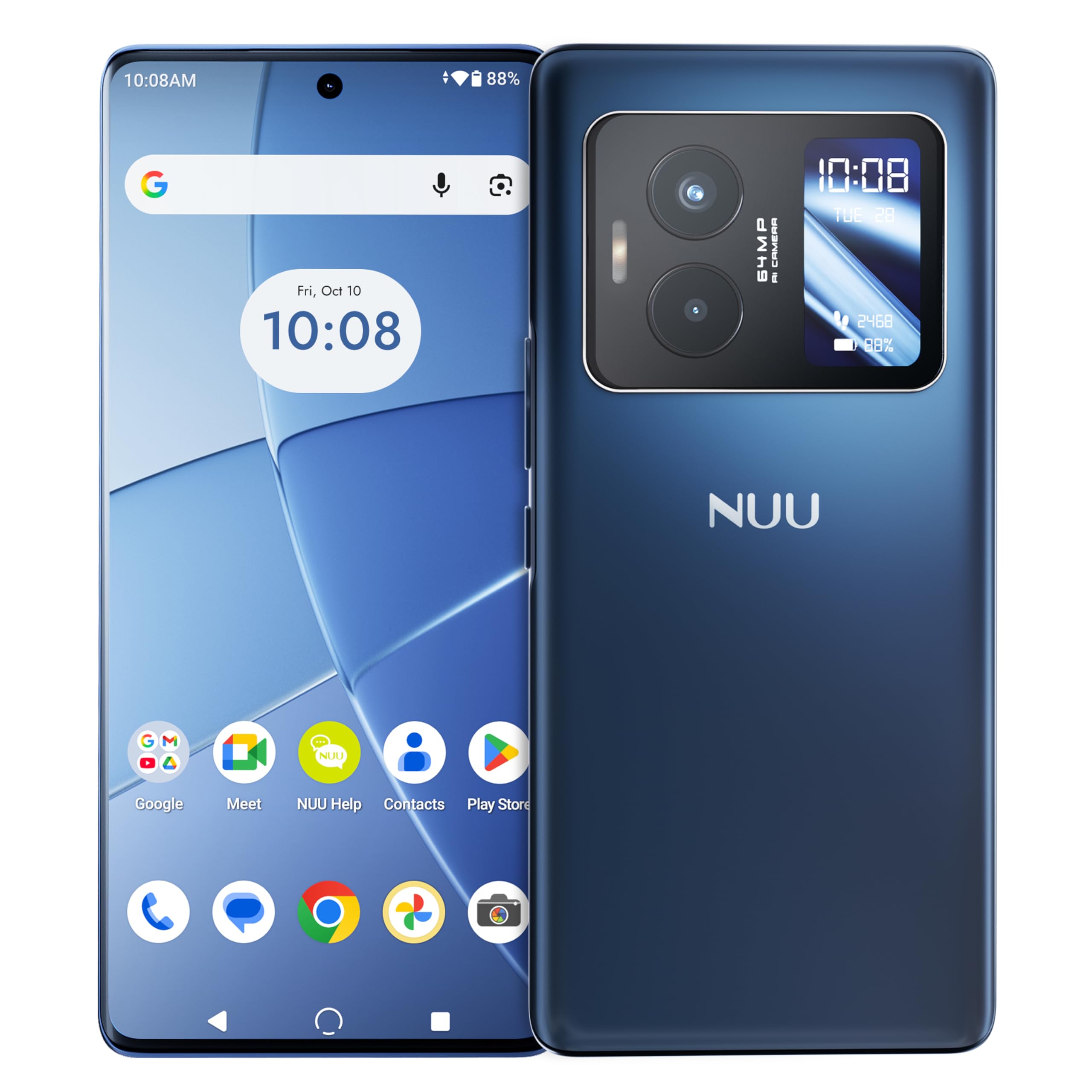
| NUU B40 5GDual-Screen Pick | Work and play dual SIM | 5000mAh | 6.7″ FHD+ AMOLED 120Hz | 256GB | Amazon |
| Motorola Moto G Power 2025 | Long days away from a charger | 5000mAh | 6.8″ 120Hz | 128GB | Amazon |
| Apple iPhone 14 (Renewed) | iOS on a budget | 3279mAh | 460 ppi | 128GB | Amazon |
| Google Pixel 7 | Camera-first Android | — | OLED 2400 x 1080 | 128GB | Amazon |
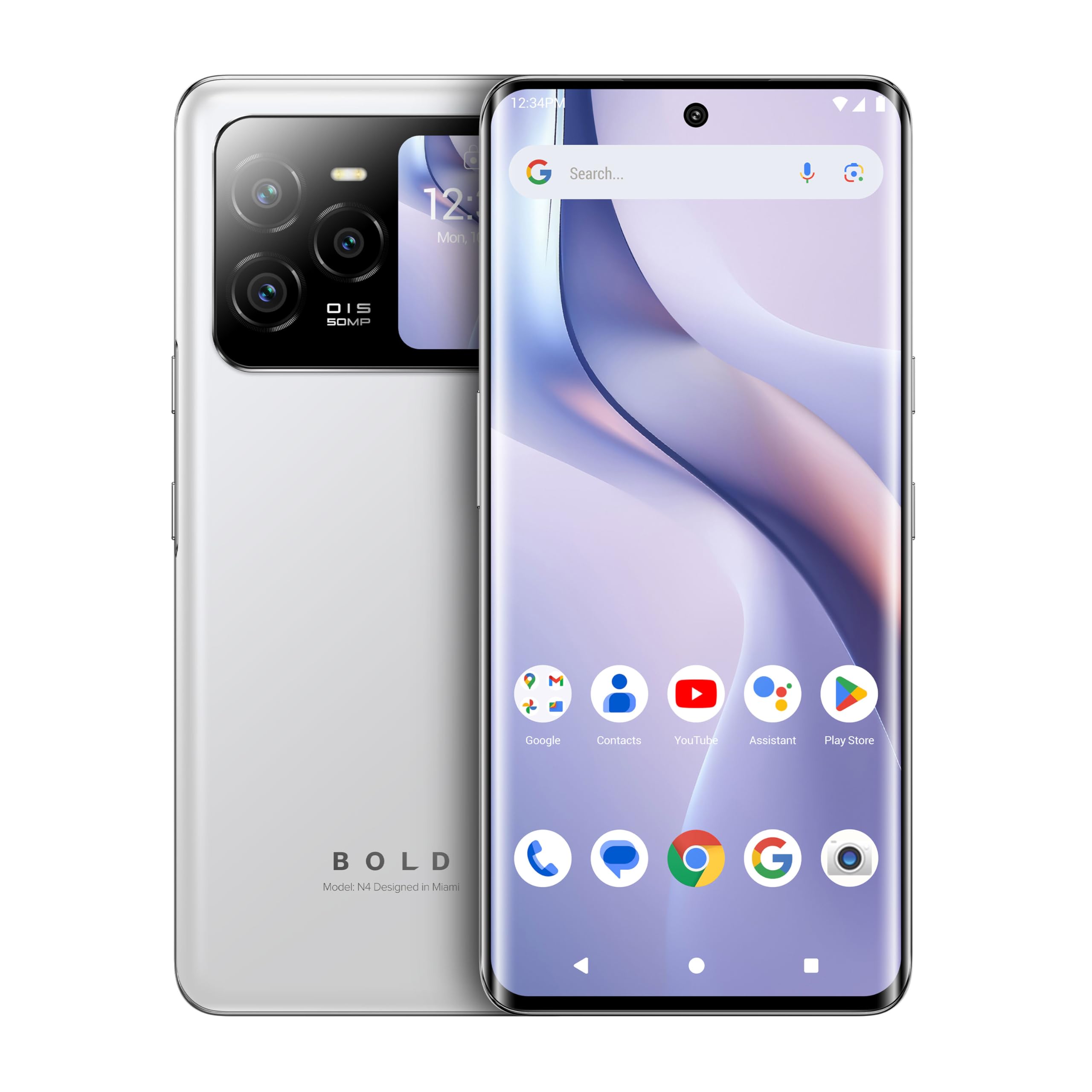
| BLU Bold N4 5G | Big storage, dual screens | 5000mAh | 6.78″ curved AMOLED | 512GB | Amazon |
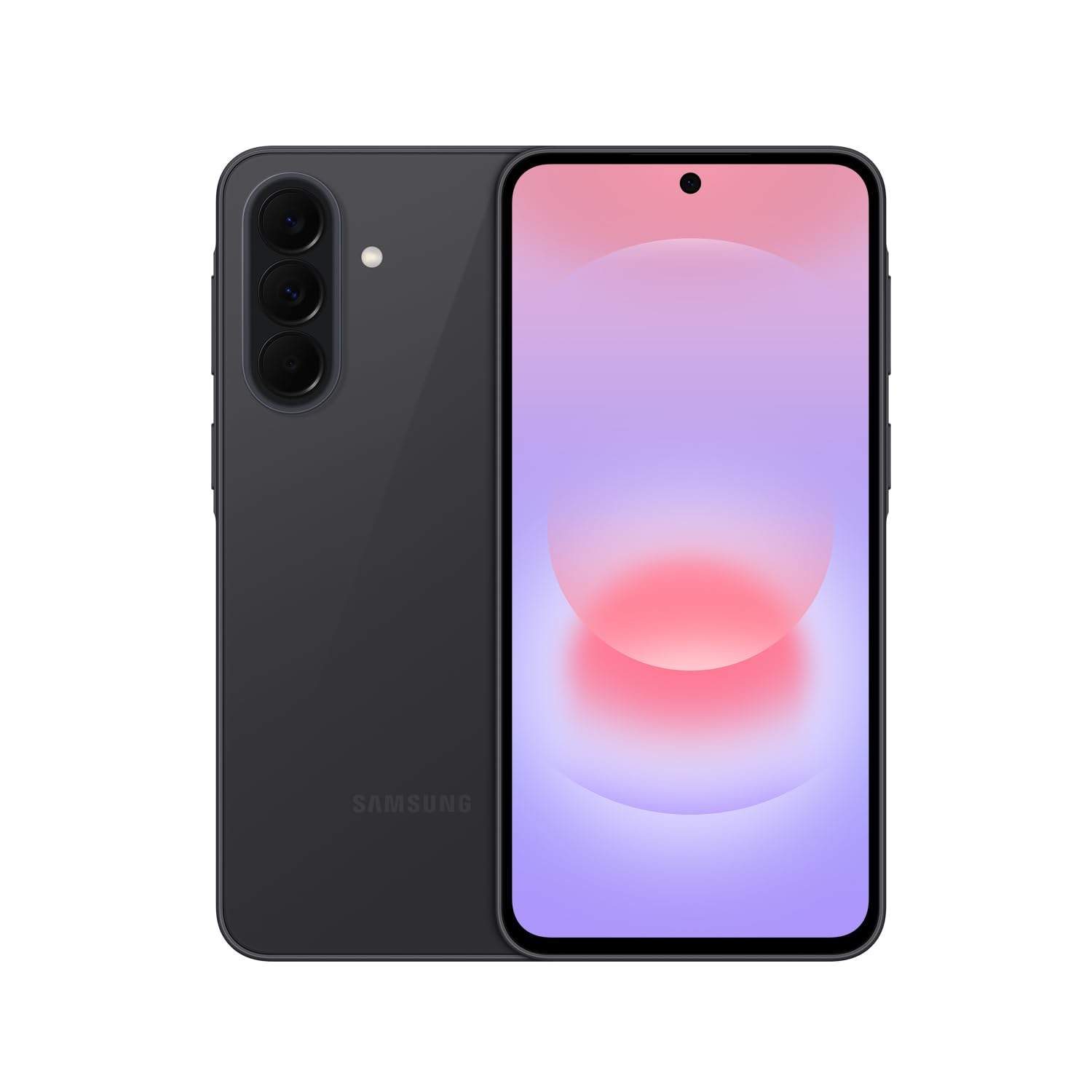
| Samsung Galaxy A37 5G | Long update support | 5000mAh | 6.7″ Super AMOLED | 128GB | Amazon |
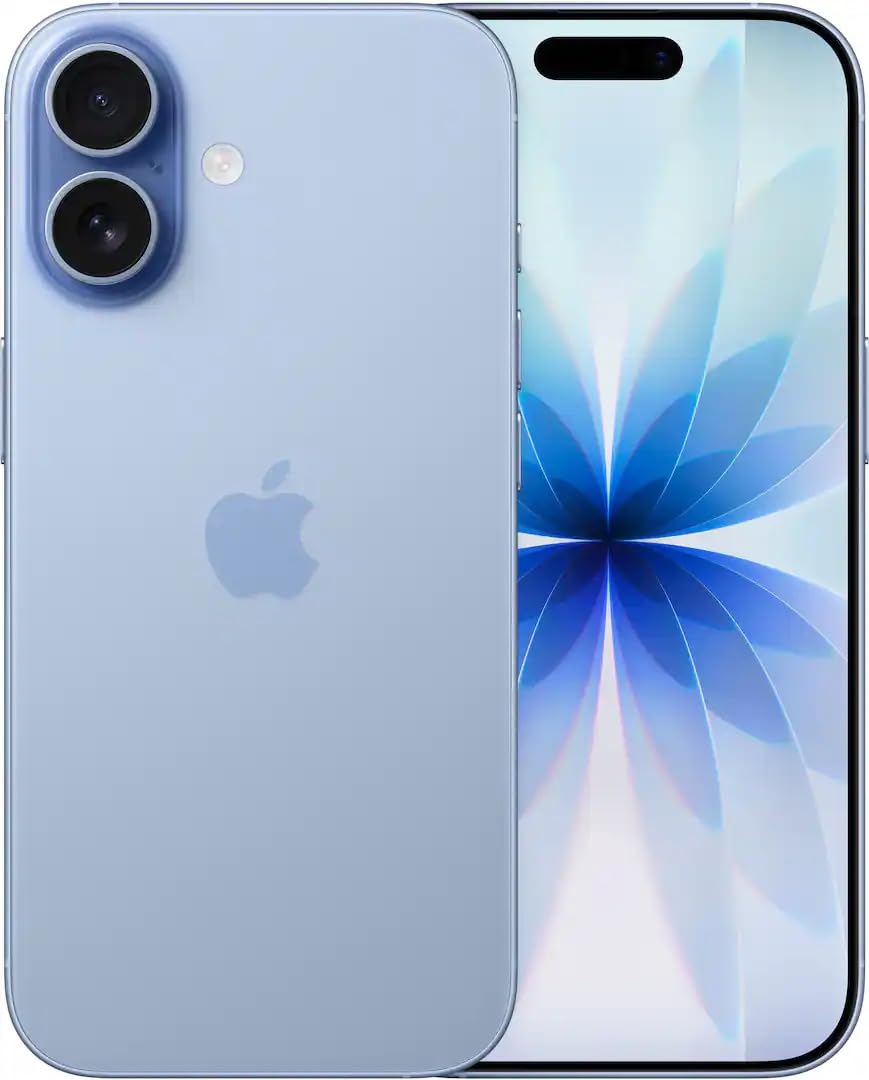
| Apple iPhone 17 (Renewed) | Premium iOS on eSIM | 3600mAh | — | 256GB | Amazon |
| Google Pixel 11 Pro | Camera and AI features | 4850 | — | 256GB | Amazon |
Detailed Reviews
1. Motorola razr 2024 8/256GB
Our pick — 4.0+★ from 550+ verified ratings; the strongest balance of quality and price.
A folding phone that closes into a pocket square and still runs a full day.
If you want a phone that folds shut and slips into a small pocket, this is the one on the list built for exactly that. The 3.6″ external display (a working screen on the outside of the folded phone) means you can read a message and snap a selfie without opening it — Motorola calls that screen 2.4x larger than the previous razr’s outer panel. It is sold factory open up and made for the US, so it is built around American carrier bands rather than an overseas variant.
The 4200mAh battery pairs with TurboPower 30W charging (30 watts — a fast top-up) and wireless charging, so you can drop it on a pad instead of hunting for a cable. Camera hardware runs a 50MP main rear sensor with optical image stabilization plus a 13MP ultra-wide and macro lens, with a 120° field of view on the wide end. Stereo speakers with Dolby Atmos handle the audio side. Note the honest math against the TCL 60 XE NXTPAPER 5G, which carries a 5010mAh cell — the razr’s 4200mAh is the smaller of the two, the price you pay for a hinge and a second screen.
What wins people over is the folding design itself — the phone quality aspect is the one buyers dwell on, and it is the part that makes this feel different from every slab here. The fold also brings the build’s trade-off: durability and screen quality show up as the areas where the fold gets scrutinized, so treat the hinge with care and keep it away from grit. An occasional unit stops behaving, which is the reality of a moving mechanical part on any folding handset. Backed by a 4.0+ rating across 500+ owners, it holds the higher score in this group despite the hinge risk.
What the flip buys you
- 3.6″ external display lets you check alerts and shoot hands-free without opening the phone
- 50MP main sensor with optical image stabilization for steadier low-light shots
- TurboPower 30W charging plus wireless charging, so topping up is flexible
- Vegan leather finish and a compact folded shape that fits a small pocket
Where it asks for care
- 4200mAh is the smaller battery next to the 5010mAh TCL, so the folding phone leans on charging speed
- The fold and hinge are the durability question mark — treat it like a mechanical part
- An occasional unit stops working, the recurring risk with any folding design
Reach for this if: you want a US-band folding phone that doubles as its own tripod for hands-free shots.
Look elsewhere if: you need the biggest battery on the list — the TCL carries more capacity.
2. TCL 60 XE NXTPAPER 5G
The reading phone — a paper-like screen that lets your eyes relax at midnight.
Read for hours and your eyes usually pay for it. This handset attacks that directly: NXTPAPER 3.0 gives a paper-like, anti-glare view and reduces blue light by up to 61%, so late-night reading feels less like staring into a lamp. A dedicated NXTPAPER button flips between four modes — Standard for apps and video, Ink Paper for e-books, Color Paper for comics, and Max Ink for a flatter, more paper-like view that helps stretch battery life. It lists AT&T, T-Mobile and Verizon compatibility, with the caveat that it varies by SIM and plan.
Capacity is the headline against the razr: 5010mAh versus the folding Motorola’s 4200mAh, which the comparison facts put at a 19% gap in the TCL’s favor. You also get 18W fast charging (18 watts — a modest but steady top-up) and 5W reverse charging, so you can push a little power into a compatible phone or accessory. The 6.8-inch FHD+ display runs at 120Hz, and the whole thing rides a MediaTek Dimensity 6300 octa-core chip with 8GB RAM, 8GB virtual RAM and 128GB storage that expands up to 2TB via microSD.
Performance is what carries this one — that is the aspect buyers dwell on most, with value for money close behind, and it reads like a phone that handles daily apps without drama. The honest trade: battery life and camera quality both land in mixed territory, so do not expect a two-day marathon or flagship photos. The 50MP main sensor plus 5MP ultra-wide, 2MP depth sensor and 32MP front camera cover the basics, but this is a reading-and-efficiency phone first.
The eye-comfort play: four display modes and an anti-glare finish make this the pick for commuters, students and anyone who reads on a screen for hours.
The honest trade: a 120Hz 6.8-inch panel and Dimensity 6300 chip deliver smooth everyday use, but mixed reports on battery life mean heavy users should keep a charger within reach.
Best fit: readers, students and commuters who want a big smooth screen without eye strain.
Think twice if: you want flagship-grade camera output or a guaranteed multi-day charge.
3. NUU B40 5G
A rear screen that shows alerts so you never wake the big one.
Constant lock-screen checks are the quiet battery killer, and this handset sidesteps them with a 1.6″ rear Vista Display — a small second screen on the back that surfaces alerts without open up the main one. Worth flagging up front: this is a T-Mobile-tuned GSM phone, so it is built for the T-Mobile, Mint and Metro path rather than CDMA networks. If your US Mobile line runs on the CDMA side, look elsewhere.
The main event is a 6.7″ FHD+ AMOLED panel at 120Hz, at a density of 393 pixels per inch — sharp enough that text stays crisp at arm’s length. Under the hood you get 8GB RAM and 256GB storage, which is double the 128GB on the TCL and Pixel 7 above, and the 64MP AI rear camera with a 16MP front lens covers social shooting. A 5000mAh battery paired with Android 15 keeps the day moving, and true dual SIM lets you split work and personal lines on one device.
Build quality is the aspect buyers dwell on, with value for money trailing close behind, and the AMOLED screen draws its own praise. Functionality shows mixed signals — most say it works great, a slice finds it useless — so buy from a seller with a clean return path. The honest limit is simple: T-Mobile-family networks only.
The rear-screen trick: the 1.6″ Vista Display lets you scan alerts without open up a thing, which helps the 5000mAh cell go further.
The deal to check: T-Mobile, Mint and Metro are the intended homes — confirm your US Mobile network path before ordering.
Reach for this if: you are on the T-Mobile side, want 256GB of storage, and like the idea of glancing at alerts on the back.
Look elsewhere if: your US Mobile line activates on a CDMA-style network.
4. Motorola Moto G Power 2025

Built for the person who leaves the house at dawn and forgets the charger.
Some buyers want a phone that simply gets through a long day without drama — this is that phone. Motorola rates it at 24 hours of average talk time with a 5000mAh battery and TurboPower charging, with wireless charging on board too. It is explicitly listed as compatible with all major U.S. carriers, including Verizon, AT&T and T-Mobile, which is exactly the wording you want on a US Mobile handset.
The 6.8-inch display runs at 120Hz and pairs with stereo speakers Motorola says carry 1.7x more bass than the previous model — useful for watching a game in a hotel room. A 50MP camera system with optical image stabilization steadies low-light shots, and the MediaTek Dimensity 6300 chip drives 5G performance with up to 24GB of RAM including RAM Boost. Storage is 128GB and expands up to 1TB with a microSD card, so photos and downloads have room to live.
Quality is what buyers fixate on here, with value for money next, and the bright, clear display and 50MP camera earn steady mention. The honest counterpoint: connectivity and battery life split opinion. Some report the phone quitting and hiccups with Verizon and Total Wireless, while others find the charge excellent — worth a carrier check before you commit. It is the crowd favorite by volume, with 800+ ratings to the razr’s 587, but it sits at 4.2 stars against the razr’s 4.4.
Why the day-to-day crowd likes it
- 24 hours of rated talk time on a 5000mAh cell, with TurboPower and wireless charging
- Explicitly built for Verizon, AT&T, T-Mobile and other major US carriers
- 50MP camera with optical image stabilization for steadier low-light shots
- Storage opens up to 1TB with a microSD card
What to verify first
- Connectivity draws mixed reports, with some carrier-specific hiccups mentioned
- Battery life is praised by some and called weak by others — treat expectations loosely
- 128GB built in fills fast with video, so plan on a card
Built for: buyers who want a plain, big-screen Android with a 24-hour talk-time rating and carrier coverage across the majors.
Check before buying: your exact US Mobile network path, since connectivity is the one thing buyers disagree on.
5. Apple iPhone 14, 128GB, Midnight – open up (Renewed)

The cheapest route into iOS — with a tested battery as the safety net.
Hunting for a used iPhone is a minefield of mystery battery wear. This renewed listing addresses that directly: the phone is tested for battery health and guaranteed to hold at least 80% of its original capacity, which is the number that decides how long a used handset lasts. It is open up for GSM and CDMA carriers — AT&T, T-Mobile, Verizon, US Cellular, Cricket, Metro, Tracfone and Mint all named — with the standing instruction to verify with your carrier first.
What you get is a 128GB iPhone 14 with a 3279mAh lithium-ion battery, rated at 19 hours of average battery life, and a display at 460 pixels per inch. Face Recognition handles open up, and you get a generic Mfi-certified charging cable in the box. No headphones and no SIM card are included, so factor that into your first day. The connector is Lightning, which matters if you have already standardised on USB-C cables.
Condition is the story buyers tell most — “like new” is the recurring theme, and the phone is the volume leader here by a wide margin. Functionality and battery life split opinion, with some reporting a healthy capacity from the start and others hitting battery or screen trouble. Buy from a seller with a solid return window and that risk is manageable; the honest limit is that it is still a renewed phone, not a sealed one.
The battery safety net: a guaranteed minimum 80% battery capacity takes most of the guesswork out of buying renewed.
The reality check: shipped without a SIM card or headphones, and rated for 19 hours of average use — plan your accessories before it arrives.
Best for: anyone who wants iOS, a verified battery, and a tried-and-true slab at entry-level money.
Skip the trouble if: you need a sealed retail box or a charger already in the box.
6. Google Pixel 7 128GB

The camera rep of the group, and a phone that leans on Google’s own chip.
Photography on a budget usually means compromises, and this phone makes the case that it does not have to. The Pixel 7 runs Google’s Tensor G2 chip and a camera system tuned with Real Tone and Cinematic Blur for authentic skin tones and video that falls off in the background. A Titan M2 security chip and built-in VPN handle the privacy side, and the OLED panel outputs a 2400 x 1080 resolution. It is sold open up for all carriers as the US version.
Memory sits at 128GB, and the front camera is an 8MP sensor — modest numbers next to the BLU Bold N4’s storage, so shoot in the cloud or back up often. What it brings that most of this group does not is a serious camera for stills. It is a phone you buy for the picture, not the spec sheet.
Camera quality is the thing buyers are most enthusiastic about, with everyday functionality close behind. The honest limit: connectivity and open up each draw pushback, and network compatibility is the aspect most likely to trip a buyer. Verify your carrier before you buy — this is a phone worth checking twice on the network front.
Why the camera crowd picks it
- Tensor G2 chip with Real Tone and Cinematic Blur for authentic color and video
- OLED 2400 x 1080 display for crisp text and deep blacks
- Titan M2 security chip and built-in VPN for data privacy
- open up for all carriers, US version
Where it needs a check
- Network compatibility is the aspect buyers push back on — confirm your carrier first
- 128GB storage is the smallest on the list, with no microSD expansion
- open up complaints surface now and then, so buy where returns are easy
Reach for this if: photos matter most and you want Google’s camera smarts in an open up US phone.
Look elsewhere if: you need 256GB or more and want it built in without cloud backup.
7. BLU Bold N4 5G
Half a terabyte in your pocket, plus a rear screen for quick glances.
If you shoot 4K video or keep every photo you have ever taken, 512GB is the storage figure to chase — and it is the largest on this entire list. That built-in space sits alongside a triple rear camera and a high-quality selfie camera for bright, detailed photos and 4K videos. The 6.78-inch curved AMOLED main display is the showpiece, and a smaller 1.74-inch rear screen covers quick selfies, messages and music controls.
Speed is handled by 8GB of RAM and a Snapdragon-class chipset BLU describes as handling apps and games without slowing down. Face and fingerprint open up both ship, and NFC is there for tap-to-pay. One caution to read carefully: this is a GSM open up phone listed for T-Mobile and Metro PCS, and it explicitly says it is not compatible with AT&T, Cricket or CDMA networks like Verizon and Sprint. Confirm your US Mobile path before you order.
Functionality is the aspect buyers fixate on, value for money next, and the curved AMOLED display earns its own praise. Camera and speed also get good words. The honest catch is reliability — it is a mixed area, so buy with a warranty and a return path in mind. The 5G-only connectivity note is the other thing to weigh.
The storage champion: 512GB built in is double what most of this list offers, so you stop managing your camera roll.
The carrier limit: T-Mobile and Metro PCS are the intended networks — AT&T, Cricket and CDMA lines are ruled out.
Reach for this if: you need the biggest built-in storage on the list and like a rear display for quick glances.
Look elsewhere if: your line runs on AT&T, Cricket or a CDMA network.
8. Samsung Galaxy A37 5G
Buy once and stay updated — six OS upgrades is the promise here.
Phones go stale in software long before they break in hardware, and this handset is built to fight that: Samsung commits to 6 OS updates and 6 years of security updates, which is the longest update tail on this list. It ships as a US version with a US 1-year warranty, runs on an Exynos 1480 chip, and pairs a 5000mAh battery with Super Fast Charging 2.0. Talk time is rated at 27 hours, with an average battery life figure of 10 hours.
The 6.7-inch Super AMOLED display gives you detail and clarity on the go, and the triple-lens camera system ships a 50MP HDR main camera with Nightography for low light and a studio-grade front camera. IP68 resistance covers water, dirt and dust in the everyday sense — not a swimming pool. Circle to Search and My Filter, Object Eraser and Edit Suggestion round out the editing tools.
Setup is simple and the camera earns praise, with the 50MP zooming ability called out for its reach. Battery life splits opinion — some find it decent, others note it does not stretch a full 24 hours — so heavy users should plan a midday top-up. The honest note: the specs page and the customer experience do not quite line up, so treat battery expectations with a healthy margin.
The software promise: 6 OS updates and 6 years of security updates make this a long-term hold rather than an annual swap.
The battery asterisk: some owners find the 5000mAh cell does not stretch a full day, so keep a charger within reach on long days.
Best fit: buyers who keep a phone for years and want the longest update window here.
Think twice if: you need a proven all-day battery in the first 24 months of ownership.
9. Apple iPhone 17 256GB
The premium iOS route — 256GB, eSIM only, and a battery checkup on arrival.
The switch to eSIM is the first thing to know: this is the eSIM version, so there is no physical SIM tray to work with, and the package ships without a SIM card or headphones. It does include a generic Mfi-certified charger and cable, and the battery health is tested to a guaranteed minimum of 80% capacity, which takes the sting out of buying renewed. open up, it works on GSM and CDMA carriers — AT&T, T-Mobile, Verizon, US Cellular, Cricket, Metro, Tracfone and Mint are all named.
A 3600mAh cell powers it, and the Always-On Display, wireless charging and NFC round out daily use. Storage is 256GB, double the iPhone 14 above. Face Recognition handles open up. It pairs well with Bluetooth headphones, an iPad or an iWatch if you already live in Apple’s world.
Condition is what buyers talk about most, and “perfect condition” is the recurring phrase — battery health comes up positively too, with a 100% figure mentioned now and then. The honest trade is reliability: activation problems surface in some cases, so buy where returns are simple. One more check: confirm your US Mobile line can provision over eSIM before you buy, since there is no physical SIM slot to fall back on.
What the eSIM buys you: switching carriers through software rather than a plastic tray, plus a tested battery holding at least 80%.
The one thing to confirm: activation and eSIM provisioning can be situational, so test it within the return window.
Reach for this if: you want premium iOS with 256GB and are comfortable setting up over eSIM.
Look elsewhere if: you prefer a physical SIM or need guaranteed activation from the start.
10. Google Pixel 11 Pro 256 GB
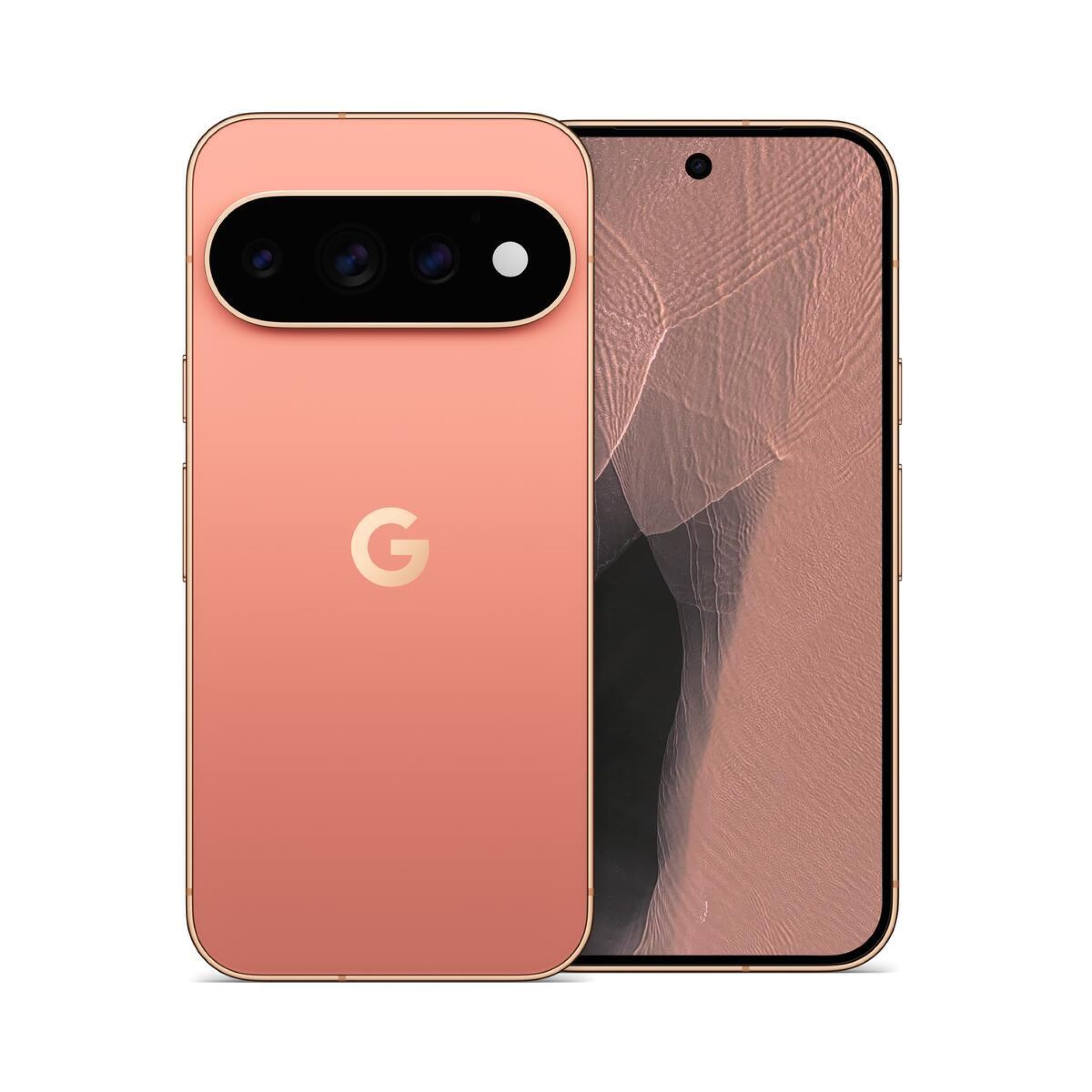
The top-dollar Pixel, with a larger telephoto sensor and lights on the back.
Zoom shots usually fall apart in low light, and this handset targets that weak point with a larger telephoto sensor that Google says captures 30% more light, plus what it calls Pixel’s longest zoom ever for pulling detail from a distance. Magic Capture lets one tap shoot video and photos that are automatically edited, cropped and unblurred, and Gemini Intelligence runs behind the scenes. Pixel HiLight flashes subtle glowing lights when a favorite contact calls while the phone is face down — exclusive to the Pixel 11 Pro.
It is open up for Google Fi, Verizon, T-Mobile, AT&T and other major carriers, so it covers both network types. Storage is 256GB, connectivity covers 5G plus Wi-Fi 6E and Bluetooth v6, and both fingerprint and facial recognition are supported. Charging needs a look: the battery figures on this listing show 4850 in the capacity field and 3600 in the power field, so treat the exact figure as uncertain and confirm with the seller before you rely on a number.
Camera quality and the plain Android experience are what buyers enthuse about, with speed close behind. Battery life splits opinion — some report multi-day stretches, others find charging unsatisfactory — so heavy users should keep a cable close. The honest summary: this is the most camera-forward phone here, and the battery number is the one spec you should not take on trust.
The camera case: a larger telephoto sensor and 30% more light capture, plus Magic Capture’s one-tap editing, put this at the front for stills and video.
The battery asterisk: two different capacity figures appear on the listing, so confirm the real number with the seller before you buy.
Built for: photographers and Android purists who want the best camera hardware on the list and 256GB of room.
Know before you buy: the battery spec is listed two different ways, so ask the seller to confirm it.
Know the Specs
Carrier Bands and Why They Decide Everything
A phone talks to a network over specific radio bands, and US Mobile handsets live or die on whether yours are covered. When a listing names Verizon, AT&T or T-Mobile in its compatibility line, that is the manufacturer telling you which bands are built in. When it warns “not compatible with AT&T, Cricket or CDMA networks,” that is just as useful. Check this line before you check the camera, and confirm with your carrier, since provisioning can differ from raw band support.
mAh, Watts and What They Mean on Your Day
Battery capacity in mAh is the size of the tank; charging wattage is how fast the pump fills it. A 5000mAh phone with 18W charging is the steady middleof the road, while a 5200mAh phone with 68W charging is the fast-refill option — a genuinely different experience when you are late. A 4200mAh folding phone sits at the smaller end by design, because a hinge and a second screen take up space a battery would otherwise use. Smaller mAh is not a flaw; it is a trade you are choosing knowingly.
Refresh Rate and Panel Type, Translated
A refresh rate measured in Hz is how many times per second the screen redraws. At 120Hz, scrolling and game motion look fluid instead of steppy, and the difference is obvious side by side. The panel matters too: an AMOLED display lights each pixel on its own, which gives deep blacks and color that pops, while an LCD relies on a backlight behind the whole panel. Both are perfectly usable — one just looks richer, especially at night.
Renewed Phones and the Battery Health Number
A renewed handset is a used phone that has been inspected and resold, and the number that matters most is battery health — the percentage of original capacity the cell still holds. A listing that guarantees a minimum of 80% is telling you the phone will still carry a real charge. Anything below that threshold and you are looking at a replacement battery on top of the purchase. Read the box contents too, because renewed phones often ship without a SIM card, charger or headphones.
Common Questions
Will an open up phone automatically work with US Mobile?
What is the difference between a GSM and a CDMA network for US Mobile users?
How much battery capacity do I need for a full day of use?
Is a renewed iPhone battery guaranteed to hold a charge?
Can I use a phone that only lists T-Mobile compatibility on a Verizon-based US Mobile line?
What does eSIM-only mean and will it work with my carrier?
How much storage do I need if I shoot a lot of video?
Does a 120Hz refresh rate actually drain the battery faster?
Can I use a folding phone like the Motorola razr on a prepaid US Mobile plan?
What is optical image stabilization and why does it matter for photos?
The Bottom Line
For most buyers, the strongest of these us mobile compatible phones is the Motorola razr 2024 — it folds into a pocket, runs a full 3.6″ external display you can actually use, and holds the highest owner score in this group at 4.0+ stars across 500+ ratings. The Moto G Power has more ratings behind it, but the razr wins on score; choose the Moto if volume of owner experience matters more to you than the folding design.
If eye comfort and a big smooth screen matter more than folding, the TCL 60 XE NXTPAPER 5G gives you the largest battery in the reading class and a paper-like view with up to 61% blue-light reduction. And if you want maximum storage, the BLU Bold N4 5G is the one to reach for with 512GB built in — just confirm it runs on your network path, because that is the one spec that decides whether any of these phones is a keeper.
How we choose
We do not accept paid placement. Every pick is matched to a real buyer and a real use-case; we do not hands-on test units.
Sources
Specifications: manufacturer listings and product documentation. Review insights: verified customer reviews, as of November 2026. Pricing: not shown on this page (it changes often); check the current price via the retailer link.
As an Amazon Associate, Tactical Gear Guy earns from qualifying purchases. This does not affect which products we feature.