Specs are compiled from manufacturer listings and verified buyer reviews and can change over time — please confirm the key details on the product page before buying.
You already know the sound you want — that clean, bright click that carries to the back of the room. The hard part is finding shoes that ring that way without tearing up your feet by week three. Most tap shoes on the shelf look nearly identical in a product photo, so the real differences hide in three places: whether the taps are screwed onto a spring steel soundboard, whether the sole is full or split, and whether the leather upper will give you room in the toe box or pinch your toes during a time step. This guide lines up nine women’s tap shoes that are worth your attention and tells you plainly which foot type and which class level each one suits.
This guide is built by comparing the manufacturers’ published specifications and the patterns across verified customer reviews, so you get each pick’s real strengths and trade-offs instead of marketing spin.
Some are built for a first lesson, and some are built for a stage. Below you’ll find the trade-offs between sole type, tap style, and sizing that decide whether a shoe works for you, pulling from the strongest options in women’s tap dancing shoes.
Top Picks


How To Choose The Best Women’s Tap Dancing Shoes
Tap shoes are not one product with one job. A shoe built for a first adult class and a shoe built for a competitive toe stand session use different soles, different taps, and different heel shapes. Start with the answers to three questions and the shortlist shrinks fast.
What kind of sole do you actually need
A full sole runs one continuous piece of leather from toe to heel. It is stiffer, and that stiffness helps a beginner feel where the foot lands on the floor, because the shoe teaches your foot the flat, grounded strike that makes a clean tap sound. A split sole takes a wedge out under the arch so the shoe bends with your foot. That flex is what lets you point and articulate for toe stands and faster combinations. If you are in your first year of class, full sole is usually the smarter start. If you already dance several times a week, split sole stops fighting your arch.
Why the tap itself decides the sound
The metal plate on the toe and heel is the instrument. Capezio fits its Tele Tone toe and heel taps to a spring steel soundboard, which is a thin steel plate that vibrates under the tap and pushes a deeper, more resonant click into the room. Cheaper shoes mount thinner plates straight to the sole and give you a flatter, tinnier sound. Neither is wrong, but if you are performing without a microphone, the difference in projection is obvious from the back row.
Sizing: the one thing that trips up almost every buyer
Tap shoes do not all run the same as your everyday sneakers. Some makers tell you to begin at street shoe size, Capezio’s Cadence asks women to begin a half size up from street shoe size, and Bloch’s Jazz Tap has a strong pattern of running tight enough that buyers size up more than once. Measure the length of your foot in inches and match it to the maker’s own chart before you order. Wide or thick feet get the same advice the makers give: go up rather than squeeze.
Side-by-Side Comparison
| Model | Best For | Sole Type | Tap Setup | Reported Weight | Amazon |
|---|---|---|---|---|---|
| Bloch Dance Women’s Tap Flex Slip On Leather Tap Shoes★ Best Overall | All-round pick for regular class | Flexible leather | Slip-on, no laces | 12 ounces | Amazon |
| Dance Womens Tap ShoesBest Value | First-timers and tight budgets | Synthetic vamp, rubber outsole | Pre-mounted | 10.58 ounces | Amazon |
| Ladies Annie Tyette Tap ShoesBest Looks | Dancers who want a dressy look | Leather upper | Standard toe and heel | — | Amazon |
| Bloch Dance Women’s Tap-On Leather Tap Shoes | Long class days and rehearsals | Full leather | Leather tap-on build | 1.54 pounds | Amazon |
| Capezio Women’s Capezio Manhattan Xtreme Tap Shoe | True-to-street sizing and a secure buckle | Leather sole | TeleTone toe and Duo Tone heel on spring steel soundboard | 1.2 pounds | Amazon |
| Capezio Women’s Capezio Flex Mastr Tap Shoe | Toe stands and advanced footwork | Split sole | Tele Tone toe and heel taps | 1.56 pounds | Amazon |
Detailed Reviews
1. Bloch Dance Women’s Tap Flex Slip On Leather Tap Shoes
Our pick — 4.5+★ from 450+ verified ratings; the strongest balance of quality and price.
The leather slip-on that dancers keep buying a second pair of before the first wears out.
Here is the shoe that earned the crowd favorite status — a 4.5+ star average across 400+ ratings, the highest score on this list. The reason you keep seeing it recommended in dance forums is the build: a leather upper that moves with the foot instead of fighting it, and a flexible sole that gives you an articulated strike without the stiffness of a full-sole shoe. It weighs 12 ounces, against 2 pounds for the Jazz Tap. In practice, that means fresher legs through the third combination.
What consistently wins people over is quality — it is the most-discussed positive trait by a wide margin — followed closely by fit. The sizing runs very close to your street shoe size, and the toe box has room for a wider foot. Buyers report no break-in period where the leather digs into the toes, which matters for a slip-on since you cannot adjust lace tension. The counterpoint is the slip-on format itself. Feedback on ease of taking them on and off is mixed, so if you have a high instep or like to crank down laces for a locked-in feel, the lace-up Jazz Tap below is the better call.
What earns its top spot
- Leather upper flexes with the foot from the first class, no break-in window.
- 12 ounces keeps the shoe light through long combinations.
- Sizing follows street shoe size, and the toe box leaves room for wider feet.
- Machine-free slips on without laces, so there is nothing to retie between numbers.
Where it makes you work
- Equally mixed feedback on getting the shoe on and off smoothly — an instep fit issue more than a shoe defect.
- No laces means less fine-tuning for a narrow or high-volume foot.
- Flexible sole trades some of the grounded feedback a first-year beginner gets from a full sole.
Take this one if: you want a leather tap shoe that fits like your street shoe and stays light through an hour of class.
Try the laced models if: your instep is high and you need to fine-tune the fit around the top of the foot.
2. Dance Womens Tap Shoes
The starter pair that tells you whether tap class is your thing before you commit real money.
Two things sell this shoe to a beginner. First, the size range runs from 4.5 to 11 US, and the maker publishes the foot length in both inches and centimeters for every size. Measure your foot flat, match the number, and you are done — no guessing. Second, it weighs 10.58 ounces versus 12 ounces for the Bloch Tap Flex — a light shoe to learn the strike in. The synthetic vamp with rubber outsole is a different material from the leather uppers on most of this list, which is why the price tier lands where it does.
Quality is the praise you see most often on this shoe, and value for money sits right behind it. Owners also flag that it works well for beginners, with a sound that carries a clean click without being harsh. The trade-off to know about is fit. Sizing feedback is mixed across the board, and the maker itself says wide or thick feet should go up a size. There is also an honest note in the product description: new leather shoes can carry a little pungent smell that fades after one or two days of ventilation. Order early and let them air out before your first class.
How the trade-off reads: you are trading a leather upper and the deeper tap tone of the Capezio and Bloch models for an entry price and a full range of half sizes. For someone on the fence about tap dancing, that is the right trade. For a regular schedule, the leather options will hold their shape longer.
The honest fit: best first pair for a new adult dancer who wants half sizes and a published foot-length chart to get the order right the first time.
Think twice if: you already dance weekly and want a leather upper that molds to your foot over months.
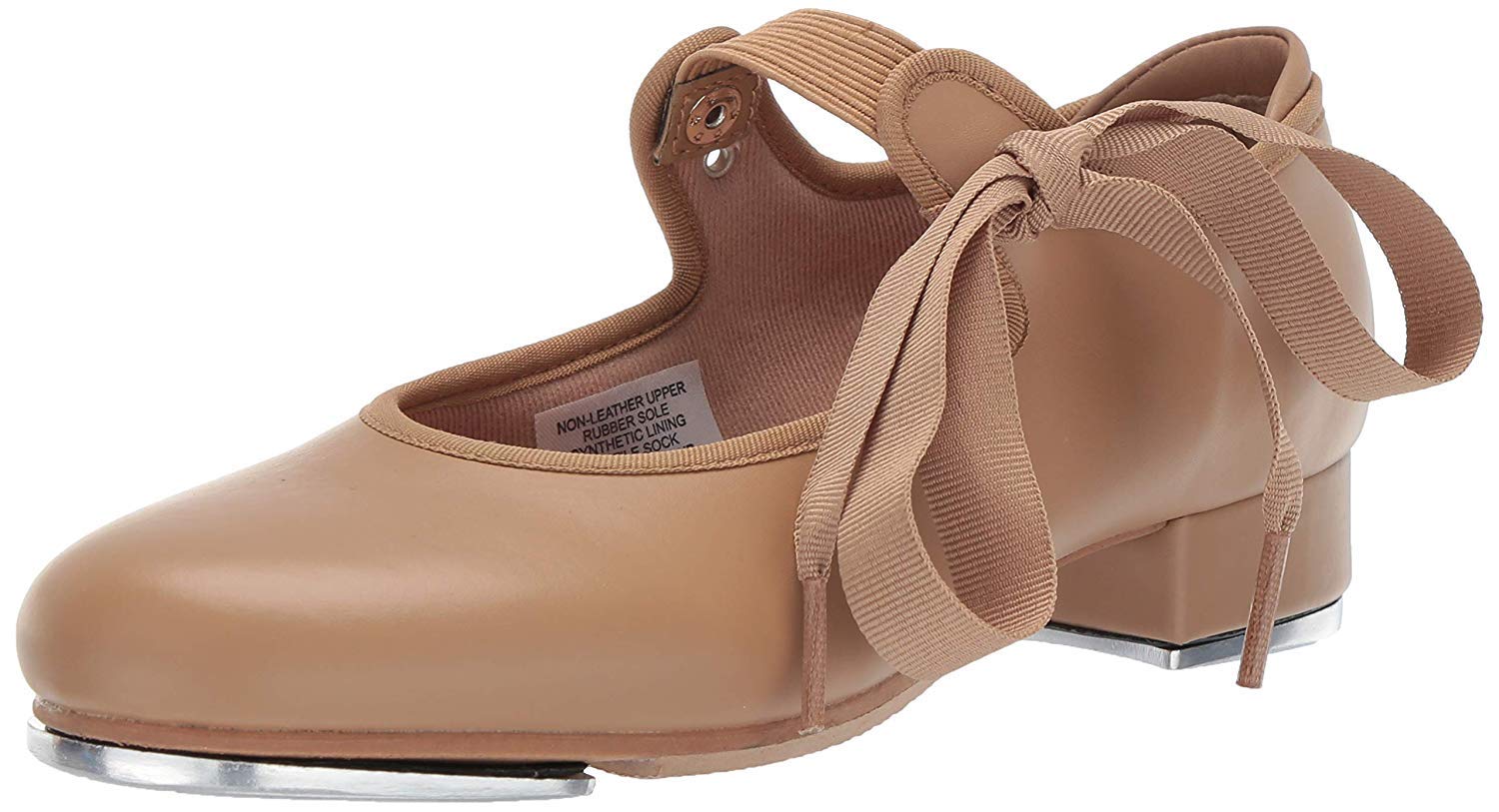
3. Ladies Annie Tyette Tap Shoes
A tap shoe that looks as deliberate on stage as it sounds underfoot.
This is the pick for the dancer whose recital costume matters as much as the beat. The Annie Tyette is a Bloch build with a look that buyers consistently describe as beautiful, and the appearance is the second most-discussed trait behind overall quality. Quality wins the most conversation on this shoe, which is worth knowing because that means the leather, stitching, and plates all read as well-made when the box opens. The tap sound also gets specific praise for how clean it lands during a combination.
The real conversation you need before ordering is sizing. Fit feedback splits down the middle — some dancers say it hugs perfectly, others find the shoe too small, and sizing is the single biggest complaint thread on this model. The honest read is that this shoe runs shorter than the label suggests, so measure your foot length and size up rather than ordering true to size. Order with enough runway to exchange before your class if the fit misses. Skip that exchange window and an otherwise beautiful tap shoe can end up a poor fit.
Comfort and value for money both land positively, which is a nice balance for a shoe in this tier. Reach for it if your priorities run to aesthetics and clean tap sound. Reach for a split sole instead if your class schedule leans heavy on toe stands and you need maximum articulation.
Right for the stage: dancers who want a pretty shoe with a sharp tap and a proven look for performance.
Order carefully: the sizing pattern runs short, so measure up and leave time for an exchange.
4. Bloch Dance Women’s Tap-On Leather Tap Shoes

The shoe that holds up when a tap class turns into a ten-hour rehearsal day.
Quality is the trait that earns the most praise on the Tap-On, and it is not close — it dominates the conversation around this shoe. The leather build carries 1.54 pounds on the foot, against 1.2 pounds for the Capezio Manhattan Xtreme. That extra mass is the difference between a shoe that feels like a dance slipper and one that feels like a real leather shoe with a plate under it. Owners mention wearing them through a full 10-hour tap class day. For a dancer who teaches, rehearses, and performs in the same week, that durability is the point.
Comfort sits directly behind quality as the next most-praised trait, with owners describing no blisters and no aching feet even after long sessions. Sound quality and value for money also come up positively. The sizing is the detail to plan around: feedback is mixed, with some finding the shoe too narrow, and the biggest complaint thread circles around fit and sizing rather than the build. Wide feet should look at the wider-toe option in the Tap Flex, and narrow feet will likely find this shoe right at home.
Why rehearsals love it
- Leather build holds up through marathon rehearsal days, with one owner reporting a full 10-hour tap session.
- Comfort holds up with no blister or aching-foot reports even after long wear.
- Sound and finish both get strong marks from owners.
- The substantial leather upper protects the foot during repeated floor strikes.
Plan around this
- Fit leans narrow — wide-footed dancers should size accordingly or look at another Bloch cut.
- Heavier than the lighter leather options on this list.
- A few reports of heel plates separating over long use, so check the plates when the shoe arrives.
Pick it if: your week runs long on the dance floor and you want the leather to hold its shape as long as you do.
Narrow-feet preference: this shoe is cut closer to the foot than most, so wide feet should walk to a different pick.
5. Capezio Women’s Capezio Manhattan Xtreme Tap Shoe

A dressy Mary Jane with a leather sole and a buckle you can trust across a full set.
Fit is the trait Capezio’s Manhattan Xtreme does best — it is by far the most-praised aspect of this shoe. The maker states plain sizing equivalent to street shoe size, and that is accurate enough that you can order your normal number with confidence. The build is all leather: upper, lining, sole, plus a foam-cushioned footbed and a non-slip heel counter that keeps your heel from sliding up the back of the shoe during heel drops. Capezio pairs TeleTone toe and Duo Tone heel taps on a spring steel soundboard for a deeper, resonant click. At 1.2 pounds against 1.54 pounds for the Bloch Tap-On, all that leather does not mean a heavy foot.
Comfort is the second-most-discussed positive, and owners describe feet that do not get sore after class. The Mary Jane strap with a buckle is the honest caveat: durability reports are mixed, and strap tightness draws the most complaints, so fit the buckle snug but comfortable and check the strap stitching every few months. The Caramel colorway is the version most photographed, but Capezio sells the Manhattan Xtreme in other finishes as well if Caramel is not your thing.
Capezio vs Bloch on tap tone: the TeleTone/spring-steel combination here lands a deeper tone than the standard plate on the Bloch Tap Flex and Tap-On. Capezio wins on tone and street-to-tap sizing confidence; Bloch wins on the wide toe box and longer leather break-in.
Ideal when: you want a buckle-fastened leather shoe with a confident street-size fit and a rich tap tone.
Check before class: the buckle strap has a known fragility pattern on some pairs — inspect the stitching when you unbox.
6. Bloch Dance Women’s Jazz Tap Leather Tap Shoes
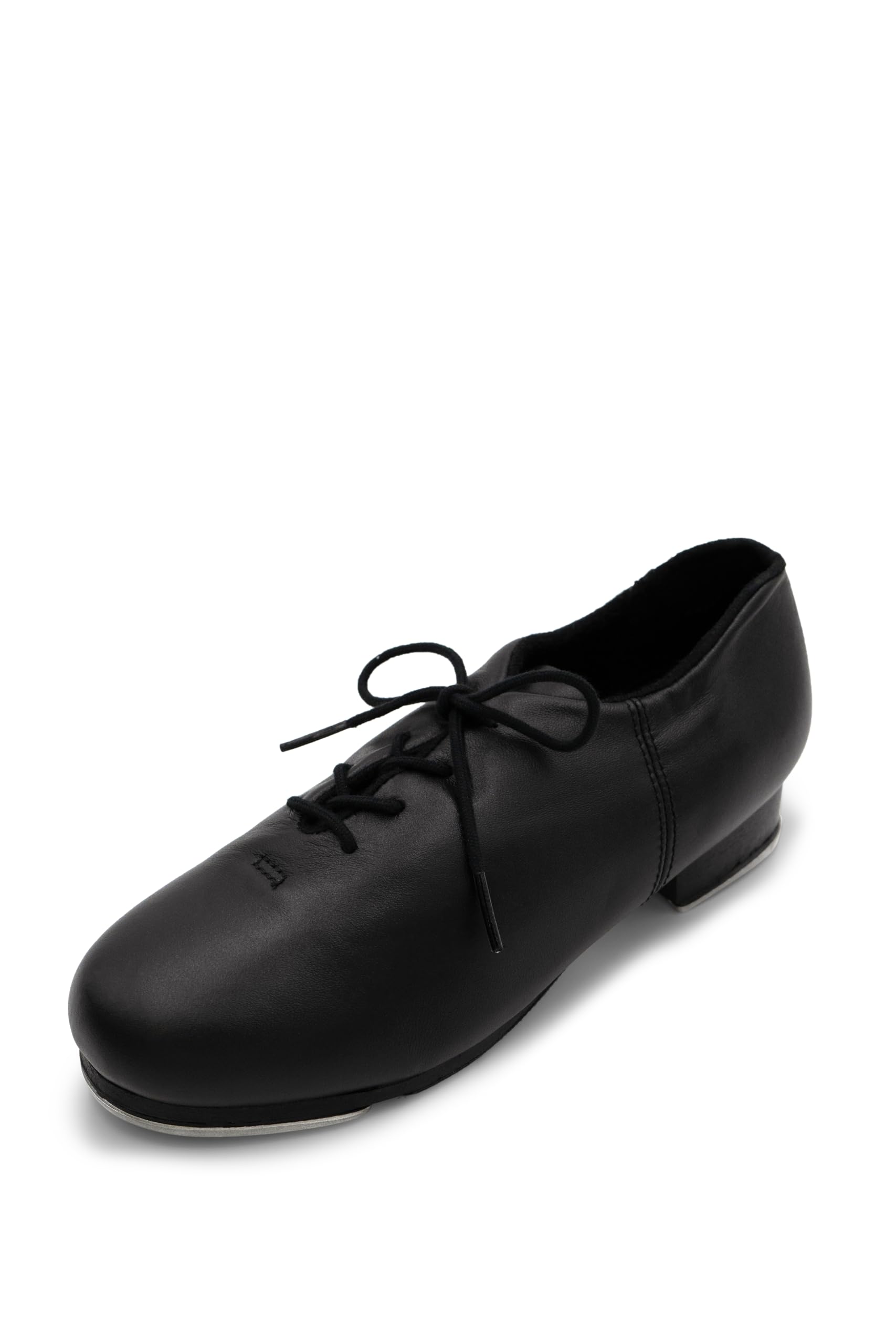
The Cadence builds its whole case around sound — Capezio calls it the deeper resonating tone.
Capezio designed this shoe for the dancer who is heard as well as seen. The Cadence pairs a leather sole with Tele Tone toe and heel taps, and the manufacturer describes the resulting sound as deeper and more resonating. A tapered heel keeps the profile sleek, a strong toe box protects the toes through taps, and the soft leather upper plus polyester lining keeps the foot breathing. The scored rubber sole patch adds traction in the arch area so you do not slip on a polished floor during a turn. If your class or recital needs your taps to project without a microphone, this is the model that puts sound first.
Quality leads the conversation on the Cadence, with fit and comfort right behind — and the comfort story comes from the soft leather interior, which dresses the foot from the first wear. The seller sizing note is specific: women begin at street shoe size plus a half size up. Follow that and fit complaints get rare. The durability picture is mixed — some customers note receiving pairs with scratched-up taps, which is worth inspecting the moment the box lands, and the general opinion is that a clean set will wear well.
Where this shoe beats the Flex Mastr above: sound projection through the tapered heel and leather sole. Where it falls short of the Flex Mastr: the Cadence runs a fixed full sole, so toe stands and fast articulation will not feel as free. Choose based on your repertoire.
Take this if: the tap tone matters most to you, and you want a leather sole under it.
Look to the split sole if: your routines lean on toe stands and maximum foot flex.
7. Capezio Women’s Capezio Flex Mastr Tap Shoe
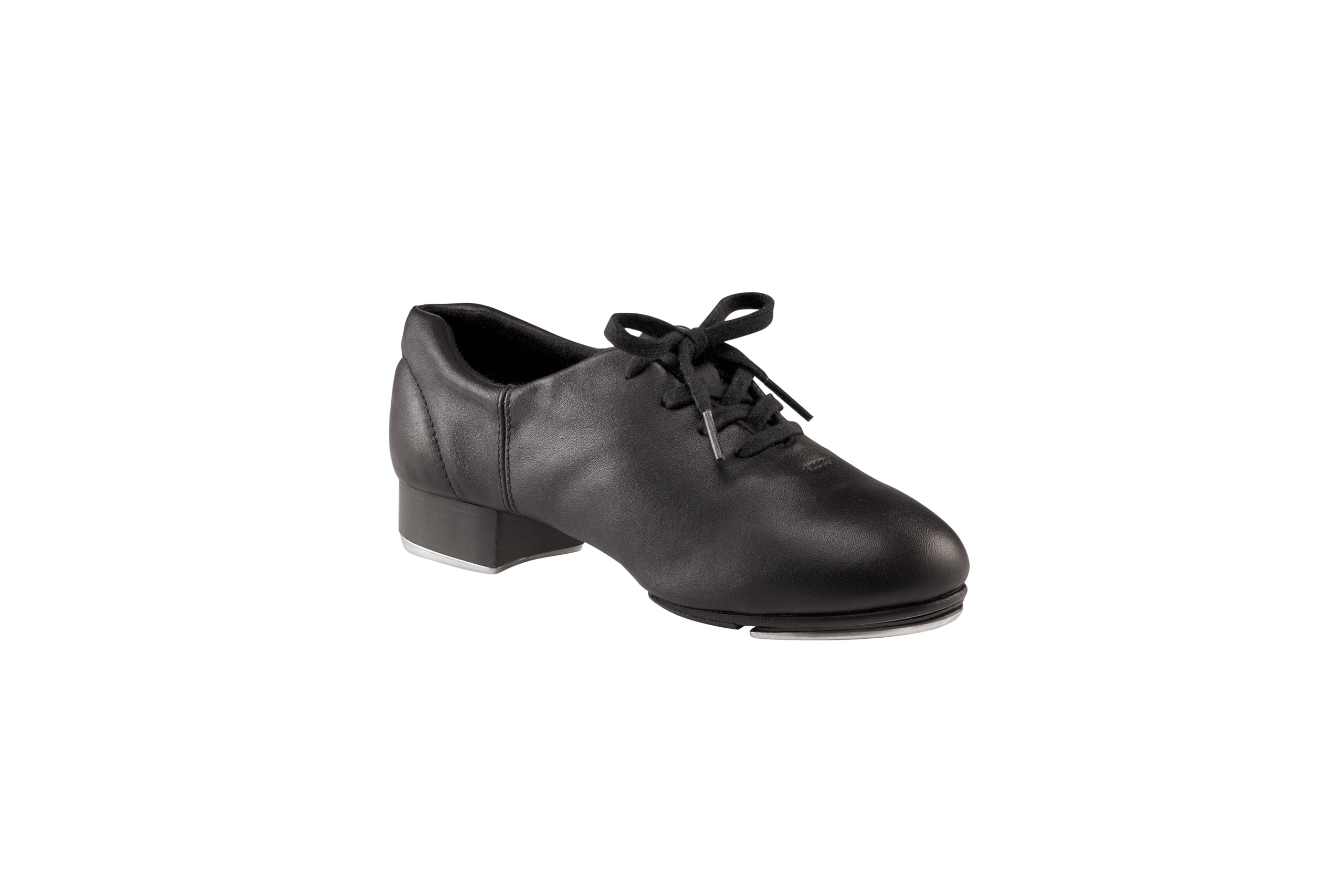
A split-sole tap shoe built for the toe stands that punish every other sole.
The Flex Mastr is the shoe Capezio aims at serious tappers, and the design tells you why. The sole is split under the arch — that missing wedge is what lets the shoe bend with your foot for toe stands and fast articulation. Capezio also fits a Poron memory pad insole, a shock-absorbing foam the maker says resists flattening. Tele Tone toe and heel taps produce the deeper resonating tone, a padded collar cradles the ankle, and a lace-up front locks in a custom fit. Fit is comfortably the most-praised trait on this shoe, and comfort is right behind it.
On the honest side of the ledger, the split sole is a specialized choice. If you are a first-year dancer still building the strength of the foot, a split sole gives you less feedback on the floor. Durability reports are mixed, with heel breakage inside six months the specific failure some reviewers point out — worth watching if you dance several times a week. Arch support also splits opinion. The trade-off you accept for the toe-stand capability is a shoe you check periodically rather than forget about.
Heel watch: the weakest link on the Flex Mastr is the heel assembly, so if your class schedule is heavy, plan to have the heel plates inspected once a year rather than waiting for a failure mid-recital.
Reach for this when: your routines live in toe stands and you want the split sole that makes them possible.
Start elsewhere if: you are still learning the flat, grounded strike that builds clean tap sound.
Know the Specs
Split sole vs full sole — what actually changes
A full sole is one continuous piece of leather from toe to heel. It is stiffer, which gives a beginner more feedback on where the foot lands. A split sole removes a wedge of material under the arch, letting the shoe bend with the foot. That bend is what opens up toe stands and fast combinations. Neither is better in the abstract — full sole for form and beginners, split sole for advanced footwork. The Flex Mastr on this list is the only split sole; every other model runs a full leather or full leather upper sole.
What Tele Tone taps and a spring steel soundboard do
The tap is the metal plate on the toe and heel, and the soundboard is the thin steel plate it is mounted to. Capezio’s Tele Tone taps sit on a spring steel soundboard, which vibrates under the tap and pushes a deeper, more resonant sound out into the room. Standard plates mounted flat to the sole give a shallower click. For a class, either is fine. For a performance without a microphone, the spring steel soundboard is the difference between being heard in the back row and being lost in the room.
Leather upper vs synthetic vamp
Leather uppers mold to your foot over a few classes, so they end up fitting better than a shoe that starts off with a rigid shape. They also breathe better during long sessions. A synthetic vamp is cheaper to produce and holds its color and shape with less care, but it will not soften to your foot the way leather does. Most of this list runs a leather upper; the budget Dance Womens Tap Shoe uses a synthetic vamp with a rubber outsole, which is one reason it lands in the value tier.
Sizing charts and the half-size rule
Tap shoe sizing is where buyers lose the most time. Capezio’s Manhattan Xtreme states plain street shoe size. Capezio’s Cadence says begin at street shoe size plus a half size up. Bloch’s Jazz Tap has reports of needing two sizes up. Bloch’s Tap Flex runs close to street shoe size with a roomy toe. There is no universal chart — each maker publishes their own. The reliable method is to measure your foot length in inches and match it against the maker’s own sizing chart on the product page before you order.
Common Questions
Do women’s tap shoes fit the same as my street sneakers?
Should a beginner buy a split sole or a full sole tap shoe?
Why do Capezio Tele Tone taps sound different from other taps?
How long do leather tap shoes usually last?
Can I wear tap shoes for jazz or ballet class?
Is it normal for new tap shoes to smell when they arrive?
Do I need a wide or narrow fit version of tap shoes?
What is the difference between a buckle strap and a lace-up tap shoe?
How heavy should women’s tap shoes be?
How do I break in leather tap shoes without wrecking them?
The Bottom Line
If you want the safest bet for regular class dancing, the Bloch Tap Flex Slip On is the pick that holds the top score and the widest praise for quality, with sizing that follows your street shoe. If you want the deepest tap tone and a buckle you can trust, the Capezio Manhattan Xtreme pairs TeleTone taps with the truest fit in this lineup. And if toe stands and advanced footwork are the point of your class, the Capezio Flex Mastr and its split sole are the shoe built for that work. The honest nudge: quality and fit both draw consistent praise across this shortlist, so measure your foot against the maker’s chart, order early, and let the first pair prove itself before you buy a second.
How we choose
We do not accept paid placement. Every pick is matched to a real buyer and a real use-case; we do not hands-on test units.
Sources
Specifications: manufacturer listings and product documentation. Review insights: verified customer reviews, as of November 2026. Pricing: not shown on this page (it changes often); check the current price via the retailer link.
As an Amazon Associate, Tactical Gear Guy earns from qualifying purchases. This does not affect which products we feature.