Specs are compiled from manufacturer listings and verified buyer reviews and can change over time — please confirm the key details on the product page before buying.
If your toes feel pinched by the third mile, the toe box is too narrow, not your feet. Women’s wide toe box running shoes fix that by giving your forefoot a foot-shaped platform instead of a tapered one. This guide covers eight women’s running shoes with genuinely roomy toe boxes, verified specs, and the honest trade-offs so you can pick the right pair on the first try.
This guide is built by comparing the manufacturers’ published specifications and the patterns across verified customer reviews, so you get each pick’s real strengths and trade-offs instead of marketing spin.
You will see how stack height, drop, and upper material change the ride, plus which pairs stay roomy through the midfoot and which ones only widen at the tips. Here is the shortlist of the best women’s wide toe box running shoes for road and trail miles.
Top Picks
How To Choose The Best Women’s Wide Toe Box Running Shoes
A wide toe box is not the same as a wide shoe. The toe box is the front section where your toes sit, and a foot-shaped toe box lets them spread out flat instead of stacking on top of each other. That room can come with a normal-width midfoot, which is exactly what you want — space up front, a snug hold through the middle of your foot.
Measure before you buy, not after
Stand on a sheet of paper in the evening, when feet swell, and trace both feet. Measure from heel to longest toe. Your running shoe should leave about a thumb’s width of space at the front, because your foot slides forward on every landing. If a listing says true to size, that still assumes you measured first.
Decide road or trail before anything else
A road shoe has a smoother outsole for pavement, while a trail shoe carries deeper lugs (the raised rubber teeth underneath) for grip on dirt and rock. Buying trail shoes for treadmill miles wastes grip and adds weight. Buying road shoes for muddy singletrack leaves you sliding. Match the outsole to where you actually run.
Check the drop against your calves
Drop is the height gap between heel and toe, measured in millimeters. A 0 mm drop shoe puts heel and toe level, which asks more of your calves and Achilles. Shoes with a 4 mm to 5 mm drop ease that transition without going fully flat. If you have never run in zero drop, build up your miles slowly rather than jumping straight in.
Side-by-Side Comparison
| Model | Best For | Drop | Stack Height | Weight | Amazon |
|---|---|---|---|---|---|
| Nike Women’s Winflo 12★ Best Overall | Everyday road miles | — | — | — | Amazon |
| ALTRA Women’s Paradigm 8Best for Stability | Guided stability on roads | 0 mm | 30 mm | 8.6 oz | Amazon |
| Topo Athletic Ultraventure 4Best Trail Grip | Long trail runs | 5 mm | 35 mm / 30 mm | — | Amazon |
| ALTRA Women’s Lone Peak 8 | All-day trail and hiking | 0 mm | 25 mm | 10.7 oz | Amazon |
| Topo Athletic Atmos 2 | Cushioned road comfort | — | — | — | Amazon |
Detailed Reviews
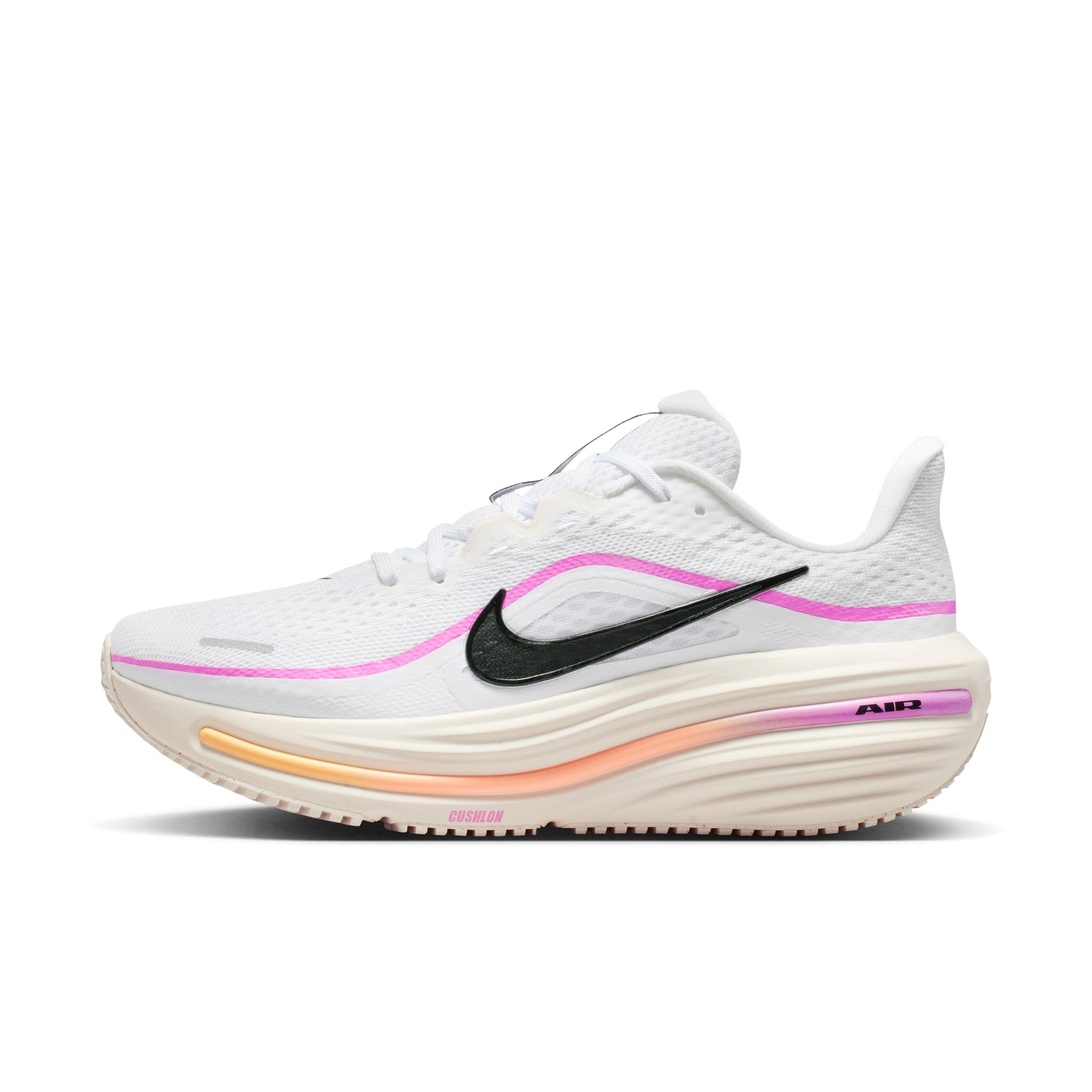
1. Nike Women’s Winflo 12 Road Running Shoes
Our pick — 4.5+★ from 400+ verified ratings; the strongest balance of quality and price.
A daily road trainer that quietly widened the forefoot without turning your midfoot into a loose sock.
The Winflo 12 is the one to buy if you want a normal-looking road shoe that stops squashing your toes. Nike built it with a wider toe box for a little more room in the forefoot, which means your toes can splay on landing instead of curling under. That wider forefoot addresses the pinched-toe complaint women most often report in running shoes.
The upper is open-hole mesh — a woven fabric with visible gaps that lets heat escape — so your feet stay cooler on warm pavement. Underneath, a Cushlon 3.0 foam stack works with a Nike Air unit (a sealed pocket of pressurized air in the heel) to soften the impact of each footstrike. Together they soften the impact of each footstrike on long easy road runs.
What wins people over is comfort — it is far and away the most-praised thing about this shoe, and the fit feedback backs it up. Runners wear them for cardio classes, treadmill sessions, and full workdays on their feet, not just runs. The crowd favorite here sits at 4.5+ stars across 400+ owners, and that pattern holds across road and all-day wear.
What earns the top spot
- Wider forefoot gives your toes room without a sloppy midfoot
- Open-hole mesh upper keeps air moving on hot days
- Cushlon 3.0 foam plus a Nike Air unit softens road impact
- Wears well beyond running — gym, walking, all-day standing
Where it asks you to compromise
- It is a road shoe, so loose gravel and wet roots are not its terrain
- The wide forefoot suits most feet, but a very wide midfoot may still want more hold
Reach for this if: you want one pair that handles daily road miles, gym cardio, and long standing shifts with room up front.
Think twice if: your runs happen mostly on technical trails where you need deep lugs and a rock plate.
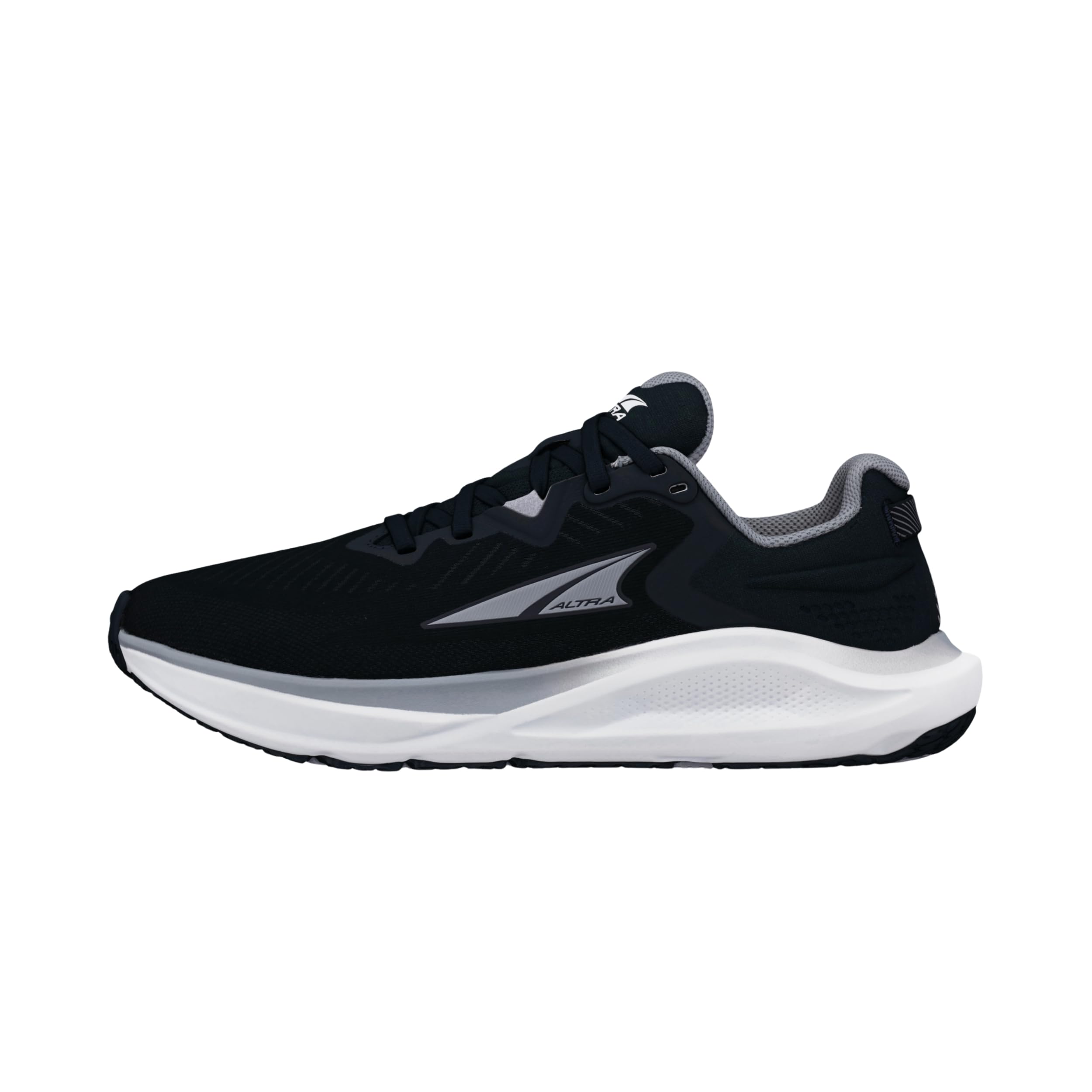
2. ALTRA Women’s Paradigm 8 Road Running Shoe
A stability shoe that only steadies you when your stride actually needs it — then gets out of the way.
At 8.6 oz with a 0 mm drop and a 30 mm stack, the Paradigm 8 puts your heel and forefoot level with the ground. That level platform is what makes the shoe feel natural underfoot rather than tipped forward. If you have been running in taller, angled shoes, the first few miles will feel strange and then oddly easy.
The GuideRail technology is the clever part. It adds gentle guidance along the inner side of the shoe, but only kicks in when your foot drifts inward — the rest of the time it stays quiet. The Altra EGO MAX midsole brings cushioning without the weight that usually comes with stability shoes. A molded heel collar with soft detailing means step-in comfort from the first wear.
Quality is what the review pages keep circling back to, and the arch support and cushioning land right behind it. The honest catch shows up in the fit notes: this one splits opinion between runners who find the toe box roomy and those who want more width. It is worth knowing your own foot shape before ordering. Between this and the lighter Experience Flow, this shoe carries noticeably more support built in.
The real draw: a level 0 mm platform plus support that arrives on demand, at 8.6 oz, which is light for a stability shoe.
The honest catch: toe box width divides opinion — some find it roomy, others want more — so check the return window before you commit.
Best for the runner who: wants gentle stability on road miles without a heavy, overbuilt shoe.
Skip the guesswork if: you already know you need maximum forefoot width — size up or look at the Lone Peak instead.
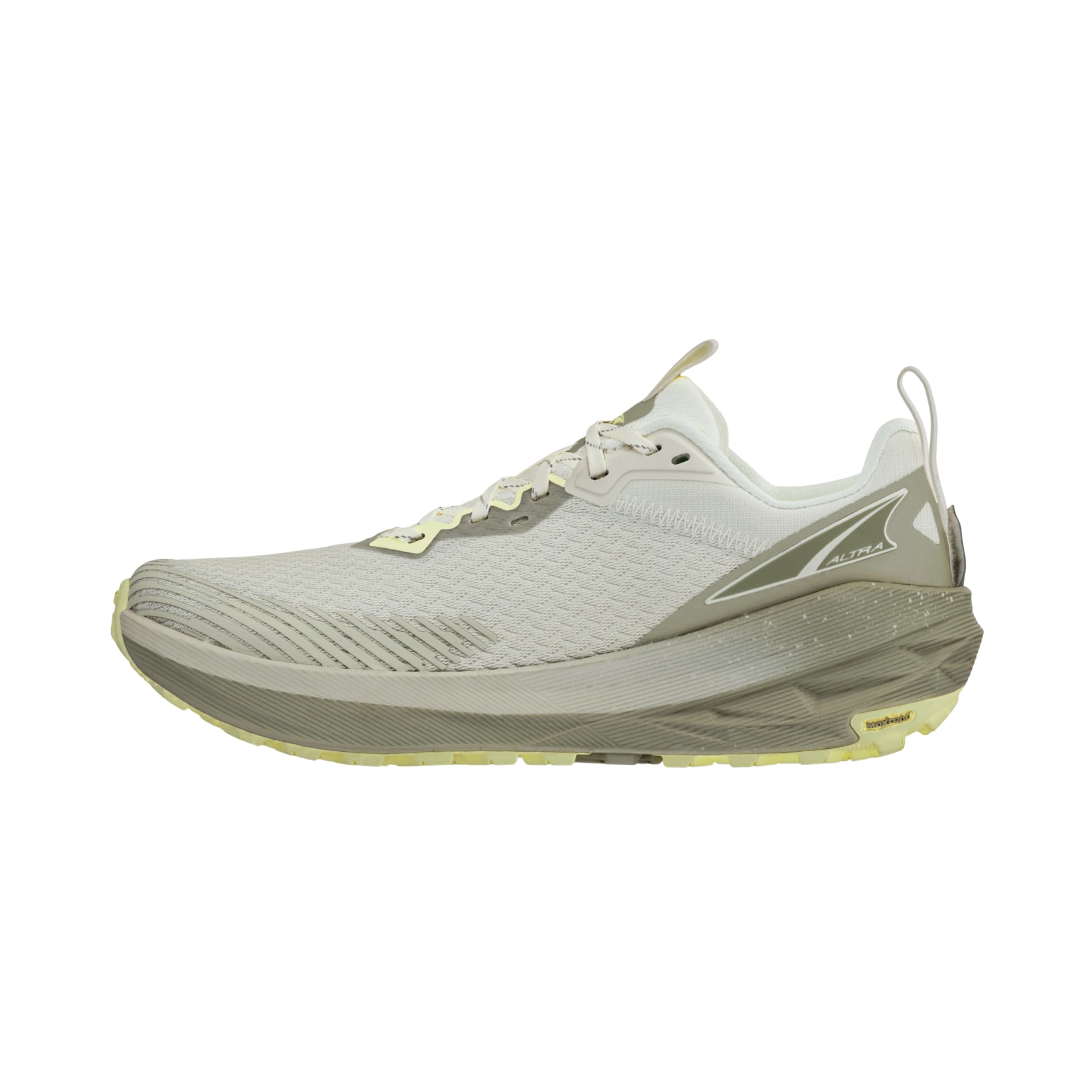
3. ALTRA Women’s Experience Wild 2 Trail Running Shoe
The anatomical toe box here is the kind buyers write home about — toes spread wide, heels stay locked.
The Ultraventure 4 sits on a 35 x 30 mm platform. That height soaks up rocks and roots on mild to moderate trail terrain. The ZipFoam midsole is a proprietary compound the brand says is springier than standard EVA foam and holds its rebound longer, so the ride does not flatten out after a few months.
The 5 mm drop is the highest of the trail picks here — compare it with the 4 mm on the Experience Wild 2 and the 0 mm on the Lone Peak 8. If zero drop has never felt right for your calves, this is the gentlest entry point among the trail shoes. The recycled mesh upper carries strategically placed PU print for structure in high-wear areas, and the Vibram XS Trek EVO outsole handles trail-to-road transitions without slipping.
The toe box is the feature that gets singled out most often — it is the second most-praised quality in the data — and traction and arch support follow close behind. The deep heel cup wins particular approval. Durability is where the honest warning sits: the outsole wears faster than buyers expect on hard-packed ground. Keep these on dirt and they hold up better than on pavement.
Why trail runners like it
- Anatomical toe box lets toes spread naturally on long descents
- 35 x 30 mm platform is a high-cushion setup for long trail days
- Vibram XS Trek EVO outsole grips across trail and road
- Deep heel cup keeps the back of your foot settled
The honest trade-off
- Outsole wear shows up sooner on pavement than on dirt
- Heel rubbing affects some runners — break them in gradually before a long trail day
Worth it if: cushioning and forefoot room are your top two priorities on mild to moderate trails.
Look elsewhere if: your runs mix lots of road with trail and you want rubber that resists hard-surface wear.
4. ALTRA Women’s Experience Flow 2 Road Running Shoe
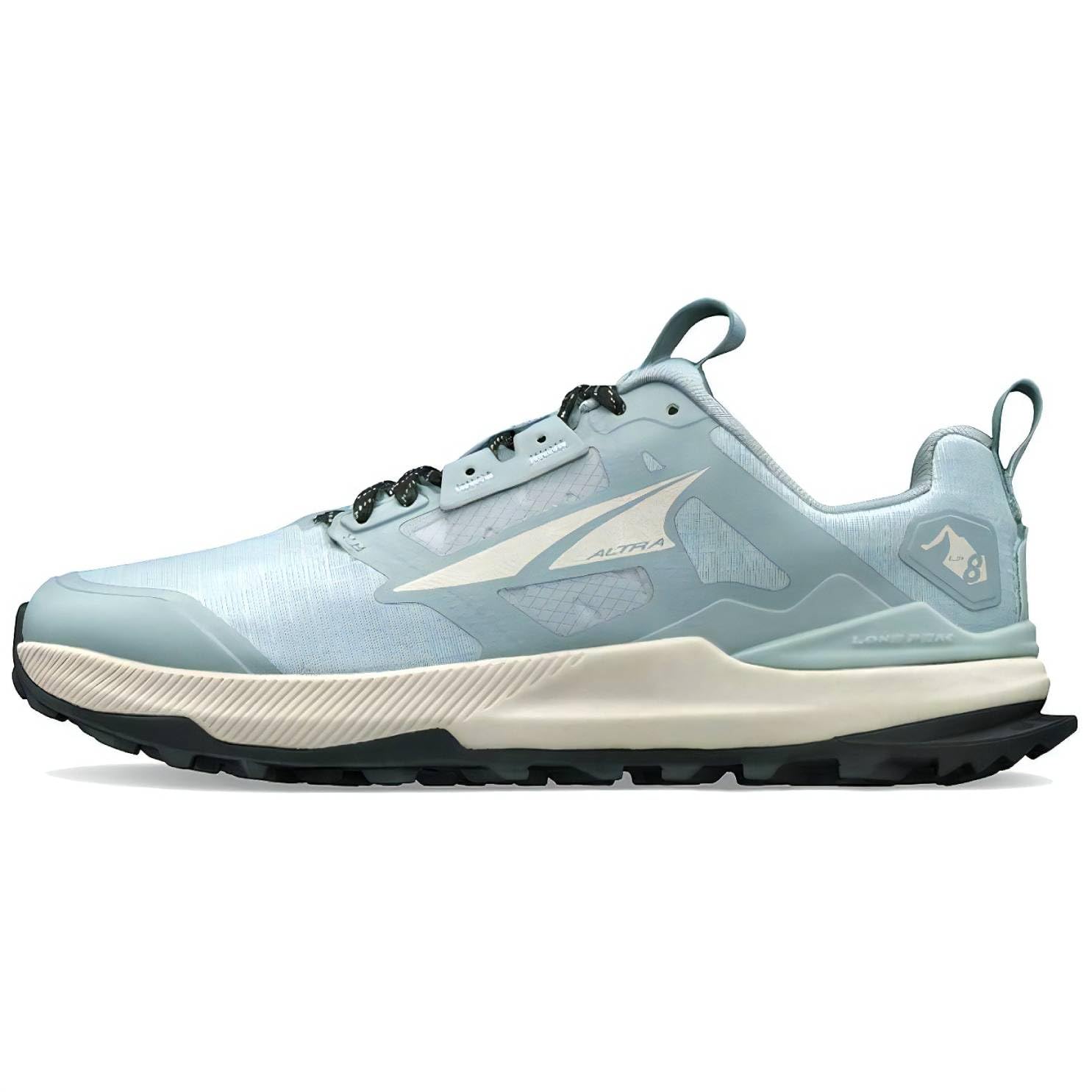
The legend of the trail lineup — the roomiest toe box Altra makes, wrapped in a ripstop upper that takes a beating.
The Lone Peak 8 is the trail shoe people buy when they want one pair for everything from hiking to trail running. At 10.7 oz with a 0 mm drop and a 25 mm stack, it puts your heel and forefoot level with the ground for natural alignment. The Balanced Cushioning platform is designed to encourage better form and a low-impact landing.
Grip comes from the MaxTrac outsole with TrailClaw lugs — canted rubber teeth placed under the metatarsals for extra bite on climbs. The refined ripstop mesh upper (a grid-reinforced fabric that resists tears) handles brush and rock scrapes. The FootShape toe box here is the roomiest Altra offers, with space through the midfoot so your foot stays put on uneven ground.
Owners describe feet that never hurt and no toe pinching — even on extra-wide feet — with no break-in period needed. Quality and comfort are the two most-praised qualities in the data, and the toe box lands third. The lugged tread grips on any surface. One honest note: cushioning is the mixed aspect — this is a mid-cushion trail shoe at 25 mm, not a plush cruiser.
Why it earns its reputation: the roomiest toe box Altra makes, a 0 mm drop, and TrailClaw grip, all with no break-in needed.
What it is not: a pillow-soft trail shoe — at a 25 mm stack it keeps you connected to the ground rather than floating above it.
Made for: hikers and trail runners with wide or extra-wide feet who want one shoe for dirt, rock, and long days out.
Not the one for: runners who want deep, plush cushioning underfoot on every trail mile.
5. Topo Athletic Women’s Atmos 2 Lightweight Road Running Shoes
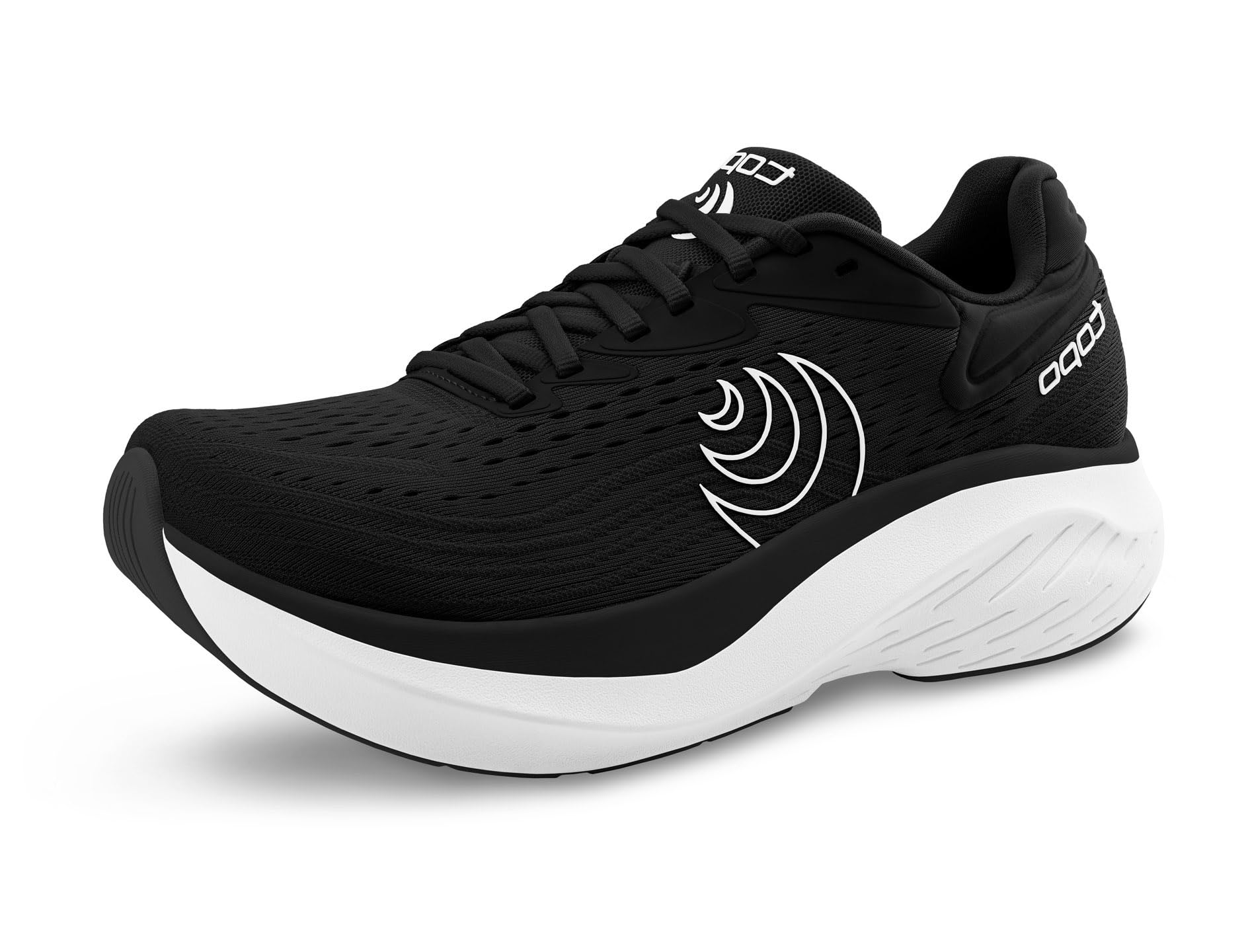
The second generation that went softer — more cushioning underfoot, same roomy front for your toes.
The Atmos 2 is the road option for the runner who wants a plush landing. Topo upgraded the ZipFoam midsole to a softer, lighter, more energetic compound, so the underfoot feel is cushioned rather than firm. The recycled engineered mesh upper keeps the fit secure and well-ventilated on warm days. Strategic rubber zones on the outsole add flexibility and traction without stiffening the ride.
The anatomical toe box is where this shoe makes its case for a spot on this list — it lets your toes spread naturally, and the brand describes it as roomy without being wide. That nuance is worth reading twice. A roomy forefoot with a standard midfoot suits many women better than a full wide width, which can feel sloppy through the arch.
The toe box is the mixed note in an otherwise positive picture. Some runners value that room, while others find it narrower than they hoped, and a few report their toes pressing the front of the shoe. Quality is the quality buyers praise most. If you want a generously cushioned fit with a snug heel that prevents sliding, this is a strong option.
Reasons to put it in the rotation
- Upgraded ZipFoam delivers a softer, lighter road ride
- Recycled engineered mesh keeps the upper breathable
- Strategic outsole rubber zones add flex and traction
- Snug heel fit helps stop your foot sliding forward
What to expect honestly
- Toe box is roomy rather than truly wide — very wide forefeet may want more
- Some runners find their toes reaching the front on longer runs
Suits you if: you want a cushioned, breathable road shoe with a moderate forefoot room upgrade.
Choose differently if: you know you need the widest toe box available — the Lone Peak or Ultraventure are roomier.
Know the Specs
Toe Box Width and FootShape Fit
The toe box is the front section of the shoe where your toes sit. A foot-shaped toe box — Altra calls it FootShape — widens at the front so toes can spread flat instead of stacking. A wide forefoot paired with a secure midfoot is the combination that works: room up front, hold in the middle so your foot does not slide forward on steep descents.
Drop and Stack Height
Drop is the height difference between heel and toe, in millimeters. A 0 mm drop puts them level, which asks more of your calves; a 4 mm or 5 mm drop eases that transition. Stack height is how much foam sits under your foot — a 24 mm stack keeps you close to the ground, while a 35 mm stack cushions more of the impact. Neither stack is better — a 24 mm stack suits ground-feel runners, a 35 mm stack suits cushioned trail miles.
Common Questions
What is the difference between a wide shoe and a wide toe box shoe?
Should I size up in wide toe box running shoes?
Is a 0 mm drop shoe hard on your calves?
Can I use trail running shoes on the road?
How much stack height do I need for long road runs?
What is a rocker shape and what does it do?
Are wide toe box shoes good for bunions or hammertoes?
How long do running shoes in this category last?
Do these women’s shoes come in wide or extra-wide widths?
What upper material is best for hot weather running?
The Bottom Line
For most women who want a roomy forefoot without a loose midfoot, the Nike Women’s Winflo 12 is the pick that suits the widest range of daily miles — road, gym, and all-day wear in one shoe. If your runs leave the pavement and need real grip, the ALTRA Lone Peak 8 brings the roomiest toe box Altra makes plus TrailClaw lugs for the trail. And if cushioning is your top priority on long trail days, the Topo Ultraventure 4 is the one to reach for. One nudge worth acting on: with a daily road trainer that holds a 4.5+ rating across hundreds of owners and room up front, you are choosing a shoe most buyers keep wearing — so pick your size carefully and start your miles.
How we choose
We do not accept paid placement. Every pick is matched to a real buyer and a real use-case; we do not hands-on test units.
Sources
Specifications: manufacturer listings and product documentation. Review insights: verified customer reviews, as of November 2026. Pricing: not shown on this page (it changes often); check the current price via the retailer link.
As an Amazon Associate, Tactical Gear Guy earns from qualifying purchases. This does not affect which products we feature.