Specs are compiled from manufacturer listings and verified buyer reviews and can change over time — please confirm the key details on the product page before buying.
If your double-hung sash slams down or won’t stay up, the part you need is a window channel balance — the spring-loaded cartridge hidden inside the window frame that carries the weight of the sash. The quick answer for most buyers is the 24-3 block and tackle cartridge, because it carries a 15 to 19 pound sash per pair and swaps out in minutes rather than requiring a new window. Before you order anything, though, you have to read the number stamped on your old metal channel, because that stamped code is the only thing that guarantees the replacement drops straight in.
This guide is built by comparing the manufacturers’ published specifications and the patterns across verified customer reviews, so you get each pick’s real strengths and trade-offs instead of marketing spin.
Window balances are one of the few repairs where getting the stamped size right matters more than brand loyalty, and one correctly measured cartridge brings a dead sash back to smooth. This breakdown covers the single strongest option for the widest range of home windows, so you can match your stamped size to a working window channel balance without a second trip to the hardware store.
How To Choose The Best Window Channel Balance
The whole job rests on one thing: finding the code stamped on the metal channel of your broken balance and buying that exact code. Everything else — brand of window, age of the house, colour of the frame — is secondary. A correctly coded cartridge slides in and works; a guessed one will not.
Read the stamp before you read anything else
Pop the sash out or tilt it, and look at the metal channel. Somewhere on it is a number like 24-3 or 2430. That code is the size. The first part tells you how long the metal channel is, and the trailing number tells you the spring strength, also called the carrying capacity. Write the full code down before you open a listing.
Work out your sash weight, not your window width
A balance is chosen by how heavy the sash is, not by how wide the opening is. The 24-3 here is rated to carry a 15 to 19 pound sash per pair, which covers a typical residential double-hung sash. Weighing a sash is awkward, so most people use the original stamped code as the shortcut — the factory already did that maths for the window you own.
Decide between coil spring and block and tackle
Two balance styles sit inside home windows: coil spring balances and block and tackle cartridges. A block and tackle uses a pulley-and-cord arrangement inside the channel to carry the load. If your old balance is a coil spring type, a block and tackle cartridge can still fit the same routed pocket — some buyers find it works better than the original. Check the channel shape and the end brackets before you commit.
Check the end brackets against your frame
Cartridge balances often have winged end brackets, small tabs that lock the cartridge into the frame and steady it as the window slides. A balance with wings gives a more stable slide, and if your old one had no wings, the winged version can still be fitted.
Side-by-Side Comparison
| Model | Best For | Stamped Size | Overall Length | Sash Rating | Amazon |
|---|---|---|---|---|---|
| Cottonwood Hardware 24-3 (CWH_B&T_2430) | Typical residential double-hung sash | 24-3 / 2430 | 26 in (25 in metal) | 15–19 lb per pair | Amazon |
Detailed Reviews
1. Cottonwood Hardware 2430 Window Balance Spring
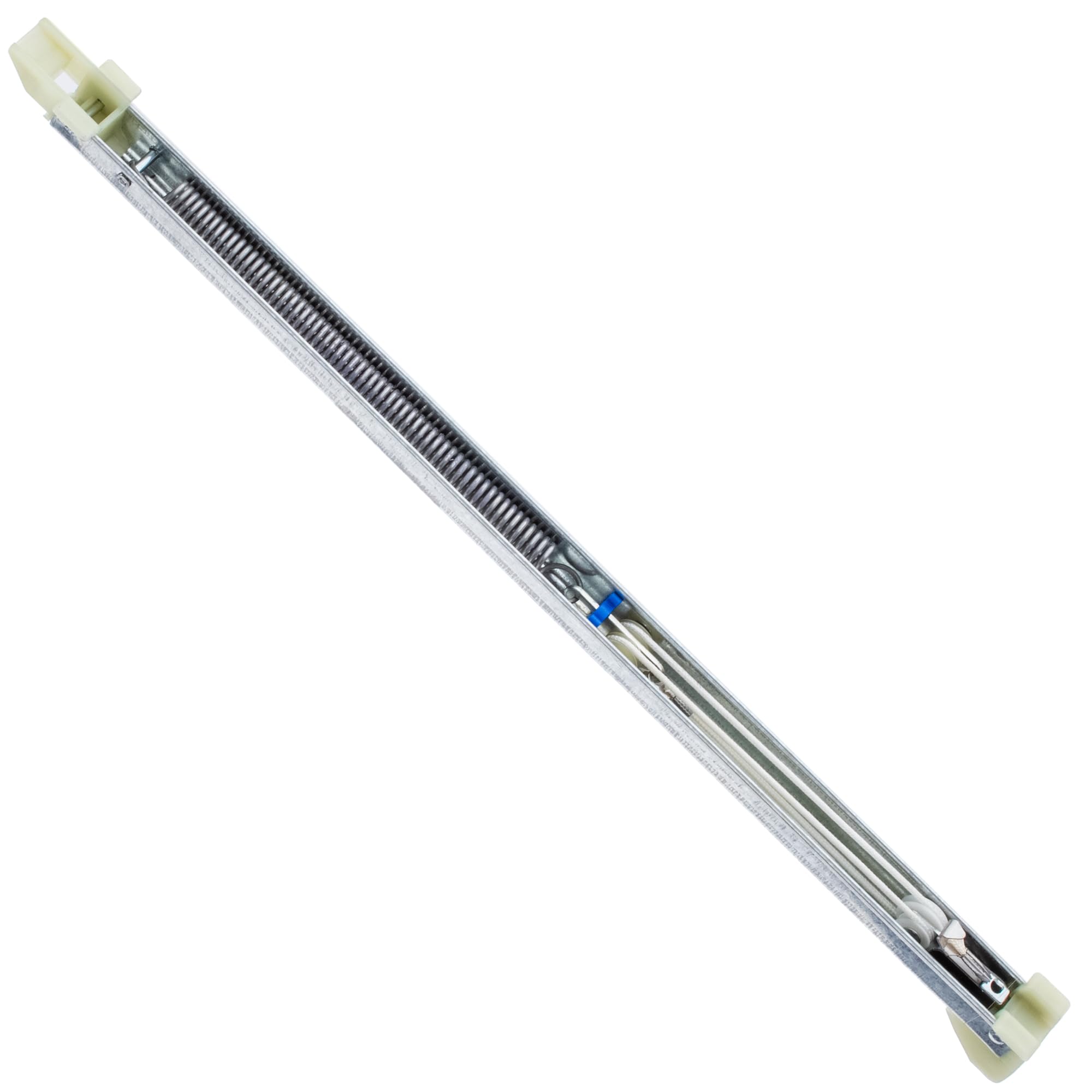
A cartridge balance that carries a full residential sash and drops in with a screwdriver.
Twenty-six inches overall, twenty-five inches of metal channel, and a 15 to 19 pound sash rating per pair — those three figures decide whether this is your part. With the plastic guides counted, the whole cartridge measures 26 inches, so it slips into the same routed pocket your old balance sat in. The metal body itself runs 25 inches, and that is the length the 24 stamp on your old channel refers to. If your windows are standard residential double-hung units, this is the size that most often comes up.
Installation is the part that wins people over. The cartridge is a self-contained block and tackle unit — a weighted pulley assembly sealed inside the channel — so there is no coil to hook, no tension to set and no special tool in the box. The 12-ounce unit slides into the frame and the cord attaches to the sash bracket. Buyers routinely report the whole swap taking only a few minutes, with the window opening and closing one-handed again afterwards.
The honest catch sits with the plastic end pieces. The cartridge body is metal, but the guides on the ends are where a hard knock or a rough removal can bite, and a small share of owners have had one fail on them. It does not change the overall picture — this is the best-scoring balance in its class — but handle the cartridge by the metal channel rather than the plastic ends when you fit it.
Why this earns top spot
- Winged end brackets hold the cartridge steady, so the sash slides with less wobble than a wingless original
- Rated for a 15 to 19 pound sash per pair, which covers a standard residential double-hung sash
- Block and tackle design arrives pre-tensioned — no spring winding and no specialist tools
- Illustrated fitting sheet ships in the box, and the maker’s size code matches the stamp on your old channel
Where it can catch you out
- The plastic end guides are the weak point if the cartridge is dropped or forced into the frame
- You must confirm the 24-3 stamp on your own balance first — this fits windows carrying that exact code, not every frame
Go with this one if: your old channel carries a 24-3 or 2430 stamp and you want a winged cartridge that steadies the slide.
The trade-off to know: the plastic end guides need a careful hand during fitting.
Know the Specs
The stamped size code
The number on the metal channel is written as two parts. The first figure is the length of the metal channel in inches, not counting the plastic ends — so a 24 sets you up with a cartridge whose metal body measures 25 inches and whose overall length with guides comes to 26 inches. The second figure is the spring strength, sometimes called the carrying capacity. Neither number can be guessed, which is why reading the stamp is step one.
Sash rating per pair
Balances are sold and rated in pairs, and the rating tells you how much sash the two cartridges together can hold. This one is built for a 15 to 19 pound sash per pair. Under-rate it and the sash will not stay up; over-rate it and the window can feel stiff to pull down. Matching the weight of your actual sash to the rated figure is what makes the window glide instead of fight you.
Block and tackle versus coil spring
A block and tackle cartridge contains a pulley and cord system that carries the sash weight inside the channel. A coil spring balance uses a wound spring instead. The two feel different in the frame — the cartridge style tends to arrive pre-set, so there is less adjustment after fitting. If your old balance was a coil type, a block and tackle version still fits the same pocket.
Winged end brackets
Those small tabs on each end of the cartridge lock it into the frame and keep the whole unit square as the sash travels. The wings lock the cartridge square in the frame, which gives a steadier slide than a wingless original. If your original had no wings, the winged edition can still be installed in the same frame pocket — buyers report it working at least as well as the part it replaced.
Common Questions
How do I find the right size balance for my window?
Will a block and tackle balance fit a window that had a coil spring balance?
What does the 15 to 19 pound sash rating actually mean?
Is the overall length or the metal channel length the figure I match?
How long does it take to replace a window channel balance?
Do I need any special tools to fit this balance?
Are the winged end brackets a problem if my old balance had none?
Is a block and tackle balance better than a coil spring one?
Can I replace just one balance or should I do both sides?
How long should a window channel balance last?
The Bottom Line
Every window balance purchase starts and ends with one number, and for the widest slice of residential double-hung windows that number is 24-3. The Cottonwood Hardware 26-inch block and tackle cartridge gets the important things right: it carries a 15 to 19 pound sash per pair, it arrives pre-tensioned with winged end brackets that steady the slide, and it comes with illustrated fitting instructions so a first-timer can get it seated square. It is the part worth buying when your stamp matches. Go gently on the plastic end guides as you fit it, and you have a window that opens one-handed again instead of one that slides down on your fingers.
How we choose
We do not accept paid placement. Every pick is matched to a real buyer and a real use-case; we do not hands-on test units.
Sources
Specifications: manufacturer listings and product documentation. Review insights: verified customer reviews. Pricing: not shown on this page (it changes often); check the current price via the retailer link.
As an Amazon Associate, Tactical Gear Guy earns from qualifying purchases. This does not affect which products we feature.