Specs are compiled from manufacturer listings and verified buyer reviews and can change over time — please confirm the key details on the product page before buying.
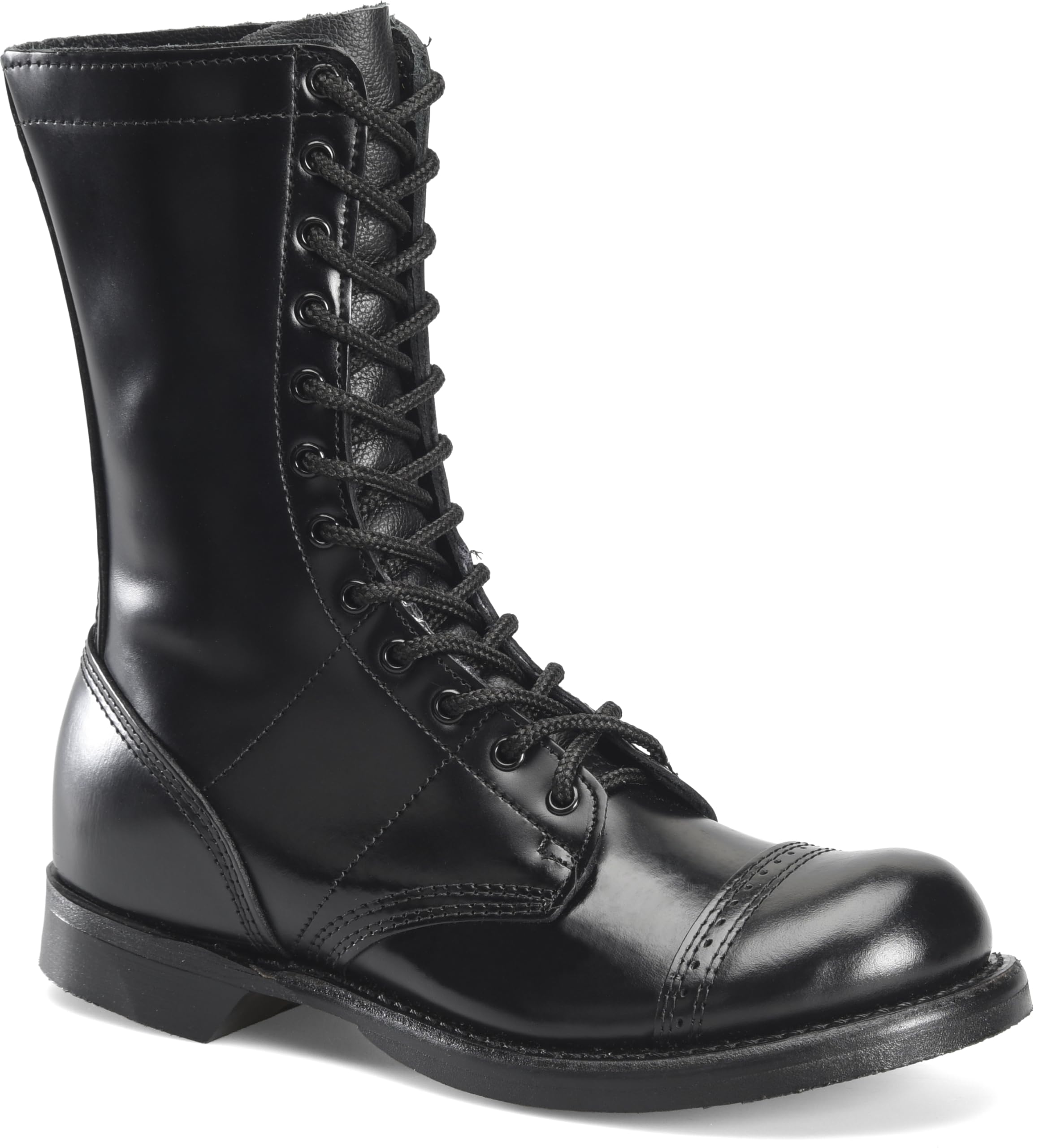
If you are shopping for World War 2 combat boots, the short answer is this: buy the pair built on a real military last with stitch-down construction, not the cheapest brown boot with jump-boot styling. The four pairs below all pass that bar as period-style leather jump and field boots, and the Corcoran 10″ Original Unlined Jump Boot is the one to start with — it is the crowd favorite at 4.5+ stars across 280+ ratings. The rest of this page explains which one fits your feet, your reenactment unit, and how much break-in you are willing to tolerate.
This guide is built by comparing the manufacturers’ published specifications and the patterns across verified customer reviews, so you get each pick’s real strengths and trade-offs instead of marketing spin.
These are leather jump boots in the WWII paratrooper mold, so ankle height, welt type, and sole compound matter far more than any modern feature list. Read on for the plain-English breakdown of the best World War 2 combat boots for reenactors, collectors, and anyone who wants a period-correct leather boot.
Top Picks
How To Choose The Best World War 2 Combat Boots
The most common mistake is assuming any brown 10-inch lace-up is a WWII boot. It is not. A period-style jump boot rides on specific construction choices — an unlined or minimally lined leather upper, a stitched (welt) sole, and a leather that takes polish. Those three things decide whether the boot looks right on a display shelf and survives a muddy field event.
Start with the welt, not the leather color
A Goodyear welt is a strip of leather stitched through the upper and the sole, and it is what lets a cobbler rebuild the boot instead of throwing it away. That welt is the difference between a boot that lasts one reenactment season and one that lasts a decade. Look for it in the description before you look at anything else.
Shaft height and eyelet count decide ankle support
A 10-inch shaft wraps well above the ankle, and a 12-eyelet lacing system lets you cinch the upper tight. That combination is what keeps your ankle from rolling when you are walking a rough field in period gear. If you have weak ankles or carry a heavy pack, prioritize the 10-inch shaft and 12-eyelet lacing.
Unlined leather is a commitment
An unlined upper means the leather sits directly against your foot, which breathes better and molds to your shape over time. It also means a real break-in period. Padded modern boots feel soft on day one; unlined leather jump boots stay stiff until they warm up and crease. Plan your first few wears around short distances, not a full event.
Side-by-Side Comparison
| Model | Best For | Shaft Height | Sole Construction | Upper | Amazon |
|---|---|---|---|---|---|
| Corcoran Men’s 10″ Original Unlined Jump Boot 1500★ Best Overall | Everyday period-correct wear | 10 inch | Goodyear welt, oil-resistant rubber outsole | Unlined leather | Amazon |
| Rothco Leather Jump Boots, 10 Inch | Budget reenactment entry | 10 inch | Storm welt, oil-resistant beveled outsole, steel shank | Leather | Amazon |
| Corcoran Men’s 10″ Unlined Field Boot | Heavy outdoor use and resoling | 10 inch | Goodyear welt, Vibram rubber outsole | Full grain unlined leather | Amazon |
Detailed Reviews
1. Corcoran Men’s 10″ Original Unlined Jump Boot 1500
Our pick — 4.5+★ from 250+ verified ratings; the strongest balance of quality and price.
The unlined leather jump boot that has become the default answer for period-correct feet.
This boot earns the top slot on visible construction: a Goodyear welt stitched through the upper, an oil-resistant rubber outsole, and a beveled heel. In plain terms, that welt means a cobbler can peel off the worn sole and stitch a new one on, so the boot outlives the rubber. The oil-resistant outsole keeps grip predictable on wet pavement and greasy garage floors, and the beveled heel gives you a defined edge to plant instead of a flat slab.
It is unlined, which is the detail that separates a real jump boot from a padded lookalike. The leather sits straight against your foot, so it breathes and gradually molds into your shape. The cushioned insole adds some relief, and a soft toe means no steel cap pressing on your toes when you are standing at attention for an hour. Made in the USA with global parts, per the listing.
Build quality is what wins people over — it dominates owner feedback on this boot ahead of every other trait. The honest trade-off is break-in. Unlined leather is stiff from the start, and this is the kind of boot that asks for short wears before you take it on a full event. Sizing runs mixed in the reviews, so measure your foot and read the size guidance carefully rather than assuming your sneaker size carries over.
What holds up under inspection
- Goodyear welt construction means the sole can be replaced instead of the whole boot retired.
- Oil-resistant rubber outsole and beveled heel give predictable footing on wet or greasy ground.
- Unlined leather breathes and molds to the foot rather than trapping heat against a liner.
- Soft toe cuts pressure on long standing events.
Where it asks patience
- Unlined leather needs a real break-in before it feels friendly.
- Fit feedback is mixed, so ordering your usual size is a gamble.
Reach for this if: you want one period-style jump boot you can wear hard and eventually resole, and you are willing to put in the first weeks of break-in.
Look elsewhere if: you need something comfortable on day one — an unlined leather boot will not give you that.
2. Corcoran Men’s 10″ Unlined Field Boot

Full grain leather, a spit-shineable toe cap, and a Vibram sole built for actual ground.
Two features do the heavy lifting on this field boot. The first is the Vibram rubber outsole, a name most people who walk rough terrain recognize, and it is the reason grip holds up across dirt, gravel, and wet grass. The second is the “spit shineable” toe cap on the full grain leather upper — you can bring that cap to a mirror gloss for a parade or display, then let it take scuffs on the field and polish it back out.
Where it beats the Original Jump Boot above is the last it is built on: the Garrison Army Munson Last, a footbed shape designed to follow the natural contour of the foot rather than a generic block. Combined with the cushioned insole and steel shank support, that shape is what carries you through a long day standing or walking without your arches collapsing. It also shares the Goodyear welt, so resoling is on the table here too.
Comfort dominates owner feedback on this boot, and the soft leather is repeatedly described as easy to polish. The catch runs in the other direction from most boots: fit feedback is genuinely split, with some finding it spot on and others reporting inaccurate sizing. Treat the size chart as a starting point and confirm the return window before your first event.
Ground grip and gloss: the Vibram outsole handles mixed terrain while the polished toe cap keeps the boot presentable between field days.
The sizing question: mixed fit reports make this the one pick where you should double-check the size chart rather than trust habit.
Who it beats: anyone who wants full grain leather plus a Vibram sole and a polishable toe, this is the strongest combination in the group.
The one caveat: confirm your size against the chart — fit reports here are not unanimous.
3. Rothco Leather Jump Boots, 10 Inch

The entry-point leather jump boot that throws in laces, a steel shank, and a cushioned insole.
For a first pair of period-style boots, this one packs in the practical extras. You get two sets of laces in the box — one leather, one nylon — so you can go period-looking or go for grip without buying anything else. The cushioned, impact-absorbent insole is aimed at softening the landing from jumps and hard strikes, which translates to less ache when you are on your feet all day at an event.
Underneath, an internal steel shank runs through the boot to support your arch and ease strain on the heel and calf, and the oil-resistant beveled outsole is built for rugged outdoor terrain. The storm welt helps wick moisture so your feet stay drier in wet conditions. A 12-eyelet lace system across the 10-inch shaft lets you pull the upper snug, which is exactly what stops an ankle from rolling on uneven field ground. It is the same height as the Corcoran picks, though it is the heaviest of the group at 2.49 kg.
Quality feedback is genuinely split — some pairs are called outstanding, others terrible — so this is the boot to buy with the return window open rather than as a blind leap. It does earn a specific mention as a strong fit for military WWII reenactment, which is precisely the job. Go in knowing that Rothco sits at the entry level and inspect the pair closely when it lands.
The reenactor play: the two included lace sets and period silhouette make it an easy, low-commitment way to complete a WWII impression.
Inspect on arrival: because quality reports swing sharply, unbox carefully and check stitching and welt before you scuff them up.
Best entry point: a low-commitment way into WWII reenactment boots with a steel shank and a cushioning insole built in.
Not the one for: buyers who want a single set-and-forget pair — the mixed quality reports make a careful first inspection essential.
Know the Specs
Goodyear welt vs. storm welt
A welt is the stitched strip joining the upper to the sole. Goodyear welt construction means a machine stitches that strip through both, so a cobbler can remove a worn sole and attach a new one later — that is what keeps a leather jump boot in service for years. A storm welt is a variant with an extra raised lip that sheds water, which is why boots built that way tend to stay drier in wet grass.
Shaft height and eyelet count
Shaft height is how far up your leg the leather reaches. A 10-inch shaft lands well above the ankle, and pairing it with a 12-eyelet lacing system lets you tighten the upper into a firm wrap. That wrap is what stops the ankle from rolling on rough ground, and it is why tall lace-up boots remain the period-correct pick for field use.
Steel shank and insole
A steel shank is a thin metal strip built into the sole under your arch. It stiffens the middle of the boot and carries load, which eases strain on your heel and calf over a long day. The insole on top is what your foot actually rests on — a cushioned insole softens impact, while an impact-absorbent one is aimed at jump landings and hard strikes.
Lined vs. unlined leather
An unlined boot has the leather sitting directly against your foot, with no fabric or foam liner between. That breathes better and molds to your shape, but it also means a real break-in as stiff leather softens. A lined boot feels softer immediately but traps more heat and does not conform the same way.
Common Questions
Are these actually World War 2 combat boots or just modern boots in a brown color?
How long does the break-in take on unlined leather jump boots?
Do these boots fit true to size?
Can a cobbler resole a Goodyear welted jump boot?
What is the Garrison Army Munson Last and why does it matter?
Are these boots suitable for military reenactment events?
How do I keep polished jump boots from scuffing so quickly?
Is a steel shank the same thing as a steel toe?
Which pair holds up best on wet ground?
How heavy are these jump boots to wear all day?
The Bottom Line
For most people shopping for the world war 2 combat boots, the Corcoran Men’s 10″ Original Unlined Jump Boot 1500 is the one to get — it holds the top rating of the group at 4.5+ stars, its quality is what buyers talk about above everything else, and the Goodyear welt means the sole can be replaced rather than the boot thrown away. If you want full grain leather with a Vibram outsole and a polishable toe cap, the Corcoran Men’s 10″ Unlined Field Boot is the stronger combination and wears lighter on the arch. And if you need a boot that looks inspection-ready for ceremonies or uniform wear, the Corcoran Men’s 10″ Jump Boot 975 is the pair to reach for, with fit that owners describe as spot on. On a first pair for reenactment, the Rothco Leather Jump Boots give you the period silhouette plus a steel shank and an insole without committing to a resole-level boot.
How we choose
We do not accept paid placement. Every pick is matched to a real buyer and a real use-case; we do not hands-on test units.
Sources
Specifications: manufacturer listings and product documentation. Review insights: verified customer reviews, as of November 2026. Pricing: not shown on this page (it changes often); check the current price via the retailer link.
As an Amazon Associate, Tactical Gear Guy earns from qualifying purchases. This does not affect which products we feature.