Specs are compiled from manufacturer listings and verified buyer reviews and can change over time — please confirm the key details on the product page before buying.
You want headphones that actually sound like music, not like a tin can with a cable. The honest truth is that “greatest” splits into two very different jobs: cutting out airplane noise on a Tuesday flight, or hearing a recording exactly as the studio mixed it. This guide separates those two worlds so you buy the right pair the first time.
This guide is built by comparing the manufacturers’ published specifications and the patterns across verified customer reviews, so you get each pick’s real strengths and trade-offs instead of marketing spin.
You’ll find wireless noise-cancelling cans, wired studio reference sets, and open-back audiophile models side by side, each tied to the exact buyer it suits. Here is the practical breakdown of the world’s greatest headphones.
Top Picks


How To Choose The Best Headphones
The first fork in the road is simple: do you need to block out the world, or do you need to hear the world the way the recording engineer did? Answer that one question honestly and half the list eliminates itself. Everything else is fit, power, and how you listen.
Wireless or wired
A wireless set builds in its own amplifier and battery, so it plays from a phone with nothing else in the chain. A wired set passes the job to whatever you plug it into — a laptop jack, a dedicated amp, or a studio interface. Wired open-back models here are built for critical listening at a desk, not for a crowded train.
Driver size and type
The driver is the speaker inside each cup. A large dynamic driver, like the 56mm ring radiator in the Sennheiser HD 800 S, moves a lot of air for a big sound. A planar magnetic driver, like the ones in the HIFIMAN models, uses a thin film instead of a cone — the maker claims that design reduces distortion for a cleaner, faster response.
Impedance and what powers it
Impedance, measured in ohms (Ω), tells you how hard a headphone is to drive. A low-ohm model like the 30Ω beyerdynamic DT 1990 Pro MKII plays at full quality from a laptop or phone without a separate amp. Higher-impedance or planar sets generally want more power to reach their best.
Fit and clamping force
Clamping force is how firmly the cups squeeze your head. Too little and the set slides off when you look down; too much and your jaw aches after an hour. Adjustable headbands and notched sliders let you dial in the fit — the FiiO FT1 offers a 0 to 11 notch range to cover different head sizes.
Side-by-Side Comparison
| Model | Best For | Connection | Driver / Battery | Key Extra | Amazon |
|---|---|---|---|---|---|
| Beats Studio Pro★ Best Overall | Everyday wireless listening | Wireless + USB-C | 40-hour battery | Active Noise Cancelling | Amazon |
| FiiO FT1Best Wired Value | Wired value for detail | Wired | 6cm dynamic driver | Solid wood cups | Amazon |
| HIFIMAN Edition XSBiggest Soundstage | Open-back soundstage on a budget | Wired | Planar Magnetic driver | Stealth Magnets | Amazon |
| Sony WH-1000XM6 | Noise cancelling on the move | Wireless | 30-hour battery | QN3 noise processor | Amazon |
| HIFIMAN Arya | Audiophile open-back detail | Wired | Planar Magnetic driver | Nanometer diaphragm | Amazon |
| beyerdynamic DT 1990 Pro MKII | Mixing and mastering | Wired | 30Ω Tesla.45 driver | Detachable cable | Amazon |
| Bowers & Wilkins Px8 S2 | Reference sound, wirelessly | Wireless + USB-C | 40mm Carbon Cone | Nappa leather build | Amazon |
| Sennheiser HD 800 S | Audiophile reference listening | Wired | 56mm ring radiator | Open-back earcups | Amazon |
| Bang & Olufsen Beoplay H100 | Luxury wireless all-day wear | Wireless + USB-C | 32-hour battery | Replaceable parts | Amazon |
| Focal Stellia | Closed-back high-end listening | Wired | Dynamic driver | Leather carry case | Amazon |
| Focal Utopia | Flagship open-back fidelity | Wired | Dynamic driver | ‘M’-shaped grille | Amazon |
Detailed Reviews
1. Beats Studio Pro Over-Ear Headphones
Our pick — 4.5+★ from 29,000+ verified ratings; the strongest balance of quality and price.
The wireless all-rounder that keeps playing long after your flight lands.
One headphone that blocks office noise, takes a call, and still has charge the next morning is the whole point here. The 40-hour battery covers a full workweek of listening on a single charge. Fast Fuel (quick top-up charging) refills fast: a 10-minute charge gives you up to 4 hours of power, so a dead set is ready before you finish packing. Next to the Sony WH-1000XM6’s 30-hour battery, the Beats runs 40 hours — 33% more playback time.
Music, calls, and lossless audio (full-quality sound with no compression) over USB-C all run through the custom acoustic platform. A 3.5mm cable also comes in the box, so you get a standard wired connection when the battery is empty. Active Noise Cancelling (ANC — the mics listen to the room and play an opposite sound to cancel it) quiets flights and commutes. Transparency mode does the reverse and lets the room back in, so you hear a boarding call. One-touch pairing switches easily between Apple and Android devices, and 360-degree spatial audio with head tracking makes a movie feel like it’s around you.
Where it earns its keep is sound quality and that battery, which is what owners talk about most. The honest catch is it is not for everyone: bass depth and left-ear static come up as a split opinion in the reviews, and a few people find the cups tight over their ears. If you want reference-grade neutrality, this is not that headphone. If you want a durable daily companion that charges fast, it is the safest pick on this page.
Why it earns the top spot
- The 40-hour battery is the longest in this lineup, and a 10-minute charge adds up to 4 hours
- USB-C lossless plus a 3.5mm cable keeps it usable wired or wireless
- One-touch pairing switches between Apple and Android gear
- Personalized spatial audio with head tracking for movies
Where it splits opinion
- Bass and noise-cancelling depth get mixed reactions
- Some find the ear cups too tight for long sessions
- Not a neutral, reference-tuned sound
The daily driver: Buy this if you want one wireless headphone for travel, work, and calls with charge to spare.
Look elsewhere if: you want a flat, studio-accurate tuning for critical listening.
2. FiiO FT1 Headphones
Real wood, a big driver, and two cables — a wired bargain that sounds far above its class.
If you have a jack on your laptop or amp and no interest in charging, this is the value play. The diaphragm — the thin material that actually vibrates to make sound — is built from wood fibre with a base of 90-year-old spruce from Northern Europe, at roughly 0.1mm thick. That is a light, stiff material, and it gives acoustic instruments a natural, woody tone. The 6cm dynamic driver is the biggest cone type in this mid-section, so bass has real weight behind it.
FiiO’s W-shaped suspension design lifts the vibrating area by 25.8% over a conventional diaphragm of the same size, which means more air gets moved and the low end feels fuller. The ball slide rail headband adjusts across a 0 to 11 notch range to fit different head sizes, and the suede contact strip stays breathable on a warm afternoon. You get two oxygen-free copper cables — a 3.5mm single-ended and a 4.4mm balanced plug — each 1.5 meters with 392 strands of wire, so a balanced-output amp plugs straight in.
What wins people over here is the sound itself, with the value story close behind. It is a genuine alternative if you already own a decent source and want wood-cup warmth for a modest outlay. Set your expectation on the cable connections, though — build and durability split opinion, and a few find the 1.5m cable length awkward. This is a desk headphone, not a jostling commute one.
What it is really for: plugging into a laptop or home amp for relaxed, warm-sounding listening on a budget, with a balanced cable option for a dedicated amp.
The trade-off to know: the wired-only design and split views on build mean it stays home — it is not a travel set.
Reach for this if: you already own a decent amp or a laptop with a headphone jack and want wood-cup tone without spending a fortune.
Pass if: you need wireless convenience or a set built to survive daily bag life.
3. HIFIMAN Edition XS Open-Back Planar Magnetic Headphones
An open-back planar set that puts the whole band in front of you rather than inside your skull.
Planar magnetic drivers use a thin film instead of a cone, and that is what gives this headphone its wide, airy presentation. The special shape of the Stealth Magnets lets sound waves pass through without generating interference — the maker’s claim is that this cuts the diffraction that blurs detail. The NEO “supernano” diaphragm here is 75% thinner than earlier versions, so it responds fast and images instruments precisely on a wide stage. This is a set for hearing a well-recorded album as a room, not a wall.
On paper the HIFIMAN runs Bluetooth 5.3 while the Sony WH-1000XM6 sits at 5. In practice, though, this is a wired open-back (open cups that let air and sound in and out) that mostly feeds from a cable and an amp. It’s also a major step up on the older Edition X. The 3.5mm sockets are user-replaceable, so you can swap a cable without scrapping the whole headphone. The memory-foam headband spreads weight nicely for longer sessions.
Here’s the honest bit: this is a pick for details and depth, not for quiet. Sound quality takes the floor, but comfort, fit, and clamping force all split opinion. The biggest heads complain it is too large, and the open-back design leaks sound both ways, so it will not block a noisy room and the room will hear your music. There’s also a recurring note of creaking and buzzing on some units.
The listening payoff: a wide, precise soundstage and fast imaging that makes acoustic and orchestral music feel like a live room.
The catch to weigh: it is a wired, open-back set that leaks sound and needs a source with some power, so it suits a quiet desk, not a commute.
Choose it for: a quiet room, a decent amp, and a love of spacious, detailed music.
Skip the idea if: you want noise isolation or a set for the train.
4. Sony WH-1000XM6 Flagship Noise Cancelling Headphones
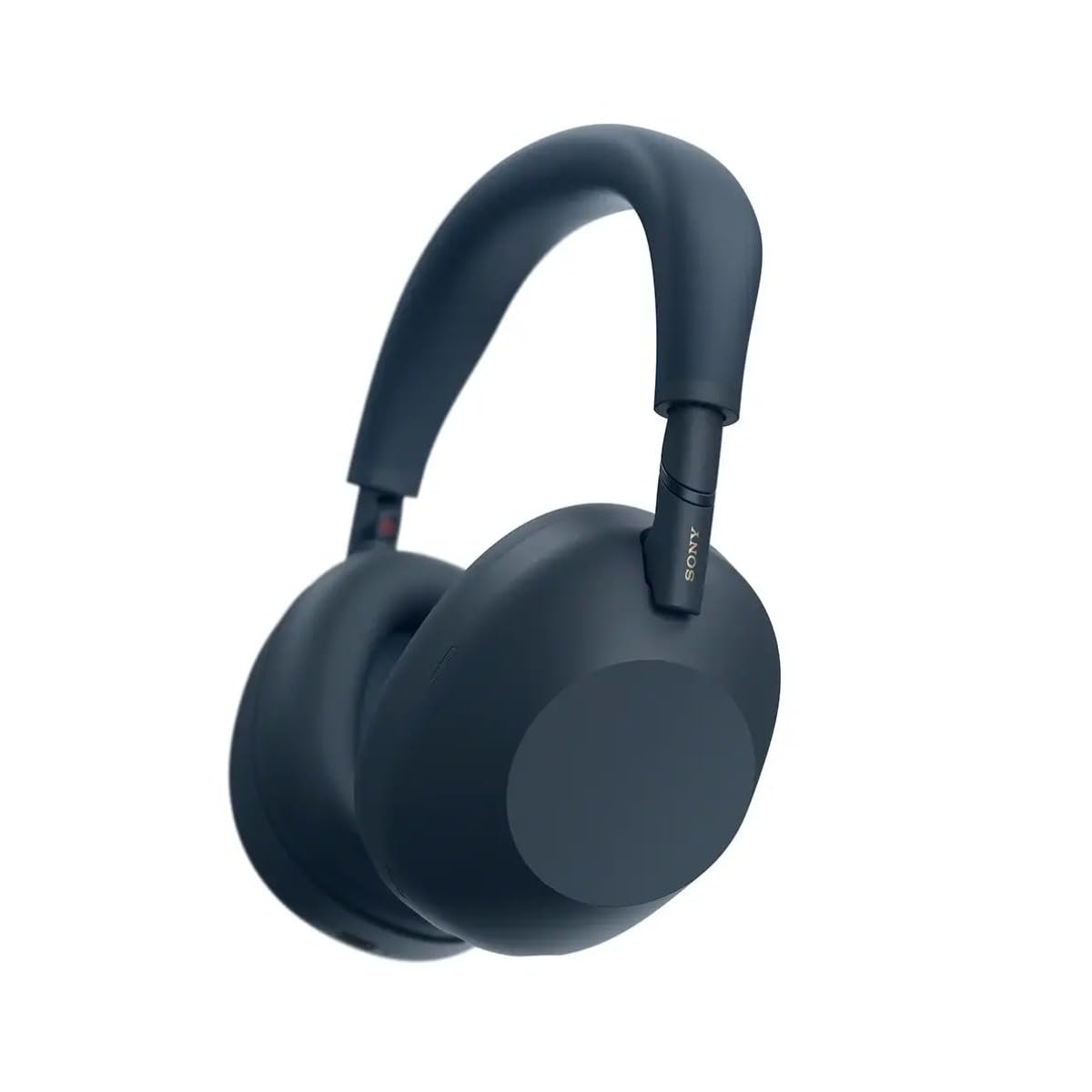
The plane-cabin specialist, built to erase engine drone with a processor that runs 7x faster than before.
Sony’s pitch here is noise cancellation above all, and the numbers back the ambition. The HD Noise Canceling Processor QN3 is 7x faster than the QN1 found in the WH-1000XM5, and it tune 12 microphones in real time to detect outside noise and cancel it with opposite soundwaves. For an office, a train, or a long flight, that means the low hum fades and your music stays front and center. It’s the most aggressive cancelling pick in this lineup.
The driver uses a lightweight carbon fiber dome and was co-developed with mastering audio engineers to keep vocals and instruments pure across the frequency range. Calls get the same treatment — a six-microphone AI-based beamforming system (it focuses the mics toward your voice and away from background) plus wind-resistant design keeps you audible in busy places. Battery runs 30 hours, and a charge takes about an hour. A compact case with a magnetic closure swallows the foldable design, so it travels neatly.
This is the one to pick when the outside world is the problem. The trade-off is that you are paying for cancelling and portability more than for open, audiophile air. It is wireless-first with no cable in the box, and its 30-hour battery trails the Beats’ 40 hours. If your priority is silence on the move, that is the right trade.
The strength that matters
- QN3 processor runs 7x faster than QN1 and drives 12 microphones for deep cancelling
- Six-mic beamforming keeps your calls clear in noisy places
- Folds into a compact magnetic-closure case for travel
What you give up
- 30-hour battery is shorter than the Beats’ 40 hours
- Wireless-first design with no cable included
- The focus is cancelling and portability, not open-back air
The commuter’s answer: pick it when cancelling engine noise and clear calls matter more than cable flexibility.
Think twice if: you want the longest battery on this list or a fully wired setup.
5. HIFIMAN Arya Headphone

A statement open-back with a nanometer-thin diaphragm and a classic, glossy black build.
Where the Edition XS chases a wide stage on a budget, the Arya dials the same formula up a notch with a nanometer-thickness diaphragm — a breakthrough film the maker developed to move faster and with less distortion. The Stealth Magnets let sound pass through without interference, so what reaches your ear is fuller and cleaner across the range. The patented “Window Shade” system protects the driver while keeping the open-back airflow intact.
The construction is part of the appeal. A high-quality metal headband adds strength, and high-grade plastic keeps it comfortable for long listens. Asymmetrical ear cups follow the natural shape of the human ear, and the single Crystalline Copper cable with a 6.35mm plug is ready for a proper amp. The 3.5mm connectors are user-replaceable, so cable swaps are easy. Bluetooth here sits at version 5.
For sub-bass depth and a wide soundstage, this is the step-up for someone who has already tasted planar sound. What to know going in: build quality and reliability split opinion, with some reporting a unit that stopped working. It’s also heavy enough that weight is a talking point. For a careful owner with a good amp, it’s a rewarding listen; for a rough-and-tumble daily set, look elsewhere.
What stands out: deep sub-bass and a wide, rich soundstage (the sense of instruments spread around you) from a nanometer-thin planar diaphragm (a flat driver that moves as one sheet).
What to weigh: reliability is a split story and weight is noticeable — treat it as a home set for a careful owner.
Built for: audiophiles who already own a strong amp and want a memorable, wide open-back sound.
Not built for: rough daily handling or a listener who wants a light, portable set.
6. beyerdynamic DT 1990 Pro MKII Open-Back Studio Headphones

Mastering-grade detail that plugs straight into a laptop — no separate amp needed.
The MKII runs at 30 ohms, which is the low-impedance number that lets it play at full quality from an interface, a laptop, or even a phone without a dedicated headphone amp. For someone mixing on a home setup, that removes an entire purchase. The second-generation Tesla.45 driver is built for high resolution and low distortion, so what you hear is what is actually in the mix rather than a flattered version of it. An open-back design gives you a wide, honest image of the stereo field.
Comfort is aimed squarely at long sessions — soft velour pads and a lightweight headband get you through a mixing day without the heat. The set ships with a detachable cable and a case, and it’s made in Germany. Ease of driving is the headline here: it wants a source, not an amp investment. That breadth of use, from music to gaming to desk work, is exactly why owners like it.
The honest side: open-back means it leaks sound and blocks little, so it is a studio and home tool, not a commuter. Value splits opinion — some say it is worth the outlay, others find it steep. If you want flat, revealing detail for editing audio and you already have a jack, that is the trade worth making.
The practical win: at 30 ohms it plays well from a laptop or interface, saving you the cost and clutter of a separate amp.
The honest note: open-back leakage and mixed views on value mean it belongs on a quiet desk, not in a café.
Made for: the home mixer and mastering listener who wants honest detail straight out of a laptop.
Not for: noisy commutes, since the open-back cups leak and block almost nothing.
7. Bowers & Wilkins Px8 S2 Wireless Over-Ear Headphones
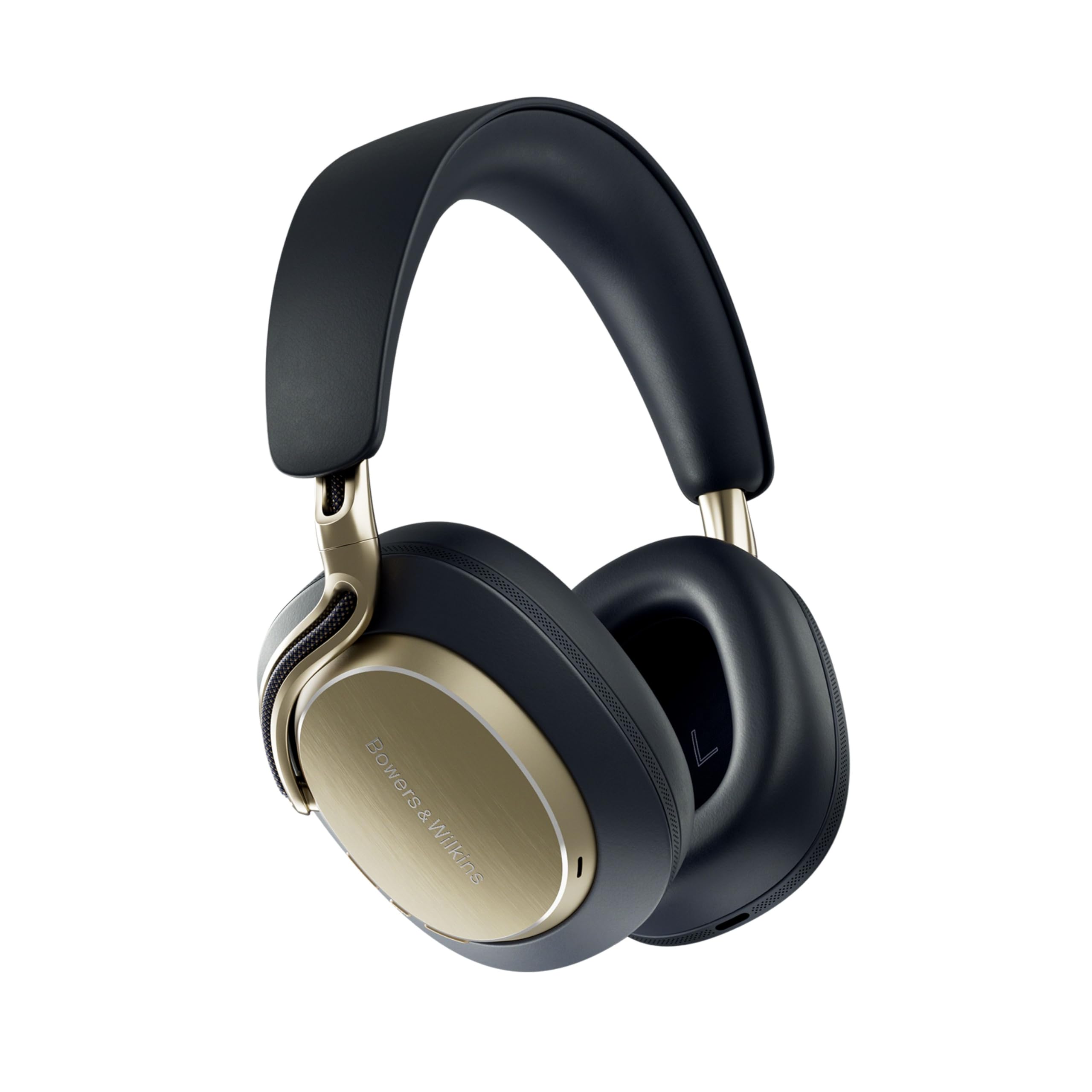
Reference-grade audio, wrapped in die-cast aluminum and soft Nappa leather.
For listeners who want wired-studio sound without the wire, the Px8 S2 is the most serious wireless pick here. Custom 40mm Carbon Cone drivers, 24-bit DSP, and a dedicated DAC amplifier deliver a detailed soundstage with balanced bass. In plain terms, the DAC converts the digital file with care before it reaches the driver, so the details hold up. That combination is why it lands closer to a reference listen than most wireless sets.
The build matches the sound. Solid die-cast aluminum arms and soft Nappa leather are meant to hold up over long wear, unlike typical plastic alternatives. An eight-microphone system monitors ambient noise for balanced cancelling that keeps the natural detail and depth intact rather than flattening the music. Bluetooth 5.3 with multipoint connects two devices at once and switches between phone, laptop, or tablet, and aptX Lossless supports hi-res streaming. Battery runs 30 hours, and a 15-minute fast charge gives up to 7 hours. A 5-band EQ and True Sound mode let you tune the rest.
This is the pick for someone who wants the best of both — luxury feel and close-to-studio sound in one wireless set. The honest caveat is the price tier it sits in, where a wired set at the same level buys more raw fidelity. If you value travel-ready comfort and a leather build as much as purity, this is the wireless set to buy.
Where it shines
- 40mm Carbon Cone drivers with a dedicated DAC for reference-grade detail
- Bluetooth 5.3 multipoint plus aptX Lossless for hi-res streaming
- 15-minute fast charge gives up to 7 hours of playback
The consideration
- Premium-tier outlay where wired sets buy more raw fidelity
- 30-hour battery trails the Beats’ 40 hours
- Some comfort preferences favor lighter builds
The luxury all-rounder: ideal if you want near-studio sound and leather-clad build in one wireless headphone.
Consider the alternative if: you’d rather spend the same on a wired set for maximum fidelity.
8. Sennheiser HD 800 S Audiophile Reference Headphones

The largest dynamic drivers in over-ear form, angled to throw a natural concert-hall stage.
The 56mm ring radiator transducers are the largest drivers ever used in dynamic headphones, and they move serious air. The unique ear cup design directs sound waves at the ear at a slight angle, which is what creates that impressively natural, spatial feel. Innovative absorber technology tames unwanted peaks in the frequency response so subtle musical details come through instead of being hidden.
It’s a reference-class open-back, around-ear set built for the listener who wants to hear the recording, not a flattered version of it. The box includes two connecting cables — a single-ended 1/4-inch and a balanced 4.4mm — so it plays nicely with both everyday jacks and balanced amps. The 9.8-foot cable gives you room to move at your desk. This is a set that rewards good source material and a good amp.
Two things to accept before you buy. First, the physical fit: the cups are large, and the set can slide off a smaller head when you look down, so fit is a genuine consideration. Second, open-back means the world hears what you hear. Sound quality is what everyone raves about, but size and fit both split opinion among owners. For a quiet room and a proper amp, it is a reference experience — for portability, it isn’t.
what separates it
- 56mm ring radiators, the largest dynamic drivers in over-ear headphones
- Angled ear cups create a natural, spatial stage
- Ships with both a 1/4-inch and a balanced 4.4mm cable
What to plan around
- Large cups can slide off a smaller head
- Open-back leaks sound and blocks almost nothing
- Wants a decent amp to reach its best
A quiet-room reference: for the listener with a decent amp who wants the widest, most natural stage on this list.
skip it if: you have a small head or want a set you can wear on the train.
9. Bang & Olufsen Beoplay H100 Wireless Headphones

A wireless headphone built to be repaired, not replaced, with 32 hours of playback.
What separates this set is the long-game thinking: key components can be replaced, so the headphones are built to be serviced rather than thrown away. That is a rare commitment in a wireless headphone, and it’s the reason to consider it. Playback runs up to 32 hours with noise cancelling switched on, and a five-minute charge adds five hours of music, so a quick top-up covers a commute. A leather carrying case and USB-C cables ship in the box.
The sound and comfort are the other half of the pitch. Owners describe crisp, clear notes and controls they find intuitive, and the design earns its own praise. The 40mm dynamic driver handles the music, and the leather case and detachable cable round out a premium package. Bluetooth sits at 5.3 with a 12-meter range, and the cups are made for long wear — ten minutes or ten hours, as the maker puts it.
It’s a luxury purchase, and the honest split is on value — some owners feel it is worth every penny, others find it steep for what a wireless set can do. If replaceable parts and a long service life matter more to you than raw driver specs, this is the wireless set to buy. If you chase pure fidelity per dollar, wired sets at this tier give more.
The long-term appeal: replaceable key components, a 32-hour battery, and a five-minute charge that adds five hours.
The honest trade: it sits in a luxury tier where opinions on value split, and wireless sets here face stiff wired competition.
For the long view: choose it if you want a premium wireless set built to be repaired instead of replaced.
Weigh it against: wired sets in the same tier if pure fidelity per dollar is your priority.
10. Focal Stellia Closed-Back Headphones

A closed-back that digs out every nuance at the top and bottom without upsetting the balance.
Most high-end fidelity lives in open-back designs that leak, but the Stellia keeps the sound in — and that is its whole reason to exist. It delivers every tiny detail of a song at both very high and very low frequencies without compromising the tonal balance. The result is incredible dynamics for a closed-back, which means quiet passages and loud hits keep their contrast instead of flattening out. For a home listener who needs to keep the music contained, this is a rare genuine high-end option.
Every component is aimed at acoustics first, then style — the maker’s own framing, and the cognac leather carry case and build reinforce it. The detachable cable lets you swap in a different lead, and it works with smartphones, tablets, and laptops. That closed-back design means it also works on the go, unlike the open sets on this page.
The catch is familiar at this tier: value is a split view. Some call it the best spend they have made, one does not. That is a normal debate around luxury audio rather than a fault. If you need high-end sound that stays private and travels with a leather case, it earns its place; if you only ever listen in a quiet room, an open-back gives more air for the money.
The rare combination: high-end detail and dynamics in a closed-back that keeps the music contained for private or on-the-go listening.
The honest caveat: value is debated at this tier — a fair note for anyone comparing against open-back sets.
Worth it when: you need top-tier fidelity that stays private and travels in a leather case.
Think twice if: you only listen in isolation, where an open-back delivers more air.
11. Focal Utopia High-Fidelity Open-Back Headphones

The top of the mountain: a flagship open-back tuned for the last word in treble linearity.
The ‘M’-shaped grille is the engineering detail that matters here — it follows the curve of the speaker driver, and the result is better linearity of the high frequencies. In practice, that means a smoother, more even treble, free of the harsh peaks that make long listens tiring. Forged, recycled carbon yokes mould to the face for a fit that hangs correctly, and a honeycomb grille keeps the driver open and fully uncompressed so the sound isn’t boxed in.
Perforated lambskin memory foam ear pads add openness and comfort, and the whole set is a wired, cable-driven flagship for the desktop listener with a serious source. This is the pick for someone who has already built a system around a top-tier headphone and now wants the reference experience at the very top of the range. Every part is aimed at removing anything between you and the recording.
Buy this knowing what it is: a niche flagship for the committed listener, and the highest-rated set on this page, which tells you it can keep its promises. The honest note is the ecosystem — open-back means it needs a quiet room and a good amp to show what it can do. If you’re building a reference system around a single headphone, this is a strong place to end up.
The core idea: an ‘M’-shaped grille and honeycomb design that keep the driver open for smooth, linear high frequencies.
What it asks: a quiet room and a capable amp — a system purchase, not a portable one.
The flagship choice: for the committed listener building a reference system who wants the smoothest treble on this page.
The reality check: it’s open-back and wired, so it needs a quiet room and a proper amp to shine.
Know the Specs
Impedance (Ohms)
Impedance tells you how hard a headphone is to drive. A low number, like the 30Ω on the beyerdynamic DT 1990 Pro MKII, means a laptop or phone can drive it at full quality. Higher-impedance or planar sets generally want more power to reach their best, so plan for an amp.
Open-Back vs Closed-Back
Open-back cups let air and sound through, which creates a wider, more natural stage — but they leak and block noise. Closed-back cups, like the Focal Stellia, keep sound in for private or on-the-go listening at the cost of some air.
Battery Life and Fast Charging
For wireless sets, battery hours decide how often you reach for the cable. A 40-hour set like the Beats Studio Pro covers a workweek on one charge, while fast-charge features top you up before a trip.
Driver Type and Size
Dynamic drivers use a cone; planar magnetic drivers use a thin film. Sizes like 56mm in the Sennheiser HD 800 S mean more air moved for a big sound, while planar designs are built for fast, clean detail.
Common Questions
Will open-back headphones like the Sennheiser HD 800 S leak sound in a shared room?
Do I need a separate headphone amp to use the beyerdynamic DT 1990 Pro MKII?
How long does the Beats Studio Pro battery last and how fast does it charge?
Is planar magnetic better than dynamic for sound quality?
Can I use the Focal Stellia on the go since it is closed-back?
What is the difference between active noise cancelling and transparency mode?
Does the FiiO FT1 come with a balanced cable for a dedicated amp?
How many microphones does the Sony WH-1000XM6 use for noise cancelling?
Are the Bowers & Wilkins Px8 S2 good for calls and switching between devices?
Why does the Focal Utopia use a different grille shape from other open-backs?
The Bottom Line
For most people, the world’s greatest headphones winner is the Beats Studio Pro because it covers the most ground in one set — a 40-hour battery, USB-C lossless plus a 3.5mm cable, and one-touch pairing across Apple and Android. If silencing the world is your priority, grab the Sony WH-1000XM6, whose QN3 processor and 12 microphones do the heaviest cancelling here. For a quiet-room reference listen, reach for the Sennheiser HD 800 S with its 56mm ring radiators.
The wired audiophile path starts far more affordably — the FiiO FT1 gives you a 6cm dynamic driver and wood cups without an amp. Step up to the HIFIMAN Edition XS for a planar stage, and the beyerdynamic DT 1990 Pro MKII if you mix audio and want a revealing 30-ohm set that runs off a laptop. On the wireless luxury side, the Bowers & Wilkins Px8 S2 pairs Carbon Cone drivers with Nappa leather, and the Beoplay H100 stands out for parts you can actually replace. Match the set to the job you actually have, and the money is well spent.
How we choose
We do not accept paid placement. Every pick is matched to a real buyer and a real use-case; we do not hands-on test units.
Sources
Specifications: manufacturer listings and product documentation. Review insights: verified customer reviews, as of November 2026. Pricing: not shown on this page (it changes often); check the current price via the retailer link.
As an Amazon Associate, Tactical Gear Guy earns from qualifying purchases. This does not affect which products we feature.