Specs are compiled from manufacturer listings and verified buyer reviews and can change over time — please confirm the key details on the product page before buying.
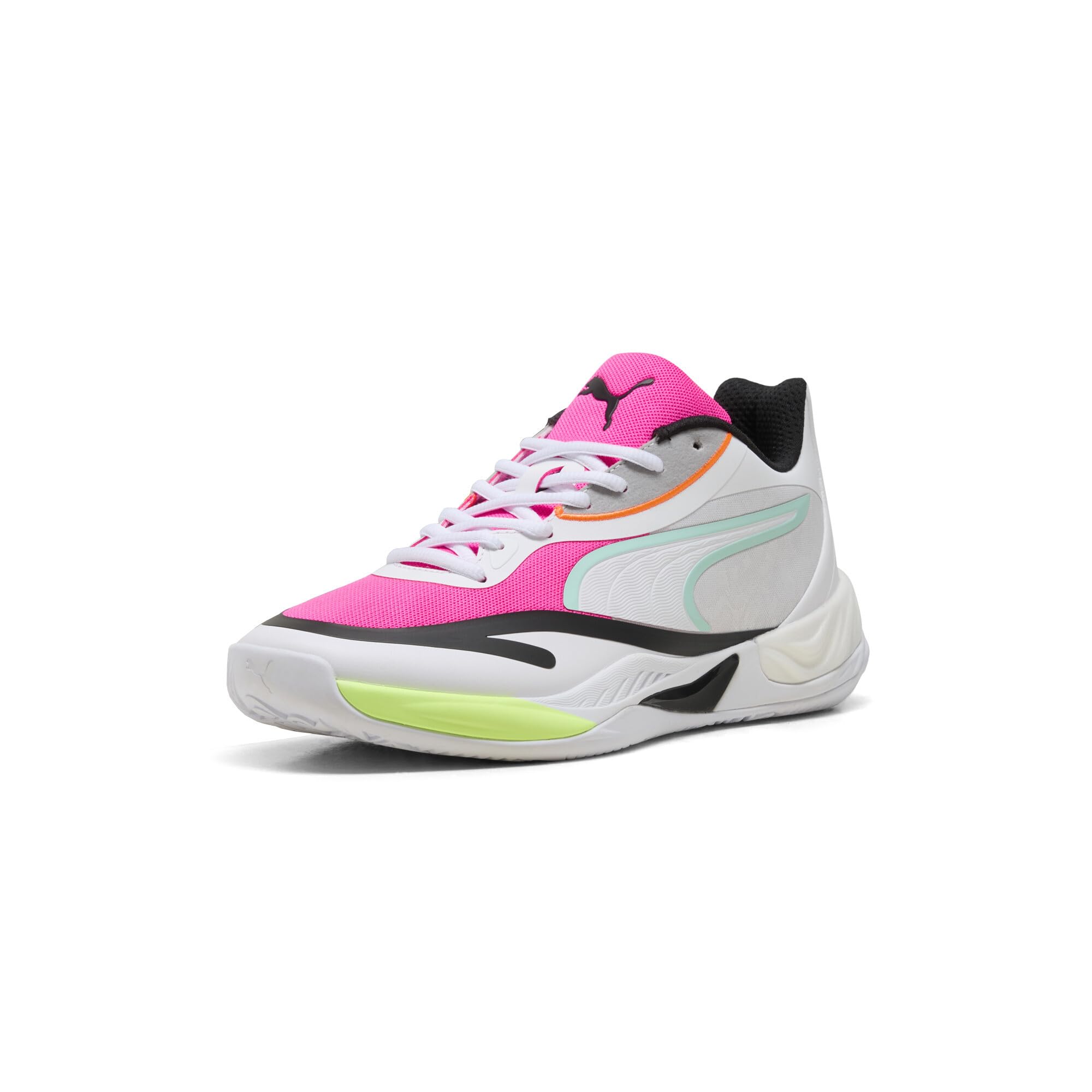
Your shoe is the only thing between you and the floor, so it decides how hard you can cut, how well you land, and whether your toes survive the third quarter. The best pick here for most players is the PUMA All-Pro Nitro Skybreak: it pairs a NITRO foam heel piece (a soft, springy cushion at the back of the foot) with a compression molded EVA midsole (the firm foam layer that runs under your whole foot), and it does it at 2.43 pounds. Below you get nine real court shoes sorted by what they actually do well, so you can match one to your game instead of guessing.
This guide is built by comparing the manufacturers’ published specifications and the patterns across verified customer reviews, so you get each pick’s real strengths and trade-offs instead of marketing spin.
Footwork is where games get won, and a shoe that fits right keeps your foot from sliding inside it on every cut. Read on for the practical breakdown of the world’s basketball shoe options that actually hold up on court.
Top Picks

How To Choose The Best World’s Basketball Shoe
A basketball shoe does three jobs at once: grip the floor, cushion the landing, and lock your foot in place while you change direction. Get the grip, cushioning or lockdown wrong and you will feel it by the second quarter. Get all three right and you stop thinking about your feet mid-cut.
Start with how your foot sits inside the shoe
Width is the divide. Plenty of these court shoes run on the narrow side up front, which suits a slim foot and pinches a wider one. Look for a shoe described as roomy in the forefoot if your toes normally feel squeezed at the sides. If your foot sits between sizes, go up rather than down.
Match the cushioning to how you play
A soft foam heel pile like NITRO or a Max Air element (a pocket of pressurised air inside the midsole) absorbs the thump when your heel hits first. That matters more if you jump a lot or play on a hard floor. A lower, firmer setup gives you a closer feel of the ground and quicker push-off, which suits guards who live on their toes.
Check the outsole before you commit
The rubber pattern under the shoe is your traction. A herringbone tread — the zig-zag ridges that bite into the floor — gives predictable grip for stopping and pivoting. A split outsole with cut-outs under the arch bends with your foot and trims weight. If you play on outdoor asphalt, look for rubber the maker calls durable rather than a thin indoor pattern.
Side-by-Side Comparison
| Model | Best For | Cushioning Setup | Upper / Build | Weight | Amazon |
|---|---|---|---|---|---|
| PUMA All-Pro Nitro Skybreak★ Best Overall | Best all-round court shoe for most players | NITRO foam heel piece plus compression molded EVA midsole | Engineered mesh upper | 2.43 pounds | Amazon |
| adidas Dame XRoomy Forefoot | Roomy forefoot and ankle support | — | — | 2.43 pounds | Amazon |
| Nike Lebron Witness VIIICourt Stability | Lateral stability for hard cuts | Max Air element in flat midsole with foam coating | Breathable mesh with reinforced side seams | 3 pounds | Amazon |
| adidas D.O.N. Issue 7 | Simple, comfortable everyday court shoe | — | — | 2.43 pounds | Amazon |
| Nike Giannis Immortality 4 | Court feel and quick stops | — | Internal containment lacing system | — | Amazon |
| LI-NING Wade Flash | Grip indoors and outdoors | CLOUD PLUS upgraded EVA midsole with PROBAR LOC stabilizer | Wade logo toe with lightning side wrap | — | Amazon |
Detailed Reviews
1. PUMA Men’s All-pro Nitro Skybreak Basketball Shoes
Our pick — 4.5+★ from 300+ verified ratings; the strongest balance of quality and price.
Two kinds of foam in one shoe, and a build light enough to forget about.
This is the pick that asks the least of you: no break-in gamble, no weight penalty, no foam compromise. PUMA puts a NITRO foam heel piece — a springy cushion sitting right where your heel strikes — above a compression molded EVA midsole that runs the length of the foot. The result is a shoe that softens the landing while still giving you something solid to push off against. The engineered mesh upper is built to let heat out, so your feet stay cooler through a full game rather than cooking in a sealed shell.
At 2.43 pounds it is squarely in the lighter half of this list. Compare it to the Nike Lebron Witness VIII at 3 pounds and you are carrying noticeably less shoe on every sprint up the floor. That gap is the whole reason this one works as a default recommendation: you get proper cushioning without the bulk that makes a heavy shoe feel like work in the fourth quarter.
The honest caveat is width. The fit is the one thing buyers split on, and the shoe is not built for a genuinely wide foot. If your normal sneakers always feel tight across the ball of your foot, size up or look at the adidas Dame X instead, which is described as roomy in the forefoot. What wins people over here is the overall build quality — it is the single most-praised thing about this shoe, with comfort right behind it.
Where this shoe earns its place
- NITRO heel foam plus a molded EVA midsole gives you a soft landing with a firm platform underneath.
- 2.43 pounds keeps your legs fresher late in the game.
- Engineered mesh upper breathes so your feet stay cool and confident on court.
- Build quality is what buyers praise most, with comfort a close second.
The trade-off you should know
- Fit is the split issue — this is not a shoe for a genuinely wide foot.
- Sizing runs inconsistent enough that you should check the size chart before ordering.
Reach for this if: you want one shoe that handles cushioning, breathability and weight without a compromise you will notice.
Try something roomier if: your feet are wide across the forefoot — the Dame X was built with more space up front.
2. adidas Unisex-Adult Dame X Basketball Shoe
The one for feet that always feel pinched in the toe box.
If the PUMA above sounds good until you get to the width note, this is your shoe. The Dame X is the pick here that buyers consistently describe as roomy in the forefoot, and that space changes how the shoe feels on a long night. There is room for your toes to spread when you plant, and enough room that thick hooping socks do not turn into a squeeze.
Around that roomy fit sits real structure. Buyers talk about the ankle support as the thing that holds them steady through quick cuts and lateral movement, which is the sideways push you make when you slide your feet to stay in front of a driver. The cushioning also draws attention for taking the sting out of jumps. At 2.43 pounds it is right alongside the PUMA on the scale, so you are not paying for that support with extra weight.
What you give up: this is a simpler build than the two-foam PUMA setup, and there is no advertised foam technology to point at. What you get instead is a shoe the majority of buyers find true to size and comfortable enough to wear without a long break-in. It is also the pick in this group that draws the most comments on looks, so you are not stuck choosing between performance and something you actually want to put on.
The standout trade: roomy forefoot plus a supportive ankle collar, at 2.43 pounds — that combination is rare in this price bracket.
Honest read: the cushioning is not the elaborate multi-foam build of the PUMA, so if you want maximum plush under the heel, look there first.
Your match if: wide feet or a high instep have kept you hunting for a court shoe that does not squeeze.
Worth noting: the firmer, simpler midsole means you feel more of the floor than you would in a heavily cushioned shoe.
3. Nike Lebron Witness VIII Men’s Basketball Shoes
Built to keep you upright when you brake hard and change direction.
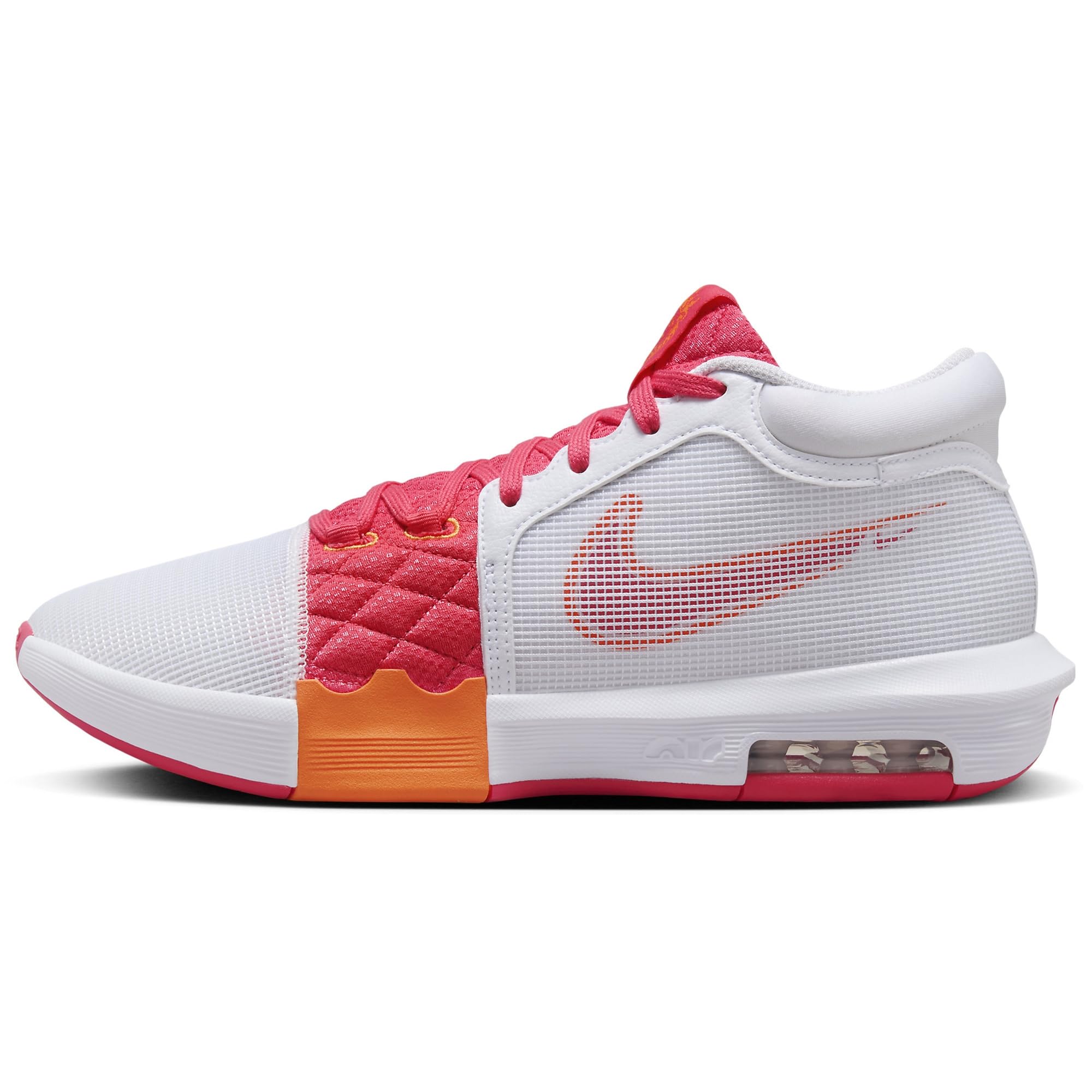
The engineering brief on this shoe is lateral stability, and you can see how Nike chased it. A Max Air element — a sealed pocket of air set into the midsole — sits in a flat midsole with a foam coating over the top. That setup supports you when you push sideways, cushions the landing, and keeps the heel-to-toe roll smooth instead of sloppy.
Down below, the rubber outsole is split with part of the arch cut away so the shoe flexes with your foot and trims weight. The classic herringbone tread — the zig-zag pattern of ridges that bites the floor — gives you traction you can trust on a stop. On paper that is a serious court shoe.
The fit is the sticking point, and it cuts both ways. Some players find the fit land right, while the forefoot is the spot buyers most often call too tight. Sizing draws more friction than anything else. The upper is breathable mesh wrapped around the forefoot with reinforced side seams and pre-shaped outer pieces that lock the heel down, so once you get the fit dialled in, the shoe holds you properly.
What it does best: lateral support for players who cut and brake constantly — the split outsole and Max Air heel work together for that.
Where it fights you: sizing and forefoot width are the recurring friction points, and heavier players will feel the 3 pounds late in a game.
Pick this if: you play a stop-start, change-of-direction game and want a shoe that feels planted when you slam on the brakes.
Think twice if: you have a wide forefoot or want the lightest shoe on the floor — the 2.43-pound options above suit you better.
4. adidas Mens D.O.N. Issue 7 Basketball Sneakers Shoes – Blue
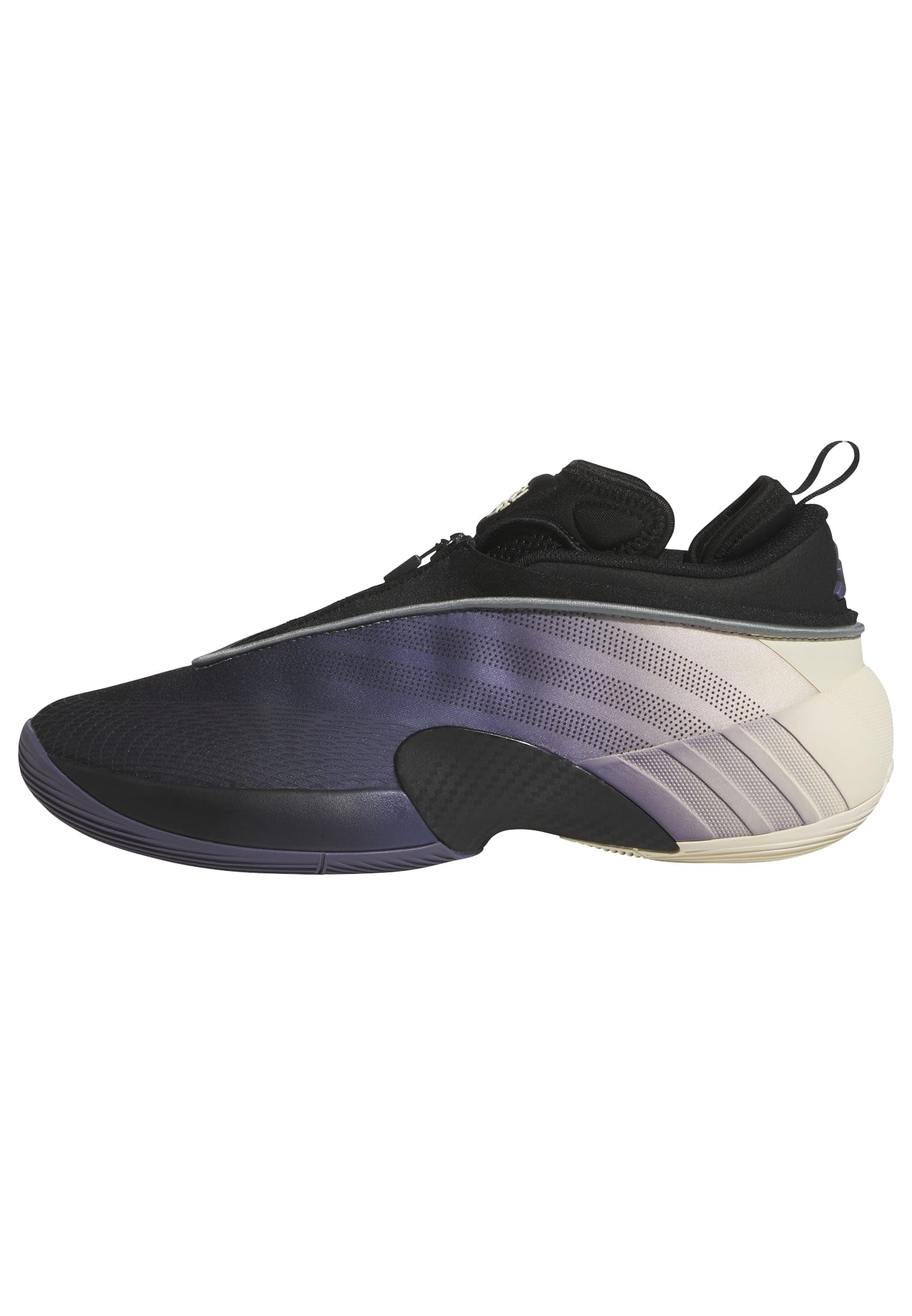
A no-drama court shoe that fits right from the start and needs no break-in.
Not every player wants a complicated shoe, and this adidas is the clean answer for that. It is a unisex build at 2.43 pounds, the same light weight as the PUMA and Dame X above, so you are not dragging extra mass up and down the floor. What buyers report most is straightforward: the quality feels solid and the shoe is comfortable to wear.
The fit is the part that quietly wins people over. It is described by buyers as a shoe that just works, including a parent noting their son has had no issues wearing it — no rubbing, no break-in struggle, no returns.
Here is the honest limit: there is very little published detail on the cushioning or outsole construction, so you are buying on fit and quality rather than a named traction or foam technology. That is a fair trade for a simple shoe, but if you want the two-foam heel setup or a herringbone grip you can point at, the PUMA or the Lebron Witness VIII spells it out clearly. This one asks you to trust the fit — and on the whole, that trust is returned.
What buyers keep coming back to
- Unisex sizing means you can share the same model across a household roster.
- 2.43 pounds keeps it light on the foot through a full session.
- Quality and comfort are the two things most consistently praised.
- Fit is reported as easy — no long break-in period to fight through.
The honest gap
- Little published spec on cushioning or outsole, so you cannot compare foam tech on paper.
- Not the shoe to pick if you want a documented traction pattern for serious indoor play.
Solid choice for: the weekend player who wants a light, comfortable pair that fits without fuss.
Look elsewhere if: you want named cushioning and a specific outsole pattern you can research before buying.
5. Nike Unisex Adult G.T. Jump Academy Basketball Shoes

An upgraded tread pattern and a sleeker heel for players who stop on a dime.
The Giannis Immortality 4 leads with its traction. Nike upgraded the tread pattern specifically for better court feel and mobility, which means the shoe stays connected to the floor when you push off and slide. That is the difference between trusting your grip on a cut and hesitating for half a step. A new, sleeker heel shape then supports you when you come to a sudden stop.
Inside, an internal containment system pulls your foot in snug once you lace up, so your foot does not slide around in the shoe while you move. Buyers describe this one as a strong value — quality, grip and suitability for basketball all draw positive words, and the appearance and colour get their share of credit too. It is the kind of shoe that looks as good as it plays.
The friction point is width. Some players find it runs true to size, others find it very narrow — so try before you commit if you can, or size up if your foot is broad. Durability is the other split: some pairs hold up well, while a small number of players have had theirs come apart. Given the strength of the overall feedback, this reads as an occasional fault rather than the pattern — but it is worth knowing if you play hard every single day.
What it brings to the floor
- Upgraded traction pattern tuned for court feel and mobility.
- Sleeker heel shape supports you through sudden stops.
- Internal containment system locks your foot in once you lace up.
- Buyers rate the grip, looks and colour highly for the outlay.
What to weigh up
- Reported as very narrow by some players — wide feet should size up.
- A small number of pairs have come apart, so inspect yours on arrival.
Best for: guards and quick-footed players who live on traction and court feel.
Not for: broad feet or players who need a shoe that survives daily outdoor abuse.
6. Nike KD 17 Men’s Basketball Shoe

One outsole for the gym floor and the driveway, allegedly at once.
The Wade Flash is the most technically ambitious shoe under the premium line, and it shows in three separate pieces of engineering. The CLOUD PLUS midsole upgrades standard EVA by adding thermoplastic nylon elastomers — a springy plastic blend — so the foam ends up more elastic and more resilient than ordinary EVA. A PROBAR LOC stabilising device sits in the midsole to resist twisting, which helps stop the shoe deforming when you push off hard and takes strain off your arch.
The outsole is where it separates from the indoor-focused shoes above. LI-NING uses TUFF RB rubber, which the maker says is more durable than ordinary rubber, and it is billed as safe and slip resistant both indoors and outdoors. For a player who splits time between a gym floor and an outdoor court, that is a real advantage over a pure herringbone indoor pattern. Buyers back it up with praise for the traction and grip, and they call it light on the foot too.
Design is its own thing here: the classic Wade logo sits on the toe, and a colourful lightning shape wraps around the heel. The fit is the one split — some find it true to size, others find it runs slightly small, so check the chart. Lightweight build, grip, and value are the notes it hits hardest, and the quality is the most-praised element overall. If you want a shoe that can take both surfaces without a second thought, this is the one to try.
What stands out: TUFF RB grip for indoor and outdoor use plus a PROBAR LOC midsole stabiliser gives you traction and support in one shoe.
The catch: sizing splits, with some players finding it runs slightly small — size up if you are between sizes.
Reach for it if: you play both indoors and on an outdoor court and want one shoe that handles both.
Check your size first if: you sit between sizes — some wearers find this one cuts a little small.
Know the Specs
Midsole Foam and Cushioning
The midsole is the layer of foam under your foot, and it decides how the shoe feels when you jump and land. Two names come up here. EVA is the standard foam found in most court shoes — light and reasonably cushioning. A springier foam like NITRO sits in a heel piece, and it gives back more bounce where your heel strikes first. A Max Air element is a sealed pocket of air built into the midsole that cushions the landing. More cushion means softer landings; less means a closer feel of the floor and quicker push-off.
Traction, Outsole and Weight
Traction comes from the rubber under the shoe and the pattern cut into it. A herringbone tread — the zig-zag ridges — is the classic grip pattern for hard courts. A split outsole with the arch cut away lets the shoe flex and keeps the weight down. On rubber compound, a durable option like TUFF RB is built to survive both indoor and outdoor surfaces. Weight matters because it changes how fast you can stop and restart: a 2.43-pound shoe sits in the lighter range, while 3 pounds is noticeably heavier late in a game. An internal containment system is the lacing and inner-shell setup that pulls your foot snug so it does not slide inside the shoe.
Common Questions
Should I go up a size in a narrow basketball shoe?
Does 3 pounds really feel different from 2.43 pounds on court?
Will a herringbone outsole work on an outdoor court?
How much break-in time should I expect from a basketball shoe?
Is a NITRO foam heel better than a standard EVA midsole?
What does an internal containment system do on a basketball shoe?
Can I wear the same basketball shoe indoors and outdoors?
Is a unisex basketball shoe sized the same as a men’s shoe?
How long should a basketball shoe last if I play twice a week?
The Bottom Line
For most players the winner is the PUMA All-Pro Nitro Skybreak because it stacks a NITRO heel piece on top of a compression molded EVA midsole at just 2.43 pounds, so you get soft landings without a heavy shoe. If width is your problem, the adidas Dame X gives you the roomy forefoot and ankle support that a wide foot needs. And for split indoor-outdoor play, the LI-NING Wade Flash brings TUFF RB grip and a PROBAR LOC stabiliser to both surfaces. One nudge: the PUMA is the crowd favourite here at 4.5+ stars across 300+ ratings, and that consensus from so many players is a steady anchor for a first purchase.
How we choose
We do not accept paid placement. Every pick is matched to a real buyer and a real use-case; we do not hands-on test units.
Sources
Specifications: manufacturer listings and product documentation. Review insights: verified customer reviews, as of November 2026. Pricing: not shown on this page (it changes often); check the current price via the retailer link.
As an Amazon Associate, Tactical Gear Guy earns from qualifying purchases. This does not affect which products we feature.