Specs are compiled from manufacturer listings and verified buyer reviews and can change over time — please confirm the key details on the product page before buying.
Buying a lens for a Nikon Z camera is really about one question: what do you point it at most? A wedding shooter needs a fast fifty, a landscape hiker wants ultra-wide reach, and a wildlife chaser needs 500mm without a tripod sherpa. Get that match right and the lens stays on the camera instead of the shelf. Get it wrong and you are carrying a heavy lens that never leaves the bag.
This guide is built by comparing the manufacturers’ published specifications and the patterns across verified customer reviews, so you get each pick’s real strengths and trade-offs instead of marketing spin.
The five Z-mount lenses below cover everything from a 112° ultra-wide sweep to a 150mm fast event zoom, each one sorted by the job it actually does best. Every pick here mounts natively on a Nikon Z body, so you can find the right Z-Mount Lenses for Nikon without buying an adapter first.
Top Picks

How To Choose The Best Z-Mount Lenses for Nikon
Nikon’s Z mount is a wider, shorter mount than the old F mount, which is why native Z glass can be smaller and focus faster than adapted lenses. The trade-off is that you are buying into a specific system, so the focal length and aperture you pick should match how you actually shoot.
Decide your focal length by what you photograph
A 14mm lens gives you a 112° field of view, which swallows a whole room or a mountain ridge in one frame. A 50mm sits close to how your eye sees the world, so it works for people and street scenes. If you shoot birds or sports, you want the long end — 150mm to 500mm.
Understand what the f-number buys you
The f-number is the size of the hole light passes through. A smaller number like f/1.8 or f/2 lets in more light and blurs the background harder than f/4 or f/5-6.7. That matters indoors and at dusk, when a slow lens forces you to raise ISO or use a tripod.
Weigh the glass against your shoulder
Long telephotos are heavy because the glass is heavy. That is the cost of a 500mm reach, not a defect. If you hand-hold for hours, check the weight in the specs before you commit, and consider whether optical stabilization is built in.
Side-by-Side Comparison
| Model | Best For | Focal Length | Max Aperture | Weight | Amazon |
|---|---|---|---|---|---|
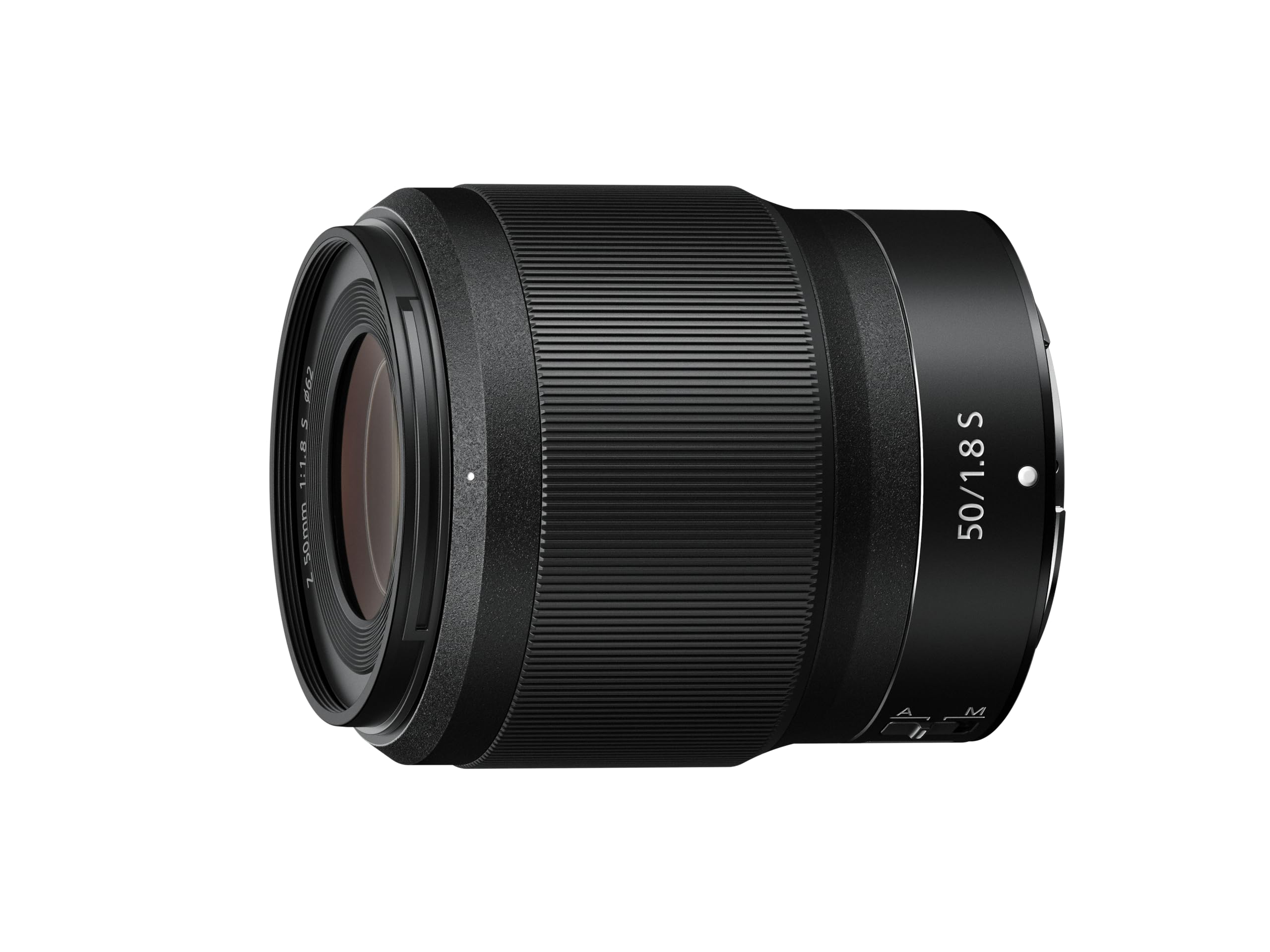
| Nikon NIKKOR Z 50mm f/1.8 S★ Best Overall | Everyday people and low light | 50mm prime | f/1.8 | — | Amazon |
| VILTROX 14mm F4.0Widest View | Ultra-wide landscapes and vlogging | 14mm prime | f/4.0 | 0.17 kg | Amazon |
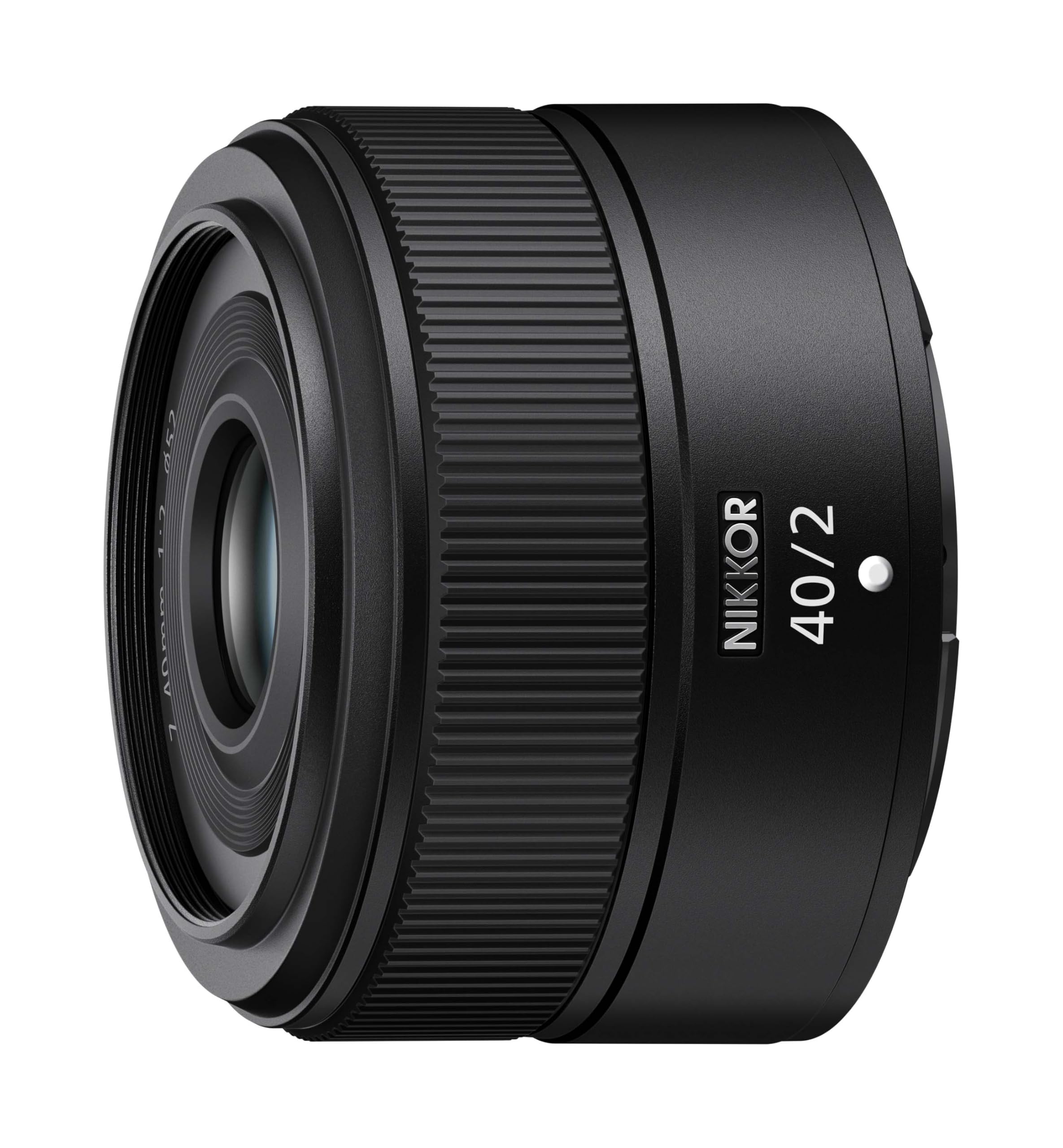
| Nikon NIKKOR Z 40mm f/2 | Compact daily carry | 40mm prime | f/2 | 6.08 ounces | Amazon |
| Tamron 28-75mm F/2.8 Di III VXD G2 | One-lens travel and events | 28-75mm zoom | f/2.8 | 1.2 pounds | Amazon |
| Tamron 35-150mm F/2-2.8 Di III VXD | Weddings and event coverage | 35-150mm zoom | f/2-2.8 | 2.6 pounds | Amazon |
Detailed Reviews
1. Nikon NIKKOR Z 50mm f/1.8 S
Our pick — 4.5+★ from 850+ verified ratings; the strongest balance of quality and price.
The fifty that shoots wide open without apologies
Start with the number that decides everything here: f/1.8. That is a wide aperture — a big opening that lets in lots of light — so you can shoot indoors and at dusk without cranking your ISO into grainy territory. Pair it with the 50mm focal length, which renders people about the way your eye sees them, and you have the single most useful lens most Z shooters will ever mount.
Nikon built it with a stepping motor, a small silent focus drive, so autofocus glides instead of hunting. Sharpness holds up even at that widest f/1.8 setting, and distortion is close to nil. The review pages make the consensus clear: sharp wide open, no noticeable chromatic aberration, and smooth bokeh — bokeh being the soft blur behind your subject that makes a portrait pop. It also works beautifully with the smaller Z50 body if you shoot DX format.
Against the 40mm f/2 further down this list, this lens opens wider — f/1.8 versus f/2 — for a little more light and a little more blur. The catch is size and cost: a true fast fifty is bigger than a pancake prime, and it is not the lens you toss in a jacket pocket. If portability is your whole game, the 40mm wins that fight. For pure image quality per frame, this one holds the higher score at 4.8 against the 14mm’s 4.5.
What earns it the top slot
- Sharp at f/1.8, not just stopped down, so low-light shots stay crisp
- Silent stepping motor keeps focus out of your audio and your subject’s eyeline
- Works on FX and DX Z bodies, including the Z50
- No adapter needed — native Z mount, full autofocus speed
Where it asks you to compromise
- Only one focal length, so you zoom with your feet
- Bigger and heavier than a compact pancake prime
- No image stabilization in the lens itself — it leans on the camera body
Reach for this if: you shoot people, low-light interiors, or want one lens that does the most with the least fuss.
Look elsewhere if: you need wide reach or a lens that vanishes into a small bag.
2. VILTROX 14mm F4.0 Z-Mount Lens
A 112° sweep that swallows a mountain ridge whole
Few lenses change how you see a scene the way an ultra-wide does. This 14mm prime throws a 112° field of view onto a full-frame sensor — that is genuinely sweeping reach, enough to fit an entire valley, a whole room, or a tight group of people into one frame. The optical recipe is serious for the price: 12 elements in 9 groups, with 2 aspherical elements and 4 ED glass elements to keep edges crisp and color fringing down.
For video shooters, two specs matter more than anything. Minimum focus distance is 0.13m, so you can nearly touch the lens to a detail and pull in a dramatic near-far composition. And focus breathing — the annoying zoom-in-out shift while you rack focus — is kept minimal, so transitions stay smooth. Eye and face autofocus keeps a moving subject locked, whether that is a pet or a person walking toward the camera.
What wins people over is the build and the bang for the focal length. Full metal construction and quick focus get called out, and its held score of 4.5+ is a strong showing for a third-party ultra-wide. The honest trade-off is aperture: f/4.0 is a modest opening, so blue-hour and indoor shots demand a steadier hand or a higher ISO than a fast f/1.8 prime would ask. It also has no in-lens stabilization, so lean on your body’s IBIS.
Built for: landscape, architecture, and vlog shooters who want maximum frame width in a compact 0.17 kg body.
Think twice if: most of your shooting happens in dim light where f/4.0 will cost you shutter speed.
3. Nikon NIKKOR Z 40mm f/2
The 6-ounce prime that rides in the bag without a second thought
Here is the spec to fix in your head: 6.08 ounces. That is roughly the weight of a full mug of coffee, and it is the entire reason this lens ends up on the camera instead of in the drawer. The 40mm focal length sits a step wider than a classic fifty, close to how you naturally frame a scene, so it walks streets and shoots friends without you thinking about it. On a DX-format Z body it behaves like a 60mm lens, giving you a slightly tighter, portrait-friendly view.
Lens quality is the thing buyers talk about most, with image quality close behind, and the design backs that up. A nine-rounded-blade aperture carves out soft background blur at f/2, so a subject separates cleanly from what is behind them. Autofocus is quick and quiet, and the click-less control ring lets you change aperture or exposure smoothly and silently during video. That is the feature set of a 6-ounce prime built for walkabout shooting.
Compare it to the 50mm f/1.8 above and the trade is obvious. You give up a sliver of light — f/2 versus f/1.8 — and you gain a lens you will actually carry. Against the bigger zooms, it costs you zoom range and reach, but it saves your shoulder. The clear win here is value and portability, and the clear limit is that one focal length means no reach when the subject walks away.
The daily-carry argument: 6.08 ounces, f/2, and quiet autofocus make it the lens you leave on the camera.
The catch worth knowing: it is a single focal length, so wildlife and distant action are simply off the table.
The one to grab: travelers and street shooters who want a light, fast everyday lens for walkabout days.
Not your answer for: anyone chasing distant subjects or needing a zoom’s reach.
4. Tamron 28-75mm F/2.8 Di III VXD G2

One zoom that covers the whole event without a bag swap
If you only own one lens, a 28-75mm f/2.8 zoom is the pragmatic choice, and this is a smart version of it. The constant f/2.8 aperture means the opening stays the same from 28mm wide all the way to 75mm, so you do not lose light as you zoom in — a real advantage when a ceremony moves from a sunlit aisle to a dim reception hall. The VXD linear motor is a fast, near-silent focus drive built for speed and precision.
Two more numbers make it flexible for close work. Minimum object distance is 7.1″ at the wide end, and the maximum magnification ratio is 1:2.7, which lets you get unusually close for detail shots without switching lenses. The barrel is 4.7″ long and the whole thing weighs 19.4 oz, so it balances on a smaller Z body. Fluorine coating on the front element and a moisture-resistant construction help when the weather turns.
Against the 150-500mm telephoto on this list, the weight gap is the headline story — 1.2 pounds versus 4.1 pounds. That is the difference between a lens you hand-hold for an hour and one you brace on a monopod. Image sharpness lands across most of the zoom range, colors render beautifully, and it wears the go-to everyday label well. The honest limit is reach: 75mm will not pull in a bird on a wire, so this is a walkaround zoom, not a wildlife optic.
Where the value stacks up
- Constant f/2.8 keeps light steady through the full 28-75mm range
- VXD linear motor focuses fast and quietly for stills and video
- TAMRON Lens Utility lets you customize focus and function buttons
- Close 7.1″ minimum distance for detail and near-macro shots
The honest limitations
- 75mm tops out before true telephoto territory
- The zoom ring and barrel take up bag space compared to a prime
- Lens quality is praised, but it is a third-party lens, not a Nikon S-line optic
Ideal for: event and travel shooters who want one lens to cover wide groups and tighter portraits without changing glass.
Skip if: your subjects are consistently far away and you need real reach.
5. Tamron 35-150mm F/2-2.8 Di III VXD

The fast zoom that covers a whole wedding day in one barrel
Tamron calls this the world’s first F2-2.8 fast aperture zoom lens, and the range is what makes it special. It runs from 35mm, wide enough for a group shot, to 150mm, long enough for a tight portrait across the room — all in one lens. The variable f/2-2.8 aperture stays fast through the range, so you keep more light and softer background blur than a standard f/4 zoom would give you. A VXD linear focus motor drives autofocus quickly and quietly.
Nine circular aperture blades produce smooth-edged bokeh, and the optical performance is praised throughout the range. Event photographers rave about the versatility — the ability to go from a wide environmental frame to a compressed close-up without swapping glass at a crowded reception. TAMRON Lens Utility adds customization for stills and video workflows. Optical stabilization is built in, helpful when the light drops.
The catch is weight — 2.6 pounds, and that is the recurring note. Compared with the 28-75mm f/2.8 at 1.2 pounds, you add real heft for the extra 75mm of reach and the faster maximum aperture. If you shoot long events, that weight shows up by the end of the night. If your work is mostly wide-to-medium, the lighter 28-75mm does the same core job with less strain.
Worth the heft for: wedding and event shooters who want fast aperture and long reach without lens changes.
Downsides to weigh: 2.6 pounds on the camera all day, and a premium price tier to match its build.
Know the Specs
Focal Length
Focal length, measured in millimeters, tells you how wide or how tight the lens sees. A 14mm frames a vast scene with a 112° view. A 500mm pulls a distant subject close. Choose the length by the subject, not by the number on the box.
Maximum Aperture
The aperture is the opening that lets light through, written as an f-number. A lower number like f/1.8 is a wider opening, good for low light and blur. A higher number like f/5-6.7 is narrower, typical of long telephotos that need a large body of glass.
Autofocus Motor Type
A stepping motor or linear motor is the small drive that moves the glass to focus. Linear motors tend to focus fast and quietly, which helps both stills and video. Quiet focus means your audio stays clean and subjects stay unaware.
Image Stabilization
Some lenses build in stabilization (often called VC or optical stabilization) to counter hand shake. Others rely on the camera body’s own stabilization. On long telephotos, in-lens stabilization helps hold a distant subject steady.
Minimum Focus Distance
This is how close the lens can get to a subject and still focus. A short distance like 0.13m lets you shoot small details and near-far compositions. A longer distance limits how tight you can frame.
Weight
The weight in pounds or ounces tells you how long you can hand-hold before your arms tire. A 6-ounce prime disappears in a bag. A 4-pound telephoto needs bracing or a monopod for extended shoots.
Common Questions
Will a Z-mount lens work on my Nikon Z50 or Zfc?
Do I need an FTZ adapter for these lenses?
Is f/1.8 better than f/2.8 for low light?
Can I shoot wildlife with a 150-500mm zoom on a Z body?
What does focus breathing mean for video?
How heavy is too heavy for a hand-held telephoto?
Will an ultra-wide like the 14mm distort faces up close?
Do I lose autofocus with third-party lenses like Tamron or VILTROX?
Can I use these lenses on a full-frame and a crop-sensor Z camera?
Is one fast zoom better than carrying two primes?
The Bottom Line
For most shooters, the z-mount lenses for nikon winner is the Nikon NIKKOR Z 50mm f/1.8 S because it pairs an f/1.8 opening — real low-light light and soft blur — with silent focus and near-zero distortion, and it holds the top score at 4.5+ on the strength of that sharp-wide-open performance. If you want one zoom to cover a whole event, grab the Tamron 35-150mm F/2-2.8 and its wide f/2-2.8 range. And for distant wildlife and field sports, the Tamron 150-500mm is the one to reach for, with 500mm of reach and built-in stabilization. Match the lens to the subject you chase most, and the 50mm f/1.8 earns its top score for good reason.
How we choose
We do not accept paid placement. Every pick is matched to a real buyer and a real use-case; we do not hands-on test units.
Sources
Specifications: manufacturer listings and product documentation. Review insights: verified customer reviews, as of November 2026. Pricing: not shown on this page (it changes often); check the current price via the retailer link.
As an Amazon Associate, Tactical Gear Guy earns from qualifying purchases. This does not affect which products we feature.